
Top 10 Bogotawood (Colombia) Movie Legends of the 90s
Top 10 Bogotawood (Colombia) Movie Legends of the 90s
In This Content
Quick List
Margarita Rosa de Francisco
Carlos Vives
Angie Cepeda
Robinson Díaz
Vicky Hernández
Víctor Mallarino
Ana María Orozco
Luis Mesa
Danna García
Julián Arango
1. Margarita Rosa de Francisco
Margarita Rosa de Francisco emerged in the late 1980s and early 1990s as one of Colombia’s most compelling screen presences, bridging the worlds of television, film, and cultural commentary with rare ease. Born into a culturally influential family in Cali, she was exposed early to the performing arts, literature, and music, which later shaped her expressive and intellectually grounded acting style. Her early life reflected a blend of artistic privilege and disciplined training, which positioned her uniquely within Colombia’s evolving entertainment landscape.

Her career began in television, where she quickly distinguished herself not merely as a performer but as a transformative presence capable of elevating melodramatic scripts into emotionally layered character studies. Her early roles revealed a natural command of emotional subtlety, setting her apart in an era when Latin American television was heavily driven by exaggerated theatricality. This distinction became her defining artistic signature.
Her breakthrough came with leading roles in widely watched Colombian telenovelas that achieved continental popularity in the 1990s. Through these productions, she became one of the most recognizable faces in Latin American households. Her characters often embodied emotional complexity, women navigating love, class tension, and personal reinvention allowing her to shape a new standard for female leads in Colombian drama.
Her legacy is defined not only by her screen success but by her intellectual presence in public discourse. She transitioned seamlessly into writing, journalism, and cultural critique, reinforcing her identity as more than an actress. Her influence helped redefine what it meant to be a Colombian television star, expanding it into the realm of cultural thought leadership.
Key Facts
- Full name of the subject: Margarita Rosa de Francisco
- Date of birth: August 8, 1965
- Place of birth: Cali, Colombia
- Family background: Born into an artistic and politically engaged family
- Early childhood experiences: Exposure to music, literature, and performance arts
- Education history: Private education with artistic development training
- Influences and mentors: Colombian writers, television directors, and theatrical coaches
- Career beginnings: Television acting in early Colombian productions
- Major achievements: Leading roles in landmark Colombian telenovelas of the 1990s
- Challenges and obstacles faced: Navigating typecasting and media scrutiny
- Turning points in life: Breakthrough television success in early 1990s
- Contributions to society: Cultural commentary and artistic advocacy
- Personal life (marriage, children, relationships): Public relationships widely covered by media
- Awards and recognitions: Multiple national television and acting honors
- Beliefs, values, or philosophy: Advocacy for artistic independence and intellectual expression
- Legacy and impact: Redefined female lead roles in Colombian television
- Historical or cultural significance: Key figure in Colombia’s 1990s television export boom
Notable Works:
Café con aroma de mujer
La caponera
La madre
Controversies:
One publicly discussed issue surrounding Margarita Rosa de Francisco has been her outspoken political commentary, which has occasionally generated polarized public debate. The issue centers on the intersection between her artistic career and her public political expressions. The background to this stems from her transition from purely entertainment-focused roles into journalism, writing, and social critique, where she began engaging more directly with national political discourse in Colombia.
The key stakeholders in this debate include media audiences, political commentators, entertainment industry colleagues, and cultural institutions. Critics have argued that her political statements risk overshadowing her artistic legacy, while supporters emphasize her right as a public intellectual to participate in democratic discourse. Her own responses have consistently framed her commentary as an extension of civic responsibility rather than political provocation.
Factually, no formal institutional sanctions or professional restrictions have been imposed on her career due to her statements, but public perception has fluctuated depending on political cycles. The controversy remains largely reputational and interpretive rather than legal or institutional.
The impact of this discourse has reinforced her image as a polarizing yet influential cultural figure. It has expanded her relevance beyond acting into broader debates about the role of artists in public life, strengthening her status as a multidimensional public intellectual.
2. Carlos Vives
Carlos Vives stands as one of the most influential cultural figures to emerge from Colombia in the 1990s, not only as a performer but as a transformative bridge between television fame and global music identity. Born in Santa Marta, he grew up in a coastal environment deeply rooted in Caribbean rhythms, storytelling traditions, and regional folklore, all of which later became central to his artistic evolution.

His early career began in acting, where he gained national recognition through television productions that showcased his charisma and natural screen presence. During this period, he was primarily known as a television actor, but his musical inclinations remained active in the background. His early performances demonstrated an easy, relatable style that resonated strongly with Colombian audiences.
His breakthrough came when he transitioned into music and redefined traditional vallenato by blending it with contemporary pop and rock influences. This reinvention not only elevated his career but also reshaped Colombia’s musical identity on the global stage. His work during the 1990s became emblematic of cultural modernization, positioning him as both an entertainer and a cultural ambassador.
His legacy is defined by cultural fusion and reinvention. By merging traditional Colombian music with global sounds, he expanded the reach of Latin American music internationally. His influence continues to shape new generations of musicians who view him as a pioneer of modern Colombian sound identity.
Key Facts
- Full name of the subject: Carlos Alberto Vives Restrepo
- Date of birth: August 7, 1961
- Place of birth: Santa Marta, Colombia
- Family background: Middle-class family with cultural exposure
- Early childhood experiences: Strong connection to Caribbean musical traditions
- Education history: Studied advertising and communications
- Influences and mentors: Traditional vallenato musicians and Colombian cultural historians
- Career beginnings: Television acting in early Colombian productions
- Major achievements: International musical breakthrough in the 1990s
- Challenges and obstacles faced: Transition from actor to musician
- Turning points in life: Reinvention through modern vallenato fusion
- Contributions to society: Promotion of Colombian cultural identity globally
- Personal life (marriage, children, relationships): Publicly known family life
- Awards and recognitions: Latin Grammy Awards and international honors
- Beliefs, values, or philosophy: Cultural preservation through innovation
- Legacy and impact: Globalization of Colombian music
- Historical or cultural significance: Key figure in Latin music international expansion
Notable Works:
La tierra del olvido
Gotas de lluvia
Te olvidaré
Controversies:
Carlos Vives has largely maintained a positive public image, though one recurring debate involves cultural authenticity in his modernization of traditional vallenato music. The issue centers on whether his fusion style preserved or altered the traditional essence of the genre. This debate emerged as his international popularity grew in the 1990s.
Stakeholders include traditional folk musicians, cultural critics, music historians, and international audiences. Critics argued that modernization risked diluting authentic regional sound structures, while supporters maintained that his innovations preserved the genre by making it globally relevant. Vives himself has consistently stated that his intention was cultural preservation through adaptation.
There is no official dispute resolution or institutional ruling on the matter, and it remains a matter of artistic interpretation. Over time, the global success of Colombian music has largely validated his approach.
The impact of this controversy has been largely positive for his career, reinforcing him as a pioneering yet debated cultural innovator whose work reshaped Latin American music identity.
3. Angie Cepeda
Angie Cepeda emerged in the 1990s as one of Colombia’s most recognizable screen actresses, known for her elegance, emotional clarity, and strong screen presence. Born in Cartagena and raised partly in Bogotá, she grew up in a culturally rich environment that exposed her to literature, performance, and the visual arts, shaping her refined artistic sensibility.

Her early career began in television, where she quickly became a standout performer in youth-oriented dramas and romantic series. Her natural charisma and understated emotional depth distinguished her from more theatrical contemporaries, allowing her to build a reputation for authenticity and relatability.
Her breakthrough roles in late 1990s television productions established her as a leading figure in Colombian entertainment. She became particularly known for portraying emotionally intelligent characters navigating complex romantic and social dynamics. Her performances helped redefine the modern Colombian female protagonist as more nuanced and psychologically grounded.
Her legacy extends beyond television into international film and streaming productions, where she later built a global career. In the context of the 1990s Bogotawood era, she represents the transition from local television fame to international cinematic recognition.
Key Facts
- Full name of the subject: Angie Cepeda Jiménez
- Date of birth: August 2, 1974
- Place of birth: Cartagena, Colombia
- Family background: Middle-class family with artistic exposure
- Early childhood experiences: Relocation between coastal and urban environments
- Education history: Studied performing arts and acting workshops
- Influences and mentors: Colombian television directors and acting coaches
- Career beginnings: Television acting in the mid-1990s
- Major achievements: Leading roles in Colombian telenovelas and international films
- Challenges and obstacles faced: Transition from national to international industry
- Turning points in life: Breakthrough television fame in late 1990s
- Contributions to society: Representation of Colombian talent internationally
- Personal life (marriage, children, relationships): Publicly known relationships in media
- Awards and recognitions: National and international acting nominations
- Beliefs, values, or philosophy: Artistic integrity and emotional realism
- Legacy and impact: Bridge between Colombian television and global cinema
- Historical or cultural significance: Icon of late 1990s Colombian screen evolution
Notable Works:
Las Juanas
Pobre Diabla
Captive State
Controversies:
Angie Cepeda has remained largely free from major public controversies, with most discussions around her career focusing on casting transitions between Colombian and international productions. One recurring industry debate concerns typecasting and the limited diversity of roles available to Latin American actresses transitioning into global cinema.
The background of this discussion stems from structural limitations within international film industries during the late 1990s and early 2000s, where Latin American performers were often confined to specific character archetypes. Stakeholders include casting agencies, film producers, critics, and advocacy groups for representation in media.
Cepeda’s professional response has been to pursue a diverse range of roles across multiple countries and platforms, gradually breaking away from restrictive casting expectations. There are no formal disputes or institutional controversies associated with her career.
The broader impact of this discussion highlights ongoing challenges in global film representation rather than personal or professional misconduct, reinforcing her role in expanding visibility for Colombian actresses internationally.
4. Robinson Díaz
Robinson Díaz emerged in the Colombian entertainment landscape during a period when television drama was rapidly evolving into a dominant cultural force across Latin America. Born in Envigado, Antioquia, he grew up in a socially grounded environment shaped by strong regional identity, working-class values, and a deep exposure to Antioquian storytelling traditions. These early influences would later inform his ability to portray morally complex characters with realism and emotional precision.

His career began on stage and in smaller television roles, where he developed a reputation for disciplined performance and an instinctive understanding of character psychology. Unlike many contemporaries who leaned into romantic leading-man archetypes, Díaz gravitated toward layered, often conflicted roles. This early artistic decision set him apart and positioned him as a character actor capable of commanding narrative tension.
His breakthrough in the 1990s came through television productions that emphasized crime, social struggle, and psychological drama. He became widely recognized for portraying characters who embodied both charisma and danger, often reflecting the moral ambiguities of urban Colombian storytelling. His screen presence was marked by controlled intensity rather than theatrical exaggeration, making his performances particularly compelling.
His legacy is defined by his contribution to the rise of anti-hero archetypes in Colombian television. He helped shift audience expectations away from purely heroic figures toward more realistic portrayals of human contradiction, influencing a generation of actors who followed.
Key Facts
- Full name of the subject: Robinson Díaz Urrea
- Date of birth: May 1, 1966
- Place of birth: Envigado, Antioquia, Colombia
- Family background: Working-class Antioquian household
- Early childhood experiences: Strong exposure to regional storytelling and social realities
- Education history: Formal training in dramatic arts and theater
- Influences and mentors: Colombian theater practitioners and television directors
- Career beginnings: Theater and supporting television roles
- Major achievements: Breakthrough villain and complex character portrayals in 1990s television
- Challenges and obstacles faced: Typecasting as antagonist roles
- Turning points in life: Recognition as leading television antagonist actor
- Contributions to society: Elevation of character-driven television narratives
- Personal life (marriage, children, relationships): Publicly known family life
- Awards and recognitions: National television acting awards and nominations
- Beliefs, values, or philosophy: Commitment to realism in performance
- Legacy and impact: Redefined villain and anti-hero roles in Colombian TV
- Historical or cultural significance: Key figure in 1990s Colombian dramatic evolution
Notable Works:
El cartel de los sapos
La mujer del presidente
Vecinos
Controversies:
One recurring discussion surrounding Robinson Díaz involves his frequent casting in antagonist roles, which sparked debate about typecasting within Colombian television. The issue centers on whether his consistent portrayal of morally ambiguous or villainous characters limited the diversity of his artistic opportunities.
The background of this discussion lies in the 1990s Colombian television industry, which heavily relied on clear moral archetypes. Díaz’s effectiveness in antagonist roles made him a preferred choice for such characters, reinforcing his association with darker roles.
Key stakeholders include casting directors, television producers, critics, and audiences who strongly identified him with villainous characters. Critics argued that this narrowed his artistic range, while supporters viewed it as evidence of his exceptional ability to inhabit complex roles convincingly.
There is no institutional dispute or formal controversy attached to his career, and the matter remains one of artistic classification rather than conflict. Over time, Díaz has expanded his repertoire, reducing the dominance of antagonist roles in his filmography.
The impact of this narrative has ultimately strengthened his reputation as one of Colombia’s most convincing and reliable character actors, even if it initially shaped public perception in a restrictive way.
5. Vicky Hernández
Vicky Hernández is widely regarded as one of the foundational pillars of Colombian dramatic performance, with a career that predates and profoundly influences the 1990s Bogotawood era. Born in Bogotá, she was raised in an environment where intellectual discourse, theater, and cultural expression were deeply valued, shaping her disciplined and introspective approach to acting.
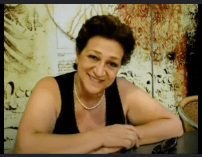
Her early career began in theater, where she developed a reputation for emotional precision and intellectual depth. Unlike screen-focused actors who transitioned from television popularity, Hernández built her foundation in live performance, giving her a strong command of character study and stage presence.
By the time Colombian television entered its 1990s expansion phase, she was already an established actress whose presence brought gravitas to any production. Her roles often reflected complex maternal figures, authority figures, or emotionally layered women navigating societal constraints.
Her legacy is defined by artistic consistency and integrity. She became a benchmark for serious acting in Colombia, influencing both her contemporaries and younger generations who viewed her as a model of disciplined performance and artistic seriousness.
Key Facts
- Full name of the subject: Vicky Hernández
- Date of birth: March 14, 1945
- Place of birth: Bogotá, Colombia
- Family background: Middle-class urban intellectual environment
- Early childhood experiences: Early exposure to theater and literature
- Education history: Formal theatrical training
- Influences and mentors: Colombian theater pioneers and classical dramatists
- Career beginnings: Stage acting in Colombian theater companies
- Major achievements: Long-standing career in theater and television
- Challenges and obstacles faced: Gender limitations in early acting industry
- Turning points in life: Transition into national television recognition
- Contributions to society: Advancement of Colombian theater and acting standards
- Personal life (marriage, children, relationships): Private personal life
- Awards and recognitions: Multiple lifetime achievement awards
- Beliefs, values, or philosophy: Artistic discipline and theatrical realism
- Legacy and impact: Pioneer of Colombian dramatic performance
- Historical or cultural significance: Foundational figure in Bogotawood acting culture
Notable Works:
La estrategia del caracol
La madre
El olvido que seremos
Controversies:
Vicky Hernández has largely maintained a reputation free from major public controversy. However, one recurring industry discussion has centered on the generational gap between classical theater-trained actors like Hernández and the rising television-driven acting culture of the 1990s.
The background of this discussion stems from the structural shift in Colombian entertainment during the 1990s, when television production expanded rapidly and began to dominate cultural consumption. This shift sometimes placed theater-trained actors in tension with more commercially oriented production styles.
Stakeholders include theater communities, television producers, critics, and acting institutions. Critics of the industry transition argued that commercial television risked diluting theatrical rigor, while supporters emphasized accessibility and mass cultural engagement. Hernández herself consistently represented the continuity of theatrical discipline within this evolving landscape.
There is no formal controversy or dispute tied to her personally, and the discussion remains cultural and institutional rather than individual.
The impact of this narrative has reinforced her role as a stabilizing artistic force, preserving theatrical standards within a rapidly commercializing industry.
6. Víctor Mallarino
Víctor Mallarino represents the intellectual and theatrical sophistication that characterized Colombian television’s maturation during the 1990s. Born in Bogotá into a culturally prominent family, he was exposed early to academic, artistic, and literary influences that shaped his analytical approach to performance.

His early career began in theater and television simultaneously, where he quickly distinguished himself through articulate delivery and refined character interpretation. Unlike many actors of his generation, Mallarino cultivated a style rooted in intellectual precision, often portraying professionals, academics, and authority figures.
His breakthrough in the 1990s came through prominent television roles that positioned him as a leading figure in dramatic storytelling. His performances were marked by controlled emotional expression, making him a preferred actor for roles requiring authority and psychological complexity.
His legacy lies in his contribution to elevating the intellectual tone of Colombian television drama, helping to bridge the gap between entertainment and socially reflective storytelling.
Key Facts
- Full name of the subject: Víctor Mallarino Flórez
- Date of birth: February 9, 1957
- Place of birth: Bogotá, Colombia
- Family background: Culturally influential family with artistic ties
- Early childhood experiences: Exposure to literature and performance arts
- Education history: Formal training in acting and communications
- Influences and mentors: Classical theater traditions and Colombian dramatists
- Career beginnings: Theater and early television appearances
- Major achievements: Leading roles in Colombian television dramas
- Challenges and obstacles faced: Balancing theater and commercial television work
- Turning points in life: Recognition as leading dramatic actor in the 1990s
- Contributions to society: Advancement of Colombian television drama quality
- Personal life (marriage, children, relationships): Publicly known family relationships
- Awards and recognitions: National acting and television awards
- Beliefs, values, or philosophy: Intellectual depth in performance
- Legacy and impact: Elevated dramatic realism in Colombian television
- Historical or cultural significance: Key intellectual figure in Bogotawood evolution
Notable Works:
La abuela
La baby sister
Yo soy Betty, la fea
Controversies:
Víctor Mallarino has had limited public controversy, though discussions have emerged around his dual role as both actor and television director, raising questions about industry concentration of creative control.
The background of this issue lies in Colombian television production structures, where actors sometimes transitioned into directing roles, influencing casting and production decisions.
Stakeholders include production companies, industry unions, fellow actors, and critics concerned with creative diversity. Critics questioned whether dual roles could limit opportunities for emerging talent, while supporters highlighted professional versatility and industry experience.
There has been no formal investigation or institutional dispute, and the matter remains an industry ethics discussion rather than a personal controversy.
The impact of this narrative has been minimal on his reputation, with his career continuing to be defined by respect for his artistic and professional versatility.
7. Ana María Orozco
Ana María Orozco became one of the most globally recognized Colombian actresses of the 1990s, emerging from Bogotá with a career that would eventually transcend national boundaries. Born into a family already connected to the arts, she was exposed early to performance culture, shaping her expressive but controlled acting style.

Her early career began in Colombian television, where she initially took on supporting roles that showcased her emotional clarity and strong comedic timing. These early performances revealed a versatility that would later define her international success.
Her breakthrough came in the late 1990s with a role that became one of the most internationally exported Colombian television characters of all time. This role redefined her career trajectory and positioned her as a global cultural reference point for Latin American television.
Her legacy lies in her ability to transform a national television presence into a global phenomenon, helping to establish Colombian television as an internationally recognized industry.
Key Facts
- Full name of the subject: Ana María Orozco Arbeláez
- Date of birth: July 4, 1973
- Place of birth: Bogotá, Colombia
- Family background: Artistic family with performance arts influence
- Early childhood experiences: Exposure to acting and creative arts
- Education history: Training in performing arts
- Influences and mentors: Colombian television directors and acting coaches
- Career beginnings: Early television roles in Colombia
- Major achievements: International television breakthrough in late 1990s
- Challenges and obstacles faced: Managing global fame and typecasting
- Turning points in life: International success in leading television role
- Contributions to society: Global recognition of Colombian television industry
- Personal life (marriage, children, relationships): Publicly discussed relationships
- Awards and recognitions: International television awards and nominations
- Beliefs, values, or philosophy: Professional discipline and artistic authenticity
- Legacy and impact: Global icon of Colombian television export
- Historical or cultural significance: Central figure in late 1990s global telenovela boom
Notable Works:
Yo soy Betty, la fea
Perro amor
Ecomoda
Controversies:
Ana María Orozco has faced occasional public debate regarding the overwhelming global identification of her with a single iconic television character. The issue centers on the challenges of artistic identity overshadowing broader career achievements.
The background of this discussion arises from the global success of late 1990s Colombian television exports, where certain characters achieved unprecedented international recognition.
Stakeholders include international audiences, casting directors, media analysts, and the actress herself. Critics argue that such identification can limit casting diversity, while supporters view it as a testament to cultural impact.
There is no formal dispute or institutional controversy, and the matter remains a reflection of audience perception rather than professional conflict.
The impact has been both limiting and empowering, as it solidified her global fame while also presenting ongoing challenges in redefining her artistic identity beyond a single role.
8. Luis Mesa
Luis Mesa emerged in the Colombian entertainment scene as one of the defining romantic leads of the 1990s, a period when television drama was rapidly becoming one of the country’s most influential cultural exports. Born in Bogotá, he grew up in an environment shaped by urban middle-class values, where education and cultural awareness played a central role in personal development. This foundation contributed to his disciplined, emotionally controlled acting style.

His early career began with minor television appearances, where he demonstrated a natural screen charisma and an ability to convey emotional vulnerability without excessive theatricality. Unlike many contemporaries who relied on heightened dramatic expression, Mesa’s approach was understated, making his performances particularly resonant in romantic and family-centered narratives.
His breakthrough came in the mid-to-late 1990s, when he became a household name through leading roles in popular telenovelas. He quickly established himself as a reliable romantic lead, embodying the idealized emotional conflicts that defined Colombian television storytelling during the era. His characters often represented moral integrity, emotional sincerity, and romantic tension, making him highly relatable to mass audiences.
His legacy is tied to the golden era of Colombian romantic television, where he contributed to shaping the archetype of the modern Latin American male lead emotionally expressive yet grounded in moral clarity. His influence remains visible in subsequent generations of television actors who followed similar narrative frameworks.
Key Facts
- Full name of the subject: Luis Mesa
- Date of birth: April 28, 1968
- Place of birth: Bogotá, Colombia
- Family background: Middle-class urban upbringing
- Early childhood experiences: Strong academic and cultural environment
- Education history: Training in performing arts and acting workshops
- Influences and mentors: Colombian television directors and romantic drama writers
- Career beginnings: Supporting roles in television dramas
- Major achievements: Leading romantic roles in 1990s Colombian telenovelas
- Challenges and obstacles faced: Transitioning beyond romantic typecasting
- Turning points in life: Breakthrough television fame in the 1990s
- Contributions to society: Strengthening Colombian romantic television export identity
- Personal life (marriage, children, relationships): Largely private personal life
- Awards and recognitions: National television acting nominations
- Beliefs, values, or philosophy: Emotional authenticity in performance
- Legacy and impact: Iconic figure in 1990s romantic television
- Historical or cultural significance: Key contributor to Colombia’s telenovela golden era
Notable Works:
La baby sister
Me llaman Lolita
Perro amor
Controversies:
Luis Mesa has not been associated with major public controversies, though there has been industry discussion regarding the limitations of romantic typecasting in his career. The issue centers on how actors who achieve success in romantic lead roles often struggle to transition into diverse character archetypes.
The background of this discussion lies in the 1990s Colombian television industry, which heavily relied on romance-driven narratives as its primary commercial model. Mesa’s popularity in such roles reinforced his association with the romantic lead category.
Stakeholders include casting directors, producers, television critics, and audiences who strongly identified him with romantic roles. While some critics viewed this as a limitation on his artistic range, others considered it a mark of his effectiveness and audience appeal.
There is no formal dispute or institutional controversy associated with his career. The matter remains an interpretive discussion within acting career dynamics.
The impact of this perception has been dual: it secured him lasting popularity in a specific genre while also narrowing his opportunities for broader role diversification.
9. Danna García
Danna García stands as one of the most internationally recognized Colombian actresses to emerge during the 1990s, embodying the transition of Bogotawood talent into global television markets. Born in Bogotá into a family with artistic influence, she was exposed early to performance arts and media culture, which shaped her adaptability and expressive acting style.
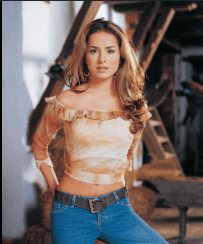
Her early career began in childhood and teenage roles, where she quickly demonstrated emotional maturity beyond her age. Her performances were marked by sincerity and a strong sense of emotional rhythm, allowing her to connect easily with both youth and adult audiences.
Her breakthrough came in the 1990s through leading roles in youth-oriented and romantic television productions that achieved international distribution. These roles established her as a rising star in Latin American television, particularly admired for her ability to balance innocence, emotional depth, and narrative complexity.
Her legacy is defined by her international reach, as she became one of the early Colombian actresses to successfully transition into multiple foreign markets. Her career helped strengthen the exportability of Colombian television talent during a critical expansion period.
Key Facts
- Full name of the subject: Danna María García Osuna
- Date of birth: February 4, 1978
- Place of birth: Bogotá, Colombia
- Family background: Artistic family with media exposure
- Early childhood experiences: Early entry into television acting
- Education history: Acting training alongside early professional work
- Influences and mentors: Colombian television directors and acting coaches
- Career beginnings: Child and teenage roles in television
- Major achievements: International success in Latin American television markets
- Challenges and obstacles faced: Managing early fame and cross-border career transitions
- Turning points in life: Breakthrough in internationally distributed telenovelas
- Contributions to society: Representation of Colombian talent abroad
- Personal life (marriage, children, relationships): Publicly known relationships
- Awards and recognitions: International television nominations
- Beliefs, values, or philosophy: Emotional authenticity and professional adaptability
- Legacy and impact: Early global ambassador of Colombian television acting
- Historical or cultural significance: Key figure in 1990s Latin American television expansion
Notable Works:
Café con aroma de mujer
Pasión de gavilanes
Te voy a enseñar a querer
Controversies:
Danna García has had minimal public controversy, though one recurring discussion involves the pressures of early fame and the expectations placed on child and teenage actors in Latin American television industries.
The background of this issue stems from the 1990s entertainment environment, where young actors were frequently cast in emotionally demanding roles with intense production schedules.
Stakeholders include production companies, media analysts, audience groups, and child welfare advocates within entertainment industries. Critics have highlighted the broader systemic pressures faced by young performers, while supporters emphasize the opportunities such roles created for international careers.
There is no formal dispute or legal controversy tied to her career. The discussion remains structural and industry-focused rather than personal.
The impact of this narrative has contributed to ongoing conversations about child and youth actors in television, reinforcing the importance of balanced working conditions in entertainment industries.
10. Julián Arango
Julián Arango represents one of the most versatile and enduring acting figures of the 1990s Colombian television landscape, known for his ability to move fluidly between comedy, drama, and satire. Born in Bogotá, he grew up in an environment influenced by urban cultural diversity and artistic experimentation, which helped shape his unconventional acting sensibility.
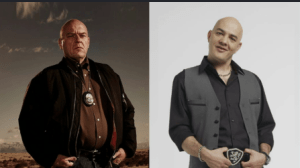
His early career began in theater and small television roles, where he quickly distinguished himself through his expressive physicality and sharp comedic timing. Unlike many contemporaries focused on romantic or dramatic leads, Arango gravitated toward eccentric, complex, and often satirical characters.
His breakthrough came in the 1990s through roles that blended humor and social commentary, making him a standout figure in productions that sought to reflect contemporary Colombian society with both realism and irony. His performances often challenged traditional television archetypes, offering audiences a more layered and self-aware style of storytelling.
His legacy lies in his contribution to the evolution of Colombian television comedy and satire. He helped redefine comedic acting in Colombia as a serious craft capable of carrying social critique and narrative depth.
Key Facts
- Full name of the subject: Julián Arango
- Date of birth: October 28, 1968
- Place of birth: Bogotá, Colombia
- Family background: Urban middle-class cultural upbringing
- Early childhood experiences: Exposure to theater and urban storytelling
- Education history: Training in acting and dramatic arts
- Influences and mentors: Colombian theater directors and comedic performers
- Career beginnings: Theater performances and supporting television roles
- Major achievements: Breakthrough comedic and satirical television roles in the 1990s
- Challenges and obstacles faced: Typecasting in comedic roles
- Turning points in life: Recognition as leading comedic television actor
- Contributions to society: Advancement of Colombian television satire
- Personal life (marriage, children, relationships): Publicly known relationships
- Awards and recognitions: National television acting awards and nominations
- Beliefs, values, or philosophy: Commitment to creative experimentation in acting
- Legacy and impact: Redefined comedic performance in Colombian television
- Historical or cultural significance: Key contributor to 1990s Bogotawood satire evolution
Notable Works:
Yo soy Betty, la fea
El cartel de los sapos
Los Reyes
Controversies:
Julián Arango has had limited public controversy, though discussions have emerged around the evolving interpretation of comedic stereotypes in Latin American television. The issue centers on whether certain comedic portrayals reinforce cultural stereotypes or function as social satire.
The background of this debate stems from the 1990s television environment, where humor was often used to reflect social class distinctions and urban cultural dynamics.
Stakeholders include media critics, cultural scholars, audiences, and television producers. Critics argue that some comedic archetypes risk reinforcing simplified social narratives, while supporters view Arango’s performances as layered satire that critiques rather than reinforces stereotypes.
There is no formal institutional dispute or legal issue connected to his career. The matter remains interpretive and academic in nature.
The impact of this discussion has contributed to broader analysis of Colombian television comedy, reinforcing Arango’s reputation as a bold and unconventional performer whose work invites deeper cultural interpretation.
Notable Mentions:
Catherine Siachoque
Jorge Enrique Abello
Flora Martínez
Juan Pablo Raba
Marcela Carvajal
Danilo Santos
Sandra Reyes
Frank Ramírez
Carolina Gómez
Manolo Cardona