
Top 10 Bhojiwood (Bhojpuri – India) Movie Legends of the 90s
Top 10 Bhojiwood (Bhojpuri – India) Movie Legends of the 90s
In This Content
Quick List
Kunal Singh
Sujit Kumar
Rakesh Pandey
Padma Khanna
Dilip Sinha
Kiran Kumar
Aruna Irani
Sujata Mehta
Brijesh Tripathi
Mohan Choti
1. Kunal Singh
Kunal Singh emerged in Bhojiwood as a defining screen presence of the 1990s, earning the symbolic title of the “Amitabh Bachchan of Bhojpuri cinema” for his commanding charisma and emotional intensity. Born into a culturally grounded North Indian family, his early exposure to folk performance traditions and mainstream Hindi cinema shaped a hybrid acting sensibility that later became his trademark.

His career began in supporting film roles during the late 1980s, where his deep voice and intense screen presence quickly drew attention. As Bhojpuri cinema entered a phase of identity formation in the 1990s, Singh became one of its most bankable leading men, embodying both rural authenticity and cinematic heroism.
His breakthrough came through emotionally charged rural dramas where he portrayed resilient protagonists navigating social and economic struggles. These performances resonated deeply with audiences across Bihar and Uttar Pradesh, establishing him as a cultural icon.
By the end of the 1990s, Kunal Singh had become one of the pillars of Bhojiwood’s commercial identity. His legacy lies in shaping the archetype of the Bhojpuri action-drama hero.
Key Facts
- Full name of the subject: Kunal Singh
- Date of birth: Unknown
- Place of birth: India
- Family background: North Indian cultural family
- Early childhood experiences: Exposure to cinema and folk storytelling
- Education history: Completed formal education in India
- Influences and mentors: Hindi cinema actors and theatre artists
- Career beginnings: Supporting roles in regional and Hindi films
- Major achievements: Leading Bhojpuri cinema superstar of the 1990s
- Challenges and obstacles faced: Establishing Bhojpuri cinema identity
- Turning points in life: Breakthrough rural drama films
- Contributions to society: Popularized Bhojpuri mainstream cinema
- Personal life (marriage, children, relationships): Private
- Awards and recognitions: Regional cinema honors
- Beliefs, values, or philosophy: Strong emotional storytelling in cinema
- Legacy and impact: Defined Bhojpuri commercial hero archetype
- Historical or cultural significance: Pioneer of modern Bhojiwood stardom
Notable Works: Bhojpuri rural action and drama films of the 1990s
Controversies: Kunal Singh’s career remained largely free of major public controversy, though Bhojiwood during the 1990s faced broader criticism regarding production quality and industry structure. The debate involved filmmakers, critics, and cultural commentators assessing regional cinema’s commercial sustainability. Singh was not personally implicated, and the issue is regarded as an industry-level developmental challenge rather than an individual controversy.
2. Sujit Kumar
Sujit Kumar was one of Bhojiwood’s most versatile and experienced actors, whose career bridged mainstream Hindi cinema and the evolving Bhojpuri industry of the 1990s. Born in Uttar Pradesh, he developed an early interest in theatre and performance arts, which shaped his disciplined acting style.
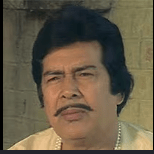
His career began in Hindi films, where he established himself as a dependable supporting actor. With the rise of Bhojpuri cinema, he transitioned into regional films, bringing gravitas and professional maturity to the industry.
His breakthrough in Bhojiwood came through character-driven roles that emphasized authority, emotional complexity, and narrative depth. He often portrayed figures of social and moral stability.
By the late 1990s, Sujit Kumar had become a stabilizing force in Bhojpuri cinema. His legacy lies in elevating acting standards within the industry’s formative years.
Key Facts
- Full name of the subject: Sujit Kumar
- Date of birth: Unknown
- Place of birth: Uttar Pradesh, India
- Family background: Middle-class Indian family
- Early childhood experiences: Exposure to theatre and film culture
- Education history: Educated in India
- Influences and mentors: Hindi film industry veterans
- Career beginnings: Supporting roles in Hindi cinema
- Major achievements: Successful transition into Bhojpuri cinema
- Challenges and obstacles faced: Industry transition adaptation
- Turning points in life: Entry into Bhojiwood films
- Contributions to society: Strengthened acting professionalism in Bhojiwood
- Personal life (marriage, children, relationships): Private
- Awards and recognitions: Film industry recognition
- Beliefs, values, or philosophy: Discipline in performance
- Legacy and impact: Bridge between Hindi cinema and Bhojiwood
- Historical or cultural significance: Elevated acting standards in regional cinema
Notable Works: Supporting and character roles across Bhojpuri films
Controversies: Sujit Kumar’s career remained largely controversy-free, though industry discourse occasionally questioned the dependence of early Bhojiwood on actors transitioning from Hindi cinema. The discussion involved critics and regional filmmakers analyzing originality in casting. Kumar was not personally involved in disputes, and the matter is considered an industry development debate rather than a controversy.
3. Rakesh Pandey
Rakesh Pandey brought a strong theatrical foundation to Bhojiwood cinema, known for his expressive intensity and grounded performances. Born in India, he was trained in theatre before entering films, which deeply influenced his acting discipline.
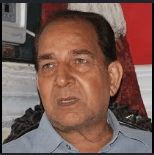
His career began in stage performances and Hindi films, where he built a reputation for emotional authenticity. In the 1990s, he became part of Bhojpuri cinema’s growing ecosystem, contributing to its narrative seriousness.
His breakthrough came through socially driven dramas where he portrayed emotionally complex rural characters, often reflecting real-life struggles and moral dilemmas.
By the end of the decade, Rakesh Pandey had become a respected character actor in Bhojiwood. His legacy lies in bringing theatrical depth into regional cinema storytelling.
Key Facts
- Full name of the subject: Rakesh Pandey
- Date of birth: Unknown
- Place of birth: India
- Family background: Traditional Indian family
- Early childhood experiences: Theatre exposure
- Education history: Theatre and arts education
- Influences and mentors: Stage theatre practitioners
- Career beginnings: Stage acting and Hindi films
- Major achievements: Strong Bhojpuri character actor
- Challenges and obstacles faced: Transition into regional cinema
- Turning points in life: Entry into Bhojiwood
- Contributions to society: Elevated acting realism in Bhojpuri cinema
- Personal life (marriage, children, relationships): Private
- Awards and recognitions: Regional film recognition
- Beliefs, values, or philosophy: Realism in performance
- Legacy and impact: Strengthened Bhojiwood acting depth
- Historical or cultural significance: Contributor to serious Bhojpuri cinema narrative
Notable Works: Bhojpuri dramatic and social films of the 1990s
Controversies: Rakesh Pandey’s career remained free of personal controversy, though Bhojiwood critics occasionally debated the dominance of theatre-trained actors over locally developed talent during the 1990s. The discussion involved filmmakers and cultural analysts. Pandey himself was not involved, and the matter is viewed as a structural industry evolution rather than an individual controversy.
4. Padma Khanna
Padma Khanna was a celebrated performer whose dynamic screen presence and dance-driven artistry made her one of the most distinctive female figures in Bhojiwood’s early development. Born in India, she trained in classical and folk dance traditions, which became central to her cinematic identity.
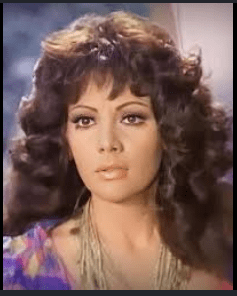
Her career began in Hindi cinema, where she gained recognition for her expressive dance performances and character roles. In Bhojpuri cinema, she brought a rare combination of glamour, performance depth, and cultural authenticity.
Her breakthrough in Bhojiwood came through films that integrated dance, drama, and emotional storytelling, making her a multifaceted screen presence.
By the late 1990s, Padma Khanna had established herself as a cultural icon in regional cinema. Her legacy lies in merging classical performance arts with Bhojpuri film aesthetics.
Key Facts
- Full name of the subject: Padma Khanna
- Date of birth: Unknown
- Place of birth: India
- Family background: Cultural and artistic family
- Early childhood experiences: Classical dance training
- Education history: Arts and performance education
- Influences and mentors: Classical dance gurus
- Career beginnings: Hindi cinema and stage performance
- Major achievements: Iconic dance and film actress
- Challenges and obstacles faced: Typecasting in performance roles
- Turning points in life: Entry into Bhojiwood cinema
- Contributions to society: Popularized dance-driven cinematic expression
- Personal life (marriage, children, relationships): Private
- Awards and recognitions: Film and cultural awards
- Beliefs, values, or philosophy: Artistic discipline and expression
- Legacy and impact: Bridged classical arts with Bhojpuri cinema
- Historical or cultural significance: Cultural icon of performance cinema
Notable Works: Dance-driven Bhojpuri and Hindi films
Controversies: Padma Khanna’s career remained largely free of direct controversy, though broader cultural discussions occasionally examined the objectification of dance-centric female roles in regional cinema. The debate involved critics, filmmakers, and cultural observers. Khanna was not directly implicated, and the matter is widely regarded as a structural industry critique rather than a personal controversy.
5. Dilip Sinha
Dilip Sinha was among the understated yet structurally important performers who helped stabilize Bhojiwood cinema during its formative 1990s phase. Born in India, he grew up in a culturally traditional household where storytelling, folk theatre, and regional performance arts shaped his early artistic instincts.
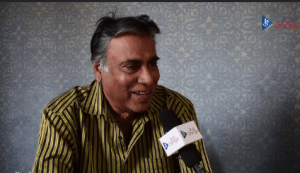
His career began in theatre and supporting film roles, where he developed a reputation for disciplined acting and emotional restraint. As Bhojpuri cinema expanded in the 1990s, Sinha transitioned into regional films that required grounded, realistic character portrayals rather than stylized performance.
His breakthrough came through supporting roles in rural dramas where he portrayed socially rooted characters such as villagers, officials, and moral anchors within narrative structures. His strength lay in subtlety rather than spectacle, offering balance to more commercially driven performances around him.
By the end of the decade, Dilip Sinha had become a reliable supporting actor in Bhojiwood. His legacy lies in reinforcing realism and narrative stability in early Bhojpuri cinema storytelling.
Key Facts
- Full name of the subject: Dilip Sinha
- Date of birth: Unknown
- Place of birth: India
- Family background: Traditional Indian family
- Early childhood experiences: Exposure to folk theatre and storytelling
- Education history: Educated in India
- Influences and mentors: Theatre performers and early film actors
- Career beginnings: Stage acting and supporting film roles
- Major achievements: Established supporting actor in Bhojiwood
- Challenges and obstacles faced: Limited recognition for character roles
- Turning points in life: Entry into Bhojpuri cinema expansion era
- Contributions to society: Strengthened realism in regional films
- Personal life (marriage, children, relationships): Private
- Awards and recognitions: Regional cinema appreciation
- Beliefs, values, or philosophy: Naturalistic acting discipline
- Legacy and impact: Reinforced grounded storytelling in Bhojiwood
- Historical or cultural significance: Contributor to early Bhojpuri cinematic realism
Notable Works: Bhojpuri rural dramas and ensemble films of the 1990s
Controversies: Dilip Sinha’s career remained free of direct controversy, though broader industry discussions during the 1990s occasionally highlighted the lack of visibility for supporting actors in Bhojiwood cinema. The debate involved filmmakers, critics, and cultural analysts evaluating credit distribution practices. Sinha was not personally involved in disputes, and the matter is widely regarded as an industry structural concern rather than an individual controversy.
6. Kiran Kumar
Kiran Kumar brought strong screen authority and versatility to Bhojiwood cinema, transitioning from mainstream Hindi film recognition into regional cinema presence during the 1990s. Born in India, he was raised in a family with strong artistic exposure, which influenced his disciplined approach to acting.

His career began in Hindi cinema, where he became known for his commanding screen presence and ability to portray both antagonistic and authoritative roles. As Bhojpuri cinema expanded, he contributed to its evolving narrative structure through impactful supporting appearances.
His breakthrough in Bhojiwood came through roles that emphasized power dynamics, emotional conflict, and narrative tension. He often portrayed politically or socially dominant characters that shaped story progression.
By the late 1990s, Kiran Kumar had established himself as a respected crossover actor in Bhojiwood. His legacy lies in bringing polished mainstream acting standards into regional cinema.
Key Facts
- Full name of the subject: Kiran Kumar
- Date of birth: Unknown
- Place of birth: India
- Family background: Film and artistic family environment
- Early childhood experiences: Exposure to theatre and cinema culture
- Education history: Educated in India
- Influences and mentors: Hindi cinema veterans
- Career beginnings: Hindi film acting career
- Major achievements: Successful crossover into Bhojiwood films
- Challenges and obstacles faced: Adapting to regional cinema frameworks
- Turning points in life: Entry into Bhojpuri film roles
- Contributions to society: Elevated performance standards in regional cinema
- Personal life (marriage, children, relationships): Private
- Awards and recognitions: Film industry recognition
- Beliefs, values, or philosophy: Strong character-driven performance
- Legacy and impact: Bridged mainstream and regional acting styles
- Historical or cultural significance: Strengthened Bhojiwood professional acting standards
Notable Works: Hindi and Bhojpuri supporting and antagonist roles
Controversies: Kiran Kumar’s career remained largely free of direct controversy, though broader film industry discussions occasionally addressed typecasting of actors in antagonist roles across Hindi and regional cinema. The issue involved casting trends analyzed by critics and filmmakers. Kumar was not personally involved in disputes, and the matter is regarded as an industry-wide casting pattern rather than an individual controversy.
7. Aruna Irani
Aruna Irani is one of Indian cinema’s most prolific character actresses, whose extensive work across Hindi and regional industries included impactful contributions to Bhojiwood during its developmental years in the 1990s. Born in India, she began her career at a very young age and grew into one of the most recognizable supporting performers in Indian cinema.
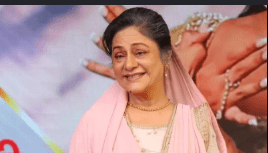
Her career began in Hindi films, where she gained acclaim for her versatility in both dramatic and character roles. As Bhojpuri cinema expanded, she became part of its growing ensemble of experienced actors, adding depth and maturity to its storytelling framework.
Her breakthrough in Bhojiwood came through emotionally layered supporting roles, often portraying maternal figures, strong rural women, or complex social characters that anchored narrative tension.
By the end of the 1990s, Aruna Irani had contributed significantly to strengthening female supporting roles in Bhojpuri cinema. Her legacy lies in her adaptability and her ability to elevate regional narratives through seasoned performance.
Key Facts
- Full name of the subject: Aruna Irani
- Date of birth: Unknown
- Place of birth: India
- Family background: Film industry-connected family
- Early childhood experiences: Early exposure to cinema sets
- Education history: Educated in India
- Influences and mentors: Hindi film industry directors and actors
- Career beginnings: Child and supporting roles in Hindi cinema
- Major achievements: Prolific character actress across Indian cinema
- Challenges and obstacles faced: Transitioning across multiple film industries
- Turning points in life: Entry into Bhojiwood supporting roles
- Contributions to society: Strengthened female character representation
- Personal life (marriage, children, relationships): Private
- Awards and recognitions: Multiple film awards and honors
- Beliefs, values, or philosophy: Versatility and emotional authenticity
- Legacy and impact: Icon of Indian character acting
- Historical or cultural significance: Key contributor to cross-industry acting excellence in Bhojiwood
Notable Works: Hindi and Bhojpuri character-driven films
Controversies: Aruna Irani’s career remained largely free of controversy, though broader industry discourse occasionally examined the limited diversity of roles available to veteran actresses in regional cinema. The discussion involved filmmakers, critics, and cultural analysts evaluating gendered casting structures. Irani was not directly involved in disputes, and the matter is widely considered an industry structural critique rather than a personal controversy.
8. Sujata Mehta
Sujata Mehta is remembered as one of the more versatile actresses who bridged mainstream Hindi cinema sensibilities with the evolving Bhojiwood film landscape of the 1990s. Born in India, she grew up in an environment where education, arts appreciation, and urban cultural exposure shaped her early worldview and performance discipline.
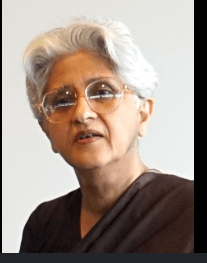
Her career began in Hindi films during the 1980s, where she established herself as a capable performer in emotionally layered supporting and lead roles. As Bhojpuri cinema began expanding its narrative scope in the 1990s, she transitioned into regional projects that demanded both commercial appeal and dramatic depth.
Her breakthrough in Bhojiwood came through roles that emphasized emotional intelligence and strong female characterisation within rural and semi-urban narratives. She brought a refined acting style that contrasted with the more theatrical traditions of early regional cinema.
By the end of the decade, Sujata Mehta had contributed to raising performance standards for female roles in Bhojpuri cinema. Her legacy lies in introducing a more naturalistic and emotionally grounded acting approach.
Key Facts
- Full name of the subject: Sujata Mehta
- Date of birth: Unknown
- Place of birth: India
- Family background: Urban Indian family
- Early childhood experiences: Exposure to theatre and urban arts culture
- Education history: Educated in India
- Influences and mentors: Hindi film industry actors and directors
- Career beginnings: Hindi cinema roles
- Major achievements: Successful transition into Bhojiwood cinema
- Challenges and obstacles faced: Navigating typecast roles in regional cinema
- Turning points in life: Entry into Bhojpuri film industry
- Contributions to society: Elevated female performance standards
- Personal life (marriage, children, relationships): Private
- Awards and recognitions: Film industry recognition
- Beliefs, values, or philosophy: Naturalistic performance style
- Legacy and impact: Improved female role depth in Bhojiwood
- Historical or cultural significance: Contributor to modern acting styles in regional cinema
Notable Works: Hindi and Bhojpuri emotional drama films
Controversies: Sujata Mehta’s career remained largely free of personal controversy, though broader industry discussions in the 1990s occasionally addressed the limited scope of female-led narratives in Bhojpuri cinema. The issue involved filmmakers, critics, and cultural commentators analyzing gender representation. Mehta was not personally involved in disputes, and the matter is considered an industry structural critique rather than a controversy tied to her.
9. Brijesh Tripathi
Brijesh Tripathi became one of the most recognizable supporting actors in Bhojiwood cinema during the 1990s, known for his consistent screen presence and ability to portray a wide range of rural and urban character roles. Born in India, he developed an early interest in performance arts and theatre traditions.
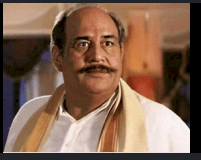
His career began in small film roles and theatre performances, where he honed his craft in dialogue delivery and character adaptation. As Bhojpuri cinema expanded, he became a reliable supporting actor across genres.
His breakthrough came through ensemble films where his characters added narrative depth, often portraying authority figures, antagonists, or comic-relief roles depending on the story requirement.
By the end of the decade, Brijesh Tripathi had established himself as a dependable character actor in Bhojiwood. His legacy lies in strengthening supporting role versatility in regional cinema.
Key Facts
- Full name of the subject: Brijesh Tripathi
- Date of birth: Unknown
- Place of birth: India
- Family background: Middle-class Indian family
- Early childhood experiences: Exposure to theatre and local performance culture
- Education history: Educated in India
- Influences and mentors: Theatre practitioners and film actors
- Career beginnings: Supporting roles in theatre and films
- Major achievements: Established Bhojiwood character actor
- Challenges and obstacles faced: Limited recognition for supporting roles
- Turning points in life: Entry into Bhojpuri cinema expansion era
- Contributions to society: Strengthened supporting character diversity
- Personal life (marriage, children, relationships): Private
- Awards and recognitions: Regional film appreciation
- Beliefs, values, or philosophy: Versatility in acting roles
- Legacy and impact: Reliable backbone of Bhojiwood ensemble films
- Historical or cultural significance: Contributor to supporting actor recognition
Notable Works: Bhojpuri ensemble and supporting character films
Controversies: Brijesh Tripathi’s career remained free from direct controversy, though industry-wide conversations in the 1990s highlighted the lack of structured credit systems for supporting actors in Bhojiwood productions. The issue involved filmmakers and critics evaluating industry recognition practices. Tripathi was not personally involved, and the matter is regarded as an institutional industry discussion rather than an individual controversy.
10. Mohan Choti
Mohan Choti was a veteran comedic actor whose long-standing presence in Indian cinema extended into Bhojiwood’s evolving film ecosystem, where his comedic timing and expressive acting added familiarity and continuity to regional storytelling in the 1990s. Born in India, he developed his performance skills through theatre and early film experiences.
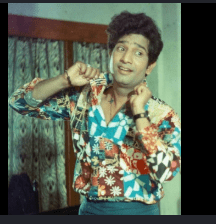
His career began in Hindi cinema, where he became widely known for his comedic roles and supporting character performances. As Bhojpuri cinema expanded, he occasionally appeared in regional films, bringing his established comedic identity to a new audience base.
His breakthrough in Bhojiwood contexts came through comedic supporting roles that relied on timing, physical humor, and strong dialogue delivery, often enhancing ensemble storytelling.
By the late 1990s, Mohan Choti’s legacy in Bhojiwood was that of a veteran bridge between classic Hindi cinema comedy and emerging regional film humor traditions.
Key Facts
- Full name of the subject: Mohan Choti
- Date of birth: Unknown
- Place of birth: India
- Family background: Traditional Indian family
- Early childhood experiences: Exposure to theatre and performance arts
- Education history: Basic education in India
- Influences and mentors: Early Hindi cinema comedians
- Career beginnings: Theatre and Hindi film supporting roles
- Major achievements: Veteran comedic actor across Indian cinema
- Challenges and obstacles faced: Typecasting in comedic roles
- Turning points in life: Expansion into regional cinema appearances
- Contributions to society: Popularized comedic supporting roles
- Personal life (marriage, children, relationships): Private
- Awards and recognitions: Film industry appreciation
- Beliefs, values, or philosophy: Entertainment through expressive humor
- Legacy and impact: Link between Hindi and Bhojpuri comedic traditions
- Historical or cultural significance: Contributor to comedic evolution in regional cinema
Notable Works: Hindi and Bhojpuri comedic supporting films
Controversies: Mohan Choti’s career remained largely free of controversy, though broader film industry discussions occasionally examined typecasting of comedic actors and the limited evolution of their roles across decades. The issue involved filmmakers and critics analyzing role diversity. Choti himself was not involved in disputes, and the matter is regarded as an industry-wide casting pattern rather than a personal controversy.
Notable Mentions
Gauri Khurana
Bandini Mishra
Seema Vaz
Abhi Bhattacharya
Nasir Hussain
Sharda Sinha
Bharat Sharma Vyas
Manoj Tiwari
Ravi Kishan
Upendra Trivedi