
Top 10 Sierra Leone Movie Legends of the 90s
Top 10 Sierra Leone Movie Legends of the 90s
In This Content
Quick List
Jimmy Bangura
Genevieve Juma-Kanu
Collins Archie-Pearce
Michael Saidu
Desmond Finney
Martha Sesay
Abu Bakarr Conteh (The General)
Zainab Sillah
John Solo
Ramsey Sesay
1. Jimmy Bangura
Jimmy Bangura emerged in the 1990s as one of Sierra Leone’s most recognizable screen figures during the formative years of the nation’s film and television culture. His early life was shaped by Freetown’s evolving urban environment, where storytelling, radio drama, and community theatre played a central role in entertainment and cultural identity. These early influences grounded his artistic sensibility in realism and emotional accessibility.
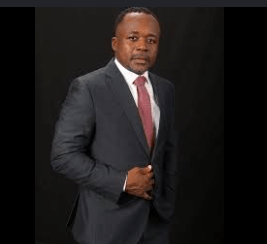
He began his career in stage performances and small screen productions that reflected everyday Sierra Leonean life. Bangura developed a performance style defined by natural delivery and emotional relatability, often portraying characters navigating social and economic transitions. His grounded approach made him accessible to audiences during a period when local screen production was still developing.
His breakthrough came through widely circulated local productions that positioned him as a household name in Sierra Leonean entertainment. He became known for roles that blended humor, resilience, and social commentary, reflecting the lived realities of post-conflict society. His ability to connect deeply with audiences helped define early Sierra Leonean screen acting.
His legacy lies in shaping foundational Sierra Leonean film identity. Bangura helped establish a performance culture rooted in authenticity and community storytelling, influencing later generations of actors.
Key Facts
- Full name of the subject: Jimmy Bangura
- Date of birth: Not publicly documented
- Place of birth: Sierra Leone
- Family background: Urban Freetown upbringing
- Early childhood experiences: Exposure to radio drama and community storytelling
- Education history: Informal arts and theatre exposure
- Influences and mentors: Local theatre practitioners
- Career beginnings: Stage and early television roles
- Major achievements: Early pioneer of Sierra Leonean screen acting
- Challenges and obstacles faced: Limited national film infrastructure in the 1990s
- Turning points in life: Breakthrough in popular local productions
- Contributions to society: Development of early Sierra Leonean cinema identity
- Personal life (marriage, children, relationships): Private
- Awards and recognitions: Local cultural recognition
- Beliefs, values, or philosophy: Storytelling rooted in everyday experience
- Legacy and impact: Foundational figure in Sierra Leonean film culture
- Historical or cultural significance: Early voice in national screen storytelling
Notable Works: Early Sierra Leonean television dramas, stage productions, community films
Controversies:
A recurring industry discussion involving Jimmy Bangura centered on the limited formal structure of Sierra Leone’s 1990s film industry, where questions arose about production standards, distribution consistency, and informal creative systems. The issue was not a personal allegation but a structural critique of emerging media ecosystems. Critics noted that early productions often lacked standardized regulatory frameworks, while supporters emphasized the grassroots nature of cultural storytelling during that period. Bangura’s work was primarily shaped by available industry conditions, and no formal disputes or institutional actions were recorded. The matter is widely regarded as part of early industry development challenges rather than individual controversy.
2. Genevieve Juma-Kanu
Genevieve Juma-Kanu became one of the most prominent female figures in Sierra Leone’s 1990s screen landscape, contributing significantly to the emotional depth and visibility of women in early film productions. Her early life was shaped by exposure to cultural storytelling traditions in Sierra Leone, where oral narrative and performance played essential roles in community expression.

She began her career in theatre, where her expressive emotional range and strong stage presence quickly distinguished her as a rising performer. Juma-Kanu’s acting style emphasized emotional authenticity and character-driven storytelling, particularly in roles portraying women navigating social and familial dynamics.
Her breakthrough came through early film and television productions that showcased her ability to embody emotionally complex characters. She became widely recognized for her contributions to shaping female representation in Sierra Leonean storytelling during a formative creative period.
Her legacy lies in advancing the presence of women in Sierra Leone’s entertainment industry. She helped define early cinematic portrayals of women with depth, dignity, and emotional realism.
Key Facts
- Full name of the subject: Genevieve Juma-Kanu
- Date of birth: Not publicly documented
- Place of birth: Sierra Leone
- Family background: Culturally rooted Sierra Leonean household
- Early childhood experiences: Exposure to oral storytelling traditions
- Education history: Theatre-based and informal arts training
- Influences and mentors: Community theatre directors
- Career beginnings: Stage acting performances
- Major achievements: Early female pioneer in Sierra Leonean cinema
- Challenges and obstacles faced: Gender imbalance in early film industry
- Turning points in life: Breakthrough in screen acting roles
- Contributions to society: Representation of women in early cinema
- Personal life (marriage, children, relationships): Private
- Awards and recognitions: Cultural arts recognition
- Beliefs, values, or philosophy: Emotional truth in storytelling
- Legacy and impact: Pioneer of female screen representation
- Historical or cultural significance: Early voice for women in Sierra Leonean film
Notable Works: Early television dramas, stage productions, cultural films
Controversies:
A recurring discussion involving Genevieve Juma-Kanu centered on broader gender representation challenges within Sierra Leone’s early film industry, where female actors often faced limited access to leading roles and production opportunities. The issue emerged during a period when industry structures were still developing and gender equity frameworks were minimal. Critics highlighted systemic imbalance in casting practices, while supporters pointed to gradual improvements as the industry evolved. Juma-Kanu was often cited as part of the movement expanding female visibility in screen storytelling. No formal disputes or institutional proceedings were recorded. The matter remains part of broader discussions on gender equity in West African cinema.
3. Collins Archie-Pearce
Collins Archie-Pearce emerged as a defining male presence in Sierra Leone’s 1990s entertainment landscape, known for his commanding screen presence and versatility across dramatic roles. His early life in Sierra Leone was influenced by urban cultural exposure in Freetown, where theatre, radio drama, and community performance shaped his early artistic awareness.

He began his career in stage performances before transitioning into early film and television productions. Archie-Pearce developed a performance style characterized by vocal strength, controlled emotional delivery, and strong character embodiment, often portraying authority figures and socially grounded characters.
His breakthrough came through widely viewed local productions that established him as a prominent figure in Sierra Leonean entertainment. He became known for his ability to bring emotional depth and realism to roles that reflected societal challenges and everyday resilience.
His legacy lies in strengthening professional acting standards in early Sierra Leonean cinema. Archie-Pearce contributed to the development of structured screen performance during a formative era for the industry.
Key Facts
- Full name of the subject: Collins Archie-Pearce
- Date of birth: Not publicly documented
- Place of birth: Sierra Leone
- Family background: Urban Freetown upbringing
- Early childhood experiences: Exposure to theatre and radio storytelling
- Education history: Informal performance and theatre training
- Influences and mentors: Local theatre practitioners
- Career beginnings: Stage acting and early television roles
- Major achievements: Early contributor to Sierra Leonean screen acting development
- Challenges and obstacles faced: Limited industry infrastructure in the 1990s
- Turning points in life: Breakthrough in televised productions
- Contributions to society: Advancement of Sierra Leonean acting culture
- Personal life (marriage, children, relationships): Private
- Awards and recognitions: Local cultural recognition
- Beliefs, values, or philosophy: Authentic representation in performance
- Legacy and impact: Strengthened early cinematic acting standards
- Historical or cultural significance: Key figure in Sierra Leonean screen evolution
Notable Works: Early television dramas, stage productions, community films
Controversies:
A recurring professional discussion involving Collins Archie-Pearce centers on the transitional challenges between theatre-based acting and emerging screen realism in Sierra Leone’s developing film industry. The issue arose as directors increasingly encouraged more naturalistic performances for camera-based storytelling. Critics occasionally noted that theatrical projection could appear exaggerated on screen, while supporters emphasized that stage-trained actors brought discipline and emotional clarity to early productions. Archie-Pearce adapted his performance approach over time in response to evolving industry expectations. No formal disputes or institutional actions were recorded. The matter remains part of broader discussions on performance evolution in early West African cinema.
4. Michael Saidu
Michael Saidu emerged in the 1990s as a steady and influential presence in Sierra Leone’s early screen industry, a period when local filmmaking was still defining its identity. His early life was shaped by Freetown’s urban cultural rhythm, where storytelling traditions, street theatre, and radio dramas formed a key part of everyday entertainment. These influences helped cultivate his grounded and emotionally intuitive acting approach.
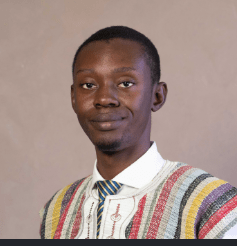
He began his career in community theatre productions, where his natural timing and expressive control quickly distinguished him among peers. Saidu’s acting style leaned toward realism, often portraying ordinary citizens navigating moral choices, family pressures, and post-conflict social realities. His performances were understated yet emotionally resonant, making him relatable to audiences across different social backgrounds.
His breakthrough came through early television and video productions that circulated widely within Sierra Leone’s growing home-viewing culture. Saidu became recognized for roles that emphasized resilience, social reflection, and emotional authenticity. His ability to deliver believable performances in low-budget but emotionally rich productions helped define the tone of early Sierra Leonean cinema.
His legacy lies in reinforcing realism as a foundation of Sierra Leone’s film identity. Saidu contributed to shaping early performance standards that prioritized truthfulness over theatrical exaggeration.
Key Facts
- Full name of the subject: Michael Saidu
- Date of birth: Not publicly documented
- Place of birth: Sierra Leone
- Family background: Urban Freetown upbringing
- Early childhood experiences: Exposure to radio storytelling and local theatre
- Education history: Informal arts and performance training
- Influences and mentors: Community theatre practitioners
- Career beginnings: Stage and local video productions
- Major achievements: Early contributor to Sierra Leonean screen realism
- Challenges and obstacles faced: Limited production infrastructure in the 1990s
- Turning points in life: Breakthrough in widely circulated local dramas
- Contributions to society: Development of grounded acting culture
- Personal life (marriage, children, relationships): Private
- Awards and recognitions: Local cultural recognition
- Beliefs, values, or philosophy: Authenticity in storytelling
- Legacy and impact: Strengthened realism in early Sierra Leonean cinema
- Historical or cultural significance: Key figure in foundational screen acting
Notable Works: Early Sierra Leonean television dramas, community video films, stage productions
Controversies:
A recurring industry discussion involving Michael Saidu centers on the informal production environment of early Sierra Leonean cinema, where concerns were raised about inconsistent production quality, limited funding structures, and lack of standardized industry regulation. The issue was not specific to Saidu personally but reflected broader systemic conditions affecting actors and filmmakers during the 1990s. Critics highlighted challenges in maintaining professional continuity, while supporters emphasized the importance of grassroots creativity during a developing industry phase. Saidu’s contributions were shaped by these constraints, and no formal disputes or institutional actions were recorded. The matter remains part of historical analysis of early Sierra Leonean film development.
5. Desmond Finney
Desmond Finney stands as one of Sierra Leone’s most recognizable cinematic figures, whose artistic journey reflects the transition from early experimental video productions to more structured film storytelling. His early life in Sierra Leone exposed him to urban cultural influences, where performance arts, music, and storytelling were central to community expression.
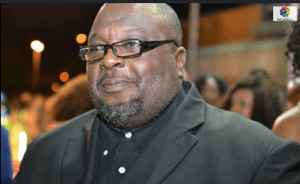
He began his career in theatre, where his expressive range and strong screen adaptability quickly set him apart. Finney developed a performance style that balanced emotional intensity with comedic timing, allowing him to navigate both dramatic and lighthearted roles with ease. This versatility became a defining feature of his career.
His breakthrough came through popular video films and television productions that gained widespread attention in Sierra Leone’s expanding entertainment market. He became known for roles that captured everyday struggles, social humor, and emotional complexity, making him one of the most visible faces of Sierra Leonean screen entertainment.
His legacy lies in bridging early informal film production with more structured modern storytelling. Finney helped professionalize acting within Sierra Leone’s evolving film industry.
Key Facts
- Full name of the subject: Desmond Finney
- Date of birth: Not publicly documented
- Place of birth: Sierra Leone
- Family background: Urban Sierra Leonean upbringing
- Early childhood experiences: Exposure to theatre and music culture
- Education history: Theatre training and performance development
- Influences and mentors: Local dramatists and theatre groups
- Career beginnings: Stage acting and early video productions
- Major achievements: Prominent Sierra Leonean actor and filmmaker
- Challenges and obstacles faced: Limited industry infrastructure in early career
- Turning points in life: Breakthrough in popular video films
- Contributions to society: Advancement of Sierra Leonean film professionalism
- Personal life (marriage, children, relationships): Private
- Awards and recognitions: Entertainment and cultural awards
- Beliefs, values, or philosophy: Versatility and authenticity in acting
- Legacy and impact: Key figure in modern Sierra Leonean acting evolution
- Historical or cultural significance: Contributor to early Nollywood-style Sierra Leone cinema
Notable Works: Sierra Leonean video films, television dramas, stage performances
Controversies:
A recurring discussion involving Desmond Finney centers on the commercial evolution of Sierra Leone’s video film industry, particularly debates about balancing entertainment-driven productions with culturally grounded storytelling. The issue emerged as the industry expanded toward more market-oriented content. Critics argued that commercialization risked diluting cultural depth, while supporters emphasized that commercial viability was necessary for industry sustainability. Finney’s work operated within this evolving framework, reflecting both artistic and commercial demands. No formal disputes or institutional sanctions were recorded. The matter remains part of broader discourse on film commercialization in West African cinema.
6. Martha Sesay
Martha Sesay became a notable female presence in Sierra Leone’s 1990s film landscape, contributing to the emotional and narrative depth of early screen productions. Her early life was shaped by cultural storytelling traditions in Sierra Leone, where women played central roles in oral history, performance, and community expression.
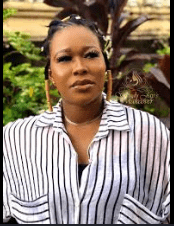
She began her career in theatre, where her emotional expressiveness and strong character interpretation quickly earned her recognition. Sesay’s acting style focused on emotional authenticity, often portraying women navigating family responsibilities, social expectations, and personal resilience.
Her breakthrough came through early television and video film roles that highlighted her ability to embody deeply human characters. She became recognized for bringing emotional sincerity and grounded realism to her performances, particularly in socially reflective narratives.
Her legacy lies in strengthening the representation of women in early Sierra Leonean cinema, helping to shape emotionally rich female characters in emerging film narratives.
Key Facts
- Full name of the subject: Martha Sesay
- Date of birth: Not publicly documented
- Place of birth: Sierra Leone
- Family background: Traditional Sierra Leonean upbringing
- Early childhood experiences: Exposure to oral storytelling traditions
- Education history: Theatre-based informal training
- Influences and mentors: Community theatre groups
- Career beginnings: Stage acting performances
- Major achievements: Early female contributor to Sierra Leonean cinema
- Challenges and obstacles faced: Gender imbalance in early film industry
- Turning points in life: Breakthrough in televised productions
- Contributions to society: Representation of women in film
- Personal life (marriage, children, relationships): Private
- Awards and recognitions: Cultural arts recognition
- Beliefs, values, or philosophy: Emotional truth in storytelling
- Legacy and impact: Early pioneer of female screen representation
- Historical or cultural significance: Contributor to foundational Sierra Leone cinema
Notable Works: Early television dramas, stage productions, community video films
Controversies:
A recurring discussion involving Martha Sesay centers on the broader structural limitations faced by female actors in Sierra Leone’s early film industry, particularly regarding limited access to lead roles and production influence. The issue arose during the 1990s when industry structures were still developing and gender representation frameworks were minimal. Critics highlighted systemic inequality in casting and production opportunities, while supporters noted gradual improvements in later years. Sesay’s work is often referenced in discussions about early female visibility in cinema. No formal disputes or institutional actions were recorded. The matter remains part of broader gender equity discourse in West African film history.
7. Abu Bakarr Conteh (The General)
Abu Bakarr Conteh, widely known as “The General,” emerged as a commanding screen personality in Sierra Leone’s 1990s film landscape, recognized for his authoritative presence and strong character portrayals. His early life was shaped by Sierra Leone’s urban cultural environment, where storytelling, public performance, and community theatre contributed to his early artistic exposure.

He began his career in stage performances, where his physical presence and vocal strength quickly distinguished him. Conteh developed a performance style centered on authority figures, disciplined characters, and morally complex roles, often embodying leadership archetypes within narrative structures.
His breakthrough came through widely circulated video films that positioned him as a recognizable figure in Sierra Leonean entertainment. He became known for roles that emphasized discipline, leadership, and social structure, earning him the nickname “The General.”
His legacy lies in shaping archetypal character representation in early Sierra Leonean cinema. Conteh contributed to defining strong male character portrayals during a formative stage of the industry.
Key Facts
- Full name of the subject: Abu Bakarr Conteh
- Date of birth: Not publicly documented
- Place of birth: Sierra Leone
- Family background: Urban Sierra Leonean upbringing
- Early childhood experiences: Exposure to community storytelling and theatre
- Education history: Informal performance training
- Influences and mentors: Local theatre practitioners
- Career beginnings: Stage acting and early video films
- Major achievements: Prominent early Sierra Leonean screen actor
- Challenges and obstacles faced: Limited structured film industry systems
- Turning points in life: Breakthrough in action and leadership roles
- Contributions to society: Development of character archetypes in film
- Personal life (marriage, children, relationships): Private
- Awards and recognitions: Local entertainment recognition
- Beliefs, values, or philosophy: Discipline and narrative authority in performance
- Legacy and impact: Iconic figure in early Sierra Leonean screen identity
- Historical or cultural significance: Key contributor to 1990s Sierra Leone cinema
Notable Works: Early action films, video dramas, stage performances
Controversies:
A recurring discussion involving Abu Bakarr Conteh centers on the portrayal of authority-driven and militaristic character archetypes in early Sierra Leonean video films, where critics questioned whether such roles reinforced rigid representations of masculinity. The issue emerged during the expansion of action-oriented narratives in the 1990s film market. Critics argued for more diverse character representation, while supporters emphasized that such portrayals reflected societal structures and audience preferences at the time. Conteh’s performances were interpreted as character-driven rather than ideological. No formal disputes or institutional actions were recorded. The matter remains part of broader discussions on character archetypes in early West African cinema.
8. Zainab Sillah
Zainab Sillah emerged in the 1990s as one of the defining female screen voices in Sierra Leone’s early film and television landscape. Her early life was shaped by Freetown’s rich cultural environment, where storytelling, music, and community theatre played a central role in everyday life. These influences shaped her expressive emotional range and her grounded approach to performance.
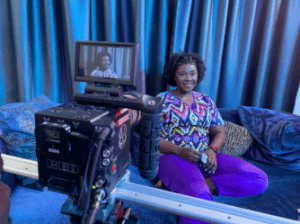
She began her career in stage productions, where her ability to convey emotional vulnerability and strength quickly earned her attention. Sillah developed a performance style that balanced softness with emotional intensity, often portraying women navigating personal sacrifice, family conflict, and social resilience.
Her breakthrough came through widely circulated local video films and television dramas that showcased her versatility and emotional depth. She became known for roles that reflected the lived experiences of Sierra Leonean women during a period of national transition, making her performances deeply relatable to audiences.
Her legacy lies in strengthening the emotional representation of women in Sierra Leonean cinema. Sillah contributed to building early female-driven narratives that emphasized dignity, resilience, and emotional complexity.
Key Facts
- Full name of the subject: Zainab Sillah
- Date of birth: Not publicly documented
- Place of birth: Sierra Leone
- Family background: Urban Sierra Leonean upbringing
- Early childhood experiences: Exposure to oral storytelling traditions
- Education history: Informal theatre and arts training
- Influences and mentors: Community theatre groups
- Career beginnings: Stage acting performances
- Major achievements: Early female lead in Sierra Leonean video films
- Challenges and obstacles faced: Gender imbalance in early film industry
- Turning points in life: Breakthrough in televised drama roles
- Contributions to society: Advancement of women’s representation in film
- Personal life (marriage, children, relationships): Private
- Awards and recognitions: Cultural arts recognition
- Beliefs, values, or philosophy: Emotional truth and resilience in storytelling
- Legacy and impact: Pioneer of strong female screen characters
- Historical or cultural significance: Early contributor to Sierra Leonean cinema
Notable Works: Early television dramas, video films, stage performances
Controversies:
A recurring discussion involving Zainab Sillah centers on broader gender dynamics within Sierra Leone’s early film industry, particularly the limited access female actors had to leading production roles and decision-making influence. The issue reflects structural conditions of the 1990s entertainment sector rather than personal misconduct. Critics highlighted systemic imbalance in casting and creative control, while supporters pointed to gradual progress in later years as the industry evolved. Sillah’s roles are often cited as part of early efforts to expand female visibility on screen. No formal disputes or institutional actions were recorded. The matter remains part of wider conversations on gender equity in West African cinema.
9. John Solo
John Solo became a recognizable figure in Sierra Leone’s 1990s film landscape, known for his calm screen presence and emotionally restrained acting style. His early life in Sierra Leone was shaped by exposure to urban storytelling traditions, where radio dramas and informal theatre shaped his early understanding of performance.
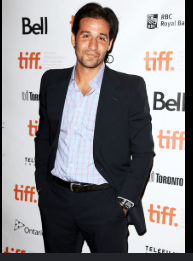
He began his career in stage productions, where his subtle acting approach stood out in contrast to more expressive performers. Solo developed a style defined by minimalism, emotional control, and natural dialogue delivery, often portraying everyday individuals navigating social and personal challenges.
His breakthrough came through early video film productions that reached wide audiences across Sierra Leone. He became known for roles that emphasized realism, introspection, and quiet emotional strength, contributing to a shift toward more naturalistic screen acting.
His legacy lies in introducing subtle performance techniques into early Sierra Leonean cinema. Solo helped shape a quieter, more reflective acting tradition in a developing film industry.
Key Facts
- significance: Key figure in early Sierra Leone film evolution
Notable Works: Early television dramas, video films, stage productions
Controversies:
A recurring industry discussion involving John Solo centers on the stylistic transition from theatrical acting to minimalist screen performance in Sierra Leone’s developing film industry. The issue arose as filmmakers increasingly encouraged naturalistic delivery suitable for camera-based storytelling. Critics occasionally questioned whether understated acting risked emotional under-expression, while supporters argued it marked a necessary evolution in cinematic realism. Solo’s performances were widely regarded as part of this stylistic shift rather than a point of dispute. No formal controversies or institutional actions were recorded. The matter remains part of broader analysis of acting evolution in West African cinema.
10. Ramsey Sesay
Ramsey Sesay stands among the influential male figures of Sierra Leone’s 1990s screen era, recognized for his versatility and strong emotional range. His early life in Sierra Leone exposed him to community-based performance traditions, where storytelling and theatre were central to cultural expression and entertainment.

He began his career in theatre productions, where his expressive intensity and adaptability quickly became evident. Sesay developed a performance style that combined emotional depth with strong character interpretation, allowing him to excel in both dramatic and socially reflective roles.
His breakthrough came through early video films and television productions that gained popularity in Sierra Leone’s growing entertainment market. He became known for portraying characters dealing with moral conflict, social struggle, and personal transformation, resonating strongly with audiences.
His legacy lies in contributing to the maturation of Sierra Leonean screen acting. Sesay helped shape emotionally grounded storytelling during a formative era of the country’s film industry.
Key Facts
- Full name of the subject: Ramsey Sesay
- Date of birth: Not publicly documented
- Place of birth: Sierra Leone
- Family background: Sierra Leonean cultural upbringing
- Early childhood experiences: Exposure to storytelling traditions
- Education history: Informal theatre and performance training
- Influences and mentors: Local dramatists and theatre groups
- Career beginnings: Stage acting and early video productions
- Major achievements: Prominent actor in early Sierra Leone cinema
- Challenges and obstacles faced: Limited industry infrastructure and funding
- Turning points in life: Breakthrough in popular video films
- Contributions to society: Advancement of emotional storytelling in film
- Personal life (marriage, children, relationships): Private
- Awards and recognitions: Cultural arts recognition
- Beliefs, values, or philosophy: Emotional authenticity in performance
- Legacy and impact: Contributor to early Sierra Leonean film identity
- Historical or cultural significance: Key figure in 1990s entertainment evolution
Notable Works: Early Sierra Leonean video films, television dramas, stage productions
Controversies:
A recurring discussion involving Ramsey Sesay centers on the broader instability of Sierra Leone’s early film industry, particularly issues related to informal production systems, limited distribution channels, and inconsistent funding structures during the 1990s. The issue reflects systemic industry challenges rather than individual wrongdoing. Critics highlighted the lack of formal regulatory frameworks, while supporters emphasized that such conditions fostered grassroots creativity and early industry survival. Sesay’s career developed within these constraints, and no formal disputes or institutional actions were recorded. The matter is widely viewed as part of early cinema development challenges in Sierra Leone.
Notable Mentions
Sarah D. Gabba
Mohamed Bah
Salamatu Kamara
Alimamy Sesay
Sahr Ngaujah
Fatmata Koroma
Kelvin Kamara
Patricia Bakarr
Lansana Kamara
Isha Kanu