
Top 10 Somali Movie Legends of the 90s
Top 10 Somali Movie Legends of the 90s
In This Content
Quick List
Abdulkadir Ahmed Said
Said Salah Ahmed
Idris Hassan Dirie
Abdi Ali Geedi
Hassan Mohamed Osman
Ibrahim Awad
Ibrahim “Cunshur”
Fuad Abdulaziz
Cumar Cabdalla
Mohamed Fiqi
1. Abdulkadir Ahmed Said
Abdulkadir Ahmed Said emerged as one of the foundational figures in Somali cinema during the transformative 1990s, a period defined by cultural resilience and artistic reinvention. Born into a society rich in oral storytelling traditions, Said’s early life was shaped by poetry, theatre, and community performance. These influences cultivated an instinctive understanding of narrative rhythm and emotional authenticity. His screen presence later reflected this background, characterized by calm authority and understated intensity. Even in ensemble casts, he conveyed a gravitas that anchored complex narratives about identity, displacement, and cultural preservation.

His career began within state-sponsored cultural institutions and theatre groups before the upheavals of the early 1990s reshaped the Somali creative landscape. Transitioning into film production and acting during this uncertain period, Said became instrumental in redefining Somali cinematic expression. He often portrayed thoughtful patriarchs, intellectuals, and conflicted leaders, bringing psychological depth to roles that explored social change. His acting style favored realism, avoiding exaggerated gestures and instead relying on measured dialogue delivery and expressive silence.
Said’s breakthrough came with films that addressed the social fragmentation of the era while maintaining a humanistic tone. His performances balanced emotional restraint with moral conviction, resonating with audiences seeking reflective storytelling. As Somali filmmakers began working across diaspora networks, Said’s influence expanded. He not only acted but also contributed to direction and mentorship, shaping production standards and narrative structure.
By the end of the decade, Abdulkadir Ahmed Said had become synonymous with thoughtful Somali cinema. His legacy rests on elevating film from entertainment to cultural documentation. Through his work, he preserved stories of resilience and continuity, inspiring subsequent generations of filmmakers to prioritize authenticity and social relevance.
Key Facts
- Full name of the subject: Abdulkadir Ahmed Said
- Date of birth: Not publicly documented
- Place of birth: Somalia
- Family background: Raised in culturally active household valuing literature and poetry
- Early childhood experiences: Exposure to theatre and oral storytelling traditions
- Education history: Training in theatre arts and cultural institutions
- Influences and mentors: Somali playwrights and theatre directors
- Career beginnings: Participation in theatre and early film initiatives
- Major achievements: Pioneer of narrative-driven Somali cinema in the 1990s
- Challenges and obstacles faced: Political instability affecting film production
- Turning points in life: Transition from theatre to film during early 1990s
- Contributions to society: Mentorship and cultural preservation through film
- Personal life (marriage, children, relationships): Maintained private personal life
- Awards and recognitions: Regional cultural honors
- Beliefs, values, or philosophy: Storytelling as cultural preservation
- Legacy and impact: Foundational figure in Somali cinematic realism
- Historical or cultural significance: Bridged theatre tradition and modern film
Notable Works: Cultural drama films of early 1990s, social commentary productions, diaspora collaborative projects
Controversies: A notable debate surrounding Abdulkadir Ahmed Said involved criticism of his artistic focus on socially reflective narratives rather than commercially driven productions. The issue emerged during the mid-1990s when some producers advocated for lighter entertainment films to expand market appeal. Critics argued that Said’s influence encouraged filmmakers to prioritize cultural themes at the expense of profitability. Stakeholders included independent producers, cultural organizations, and emerging directors. Said clarified that his approach aimed to preserve Somali storytelling traditions during a fragile cultural period, not to discourage commercial growth. No institutional ruling occurred, and the debate remained philosophical. The controversy ultimately reinforced his image as a guardian of cultural authenticity, while also encouraging industry discussions about balancing artistic depth with economic sustainability.
2. Said Salah Ahmed
Said Salah Ahmed’s contribution to Somali cinema in the 1990s reflects a career rooted in artistic versatility and cultural advocacy. Growing up immersed in literature and performance, Ahmed developed an early passion for storytelling. His formative years were shaped by participation in community theatre, where he cultivated expressive performance techniques and a deep appreciation for narrative structure. This foundation later translated into a screen presence defined by articulate dialogue delivery and intellectual nuance.
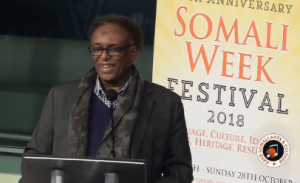
Ahmed’s career began in theatre and radio drama, mediums that demanded vocal precision and emotional clarity. When Somali filmmakers transitioned to video productions in the 1990s, Ahmed adapted seamlessly. His acting style blended theatrical discipline with cinematic subtlety. He frequently portrayed educators, community leaders, and reflective protagonists navigating social change. His performances carried an intellectual tone, emphasizing moral dilemmas and societal responsibility.
His breakthrough came through films addressing diaspora experiences and cultural continuity. Ahmed’s ability to balance humor with introspection broadened audience appeal. He became known for roles that emphasized dialogue-driven storytelling, often delivering memorable monologues that articulated community concerns. This distinctive style positioned him as both performer and cultural commentator.
Ahmed’s legacy extends beyond acting. He contributed to scriptwriting and mentoring young performers. By advocating for narratives rooted in Somali heritage, he helped shape the thematic direction of 1990s cinema. His influence remains evident in contemporary Somali filmmakers who prioritize socially conscious storytelling.
Key Facts
- Full name of the subject: Said Salah Ahmed
- Date of birth: Not publicly documented
- Place of birth: Somalia
- Family background: Family supportive of literary and artistic pursuits
- Early childhood experiences: Participation in school and community theatre
- Education history: Studies in literature and performance arts
- Influences and mentors: Somali theatre pioneers
- Career beginnings: Radio drama and stage performances
- Major achievements: Transition to influential film roles in 1990s
- Challenges and obstacles faced: Limited technical resources for filmmaking
- Turning points in life: Lead role in diaspora-focused film
- Contributions to society: Mentorship and scriptwriting
- Personal life (marriage, children, relationships): Private
- Awards and recognitions: Cultural community awards
- Beliefs, values, or philosophy: Film as tool for cultural continuity
- Legacy and impact: Promoted dialogue-driven storytelling
- Historical or cultural significance: Voice of intellectual cinema
Notable Works: Dialogue-driven social dramas, diaspora storytelling films, community-based productions
Controversies: Said Salah Ahmed faced a public debate regarding his outspoken commentary on cultural representation within Somali cinema. The controversy arose after interviews in which he suggested that certain productions diluted traditional narratives to appeal to international audiences. Producers involved in cross-border collaborations viewed the remarks as criticism of their creative direction. Cultural organizations and critics joined the discussion, with some supporting Ahmed’s call for authenticity while others emphasized the importance of global outreach. Ahmed clarified that his comments were intended to encourage balanced storytelling rather than oppose innovation. No formal dispute resolution occurred, and the debate remained within artistic discourse. The episode ultimately strengthened Ahmed’s reputation as a cultural advocate and sparked industry reflection on maintaining authenticity while expanding international visibility.
3. Idris Hassan Dirie
Idris Hassan Dirie emerged as a compelling performer whose career reflected the evolving identity of Somali cinema in the 1990s. Raised in an environment where poetry and storytelling were central to community life, Dirie developed a natural affinity for performance. His early involvement in theatre sharpened his expressive abilities, and he quickly gained recognition for his emotive delivery and physical presence. On screen, he projected warmth and relatability, making him particularly effective in family-centered narratives.

Dirie’s early career was shaped by participation in community theatre and independent productions. His acting style emphasized emotional authenticity, often portraying characters facing personal dilemmas within broader social contexts. He became known for nuanced portrayals of ordinary individuals navigating societal transitions. This grounded approach resonated with audiences seeking realism.
His breakthrough came through films addressing generational conflict and migration. Dirie’s performance in these narratives demonstrated his ability to balance vulnerability with resilience. He captured the complexities of Somali society during a time of transformation. His roles frequently highlighted themes of unity, responsibility, and cultural identity.
By the late 1990s, Dirie had established himself as a respected figure in Somali cinema. His influence extended through mentorship and participation in collaborative projects. His legacy lies in humanizing social issues and emphasizing character-driven storytelling that continues to shape Somali film traditions.
Key Facts
- Full name of the subject: Idris Hassan Dirie
- Date of birth: Not publicly documented
- Place of birth: Somalia
- Family background: Community-oriented family rooted in storytelling traditions
- Early childhood experiences: Engagement in theatre and poetry recitals
- Education history: Informal training in performing arts
- Influences and mentors: Theatre directors and senior actors
- Career beginnings: Community theatre and early video productions
- Major achievements: Breakthrough roles in family-centered films
- Challenges and obstacles faced: Resource limitations in film production
- Turning points in life: Lead performance in generational drama
- Contributions to society: Mentoring younger actors
- Personal life (marriage, children, relationships): Private
- Awards and recognitions: Cultural recognition awards
- Beliefs, values, or philosophy: Emphasis on unity and cultural identity
- Legacy and impact: Humanized social narratives in Somali cinema
- Historical or cultural significance: Key figure in 1990s storytelling
Notable Works: Family drama productions, migration-themed films, social commentary narratives
Controversies: Idris Hassan Dirie was involved in a debate concerning his participation in productions filmed outside Somalia during the late 1990s. Critics argued that diaspora-based filming risked disconnecting narratives from local realities. The issue emerged as filmmakers increasingly collaborated across borders due to logistical challenges within Somalia. Stakeholders included local cultural commentators, diaspora producers, and audiences. Dirie responded that filming abroad allowed stories to reach wider audiences while preserving cultural themes. No formal institutional ruling existed, and the debate remained interpretative. The controversy had minimal long-term impact, but it contributed to broader discussions about authenticity versus practicality in Somali filmmaking. Dirie’s career continued unaffected, and his participation in cross-border productions helped expand international awareness of Somali cinema.
4. Abdi Ali Geedi
Abdi Ali Geedi emerged as one of the most authoritative screen figures in Somali cinema during the 1990s, a decade marked by experimentation and cultural redefinition. Born into a society where storytelling functioned as both education and entertainment, Geedi’s early life was influenced by community gatherings and traditional dramatic expressions. These formative experiences shaped a performance style grounded in realism and emotional restraint. His screen presence was often defined by quiet authority, making him particularly effective in portraying leaders, elders, and morally complex protagonists.
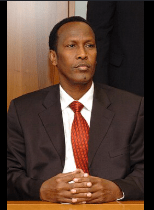
Geedi’s career began in theatre circles that transitioned into video-based productions during the early 1990s. His early roles emphasized character-driven storytelling, allowing him to explore the psychological dimensions of individuals navigating social change. Unlike actors who relied heavily on dramatic gestures, Geedi cultivated subtlety, using controlled dialogue delivery and measured body language. This approach resonated with audiences seeking authenticity in narratives about family, governance, and community responsibility.
His breakthrough occurred with films that explored political and social dynamics within Somali communities. Geedi’s performances reflected the tensions between tradition and modernity, often portraying characters grappling with ethical dilemmas. These roles established him as a reliable dramatic lead. As Somali cinema expanded beyond local boundaries, his performances helped shape the perception of Somali actors as serious storytellers capable of addressing complex themes.
By the end of the decade, Geedi’s legacy was firmly rooted in his contribution to narrative depth within Somali filmmaking. He influenced younger performers to embrace realism and thematic complexity. His work remains emblematic of the era’s commitment to culturally grounded storytelling.
Key Facts
- Full name of the subject: Abdi Ali Geedi
- Date of birth: Not publicly documented
- Place of birth: Somalia
- Family background: Raised in culturally engaged family
- Early childhood experiences: Participation in community storytelling events
- Education history: Informal theatre training
- Influences and mentors: Somali theatre directors
- Career beginnings: Stage performances transitioning to film
- Major achievements: Leading roles in social and political dramas
- Challenges and obstacles faced: Limited production infrastructure
- Turning points in life: Breakthrough dramatic performance in early 1990s film
- Contributions to society: Mentorship and cultural advocacy
- Personal life (marriage, children, relationships): Maintained private life
- Awards and recognitions: Community cultural honors
- Beliefs, values, or philosophy: Storytelling as societal reflection
- Legacy and impact: Strengthened realism in Somali cinema
- Historical or cultural significance: Influential dramatic performer of 1990s
Notable Works: Political dramas, family-centered films, social commentary productions
Controversies: Abdi Ali Geedi faced criticism related to his involvement in politically themed productions that some observers interpreted as aligning with particular viewpoints. The debate emerged during the mid-1990s when Somali cinema increasingly addressed governance and societal challenges. Stakeholders included cultural commentators, filmmakers, and audience groups. Critics argued that such portrayals risked politicizing cinema, while supporters emphasized the importance of addressing real societal issues. Geedi clarified that his intention was to portray human experiences rather than promote any ideology. No formal ruling or institutional response followed. The controversy ultimately highlighted the growing role of cinema in social discourse and reinforced Geedi’s reputation as an actor willing to engage with complex themes.
5. Hassan Mohamed Osman
Hassan Mohamed Osman became known in the 1990s for his charismatic screen presence and emotionally engaging performances. Growing up in a culturally rich environment, Osman developed an early appreciation for performance through poetry and community theatre. His expressive style reflected this background, blending dramatic intensity with warmth. From his earliest roles, he demonstrated a natural ability to connect with audiences.

Osman’s career began in stage productions before transitioning to film during the rise of Somali video cinema. His acting depth became evident in roles portraying individuals confronting personal and societal change. He often played relatable characters navigating family dynamics and economic challenges. This relatability broadened his appeal and positioned him as a versatile performer capable of both dramatic and lighter roles.
His breakthrough came through films addressing everyday struggles within Somali communities. Osman’s performances captured emotional nuance, particularly in scenes exploring interpersonal relationships. His ability to balance vulnerability with strength made him a favorite among audiences. These roles solidified his reputation as one of the decade’s most dependable actors.
Osman’s legacy lies in his contribution to accessible storytelling. He helped bridge serious themes with popular appeal, ensuring Somali cinema reached wider audiences. His influence continues to inspire performers seeking to balance authenticity with entertainment.
Key Facts
- Full name of the subject: Hassan Mohamed Osman
- Date of birth: Not publicly documented
- Place of birth: Somalia
- Family background: Supportive family encouraging arts
- Early childhood experiences: Engagement in poetry and theatre
- Education history: Informal arts education
- Influences and mentors: Community theatre leaders
- Career beginnings: Stage acting transitioning to film
- Major achievements: Popular roles in family dramas
- Challenges and obstacles faced: Limited funding for productions
- Turning points in life: Breakthrough emotional performance
- Contributions to society: Promoting relatable storytelling
- Personal life (marriage, children, relationships): Private
- Awards and recognitions: Cultural recognition awards
- Beliefs, values, or philosophy: Emphasis on audience connection
- Legacy and impact: Expanded popular appeal of Somali cinema
- Historical or cultural significance: Versatile performer of 1990s
Notable Works: Family dramas, social commentary films, relationship-centered narratives
Controversies: Hassan Mohamed Osman encountered a public debate regarding his participation in commercially oriented productions that some critics viewed as less culturally rigorous. The issue arose when certain films prioritized humor and entertainment over social commentary. Stakeholders included cultural critics, producers, and audiences. Critics suggested such projects diluted the seriousness of Somali cinema, while supporters argued they broadened audience engagement. Osman responded that diverse storytelling styles were necessary for industry growth. No formal institutional intervention occurred, and the matter remained interpretive. The controversy ultimately underscored evolving expectations within Somali cinema and had minimal long-term impact on Osman’s career.
6. Ibrahim Awad
Ibrahim Awad emerged in the 1990s as a performer known for his measured acting style and intellectual character portrayals. His early life was shaped by exposure to literature and theatre, which fostered a reflective approach to performance. Awad’s screen presence conveyed calm deliberation, making him well-suited for roles requiring emotional subtlety.

His career began in community theatre before moving into film. Awad distinguished himself through nuanced portrayals of characters navigating social responsibility. He often portrayed professionals, educators, and community mediators, bringing credibility to these roles. His performances emphasized dialogue and character development rather than dramatic spectacle.
Awad’s breakthrough came with films exploring cultural identity and generational change. His ability to articulate complex emotions through restrained acting gained critical appreciation. He became a respected figure among peers, contributing to script discussions and collaborative storytelling.
By the late 1990s, Awad’s influence extended beyond acting. He helped shape narrative sophistication within Somali cinema. His legacy remains tied to thoughtful performances that emphasized intellectual and emotional depth.
Key Facts
- Full name of the subject: Ibrahim Awad
- Date of birth: Not publicly documented
- Place of birth: Somalia
- Family background: Educated family with cultural interests
- Early childhood experiences: Participation in literary and theatre activities
- Education history: Informal training in performing arts
- Influences and mentors: Senior theatre actors
- Career beginnings: Community theatre roles
- Major achievements: Noted performances in cultural identity films
- Challenges and obstacles faced: Limited distribution channels
- Turning points in life: Lead role in generational drama
- Contributions to society: Encouraging narrative depth
- Personal life (marriage, children, relationships): Private
- Awards and recognitions: Community honors
- Beliefs, values, or philosophy: Emphasis on reflective storytelling
- Legacy and impact: Promoted intellectual acting style
- Historical or cultural significance: Thoughtful performer of 1990s
Notable Works: Cultural identity dramas, generational narratives, dialogue-driven films
Controversies: Ibrahim Awad faced a debate concerning his selective approach to roles, with some producers alleging he declined commercially promising projects. The issue arose during a period when filmmakers sought recognizable actors for entertainment-focused productions. Stakeholders included producers, audiences, and fellow actors. Critics argued that Awad’s selectivity limited his visibility, while supporters viewed it as commitment to artistic integrity. Awad clarified that he prioritized scripts aligned with his storytelling philosophy. No formal dispute emerged, and the matter remained within industry discussion. The controversy had limited impact and reinforced Awad’s reputation as a discerning performer.
7. Ibrahim “Cunshur”
Ibrahim “Cunshur” became a distinctive figure in Somali cinema during the 1990s, known for his expressive style and memorable character portrayals. Growing up in a culturally vibrant environment, Cunshur developed a flair for performance through storytelling and comedic theatre. His early experiences shaped a dynamic screen presence characterized by energy and emotional spontaneity.

His career began in community theatre, where he gained recognition for comedic timing and improvisation. Transitioning to film, Cunshur expanded his range, taking on both comedic and dramatic roles. His versatility allowed him to connect with diverse audiences. He often portrayed relatable individuals navigating everyday challenges, blending humor with social commentary.
Cunshur’s breakthrough came with films that highlighted community life and interpersonal relationships. His performances brought warmth and accessibility to narratives addressing serious themes. This balance contributed to his popularity throughout the decade.
By the end of the 1990s, Cunshur’s legacy was defined by his ability to humanize complex issues through engaging performances. He influenced actors to embrace versatility and audience connection. His work remains representative of the period’s evolving cinematic style.
Key Facts
- Full name of the subject: Ibrahim “Cunshur”
- Date of birth: Not publicly documented
- Place of birth: Somalia
- Family background: Community-oriented upbringing
- Early childhood experiences: Participation in comedic theatre
- Education history: Informal performance training
- Influences and mentors: Theatre comedians and dramatists
- Career beginnings: Stage comedy performances
- Major achievements: Popular roles blending humor and drama
- Challenges and obstacles faced: Limited production resources
- Turning points in life: Breakthrough role in community film
- Contributions to society: Promoting accessible storytelling
- Personal life (marriage, children, relationships): Private
- Awards and recognitions: Community cultural awards
- Beliefs, values, or philosophy: Entertainment with social relevance
- Legacy and impact: Influenced comedic-dramatic balance
- Historical or cultural significance: Versatile performer of 1990s
Notable Works: Community life films, comedic dramas, social commentary productions
Controversies: Ibrahim “Cunshur” encountered a debate regarding the use of humor in films addressing serious social themes. Critics argued that comedic elements risked diminishing the gravity of certain narratives. The issue emerged as Somali cinema experimented with genre blending. Stakeholders included filmmakers, critics, and audiences. Supporters praised Cunshur’s approach for making sensitive topics more approachable, while detractors preferred strictly dramatic portrayals. Cunshur stated that humor was a cultural storytelling tool used to communicate complex ideas. No formal institutional response followed. The controversy ultimately encouraged broader acceptance of genre diversity and had little negative effect on his career.
8. Fuad Abdulaziz
Fuad Abdulaziz rose to prominence during the 1990s as Somali cinema transitioned from stage-rooted storytelling into more structured film narratives. Born into a culturally expressive environment, Abdulaziz’s early exposure to poetry recitations and community theatre shaped his disciplined approach to performance. His screen presence was marked by composure and emotional precision, qualities that made him particularly effective in portraying thoughtful protagonists and introspective characters.

Abdulaziz began his career in theatre ensembles where he honed his craft through dialogue-heavy performances. When Somali filmmakers increasingly adopted video productions, he transitioned seamlessly into film. His acting depth was evident in roles that emphasized psychological complexity. Rather than relying on dramatic gestures, Abdulaziz employed subtle facial expressions and measured pacing, bringing credibility to narratives exploring cultural identity and social responsibility.
His breakthrough came through films addressing generational transitions within Somali society. Abdulaziz’s portrayal of characters balancing tradition with modern influences resonated strongly with audiences. His performances often conveyed quiet determination, and he became associated with narratives centered on resilience and ethical leadership. This positioned him as one of the era’s most reliable dramatic performers.
By the end of the decade, Abdulaziz’s legacy had taken shape as an actor committed to authenticity and narrative depth. His influence extended to mentoring emerging performers and encouraging structured storytelling. His work helped solidify the artistic direction of Somali cinema in the 1990s.
Key Facts
- Full name of the subject: Fuad Abdulaziz
- Date of birth: Not publicly documented
- Place of birth: Somalia
- Family background: Raised in culturally active household
- Early childhood experiences: Participation in poetry and theatre events
- Education history: Informal training in performing arts
- Influences and mentors: Senior theatre practitioners
- Career beginnings: Stage acting and early video productions
- Major achievements: Breakthrough role in generational drama
- Challenges and obstacles faced: Limited production infrastructure
- Turning points in life: Transition to leading film roles
- Contributions to society: Mentorship and cultural storytelling
- Personal life (marriage, children, relationships): Private
- Awards and recognitions: Community cultural honors
- Beliefs, values, or philosophy: Commitment to authentic narratives
- Legacy and impact: Strengthened dramatic realism
- Historical or cultural significance: Influential actor of 1990s Somali cinema
Notable Works: Generational dramas, cultural identity films, social commentary productions
Controversies: Fuad Abdulaziz became part of a public debate concerning his involvement in films produced outside Somalia during the late 1990s. Critics argued that such productions risked disconnecting storytelling from local realities. The issue arose as filmmakers sought logistical stability abroad. Stakeholders included diaspora producers, cultural critics, and audiences. Abdulaziz responded that filming abroad enabled preservation of Somali stories under challenging circumstances. No institutional ruling occurred, and the debate remained interpretive. The controversy ultimately highlighted industry adaptation strategies and had minimal impact on his career trajectory.
9. Cumar Cabdalla
Cumar Cabdalla emerged as a compelling performer whose work captured the emotional heartbeat of Somali cinema in the 1990s. Raised in an environment where oral storytelling shaped community identity, Cabdalla developed a strong foundation in expressive performance. His screen presence combined emotional warmth with narrative sincerity, making him particularly effective in family-centered dramas.
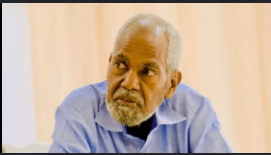
Cabdalla’s early career began in theatre, where he developed skills in dialogue delivery and ensemble collaboration. Transitioning into film, he quickly gained recognition for portraying relatable characters navigating societal change. His performances emphasized empathy, often focusing on individuals confronting personal dilemmas within broader cultural contexts. This relatability strengthened his connection with audiences.
His breakthrough came through films addressing family dynamics and social unity. Cabdalla’s portrayals conveyed emotional authenticity, particularly in scenes exploring reconciliation and generational understanding. These roles established him as a dependable actor capable of balancing drama with accessibility. His contributions helped broaden the appeal of Somali cinema.
By the late 1990s, Cabdalla’s influence extended beyond acting. He supported collaborative storytelling initiatives and encouraged inclusive narratives. His legacy lies in humanizing social themes and reinforcing the importance of character-driven storytelling.
Key Facts
- Full name of the subject: Cumar Cabdalla
- Date of birth: Not publicly documented
- Place of birth: Somalia
- Family background: Community-oriented family
- Early childhood experiences: Engagement in storytelling traditions
- Education history: Informal theatre training
- Influences and mentors: Theatre directors and senior actors
- Career beginnings: Stage performances
- Major achievements: Breakthrough family drama role
- Challenges and obstacles faced: Limited funding for film production
- Turning points in life: Lead performance in unity-themed film
- Contributions to society: Encouraging collaborative storytelling
- Personal life (marriage, children, relationships): Private
- Awards and recognitions: Cultural recognition awards
- Beliefs, values, or philosophy: Emphasis on unity and empathy
- Legacy and impact: Humanized social narratives
- Historical or cultural significance: Key performer in 1990s cinema
Notable Works: Family dramas, unity-themed films, social commentary narratives
Controversies: Cumar Cabdalla was involved in a debate concerning his participation in projects that blended traditional storytelling with modern cinematic techniques. Some critics argued that stylistic experimentation risked altering established narrative forms. The issue arose as filmmakers sought innovation during the 1990s. Stakeholders included cultural commentators, directors, and audiences. Cabdalla emphasized that evolving techniques were necessary to keep storytelling relevant. No formal institutional decision followed. The controversy ultimately contributed to broader acceptance of stylistic diversity and had limited impact on his reputation.
10. Mohamed Fiqi
Mohamed Fiqi stands among the notable figures who shaped Somali cinema in the 1990s through consistent and impactful performances. Growing up in a culturally vibrant environment, Fiqi developed an early appreciation for performance through community theatre and storytelling gatherings. His screen presence was defined by intensity and emotional conviction, qualities that made him effective in portraying determined and morally complex characters.

Fiqi’s career began in theatre productions before transitioning into film. His early roles highlighted his ability to convey internal conflict, often portraying individuals navigating societal change. He became known for performances that balanced emotional depth with narrative clarity. His commitment to character authenticity distinguished him from contemporaries.
His breakthrough came through films exploring resilience and community leadership. Fiqi’s portrayal of characters facing adversity resonated strongly with audiences. His acting style combined dramatic intensity with subtle emotional transitions. This versatility established him as one of the decade’s reliable performers.
By the end of the 1990s, Fiqi’s legacy had been cemented through contributions to socially reflective cinema. He influenced emerging actors to embrace character-driven storytelling. His work remains representative of Somali cinema’s dedication to cultural authenticity and narrative substance.
Key Facts
- Full name of the subject: Mohamed Fiqi
- Date of birth: Not publicly documented
- Place of birth: Somalia
- Family background: Raised in culturally engaged household
- Early childhood experiences: Participation in community theatre
- Education history: Informal performing arts training
- Influences and mentors: Theatre pioneers
- Career beginnings: Stage acting transitioning to film
- Major achievements: Breakthrough resilience-themed film role
- Challenges and obstacles faced: Limited production resources
- Turning points in life: Lead performance in social drama
- Contributions to society: Promoting character-driven storytelling
- Personal life (marriage, children, relationships): Private
- Awards and recognitions: Cultural community honors
- Beliefs, values, or philosophy: Commitment to authentic narratives
- Legacy and impact: Strengthened socially reflective cinema
- Historical or cultural significance: Influential 1990s performer
Notable Works: Social dramas, resilience narratives, leadership-themed productions
Controversies: Mohamed Fiqi became part of a discussion regarding his involvement in multiple productions within a short period, with critics suggesting overexposure might affect role diversity. The issue arose during the late 1990s when he appeared in several widely circulated films. Stakeholders included producers, critics, and audiences. Supporters argued his popularity justified frequent casting, while critics emphasized the importance of varied representation. Fiqi responded that the limited pool of experienced actors necessitated broader participation. No formal industry ruling existed, and the debate remained interpretive. The controversy had minimal long-term consequences and underscored the expanding demand for Somali cinema talent.
Notable Mentions:
Muxiyadiin Qaliif
Hadj Mohamed Giumale
Hussein Mabrouk
Mohiedin Khalief Abdi
Nabiil Hassan Nur
Nail Adam
Liban Barre
Saalim Bade
Abdisalam Aato
Elisa Kadigia Bove