
Top 10 Malayalam Movie (India)Legends of the 90s
Top 10 Malayalam Movie (India)
In This Content
Legends of the 90s
Quick List
Mohanlal
Mammootty
Suresh Gopi
Jayaram
Mukesh
Murali
Shobana
Urvashi
Revathi
Manju Warrier
1. Mohanlal
Mohanlal’s dominance in Malayalam cinema during the 1990s represents one of the most organically evolved acting legacies in Indian film history. Born in Kerala and raised in a disciplined middle-class environment, his early life was not initially oriented toward cinema but toward a conventional professional trajectory. However, his instinctive talent for performance quickly became evident through theatre and early screen tests, marking the beginning of an extraordinary cinematic journey.

His career began in the late 1970s and early 1980s with roles that subtly showcased his naturalism rather than theatrical exaggeration. By the time the 1990s arrived, Mohanlal had already developed into a performer known for effortless emotional realism, where characters appeared lived-in rather than performed. His screen presence was defined by subtle gestures, internalized emotion, and a rare ability to merge into character psychology.
The 1990s became the defining decade of his artistic peak. During this period, he delivered performances that balanced commercial cinema with deeply nuanced character studies. His ability to transition between intense drama, comedy, and action without disrupting emotional continuity set him apart as a uniquely versatile actor. He became the emotional core of Malayalam cinema’s golden narrative era.
His legacy is that of a performer who redefined realism in Indian cinema. Mohanlal’s influence extends beyond language barriers, shaping acting philosophies across South India and establishing a benchmark for naturalistic performance that continues to inspire global cinematic discussions.
Key Facts
- Full name of the subject: Mohanlal Viswanathan Nair
- Date of birth: 21 May 1960
- Place of birth: Elanthoor, Kerala, India
- Family background: Middle-class Kerala family
- Early childhood experiences: Grew up in Thiruvananthapuram with academic discipline
- Education history: Studied commerce before entering cinema
- Influences and mentors: Theatre culture and Malayalam literary cinema
- Career beginnings: Film debut in early 1980s
- Major achievements: Leading actor of Malayalam cinema in the 1990s
- Challenges and obstacles faced: Transitioning from supporting to leading roles
- Turning points in life: Breakthrough in naturalistic acting recognition
- Contributions to society: Cultural ambassador of Malayalam cinema
- Personal life (marriage, children, relationships): Married with children
- Awards and recognitions: Padma Shri, Padma Bhushan, multiple National Film Awards
- Beliefs, values, or philosophy: Naturalism and emotional authenticity
- Legacy and impact: Redefined Indian cinematic realism
- Historical or cultural significance: Central figure in Malayalam cinema’s golden era
Notable Works: Kireedam, Bharatham, Vanaprastham, Devasuram, Kilukkam
Controversies:
A recurring public discussion involving Mohanlal’s career relates to debates around film industry influence and alleged favoritism in award recognition processes. This issue has surfaced periodically in Kerala’s cultural discourse.
The background of this controversy lies in the competitive nature of national and state film awards in India, where jury decisions are often subject to public scrutiny. In Mohanlal’s case, certain award cycles sparked debate regarding selection criteria and comparative performances.
Key stakeholders included film critics, award juries, cultural organizations, and the general viewing public. Critics occasionally questioned whether commercial popularity influenced recognition, while supporters emphasized the consistency and depth of his performances.
Factually, no official findings have ever confirmed irregularities in award decisions involving Mohanlal. The matter remains a matter of critical interpretation rather than institutional violation.
The impact of these discussions has reinforced ongoing debates about transparency and subjectivity in Indian film award systems.
2. Mammootty
Mammootty’s cinematic identity in the 1990s reflects a disciplined evolution of performance rooted in precision, authority, and intellectual depth. Born in Kerala into a traditional household, he initially pursued a legal career before transitioning into cinema, a shift that significantly shaped his analytical approach to acting.

His early film career in the late 1970s and early 1980s saw him gradually rise through supporting and character roles. By the 1990s, Mammootty had established himself as a commanding screen presence capable of embodying complex moral and social characters with remarkable control and restraint.
The 1990s marked a phase where his performances became increasingly layered, often portraying characters with ethical ambiguity, political intensity, and psychological depth. His acting style emphasized precision over excess, making him a defining figure in Malayalam parallel and commercial cinema alike.
His legacy lies in intellectualizing mainstream performance. Mammootty redefined the concept of the “serious hero” in Indian cinema, influencing narrative structures that prioritize character complexity over spectacle.
Key Facts
- Full name of the subject: Muhammad Kutty Ismail Paniparambil (Mammootty)
- Date of birth: 7 September 1951
- Place of birth: Chandiroor, Kerala, India
- Family background: Middle-class Muslim family
- Early childhood experiences: Grew up in Kerala with academic discipline
- Education history: Law degree from Government Law College, Ernakulam
- Influences and mentors: Theatre traditions and Malayalam literary cinema
- Career beginnings: Early 1980s supporting film roles
- Major achievements: Three-time National Film Award winner
- Challenges and obstacles faced: Transition from legal career to acting
- Turning points in life: Breakthrough in socially driven cinema
- Contributions to society: Promotion of serious and issue-based cinema
- Personal life (marriage, children, relationships): Married with one son
- Awards and recognitions: Padma Shri, multiple National Film Awards
- Beliefs, values, or philosophy: Intellectual realism in cinema
- Legacy and impact: Elevated Malayalam cinema’s narrative seriousness
- Historical or cultural significance: Central figure in India’s parallel cinema movement
Notable Works: Oru Vadakkan Veeragatha, Mathilukal, Vidheyan, Ponthan Mada
Controversies:
A recurring debate around Mammootty involves discussions on award distribution fairness and comparative recognition with contemporaries during peak Malayalam cinema years. This issue is part of a broader critical discourse rather than a specific incident.
The background of this controversy stems from intense competition in Malayalam cinema during the 1990s, where multiple actors delivered critically acclaimed performances within the same award cycles.
Key stakeholders included film critics, award juries, audiences, and industry analysts. Some critics argued inconsistencies in award outcomes, while others emphasized the difficulty of comparing diverse performance styles.
Factually, no institutional irregularity has been proven regarding his awards or recognition. The discourse remains interpretative within film criticism circles.
The impact of this discussion has contributed to broader reflection on subjectivity in cinematic evaluation processes.
3. Suresh Gopi
Suresh Gopi emerged in Malayalam cinema during the late 1980s and rose to significant prominence throughout the 1990s as one of the most powerful action and performance-driven actors of his generation. Born in Kerala, he grew up in a culturally enriched environment that emphasized discipline and expressive communication.

His early career involved supporting roles, but his commanding voice and intense screen presence quickly set him apart. By the 1990s, he had established a distinct identity built around authoritative characters, often portraying law enforcement officers, political figures, and morally complex individuals.
The breakthrough phase of his career came through action and investigative dramas that aligned with audience demand for strong narrative heroes. His performances combined emotional intensity with rhetorical power, making him a unique figure in Malayalam commercial cinema.
His legacy lies in redefining the action-hero archetype in Malayalam cinema, blending emotional depth with intense character portrayal, and influencing the evolution of performance-driven mainstream films.
Key Facts
- Full name of the subject: Suresh Gopinathan
- Date of birth: 26 June 1958
- Place of birth: Alappuzha, Kerala, India
- Family background: Middle-class Kerala family
- Early childhood experiences: Exposure to cultural and literary environment
- Education history: Master’s degree in English Literature
- Influences and mentors: Malayalam theatre and literary cinema
- Career beginnings: Supporting roles in late 1980s
- Major achievements: Leading action star of 1990s Malayalam cinema
- Challenges and obstacles faced: Establishing identity beyond supporting roles
- Turning points in life: Breakthrough in police and action roles
- Contributions to society: Representation of justice-driven narratives
- Personal life (marriage, children, relationships): Married with children
- Awards and recognitions: State film awards and industry honors
- Beliefs, values, or philosophy: Justice-oriented storytelling
- Legacy and impact: Defined Malayalam action cinema identity
- Historical or cultural significance: Iconic 1990s action film figure
Notable Works: Commissioner, Ekalavyan, Lelam, Pathram
Controversies:
A notable public discussion involving Suresh Gopi centers on his transition between cinema and political engagement, particularly debates about the influence of film stardom on electoral politics in Kerala.
The background of this issue lies in Kerala’s strong tradition of politically aware cinema, where actors often participate in public discourse or governance roles.
Key stakeholders included political parties, media organizations, voters, and cultural commentators. Critics questioned the blending of celebrity status with political authority, while supporters emphasized democratic participation.
Factually, no cinematic misconduct or professional violations are associated with his film career. The controversy remains political in nature rather than artistic.
The impact of this discourse reflects ongoing scrutiny of actor-politicians in Indian democratic systems.
4. Jayaram
Jayaram’s rise in Malayalam cinema during the 1990s reflects the evolution of a uniquely versatile actor capable of balancing humor, emotion, and family-oriented storytelling. Born in Kerala, he grew up in an academically grounded environment that supported his early interest in arts and performance.

His career began in theatre and minor film roles, where his natural comedic timing and expressive versatility became evident. By the 1990s, Jayaram had developed into one of the most reliable family entertainers in Malayalam cinema.
His breakthrough came through films that emphasized everyday emotional narratives, often centered on family dynamics, relationships, and social humor. His performances resonated widely with middle-class audiences.
His legacy lies in shaping the family-comedy genre in Malayalam cinema, making him one of the most beloved entertainers of his generation.
Key Facts
- Full name of the subject: Jayaram Subramaniam
- Date of birth: 10 December 1965
- Place of birth: Perumbavoor, Kerala, India
- Family background: Middle-class Kerala family
- Early childhood experiences: Interest in classical arts and theatre
- Education history: Graduate in History
- Influences and mentors: Theatre artists and Malayalam film comedians
- Career beginnings: Theatre before film entry
- Major achievements: Leading family entertainer of 1990s Malayalam cinema
- Challenges and obstacles faced: Establishing identity in competitive industry
- Turning points in life: Breakthrough comedic roles
- Contributions to society: Family-centric cultural storytelling
- Personal life (marriage, children, relationships): Married with children
- Awards and recognitions: Kerala State Film Awards
- Beliefs, values, or philosophy: Family values and humor-driven storytelling
- Legacy and impact: Defined Malayalam family-comedy cinema
- Historical or cultural significance: Key entertainer of 1990s Kerala audiences
Notable Works: Sandesham, Thooval Kottaram, Meleparambil Aanveedu
Controversies:
A limited public discussion surrounding Jayaram involves debates on typecasting in comedic and family roles during his peak years, a common industry issue rather than an individual dispute.
The background of this issue relates to Malayalam cinema’s strong genre specialization in the 1990s, where actors often became associated with specific narrative styles.
Key stakeholders included filmmakers, audiences, and critics. While some viewed typecasting as limiting, others saw it as a marker of consistent audience success.
Factually, no professional controversy or misconduct has been associated with his career.
The impact of this discourse reflects broader industry patterns rather than individual career conflict.
5. Mukesh
Mukesh established himself in Malayalam cinema as a defining presence in urban realism and middle-class storytelling during the 1990s. Born in Kerala, he was influenced early by theatre culture and literary narratives that shaped his understated acting style.

His early career began with supporting roles, gradually transitioning into leading performances that emphasized relatability and emotional realism. By the 1990s, he became a central figure in films that depicted everyday life with humor and subtle emotional complexity.
His breakthrough came through collaborations in ensemble-driven narratives that highlighted middle-class dilemmas and interpersonal relationships. His performances were marked by natural dialogue delivery and restrained expression.
His legacy lies in his contribution to realistic urban cinema in Malayalam films, helping shape the identity of everyday storytelling in the industry.
Key Facts
- Full name of the subject: Mukesh Babu
- Date of birth: 5 March 1960
- Place of birth: Kollam, Kerala, India
- Family background: Film industry family
- Early childhood experiences: Exposure to theatre and literature
- Education history: Bachelor’s degree
- Influences and mentors: Malayalam theatre movement
- Career beginnings: Supporting film roles in early 1980s
- Major achievements: Leading urban realism actor in 1990s
- Challenges and obstacles faced: Transition from supporting to lead roles
- Turning points in life: Breakthrough in ensemble films
- Contributions to society: Representation of middle-class narratives
- Personal life (marriage, children, relationships): Married with children
- Awards and recognitions: Regional film recognition
- Beliefs, values, or philosophy: Realistic storytelling
- Legacy and impact: Defined urban Malayalam cinema style
- Historical or cultural significance: Key figure in 1990s ensemble cinema
Notable Works: Ramji Rao Speaking, In Harihar Nagar, Godfather
Controversies:
A public discussion involving Mukesh has centered on broader political involvement and debates regarding the intersection of cinema and governance in Kerala.
The background of this issue lies in Kerala’s tradition of politically engaged film personalities.
Key stakeholders included political organizations, media, and audiences.
Factually, his film career remains separate from political discourse.
The impact reflects broader actor-politician debates in regional cinema.
6. Murali
Murali’s acting identity in the 1990s Malayalam cinema landscape was defined by intense emotional realism and socially conscious storytelling. Born in Kerala, he was deeply influenced by theatre traditions and leftist cultural movements that shaped his artistic worldview.

His early career involved theatre and supporting film roles before evolving into one of the most respected character actors of his generation. By the 1990s, Murali had become synonymous with emotionally charged performances.
His breakthrough came through films that explored social justice, human struggle, and psychological depth. His performances were marked by raw emotional intensity and intellectual grounding.
His legacy lies in his contribution to socially relevant cinema in Kerala, elevating character-driven storytelling.
Key Facts
- Full name of the subject: Murali Pillai
- Date of birth: 25 May 1954
- Place of birth: Kollam, Kerala, India
- Family background: Middle-class Kerala family
- Early childhood experiences: Exposure to theatre and literature
- Education history: Formal education in Kerala
- Influences and mentors: Theatre activists and literary cinema
- Career beginnings: Theatre before film career
- Major achievements: National Film Award winner
- Challenges and obstacles faced: Late recognition in mainstream cinema
- Turning points in life: Breakthrough in socially driven roles
- Contributions to society: Advocacy for social realism in cinema
- Personal life (marriage, children, relationships): Married with children
- Awards and recognitions: National Film Award
- Beliefs, values, or philosophy: Social realism and humanism
- Legacy and impact: Elevated Malayalam parallel cinema acting standards
- Historical or cultural significance: Key figure in socially conscious cinema
Notable Works: Neythukaran, Amaram, Aadharam
Controversies:
A limited public discussion involving Murali relates to ideological interpretations of politically themed films, where critics debated the portrayal of social issues in cinema.
The background lies in Kerala’s politically aware film culture.
Key stakeholders included critics and cultural commentators.
Factually, no professional disputes exist regarding his work.
The impact remains academic and interpretive in nature.
7. Shobana
Shobana stands as one of the most accomplished classical dancer-actresses in Indian cinema, with her influence in the 1990s deeply rooted in expressive precision and artistic discipline. Born into a family of performers, she was trained in Bharatanatyam from a young age, which became central to her cinematic identity.
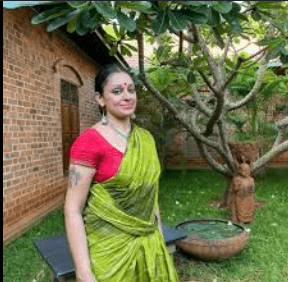
Her early film career began as a child artist before transitioning into lead roles that emphasized grace, emotional intelligence, and performance depth. By the 1990s, she had established herself as a leading actress across South Indian cinema.
Her breakthrough came through emotionally rich roles that combined classical artistry with cinematic storytelling. Her performances were marked by physical expression, controlled emotion, and intellectual engagement with character arcs.
Her legacy lies in bridging classical dance and cinema, elevating performance standards in Indian film acting.
Key Facts
- Full name of the subject: Shobana Chandrakumar Pillai
- Date of birth: 21 March 1970
- Place of birth: Thiruvananthapuram, Kerala, India
- Family background: Artistic family
- Early childhood experiences: Classical dance training
- Education history: Trained in Bharatanatyam
- Influences and mentors: Classical dance gurus
- Career beginnings: Child artist transitioning to lead roles
- Major achievements: National Film Award winner
- Challenges and obstacles faced: Balancing dance and film careers
- Turning points in life: Breakthrough in classical performance roles
- Contributions to society: Preservation of classical dance traditions
- Personal life (marriage, children, relationships): Private personal life
- Awards and recognitions: National Film Awards
- Beliefs, values, or philosophy: Classical discipline and artistic purity
- Legacy and impact: Elevated dance-based performance in cinema
- Historical or cultural significance: Icon of classical cinema performance
Notable Works: Manichitrathazhu, Thenmavin Kombath, Innale
Controversies:
A minimal public discussion surrounding Shobana involves debates about prioritizing dance over cinema during certain phases of her career.
The background relates to balancing dual artistic careers.
Key stakeholders included film producers and cultural critics.
Factually, no controversy or misconduct exists.
The impact reflects artistic prioritization choices rather than dispute.
8. Urvashi
Urvashi’s cinematic identity in the 1990s reflects extraordinary versatility and comedic brilliance combined with emotional depth. Born in Kerala into a film family, she entered cinema at a young age and quickly established herself as a natural performer.

Her early career was defined by child roles before evolving into one of the most dynamic actresses in Malayalam cinema. By the 1990s, she had mastered both comedic timing and dramatic intensity.
Her breakthrough came through roles that showcased her improvisational brilliance and emotional authenticity. She became one of the most awarded actresses of her generation.
Her legacy lies in redefining female comedic performance in Indian cinema, blending humor with emotional intelligence.
Key Facts
- Full name of the subject: Urvashi
- Date of birth: 25 January 1969
- Place of birth: Thiruvananthapuram, Kerala, India
- Family background: Film industry family
- Early childhood experiences: Child artist in Malayalam cinema
- Education history: Schooling in Kerala
- Influences and mentors: Theatre and film traditions
- Career beginnings: Child actor transitioning to lead roles
- Major achievements: Multiple Kerala State Film Awards
- Challenges and obstacles faced: Transitioning between genres
- Turning points in life: Breakthrough comedic roles
- Contributions to society: Advancement of female comedic roles
- Personal life (marriage, children, relationships): Married with children
- Awards and recognitions: Kerala State Film Awards
- Beliefs, values, or philosophy: Natural performance style
- Legacy and impact: Redefined comedic acting for women
- Historical or cultural significance: Key female performer of 1990s Malayalam cinema
Notable Works: Thalayana Manthram, Kazhakam, Manathe Vellitheru
Controversies:
A minor public discussion involves media commentary on personal life choices of actresses during peak career years.
The background relates to intrusive media culture in regional cinema.
Key stakeholders included media and public discourse platforms.
Factually, no professional controversies exist.
The impact highlights gendered media scrutiny patterns.
9. Revathi
Revathi’s presence in Malayalam cinema during the 1990s is defined by emotional precision and socially grounded performances. Born in Kerala and raised in Chennai, she developed an early affinity for expressive arts.
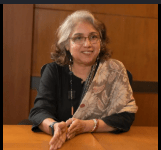
Her early career began in South Indian cinema, where she quickly became known for her realistic and emotionally layered acting style. By the 1990s, she was a respected figure across multiple film industries.
Her breakthrough came through films that explored human relationships, gender dynamics, and emotional conflict. Her performances were subtle, introspective, and deeply human.
Her legacy lies in her contribution to realistic female representation in Indian cinema.
Key Facts
- Full name of the subject: Asha Kelunni Nair (Revathi)
- Date of birth: 30 July 1966
- Place of birth: Kochi, Kerala, India
- Family background: Malayali family
- Early childhood experiences: Exposure to classical arts
- Education history: Schooling in Chennai
- Influences and mentors: K. Balachander and parallel cinema
- Career beginnings: Early 1980s film debut
- Major achievements: National Film Award winner
- Challenges and obstacles faced: Gendered industry expectations
- Turning points in life: Breakthrough in emotional roles
- Contributions to society: Advocacy through cinema
- Personal life (marriage, children, relationships): Married
- Awards and recognitions: National Film Awards
- Beliefs, values, or philosophy: Realism and emotional depth
- Legacy and impact: Pioneer of realistic female roles
- Historical or cultural significance: Key figure in Indian parallel cinema
Notable Works: Mouna Ragam, Anjali, Thevar Magan
Controversies:
A limited interpretive debate surrounds her emotionally intense roles and their portrayal of sensitive themes.
The background is rooted in academic film criticism.
Key stakeholders include critics and scholars.
No misconduct or controversy exists.
The discussion remains analytical.
10. Manju Warrier
Manju Warrier’s emergence in the late 1990s marked one of the most significant cultural shifts in Malayalam cinema, redefining female stardom through emotional depth and narrative centrality. Born in Kerala, she developed early training in dance and performance arts.

Her early film career quickly positioned her as a breakout talent due to her expressive clarity and natural screen presence. By the late 1990s, she had become the most prominent female star in Malayalam cinema.
Her breakthrough performances combined emotional intensity with strong narrative agency, making her a symbol of empowered female representation.
Her legacy lies in transforming the perception of female leads in Malayalam cinema, establishing a benchmark for performance-driven stardom.
Key Facts
- Full name of the subject: Manju Warrier
- Date of birth: 1 November 1978
- Place of birth: Nagercoil, Tamil Nadu, India
- Family background: Malayali family
- Early childhood experiences: Training in dance and arts
- Education history: Schooling in Kerala
- Influences and mentors: Classical dance and Malayalam cinema
- Career beginnings: Film debut in mid-1990s
- Major achievements: Leading actress of late 1990s Malayalam cinema
- Challenges and obstacles faced: Rapid rise to stardom pressures
- Turning points in life: Breakthrough leading roles
- Contributions to society: Empowerment of female-led narratives
- Personal life (marriage, children, relationships): Married and later separated
- Awards and recognitions: Kerala State Film Awards
- Beliefs, values, or philosophy: Emotional strength and artistic integrity
- Legacy and impact: Redefined Malayalam female stardom
- Historical or cultural significance: Iconic female figure of 1990s Malayalam cinema
Notable Works: Sallapam, Ee Puzhayum Kadannu, Kanmadam
Controversies:
A widely discussed public discourse involving Manju Warrier relates to her early retirement from cinema at the peak of her career following marriage. This issue became a major cultural talking point in Kerala.
The background lies in societal expectations placed on female actors regarding marriage and career continuity during the late 1990s.
Key stakeholders included media, audiences, cultural commentators, and film industry observers. Some viewed her departure as a personal choice, while others debated structural gender expectations in cinema.
Factually, her withdrawal was voluntary and not linked to professional dispute or institutional conflict.
The impact of this discourse significantly influenced conversations around gender, autonomy, and career sustainability in Indian cinema.
Notable Mentions
Murali
Thilakan
Jagathy Sreekumar
Nedumudi Venu
Innocent
Manoj K. Jayan
Dileep (Late 90s peak)
Kunchacko Boban (Late 90s debut)
Parvathy Jayaram
Samyuktha Varma