
Top 10 Nollywood English Movie Legends of the 90s
Top 10 Nollywood English Movie Legends of the 90s
In This Content
Quick List
1. Pete Edochie
2. Liz Benson
3. Kenneth Okonkwo
4. Regina Askia-Williams
5. Richard Mofe-Damijo
6. Kanayo O. Kanayo
7. Zack Orji
8. Clarion Chukwura
9. Hilda Dokubo
10. Saint Obi
1. Pete Edochie
Few performers defined the authoritative gravitas of 1990s Nollywood as powerfully as Pete Edochie. Born into a culturally grounded Igbo family, his early life was shaped by traditional storytelling, discipline, and a strong sense of identity elements that later infused his screen persona. Before entering film, Edochie built his career within broadcasting, where his deep baritone voice and commanding delivery became widely recognized. This foundation in media presentation prepared him for the cinematic space that Nollywood was just beginning to occupy in the late 1980s and early 1990s.
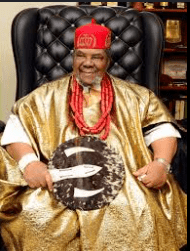
Edochie’s career beginnings were rooted in television drama, particularly through his acclaimed role as Okonkwo in the adaptation of “Things Fall Apart.” That performance became a defining cultural reference point, showcasing his ability to embody complex patriarchal authority. As the home-video boom of the 1990s accelerated, producers sought actors who could carry narratives centered on tradition, morality, and family hierarchy. Edochie’s physical presence, measured cadence, and expressive restraint made him an ideal figure for elder statesman roles.
His breakthrough in Nollywood came through a series of culturally resonant films where he portrayed kings, elders, and moral arbiters. Rather than relying on flamboyance, he employed stillness and subtle emotional shifts to convey power. This style influenced an entire generation of actors, redefining masculine authority in Nigerian cinema. His performances bridged pre-video drama traditions with modern storytelling, establishing continuity between stage, television, and film.
Beyond performance, Edochie’s legacy lies in shaping Nollywood’s cultural authenticity. He reinforced indigenous language usage, traditional costuming, and moral storytelling structures. Globally, his work helped position Nollywood narratives as rooted in African identity rather than imitation of Western cinema. His influence continues to shape casting choices for patriarchal roles, making him one of the most enduring icons of the industry.
Key Facts
- Full name of the subject: Pete Edochie
- Date of birth: March 7, 1947
- Place of birth: Enugu, Nigeria
- Family background: Traditional Igbo family with strong cultural values
- Early childhood experiences: Exposure to oral storytelling and community leadership structures
- Education history: Government College Ughelli; further professional broadcasting training
- Influences and mentors: Literary works, traditional elders, broadcasting mentors
- Career beginnings: Broadcasting and television drama roles
- Major achievements: Iconic portrayal of Okonkwo; leading Nollywood elder roles
- Challenges and obstacles faced: Transition from television to low-budget video film industry
- Turning points in life: Casting in “Things Fall Apart” and subsequent film demand
- Contributions to society: Promotion of African cultural heritage in film
- Personal life (marriage, children, relationships): Married with children, including actors
- Awards and recognitions: Lifetime achievement honors and national awards
- Beliefs, values, or philosophy: Advocacy for discipline, cultural identity, and morality
- Legacy and impact: Defined patriarchal roles in Nollywood
- Historical or cultural significance: Symbol of traditional authority in African cinema
Notable Works: Things Fall Apart, Living in Bondage (appearance), Igodo, Rituals
Controversies:
A widely discussed debate centered on Edochie’s public statements regarding cultural values and gender roles. The issue arose from interviews in which he expressed traditionalist views about family hierarchy. Critics argued that such positions reinforced conservative norms, while supporters framed his comments as reflections of cultural authenticity. Stakeholders included social commentators, media platforms, and Nollywood audiences. Edochie clarified that his perspective represented generational values rather than policy advocacy. The matter remained a public debate rather than an institutional dispute, with limited direct impact on his career but increased scrutiny of celebrity commentary in Nollywood.
2. Liz Benson
Liz Benson emerged in the 1990s as the embodiment of emotional sophistication in Nollywood’s formative years. Raised in a disciplined environment that emphasized education and personal refinement, her early life cultivated poise that later defined her screen presence. Benson’s background in television presenting and theater equipped her with a nuanced understanding of character psychology, allowing her to transition seamlessly into the home-video film industry.

Her career began with television appearances before Nollywood’s explosion. Benson’s calm delivery, expressive eyes, and ability to portray inner conflict set her apart from contemporaries. As producers sought actresses capable of carrying dramatic narratives, she became a central figure in films exploring morality, romance, and domestic tension. Her performances often balanced vulnerability with strength, creating multidimensional female protagonists.
The breakthrough came with “Glamour Girls,” a film that challenged societal norms and elevated Nollywood’s production ambition. Benson’s performance demonstrated emotional range and professional restraint. She portrayed characters navigating complex social pressures, reflecting urban Nigerian realities. Her acting style influenced later generations of actresses who adopted subtlety over melodrama.
Benson’s legacy lies in redefining female representation in Nollywood. She portrayed women as decision-makers rather than passive figures. Her later transition into ministry further cemented her public image as a figure of integrity. International audiences recognized her work as evidence of Nollywood’s capacity for mature storytelling, solidifying her place among the era’s most respected performers.
Key Facts
- Full name of the subject: Elizabeth Benson Ameye
- Date of birth: April 5, 1966
- Place of birth: Etinan, Akwa Ibom State, Nigeria
- Family background: Educated middle-class family
- Early childhood experiences: Exposure to disciplined upbringing and education
- Education history: University of Ibadan (Biology)
- Influences and mentors: Theater directors and early television producers
- Career beginnings: Television acting and presenting
- Major achievements: Lead roles in Glamour Girls and 1990s dramas
- Challenges and obstacles faced: Industry transition and later career hiatus
- Turning points in life: Breakthrough in Glamour Girls
- Contributions to society: Inspirational roles and faith-based outreach
- Personal life (marriage, children, relationships): Married with children
- Awards and recognitions: Best Actress nominations and lifetime honors
- Beliefs, values, or philosophy: Faith-centered life philosophy
- Legacy and impact: Elevated female lead performances in Nollywood
- Historical or cultural significance: Early symbol of modern Nigerian womanhood
Notable Works: Glamour Girls, Diamond Ring, True Confession
Controversies:
Public discussion arose following Benson’s temporary withdrawal from acting to focus on ministry work. The issue centered on whether her departure signaled criticism of Nollywood’s moral direction. Media outlets and fans debated her intentions, while some industry stakeholders expressed concern about losing a major star. Benson clarified that her decision was personal and faith-driven rather than an indictment of the industry. The episode reflected broader tensions between entertainment and personal beliefs but ultimately enhanced her reputation for authenticity.
3. Kenneth Okonkwo
Kenneth Okonkwo’s rise mirrored Nollywood’s emergence as a cultural force in the early 1990s. Born into an academically inclined family, his early life emphasized education and discipline. Initially trained in law, Okonkwo did not follow the conventional acting path. Instead, his entry into film occurred during Nollywood’s formative experimentation with storytelling and production structures.

His career beginnings were modest, but his breakthrough came with “Living in Bondage,” widely considered a foundational Nollywood film. Okonkwo’s portrayal of a man consumed by ambition and moral compromise resonated deeply with audiences. His performance combined vulnerability with calculated intensity, making him one of the first Nollywood actors to embody psychological complexity.
Following the film’s success, Okonkwo became a leading figure in moral-themed narratives. His acting style emphasized internal conflict, reflecting societal anxieties about wealth and spirituality. He helped define Nollywood’s early thematic focus on consequences and redemption. His legal background contributed to articulate dialogue delivery and structured character interpretation.
Okonkwo’s legacy extends beyond acting into advocacy and public discourse. His role in “Living in Bondage” is frequently cited as the moment Nollywood gained national momentum. Internationally, the film’s distribution introduced global audiences to Nigeria’s home-video revolution. His contribution remains foundational to the industry’s origin story.
Key Facts
- Full name of the subject: Kenneth Okonkwo
- Date of birth: November 6, 1968
- Place of birth: Nsukka, Enugu State, Nigeria
- Family background: Educated family with emphasis on academics
- Early childhood experiences: Strong academic environment
- Education history: University of Nigeria (Law)
- Influences and mentors: Early Nollywood producers
- Career beginnings: Acting debut in Living in Bondage
- Major achievements: Lead role in foundational Nollywood film
- Challenges and obstacles faced: Balancing law career and acting
- Turning points in life: Casting in Living in Bondage
- Contributions to society: Public advocacy and cultural storytelling
- Personal life (marriage, children, relationships): Married with children
- Awards and recognitions: Industry recognition for pioneering role
- Beliefs, values, or philosophy: Emphasis on discipline and integrity
- Legacy and impact: Central figure in Nollywood’s origin narrative
- Historical or cultural significance: Helped launch Nigeria’s video film industry
Notable Works: Living in Bondage, Circle of Doom, Blood Money
Controversies:
A public debate emerged around Okonkwo’s transition into political commentary and activism. Critics questioned whether his public positions affected his neutrality as an actor. Media stakeholders and political observers debated the implications, while supporters argued that artists should engage in civic discourse. Okonkwo maintained that his views reflected personal convictions. The matter remained a reputational discussion rather than an institutional dispute, with minimal long-term impact on his legacy as a Nollywood pioneer.
4. Regina Askia-Williams
Regina Askia-Williams emerged in the 1990s as one of Nollywood’s most distinctive screen personalities, blending elegance with emotional intelligence. Born into a disciplined family environment, her early life was shaped by education, cultural exposure, and pageantry. Before entering acting, she gained national visibility through beauty contests, including her participation in national pageants that introduced her to public life. This background cultivated a polished public presence that translated seamlessly into film.
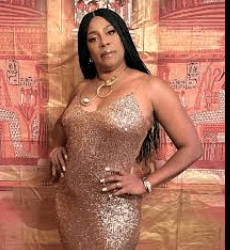
Her transition into acting coincided with Nollywood’s rapid growth. Early roles showcased her ability to portray urban sophistication, often embodying characters navigating ambition, romance, and moral dilemmas. Unlike many contemporaries, Askia-Williams emphasized understated emotional delivery, relying on facial nuance and voice modulation. This subtle performance style broadened Nollywood’s acting vocabulary, moving beyond exaggerated dramatization toward realism.
Her breakthrough came with high-profile films that positioned her as a leading female star. She often portrayed strong-willed women negotiating independence in rapidly modernizing Nigerian society. These roles resonated with audiences experiencing similar social transformations. Her performances reflected shifting gender dynamics and helped redefine female characters as autonomous and intellectually grounded.
Askia-Williams’ legacy extends beyond acting into healthcare advocacy and international engagement. Her later career shift into nursing in the United States reinforced her image as a multifaceted professional. She remains a symbol of Nollywood’s early global diaspora influence, demonstrating that actors could transcend the industry while maintaining cultural relevance.
Key Facts
- Full name of the subject: Regina Askia-Williams
- Date of birth: December 16, 1967
- Place of birth: Lagos, Nigeria
- Family background: Educated Nigerian family with professional orientation
- Early childhood experiences: Exposure to education and pageantry
- Education history: University of Lagos; later nursing studies in the United States
- Influences and mentors: Pageant organizers and Nollywood directors
- Career beginnings: Modeling and beauty pageants
- Major achievements: Leading roles in 1990s Nollywood films
- Challenges and obstacles faced: Transition from acting to healthcare career
- Turning points in life: Breakthrough film roles and relocation abroad
- Contributions to society: Healthcare advocacy and diaspora engagement
- Personal life (marriage, children, relationships): Married with children
- Awards and recognitions: Pageant titles and acting honors
- Beliefs, values, or philosophy: Professional versatility and service
- Legacy and impact: Representation of modern, independent female characters
- Historical or cultural significance: Early Nollywood global diaspora figure
Notable Works: Most Wanted, Suicide Mission, Festival of Fire
Controversies:
Public discussion surrounded Askia-Williams’ decision to relocate abroad and pursue nursing, which some critics interpreted as abandonment of Nollywood. The debate involved industry stakeholders concerned about talent migration. Askia-Williams clarified that her move reflected personal growth rather than dissatisfaction with the industry. The situation highlighted broader conversations about professional mobility and had minimal negative impact on her legacy.
5. Richard Mofe-Damijo (RMD)
Richard Mofe-Damijo emerged in the 1990s as Nollywood’s definitive gentleman leading man. Born into a Delta State family that valued education and cultural refinement, his early life fostered discipline and expressive confidence. Before acting, he worked in journalism, a background that sharpened his communication skills and narrative understanding. This experience informed his approach to character development and dialogue delivery.
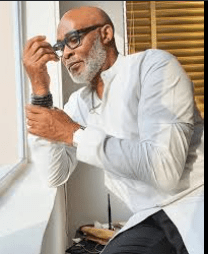
His career began in television drama, where he demonstrated charisma and emotional range. As Nollywood expanded, RMD transitioned into film, bringing sophistication to romantic and dramatic roles. His performances balanced charm with depth, portraying characters navigating love, ambition, and moral complexity. He quickly became a staple in films exploring urban Nigerian experiences.
The breakthrough period of his career saw him dominate the romantic drama genre. His screen chemistry with leading actresses elevated storytelling quality. RMD’s acting style emphasized authenticity, replacing theatrical exaggeration with conversational realism. This shift influenced acting standards across the industry.
RMD’s legacy extends into governance, production, and mentorship. His later appointment as a commissioner reflected Nollywood’s growing social influence. Internationally, he helped position Nigerian cinema as capable of producing polished leading men comparable to global standards. His enduring presence continues to inspire professionalism in the industry.
Key Facts
- Full name of the subject: Richard Eyimofe Evans Mofe-Damijo
- Date of birth: July 6, 1961
- Place of birth: Aladja, Delta State, Nigeria
- Family background: Educated family with cultural roots
- Early childhood experiences: Exposure to storytelling and education
- Education history: University of Benin; University of Lagos (Law)
- Influences and mentors: Theater practitioners and journalists
- Career beginnings: Television drama and journalism
- Major achievements: Leading man roles in 1990s Nollywood
- Challenges and obstacles faced: Balancing acting and public service
- Turning points in life: Transition to film and romantic lead roles
- Contributions to society: Public service and mentorship
- Personal life (marriage, children, relationships): Married with children
- Awards and recognitions: Best Actor awards and lifetime honors
- Beliefs, values, or philosophy: Professional excellence and discipline
- Legacy and impact: Redefined Nollywood leading male roles
- Historical or cultural significance: Symbol of sophisticated masculinity in film
Notable Works: Out of Bounds, Diamond Ring, Scores to Settle
Controversies:
Debate emerged when RMD transitioned into political office, with critics questioning whether public service would affect artistic neutrality. Stakeholders included fans, political observers, and industry professionals. RMD maintained that his involvement reflected civic responsibility. The matter remained a public perception issue, with no formal conflict, and ultimately broadened Nollywood’s representation in governance.
6. Kanayo O. Kanayo
Kanayo O. Kanayo became synonymous with intense dramatic roles that explored power, wealth, and morality in 1990s Nollywood. Raised in a traditional Igbo environment, his early life emphasized discipline and intellectual curiosity. His academic background in law shaped his analytical approach to performance, allowing him to portray complex characters with calculated precision.
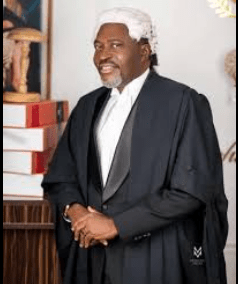
His entry into Nollywood coincided with the industry’s fascination with moral allegories. Early roles cast him in supporting characters, but his commanding delivery quickly attracted attention. Kanayo’s acting style combined measured dialogue with controlled physical expression, creating a sense of underlying tension. This approach became particularly effective in films dealing with societal ambition.
His breakthrough came through roles portraying wealthy elites facing ethical dilemmas. These characters reflected societal anxieties about rapid economic change. Kanayo’s performances avoided caricature, instead presenting layered individuals driven by ambition and consequence. He became a defining figure in Nollywood’s moral-drama genre.
Kanayo’s legacy lies in elevating character complexity within commercial storytelling. He later balanced acting with legal practice and mentorship. His contributions helped establish Nollywood as a platform for exploring ethical questions. International audiences recognized his work as emblematic of the industry’s thematic depth.
Key Facts
- Full name of the subject: Anayo Modestus Onyekwere
- Date of birth: March 1, 1962
- Place of birth: Mbaise, Imo State, Nigeria
- Family background: Traditional Igbo family
- Early childhood experiences: Cultural upbringing emphasizing discipline
- Education history: University of Lagos (Law)
- Influences and mentors: Theater practitioners and directors
- Career beginnings: Supporting roles in early Nollywood films
- Major achievements: Leading roles in moral-themed dramas
- Challenges and obstacles faced: Typecasting in specific roles
- Turning points in life: Breakthrough dramatic performances
- Contributions to society: Mentorship and legal advocacy
- Personal life (marriage, children, relationships): Married with children
- Awards and recognitions: Multiple Nollywood awards
- Beliefs, values, or philosophy: Professional discipline and ethics
- Legacy and impact: Defined complex antagonist roles
- Historical or cultural significance: Representation of moral conflict in Nollywood
Notable Works: Living in Bondage II, Blood Money, Billionaires Club
Controversies:
Public discussion developed around typecasting concerns, with critics arguing that repeated roles reinforced stereotypes about ritual-themed narratives. Industry analysts debated whether such portrayals influenced public perception. Kanayo clarified that he was interpreting scripts reflecting societal anxieties. The issue remained an artistic debate rather than a formal dispute, ultimately highlighting Nollywood’s evolving thematic responsibility.
7. Zack Orji
Zack Orji emerged as one of Nollywood’s most versatile performers in the 1990s, capable of portraying both authority figures and emotionally vulnerable characters. Born in Gabon and raised across different regions, his multicultural upbringing enriched his perspective. Early exposure to diverse cultures shaped his adaptability and emotional sensitivity, qualities that later defined his acting.
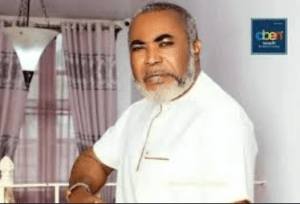
His career began in stage drama and television before transitioning into film. Orji quickly distinguished himself through controlled intensity and expressive facial acting. He portrayed characters navigating moral dilemmas, often balancing authority with empathy. This versatility allowed him to work across genres.
His breakthrough came with leading roles in family and political dramas. Orji’s performances emphasized sincerity, avoiding exaggerated delivery. His ability to embody both protagonists and antagonists expanded Nollywood’s narrative possibilities. He became a reliable figure in ensemble casts.
Orji’s legacy includes mentorship and directorial contributions. He helped professionalize acting standards and storytelling structure. Internationally, his work demonstrated Nollywood’s capacity for nuanced performance. His enduring influence remains evident in contemporary actors who emulate his balanced style.
Key Facts
- Full name of the subject: Zack Orji
- Date of birth: October 10, 1960
- Place of birth: Libreville, Gabon
- Family background: Nigerian parents residing abroad
- Early childhood experiences: Multicultural upbringing
- Education history: University of Nigeria (Estate Management)
- Influences and mentors: Stage drama practitioners
- Career beginnings: Theater and television
- Major achievements: Leading roles in 1990s Nollywood
- Challenges and obstacles faced: Industry transition from stage to film
- Turning points in life: Breakthrough film roles
- Contributions to society: Mentorship and directing
- Personal life (marriage, children, relationships): Married with children
- Awards and recognitions: Nollywood lifetime honors
- Beliefs, values, or philosophy: Discipline and professionalism
- Legacy and impact: Versatile performance style
- Historical or cultural significance: Bridge between stage and film acting
Notable Works: Glamour Girls, Blood Money, Battle of Love
Controversies:
Discussion emerged regarding Orji’s involvement in faith-based film projects, with some critics suggesting a departure from mainstream cinema. Stakeholders included producers and audiences debating artistic direction. Orji explained that his choices reflected personal convictions and storytelling diversity. The issue remained a professional preference discussion, with minimal effect on his reputation.
8. Clarion Chukwura
Clarion Chukwura emerged in the 1990s as one of Nollywood’s most intellectually grounded performers, bringing theatrical discipline into an industry still defining its stylistic boundaries. Born into a culturally prominent family, her early life was shaped by exposure to academia and the arts. Her mother, a respected media professional, provided an environment where performance, literature, and social commentary were intertwined. This foundation nurtured Chukwura’s analytical approach to character interpretation and her ability to embody emotionally complex roles.

Her career began in stage productions and television drama, where she developed a reputation for controlled emotional delivery. As Nollywood expanded, Chukwura transitioned into film, bringing with her a refined acting style rooted in theatrical realism. Unlike performers who relied heavily on melodrama, she emphasized psychological depth and internal conflict. Her characters often navigated moral dilemmas, professional ambition, and societal expectations, reflecting the evolving identity of Nigerian women during the decade.
Her breakthrough came through dramatic roles that highlighted emotional resilience. Chukwura’s performances often portrayed authoritative female figures balancing vulnerability and strength. She became known for roles that challenged stereotypes, particularly in narratives involving family conflict and social mobility. Her acting depth helped elevate Nollywood storytelling, encouraging writers to develop layered female protagonists.
Chukwura’s legacy extends beyond acting into advocacy and mentorship. Her work influenced a generation of performers who adopted her disciplined approach to character development. Internationally, her performances demonstrated Nollywood’s capacity for intellectual storytelling. She remains a symbol of artistic credibility and professionalism in Nigerian cinema.
Key Facts
- Full name of the subject: Clarion Chukwura Abiola
- Date of birth: July 24, 1964
- Place of birth: Lagos, Nigeria
- Family background: Daughter of a prominent media personality
- Early childhood experiences: Exposure to arts and media
- Education history: Obafemi Awolowo University (Theatre Arts)
- Influences and mentors: Stage directors and academic mentors
- Career beginnings: Theater and television drama
- Major achievements: Leading dramatic roles in 1990s Nollywood
- Challenges and obstacles faced: Industry transition to video film
- Turning points in life: Breakthrough dramatic performances
- Contributions to society: Mentorship and advocacy
- Personal life (marriage, children, relationships): Mother of children including media personalities
- Awards and recognitions: Best Actress awards and honors
- Beliefs, values, or philosophy: Artistic discipline and authenticity
- Legacy and impact: Elevated intellectual acting in Nollywood
- Historical or cultural significance: Early symbol of professional acting standards
Notable Works: Glamour Girls, Abuja Connection, Egg of Life
Controversies:
A public discussion arose regarding Chukwura’s outspoken commentary on Nollywood’s professional standards. The issue emerged from interviews in which she criticized production quality and acting discipline. Some industry stakeholders interpreted the remarks as dismissive of emerging actors, while others viewed them as constructive criticism. Chukwura clarified that her statements aimed to encourage growth and professionalization. The debate highlighted generational differences in artistic expectations but ultimately reinforced her reputation as an advocate for industry improvement.
9. Hilda Dokubo
Hilda Dokubo rose to prominence in the 1990s as a performer whose authenticity reflected grassroots Nigerian realities. Born in Rivers State, her early life was shaped by community engagement and cultural storytelling. These experiences informed her expressive style, which emphasized emotional sincerity and social relevance. Her background in theater further strengthened her performance discipline.
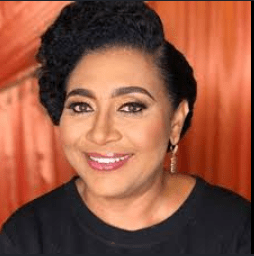
Her career began on stage before transitioning into Nollywood’s expanding film industry. Dokubo quickly became known for portraying strong-willed women confronting societal challenges. Her acting style combined intensity with empathy, making her characters relatable to diverse audiences. She often appeared in films addressing social justice, family conflict, and personal resilience.
Her breakthrough roles highlighted her ability to convey emotional depth without exaggeration. Dokubo’s performances frequently depicted women navigating hardship with determination. This representation resonated with audiences, particularly in narratives reflecting community struggles. She became one of the era’s most recognizable female stars.
Dokubo’s legacy extends into activism and political engagement. Her advocacy for social development reinforced her on-screen identity as a voice for the marginalized. Internationally, her work showcased Nollywood’s engagement with socially conscious storytelling. She remains a respected figure in both cinema and civic life.
Key Facts
- Full name of the subject: Hilda Dokubo
- Date of birth: October 22, 1969
- Place of birth: Buguma, Rivers State, Nigeria
- Family background: Community-oriented family
- Early childhood experiences: Cultural storytelling exposure
- Education history: University of Port Harcourt (Theatre Arts)
- Influences and mentors: Stage directors and activists
- Career beginnings: Theater productions
- Major achievements: Leading roles in socially themed films
- Challenges and obstacles faced: Balancing activism and acting
- Turning points in life: Breakthrough Nollywood performances
- Contributions to society: Advocacy for social development
- Personal life (marriage, children, relationships): Married with children
- Awards and recognitions: Nollywood awards and civic honors
- Beliefs, values, or philosophy: Social responsibility and integrity
- Legacy and impact: Representation of grassroots narratives
- Historical or cultural significance: Voice for social justice in Nollywood
Notable Works: End of the Wicked, My Good Will, Evil Passion
Controversies:
Debate emerged around Dokubo’s active involvement in political advocacy, with critics questioning whether activism affected her neutrality as an artist. Stakeholders included political commentators, industry observers, and fans. Dokubo maintained that her engagement reflected civic responsibility. The issue remained a public perception discussion rather than an institutional conflict, and it ultimately enhanced her image as a socially conscious performer.
10. Saint Obi
Saint Obi became one of the defining male stars of 1990s Nollywood, known for charisma and polished screen delivery. Born into a disciplined family environment, his early life emphasized education and personal presentation. Before acting, he worked in advertising, where he developed skills in communication and brand identity. This background shaped his confident on-screen persona.

His entry into Nollywood occurred during the industry’s rapid growth. Early roles showcased his ability to portray ambitious young professionals navigating urban life. Obi’s acting style emphasized charm and emotional control, making him particularly effective in romantic and action-oriented narratives. He quickly gained popularity as a leading man.
His breakthrough came through films that positioned him as a modern Nollywood hero. Obi’s performances reflected Nigeria’s emerging urban middle class, balancing ambition with moral dilemmas. He contributed to diversifying male archetypes beyond traditional patriarchal roles. His polished delivery set new standards for screen presence.
Saint Obi’s legacy includes production and mentorship. His career demonstrated Nollywood’s evolving professionalism during the 1990s. Internationally, his work helped broaden perceptions of Nigerian cinema. He remains remembered as one of the era’s most charismatic performers.
Key Facts
- Full name of the subject: Obinna Nwafor (Saint Obi)
- Date of birth: November 16, 1965
- Place of birth: Port Harcourt, Rivers State, Nigeria
- Family background: Educated Nigerian family
- Early childhood experiences: Structured upbringing emphasizing education
- Education history: University of Jos (Theatre Arts)
- Influences and mentors: Advertising professionals and directors
- Career beginnings: Advertising and modeling
- Major achievements: Leading roles in 1990s Nollywood
- Challenges and obstacles faced: Industry competition and transition to production
- Turning points in life: Breakthrough film performances
- Contributions to society: Mentorship and film production
- Personal life (marriage, children, relationships): Married with children
- Awards and recognitions: Nollywood honors
- Beliefs, values, or philosophy: Professionalism and discipline
- Legacy and impact: Defined charismatic leading man archetype
- Historical or cultural significance: Representation of urban Nollywood hero
Notable Works: Candle Light, Goodbye Tomorrow, Sakobi
Controversies:
Discussion arose regarding Obi’s gradual withdrawal from mainstream acting, with speculation about industry disagreements. Media commentary and audience speculation suggested professional conflicts, while no formal dispute was confirmed. Obi did not publicly detail reasons, and available information indicated a personal career shift. The episode reflected challenges of longevity in Nollywood but did not significantly alter his reputation as a 1990s icon.
Notable Mentions:
Ann Njemanze
Segun Arinze
Sandra Achums
Bob-Manuel Udokwu
Shan George
Charles Okafor
Ego Boyo
Francis Duru
Victoria Inyama
Clem Ohameze