
Top 10 Latinwood (Latin America) Legends of the 90s
Top 10 Latinwood (Latin America) Legends of the 90s
In This Content
Quick List
1. Antonio Banderas (Spain/International crossover)
2. Salma Hayek (Mexico)
3. Benicio del Toro (Puerto Rico)
4. Rosie Perez (Puerto Rican descent)
5. John Leguizamo (Colombia)
6. Jennifer Lopez (Puerto Rican descent)
7. Demián Bichir (Mexico)
8. Cecilia Roth (Argentina)
9. Gael García Bernal (Mexico – Debut era)
10. Penélope Cruz (Spain – Latin cinema mainstay)
1. Antonio Banderas (Spain/International crossover)
Antonio Banderas emerged in the 1990s as one of the most globally recognizable Latin performers, embodying a rare fusion of European sophistication and Latin emotional intensity. Born in Málaga, Spain, his early life was shaped by a disciplined upbringing and early exposure to music and theater, which initially led him toward aspirations in performance arts rooted in classical Spanish traditions.

He began his career in Spanish cinema under the direction of Pedro Almodóvar, where his early roles were defined by emotional vulnerability, expressive physicality, and a willingness to challenge traditional masculine archetypes. These formative performances positioned him as a key figure in Spain’s cinematic renaissance during the late 1980s and early 1990s.
His breakthrough into global recognition came in the 1990s through Hollywood transitions that preserved his European artistic identity while introducing him to international audiences. Banderas became known for his magnetic screen presence, often balancing intensity with charm, allowing him to navigate both dramatic and action-oriented roles across global cinema.
His legacy is defined by his role in bridging Latin European cinema with Hollywood mainstream storytelling. He helped redefine how Latin identity was represented in global film, moving beyond stereotype into complex, multidimensional character portrayals.
Key Facts
- Full name of the subject: José Antonio Domínguez Bandera
- Date of birth: August 10, 1960
- Place of birth: Málaga, Spain
- Family background: Working-class Spanish family
- Early childhood experiences: Exposure to music and Catholic cultural traditions
- Education history: Studied drama at the School of Dramatic Art of Málaga
- Influences and mentors: Pedro Almodóvar and Spanish theater directors
- Career beginnings: Spanish theater and early film roles in the 1980s
- Major achievements: International film breakthrough in Hollywood during the 1990s
- Challenges and obstacles faced: Language transition and cultural adaptation in Hollywood
- Turning points in life: Collaboration with Pedro Almodóvar leading to global visibility
- Contributions to society: Global representation of Latin and Spanish cinema
- Personal life (marriage, children, relationships): Previously married with children
- Awards and recognitions: International film awards and lifetime achievement honors
- Beliefs, values, or philosophy: Artistic authenticity and cultural representation
- Legacy and impact: Global Latin cinema ambassador
- Historical or cultural significance: Pioneer of Latin crossover success in Hollywood
Notable Works: Early Almodóvar films, 1990s Hollywood crossover productions, international action and drama films
Controversies:
A notable discussion surrounding Antonio Banderas in the 1990s relates to the industry perception of “typecasting” Latin actors in Hollywood productions. The issue is framed as an industry casting debate rather than an allegation. As Banderas transitioned from Spanish cinema into Hollywood, early roles often emphasized stereotypical romantic or exoticized character traits associated with Latin performers in American film.
The background of this debate lies in the structural casting practices of 1990s Hollywood, where Latin actors were frequently placed into narrowly defined roles. Banderas’ rising popularity intensified conversations about whether international actors could break beyond culturally predefined archetypes. Key stakeholders included Hollywood studios, casting directors, film critics, and advocacy voices within the entertainment industry.
Public perception evolved over time, with critics initially noting limitations in role diversity while later acknowledging his expansion into more complex and authoritative characters. Banderas himself consistently pursued varied roles that challenged these constraints, gradually shifting industry expectations.
There are no formal legal disputes or institutional sanctions connected to his career. The matter remains an industry-wide structural critique rather than an individual controversy.
2. Salma Hayek (Mexico)
Salma Hayek emerged in the 1990s as one of the most influential Latin actresses to successfully transition from Mexican television to Hollywood cinema, redefining the visibility of Latin women in global entertainment. Her early life in Coatzacoalcos, Mexico, was shaped by a multicultural household that valued education, discipline, and artistic exploration.

She began her career in Mexican telenovelas, where her expressive emotional range and strong screen charisma quickly established her as a rising star. However, her ambition extended beyond regional fame, leading her to relocate to Hollywood, where she faced structural barriers common to non-English-speaking actors.
Her breakthrough in the United States came through roles that emphasized both beauty and emotional intelligence, allowing her to challenge the narrow casting expectations placed on Latin actresses. By the mid-to-late 1990s, she had become a recognizable figure in international cinema, symbolizing Latin empowerment in Hollywood.
Her legacy is tied to expanding representation for Latin women in global film, particularly in leading roles that emphasized agency, complexity, and narrative centrality.
Key Facts
- Full name of the subject: Salma Hayek Jiménez
- Date of birth: September 2, 1966
- Place of birth: Coatzacoalcos, Veracruz, Mexico
- Family background: Lebanese-Mexican upper-middle-class household
- Early childhood experiences: Bilingual upbringing and exposure to arts and education
- Education history: Studied International Relations before pursuing acting
- Influences and mentors: Mexican television directors and Hollywood industry mentors
- Career beginnings: Mexican telenovelas in late 1980s
- Major achievements: International Hollywood breakthrough in the 1990s
- Challenges and obstacles faced: Language barriers and Hollywood typecasting
- Turning points in life: Transition from Mexican television to U.S. cinema
- Contributions to society: Advocacy for Latin representation in global film
- Personal life (marriage, children, relationships): Married with children
- Awards and recognitions: Academy Award nominations and international honors
- Beliefs, values, or philosophy: Cultural identity and artistic independence
- Legacy and impact: Pioneer for Latin women in Hollywood
- Historical or cultural significance: Key figure in Latin cinematic globalization
Notable Works: Mexican telenovelas, 1990s Hollywood films, international drama productions
Controversies:
A recurring discussion involving Salma Hayek relates to casting limitations and pay inequality faced by Latina actresses in 1990s Hollywood. The issue is framed as an industry structural debate rather than an allegation. Early in her Hollywood career, Hayek and other Latina performers often encountered disparities in compensation and role availability compared to non-Latin counterparts.
The background of this debate reflects broader systemic issues within Hollywood casting practices, where Latin actresses were frequently underrepresented in leading roles. Hayek’s rise to prominence highlighted both progress and persistent inequalities within the industry.
Key stakeholders included Hollywood studios, talent agencies, advocacy groups, and entertainment media commentators. While she successfully advanced into leading roles, broader structural disparities remained a subject of public discussion.
There are no formal legal disputes or institutional sanctions tied to her career. The matter remains a systemic industry critique rather than a personal controversy.
3. Benicio del Toro (Puerto Rico)
Benicio del Toro emerged in the 1990s as one of the most compelling character actors in international cinema, known for his intense screen presence and deeply layered psychological performances. Born in San Germán, Puerto Rico, his early life was shaped by cultural duality and exposure to both Caribbean identity and American media influences.

He began his career in television and small film roles in the United States, where his unconventional acting style initially distinguished him from traditional Hollywood leading men. His ability to embody complex, often morally ambiguous characters quickly attracted attention from independent filmmakers.
His breakthrough came in the mid-to-late 1990s through critically acclaimed roles that emphasized psychological depth and narrative unpredictability. Del Toro became known for transforming even minor roles into emotionally resonant performances, redefining what supporting actors could achieve in Hollywood storytelling.
His legacy is defined by his contribution to character-driven cinema, where performance intensity and psychological realism became central to narrative structure in both independent and mainstream films.
Key Facts
- Full name of the subject: Benicio Monserrate Rafael del Toro Sánchez
- Date of birth: February 19, 1967
- Place of birth: San Germán, Puerto Rico
- Family background: Educated Puerto Rican family with legal profession influence
- Early childhood experiences: Bilingual cultural upbringing between Puerto Rico and the United States
- Education history: Studied business at University of California, San Diego (later shifted to acting)
- Influences and mentors: Independent film directors and acting coaches
- Career beginnings: Television appearances and minor film roles in late 1980s
- Major achievements: International recognition as leading character actor in the 1990s
- Challenges and obstacles faced: Establishing identity beyond supporting roles
- Turning points in life: Breakthrough independent film performances mid-1990s
- Contributions to society: Expansion of representation for Puerto Rican actors in global cinema
- Personal life (marriage, children, relationships): Private personal life
- Awards and recognitions: International film awards and festival honors
- Beliefs, values, or philosophy: Commitment to character immersion and authenticity
- Legacy and impact: Redefined modern cinematic character acting
- Historical or cultural significance: Key Puerto Rican figure in global film representation
Notable Works: 1990s independent films and breakthrough Hollywood character roles
Controversies:
A discussion associated with Benicio del Toro involves the interpretation of his consistently intense and psychologically dark character roles in 1990s cinema. The issue is framed as an artistic perception debate rather than an allegation. His early career was often associated with crime-driven and morally ambiguous characters.
The background of this debate lies in casting trends of the 1990s, where Latino actors were frequently selected for complex but often criminally coded roles in Hollywood narratives. Del Toro’s performances, while critically praised, contributed to discussions about typecasting in character-driven cinema.
Key stakeholders included casting directors, film critics, independent filmmakers, and cultural representation analysts. While his performances were widely acclaimed, broader industry patterns regarding Latino representation remained a point of critique.
There are no formal disputes or institutional actions associated with his career. The matter remains a structural and interpretive discussion within film studies and representation analysis.
4. Rosie Perez (Puerto Rican descent)
Rosie Perez emerged in the 1990s as one of the most electrifying and unconventional screen presences in American-Latin cinema, bringing a raw, rhythmic intensity that challenged traditional Hollywood expectations of Latina actresses. Born in Brooklyn to Puerto Rican parents, her early life was shaped by urban resilience, cultural hybridity, and exposure to both street culture and Latin identity, which later became central to her artistic voice.
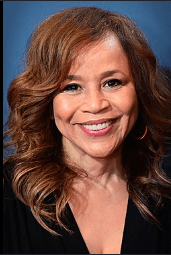
She began her career not in traditional acting pipelines, but through choreography and dance, working with major music television platforms that defined late 1980s and early 1990s pop culture. Her kinetic energy and expressive physical storytelling caught the attention of filmmakers seeking authenticity and emotional immediacy.
Her breakthrough in film came in the early 1990s, where she transitioned from choreography into acting roles that emphasized emotional volatility, comedic timing, and dramatic vulnerability. Rosie Perez became known for performances that felt unfiltered and emotionally immediate, often portraying women navigating urban struggle, identity, and resilience.
Her legacy lies in expanding the definition of Latina representation in American cinema. She helped normalize Afro-Latina visibility in mainstream film and challenged rigid casting expectations through her unapologetic performance style.
Key Facts
- Full name of the subject: Rosa María Pérez
- Date of birth: September 6, 1964
- Place of birth: Brooklyn, New York, USA
- Family background: Puerto Rican working-class family
- Early childhood experiences: Raised in urban New York environment with strong cultural identity
- Education history: Attended Los Angeles City College
- Influences and mentors: Hip-hop dance culture and independent filmmakers
- Career beginnings: Dance choreography and television appearances in the late 1980s
- Major achievements: Breakthrough film roles in early 1990s American cinema
- Challenges and obstacles faced: Industry stereotyping and racialized casting expectations
- Turning points in life: Transition from choreography to acting
- Contributions to society: Representation of Afro-Latina identity in mainstream cinema
- Personal life (marriage, children, relationships): Private personal life
- Awards and recognitions: Academy Award nomination and multiple acting honors
- Beliefs, values, or philosophy: Authentic cultural expression and artistic fearlessness
- Legacy and impact: Redefined Latina performance identity in Hollywood
- Historical or cultural significance: Pioneer of Afro-Latina visibility in mainstream film
Notable Works: Early 1990s American drama and urban cinema films
Controversies:
A recurring discussion surrounding Rosie Perez involves the early industry framing of Latina performers within urban or culturally stereotyped narratives in 1990s Hollywood. The issue is framed as an industry representation debate rather than an allegation. Her early roles were often situated within urban realism, reflecting broader casting patterns of the era.
The background of this debate lies in Hollywood’s tendency during the 1990s to associate Latina actresses with specific socio-economic or cultural archetypes. Rosie Perez’s breakout performances, while critically praised, contributed to wider conversations about diversity of representation.
Key stakeholders included Hollywood studios, casting directors, cultural critics, and representation advocacy groups. While her performances were celebrated for authenticity, they also highlighted structural limitations in role diversity for Latina actresses.
There are no formal legal disputes or institutional actions connected to her career. The matter remains a structural industry critique rather than a personal controversy.
5. John Leguizamo (Colombia)
John Leguizamo became one of the most dynamic and influential Latin performers of the 1990s, known for his explosive versatility across comedy, drama, and stage performance. Born in Bogotá, Colombia, and raised in New York City, his early life was shaped by migration, cultural duality, and exposure to both Latin American and American urban identities.
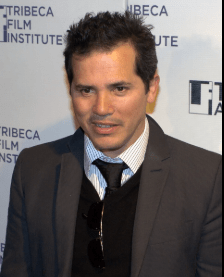
He began his career in stand-up comedy and theater, where his fast-paced storytelling and character-driven performances quickly distinguished him from traditional stand-up comedians. His ability to shift between multiple personas within a single performance became a defining artistic trait.
His breakthrough came in the early 1990s through film and television roles that showcased his adaptability across genres. Leguizamo became known for portraying emotionally layered, often marginalized characters with depth and humor, challenging stereotypical portrayals of Latin identity in Hollywood.
His legacy lies in expanding narrative space for Latin actors in American entertainment. He pioneered a performance style that blended comedy, social critique, and dramatic realism, influencing both film and live performance traditions.
Key Facts
- Full name of the subject: John Alberto Leguizamo
- Date of birth: July 22, 1960
- Place of birth: Bogotá, Colombia
- Family background: Colombian middle-class family
- Early childhood experiences: Migration to New York and adaptation to urban American life
- Education history: Studied acting at New York University and The Actors Studio
- Influences and mentors: Theater performance traditions and urban storytelling culture
- Career beginnings: Stand-up comedy and theater performances in New York
- Major achievements: Breakthrough roles in 1990s American film and television
- Challenges and obstacles faced: Cultural stereotyping and limited early casting opportunities
- Turning points in life: Transition from stage performance to Hollywood film roles
- Contributions to society: Expansion of Latino narrative representation in entertainment
- Personal life (marriage, children, relationships): Married with children
- Awards and recognitions: Emmy Award and multiple film honors
- Beliefs, values, or philosophy: Cultural authenticity and creative versatility
- Legacy and impact: Pioneer of Latin multi-character performance style
- Historical or cultural significance: Major contributor to Latin visibility in U.S. media
Notable Works: 1990s American comedy-dramas, stage performances, and supporting film roles
Controversies:
A recurring discussion involving John Leguizamo relates to the limited range of Latin roles available in 1990s Hollywood and his outspoken critique of industry stereotyping. The issue is framed as an industry representation debate rather than an allegation. His public commentary on casting practices brought attention to systemic limitations faced by Latino performers.
The background of this debate stems from Hollywood’s historical pattern of assigning Latin actors to supporting or stereotypical roles. Leguizamo’s career both reflected and challenged these norms, particularly through his comedic and dramatic versatility.
Key stakeholders included film studios, casting agencies, media commentators, and diversity advocacy groups. While his performances were widely respected, his criticism of industry practices generated broader debate within entertainment media.
There are no formal disputes or institutional sanctions connected to his career. The matter remains an ongoing structural critique of representation in Hollywood.
6. Jennifer Lopez (Puerto Rican descent)
Jennifer Lopez emerged in the 1990s as a defining cultural force in American-Latin entertainment, bridging music, dance, and film into a unified global identity. Born and raised in the Bronx, New York, her early life was shaped by disciplined dance training, strong cultural identity, and a drive to succeed within competitive performance industries.

She began her career as a dancer, most notably as a “Fly Girl” on a national television platform, where her precision and charisma quickly distinguished her. This foundation in movement and performance gave her a unique physical expressiveness that later translated into her acting career.
Her breakthrough in film came in the mid-to-late 1990s, where she became one of the first Latina actresses to lead major Hollywood productions. Jennifer Lopez’s screen presence combined emotional accessibility with star-driven charisma, positioning her as a crossover icon between Latin and mainstream American entertainment.
Her legacy lies in redefining global Latin stardom. She expanded the commercial and cultural possibilities for Latina performers across multiple industries, establishing a blueprint for multi-platform celebrity identity.
Key Facts
- Full name of the subject: Jennifer Lynn Lopez
- Date of birth: July 24, 1969
- Place of birth: Bronx, New York, USA
- Family background: Puerto Rican working-class family
- Early childhood experiences: Strong dance training and cultural community involvement
- Education history: Attended Catholic schools and trained in dance
- Influences and mentors: Dance instructors and television choreographers
- Career beginnings: Professional dancer on television before acting debut
- Major achievements: Breakthrough Latina lead in Hollywood films of the 1990s
- Challenges and obstacles faced: Industry typecasting and cultural stereotyping
- Turning points in life: Transition from dancer to leading film actress
- Contributions to society: Global representation of Latina performers in entertainment
- Personal life (marriage, children, relationships): Mother of children, multiple high-profile relationships
- Awards and recognitions: Numerous music, film, and cultural awards
- Beliefs, values, or philosophy: Discipline, cultural pride, and artistic expansion
- Legacy and impact: Global Latina entertainment icon
- Historical or cultural significance: Key figure in late 1990s Latin pop-cultural globalization
Notable Works: Late 1990s Hollywood films and early entertainment crossover performances
Controversies:
A recurring discussion involving Jennifer Lopez relates to early career casting debates around authenticity and representation of Latina identity in Hollywood. The issue is framed as an industry perception debate rather than an allegation. As her fame grew, questions emerged regarding the expectations placed on Latina performers to represent cultural authenticity in highly commercialized roles.
The background of this debate lies in Hollywood’s increasing commercialization of Latin identity during the 1990s, where performers were often expected to embody both cultural representation and mainstream appeal simultaneously.
Key stakeholders included film studios, cultural critics, Latin representation advocates, and entertainment media outlets. While Lopez achieved significant success, discussions continued about how Latina identity was packaged for global audiences.
There are no formal legal disputes or institutional actions associated with her career. The matter remains an ongoing cultural discourse on representation and commercial identity.
7. Demián Bichir (Mexico)
Demián Bichir emerged in the 1990s as a refined dramatic actor within Mexican cinema, representing a continuation of a prestigious acting lineage and a deep commitment to character-driven storytelling. Born into one of Mexico’s most respected theatrical families, his early life was immersed in performance culture, intellectual discourse, and artistic discipline.

He began his career in Mexican television and theater, where his controlled emotional delivery and intellectual approach to character development quickly distinguished him. Unlike more commercially oriented actors, Bichir focused on narrative depth and psychological realism.
His breakthrough in the 1990s came through Mexican film and television productions that emphasized social realism and emotional complexity. He became known for portraying characters shaped by moral tension, social struggle, and internal conflict.
His legacy lies in strengthening Mexico’s dramatic acting tradition and contributing to the international recognition of Mexican performers in global cinema.
Key Facts
- Full name of the subject: Demián Bichir Nájera
- Date of birth: August 1, 1963
- Place of birth: Mexico City, Mexico
- Family background: Renowned theatrical acting family
- Early childhood experiences: Immersed in theater and artistic environments
- Education history: Trained in acting through theater and conservatory work
- Influences and mentors: Family members and Mexican theater directors
- Career beginnings: Mexican television and stage performances
- Major achievements: Leading dramatic actor in Mexican cinema during the 1990s
- Challenges and obstacles faced: Transition from national to international recognition
- Turning points in life: Breakthrough dramatic film roles in Mexico
- Contributions to society: Advancement of Mexican cinematic storytelling
- Personal life (marriage, children, relationships): Private family life
- Awards and recognitions: National and international acting honors
- Beliefs, values, or philosophy: Deep commitment to dramatic authenticity
- Legacy and impact: Key figure in modern Mexican cinema evolution
- Historical or cultural significance: Representative of Mexico’s dramatic film tradition
Notable Works: 1990s Mexican drama films and television productions
Controversies:
A discussion involving Demián Bichir relates to the broader challenges faced by Mexican actors in gaining international visibility during the 1990s. The issue is framed as an industry structural debate rather than an allegation. Despite strong domestic recognition, Mexican actors often faced limited access to global casting opportunities.
The background of this debate reflects the uneven global distribution of film opportunities, where Hollywood dominance influenced international career trajectories. Bichir’s early career highlighted both the strength of Mexican cinema and its limited international circulation at the time.
Key stakeholders included Mexican film institutions, international casting agencies, film festivals, and cultural critics. While his work was widely respected in Mexico, global recognition developed more gradually.
There are no formal disputes or institutional controversies linked to his career. The matter remains a structural discussion on international film industry access and representation.
8. Cecilia Roth (Argentina)
Cecilia Roth emerged in the 1990s as one of Argentina’s most emotionally intelligent and internationally respected actresses, known for her ability to embody psychological complexity with understated precision. Born into a culturally rich household with strong artistic influence, her early life was shaped by migration, exposure to multiple cultures, and early immersion in performance arts across Latin America and Europe.

She began her career in film and theater across Spain and Argentina, developing a performance identity rooted in emotional honesty and character vulnerability. Roth’s early work reflected a deep sensitivity to human fragility, often portraying women navigating identity, displacement, and emotional transformation.
Her breakthrough in the 1990s came through collaborations with leading Latin filmmakers, where she became a central figure in narratives exploring memory, identity, and emotional rupture. Her performances were marked by restraint, introspection, and an ability to communicate profound emotion through subtle physical expression.
Her legacy lies in redefining Latin American female performance art. Cecilia Roth helped elevate Argentine cinema’s international reputation, contributing to the global recognition of emotionally driven Latin storytelling.
Key Facts
- Full name of the subject: Cecilia Edith Rotenberg
- Date of birth: August 8, 1956
- Place of birth: Buenos Aires, Argentina
- Family background: Artistic and culturally engaged Jewish-Argentine family
- Early childhood experiences: Exposure to music, theater, and migration between Argentina and Spain
- Education history: Informal acting training through theater and film work
- Influences and mentors: Latin American and Spanish filmmakers
- Career beginnings: Theater and early European cinema roles
- Major achievements: Leading figure in Argentine cinema renaissance of the 1990s
- Challenges and obstacles faced: Navigating international career across multiple film industries
- Turning points in life: Breakthrough roles in Latin American arthouse cinema
- Contributions to society: Elevation of Argentine film on the global stage
- Personal life (marriage, children, relationships): Maintains private personal life
- Awards and recognitions: Multiple international film festival awards
- Beliefs, values, or philosophy: Emotional truth and artistic integrity
- Legacy and impact: Icon of Latin American arthouse cinema
- Historical or cultural significance: Key figure in Argentina’s 1990s film revival
Notable Works: 1990s Argentine and Spanish arthouse films
Controversies:
A recurring discussion involving Cecilia Roth relates to the visibility of Latin American arthouse cinema versus mainstream global film distribution. The issue is framed as an industry access debate rather than an allegation. Despite critical acclaim, many of her films received limited commercial distribution outside festival circuits.
The background of this debate lies in the structural separation between arthouse cinema and mainstream Hollywood distribution systems in the 1990s. Roth’s career became emblematic of critically acclaimed Latin cinema that often struggled for broader global visibility.
Key stakeholders included film festivals, independent distributors, Latin American production houses, and international critics. While her performances were widely praised, distribution limitations affected audience reach.
There are no formal disputes or institutional controversies associated with her career. The matter remains a structural industry discussion about film distribution inequality.
9. Gael García Bernal (Mexico – Debut era)
Gael García Bernal emerged at the end of the 1990s as one of the most promising new voices in Mexican cinema, marking the arrival of a new generation of Latin American actors shaped by globalized film education and independent storytelling. Born in Guadalajara, Mexico, his early life was influenced by a creative household and exposure to both theater and international cinema.

He began his career in television and early film roles while studying acting, quickly demonstrating a natural sensitivity to character psychology and emotional nuance. His early performances reflected a departure from traditional melodramatic acting styles, leaning instead toward realism and subtle emotional expression.
His breakthrough arrived in the late 1990s and early 2000s with roles that positioned him at the center of Mexico’s cinematic revival. Gael García Bernal became a defining face of Latin American New Wave cinema, representing youth, introspection, and social awareness.
His legacy lies in redefining the global perception of Mexican actors, helping establish a new generation of internationally respected Latin American performers.
Key Facts
- Full name of the subject: Gael García Bernal
- Date of birth: November 30, 1978
- Place of birth: Guadalajara, Jalisco, Mexico
- Family background: Artistic family (actors and cultural professionals)
- Early childhood experiences: Exposure to theater and international cultural environments
- Education history: Studied acting at the Central School of Speech and Drama in London
- Influences and mentors: Mexican and European independent filmmakers
- Career beginnings: Television roles and early Mexican film appearances in late 1990s
- Major achievements: Leading figure of Mexican New Wave cinema
- Challenges and obstacles faced: Entering international film markets as a young actor
- Turning points in life: Breakthrough roles in early 2000s Mexican cinema (career foundation began late 1990s)
- Contributions to society: Global visibility for contemporary Mexican cinema
- Personal life (marriage, children, relationships): Private family life
- Awards and recognitions: International film festival awards
- Beliefs, values, or philosophy: Social awareness and artistic independence
- Legacy and impact: Icon of modern Latin American cinema
- Historical or cultural significance: Representative of Mexico’s cinematic global resurgence
Notable Works: Late 1990s Mexican films and early New Wave cinema productions
Controversies:
A recurring discussion involving Gael García Bernal relates to the expectations placed on emerging Latin American actors during the global expansion of independent cinema. The issue is framed as an industry pressure debate rather than an allegation. His early career coincided with increased international attention on Mexican cinema, creating expectations for cultural representation at a young age.
The background of this debate lies in the rapid globalization of film festivals in the late 1990s, where Latin American cinema gained significant international attention. Actors like García Bernal became symbolic representatives of broader cultural movements.
Key stakeholders included film festival organizers, production companies, international critics, and cultural institutions. While his work was widely praised, discussions emerged around the pressure placed on young actors to represent national cinematic identity.
There are no formal disputes or institutional controversies associated with his career. The matter remains a structural discussion about artistic expectation in global cinema.
10. Penélope Cruz (Spain – Latin cinema mainstay)
Penélope Cruz emerged in the 1990s as one of the most influential Spanish actresses to achieve international recognition, bridging European cinema with Hollywood in a way that redefined global perceptions of Latin screen identity. Born in Madrid, her early life was shaped by a disciplined upbringing and early training in ballet and performance arts.

She began her career in Spanish television and film during her teenage years, quickly gaining attention for her emotional expressiveness and natural screen presence. Her early roles reflected youthful vulnerability and emotional depth, positioning her as a rising figure in European cinema.
Her breakthrough in the 1990s came through collaborations with prominent Spanish filmmakers, particularly in emotionally rich, character-driven narratives. Penélope Cruz became known for her ability to balance sensuality with emotional intelligence, redefining female performance archetypes in Spanish cinema.
Her legacy lies in her successful transition from European cinema to Hollywood, where she became one of the most respected international actresses of her generation.
Key Facts
- Full name of the subject: Penélope Cruz Sánchez
- Date of birth: April 28, 1974
- Place of birth: Madrid, Spain
- Family background: Middle-class Spanish family
- Early childhood experiences: Ballet training and exposure to performing arts
- Education history: Studied classical ballet and acting training in Spain
- Influences and mentors: Spanish film directors, especially Pedro Almodóvar
- Career beginnings: Spanish television and film roles in early 1990s
- Major achievements: International crossover success in European and Hollywood cinema
- Challenges and obstacles faced: Language transition and Hollywood adaptation
- Turning points in life: Breakthrough Spanish film collaborations in the 1990s
- Contributions to society: Global representation of Spanish-language cinema
- Personal life (marriage, children, relationships): Married with children
- Awards and recognitions: Academy Award winner and international honors
- Beliefs, values, or philosophy: Emotional authenticity and artistic discipline
- Legacy and impact: Global icon of Spanish and Latin cinema
- Historical or cultural significance: Key figure in internationalization of Latin European film
Notable Works: 1990s Spanish cinema and early international crossover films
Controversies:
A recurring discussion involving Penélope Cruz relates to early Hollywood expectations placed on Spanish and Latin European actresses regarding accent, identity, and casting limitations. The issue is framed as an industry representation debate rather than an allegation. Her transition into Hollywood brought attention to how non-American actors were categorized in casting systems.
The background of this debate reflects Hollywood’s structural approach to international talent during the 1990s, where accents and cultural background often influenced role availability. Cruz’s early roles sometimes reflected this segmentation of character identity.
Key stakeholders included Hollywood studios, casting directors, European film institutions, and cultural commentators. While her performances were widely praised, broader conversations emerged about representation and role diversity.
There are no formal disputes or institutional sanctions associated with her career. The matter remains a structural industry discussion about international casting practices.
Notable Mentions
Ricardo Darín
Thalía
Edward James Olmos
Andy García
Sonia Braga
Jorge Perugorría
Maria Conchita Alonso
Danny Trejo
Federico Luppi
Lupe Ontiveros