Top 10 Upcoming Pastors in Nigeria
Top 10 Upcoming / Fast-Rising Pastors in Nigeria.
In This Content
1. Jerry Eze – NSPPD global prayer movement leader

Jerry Eze is one of the most visible and influential Nigerian pastors of his generation, largely because of how effectively he merged traditional Pentecostal prayer culture with the reach of digital media. Born on August 22, 1982, in Abia State, he grew up in southeastern Nigeria and came from a Christian background that shaped his early spiritual life. His journey into ministry did not begin with global recognition; like many pastors, he started with small gatherings, gradually building a reputation as a passionate preacher with a strong emphasis on prayer and divine intervention.
He is the founder and lead pastor of Streams of Joy International, a church headquartered in Abuja. The ministry began in 2011 and expanded steadily, but it was not until the emergence of his online prayer platform that his influence became international. That platform, known as NSPPD (New Season Prophetic Prayers and Declarations), transformed him from a national preacher into a global figure. Broadcast daily on platforms like YouTube and Facebook, NSPPD attracts millions of viewers who participate in early morning prayer sessions. The program is marked by intense, prolonged prayer, repeated prophetic declarations, and a strong expectation of miracles. His signature phrase, “What God cannot do does not exist,” has become widely recognized among followers.
Jerry Eze’s ministry style is deeply rooted in the Pentecostal and charismatic tradition, with a heavy focus on prophetic utterance, spiritual warfare, and the immediacy of divine action in everyday life. His delivery is energetic and emotionally charged, often involving a rhythm of call-and-response prayer that keeps participants engaged for extended periods. This approach has proven particularly effective in a digital context, where attention is difficult to sustain, yet his sessions routinely last for an hour or more with large live audiences.
Beyond his public persona, his personal life reflects a more private dimension. He is married to Eno Jerry, who is also involved in ministry work, and their partnership is often presented as part of his broader spiritual narrative. He has written books and devotional materials that reinforce his central themes of faith, persistence in prayer, and the certainty of divine intervention.
His rise to prominence coincided with a period when many people were turning to online spaces for spiritual support, particularly during the COVID-19 pandemic. At a time when physical gatherings were restricted, his consistent daily broadcasts created a sense of community and routine for viewers across different countries. This timing, combined with his disciplined schedule and accessible messaging, played a major role in the rapid expansion of his audience.
At the same time, his ministry has not been without criticism. Some observers question the emphasis on instant miracles and the public sharing of testimonies, arguing that such practices can blur the line between faith and spectacle. Others feel that his teachings prioritize experiential spirituality over structured theological depth. Supporters, however, point to the testimonies of changed lives, renewed faith, and emotional healing as evidence of genuine impact.
In the broader landscape of Nigerian Christianity, Jerry Eze represents a shift toward highly networked, media-driven ministry. He is part of a generation that understands how to use digital tools not merely for broadcasting sermons but for creating participatory spiritual experiences. His influence continues to grow, not only because of the size of his audience but because of the model he has established, one in which daily, collective prayer can transcend geography and time zones.
2. Joshua Selman – Eternity Network International (ENI).
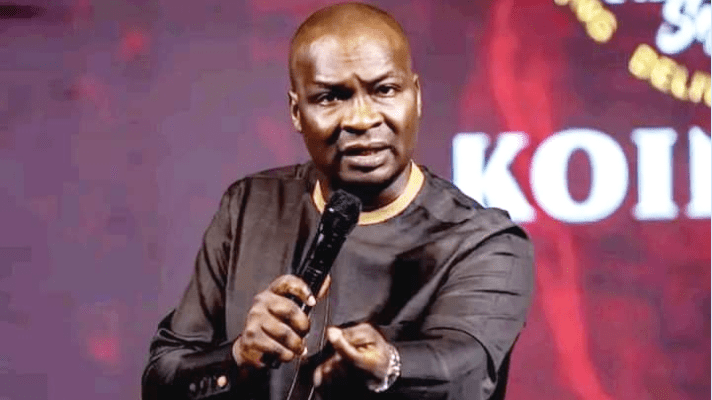
Joshua Selman is widely regarded as one of the most influential teaching-oriented pastors in Nigeria’s contemporary Christian landscape, particularly among young people and students. Born on June 25, 1980, he hails from Kaduna State in northern Nigeria. His rise to prominence did not come through aggressive media branding or viral online moments at first, but through years of consistent teaching, campus fellowships, and a reputation for depth in scripture and spiritual insight.
He first gained recognition as a campus fellowship leader at Ahmadu Bello University, Zaria, where his meetings began attracting large numbers of students. Those early gatherings eventually evolved into Eternity Network International (ENI), the ministry he formally established. Under ENI, he launched Koinonia, a weekly meeting that became the central expression of his ministry. Koinonia meetings, initially held in Zaria and later expanded to Abuja, are known for their long teaching sessions, worship, and impartation moments. Over time, recordings of these meetings spread widely through platforms like YouTube, significantly amplifying his reach beyond physical locations.
Joshua Selman’s teaching style is what distinguishes him most clearly. He is known for structured, systematic sermons that often explore theological concepts, spiritual principles, and what he presents as “kingdom mysteries.” His messages frequently cover topics such as spiritual growth, purpose, the character of God, the laws of spiritual manifestation, and the believer’s authority. Unlike more emotionally driven or prophetic-heavy ministries, his approach leans toward explanation and interpretation, though it still retains elements of the supernatural, including healing, prophecy, and what he describes as impartation.
A defining feature of his influence is his appeal to intellectually curious Christians who want both spiritual experience and conceptual clarity. His teachings are often broken down into points, principles, and frameworks, making them easy to study, share, and revisit. This has contributed to a strong online following, especially among students, young professionals, and people interested in leadership and personal development from a Christian perspective.
Despite his visibility, Joshua Selman maintains a relatively private personal life. He is not publicly married, and he rarely shares details about his family or personal affairs. This intentional privacy contrasts with the openness seen in some other high-profile pastors and has helped keep the focus on his teachings rather than his lifestyle. He is also known for a calm and measured demeanor, both on and off the pulpit, which reinforces his image as a teacher rather than a celebrity figure.
His ministry has had a significant impact on Nigeria’s Christian ecosystem, particularly in shaping a generation that values teaching depth alongside spiritual experience. Many younger pastors and ministry leaders openly acknowledge his influence, adopting similar teaching methods or referencing his messages. Koinonia itself has become more than a meeting; it is seen by followers as a movement centered on spiritual enlightenment and transformation.
At the same time, his teachings have sparked discussions in some theological circles. Certain critics question aspects of his interpretations, especially around spiritual laws and the language of “mysteries,” arguing that they can sometimes blur into speculative theology. Supporters, however, argue that he brings clarity to complex biblical ideas and makes them accessible without diluting their depth.
In the broader context of modern Christianity in Nigeria, Joshua Selman represents a model of ministry that balances structure with spirituality. He has shown that large followings can be built not only through spectacle or charisma but through disciplined teaching, consistency, and a strong intellectual engagement with faith. His continued influence suggests that this model resonates deeply with a generation seeking both understanding and experience in their spiritual lives.
3. Emmanuel Iren – Celebration Church founder

Emmanuel Iren is a prominent figure among Nigeria’s younger generation of pastors, known for blending strong doctrinal teaching with a contemporary, youth-oriented church culture. Born on December 18, 1989, he represents a newer wave of Christian leadership that is both deeply rooted in scripture and highly aware of modern communication, media, and music.
He is the founder and lead pastor of Celebration Church International, a ministry that began in Abuja and has rapidly expanded to multiple cities within Nigeria and beyond. From its early days, the church distinguished itself by focusing on clear biblical teaching, structured services, and an intentional effort to build a community that appeals to young professionals, students, and creatives. The growth of Celebration Church has been driven not only by physical gatherings but also by strong digital distribution of sermons and teachings through platforms like YouTube.
Before gaining recognition as a pastor, Emmanuel Iren was known in Christian music circles. He founded the Outburst Music Group, a collective that produces gospel music and nurtures artists. This musical background continues to shape his ministry, as worship and sound are central elements of his services. His ability to integrate music, teaching, and media has given his ministry a distinct identity that resonates with a generation raised in a digital and creative culture.
His teaching style is one of his defining traits. Emmanuel Iren places heavy emphasis on doctrinal accuracy, often focusing on New Testament theology, grace, identity in Christ, and the finished work of Jesus. His sermons are typically structured, scripture-heavy, and delivered in a calm, explanatory tone. Unlike more prophetic or deliverance-focused ministries, his approach leans toward teaching believers how to understand and apply the Bible in a consistent and intellectually grounded way. This has earned him a reputation as a “teaching pastor,” particularly among those who prioritize theological clarity.
Another key aspect of his influence is his use of language and communication. He speaks in a way that is accessible without being simplistic, often addressing contemporary issues such as purpose, relationships, discipline, and personal growth through a biblical lens. This balance has helped him build a strong following among educated urban youth who are looking for faith expressions that align with both spirituality and rational understanding.
On a personal level, Emmanuel Iren is married to Laurie Iren, and their relationship is sometimes referenced in his teachings, particularly when addressing topics like marriage and family. However, like some of his peers, he maintains a relatively measured public persona, keeping the focus largely on ministry and teaching rather than personal lifestyle.
His rise has not been without critique. Some observers feel his emphasis on grace and identity can, if misunderstood, lead to an underemphasis on other aspects of Christian living such as discipline or accountability. Others, however, argue that his teachings correct long-standing imbalances in religious messaging and help believers develop a more secure and informed faith.
Within the broader Nigerian Christian landscape, Emmanuel Iren stands out as a representative of a more systematized and doctrine-driven model of ministry that still feels modern and culturally relevant. He demonstrates that it is possible to build a fast-growing church not primarily on spectacle or prophecy, but on clarity of message, consistency, and a strong sense of community. His continued expansion suggests that this approach is resonating with a generation seeking both authenticity and understanding in their spiritual journey.
4. Lawrence Oyor – Revivalist, worship + prophetic

5. Bolaji Idowu – Harvesters International Christian Centre (HICC)
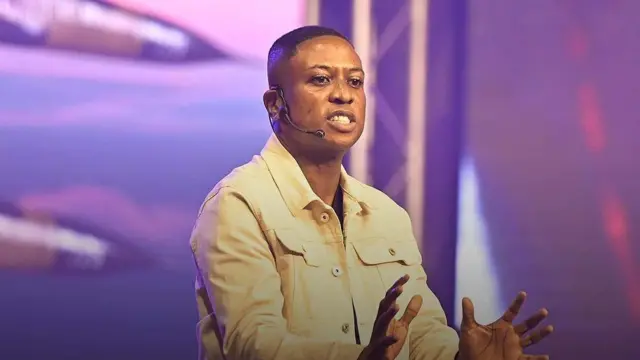
Bolaji Idowu is one of the most visible urban pastors in Nigeria’s modern church space, particularly known for his strong connection with young professionals, entrepreneurs, and digitally active audiences. Born on October 24, he grew up in Nigeria and eventually emerged as the lead pastor of Harvesters International Christian Centre (HICC), a church that has expanded rapidly, especially in cities like Lagos and Abuja. Under his leadership, Harvesters has positioned itself as a contemporary, forward-thinking ministry that blends faith, leadership, and personal development in a way that resonates with upwardly mobile youth.
His rise to prominence is closely tied to his communication style and his understanding of modern culture. Bolaji Idowu speaks in a way that is direct, relatable, and often infused with themes of success, discipline, and intentional living. His sermons frequently go beyond traditional preaching to include practical guidance on career growth, financial mindset, relationships, and productivity. This has made him particularly popular among young Nigerians navigating corporate life or entrepreneurship. His messages circulate widely on platforms like Instagram and YouTube, where short clips of his teachings often go viral.
A defining feature of his ministry is its strong branding and organizational structure. Harvesters International Christian Centre is known for polished services, strategic expansion, and a clear focus on leadership development. The church runs multiple initiatives, including conferences and mentorship programs aimed at equipping members not just spiritually but professionally. This model reflects a broader shift in Nigerian Christianity, where churches increasingly function as hubs for both spiritual and social advancement.
Bolaji Idowu is also recognized for his emphasis on what is often described as a “result-oriented” gospel. His teachings frequently highlight the idea that faith should produce tangible outcomes in a person’s life, whether in career, finances, or personal growth. For many followers, this approach is empowering and practical. It aligns with the aspirations of a generation that is deeply concerned with economic stability and personal success, especially within the realities of Nigeria’s challenging environment.
However, this same emphasis has also placed him at the center of several debates and criticisms. One of the recurring criticisms is that his message can sometimes lean too heavily toward prosperity and self-improvement, raising concerns about whether spiritual depth or traditional doctrines are being overshadowed by motivational content. Critics argue that the blending of faith with success principles can blur the line between gospel teaching and personal development seminars. Supporters counter that he is simply presenting the Christian faith in a way that is relevant to modern life and addresses real-world challenges.
Another area of controversy has involved perceptions around church culture and lifestyle. Like many pastors leading large urban congregations, Bolaji Idowu operates within a setting that values excellence, aesthetics, and high production quality. Some observers interpret this as an overemphasis on image or material success, while others see it as a reflection of professionalism and intentionality. These differing interpretations often fuel online debates, especially on social media, where clips of his sermons are widely shared and scrutinized.
There have also been occasional discussions about the structure and expansion strategy of Harvesters, with some questioning the rapid growth model and the strong central leadership style. While no major legal or criminal allegations have been substantiated against him, the conversations around his ministry typically revolve around theology, emphasis, and church culture rather than misconduct.
Despite these criticisms, Bolaji Idowu’s influence continues to grow. He represents a new generation of Nigerian pastors who are highly media-savvy, leadership-focused, and deeply engaged with the realities of urban life. His ministry appeals to those who want a faith that not only speaks to spiritual matters but also provides tools for navigating ambition, success, and personal development in a competitive world.
In the broader picture, Bolaji Idowu embodies a shift in how church is experienced by many young Nigerians. His model is less about tradition and more about relevance, less about hierarchy and more about accessibility. Whether viewed as a necessary evolution or a point of concern, his impact is undeniable, and he remains a central figure in conversations about the future direction of Christianity in Nigeria.
6. Daniel Olawande – RCCG youth revival voice
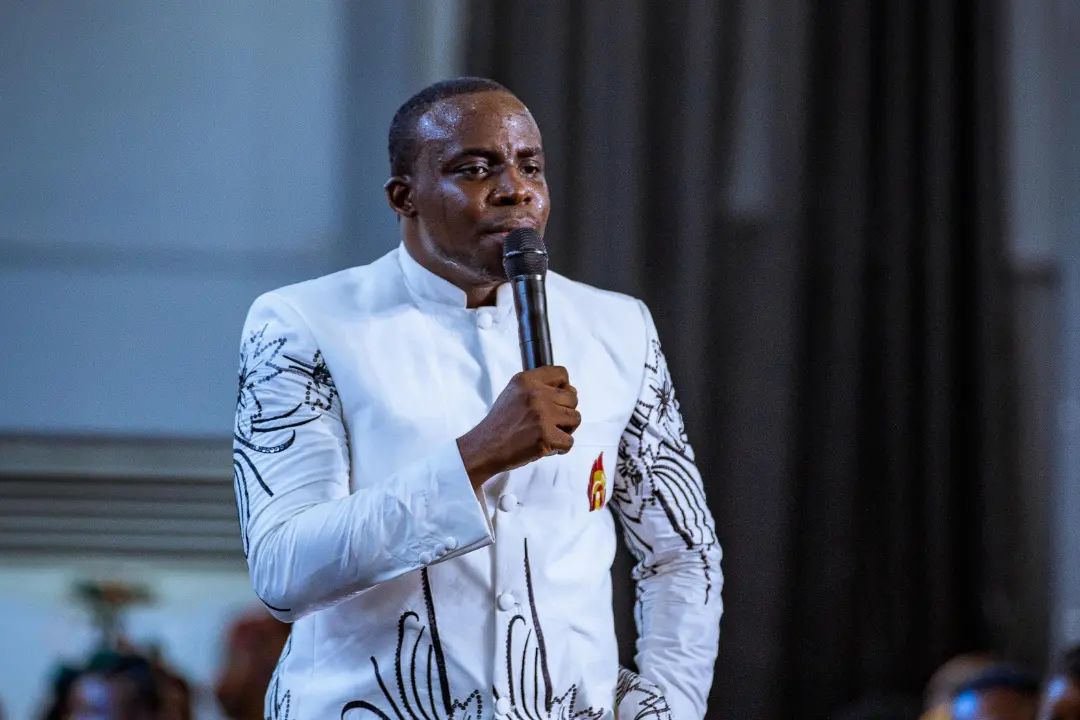
Daniel Olawande is a fast-rising Nigerian pastor and revivalist voice, particularly known for his influence within youth-focused Christian movements and his leadership role in one of the country’s largest church organizations, the Redeemed Christian Church of God. Over the past few years, he has become increasingly visible among young believers, especially those drawn to prayer, consecration, and revival-style Christianity.
Daniel Olawande serves as a prominent youth leader within the RCCG, where he has been actively involved in organizing large-scale prayer gatherings, conferences, and revival meetings aimed at mobilizing young people toward spiritual commitment. His influence is closely tied to initiatives like “The Envoys,” a movement that emphasizes intense prayer, evangelism, and a lifestyle of spiritual discipline. Through these platforms, he has built a reputation as a passionate mobilizer who calls young Christians to a deeper level of devotion and service.
His ministry style is strongly revivalist in tone. He is known for energetic preaching, prolonged prayer sessions, and a consistent emphasis on spiritual hunger, holiness, and surrender. Unlike more teaching-heavy pastors, his approach is more experiential, often centered on creating moments of deep emotional and spiritual engagement during meetings. These gatherings frequently involve extended periods of worship, intercession, and what participants describe as encounters with the Holy Spirit.
A key factor in his growing popularity is his ability to connect with the younger generation. He communicates in a direct and urgent manner, often addressing issues such as purpose, purity, discipline, and the pressures facing young people in contemporary society. His messages resonate particularly with students and recent graduates who are searching for meaning and direction beyond material success. Clips from his ministrations circulate widely on platforms like YouTube and Instagram, helping to amplify his reach beyond physical events.
Daniel Olawande’s rise is also tied to the broader structure and influence of the RCCG, which provides a large platform and network for youth engagement. However, his personal impact goes beyond institutional backing. He is part of a generation of leaders reshaping how young Nigerians experience church, moving it toward a more participatory and revival-driven model.
In terms of public image, he maintains a relatively focused and ministry-centered presence. There is little emphasis on personal lifestyle or material display, and his public identity is largely built around prayer movements, youth conferences, and spiritual awakening campaigns. This has contributed to an image of sincerity and dedication among his followers.
As with many revival-oriented figures, his ministry has attracted both admiration and critical reflection. Supporters see him as a catalyst for genuine spiritual awakening among young people, pointing to increased interest in prayer meetings and evangelism. Critics, on the other hand, sometimes question whether the strong emphasis on intense spiritual experiences is always balanced with structured teaching or long-term discipleship. These discussions are part of a wider conversation about the role of revival movements within modern Christianity.
Within Nigeria’s evolving Christian landscape, Daniel Olawande represents a stream that prioritizes urgency, passion, and collective spiritual pursuit. His growing influence suggests that there is a significant hunger among young believers for expressions of faith that go beyond routine services and engage them at a deeper emotional and spiritual level. Whether through large gatherings or digital media, he continues to shape a movement centered on prayer, consecration, and the pursuit of revival.
7. Femi Lazarus – Light Nation Global
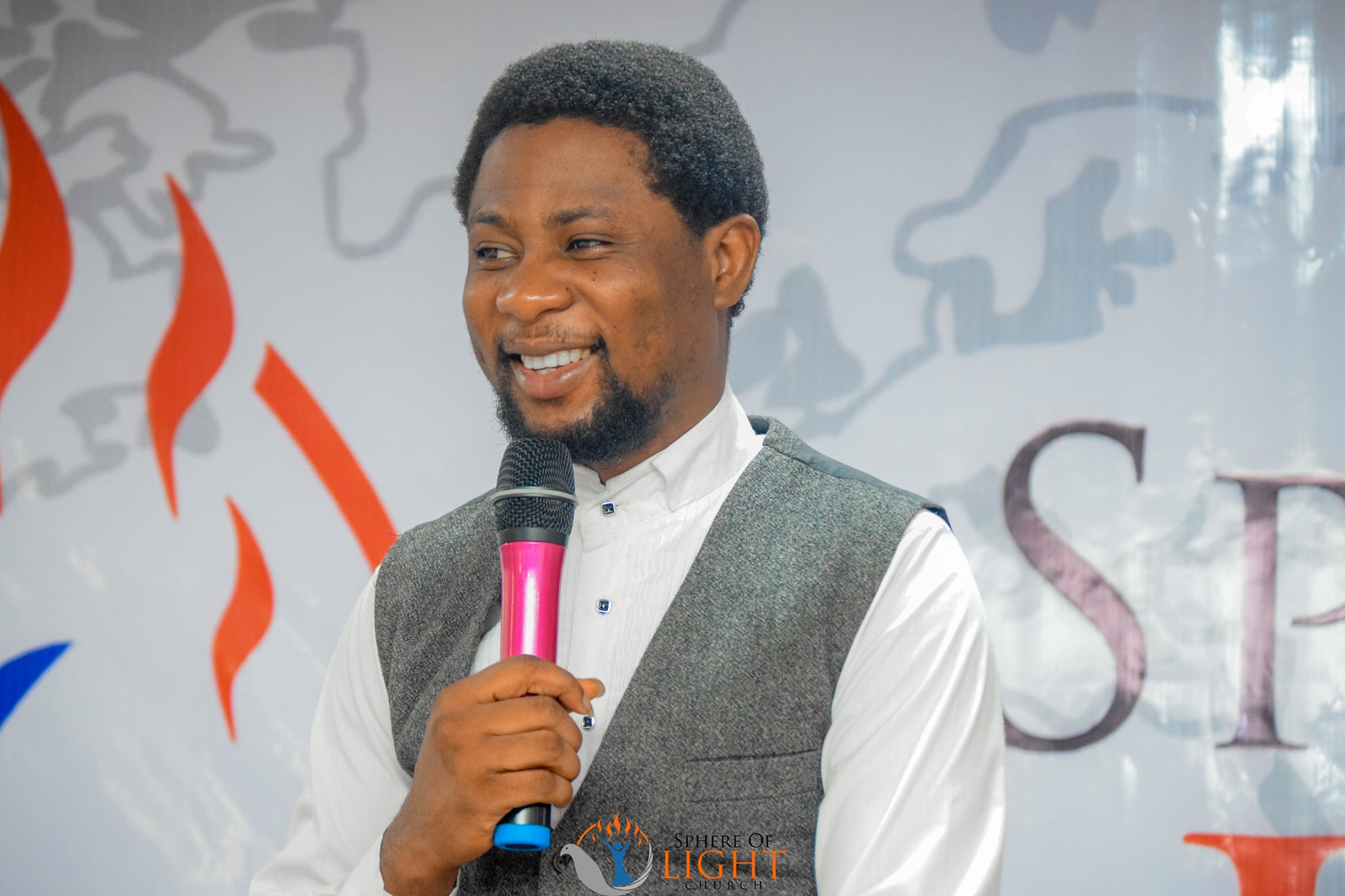
Femi Lazarus is a Nigerian pastor, teacher, and leadership coach who has gained increasing attention for his strong emphasis on doctrine, ministry structure, and what he often calls “order” in the body of Christ. He is the founder of Light Nation Global, a ministry that focuses on raising leaders, training ministers, and promoting what he presents as a more disciplined and accountable expression of Christianity.
Femi Lazarus’ background is rooted in Pentecostal and charismatic Christianity, but his public identity has evolved into that of a reform-oriented voice. He is particularly known for speaking to aspiring pastors, church workers, and young believers who feel called into ministry. His teachings frequently address topics such as spiritual growth, leadership responsibility, church administration, and the ethical conduct of ministers. Unlike many pastors who focus primarily on congregational preaching, a significant portion of his work is directed at training those within ministry itself.
His teaching style is direct, structured, and often confrontational. He tends to break down concepts into principles and systems, emphasizing that spiritual calling must be matched with discipline, learning, and accountability. This has made him popular among those who are dissatisfied with what they perceive as excesses or lack of structure in some parts of the church. His messages circulate widely on platforms like YouTube, where clips of his teachings often spark discussion and debate.
A major theme in his ministry is the critique of what he considers unhealthy trends in modern Christianity. He frequently speaks against sensationalism, commercialization of the gospel, and what he describes as “spiritual irresponsibility” among some church leaders. He advocates for theological soundness, proper mentorship, and a return to disciplined Christian living. This positioning has made him something of a reform voice, attracting followers who are drawn to clarity, structure, and accountability.
At the same time, this outspoken approach has placed him at the center of several controversies. One recurring issue is his public criticism of other pastors and ministry practices. He has, at different times, called out what he sees as doctrinal errors, manipulative fundraising, or exaggerated spiritual claims within the church. While some people view this as necessary correction, others see it as divisive or unnecessarily confrontational, arguing that such criticisms should be handled more privately.
Another area of controversy involves his strong stance on ministry standards. He has made statements about who should or should not start a church, often emphasizing training, submission, and readiness. These views have sparked debate, especially among younger ministers who feel that his position may be too rigid or gatekeeping. Supporters, however, argue that his insistence on preparation helps prevent abuse, confusion, and instability within churches.
There have also been discussions around his tone and delivery. His teaching style can be blunt, and at times he uses sharp language to make his points. This has led to mixed reactions, with some appreciating the honesty and others feeling that it can come across as harsh or lacking in pastoral sensitivity. These reactions are amplified on social media, where short clips of his messages are often taken out of full context and debated intensely.
Despite the controversies, Femi Lazarus continues to grow in influence, particularly among serious-minded Christians and ministry workers. He represents a segment of Nigerian Christianity that is pushing back against purely emotional or entertainment-driven expressions of faith, calling instead for structure, discipline, and doctrinal clarity. His impact is especially noticeable among those who are interested in leadership, ministry development, and long-term spiritual growth rather than short-term experiences.
In the broader landscape, he stands as a counterbalance to more mainstream or popular ministry styles. While he may not command the same mass appeal as some high-profile pastors, his voice carries weight in conversations about the future of church leadership and the need for accountability within Christian institutions. His continued relevance suggests that there is a growing audience for messages that challenge, correct, and seek to reform, even when those messages are uncomfortable.
8. Tobi Adegboyega – Salvation Proclaimers (UK/Nigeria youth appeal)

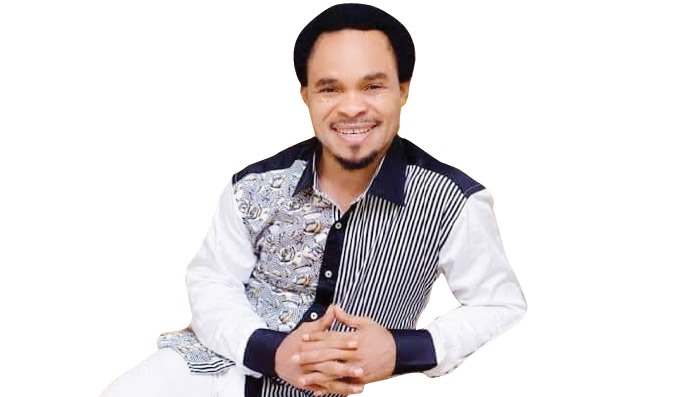
Chukwuemeka Ohanaemere, widely known by his stage-like name “Odumeje” or “Indaboski Bahose,” is one of the most unconventional and controversial figures in Nigeria’s contemporary Christian space. Unlike many pastors whose influence is built on structured teaching or institutional expansion, his public identity is shaped largely by spectacle, performance, and viral visibility.
Born in Anambra State, Nigeria, he is the founder and leader of The Mountain of Holy Ghost Intervention and Deliverance Ministry, based in Onitsha. His rise to prominence came through videos of his church services that circulated widely on social media, particularly on platforms like Facebook and YouTube. These clips often feature dramatic deliverance sessions, unusual declarations, and highly theatrical expressions of spiritual authority, which quickly captured public attention both within Nigeria and internationally.
Chukwuemeka Ohanaemere’s ministry style is deeply rooted in deliverance and prophetic practices, but it is presented in a way that is markedly different from traditional formats. His services are often characterized by intense physical demonstrations, loud proclamations, and what he describes as spiritual battles against evil forces. He frequently uses unique phrases and titles for himself, blending religious language with a kind of performance persona that has made him instantly recognizable.
One of the defining aspects of his public image is his embrace of showmanship. He often appears in elaborate outfits, uses dramatic gestures, and incorporates elements that resemble entertainment as much as worship. This has contributed to his viral appeal, as many people encounter his ministry first through short, striking video clips rather than through full sermons or teachings. His approach has attracted a wide audience, including both devoted followers and curious observers.
Beyond the theatrics, he positions himself as a prophet and spiritual warrior, emphasizing themes of power, deliverance, and victory over spiritual oppression. His messages tend to focus less on systematic teaching and more on immediate spiritual intervention, often promising breakthroughs and solutions to personal problems through prophetic action.
His career has also extended into entertainment. He has released music and collaborated with Nigerian artists, further blurring the line between ministry and popular culture. This crossover has increased his visibility but has also reinforced perceptions of his ministry as unconventional.
Controversy has been a constant feature of his public life. Critics frequently question the authenticity of his practices, arguing that his style trivializes serious aspects of Christian faith and turns worship into performance. Some observers see his actions as exaggerated or staged, while others are concerned about the potential for manipulation in highly emotional and dramatic settings. His use of titles and self-descriptions has also been a subject of debate, with some viewing them as inappropriate or excessive.
There have also been tensions with authorities and the public, particularly regarding his church building. At one point, parts of his church structure were demolished by local authorities in Anambra State over issues related to building regulations. The incident drew significant media attention and added another layer to his already controversial profile.
Supporters, however, defend him as a genuine spiritual figure who operates in a prophetic and deliverance tradition that is not meant to conform to conventional expectations. They argue that his ministry addresses real spiritual concerns and that the testimonies of those who claim to have experienced deliverance should not be dismissed.
Within Nigeria’s broader religious landscape, Chukwuemeka Ohanaemere stands at the extreme end of visibility and controversy. He represents a form of ministry that thrives in the age of viral media, where attention, personality, and spectacle can amplify influence as much as doctrine or structure. Whether seen as a spiritual leader, an entertainer, or a mix of both, his presence continues to provoke strong reactions and ongoing debate about the boundaries of religious expression in modern society.
10. Israel Oladele Ogundipe – Genesis Global Parish
NOTABLE MENTIONS
- Jeremiah Omoto Fufeyin – Mercyland Deliverance
- Johnson Suleman – Omega Fire Ministries
- Israel Oladele Ogundipe – street-style worship popularity
- Biodun Oladele – Spirit Chapel International
- Joel Ogebe – strong online teaching presence
- Greatman Takit – blends music + ministry
- Jimmy Odukoya – new-generation leadership (Fountain of Life)