
Dangote Refinery IPO: What We Know, What’s Uncertain, and What Investors Should Watch (2026)
Dangote Refinery IPO: What We Know, What’s Uncertain, and What Investors Should Watch (2026)
In This Content
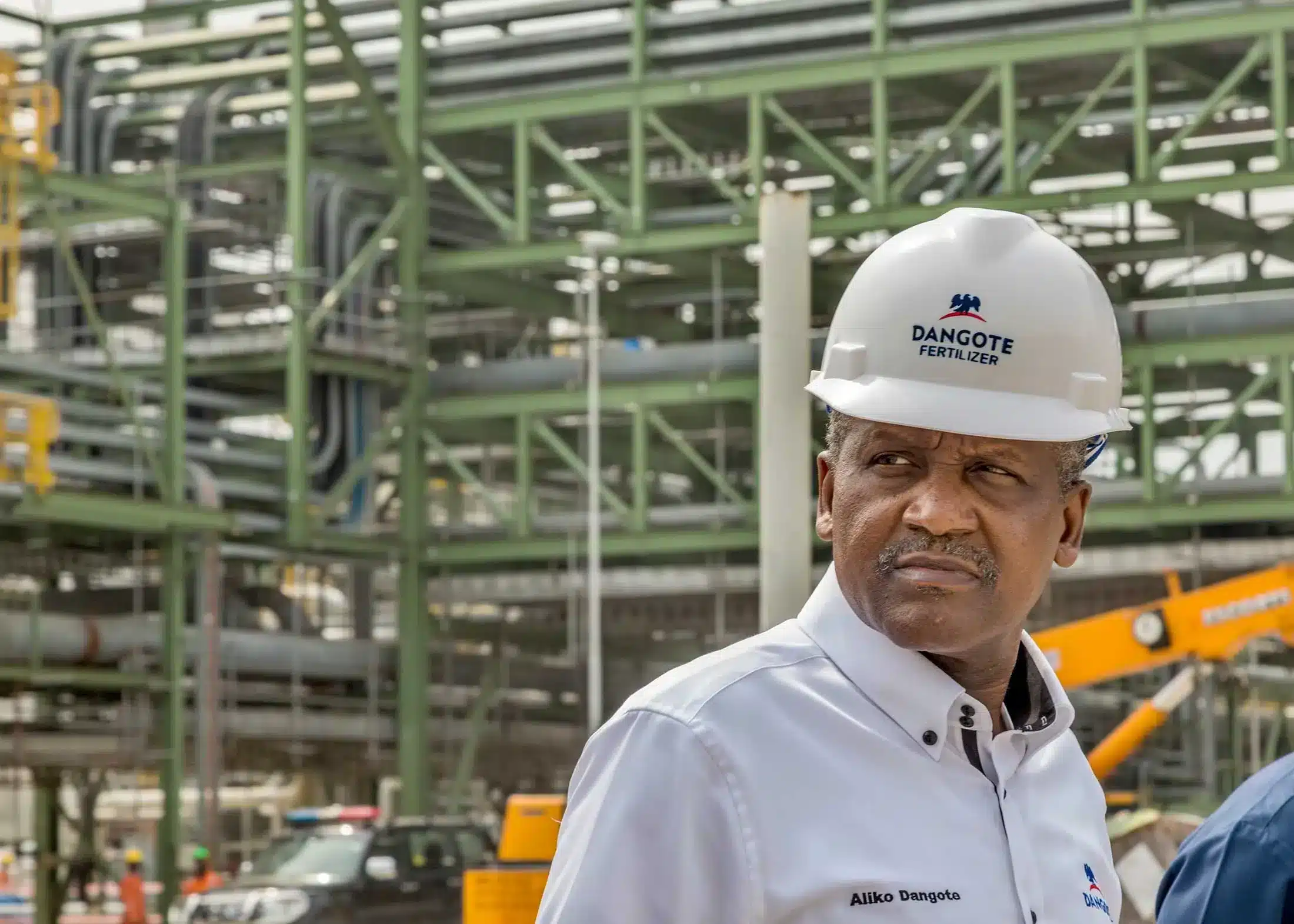
The planned Initial Public Offering (IPO) of the Dangote Petroleum Refinery is shaping up to be one of the most significant capital market events in Africa’s history. With a reported construction cost of around $20 billion and a refining capacity of 650,000 barrels per day (bpd), the Lekki-based facility is already a landmark industrial project. Now, discussions about listing a portion of the business on the stock market have captured the attention of investors across Nigeria and beyond.
However, while excitement is building, it’s equally important to separate confirmed facts from speculation. Here’s a comprehensive, fact-checked breakdown of the Dangote Refinery IPO as of April 2026.
Overview: A Potentially Historic Listing
The refinery, developed by billionaire industrialist Aliko Dangote, is widely regarded as the largest single-train refinery in the world. Its scale and strategic importance—particularly in reducing Nigeria’s reliance on imported petroleum products—make it a compelling asset for public investment.
Plans are reportedly underway to list a minority stake in the refinery, giving institutional and retail investors the opportunity to participate in what could become one of Africa’s most valuable companies.
Key Details of the Proposed IPO
1. Listing Venue
The primary listing is expected to take place on the Nigerian Exchange (NGX). There are also indications that cross-border listings on other African exchanges may be considered, though this has not been formally confirmed.
2. Timeline (Tentative)
- April 2026: Expected window for submission of IPO prospectus (unconfirmed)
- Mid-2026 (June–July): Possible listing window, depending on regulatory approvals and market conditions
Fact check:
As of now, there is no officially published prospectus or confirmed IPO date. Any timeline circulating publicly should be treated as provisional.
3. Stake Size and Ownership Strategy
The IPO is expected to involve the sale of a minority stake—potentially 10% or more of the refinery.
The broader goal appears to be:
- Reducing Dangote Group’s ownership to below approximately 65–70%
- Broadening ownership among African investors
- Enhancing transparency and governance through public listing
4. Estimated Valuation
Market speculation places the refinery’s valuation between $40 billion and $50 billion.
Fact check:
This valuation range is not yet officially confirmed and likely depends heavily on:
- Operational performance
- Refining margins
- Debt structure
- Global oil market conditions
Until a prospectus is released, any valuation remains an estimate.
5. Advisory Team
Reports indicate that several financial advisory firms have been engaged, including:
- Stanbic IBTC Capital Limited
- Vetiva Advisory Services Limited
- FirstCap Limited
Fact check:
While these firms are frequently mentioned in credible reports, formal confirmation through official filings is still limited.
The Refinery Itself: Why It Matters
Located in Lekki, Lagos, the Dangote Refinery has a refining capacity of 650,000 bpd, making it the largest facility of its kind built in a single phase.
Its strategic importance includes:
- Reducing Nigeria’s dependence on imported refined petroleum products
- Potentially stabilizing domestic fuel prices
- Positioning Nigeria as a net exporter of refined products
- Strengthening regional energy security across West Africa
The refinery is currently in a ramp-up phase, gradually increasing production toward full capacity.
Critical Investor Warnings
1. The Refinery Is NOT Yet Listed
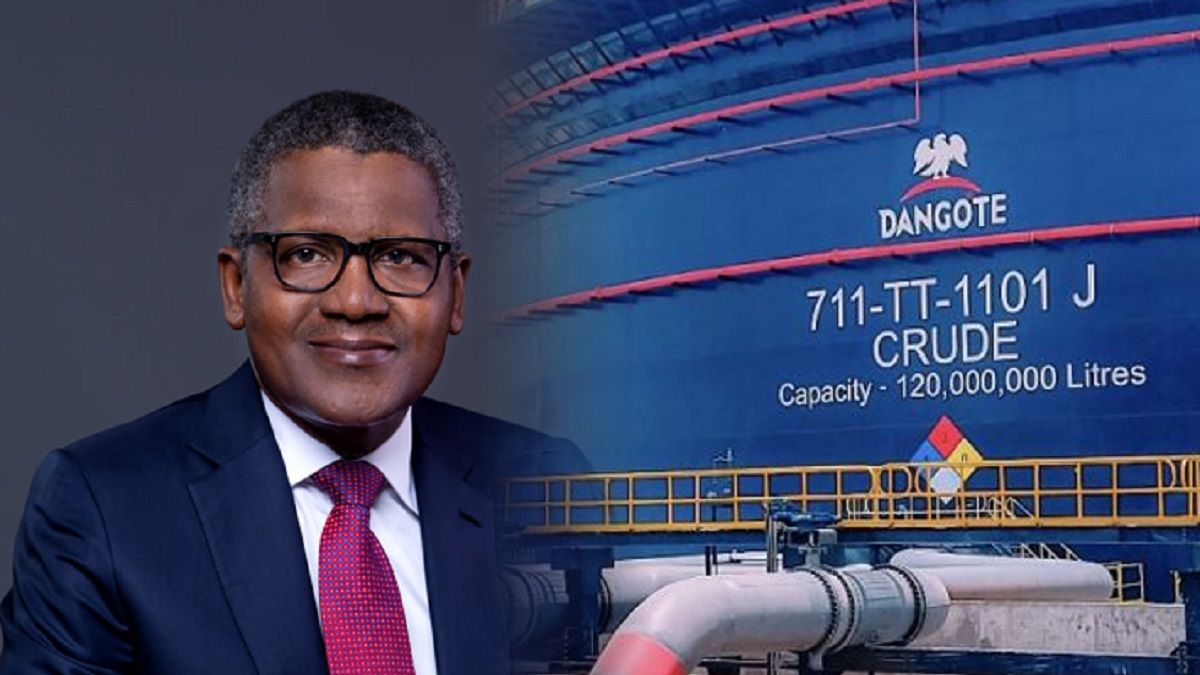
Despite widespread discussion, the Dangote Refinery is not currently a publicly traded company.
There is:
- No confirmed IPO date
- No officially released prospectus
- No approved share offering yet
Investors should be cautious of misinformation, especially on social media or informal investment channels.
2. Confusion with Existing Dangote Companies
A common mistake among retail investors is confusing the refinery with already listed companies in the Dangote Group.
These include:
- Dangote Sugar Refinery Plc (ticker: DANGSUG)
- Dangote Cement Plc
These are separate entities and do not represent ownership in the refinery.
3. Risk Factors
As with any IPO, especially one of this scale, risks include:
- Volatility in global oil prices
- Operational ramp-up challenges
- Regulatory uncertainties
- Debt servicing pressures
Investors should wait for full disclosures before making any decisions.
What to Watch Going Forward
1. Official Prospectus Release
The most critical milestone will be the publication of an IPO prospectus, which will provide:
- Verified financials
- Ownership structure
- Risk disclosures
- Final valuation and pricing
2. Operational Performance
The refinery’s valuation will depend heavily on:
- Production levels
- Efficiency
- Profit margins
- Export capacity
Reaching or approaching full capacity will significantly strengthen investor confidence.
3. Regulatory Approvals
Approval from Nigeria’s securities regulators and the Nigerian Exchange will be essential before any listing can proceed.
4. Market Conditions
Global oil market trends and local economic conditions will influence:
- Investor demand
- IPO pricing
- Timing of the listing
The Dangote Refinery IPO has the potential to redefine Africa’s capital markets by introducing one of the continent’s most valuable industrial assets to public investors. If executed successfully, it could deepen market participation, attract foreign investment, and set a precedent for large-scale infrastructure listings.
However, as of April 2026, the IPO remains in the planning and discussion stage. Investors should rely only on official disclosures and avoid acting on speculation.
Disclaimer
This article is for informational purposes only and does not constitute financial advice. Stock market investments carry risk, and readers should conduct independent research or consult a licensed financial advisor before making investment decisions.