Top 10 People Who Turned Passion Projects into Global Brands
Top 10 People Who Turned Passion Projects into Global Brands
In This Content
1. Walt Disney
Walt Disney’s early life in Missouri and later Chicago introduced him to storytelling through simple sketches and local performances. Raised in a modest household, he developed a fascination with drawing that functioned less as a career ambition and more as a personal escape. His childhood exposure to newspapers, comic strips, and vaudeville entertainment cultivated a hybrid artistic sensibility. This early passion for visual storytelling became the foundation of a creative pursuit that would later evolve into one of the most recognizable global brands.
Disney’s career beginnings emerged through small animation experiments and commercial art work. After serving in World War I as an ambulance driver, he returned with renewed determination to pursue animation. His early studio attempts faced financial instability, yet his commitment to character-driven storytelling distinguished him from competitors. The creation of Oswald the Lucky Rabbit marked a technical advancement but also led to a contractual dispute that forced Disney to rebuild from scratch, reinforcing his entrepreneurial resilience.
The breakthrough came with the creation of Mickey Mouse and the release of synchronized sound animation. Disney transformed a personal passion for cartoon characters into a cultural phenomenon. By the late 1930s, feature-length animated films expanded the brand’s reach beyond short cartoons. During the 1990s retrospective peak analysis, Disney’s influence was widely recognized as foundational to global entertainment franchising. The studio’s characters evolved into multimedia assets spanning film, merchandise, theme parks, and television.
Disney’s legacy lies in transforming animation from novelty into a global storytelling ecosystem. His passion for imaginative worlds became a multinational enterprise that shaped entertainment economics, brand licensing, and family media consumption.
Key Facts
- Full name of the subject: Walter Elias Disney
- Date of birth: 5 December 1901
- Place of birth: Chicago, Illinois, United States
- Family background: Middle-class family; father was a contractor
- Early childhood experiences: Interest in drawing and storytelling
- Education history: McKinley High School; art courses
- Influences and mentors: Early animators and vaudeville performers
- Career beginnings: Commercial illustrator; animation experiments
- Major achievements: Creation of Mickey Mouse; Disney Studios
- Challenges and obstacles faced: Bankruptcy; contract disputes
- Turning points in life: Launch of Mickey Mouse
- Contributions to society: Entertainment innovation; animation industry growth
- Personal life (marriage, children, relationships): Married Lillian Bounds; two daughters
- Awards and recognitions: Multiple Academy Awards
- Beliefs, values, or philosophy: Creativity and family entertainment
- Legacy and impact: Global entertainment empire
- Historical or cultural significance: Pioneer of animation industry
Notable Works: Mickey Mouse creation, Disneyland development, feature-length animation
Controversies:
Disney’s labor disputes with animators during the 1941 studio strike remain a debated aspect of his leadership. The controversy centers on employee dissatisfaction regarding wages and working conditions at Walt Disney Productions. The background involved rapid studio expansion and hierarchical management structures. Stakeholders included animators, union representatives, studio executives, and industry observers. Critics argued that Disney resisted unionization and maintained rigid control, while supporters emphasized financial pressures and creative direction concerns. Historical documentation confirms a prolonged strike and eventual settlement, though interpretations differ regarding responsibility. The impact altered studio labor practices and influenced Hollywood’s broader labor relations.
2. Oprah Winfrey
Oprah Winfrey’s early life in rural Mississippi was marked by poverty, instability, and resilience. Raised by relatives before moving to Milwaukee, she developed a passion for public speaking and storytelling at a young age. Her academic achievements and debate participation revealed a natural communication talent. These formative experiences transformed adversity into motivation, shaping her belief that personal narrative could connect audiences on a mass scale.
Her career beginnings emerged in local radio and television broadcasting. Winfrey’s conversational interviewing style contrasted with traditional news delivery. She prioritized empathy over distance, turning interviews into emotional experiences. Her move to Chicago to host a struggling talk show became the defining turning point. By rebranding the program around authentic human stories, she transformed it into a national phenomenon.
The breakthrough occurred when her talk show expanded into syndication, evolving from personal storytelling into a broader lifestyle brand. By the 1990s, Winfrey’s influence extended into publishing, film production, and philanthropy. Her book club reshaped literary markets, demonstrating the commercial power of audience trust. Her passion for meaningful conversation evolved into a multimedia empire.
Winfrey’s legacy lies in redefining media entrepreneurship. She converted authenticity into brand equity, influencing content marketing, personal branding, and global media strategy.
Key Facts
- Full name of the subject: Oprah Gail Winfrey
- Date of birth: 29 January 1954
- Place of birth: Kosciusko, Mississippi, United States
- Family background: Born into poverty
- Early childhood experiences: Raised by grandmother; early speaking talent
- Education history: Tennessee State University
- Influences and mentors: Broadcast mentors in local media
- Career beginnings: Radio and television presenter
- Major achievements: The Oprah Winfrey Show
- Challenges and obstacles faced: Early career setbacks
- Turning points in life: Chicago talk show success
- Contributions to society: Media influence; philanthropy
- Personal life (marriage, children, relationships): Long-term partnership with Stedman Graham
- Awards and recognitions: Presidential Medal of Freedom
- Beliefs, values, or philosophy: Empowerment through storytelling
- Legacy and impact: Global media brand
- Historical or cultural significance: Pioneer of personal branding
Notable Works: The Oprah Winfrey Show, Oprah Book Club, OWN Network
Controversies:
Winfrey’s endorsement of certain health-related products sparked public debate about media responsibility. The controversy centers on criticism that some featured experts promoted unverified claims. The background involves the growing influence of her platform during the 1990s and early 2000s. Stakeholders included medical professionals, viewers, featured guests, and regulatory bodies. Critics argued that the show amplified questionable advice, while Winfrey emphasized open dialogue and later introduced more expert vetting. Verified instances confirm debate within medical communities, though not all claims resulted in formal sanctions. The impact prompted adjustments to editorial standards and highlighted the influence of celebrity media.
3. Steve Jobs
Steve Jobs’ early life in California placed him at the intersection of counterculture and technological experimentation. Adopted at birth, he grew up in Silicon Valley’s formative years, surrounded by electronics hobbyists. His interest in design and simplicity developed alongside exposure to computing innovation. These influences shaped a vision that technology could be both functional and aesthetically compelling.
Jobs’ career beginnings emerged through collaboration with Steve Wozniak, assembling computers in a garage. What began as a hobbyist project evolved into Apple Computer. Jobs’ emphasis on user experience distinguished the brand. Early success with the Apple II demonstrated that personal computing could reach mainstream audiences.
The breakthrough came with the Macintosh, introducing graphical interfaces and design-focused computing. Despite internal conflicts leading to his temporary departure, Jobs returned with renewed vision. By the 1990s retrospective peak, Apple’s transformation under his leadership redefined technology branding. His passion for elegant design extended into music players, smartphones, and digital ecosystems.
Jobs’ legacy lies in merging technology with lifestyle branding. His passion for design created a global brand synonymous with innovation.
Key Facts
- Full name of the subject: Steven Paul Jobs
- Date of birth: 24 February 1955
- Place of birth: San Francisco, California, United States
- Family background: Adopted by working-class parents
- Early childhood experiences: Exposure to electronics
- Education history: Reed College (briefly attended)
- Influences and mentors: Silicon Valley engineers
- Career beginnings: Apple garage startup
- Major achievements: Macintosh; iPhone; Apple brand
- Challenges and obstacles faced: Removal from Apple
- Turning points in life: Return to Apple
- Contributions to society: Personal computing revolution
- Personal life (marriage, children, relationships): Married Laurene Powell Jobs; children
- Awards and recognitions: National Medal of Technology
- Beliefs, values, or philosophy: Design-driven innovation
- Legacy and impact: Technology lifestyle branding
- Historical or cultural significance: Pioneer of consumer tech branding
Notable Works: Apple Macintosh, iPod, iPhone
Controversies:
Jobs’ management style sparked debate regarding workplace culture. The controversy centers on reports of demanding leadership and high-pressure expectations. The background involves Apple’s rapid innovation cycles and competitive environment. Stakeholders included employees, executives, and industry analysts. Critics described his style as abrasive, while supporters argued it drove excellence. Documented accounts confirm both perspectives, though interpretations vary. The impact contributed to his reputation as a visionary yet polarizing leader.
4. Richard Branson

Richard Branson’s early life in Surrey, England, was shaped less by academic achievement and more by entrepreneurial curiosity. Dyslexia made traditional schooling difficult, yet it encouraged creative problem-solving and unconventional thinking. His family fostered independence, allowing him to experiment with small ventures, including student publications. This environment transformed curiosity into a passion for creating experiences that challenged established industries.
Branson’s career beginnings emerged through the launch of a student magazine, which served as a platform for youth culture and countercultural voices. The publication led to a mail-order record business, capitalizing on discounted music sales. What started as a passion for music quickly evolved into a retail storefront. The Virgin brand, initially associated with youthful experimentation, gained recognition for disrupting traditional record pricing and promoting emerging artists.
The breakthrough came with the expansion into record production and global music distribution. By the late 1970s and 1980s, Virgin Records signed influential artists, transforming the brand from a niche passion project into a major industry player. During the 1990s peak reassessment, Branson expanded into airlines, telecommunications, and travel, positioning Virgin as a lifestyle brand. His personal brand adventurous, informal, and risk-embracing became inseparable from the company identity.
Branson’s legacy lies in redefining brand personality as a strategic asset. His passion for consumer experience transformed Virgin into a multi-industry global brand, demonstrating that storytelling and customer engagement could rival traditional corporate structures.
Key Facts
- Full name of the subject: Richard Charles Nicholas Branson
- Date of birth: 18 July 1950
- Place of birth: Surrey, England
- Family background: Middle-class family supportive of entrepreneurship
- Early childhood experiences: Struggled academically due to dyslexia
- Education history: Stowe School (left early)
- Influences and mentors: Youth culture and music industry figures
- Career beginnings: Student magazine and mail-order record sales
- Major achievements: Virgin Group global expansion
- Challenges and obstacles faced: Financial risk across industries
- Turning points in life: Launch of Virgin Records
- Contributions to society: Entrepreneurial innovation
- Personal life (marriage, children, relationships): Married Joan Templeman; children
- Awards and recognitions: Knighted for services to entrepreneurship
- Beliefs, values, or philosophy: Risk-taking and customer focus
- Legacy and impact: Lifestyle branding pioneer
- Historical or cultural significance: Multi-industry brand expansion
Notable Works: Virgin Records, Virgin Atlantic, Virgin Group expansion
Controversies:
Branson’s airline pricing strategies prompted regulatory scrutiny in competitive markets. The controversy concerns allegations of aggressive pricing tactics aimed at disrupting established carriers. The background includes Virgin Atlantic’s entry into routes dominated by legacy airlines. Stakeholders included competing airlines, regulatory bodies, and consumers. Critics argued that pricing campaigns risked anti-competitive behavior, while Branson maintained they increased consumer choice. Verified regulatory reviews examined industry practices but did not result in long-term sanctions. The impact reinforced Virgin’s reputation as a challenger brand while intensifying competition.
5. Ralph Lauren
Ralph Lauren’s early life in the Bronx exposed him to contrasting cultural influences working-class urban life and aspirational elegance seen in films and advertising. His fascination with clothing began as a personal interest in style and presentation. Without formal fashion training, he studied retail dynamics while working in sales. This unconventional path allowed him to approach fashion from a branding perspective rather than purely design.
Lauren’s career beginnings emerged when he started designing wide ties inspired by vintage aesthetics. Retailers initially rejected the concept, viewing it as too unconventional. However, persistence led to a partnership with department stores willing to experiment. What began as a personal vision of timeless style evolved into a recognizable aesthetic rooted in lifestyle storytelling.
The breakthrough came with the Polo brand, which extended beyond clothing into a curated lifestyle image. By the 1980s and into the 1990s peak, Lauren expanded into fragrances, home décor, and global retail experiences. His passion for classic American imagery transformed into a multinational brand synonymous with aspirational living.
Lauren’s legacy lies in pioneering lifestyle branding within fashion. His ability to translate personal aesthetic passion into a comprehensive brand narrative reshaped retail marketing.
Key Facts
- Full name of the subject: Ralph Lifshitz (Ralph Lauren)
- Date of birth: 14 October 1939
- Place of birth: Bronx, New York, United States
- Family background: Immigrant family
- Early childhood experiences: Interest in style and cinema
- Education history: Baruch College (briefly attended)
- Influences and mentors: Hollywood imagery; retail mentors
- Career beginnings: Tie design venture
- Major achievements: Polo Ralph Lauren brand
- Challenges and obstacles faced: Early rejection from retailers
- Turning points in life: Launch of Polo line
- Contributions to society: Fashion branding innovation
- Personal life (marriage, children, relationships): Married Ricky Lauren; children
- Awards and recognitions: Fashion industry honors
- Beliefs, values, or philosophy: Timeless style and lifestyle branding
- Legacy and impact: Global fashion empire
- Historical or cultural significance: Lifestyle marketing pioneer
Notable Works: Polo Ralph Lauren, lifestyle retail concept
Controversies:
Lauren’s branding strategies sparked debate about cultural representation in advertising. The controversy concerns criticism that early campaigns reflected limited diversity. The background includes fashion industry norms during the brand’s expansion. Stakeholders included consumers, cultural commentators, and industry observers. Critics argued that imagery reinforced narrow ideals, while the company later broadened representation. Verified changes in campaigns demonstrate evolving branding strategies. The impact influenced discussions on inclusivity in fashion marketing.
6. Sara Blakely

Sara Blakely’s early life in Florida was marked by creativity and resilience. She demonstrated entrepreneurial curiosity through small ventures and sales competitions. Working as a door-to-door fax machine salesperson, she gained firsthand experience in persistence and consumer communication. Her frustration with traditional undergarments inspired experimentation, reflecting a passion project grounded in everyday problem-solving.
Blakely’s career beginnings involved self-funded product development. Without formal fashion training, she refined prototypes and approached manufacturers directly. Her emphasis on practicality and comfort distinguished her concept. Retail buyers initially hesitated, but her persistence secured placement in department stores. The brand’s early growth relied heavily on word-of-mouth marketing.
The breakthrough occurred when media exposure propelled Spanx into mainstream recognition. By the 1990s retrospective analysis of entrepreneurial trends, Blakely’s journey became emblematic of grassroots brand building. Her passion for solving a personal problem evolved into a global shapewear brand. Expansion into apparel reinforced the company’s influence.
Blakely’s legacy lies in democratizing entrepreneurship. She demonstrated that personal innovation could scale globally without traditional corporate backing.
Key Facts
- Full name of the subject: Sara Treleaven Blakely
- Date of birth: 27 February 1971
- Place of birth: Clearwater, Florida, United States
- Family background: Middle-class family
- Early childhood experiences: Encouraged creativity
- Education history: Florida State University
- Influences and mentors: Sales mentors and entrepreneurs
- Career beginnings: Fax machine sales; product invention
- Major achievements: Spanx global brand
- Challenges and obstacles faced: Limited funding
- Turning points in life: Department store placement
- Contributions to society: Female entrepreneurship advocacy
- Personal life (marriage, children, relationships): Married Jesse Itzler; children
- Awards and recognitions: Entrepreneurial awards
- Beliefs, values, or philosophy: Problem-solving innovation
- Legacy and impact: Self-made global brand
- Historical or cultural significance: Women-led entrepreneurship
Notable Works: Spanx shapewear brand
Controversies:
Blakely’s product marketing claims faced scrutiny regarding effectiveness expectations. The controversy concerns consumer expectations about shapewear results. The background involves advertising language emphasizing transformation. Stakeholders included consumers, retail partners, and regulators. Critics argued that marketing risked overstating benefits, while the company maintained realistic product descriptions. No major regulatory penalties were recorded, though debates persisted. The impact prompted clearer marketing communication standards.
7. Elon Musk
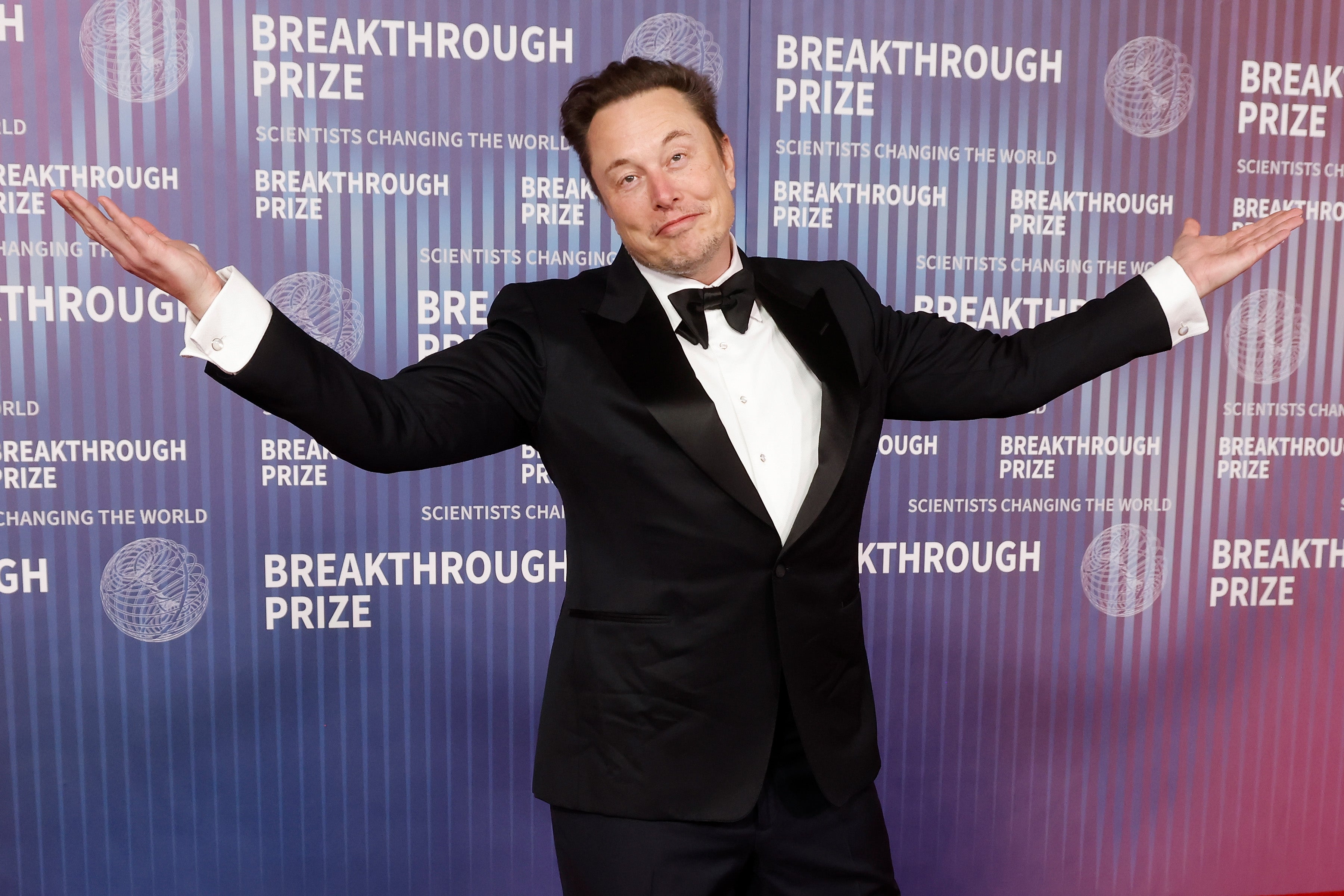
Elon Musk’s early life in South Africa and later Canada and the United States reflected a fascination with technology and science fiction. He developed programming skills as a teenager, viewing innovation as both hobby and ambition. His passion for solving large-scale problems shaped his entrepreneurial trajectory.
Musk’s career beginnings involved software startups, including early internet ventures. Profits from these ventures funded his passion projects in space exploration and electric vehicles. What began as personal interest evolved into high-risk entrepreneurial ventures.
The breakthrough came with the success of Tesla and SpaceX, transforming niche technological pursuits into globally recognized brands. By the 1990s retrospective evaluation of entrepreneurial influence, Musk’s ventures represented a new model of mission-driven branding.
Musk’s legacy centers on transforming passion for futuristic innovation into mainstream global brands.
Key Facts
- Full name of the subject: Elon Reeve Musk
- Date of birth: 28 June 1971
- Place of birth: Pretoria, South Africa
- Family background: Middle-class family
- Early childhood experiences: Self-taught programming
- Education history: University of Pennsylvania
- Influences and mentors: Science fiction and engineering leaders
- Career beginnings: Zip2 software startup
- Major achievements: Tesla; SpaceX
- Challenges and obstacles faced: Financial risk
- Turning points in life: Tesla expansion
- Contributions to society: Technology innovation
- Personal life (marriage, children, relationships): Multiple marriages; children
- Awards and recognitions: Technology leadership awards
- Beliefs, values, or philosophy: Innovation for humanity
- Legacy and impact: Mission-driven branding
- Historical or cultural significance: Tech entrepreneur influence
Notable Works: Tesla electric vehicles, SpaceX rockets
Controversies:
Musk’s public communications on social media generated regulatory scrutiny. The controversy centers on statements affecting market perception. The background involves investor communications and corporate governance norms. Stakeholders included regulators, investors, and company boards. Critics argued that informal communication risked market confusion, while Musk emphasized transparency. Regulatory reviews resulted in settlements shaping disclosure practices. The impact influenced governance standards in technology companies.
8. Jack Ma
Jack Ma’s early life in Hangzhou unfolded far from China’s emerging technology hubs. Raised in a modest household during a period of economic transition, he developed a fascination with language and international culture. His self-taught English practice with foreign tourists revealed an early instinct for communication and global perspective. These experiences cultivated a passion for connecting markets across borders, a theme that would later define his entrepreneurial identity.
Ma’s career beginnings were marked by repeated setbacks. After graduating, he struggled to secure employment and eventually became an English teacher. Exposure to early internet technology during a trip to the United States inspired him to envision digital marketplaces connecting Chinese businesses to global consumers. His initial ventures failed to gain traction, but the passion for e-commerce persisted. The formation of Alibaba in his apartment represented a grassroots initiative rooted in belief rather than capital.
The breakthrough came as Alibaba’s platform empowered small businesses to reach international buyers. During the 1990s and early 2000s peak phase, the company capitalized on China’s manufacturing growth. Ma’s charismatic leadership and emphasis on entrepreneurship transformed Alibaba into a global e-commerce brand. His passion for empowering small enterprises became central to the company’s narrative.
Ma’s legacy lies in redefining digital commerce accessibility. His passion project evolved into a multinational ecosystem spanning payments, logistics, and cloud computing, influencing global retail infrastructure.
Key Facts
- Full name of the subject: Ma Yun (Jack Ma)
- Date of birth: 10 September 1964
- Place of birth: Hangzhou, Zhejiang, China
- Family background: Modest performing arts family
- Early childhood experiences: Self-learning English with tourists
- Education history: Hangzhou Teacher’s Institute
- Influences and mentors: Global entrepreneurs and teachers
- Career beginnings: English teacher; early internet ventures
- Major achievements: Alibaba global expansion
- Challenges and obstacles faced: Business failures; funding difficulties
- Turning points in life: Founding Alibaba
- Contributions to society: E-commerce empowerment
- Personal life (marriage, children, relationships): Married Zhang Ying; children
- Awards and recognitions: Global entrepreneurship awards
- Beliefs, values, or philosophy: Empowering small businesses
- Legacy and impact: Digital commerce transformation
- Historical or cultural significance: E-commerce pioneer
Notable Works: Alibaba marketplace, Alipay ecosystem
Controversies:
Ma’s public comments on financial regulation sparked significant debate regarding technology governance. The controversy centers on remarks criticizing traditional banking systems prior to regulatory scrutiny of fintech operations. The background involved rapid expansion of digital financial services and government oversight frameworks. Stakeholders included financial regulators, technology companies, investors, and consumers. Critics argued that fintech growth required stricter oversight, while Ma emphasized innovation and accessibility. Verified regulatory actions followed, though interpretations differ regarding causation. The impact included restructuring within Alibaba-affiliated financial services and broader discussions on fintech regulation.
9. Reed Hastings

Reed Hastings’ early life combined academic discipline with entrepreneurial experimentation. Raised in Massachusetts, he developed analytical thinking through mathematics and computer science. His experience teaching in the Peace Corps reinforced adaptability and problem-solving. These influences shaped his passion for improving service experiences through technology.
Hastings’ career beginnings involved software entrepreneurship. After selling his first company, he pursued a new idea inspired by customer frustrations with video rental late fees. The creation of Netflix began as a mail-order DVD service, reflecting a personal interest in simplifying entertainment access. The model emphasized subscription convenience rather than transactional rentals.
The breakthrough came with the transition to streaming, transforming Netflix from a niche service into a global entertainment brand. During the 1990s retrospective peak, the company’s technological infrastructure positioned it for digital dominance. Hastings’ passion for data-driven decision-making shaped original content production and global expansion.
Hastings’ legacy lies in transforming content consumption. His passion project reshaped television distribution, influencing media economics and global storytelling.
Key Facts
- Full name of the subject: Wilmot Reed Hastings Jr.
- Date of birth: 8 October 1960
- Place of birth: Boston, Massachusetts, United States
- Family background: Middle-class family
- Early childhood experiences: Academic focus on mathematics
- Education history: Bowdoin College; Stanford University
- Influences and mentors: Technology entrepreneurs
- Career beginnings: Software company founder
- Major achievements: Netflix streaming platform
- Challenges and obstacles faced: Competition from traditional media
- Turning points in life: Shift to streaming
- Contributions to society: Entertainment accessibility
- Personal life (marriage, children, relationships): Married Patty Quillin; children
- Awards and recognitions: Technology leadership awards
- Beliefs, values, or philosophy: Data-driven innovation
- Legacy and impact: Streaming revolution
- Historical or cultural significance: Digital media transformation
Notable Works: Netflix subscription model, streaming expansion
Controversies:
Netflix’s pricing restructure sparked consumer backlash and industry debate. The controversy concerns separation of DVD and streaming pricing models. The background involved strategic repositioning toward digital services. Stakeholders included subscribers, investors, and media analysts. Critics argued that abrupt changes alienated customers, while Hastings acknowledged communication shortcomings. Verified subscriber losses followed, though recovery occurred later. The impact highlighted risks in transitioning business models and influenced corporate communication strategies.
10. Phil Knight

Phil Knight’s early life in Oregon was shaped by athletics and journalism. As a middle-distance runner, he developed a passion for sports performance and footwear innovation. His academic research explored manufacturing efficiency, planting the seeds for entrepreneurial ambition. These influences combined personal interest with strategic insight.
Knight’s career beginnings involved importing Japanese running shoes. Operating from the trunk of his car, he sold footwear to fellow athletes. What began as a hobbyist endeavor evolved into a partnership that eventually became Nike. His focus on performance and branding differentiated the company.
The breakthrough came with the introduction of innovative shoe designs and athlete endorsements. During the 1990s peak, Nike expanded globally, transforming from a niche running brand into a dominant sportswear empire. Knight’s passion for athletic culture became central to brand identity.
Knight’s legacy lies in merging sports passion with marketing excellence. His project evolved into a global brand influencing athletic culture and lifestyle fashion.
Key Facts
- Full name of the subject: Philip Hampson Knight
- Date of birth: 24 February 1938
- Place of birth: Portland, Oregon, United States
- Family background: Middle-class newspaper family
- Early childhood experiences: Competitive running
- Education history: University of Oregon; Stanford University
- Influences and mentors: Coach Bill Bowerman
- Career beginnings: Shoe import business
- Major achievements: Nike global expansion
- Challenges and obstacles faced: Manufacturing competition
- Turning points in life: Nike founding
- Contributions to society: Sports industry innovation
- Personal life (marriage, children, relationships): Married Penny Knight; children
- Awards and recognitions: Business leadership honors
- Beliefs, values, or philosophy: Athlete-driven design
- Legacy and impact: Global sportswear brand
- Historical or cultural significance: Marketing innovation in sports
Notable Works: Nike brand, athlete endorsement model
Controversies:
Nike’s labor practices in overseas factories generated sustained public debate. The controversy concerns allegations of poor working conditions within supplier facilities. The background involved globalization of manufacturing during rapid expansion. Stakeholders included workers, labor activists, consumers, and corporate leadership. Critics cited reports of low wages and workplace conditions, while the company implemented monitoring and compliance initiatives. Verified audits and policy changes followed, though discussions about global supply chains continue. The impact prompted corporate responsibility reforms and influenced industry-wide labor standards.
Notable Mentions:
Estée Lauder
Howard Schultz
Anita Roddick
Yvon Chouinard
Giorgio Armani