Top 10 People Who Challenged Social Norms
Top 10 People Who Challenged Social Norms
In This Content
1. Rosa Parks
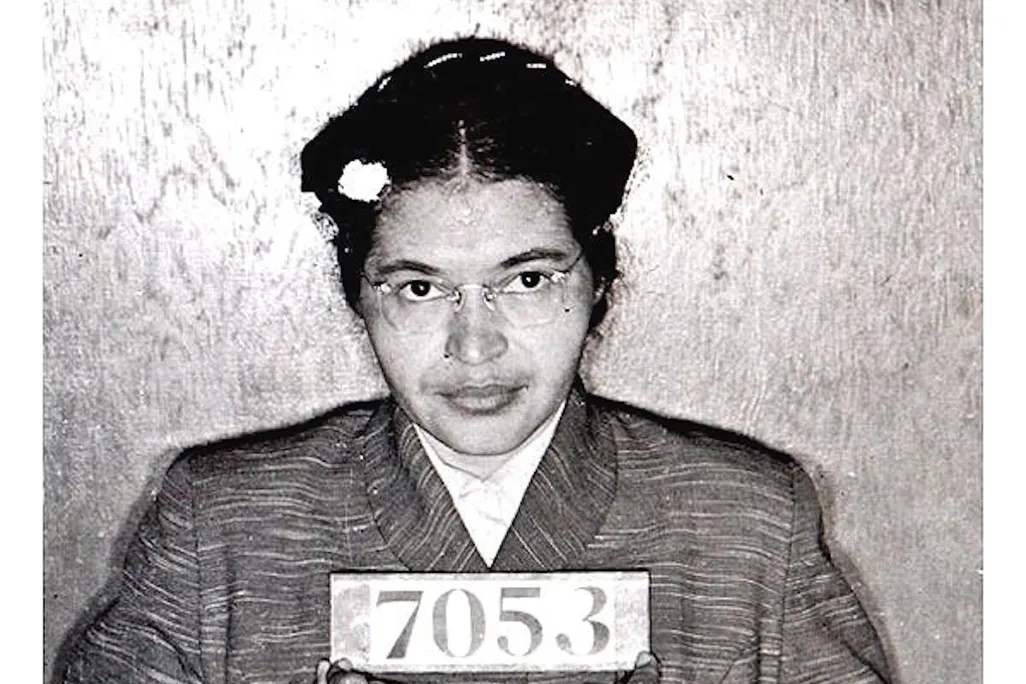
Rosa Parks’ legacy as a defining figure in civil rights history is rooted in a lifetime shaped by systemic racial segregation in the American South. Born in Alabama during the Jim Crow era, she grew up in a society structured by legally enforced inequality, where access to education, mobility, and public life was rigidly divided along racial lines. These early experiences cultivated a deep awareness of injustice that would later define her role in challenging entrenched social norms.
Parks’ early adulthood was marked by quiet resistance and community involvement rather than public confrontation. Working as a seamstress and engaging with civil rights organizations such as the NAACP, she developed a disciplined understanding of legal advocacy and grassroots activism. Her breakthrough moment came in 1955 when she refused to give up her seat on a segregated bus in Montgomery, Alabama a seemingly small act that became a catalytic symbol of resistance against institutionalized segregation.
Her legacy extends far beyond the incident itself. Parks helped transform individual protest into organized mass movement strategy, reinforcing the principle that ordinary acts of defiance could reshape national consciousness and legal frameworks.
Key Facts
- Full name of the subject: Rosa Louise McCauley Parks
- Date of birth: February 4, 1913
- Place of birth: Tuskegee, Alabama, United States
- Family background: Working-class African American family
- Early childhood experiences: Exposure to racial segregation and inequality in the American South
- Education history: Industrial School for Girls; Alabama State Teacher’s College (attended)
- Influences and mentors: NAACP leaders, civil rights organizers, Black church communities
- Career beginnings: Seamstress; NAACP secretary
- Major achievements: Montgomery Bus Boycott catalyst; civil rights icon
- Challenges and obstacles faced: Racial discrimination, legal persecution, economic hardship
- Turning points in life: 1955 bus protest arrest in Montgomery
- Contributions to society: Advanced civil rights movement and racial equality advocacy
- Personal life (marriage, children, relationships): Married Raymond Parks
- Awards and recognitions: Presidential Medal of Freedom; Congressional Gold Medal
- Beliefs, values, or philosophy: Nonviolent resistance, dignity, equality
- Legacy and impact: Symbol of civil disobedience and civil rights progress
- Historical or cultural significance: Central figure in U.S. civil rights movement
Notable Works: Montgomery Bus Boycott participation, NAACP activism, civil rights advocacy work
Controversies: A notable controversy surrounding Rosa Parks involves differing interpretations of her public image as either a spontaneous individual actor or a strategically prepared civil rights activist within organized networks. The issue emerged within broader historical debates about how civil rights movements are framed in public memory. Key stakeholders included civil rights historians, NAACP leadership, media institutions, and educational bodies.
Critics of simplified narratives argue that her actions were part of a broader, long-term organizational strategy rather than an isolated moment of spontaneous defiance, while supporters of traditional accounts emphasize the symbolic power of individual courage in mobilizing public support. Historical records confirm her involvement with the NAACP prior to the incident, though interpretations of intent and orchestration vary among scholars.
The impact of this debate has influenced how civil rights history is taught, particularly in balancing individual symbolism with collective activism.
2. Mahatma Gandhi
Mahatma Gandhi’s role in challenging social norms is deeply rooted in his exposure to colonial hierarchy and racial discrimination during his early life in British-ruled India and South Africa. Born into a merchant family in Gujarat, he was initially shaped by traditional Hindu values, but his experiences abroad exposed him to systemic racial injustice that fundamentally reshaped his worldview.
Gandhi’s early career as a lawyer in South Africa marked the beginning of his political awakening. Confronted with institutional racism, he developed his philosophy of satyagraha—nonviolent resistance as a moral and political force. His breakthrough came with the Indian independence movement, where he transformed civil disobedience into a mass political strategy against British colonial rule. The 1930s and 1940s marked his peak influence, as he led nationwide campaigns that mobilized millions.
His legacy is defined by ethical resistance. Gandhi redefined political struggle as a moral endeavor rooted in nonviolence, reshaping global liberation movements.
Key Facts
- Full name of the subject: Mohandas Karamchand Gandhi
- Date of birth: October 2, 1869
- Place of birth: Porbandar, India
- Family background: Hindu merchant caste family
- Early childhood experiences: Traditional religious upbringing in colonial India
- Education history: University College London (Law)
- Influences and mentors: Leo Tolstoy, Jain philosophy, Hindu scriptures
- Career beginnings: Law practice in South Africa
- Major achievements: Leadership of Indian independence movement
- Challenges and obstacles faced: Colonial repression, imprisonment, political opposition
- Turning points in life: South African civil rights activism
- Contributions to society: Nonviolent resistance philosophy; independence movement leadership
- Personal life (marriage, children, relationships): Married Kasturba Gandhi; four children
- Awards and recognitions: Global recognition as independence leader
- Beliefs, values, or philosophy: Nonviolence, truth (satyagraha), civil resistance
- Legacy and impact: Inspired global civil rights movements
- Historical or cultural significance: Father of Indian independence movement
Notable Works: Salt March, Quit India Movement, civil disobedience campaigns
Controversies: A notable controversy surrounding Mahatma Gandhi involves debates over certain early statements and personal practices that some critics argue conflict with his later public philosophy of moral restraint and nonviolence. The issue emerged within broader historical reassessments of colonial-era leaders. Key stakeholders included historians, political commentators, Indian nationalist groups, and international scholars.
Critics highlight selected writings and lifestyle choices as inconsistencies, while defenders argue that Gandhi’s philosophy evolved over time and should be interpreted within the context of personal experimentation and spiritual discipline. Scholarly consensus remains divided on interpretation rather than factual dispute.
The impact of this controversy has contributed to ongoing academic reassessment of historical figures and the complexity of moral leadership narratives.
3. Malala Yousafzai
Malala Yousafzai’s emergence as a global advocate for education rights is rooted in her upbringing in Pakistan’s Swat Valley, a region shaped by political instability and fluctuating control between state and militant forces. Born into a family that valued education and activism, she was exposed early to the tensions between cultural tradition, security, and access to schooling.
Her early activism began through anonymous blogging about life under restrictive regimes that limited girls’ access to education. Her breakthrough came after surviving an assassination attempt in 2012, which transformed her into an international symbol of educational advocacy. The subsequent years marked her peak influence as she addressed global institutions, including the United Nations, advocating for universal access to education.
Her legacy is defined by youth-led activism on a global scale. Malala redefined the role of young voices in international policy discourse, particularly in education rights.
Key Facts
- Full name of the subject: Malala Yousafzai
- Date of birth: July 12, 1997
- Place of birth: Mingora, Swat Valley, Pakistan
- Family background: Educated Pashtun family with activist influence
- Early childhood experiences: Exposure to conflict and restrictions on girls’ education
- Education history: University of Oxford
- Influences and mentors: Father Ziauddin Yousafzai, education activists
- Career beginnings: BBC Urdu blog advocacy
- Major achievements: Nobel Peace Prize laureate; global education advocacy
- Challenges and obstacles faced: Assassination attempt by militant groups
- Turning points in life: 2012 shooting and global recovery
- Contributions to society: Advocacy for girls’ education worldwide
- Personal life (marriage, children, relationships): Married Asser Malik
- Awards and recognitions: Nobel Peace Prize (2014)
- Beliefs, values, or philosophy: Education equality, nonviolence, youth empowerment
- Legacy and impact: Global symbol of educational rights activism
- Historical or cultural significance: Youngest Nobel laureate and education advocate
Notable Works: Malala Fund initiatives, UN speeches, education advocacy campaigns
Controversies: A notable controversy surrounding Malala Yousafzai involves debates in certain regions regarding perceptions of her international advocacy as being influenced by Western institutions. The issue emerged within broader geopolitical discussions about global education campaigns. Key stakeholders included local political groups, international NGOs, governments, and education advocates.
Critics in some contexts argue that her visibility reflects external geopolitical agendas, while Malala and her supporters maintain that her advocacy is independently rooted in lived experience and universal human rights principles. International organizations widely recognize her work as part of global education reform efforts.
The impact of this debate highlights ongoing tensions between local narratives and global human rights advocacy frameworks.
Top 10 People Who Challenged Social Norms
4. Frida Kahlo
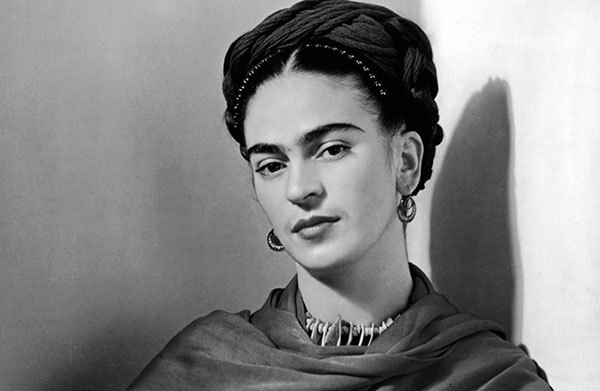
Frida Kahlo’s influence as a challenger of social norms emerged from a life marked by physical suffering, emotional complexity, and cultural duality in early 20th-century Mexico. Born in Coyoacán to a German-Hungarian father and a Mexican mother, she grew up at the intersection of indigenous Mexican identity and European intellectual influence. Her early battle with polio and later a near-fatal bus accident shaped both her physical reality and her artistic worldview, grounding her identity in resilience and self-invention.
Kahlo’s career began not as a formal artist but as a self-taught painter during long periods of medical recovery. Confined to bed, she developed a deeply introspective visual language that blended surrealism, symbolism, and indigenous Mexican motifs. Her breakthrough came in the 1930s when her work gained international recognition, particularly through exhibitions in the United States and Europe. By the 1940s, she had become a defining figure in Mexican modern art, asserting a voice that defied conventional expectations of femininity and artistic expression.
Her legacy is defined by radical self-expression. Kahlo transformed personal pain into cultural symbolism, challenging norms around gender, identity, and artistic subjectivity while becoming an enduring icon of feminist and postcolonial art discourse.
Key Facts
- Full name of the subject: Magdalena Carmen Frida Kahlo y Calderón
- Date of birth: July 6, 1907
- Place of birth: Coyoacán, Mexico City, Mexico
- Family background: Middle-class family with European and Mexican heritage
- Early childhood experiences: Polio illness and early physical disability
- Education history: National Preparatory School, Mexico City
- Influences and mentors: Diego Rivera, Mexican folk art, European surrealists
- Career beginnings: Self-taught painter during convalescence
- Major achievements: International recognition as a painter; feminist cultural icon
- Challenges and obstacles faced: Chronic pain, disability, political turbulence
- Turning points in life: Bus accident leading to lifelong medical complications
- Contributions to society: Redefined artistic expression of identity and gender
- Personal life (marriage, children, relationships): Married Diego Rivera; complex personal relationships
- Awards and recognitions: Posthumous global art recognition
- Beliefs, values, or philosophy: Indigenous identity, feminism, self-expression
- Legacy and impact: Symbol of feminist art and cultural resistance
- Historical or cultural significance: Icon of Mexican modernism and global feminist art movement
Notable Works: The Two Fridas, Self-Portrait with Thorn Necklace and Hummingbird, The Broken Column
Controversies: A notable controversy surrounding Frida Kahlo involves debates over the political interpretations of her artwork and the extent to which her personal symbolism has been politicized in modern feminist and cultural discourse. The issue emerged within broader discussions about the appropriation of artistic identity in academic and commercial spaces. Key stakeholders included art historians, feminist theorists, cultural institutions, and global art markets.
Critics argue that some modern interpretations project contemporary political frameworks onto Kahlo’s work, potentially distorting its original cultural and personal context. Supporters maintain that her art naturally lends itself to evolving interpretations and remains relevant to ongoing discussions about gender and identity. Museum curators and scholars continue to analyze her work within both historical and contemporary frameworks.
The impact of this controversy reflects ongoing debates about authorship, interpretation, and cultural ownership in global art history.
—
5. Alan Turing

Alan Turing’s life represents one of the most profound challenges to mid-20th-century social norms, particularly in the fields of science, sexuality, and institutional recognition. Born in London to a civil service family, Turing displayed early intellectual brilliance, particularly in mathematics and logic. His upbringing in a rigid British educational system shaped both his analytical rigor and his sense of social isolation.
Turing’s academic career began at Cambridge and Princeton, where he developed foundational concepts in computation theory. His breakthrough came during World War II, when he played a critical role in breaking the German Enigma code, significantly influencing the outcome of the war. The 1950s marked his peak intellectual contribution in theoretical computer science, where he developed early frameworks for artificial intelligence and computational machines.
His legacy is defined by foundational contributions to modern computing and a tragic confrontation with social prejudice. Turing’s life exposed the contradictions between scientific progress and societal norms of morality and identity.
Key Facts
- Full name of the subject: Alan Mathison Turing
- Date of birth: June 23, 1912
- Place of birth: Maida Vale, London, United Kingdom
- Family background: Upper-middle-class British civil service family
- Early childhood experiences: Early academic aptitude and social isolation
- Education history: King’s College, Cambridge; Princeton University
- Influences and mentors: Mathematical logic, formal systems theory
- Career beginnings: Academic mathematician and codebreaker
- Major achievements: Breaking Enigma code; founding computational theory
- Challenges and obstacles faced: Persecution due to sexuality under UK law
- Turning points in life: World War II codebreaking contributions
- Contributions to society: Foundations of computer science and artificial intelligence
- Personal life (marriage, children, relationships): Private personal life; no marriage
- Awards and recognitions: Posthumous recognition and national apology
- Beliefs, values, or philosophy: Logic, computation, scientific determinism
- Legacy and impact: Father of modern computing
- Historical or cultural significance: Symbol of LGBTQ+ injustice and scientific genius
Notable Works: Enigma codebreaking, Turing Machine theory, early AI concepts
Controversies: A notable controversy surrounding Alan Turing involves his criminal conviction under UK laws for homosexual activity and the subsequent state-imposed chemical castration. The issue emerged within the broader historical context of mid-20th-century British legislation that criminalized same-sex relationships. Key stakeholders included British legal authorities, scientific institutions, human rights advocates, and the LGBTQ+ community.
Critics view the prosecution as a profound injustice that undermined one of the most important scientific minds of the era, while authorities at the time enforced existing legal statutes. Decades later, the UK government issued a formal posthumous pardon acknowledging the moral failure of the original judgment. Academic and legal consensus now recognizes the case as emblematic of institutional discrimination.
The impact of this controversy significantly influenced modern human rights discourse and legal reforms concerning LGBTQ+ protections.
6. Simone de Beauvoir
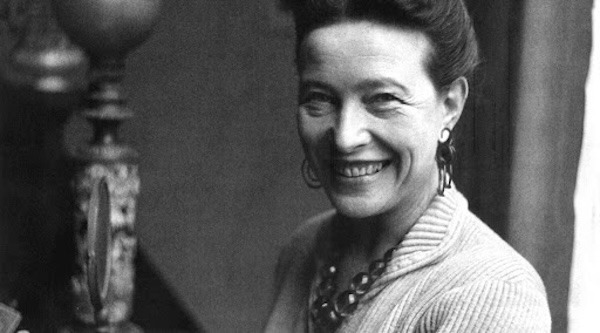
Simone de Beauvoir’s challenge to social norms emerged from her intellectual upbringing in Paris, where she was exposed early to existential philosophy and academic rigor in a society still defined by restrictive gender expectations. Born into a bourgeois French family, she rejected traditional expectations of women’s roles, instead pursuing philosophy and intellectual independence with uncommon determination for her era.
Her career began within France’s academic philosophy circles, where she formed intellectual partnerships with leading existentialist thinkers. Her breakthrough came with the publication of The Second Sex in 1949, which systematically deconstructed the social construction of womanhood and became a foundational text in modern feminist theory. The postwar decades marked her peak influence as she expanded her work into literature, political commentary, and feminist activism.
Her legacy is defined by intellectual revolution in gender theory. De Beauvoir redefined how society understands identity, freedom, and systemic gender inequality.
Key Facts
- Full name of the subject: Simone Lucie Ernestine Marie Bertrand de Beauvoir
- Date of birth: January 9, 1908
- Place of birth: Paris, France
- Family background: Bourgeois French intellectual family
- Early childhood experiences: Strict Catholic upbringing and early academic excellence
- Education history: University of Paris (Sorbonne)
- Influences and mentors: Jean-Paul Sartre, existentialist philosophy
- Career beginnings: Academic philosophy and writing
- Major achievements: Author of The Second Sex
- Challenges and obstacles faced: Gender discrimination in academia
- Turning points in life: Publication of The Second Sex
- Contributions to society: Foundational feminist theory development
- Personal life (marriage, children, relationships): Life partnership with Jean-Paul Sartre
- Awards and recognitions: International literary and philosophical recognition
- Beliefs, values, or philosophy: Existentialism, feminism, personal freedom
- Legacy and impact: Core architect of modern feminist philosophy
- Historical or cultural significance: Revolutionized gender theory and feminist thought
Notable Works: The Second Sex, existentialist essays, feminist political writings
Controversies: A notable controversy surrounding Simone de Beauvoir involves debates over her personal relationships and their alignment with her philosophical advocacy for freedom and autonomy. The issue emerged within broader discussions of existentialist ethics and feminist theory. Key stakeholders included feminist scholars, biographers, academic institutions, and cultural commentators.
Critics have questioned aspects of her personal life through modern ethical lenses, while supporters argue that existentialist philosophy emphasizes individual freedom beyond conventional moral frameworks. Academic interpretations vary widely, with no consensus on moral judgment versus philosophical consistency.
The impact of this debate continues to influence feminist discourse on separating personal biography from intellectual contribution.
7. Nelson Mandela
Nelson Mandela’s role in challenging social norms is rooted in his upbringing within Thembu royal lineage in South Africa, where traditional leadership structures coexisted with the oppressive realities of apartheid. Born in the rural Eastern Cape, he experienced early exposure to both indigenous governance systems and colonial racial segregation, shaping his lifelong commitment to justice and equality.
Mandela’s career began as a lawyer and political activist within the African National Congress, where he initially supported nonviolent resistance before shifting toward armed struggle following escalating state repression. His breakthrough came during his imprisonment, which lasted 27 years and transformed him into a global symbol of resistance. The 1990s marked his peak influence as he led South Africa’s transition from apartheid to democratic governance.
His legacy is defined by reconciliation politics. Mandela redefined leadership through forgiveness and nation-building after systemic oppression.
Key Facts
- Full name of the subject: Nelson Rolihlahla Mandela
- Date of birth: July 18, 1918
- Place of birth: Mvezo, South Africa
- Family background: Thembu royal lineage
- Early childhood experiences: Rural upbringing under traditional leadership systems
- Education history: University of Fort Hare; University of Witwatersrand
- Influences and mentors: African National Congress leaders, anti-colonial thinkers
- Career beginnings: Law practice and ANC activism
- Major achievements: End of apartheid; first Black President of South Africa
- Challenges and obstacles faced: 27-year imprisonment; political repression
- Turning points in life: Rivonia Trial and imprisonment
- Contributions to society: Racial reconciliation and democratic transition
- Personal life (marriage, children, relationships): Married multiple times; several children
- Awards and recognitions: Nobel Peace Prize (1993)
- Beliefs, values, or philosophy: Equality, reconciliation, non-racial democracy
- Legacy and impact: Global symbol of freedom and reconciliation
- Historical or cultural significance: Architect of post-apartheid South Africa
Notable Works:
Anti-apartheid activism within the African National Congress, Defiance Campaign participation, Umkhonto we Sizwe co-founding, Rivonia Trial defense speech, Prison negotiations for democratic transition, Presidency of South Africa (1994–1999), Truth and Reconciliation Commission support, Nation-building and reconciliation initiatives
Controversies:
A notable controversy surrounding Nelson Mandela involves his association with armed resistance through the formation of Umkhonto we Sizwe, the military wing of the African National Congress. The issue emerged during the early 1960s when nonviolent protest strategies appeared increasingly ineffective against the apartheid government’s intensified repression. Key stakeholders included the South African government, ANC leadership, international observers, liberation movements, and Western governments monitoring Cold War-era political alignments. Critics argued that the shift toward sabotage tactics contradicted Mandela’s later reputation for reconciliation and nonviolence, while supporters maintained that the decision represented a strategic response to systemic violence and the closing of peaceful political avenues. Historical records confirm that Umkhonto we Sizwe initially focused on infrastructure sabotage rather than civilian targets, although the broader debate over the ethics of armed resistance remained unresolved in public discourse. The impact of this controversy shaped Mandela’s early international classification by some governments as a militant figure, yet over time his later leadership in reconciliation reframed public perception and strengthened his global moral authority.
Another controversy concerns Mandela’s engagement with various international leaders and governments that were themselves subject to criticism regarding human rights practices. This issue arose during his presidency and post-presidential diplomatic efforts, particularly within the context of South-South solidarity and non-aligned political relationships. Stakeholders included international human rights organizations, foreign governments, political analysts, and South African diplomatic institutions. Critics suggested that these engagements risked undermining his moral standing, while Mandela emphasized principles of dialogue, sovereignty, and diplomatic inclusivity. No formal institutional sanctions resulted from these interactions, and the debates remained largely interpretive. The impact of this controversy highlighted the complexities of global diplomacy for post-liberation leaders and underscored the balance between moral advocacy and pragmatic international relations.
8. Billie Jean King

Billie Jean King’s challenge to entrenched social norms emerged from her upbringing in Long Beach, California, where she grew up in a working-class family during a period when women’s athletics received limited institutional support. Her early exposure to competitive tennis highlighted systemic disparities in prize money, media coverage, and professional recognition. These formative experiences shaped her determination to transform not only her own career but the broader structure of professional sports.
Her career began in amateur tennis circuits during the late 1950s, where she quickly distinguished herself through strategic play and mental resilience. Her breakthrough came in the late 1960s as she accumulated Grand Slam titles and began advocating for gender equality within the sport. The 1970s marked her peak influence, particularly with the creation of the Women’s Tennis Association and her participation in the highly publicized “Battle of the Sexes” match, which became a cultural moment transcending athletics.
King’s legacy is defined by structural reform. She redefined the athlete’s role as an advocate, pushing for equal pay, professional organization, and broader representation in sports leadership. Her activism reshaped the economics and visibility of women’s professional athletics globally.
Key Facts
- Full name of the subject: Billie Jean Moffitt King
- Date of birth: November 22, 1943
- Place of birth: Long Beach, California, United States
- Family background: Working-class American family
- Early childhood experiences: Limited access to organized women’s sports
- Education history: California State University, Los Angeles (attended)
- Influences and mentors: Women’s sports pioneers and tennis coaches
- Career beginnings: Amateur tennis competitions
- Major achievements: Grand Slam titles; founding of Women’s Tennis Association
- Challenges and obstacles faced: Gender pay disparity; institutional resistance
- Turning points in life: “Battle of the Sexes” match
- Contributions to society: Gender equality advocacy in sports
- Personal life (marriage, children, relationships): Married Larry King (later divorced); later same-sex partnership
- Awards and recognitions: Presidential Medal of Freedom
- Beliefs, values, or philosophy: Equality, fairness, athlete activism
- Legacy and impact: Transformation of women’s professional tennis
- Historical or cultural significance: Pioneer of gender equality in sports
Notable Works: Battle of the Sexes match, founding Women’s Tennis Association, equal pay advocacy
Controversies: A notable controversy surrounding Billie Jean King involves the public disclosure of her same-sex relationship in 1981 during a lawsuit filed by a former partner. The issue emerged within a broader social context where LGBTQ+ identities in professional sports were heavily stigmatized. Key stakeholders included King, legal representatives, media outlets, sponsors, and tennis governing bodies.
Critics and media scrutiny focused on perceived reputational risks, leading to the loss of endorsements and public debate about personal identity in professional athletics. King acknowledged the relationship publicly, framing the experience as part of broader personal authenticity. Over time, shifting social attitudes and institutional support reframed the incident as a landmark moment in LGBTQ+ visibility in sports.
The impact of this controversy affected her endorsements in the short term but ultimately strengthened her role as an advocate for inclusion and diversity in athletics.
9. Muhammad Ali
Muhammad Ali’s challenge to social norms began in Louisville, Kentucky, where he grew up in a segregated America shaped by racial inequality. His early exposure to discrimination influenced his outspoken personality and sharpened his awareness of social injustice. Initially known for his athletic ambition, Ali’s identity evolved into a broader platform for political and cultural expression.
His boxing career began with rapid ascent through amateur competitions, culminating in an Olympic gold medal. His breakthrough came in 1964 when he defeated Sonny Liston to become heavyweight champion. The late 1960s and 1970s marked his peak influence, not only through iconic fights but also through his refusal of military induction during the Vietnam War, a decision that challenged political conformity and societal expectations of athletes.
Ali’s legacy is defined by fearless self-expression. He transformed sports figures into political voices and reshaped public expectations of athlete activism.
Key Facts
- Full name of the subject: Cassius Marcellus Clay Jr. (later Muhammad Ali)
- Date of birth: January 17, 1942
- Place of birth: Louisville, Kentucky, United States
- Family background: Working-class African American family
- Early childhood experiences: Exposure to racial segregation
- Education history: Local public schooling
- Influences and mentors: Nation of Islam leaders; boxing trainers
- Career beginnings: Amateur boxing and Olympic competition
- Major achievements: Three-time heavyweight champion
- Challenges and obstacles faced: Draft refusal, license suspension
- Turning points in life: Conversion to Islam; Vietnam War stance
- Contributions to society: Civil rights advocacy and humanitarian work
- Personal life (marriage, children, relationships): Multiple marriages; several children
- Awards and recognitions: Olympic gold medal; Presidential Medal of Freedom
- Beliefs, values, or philosophy: Religious identity, justice, personal conviction
- Legacy and impact: Redefined athlete activism
- Historical or cultural significance: Symbol of resistance and confidence
Notable Works: Fight of the Century, Rumble in the Jungle, Thrilla in Manila
Controversies: A notable controversy surrounding Muhammad Ali involves his refusal to be drafted into the U.S. military during the Vietnam War. The issue emerged within the broader political climate of Cold War patriotism and widespread support for military service expectations. Key stakeholders included the U.S. government, boxing commissions, civil rights groups, anti-war activists, and the general public.
Critics argued that Ali’s refusal represented a rejection of national duty, while supporters framed it as a principled stance rooted in religious belief and opposition to the war. Courts ultimately overturned his conviction in 1971, clarifying legal protections related to conscientious objection. Public perception shifted significantly over time, with many later recognizing the stance as historically influential.
The impact included loss of boxing titles and prime career years, but ultimately elevated his role as a global symbol of principled resistance.
10. Gloria Steinem

Gloria Steinem’s challenge to social norms developed from her upbringing in a transient family environment, where she witnessed both economic instability and gender-based expectations that limited women’s opportunities. Raised in Ohio, she developed early awareness of structural inequality, particularly regarding women’s roles in media and public life.
Her career began in journalism during the 1960s, where she initially worked in mainstream publications. Her breakthrough came with investigative reporting and the founding of Ms. magazine, which became a platform for feminist discourse. The 1970s marked her peak influence, as she became one of the most recognizable leaders of second-wave feminism, advocating for reproductive rights, workplace equality, and political representation.
Steinem’s legacy is defined by media-driven activism. She reshaped public dialogue on gender equality and normalized feminist perspectives in mainstream political discourse.
Key Facts
- Full name of the subject: Gloria Marie Steinem
- Date of birth: March 25, 1934
- Place of birth: Toledo, Ohio, United States
- Family background: Lower-middle-class family with unstable income
- Early childhood experiences: Frequent relocations and caregiving responsibilities
- Education history: Smith College
- Influences and mentors: Civil rights activists; feminist thinkers
- Career beginnings: Journalism and investigative reporting
- Major achievements: Founding of Ms. magazine
- Challenges and obstacles faced: Gender discrimination in media industry
- Turning points in life: Rise of second-wave feminism
- Contributions to society: Women’s rights advocacy
- Personal life (marriage, children, relationships): Married David Bale; no children
- Awards and recognitions: Presidential Medal of Freedom
- Beliefs, values, or philosophy: Gender equality, social justice
- Legacy and impact: Central figure in modern feminism
- Historical or cultural significance: Leader of second-wave feminist movement
Notable Works: Ms. magazine, feminist advocacy campaigns, political activism
Controversies: A notable controversy surrounding Gloria Steinem involves criticism of certain political endorsements and strategic decisions within feminist movements. The issue emerged during periods of internal debate about priorities and representation within feminist coalitions. Key stakeholders included feminist organizations, political parties, grassroots activists, and media commentators.
Critics argued that some endorsements reflected pragmatic political alignment over ideological purity, while Steinem emphasized coalition-building and incremental policy progress. Public perception varied, with some viewing the decisions as divisive and others as strategic. No formal institutional rulings were involved, leaving the debate largely within intellectual and activist discourse.
The impact of this controversy influenced internal dynamics within feminist organizations and highlighted the complexities of movement leadership.
Notable Mentions:
Harvey Milk
Emmeline Pankhurst
James Baldwin
Ruth Bader Ginsburg
Angela Davis