Top 10 Peace Negotiators
Top 10 Peace Negotiators
In This Content
1. Kofi Annan
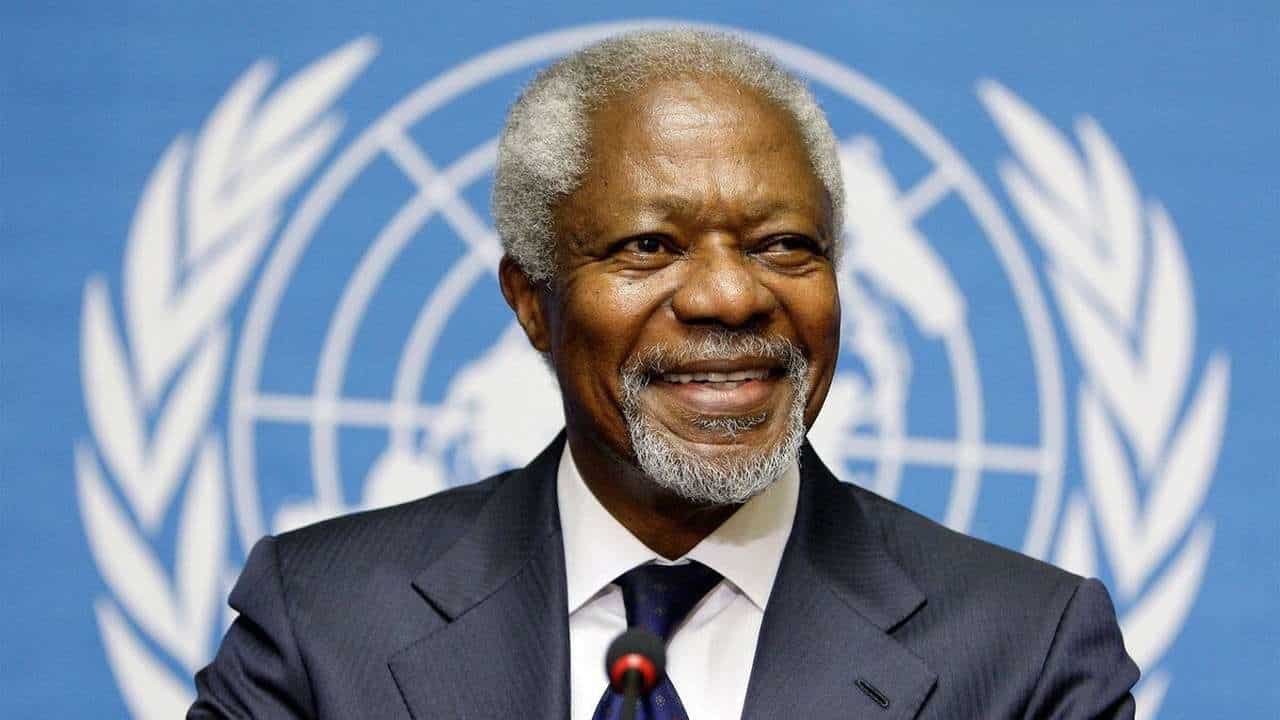
Kofi Annan’s legacy as a peace negotiator is rooted in a lifelong commitment to institutional diplomacy, shaped by his upbringing in colonial-era Ghana where governance, transition, and international influence intersected in complex ways. Born into an elite Akan family with strong political and administrative ties, Annan grew up observing the evolving structures of post-colonial statehood. These early experiences informed his belief that peace was not merely the absence of conflict, but the presence of functioning institutions capable of sustaining human dignity.
Annan’s career began within the United Nations system, where he steadily rose through administrative and peacekeeping roles. His breakthrough came when he was appointed UN Secretary-General in 1997, positioning him at the center of global conflict resolution during periods of intense geopolitical instability. The 1990s marked his peak influence, particularly through his leadership in addressing crises in Rwanda, the Balkans, and West Africa, where he emphasized diplomatic engagement over unilateral military intervention. His approach redefined the moral and operational scope of international peacekeeping.
His legacy is defined by institutional diplomacy and preventive peacebuilding. Annan transformed the United Nations into a more proactive mediator, strengthening global frameworks for conflict resolution and humanitarian coordination.
Key Facts
- Full name of the subject: Kofi Atta Annan
- Date of birth: April 8, 1938
- Place of birth: Kumasi, Gold Coast (now Ghana)
- Family background: Aristocratic Akan family with administrative heritage
- Early childhood experiences: Exposure to colonial governance systems and political transition
- Education history: Macalester College; MIT; Graduate Institute Geneva
- Influences and mentors: UN diplomats, international legal scholars, African independence leaders
- Career beginnings: Entry into United Nations administrative system
- Major achievements: UN Secretary-General; Nobel Peace Prize (2001)
- Challenges and obstacles faced: Global conflict crises and institutional limitations of the UN
- Turning points in life: Appointment as UN Secretary-General in 1997
- Contributions to society: Reformed peacekeeping and international mediation systems
- Personal life (marriage, children, relationships): Married to Nane Lagergren; children from first marriage
- Awards and recognitions: Nobel Peace Prize; global humanitarian honors
- Beliefs, values, or philosophy: Multilateralism, preventive diplomacy, human dignity
- Legacy and impact: Modernized global peacekeeping frameworks
- Historical or cultural significance: Symbol of African leadership in global diplomacy
Notable Works: UN peacekeeping reforms, Global Compact initiative, diplomatic mediation in conflict zones
Controversies: A notable controversy surrounding Kofi Annan involves criticisms of the United Nations’ response to the Rwandan Genocide in 1994 during his tenure as head of peacekeeping operations. The issue emerged within the broader context of UN operational limitations and member-state reluctance to authorize stronger intervention. Key stakeholders included UN peacekeeping forces, Security Council member states, Rwandan civilian populations, and international human rights organizations.
Critics argued that the UN’s failure to act decisively contributed to the scale of the humanitarian catastrophe, while Annan maintained that operational constraints and lack of political mandate from member states significantly limited intervention capacity. Subsequent UN internal reviews acknowledged systemic failures in intelligence, coordination, and rapid response mechanisms rather than attributing responsibility to a single individual.
The impact of this controversy led to major reforms in UN peacekeeping doctrine, particularly emphasizing the principle of “Responsibility to Protect.”
2. Jimmy Carter
Jimmy Carter’s evolution into one of the world’s most influential peace negotiators is deeply tied to his post-presidential humanitarian mission, shaped by his early experiences in rural Georgia where community values and public service defined civic life. Born into a peanut-farming family, Carter’s upbringing emphasized discipline, humility, and a strong sense of moral responsibility, which later became central to his diplomatic philosophy.
Carter’s career began in the U.S. Navy and later in state politics, culminating in his presidency. However, his breakthrough as a peace negotiator emerged after leaving office in 1981, when he founded the Carter Center and began engaging directly in international mediation. The 1990s marked his peak influence in global peace efforts, including election monitoring, conflict mediation in Haiti, North Korea nuclear discussions, and various African peace initiatives.
His legacy is defined by moral diplomacy and humanitarian mediation. Carter redefined the role of former heads of state, demonstrating that sustained peace negotiation could operate independently of formal governmental power.
Key Facts
- Full name of the subject: James Earl Carter Jr.
- Date of birth: October 1, 1924
- Place of birth: Plains, Georgia, United States
- Family background: Southern farming family
- Early childhood experiences: Agricultural upbringing during the Great Depression
- Education history: U.S. Naval Academy
- Influences and mentors: Religious ethics, naval leadership, civil rights movement
- Career beginnings: U.S. Navy officer; Georgia governor
- Major achievements: Camp David Accords; Carter Center humanitarian work
- Challenges and obstacles faced: Post-presidency political criticism; diplomatic limitations
- Turning points in life: Transition from presidency to global humanitarian work
- Contributions to society: Conflict mediation and election monitoring worldwide
- Personal life (marriage, children, relationships): Married Rosalynn Carter; four children
- Awards and recognitions: Nobel Peace Prize (2002)
- Beliefs, values, or philosophy: Human rights, nonviolence, democratic integrity
- Legacy and impact: Expanded role of non-governmental diplomacy
- Historical or cultural significance: Model of post-presidential humanitarian leadership
Notable Works: Camp David Accords mediation support, Carter Center election missions, global health initiatives
Controversies: A notable controversy surrounding Jimmy Carter involves debates over his post-presidential diplomatic engagements, particularly his independent negotiations with foreign governments outside official U.S. diplomatic channels. The issue emerged within the broader context of traditional state-controlled foreign policy protocols. Key stakeholders included the U.S. government, foreign state actors, diplomatic institutions, and international observers.
Critics argued that unsanctioned negotiations occasionally complicated official diplomatic efforts, while Carter maintained that humanitarian urgency justified direct engagement in conflict zones where formal diplomacy had stalled. U.S. administrations generally acknowledged his humanitarian contributions while reiterating the importance of coordinated foreign policy channels.
The impact of this controversy continues to shape discussions on the boundaries between private diplomacy and official statecraft.
3. Martti Ahtisaari

Martti Ahtisaari’s career reflects a methodical and highly structured approach to peace negotiation, shaped by his upbringing in post-war Finland, where national reconstruction and neutrality defined political culture. Born in Viipuri (then Finland), Ahtisaari experienced early displacement due to World War II, an experience that profoundly influenced his understanding of forced migration and conflict resolution.
Ahtisaari’s career began in Finland’s foreign service, where he specialized in international development and diplomatic assignments in Africa and the United Nations. His breakthrough came through his mediation efforts in Namibia’s independence process, where he played a central role in facilitating transition from South African administration to sovereign governance. The 1990s marked his peak influence, particularly in mediating conflicts in the Balkans, including Kosovo, where his negotiation framework became a model for modern peace processes.
His legacy is defined by structured conflict resolution methodology. Ahtisaari institutionalized negotiation frameworks that prioritize neutrality, verification mechanisms, and phased political transition.
Key Facts
- Full name of the subject: Martti Oiva Kalevi Ahtisaari
- Date of birth: June 23, 1937
- Place of birth: Viipuri, Finland
- Family background: Middle-class Finnish family
- Early childhood experiences: Displacement during World War II
- Education history: University of Oulu
- Influences and mentors: Finnish diplomatic tradition, UN mediation frameworks
- Career beginnings: Finnish Foreign Service
- Major achievements: Independence mediation in Namibia; Kosovo peace process
- Challenges and obstacles faced: Complex multi-party international conflicts
- Turning points in life: Appointment as UN special envoy in conflict regions
- Contributions to society: Structured modern peace negotiation models
- Personal life (marriage, children, relationships): Married Eeva Ahtisaari; one son
- Awards and recognitions: Nobel Peace Prize (2008)
- Beliefs, values, or philosophy: Neutral mediation, pragmatic diplomacy, structured negotiation
- Legacy and impact: Redefined modern international peace negotiation standards
- Historical or cultural significance: Key architect of post–Cold War peace settlements
Notable Works: Namibia independence negotiations, Kosovo peace framework, Aceh peace mediation groundwork
Controversies: A notable controversy surrounding Martti Ahtisaari involves debates over the perceived neutrality of his Kosovo peace proposal, particularly regarding its implications for state sovereignty and territorial integrity. The issue emerged within the broader post–Cold War restructuring of Balkan political systems. Key stakeholders included Serbian authorities, Kosovar Albanian leadership, NATO members, and United Nations representatives.
Critics argued that the proposal leaned toward de facto recognition of Kosovo independence, while Ahtisaari and supporting institutions maintained that the plan was designed as a pragmatic compromise reflecting on-the-ground realities. International legal analysts remain divided on whether the framework set a precedent for future unilateral declarations of independence.
The impact of this controversy continues to influence debates on self-determination and territorial sovereignty in international law.
4. Dag Hammarskjöld
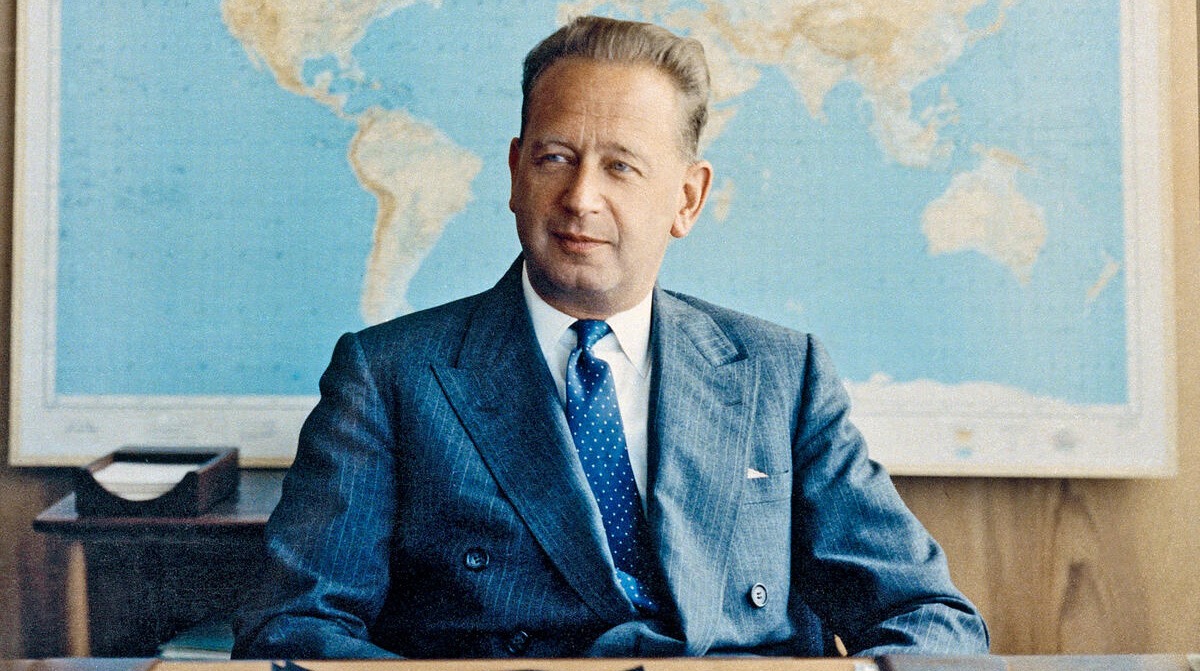
Dag Hammarskjöld’s rise to global diplomatic prominence is anchored in a disciplined intellectual upbringing shaped by Sweden’s tradition of neutrality and bureaucratic excellence. Born into an influential Swedish family of civil servants and academics, he grew up in an environment that emphasized moral responsibility, public service, and philosophical inquiry. These early influences later became central to his conception of peace as an active, structured responsibility of international institutions.
Hammarskjöld’s career began in Sweden’s Ministry of Finance, where his analytical rigor and administrative precision earned him rapid recognition. His breakthrough came with his appointment as Secretary-General of the United Nations in 1953, where he transformed the role into a proactive instrument of global mediation. The 1950s marked his peak influence, particularly during crises such as the Suez Crisis and early Cold War tensions in Africa, where he pioneered neutral peacekeeping operations under UN authority.
His legacy is defined by principled international neutrality and institutional courage. Hammarskjöld reshaped the United Nations into an active peace broker capable of intervening in geopolitical crises without direct alignment to major power blocs.
Key Facts
- Full name of the subject: Dag Hjalmar Agne Carl Hammarskjöld
- Date of birth: July 29, 1905
- Place of birth: Jönköping, Sweden
- Family background: Prominent Swedish political and academic family
- Early childhood experiences: Exposure to philosophy, governance, and civic responsibility
- Education history: Uppsala University; Stockholm University
- Influences and mentors: Swedish civil service tradition, international legal philosophy
- Career beginnings: Swedish Ministry of Finance
- Major achievements: UN Secretary-General; expansion of UN peacekeeping operations
- Challenges and obstacles faced: Cold War geopolitical pressure and decolonization conflicts
- Turning points in life: Appointment as UN Secretary-General in 1953
- Contributions to society: Strengthened neutral international peacekeeping systems
- Personal life (marriage, children, relationships): Never married
- Awards and recognitions: Posthumous Nobel Peace Prize (1961)
- Beliefs, values, or philosophy: Ethical diplomacy, institutional neutrality, moral responsibility
- Legacy and impact: Redefined UN peacekeeping as active conflict mediation
- Historical or cultural significance: Symbol of ethical international leadership
Notable Works: UN peacekeeping expansion, Suez Crisis mediation, Congo crisis involvement
Controversies: A notable controversy surrounding Dag Hammarskjöld involves debates over the circumstances of his death in a 1961 plane crash during a Congo peace mission and allegations regarding geopolitical involvement in UN operations. The issue emerged within the broader Cold War context and the UN’s intervention in the Congo crisis. Key stakeholders included United Nations personnel, Congolese authorities, Cold War superpowers, and international investigative bodies.
Critics and some historical researchers have questioned whether external interference or intelligence operations played a role in the crash, while official UN investigations have historically attributed the incident to aviation-related causes, though later inquiries have reopened aspects of the case. Hammarskjöld’s supporters and UN records emphasize the absence of conclusive evidence for external causation.
The impact of this controversy continues to influence UN transparency debates and historical investigations into peacekeeping operations.
5. Sadako Ogata
Sadako Ogata’s legacy as a peace negotiator is rooted in her academic grounding in international relations and her disciplined approach to humanitarian governance. Born in Tokyo during a period of pre-war militarization, she experienced early exposure to the consequences of global conflict, shaping her commitment to structured international cooperation and refugee protection.
Ogata’s career began in academia and Japan’s diplomatic advisory circles, where she specialized in international policy and humanitarian law. Her breakthrough came with her appointment as United Nations High Commissioner for Refugees in 1991, a role she held throughout a decade marked by massive global displacement, including crises in the Balkans, Rwanda, and Afghanistan. The 1990s represented her peak influence, as she restructured UNHCR operations to respond more rapidly and systematically to refugee emergencies.
Her legacy is defined by institutional humanitarian modernization. Ogata transformed refugee response systems into coordinated global frameworks capable of addressing large-scale displacement crises.
Key Facts
- Full name of the subject: Sadako Ogata
- Date of birth: September 16, 1927
- Place of birth: Tokyo, Japan
- Family background: Academic and professional Japanese family
- Early childhood experiences: Exposure to war and national reconstruction
- Education history: University of the Sacred Heart; Georgetown University; UC Berkeley (PhD)
- Influences and mentors: International law scholars, postwar reconstruction leaders
- Career beginnings: Academic and diplomatic advisory roles
- Major achievements: UN High Commissioner for Refugees (1991–2000)
- Challenges and obstacles faced: Mass global refugee crises and institutional limitations
- Turning points in life: Appointment as UNHCR High Commissioner
- Contributions to society: Modernized global refugee response systems
- Personal life (marriage, children, relationships): Married; children
- Awards and recognitions: International humanitarian awards
- Beliefs, values, or philosophy: Human security, structured humanitarian response, global cooperation
- Legacy and impact: Reformed global refugee protection systems
- Historical or cultural significance: Key architect of modern humanitarian governance
Notable Works: UNHCR reform initiatives, Balkan and African refugee response systems
Controversies: A notable controversy surrounding Sadako Ogata involves debates over the UNHCR’s operational responses during the 1990s refugee crises, particularly regarding resource allocation and prioritization in large-scale humanitarian emergencies. The issue emerged within the broader context of rapidly escalating displacement in conflict zones such as Rwanda and the Balkans. Key stakeholders included UN agencies, donor states, refugee populations, and humanitarian organizations.
Critics argued that limited resources and bureaucratic constraints led to uneven humanitarian coverage in certain crisis regions, while Ogata and UNHCR officials maintained that logistical and political barriers significantly restricted operational capacity. Independent humanitarian assessments generally recognize both structural limitations and significant institutional reforms introduced during her tenure.
The impact of this controversy continues to shape modern humanitarian logistics and refugee response coordination systems.
6. Sergio Vieira de Mello
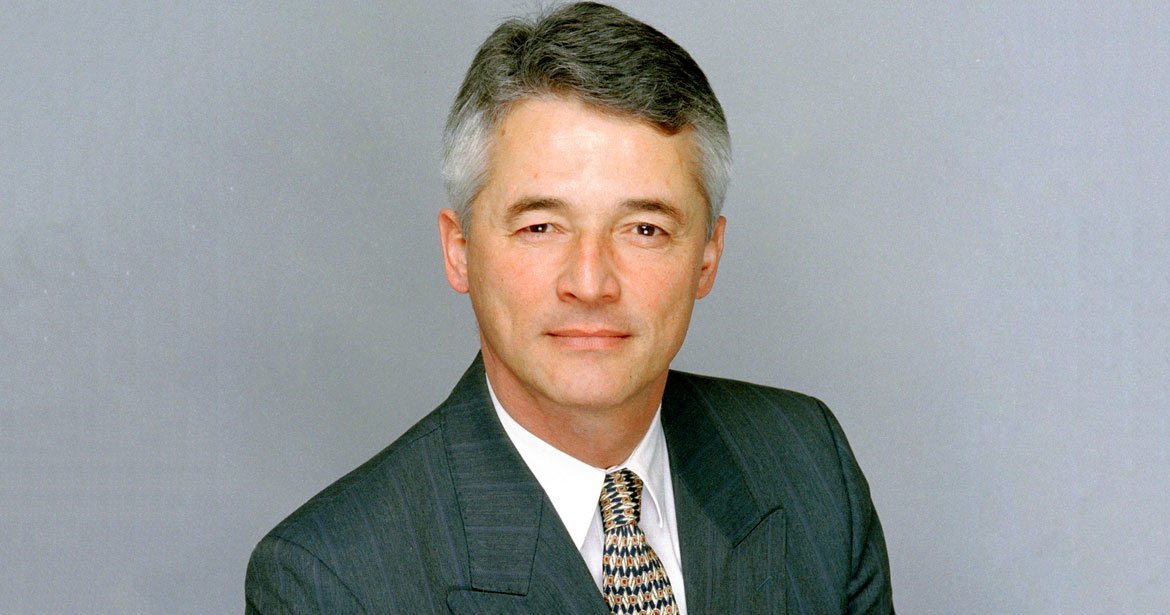
Sergio Vieira de Mello’s career reflects a deeply embedded commitment to field-based diplomacy, shaped by Brazil’s evolving role in international peace operations. Born in Rio de Janeiro, he grew up in a diplomatic household that exposed him early to multicultural environments and global political dynamics. This upbringing fostered his belief that peace negotiation required direct engagement with affected populations rather than distant diplomatic abstraction.
His career began with the United Nations High Commissioner for Refugees, where he served in field missions across conflict zones including Bangladesh, Sudan, and the Balkans. His breakthrough came as a UN envoy in East Timor, where he played a central role in guiding the territory toward independence following prolonged conflict. The 1990s marked his peak influence, as he became one of the UN’s most trusted field negotiators in volatile environments.
His legacy is defined by frontline diplomacy. Vieira de Mello redefined peace negotiation as an immersive, on-the-ground practice requiring sustained engagement with local actors.
Key Facts
- Full name of the subject: Sergio Vieira de Mello
- Date of birth: March 15, 1948
- Place of birth: Rio de Janeiro, Brazil
- Family background: Diplomatic and academic Brazilian family
- Early childhood experiences: Multicultural exposure due to diplomatic upbringing
- Education history: University of Paris (Philosophy)
- Influences and mentors: UN humanitarian leaders, existentialist philosophy
- Career beginnings: UNHCR field officer roles
- Major achievements: UN Special Representative in East Timor
- Challenges and obstacles faced: Conflict zone risks and complex multi-party negotiations
- Turning points in life: Leadership role in East Timor transition process
- Contributions to society: Advanced field-based peace negotiation methods
- Personal life (marriage, children, relationships): Married; two children
- Awards and recognitions: International humanitarian honors
- Beliefs, values, or philosophy: Human dignity, field engagement, pragmatic diplomacy
- Legacy and impact: Transformed UN field diplomacy practices
- Historical or cultural significance: Icon of modern humanitarian negotiation strategy
Notable Works: East Timor independence negotiations, UNHCR field missions, Iraq humanitarian coordination
Controversies: A notable controversy surrounding Sergio Vieira de Mello involves debates over the adequacy of UN security protocols in high-risk mission environments, particularly prior to the 2003 Baghdad Canal Hotel bombing in which he was killed. The issue emerged within the broader context of escalating violence against international organizations operating in Iraq. Key stakeholders included UN security services, coalition forces, insurgent groups, and international humanitarian agencies.
Critics argued that UN operational security measures were insufficient given the known risks in the region, while UN officials maintained that evolving conflict conditions made comprehensive threat prediction extremely difficult. Subsequent UN reviews led to strengthened security protocols for field missions worldwide.
The impact of this controversy significantly reshaped UN field security doctrine and risk assessment frameworks.
7. George Mitchell
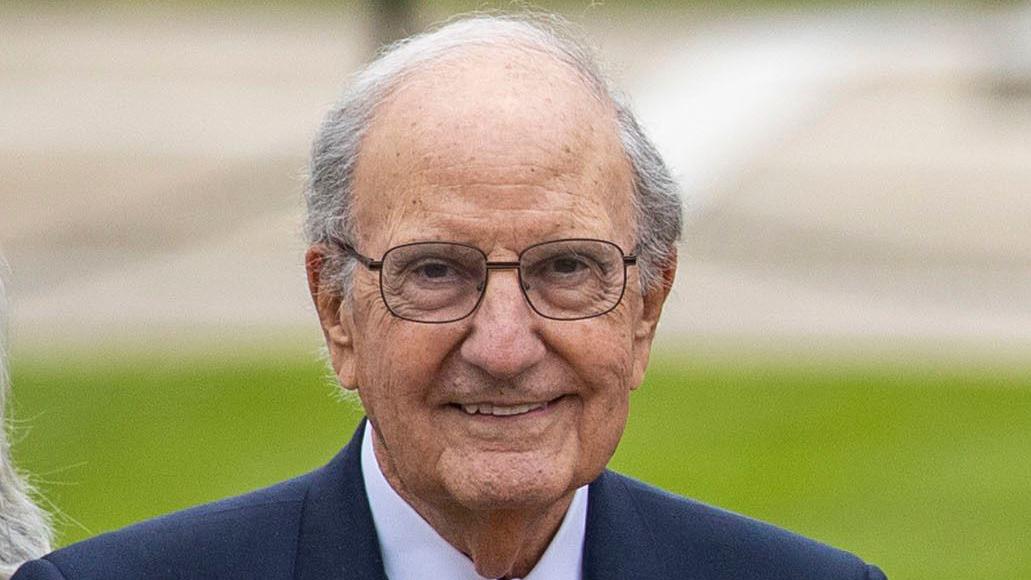
George Mitchell’s diplomatic legacy is grounded in methodical negotiation strategy shaped by his upbringing in the United States, where his early life in a working-class immigrant family instilled an understanding of conflict, compromise, and institutional fairness. Born in Maine to a Lebanese immigrant father and Irish-American mother, Mitchell’s formative years were defined by exposure to cultural pluralism and economic hardship.
Mitchell’s career began in law and public service, eventually entering U.S. politics as a senator. His breakthrough as a peace negotiator came when he was appointed Special Envoy for Northern Ireland, where he led one of the most successful conflict resolution processes of the late 20th century. The 1990s marked his peak influence with the Good Friday Agreement, which established a framework for political stability and shared governance in Northern Ireland.
His legacy is defined by structured consensus-building. Mitchell demonstrated that sustained negotiation and institutional compromise can resolve deeply entrenched political conflicts.
Key Facts
- Full name of the subject: George John Mitchell
- Date of birth: August 20, 1933
- Place of birth: Waterville, Maine, United States
- Family background: Working-class immigrant family (Lebanese and Irish heritage)
- Early childhood experiences: Exposure to cultural diversity and economic hardship
- Education history: Bowdoin College; Georgetown University Law Center
- Influences and mentors: U.S. legal system, civil rights movement, bipartisan politics
- Career beginnings: Law practice and U.S. Senate service
- Major achievements: Good Friday Agreement negotiations in Northern Ireland
- Challenges and obstacles faced: Deep sectarian conflict and political distrust
- Turning points in life: Appointment as Northern Ireland peace envoy
- Contributions to society: Facilitated major peace agreement in Northern Ireland
- Personal life (marriage, children, relationships): Married; children
- Awards and recognitions: Presidential Medal of Freedom
- Beliefs, values, or philosophy: Consensus-building, legal frameworks, pragmatic diplomacy
- Legacy and impact: Model for modern political peace negotiations
- Historical or cultural significance: Key architect of Northern Ireland peace process
Notable Works: Good Friday Agreement mediation, Middle East peace advisory roles
Controversies: A notable controversy surrounding George Mitchell involves debates over the implementation complexities and delayed enforcement phases of the Good Friday Agreement. The issue emerged within the broader context of Northern Ireland’s transitional peace process following decades of sectarian conflict. Key stakeholders included British and Irish governments, Northern Irish political parties, and paramilitary-linked communities.
Critics argued that certain provisions were implemented unevenly or experienced delays due to political resistance, while Mitchell and other mediators maintained that phased implementation was necessary to maintain fragile consensus. Independent evaluations generally regard the agreement as a successful framework despite operational challenges.
The impact of this controversy continues to inform modern peace process design and transitional governance models.
8. Lakhdar Brahimi
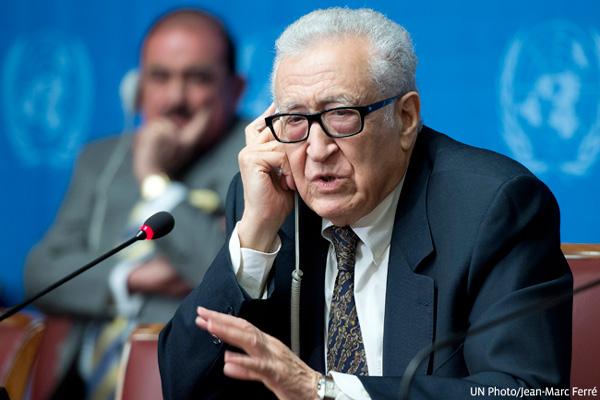
Lakhdar Brahimi’s diplomatic identity was forged in the intersection of colonial transition and post-independence state formation in Algeria. Born during French colonial rule, he grew up amid anti-colonial sentiment and political restructuring, which deeply influenced his understanding of sovereignty, negotiation, and the fragility of peace in post-conflict societies. His early worldview was shaped by witnessing both liberation struggle and the challenges of nation-building.
Brahimi’s career began in Algeria’s diplomatic service shortly after independence, where he quickly became involved in international representation and multilateral diplomacy. His breakthrough came through his extensive work with the United Nations and Arab League, where he mediated conflicts across Lebanon, Afghanistan, and Iraq. The 1990s marked his peak influence, particularly during his role in Afghanistan peace efforts and regional conflict mediation, where his pragmatic negotiation style earned global recognition.
His legacy is defined by adaptive diplomacy in fractured political environments. Brahimi demonstrated that effective peace negotiation requires cultural fluency, institutional patience, and sustained engagement across divided political landscapes.
Key Facts
- Full name of the subject: Lakhdar Brahimi
- Date of birth: January 1, 1934
- Place of birth: El Azizia, Algeria
- Family background: Algerian family under French colonial rule
- Early childhood experiences: Exposure to colonial conflict and nationalist movements
- Education history: University of Algiers
- Influences and mentors: Algerian independence movement, Arab diplomatic traditions
- Career beginnings: Algerian foreign diplomatic service
- Major achievements: UN and Arab League peace mediation roles
- Challenges and obstacles faced: Multi-party conflicts in Lebanon, Afghanistan, and Iraq
- Turning points in life: Senior UN diplomatic appointments in conflict zones
- Contributions to society: Advanced multilateral peace negotiation frameworks
- Personal life (marriage, children, relationships): Married; children
- Awards and recognitions: International diplomatic honors
- Beliefs, values, or philosophy: Pragmatic diplomacy, cultural sensitivity, negotiated settlement
- Legacy and impact: Key architect of modern conflict mediation in the Middle East
- Historical or cultural significance: Influential figure in post-colonial diplomatic systems
Notable Works: Afghanistan peace mediation, Arab League diplomatic initiatives, UN special envoy missions
Controversies: A notable controversy surrounding Lakhdar Brahimi involves debates over the effectiveness and political neutrality of UN-mediated negotiations in complex multi-faction conflicts such as Afghanistan. The issue emerged within the broader context of competing regional and international interests in post–Cold War conflict resolution. Key stakeholders included UN agencies, regional governments, Afghan political factions, and international military actors.
Critics argued that mediation frameworks sometimes struggled to ensure inclusive representation of all political factions, while Brahimi and UN officials maintained that negotiations required prioritization of viable political pathways to achieve ceasefire agreements. Academic and policy analyses remain divided on whether broader inclusion would have improved long-term stability.
The impact of this debate continues to shape modern UN mediation strategies in fragmented conflict zones.
9. Sadako Ogata
Sadako Ogata’s peace negotiation legacy is grounded in disciplined humanitarian governance shaped by Japan’s post-war reconstruction and international reintegration. Born in Tokyo, she experienced the aftermath of World War II during her formative years, an environment that deeply influenced her commitment to global stability, refugee protection, and institutional cooperation.
Ogata’s career began in academia and foreign policy advisory roles, where she developed expertise in international relations and humanitarian law. Her breakthrough came with her appointment as United Nations High Commissioner for Refugees, where she led large-scale responses to displacement crises during the 1990s, including conflicts in the Balkans, Rwanda, and Afghanistan. This decade marked her peak influence, as she transformed UNHCR into a more operationally responsive institution.
Her legacy is defined by humanitarian system modernization. Ogata restructured global refugee response mechanisms to better address mass displacement in real time.
Key Facts
- Full name of the subject: Sadako Ogata
- Date of birth: September 16, 1927
- Place of birth: Tokyo, Japan
- Family background: Educated Japanese family with diplomatic ties
- Early childhood experiences: Post-war reconstruction environment
- Education history: University of the Sacred Heart; Georgetown University; UC Berkeley (PhD)
- Influences and mentors: Post-war international legal scholars, humanitarian institutions
- Career beginnings: Academic and UN advisory roles
- Major achievements: UN High Commissioner for Refugees (1991–2000)
- Challenges and obstacles faced: Global refugee crises and institutional limitations
- Turning points in life: Leadership of UNHCR during major humanitarian emergencies
- Contributions to society: Reformed global refugee response systems
- Personal life (marriage, children, relationships): Married; children
- Awards and recognitions: International humanitarian honors
- Beliefs, values, or philosophy: Human security, structured global cooperation
- Legacy and impact: Transformed modern refugee protection systems
- Historical or cultural significance: Key architect of modern humanitarian diplomacy
Notable Works: UNHCR reform initiatives, Balkan refugee crisis response, Rwanda humanitarian coordination
Controversies: A notable controversy surrounding Sadako Ogata involves debates over the UNHCR’s operational capacity and decision-making during large-scale refugee crises in the 1990s, particularly in Rwanda and the Balkans. The issue emerged within the broader context of rapidly escalating humanitarian emergencies and limited international funding commitments. Key stakeholders included UN agencies, donor states, displaced populations, and humanitarian NGOs.
Critics argued that resource constraints and prioritization decisions led to uneven assistance delivery in certain regions, while Ogata and UNHCR leadership maintained that operational limitations and security constraints significantly shaped response capabilities. Independent humanitarian reviews generally acknowledged both systemic constraints and substantial institutional improvements introduced under her leadership.
The impact of this debate continues to inform modern humanitarian logistics and crisis response frameworks.
Notable Mentions:
Henry Kissinger
Nelson Mandela
Ralph Bunche
Ahtisaari Martti
Mediators Without Borders Collective