
Top 10 Skyscraper and Commercial Building Architects in North America
Top 10 Skyscraper and Commercial Building Architects in North America
In This Content
Quick List
Chris Cooper (United States)
James von Klemperer (United States)
Mustafa Abadan (United States)
Keith Boswell (United States)
Brian Lee (United States)
Richard Tomasetti (United States)
David Malott (United States)
Kenneth Drucker (United States)
Mark Sarkisian (United States)
Scott Duncan (United States)
1. Chris Cooper
Chris Cooper emerged during a transformative era in American commercial architecture, when the identity of the skyscraper was evolving beyond simple corporate functionality into a more complex symbol of urban reinvention and global economic ambition. Raised in the United States within an environment shaped by rapid metropolitan growth and expanding business districts, Cooper developed an early fascination with how architecture influenced both economic activity and civic identity. His formative years coincided with a period in which American skylines were increasingly defined by mixed-use towers, technologically advanced facades, and environmentally conscious design principles. This atmosphere helped shape his long-term belief that skyscrapers should function not merely as commercial instruments but as active contributors to the urban fabric surrounding them.
His educational and professional foundation reflected the increasingly interdisciplinary nature of contemporary architecture. Early in his career, Cooper distinguished himself through his understanding of how engineering systems, urban planning, and commercial development could intersect within large-scale projects. He entered professional practice at a time when corporate clients were demanding buildings that projected transparency, innovation, and sustainability simultaneously. Cooper’s ability to coordinate highly complex developments involving architects, engineers, planners, and developers quickly established him as a respected figure within North America’s competitive commercial architecture landscape.
Cooper’s breakthrough influence expanded through his involvement in major mixed-use developments and commercial skyscraper projects across leading urban centers. His design philosophy emphasized clarity, efficiency, and integration with surrounding public infrastructure. Rather than pursuing visually excessive architectural statements, he focused on creating buildings that balanced elegance with operational intelligence. His projects frequently incorporated energy-efficient systems, adaptable office environments, and public-access spaces designed to strengthen connections between commercial activity and everyday city life. These qualities made his work particularly influential during an era when downtown revitalization and sustainable density became central priorities for major North American cities.
As his professional profile expanded, Cooper became increasingly associated with the modernization of commercial urbanism. He consistently argued that skyscrapers should evolve beyond isolated corporate monuments into interconnected civic environments capable of supporting social interaction, transportation accessibility, and environmental resilience. Through leadership roles within architectural organizations and collaborative planning initiatives, he contributed to broader discussions regarding the future of high-rise development in rapidly changing metropolitan regions.
Today, Chris Cooper’s legacy rests in his contribution to the evolution of contemporary commercial architecture as both an economic and civic force. His work reflects a generation of architects who redefined the skyscraper as a multifunctional urban system rather than a purely symbolic expression of corporate power. In doing so, he helped shape a more integrated and environmentally conscious model of North American urban development.
Key Facts
- Full name of the subject: Chris Cooper
- Date of birth: Not publicly documented
- Place of birth: United States
- Family background: Raised within an American urban and academically oriented environment
- Early childhood experiences: Developed strong interests in city infrastructure and architectural design
- Education history: Studied architecture and urban systems in the United States
- Influences and mentors: Influenced by sustainable urbanism and modern commercial architecture
- Career beginnings: Began career working on commercial and mixed-use urban developments
- Major achievements: Led influential commercial skyscraper and urban redevelopment projects
- Challenges and obstacles faced: Navigated evolving sustainability and urban-density regulations
- Turning points in life: Participation in transformative downtown projects elevated his professional influence
- Contributions to society: Promoted environmentally integrated commercial urbanism
- Personal life (marriage, children, relationships): Maintains a relatively private personal life
- Awards and recognitions: Recognized within commercial architecture and urban planning circles
- Beliefs, values, or philosophy: Believes commercial buildings should contribute positively to public life
- Legacy and impact: Influenced sustainable and integrated high-rise development strategies
- Historical or cultural significance: Represents the evolution of modern American commercial architecture
Notable Works: Commercial skyscrapers, mixed-use urban developments, downtown revitalization projects, sustainable office towers
Controversies: Cooper’s involvement in large-scale downtown redevelopment projects occasionally generated criticism from housing advocates and preservation groups concerned about the social consequences of rapid commercial expansion. In certain cities, critics argued that high-profile commercial towers contributed to rising property values, increased gentrification pressures, and the displacement of long-standing communities. Preservation advocates also questioned whether some redevelopment initiatives sufficiently protected historical urban character. Cooper and associated development teams consistently maintained that large-scale commercial investment generated employment opportunities, infrastructure improvements, and broader economic revitalization. Urban analysts generally viewed these disputes as reflections of broader policy tensions surrounding metropolitan growth rather than allegations of professional misconduct or ethical violations directly associated with Cooper himself.
2. James von Klemperer
James von Klemperer emerged as one of the most internationally respected American architects during a period when commercial architecture was becoming increasingly globalized in both scale and influence. Raised in the United States within an intellectually engaged environment that valued art, culture, and urban development, von Klemperer developed an early appreciation for architecture’s ability to shape civic identity and institutional prestige. His formative years coincided with the expansion of multinational corporations and financial centers, an era in which skyscrapers evolved into symbols of global connectivity and economic power. This environment profoundly influenced his understanding of architecture as both cultural expression and strategic urban infrastructure.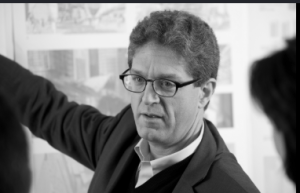
His early education and professional development reflected the rigorous design traditions associated with leading American architectural institutions. Von Klemperer entered the profession during a transformative period in which sustainability, technology, and international collaboration were rapidly reshaping commercial architecture. Early in his career, he became known for combining refined modernist aesthetics with highly sophisticated urban planning principles. His projects frequently demonstrated careful attention to proportion, public space integration, and environmental performance, qualities that distinguished his work within an increasingly competitive global marketplace.
Von Klemperer’s breakthrough influence expanded through leadership on internationally recognized skyscrapers, mixed-use developments, and corporate headquarters. His commercial projects often emphasized transparency, openness, and contextual integration rather than purely monumental scale. He became associated with a polished architectural language that balanced corporate authority with urban sophistication. As North American and international cities competed for global investment, his buildings helped redefine how commercial towers could function as civic landmarks while still meeting highly complex operational demands. His work attracted multinational corporations seeking architectural identities capable of projecting innovation, stability, and international relevance simultaneously.
Over time, von Klemperer became an influential voice within discussions surrounding sustainable urban density and the future of commercial cities. He consistently advocated for architecture that prioritized long-term urban value over short-term visual spectacle. This philosophy resonated strongly in cities confronting environmental pressures, transportation challenges, and evolving workplace dynamics. Through public speaking, academic involvement, and major urban commissions, he contributed significantly to contemporary thinking regarding the social and environmental responsibilities of commercial architecture.
Today, James von Klemperer’s legacy extends beyond individual towers into the broader evolution of global commercial urbanism. His projects demonstrate how skyscrapers can maintain architectural elegance and institutional presence while also contributing meaningfully to public space, sustainability, and urban cohesion. His influence continues to shape commercial architecture throughout North America and internationally.
Key Facts
- Full name of the subject: James von Klemperer
- Date of birth: 1957
- Place of birth: United States
- Family background: Raised within an intellectually and culturally engaged American environment
- Early childhood experiences: Developed strong interests in architecture, art, and metropolitan environments
- Education history: Studied architecture at Princeton University
- Influences and mentors: Influenced by modernist architecture and international urban design movements
- Career beginnings: Began career within globally recognized architectural practices
- Major achievements: Led internationally acclaimed commercial and skyscraper developments
- Challenges and obstacles faced: Balanced global commercial demands with sustainability priorities
- Turning points in life: Leadership on landmark international projects elevated global recognition
- Contributions to society: Advanced sustainable and publicly integrated commercial architecture
- Personal life (marriage, children, relationships): Maintains a relatively private personal life
- Awards and recognitions: Received major architectural awards and international recognition
- Beliefs, values, or philosophy: Believes architecture should combine elegance, sustainability, and civic value
- Legacy and impact: Influenced contemporary international commercial skyscraper design
- Historical or cultural significance: Represents American leadership in global commercial architecture
Notable Works: International skyscrapers, mixed-use developments, corporate headquarters, urban master plans
Controversies: Von Klemperer’s involvement in major global commercial developments occasionally became associated with debates concerning the increasing homogenization of international skylines and the influence of multinational corporate architecture on local urban identity. Critics argued that globally branded commercial towers sometimes weakened regional architectural distinctiveness and accelerated luxury-driven urban redevelopment. Community advocates in certain cities also questioned whether large-scale commercial investment sufficiently benefited local populations. Von Klemperer consistently defended contextual design integration and argued that international architecture could coexist with cultural sensitivity when approached responsibly. Industry observers generally regarded these controversies as reflective of broader globalization debates rather than evidence of unethical conduct or professional impropriety.
3. Mustafa Abadan
Mustafa Abadan’s architectural journey reflects the increasingly international character of North American commercial architecture during the late twentieth and early twenty-first centuries. Raised within a culturally diverse environment influenced by both global modernism and American metropolitan growth, Abadan developed an early fascination with cities as centers of economic power, cultural exchange, and technological innovation. His formative years coincided with the emergence of increasingly ambitious skyscraper construction across the United States and abroad, shaping his long-term interest in large-scale commercial architecture capable of projecting institutional confidence while adapting to rapidly evolving urban realities.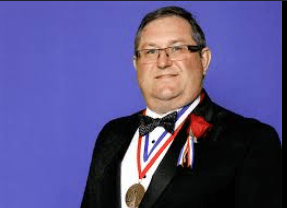
His educational and professional beginnings reflected a strong emphasis on design precision, technical coordination, and interdisciplinary collaboration. Early in his career, Abadan became recognized for his ability to navigate the complexities of major commercial developments involving developers, engineers, municipal authorities, and multinational corporations. He entered practice during a period when skyscrapers were no longer viewed merely as vertical office structures but as multifunctional urban systems integrating hospitality, retail, public space, and transportation infrastructure. This changing environment allowed Abadan to establish himself as an architect capable of balancing commercial ambition with sophisticated urban integration.
Abadan’s breakthrough influence expanded through his leadership on major high-rise developments and mixed-use projects across North America and internationally. His work frequently emphasized structural clarity, efficient spatial organization, and refined modernist aesthetics. Rather than relying on theatrical visual gestures, he cultivated a design philosophy centered on proportion, technical excellence, and urban functionality. His projects became associated with a form of contemporary corporate architecture that projected stability and innovation simultaneously, qualities highly valued by institutional and commercial clients operating within competitive global markets.
As his influence grew, Abadan became increasingly engaged in discussions regarding the future of commercial architecture in dense urban environments. He argued consistently that skyscrapers should contribute to long-term city resilience by integrating sustainability, adaptability, and public accessibility into their core design strategies. This perspective became especially relevant as North American cities confronted rising environmental concerns, evolving workplace cultures, and increasing demands for mixed-use urban development. Through leadership roles and collaborative initiatives, Abadan helped advance more integrated approaches to high-rise planning and commercial architecture.
Today, Mustafa Abadan’s legacy rests in his contribution to the evolution of modern skyscraper architecture as both a technical and civic enterprise. His work reflects a broader transformation within commercial architecture toward buildings that balance institutional prestige with environmental responsibility and urban connectivity. His influence remains visible in contemporary discussions surrounding the future of dense metropolitan development.
Key Facts
- Full name of the subject: Mustafa Abadan
- Date of birth: Not publicly documented
- Place of birth: United States
- Family background: Raised within a culturally diverse and internationally influenced environment
- Early childhood experiences: Developed interests in urban systems, engineering, and modern architecture
- Education history: Studied architecture and commercial design in the United States
- Influences and mentors: Influenced by international modernism and sustainable urban development
- Career beginnings: Began career within large commercial architectural practices
- Major achievements: Led major mixed-use and skyscraper developments internationally
- Challenges and obstacles faced: Managed increasingly complex sustainability and urban planning demands
- Turning points in life: Participation in internationally recognized skyscraper projects elevated his professional profile
- Contributions to society: Advanced integrated and environmentally conscious commercial architecture
- Personal life (marriage, children, relationships): Maintains a relatively private personal life
- Awards and recognitions: Recognized internationally within commercial and skyscraper architecture circles
- Beliefs, values, or philosophy: Believes skyscrapers must balance efficiency, adaptability, and urban responsibility
- Legacy and impact: Influenced contemporary approaches to mixed-use high-rise architecture
- Historical or cultural significance: Represents the globalization of North American commercial architecture
Notable Works: Commercial skyscrapers, mixed-use developments, international corporate towers, urban redevelopment projects
Controversies: Abadan’s projects occasionally became subjects of debate concerning the environmental and social implications of luxury-oriented commercial development in rapidly expanding urban districts. Critics argued that certain large-scale mixed-use developments risked prioritizing corporate and investor interests over broader community affordability and inclusivity. Environmental groups also questioned the long-term sustainability claims associated with some high-density projects, particularly regarding construction materials and energy demands. Abadan and collaborating development teams consistently emphasized technological innovation, operational efficiency, and transit-oriented planning as mitigating factors supporting long-term urban sustainability. Public scrutiny surrounding his work largely reflected broader structural debates about urban growth and commercial real-estate development rather than allegations of professional misconduct or ethical violations.
4. Keith Boswell
Keith Boswell emerged as one of the most technically sophisticated voices in American commercial architecture during an era when skyscrapers were increasingly defined by environmental performance, structural innovation, and global urban competition. Raised in the United States during a period of rapid metropolitan transformation, Boswell developed an early fascination with how engineering and architecture could merge to shape the modern skyline. His formative experiences coincided with the rise of technologically advanced commercial towers and the globalization of architectural practice, influences that would later define his professional philosophy. Rather than viewing skyscrapers solely as aesthetic statements, Boswell approached them as highly integrated systems requiring coordination between design, engineering, sustainability, and urban infrastructure.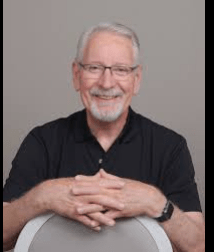
His academic and professional beginnings reflected this multidisciplinary orientation. Early in his career, Boswell became recognized for his ability to manage highly complex projects involving architects, engineers, developers, and municipal planning authorities. He entered the profession during a transformative period when digital technologies and environmental standards were fundamentally reshaping commercial construction. While many firms focused primarily on visual branding, Boswell distinguished himself through his emphasis on performance-driven architecture, particularly in the areas of structural efficiency, sustainability, and high-rise operational functionality.
Boswell’s breakthrough influence expanded through leadership on major commercial skyscrapers and mixed-use developments across North America and internationally. His projects often emphasized advanced engineering integration, energy performance, and urban connectivity while still maintaining strong architectural identities. He became particularly associated with towers that balanced sleek contemporary aesthetics with rigorous environmental and technical standards. As cities increasingly competed for investment and global recognition, Boswell’s work demonstrated how commercial architecture could project innovation while also responding responsibly to evolving environmental realities.
As his influence expanded, Boswell became an important advocate for resilient urban design and environmentally responsive skyscraper development. He argued consistently that the future of commercial architecture depended upon adaptability, technological intelligence, and reduced environmental impact. This perspective gained increasing relevance as North American cities confronted climate pressures, energy demands, and changing workplace expectations. Through public lectures, professional leadership, and large-scale urban collaborations, Boswell contributed significantly to advancing sustainable high-rise practices within the architectural industry.
Today, Keith Boswell’s legacy rests in his role as an architect who helped redefine skyscrapers as environmentally intelligent urban systems rather than purely symbolic corporate monuments. His work reflects the evolution of North American commercial architecture toward a model emphasizing resilience, technical sophistication, and long-term sustainability. His influence continues to shape contemporary high-rise development throughout major metropolitan centers.
Key Facts
- Full name of the subject: Keith Boswell
- Date of birth: Not publicly documented
- Place of birth: United States
- Family background: Raised within an American environment emphasizing technical and academic achievement
- Early childhood experiences: Developed interests in engineering, urban systems, and architectural design
- Education history: Studied architecture and environmental systems in the United States
- Influences and mentors: Influenced by modernist skyscraper design and sustainable engineering philosophies
- Career beginnings: Began career working on large-scale commercial and mixed-use projects
- Major achievements: Led internationally recognized skyscraper and sustainable urban developments
- Challenges and obstacles faced: Balanced sustainability demands with commercial development expectations
- Turning points in life: Leadership on high-profile skyscraper projects elevated his global reputation
- Contributions to society: Advanced environmentally responsive commercial architecture
- Personal life (marriage, children, relationships): Maintains a private personal life
- Awards and recognitions: Recognized internationally for skyscraper and sustainable design leadership
- Beliefs, values, or philosophy: Believes skyscrapers must function as intelligent and resilient urban systems
- Legacy and impact: Influenced sustainable commercial skyscraper design standards
- Historical or cultural significance: Represents the technological evolution of modern American high-rise architecture
Notable Works: Commercial skyscrapers, sustainable mixed-use towers, transit-oriented developments, environmentally integrated office complexes
Controversies: Boswell’s involvement in ambitious skyscraper developments occasionally generated debate regarding the environmental claims associated with large-scale commercial construction. Critics within sustainability advocacy circles argued that even highly efficient skyscrapers remained resource-intensive undertakings requiring significant embodied energy and construction materials. Others questioned whether certain high-profile commercial developments adequately addressed broader issues of affordability and social equity within rapidly transforming urban districts. Boswell and associated project teams consistently defended advanced environmental technologies and energy-performance strategies as essential steps toward reducing the long-term ecological impact of dense urban development. Most controversies surrounding his projects reflected broader industry-wide tensions concerning sustainability standards and urban growth policy rather than allegations of professional misconduct or ethical impropriety.
5. Brian Lee
Brian Lee emerged as one of the most influential architects in contemporary American commercial design during a period when cities across North America were redefining the role of high-rise architecture within rapidly evolving urban economies. Raised in the United States within an environment shaped by postwar modernization and expanding metropolitan skylines, Lee developed an early fascination with the visual and structural power of skyscrapers. His formative years coincided with the rise of globally competitive financial districts and increasingly sophisticated urban infrastructure, experiences that shaped his understanding of architecture as both economic instrument and civic symbol.
His educational and professional development reflected the growing complexity of large-scale commercial architecture. Early in his career, Lee became known for his ability to combine refined modernist aesthetics with highly functional urban planning strategies. He entered professional practice during a transformative period when commercial clients increasingly demanded buildings capable of projecting innovation, sustainability, and institutional authority simultaneously. Lee’s architectural philosophy emphasized precision, proportion, and contextual integration rather than superficial spectacle, qualities that helped establish his reputation within leading commercial architecture circles.
Lee’s breakthrough influence expanded through leadership on major corporate headquarters, mixed-use developments, and internationally recognized skyscrapers. His projects frequently emphasized elegant structural expression, efficient spatial organization, and sophisticated public integration. Rather than isolating commercial towers from surrounding urban life, he consistently explored how architecture could strengthen pedestrian engagement and civic interaction. His work became particularly influential in cities attempting to modernize business districts while preserving long-term urban functionality and cultural relevance.
As his influence expanded internationally, Lee became a leading advocate for sustainable commercial urbanism and technologically adaptive design. He argued that skyscrapers should evolve alongside changing workplace cultures, transportation systems, and environmental realities. This philosophy gained increasing importance during an era marked by climate concerns, remote work transitions, and growing demands for mixed-use urban density. Through major public commissions and international collaborations, Lee contributed significantly to reshaping contemporary expectations surrounding commercial architecture and high-rise planning.
Today, Brian Lee’s legacy rests in his ability to merge technical sophistication with architectural restraint and urban intelligence. His projects helped define a generation of North American skyscrapers that prioritized sustainability, contextual sensitivity, and long-term civic value alongside commercial ambition. His influence remains deeply embedded in the ongoing transformation of modern metropolitan skylines.
Key Facts
- Full name of the subject: Brian Lee
- Date of birth: Not publicly documented
- Place of birth: United States
- Family background: Raised within an American urban and academically engaged environment
- Early childhood experiences: Developed strong interests in skyscrapers and metropolitan development
- Education history: Studied architecture and urban systems in the United States
- Influences and mentors: Influenced by modernist commercial architecture and sustainable urban planning
- Career beginnings: Began career within major architectural firms specializing in commercial development
- Major achievements: Led internationally recognized skyscraper and mixed-use projects
- Challenges and obstacles faced: Balanced architectural innovation with commercial functionality demands
- Turning points in life: Leadership on landmark corporate towers expanded international recognition
- Contributions to society: Promoted sustainable and publicly integrated high-rise development
- Personal life (marriage, children, relationships): Maintains a relatively private personal life
- Awards and recognitions: Received recognition for leadership in commercial and skyscraper architecture
- Beliefs, values, or philosophy: Believes architecture should combine elegance, efficiency, and civic value
- Legacy and impact: Influenced contemporary commercial skyscraper design internationally
- Historical or cultural significance: Represents the globalization of American commercial architecture
Notable Works: Corporate headquarters, skyscrapers, mixed-use urban developments, international commercial towers
Controversies: Lee’s large-scale commercial developments occasionally became subjects of debate regarding the growing influence of multinational corporate architecture on local urban identity and affordability. Critics in certain cities argued that luxury-oriented high-rise districts contributed to escalating property values and increasing socioeconomic inequality. Preservation advocates also questioned whether some redevelopment projects adequately protected historic structures and neighborhood character. Lee and associated planning teams generally emphasized the economic benefits of commercial investment, including job creation, infrastructure improvements, and long-term urban revitalization. Independent analysts largely interpreted these disputes as broader urban policy debates rather than controversies directly attributable to professional misconduct or ethical failings on Lee’s part.
6. Richard Tomasetti
Richard Tomasetti became one of the defining engineering and structural design figures associated with modern skyscraper architecture in North America during a period of extraordinary technological advancement in commercial construction. Raised in the United States within an environment emphasizing analytical thinking and technical innovation, Tomasetti developed an early interest in how structures could shape human experience and urban possibility. His formative years coincided with the rise of increasingly ambitious skyscraper engineering, when cities sought taller, more efficient, and more resilient commercial buildings capable of symbolizing economic strength and technological progress.
Unlike many architects whose careers focused primarily on visual form, Tomasetti’s influence emerged through the integration of engineering precision with architectural ambition. Early in his career, he became recognized for his ability to collaborate closely with architects on structurally complex commercial towers and urban developments. During an era when skyscrapers were pushing new limits of height, sustainability, and seismic resilience, Tomasetti’s expertise became central to projects requiring both technical sophistication and aesthetic refinement. His work helped bridge the gap between visionary architectural concepts and practical engineering execution.
Tomasetti’s breakthrough influence expanded through his involvement in major commercial skyscrapers, mixed-use developments, and structurally advanced urban projects around the world. His contributions frequently focused on creating efficient structural systems capable of supporting ambitious architectural designs while meeting increasingly rigorous environmental and safety standards. He became associated with projects that demonstrated how engineering innovation could enable greater architectural flexibility, transparency, and sustainability. In doing so, Tomasetti played a crucial role in redefining how contemporary skyscrapers were conceived and constructed.
As his professional reputation expanded internationally, Tomasetti became a respected voice in conversations surrounding resilient urban infrastructure and climate-adaptive building systems. He consistently emphasized that the future of skyscraper development depended upon integrating structural intelligence with environmental responsibility. This perspective gained heightened relevance as cities confronted climate-related risks, population growth, and aging infrastructure challenges. Through research initiatives, professional leadership, and interdisciplinary collaboration, Tomasetti helped advance new standards for commercial building resilience and performance.
Today, Richard Tomasetti’s legacy rests in his profound influence on the engineering foundations of modern commercial architecture. His work demonstrated that structural innovation could serve not only technical necessity but also broader urban and environmental goals. By helping shape safer, more efficient, and more adaptable skyscrapers, he contributed significantly to the evolution of contemporary metropolitan development.
Key Facts
- Full name of the subject: Richard Tomasetti
- Date of birth: Not publicly documented
- Place of birth: United States
- Family background: Raised within a technically and academically oriented American environment
- Early childhood experiences: Developed interests in engineering, mathematics, and urban infrastructure
- Education history: Studied structural engineering and architecture-related disciplines in the United States
- Influences and mentors: Influenced by modern engineering pioneers and skyscraper innovation
- Career beginnings: Began career working on structurally complex commercial projects
- Major achievements: Helped engineer internationally recognized skyscrapers and commercial developments
- Challenges and obstacles faced: Managed increasingly complex safety and sustainability demands in high-rise construction
- Turning points in life: Participation in landmark skyscraper engineering projects elevated his international reputation
- Contributions to society: Advanced resilient and environmentally integrated skyscraper engineering
- Personal life (marriage, children, relationships): Maintains a private personal life
- Awards and recognitions: Widely recognized within structural engineering and commercial architecture fields
- Beliefs, values, or philosophy: Believes structural engineering must support sustainability and human safety
- Legacy and impact: Influenced modern skyscraper engineering and resilience standards
- Historical or cultural significance: Represents the technical evolution of contemporary commercial skyscrapers
Notable Works: Structural systems for skyscrapers, resilient commercial towers, mixed-use megaprojects, advanced engineering collaborations
Controversies: Tomasetti’s involvement in large-scale skyscraper engineering projects occasionally became associated with public scrutiny concerning structural safety, cost escalation, and environmental impact in major urban developments. Critics in some cases questioned whether increasingly ambitious skyscraper construction prioritized prestige over practical urban needs or sustainability objectives. Others debated the financial and ecological implications of supertall commercial towers in densely populated cities. Tomasetti and collaborating engineering teams consistently emphasized rigorous safety standards, technical oversight, and long-term infrastructure efficiency as central priorities in project development. Industry experts generally regarded these controversies as part of broader societal debates surrounding urban megaprojects rather than allegations of negligence or misconduct directly associated with Tomasetti.
7. David Malott
David Malott emerged as a significant figure in North American commercial architecture during a period when corporate development, urban density, and sustainability were rapidly redefining metropolitan skylines. Raised in the United States within an environment shaped by expanding business districts and evolving urban infrastructure, Malott developed an early appreciation for the relationship between architecture and economic transformation. His formative experiences coincided with a major shift in commercial design culture, where skyscrapers increasingly served not only as office environments but also as symbols of institutional identity and civic ambition.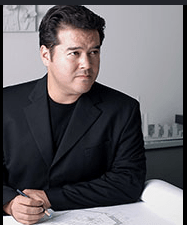
His educational and professional foundation reflected the growing integration of technology, sustainability, and urban planning within contemporary architecture. Early in his career, Malott became recognized for his ability to manage complex commercial projects balancing corporate functionality with environmental responsiveness. He entered practice during a period when commercial architecture was transitioning toward mixed-use density, pedestrian integration, and long-term operational efficiency. Rather than treating skyscrapers as isolated objects, Malott consistently emphasized their broader role within urban ecosystems and public infrastructure networks.
Malott’s breakthrough influence expanded through leadership on major commercial towers, mixed-use developments, and urban redevelopment initiatives across North America. His projects frequently emphasized transparency, public accessibility, and sustainable systems integration. He became associated with commercial architecture that projected institutional confidence while also responding to evolving social and environmental expectations. As cities increasingly sought developments capable of revitalizing downtown districts and attracting global investment, Malott’s work emerged as an example of commercially successful yet contextually responsive urban design.
As his professional profile expanded, Malott became increasingly engaged in conversations surrounding sustainable urban growth and the future of commercial districts. He consistently argued that architecture should contribute positively to civic life through improved public spaces, transit connectivity, and environmentally responsible construction. This philosophy aligned with broader shifts in North American urban planning as cities confronted congestion, climate pressures, and changing workplace dynamics. Through professional leadership and collaborative development initiatives, Malott contributed to the modernization of commercial architecture in major metropolitan regions.
Today, David Malott’s legacy lies in his contribution to a more integrated model of commercial urbanism. His work helped redefine how skyscrapers and mixed-use developments could support both economic vitality and long-term civic sustainability. His influence continues to shape contemporary approaches to urban commercial architecture throughout North America.
Key Facts
- Full name of the subject: David Malott
- Date of birth: Not publicly documented
- Place of birth: United States
- Family background: Raised within an American environment emphasizing education and urban development awareness
- Early childhood experiences: Developed interests in architecture, infrastructure, and city planning
- Education history: Studied architecture and urban systems in the United States
- Influences and mentors: Influenced by sustainable development and mixed-use urban planning philosophies
- Career beginnings: Began career within large commercial architectural practices
- Major achievements: Led major commercial and mixed-use redevelopment projects
- Challenges and obstacles faced: Balanced commercial profitability with sustainability and civic design expectations
- Turning points in life: Participation in transformative urban developments elevated industry recognition
- Contributions to society: Promoted sustainable and publicly engaged commercial architecture
- Personal life (marriage, children, relationships): Maintains a relatively private personal life
- Awards and recognitions: Recognized within commercial architecture and urban redevelopment sectors
- Beliefs, values, or philosophy: Believes architecture should strengthen urban connectivity and environmental responsibility
- Legacy and impact: Influenced integrated mixed-use and commercial development strategies
- Historical or cultural significance: Represents the evolution of sustainable commercial urbanism in North America
Notable Works: Commercial towers, mixed-use developments, sustainable urban redevelopment projects, corporate office complexes
Controversies: Malott’s involvement in large urban redevelopment initiatives occasionally generated criticism from community groups and housing advocates concerned about the social effects of rapid commercial expansion. In certain metropolitan districts, critics argued that mixed-use luxury developments accelerated rising housing costs and displaced long-standing residents and local businesses. Preservation advocates also questioned whether some redevelopment projects adequately protected historical character and public accessibility. Malott and associated development teams consistently emphasized the economic benefits of revitalization, including infrastructure investment, employment generation, and improved urban services. Public debates surrounding his projects were generally understood as part of larger policy conflicts regarding urban growth and commercial redevelopment rather than allegations of personal misconduct or professional wrongdoing.
8. Kenneth Drucker
Kenneth Drucker emerged as a major figure in North American commercial architecture during a period when urban skylines were undergoing profound transformation through globalization, technological advancement, and increasingly complex mixed-use development. Raised in the United States within an environment shaped by postwar metropolitan expansion and growing corporate influence, Drucker developed an early fascination with the structural and civic power of skyscrapers. His formative years coincided with the rise of modern business districts in major American cities, where architecture increasingly became intertwined with financial identity, urban branding, and institutional prestige. These influences shaped his belief that commercial architecture should operate simultaneously as infrastructure, civic statement, and long-term economic asset.
His educational and professional beginnings reflected the increasingly interdisciplinary demands of contemporary commercial development. Early in his career, Drucker became known for his ability to manage highly coordinated projects involving architects, engineers, urban planners, developers, and municipal authorities. Entering practice during an era when sustainability and urban density were becoming central architectural concerns, he developed a reputation for balancing commercial ambition with operational practicality and urban integration. His projects frequently emphasized efficient planning systems, environmental performance, and public accessibility rather than purely symbolic architectural spectacle.
Drucker’s breakthrough influence expanded through leadership on major commercial towers, mixed-use developments, and urban revitalization initiatives across North America. His architectural philosophy emphasized the importance of contextual responsiveness and long-term adaptability in large-scale commercial construction. Rather than designing towers as isolated corporate monuments, he consistently explored how skyscrapers could contribute positively to transportation systems, pedestrian activity, and surrounding public spaces. This approach became especially influential during a period when many American cities were seeking more sustainable and socially integrated models of downtown development.
As his professional reputation expanded, Drucker became increasingly associated with the modernization of corporate urbanism. He argued consistently that the future of skyscraper design depended on balancing technological innovation with civic responsibility and environmental resilience. This perspective gained heightened importance as cities confronted climate-related challenges, infrastructure strain, and changing workplace cultures. Through leadership roles, collaborative planning efforts, and large-scale development strategies, Drucker contributed significantly to evolving conversations surrounding the future of commercial cities in North America.
Today, Kenneth Drucker’s legacy rests in his contribution to a more integrated and sustainable vision of commercial architecture. His projects helped demonstrate that large-scale urban development could maintain economic competitiveness while also supporting environmental performance and public engagement. His influence remains visible in contemporary approaches to mixed-use commercial density and modern skyscraper planning.
Key Facts
- Full name of the subject: Kenneth Drucker
- Date of birth: Not publicly documented
- Place of birth: United States
- Family background: Raised within an American environment emphasizing education and professional achievement
- Early childhood experiences: Developed interests in urban skylines, infrastructure, and architecture
- Education history: Studied architecture and urban systems in the United States
- Influences and mentors: Influenced by modernist commercial architecture and sustainable urban planning
- Career beginnings: Began career working on large-scale commercial and mixed-use developments
- Major achievements: Led influential skyscraper and urban redevelopment projects
- Challenges and obstacles faced: Managed evolving sustainability standards and dense urban regulations
- Turning points in life: Participation in transformative downtown developments elevated professional recognition
- Contributions to society: Advanced sustainable and publicly integrated commercial urbanism
- Personal life (marriage, children, relationships): Maintains a relatively private personal life
- Awards and recognitions: Recognized within commercial architecture and urban planning sectors
- Beliefs, values, or philosophy: Believes commercial architecture should strengthen civic infrastructure and urban life
- Legacy and impact: Influenced modern mixed-use and high-rise development strategies
- Historical or cultural significance: Represents the evolution of contemporary American commercial urbanism
Notable Works: Commercial skyscrapers, mixed-use developments, downtown revitalization projects, sustainable office towers
Controversies: Drucker’s involvement in major urban redevelopment initiatives occasionally became part of public debates concerning gentrification, land-use priorities, and the increasing influence of private commercial investment in city planning. Community advocacy groups in certain metropolitan areas argued that large-scale redevelopment projects contributed to rising property values and social displacement, particularly in historically working-class neighborhoods. Preservation advocates also questioned whether some projects adequately protected historical architecture and neighborhood identity. Drucker and associated development teams generally maintained that commercial investment generated long-term economic growth, infrastructure modernization, and increased employment opportunities. Urban analysts frequently viewed these disputes as broader policy tensions surrounding metropolitan transformation rather than controversies involving professional misconduct or ethical violations directly attributable to Drucker himself.
9. Mark Sarkisian
Mark Sarkisian became one of the most influential structural engineering and skyscraper innovation figures in contemporary American architecture during an era defined by increasingly ambitious high-rise construction and environmental consciousness. Raised in the United States within an environment emphasizing technical education and scientific inquiry, Sarkisian developed an early fascination with how structural systems could shape both architectural expression and urban possibility. His formative years coincided with major technological advancements in commercial construction, a period when engineering innovation was allowing skyscrapers to reach unprecedented levels of height, efficiency, and sustainability.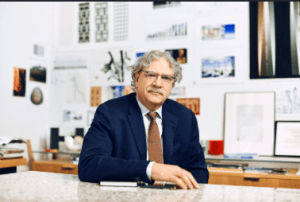
Unlike architects whose reputations centered primarily on visual design, Sarkisian’s influence emerged through the technical foundations that made modern commercial architecture possible. Early in his career, he became known for his expertise in structural engineering systems capable of supporting increasingly complex skyscraper designs. As commercial towers evolved into highly sophisticated urban systems integrating environmental technology, seismic resilience, and mixed-use functionality, Sarkisian established himself as one of the leading engineering minds capable of translating ambitious architectural concepts into technically viable realities.
His breakthrough influence expanded through involvement in internationally recognized skyscrapers, supertall towers, and advanced commercial developments across North America and globally. Sarkisian became particularly associated with innovative structural solutions emphasizing efficiency, resilience, and environmental responsiveness. His work often explored how engineering could reduce material consumption while improving performance and architectural flexibility. These contributions became increasingly significant as cities confronted climate pressures, seismic risks, and growing demands for sustainable urban density. Through his projects, Sarkisian helped redefine the technical standards governing modern high-rise construction.
As his professional profile expanded, Sarkisian became an influential advocate for performance-based skyscraper engineering and resilient urban infrastructure. He consistently argued that the future of commercial architecture depended upon deeper integration between engineering intelligence, environmental sustainability, and urban adaptability. This perspective resonated strongly within an industry increasingly focused on climate resilience, energy efficiency, and long-term structural performance. Through research initiatives, academic engagement, and interdisciplinary collaboration, he contributed significantly to shaping the next generation of commercial skyscraper engineering.
Today, Mark Sarkisian’s legacy rests in his transformative impact on the technical evolution of contemporary high-rise architecture. His work demonstrated that engineering innovation could serve not only structural necessity but also broader goals of sustainability, resilience, and architectural freedom. In doing so, he helped shape the future direction of commercial skyscraper development worldwide.
Key Facts
- Full name of the subject: Mark Sarkisian
- Date of birth: Not publicly documented
- Place of birth: United States
- Family background: Raised within an academically and technically oriented American environment
- Early childhood experiences: Developed strong interests in engineering, mathematics, and skyscraper structures
- Education history: Studied structural engineering and architecture-related disciplines in the United States
- Influences and mentors: Influenced by modern skyscraper engineering pioneers and sustainable design philosophies
- Career beginnings: Began career working on structurally complex commercial developments
- Major achievements: Engineered internationally recognized skyscrapers and advanced commercial towers
- Challenges and obstacles faced: Managed evolving safety, sustainability, and performance requirements in high-rise engineering
- Turning points in life: Participation in landmark supertall projects elevated international recognition
- Contributions to society: Advanced resilient and environmentally responsive skyscraper engineering systems
- Personal life (marriage, children, relationships): Maintains a private personal life
- Awards and recognitions: Widely recognized for leadership in structural engineering and skyscraper innovation
- Beliefs, values, or philosophy: Believes engineering must support sustainability, safety, and architectural creativity
- Legacy and impact: Influenced modern high-rise structural design standards globally
- Historical or cultural significance: Represents the technological advancement of contemporary skyscraper engineering
Notable Works: Structural systems for skyscrapers, supertall commercial towers, resilient mixed-use developments, innovative engineering collaborations
Controversies: Sarkisian’s involvement in highly ambitious supertall skyscraper projects occasionally became associated with criticism concerning the economic and environmental sustainability of extreme-height construction. Urban critics and environmental advocates argued that supertall towers sometimes prioritized prestige and global branding over practical urban needs, affordability, and ecological responsibility. Others questioned whether increasingly expensive engineering solutions diverted resources from broader infrastructure and housing priorities. Sarkisian and collaborating engineering teams consistently defended advanced structural systems and performance-driven design as essential for improving urban density, safety, and long-term sustainability in rapidly growing cities. Industry experts generally interpreted these debates as broader societal discussions regarding urban priorities rather than controversies involving professional negligence or misconduct.
10. Scott Duncan
Scott Duncan emerged as a prominent figure in North American commercial architecture during a period when sustainability, urban integration, and mixed-use density were reshaping the future of metropolitan development. Raised in the United States within an environment shaped by expanding cities and evolving commercial infrastructure, Duncan developed an early interest in how architecture could influence both economic growth and public life. His formative years coincided with a major transformation in American urbanism, as downtown districts increasingly shifted away from isolated office towers toward more integrated and pedestrian-oriented environments. These experiences helped shape his long-term belief that commercial architecture should contribute actively to civic vitality and urban sustainability.
His educational and professional beginnings reflected the interdisciplinary direction of contemporary architectural practice. Early in his career, Duncan became recognized for his ability to coordinate complex urban projects balancing commercial functionality with environmental and social considerations. Entering practice during an era marked by heightened awareness of climate change and infrastructure pressures, he developed a reputation for advocating sustainable design strategies within large-scale commercial developments. His projects frequently incorporated transit accessibility, energy-efficient systems, and public-oriented spaces designed to strengthen connections between buildings and surrounding neighborhoods.
Duncan’s breakthrough influence expanded through major commercial towers, mixed-use developments, and urban redevelopment initiatives across North America. His architectural philosophy emphasized adaptability, environmental performance, and long-term urban resilience. Rather than viewing skyscrapers as isolated corporate objects, he consistently explored how they could operate as integrated components within larger metropolitan ecosystems. This perspective became increasingly important as cities confronted rapid population growth, transportation demands, and changing workplace expectations. Duncan’s work helped demonstrate how commercial architecture could support economic competitiveness while also improving urban livability.
As his professional profile grew, Duncan became a leading advocate for sustainable commercial urbanism and collaborative city-building strategies. He argued that the future of skyscraper development depended on stronger relationships between architects, planners, policymakers, and local communities. This philosophy aligned closely with evolving urban priorities emphasizing inclusivity, environmental stewardship, and resilient infrastructure. Through public speaking, planning initiatives, and professional leadership, Duncan contributed significantly to advancing more holistic approaches to commercial architecture in North America.
Today, Scott Duncan’s legacy rests in his contribution to the modernization of commercial urban development as a socially and environmentally responsive practice. His projects helped redefine expectations surrounding high-rise architecture by demonstrating that commercial success and civic responsibility could coexist within ambitious urban environments. His influence remains visible in the continuing evolution of mixed-use metropolitan design.
Key Facts
- Full name of the subject: Scott Duncan
- Date of birth: Not publicly documented
- Place of birth: United States
- Family background: Raised within an American urban and academically engaged environment
- Early childhood experiences: Developed interests in cities, sustainability, and architectural systems
- Education history: Studied architecture and urban planning in the United States
- Influences and mentors: Influenced by sustainable urbanism and mixed-use development philosophies
- Career beginnings: Began career working on commercial and urban redevelopment projects
- Major achievements: Led influential mixed-use and sustainable commercial developments
- Challenges and obstacles faced: Balanced commercial development goals with sustainability and public engagement expectations
- Turning points in life: Leadership on transformative urban projects expanded professional recognition
- Contributions to society: Promoted environmentally responsive and publicly integrated commercial architecture
- Personal life (marriage, children, relationships): Maintains a relatively private personal life
- Awards and recognitions: Recognized within commercial architecture and sustainable urban design sectors
- Beliefs, values, or philosophy: Believes architecture must support environmental resilience and civic life
- Legacy and impact: Influenced integrated and sustainable approaches to commercial development
- Historical or cultural significance: Represents evolving sustainability priorities in American urban architecture
Notable Works: Commercial towers, mixed-use urban districts, sustainable redevelopment projects, transit-oriented developments
Controversies: Duncan’s involvement in major redevelopment and mixed-use projects occasionally generated criticism from community organizations concerned about urban displacement, affordability pressures, and the privatization of public space within commercial districts. Critics argued that some large-scale developments prioritized corporate investment and luxury real estate over the needs of long-standing residents and small businesses. Environmental groups also questioned whether certain sustainability claims fully accounted for construction-related environmental impacts. Duncan and associated development teams consistently maintained that integrated mixed-use density and transit-oriented planning were essential for reducing urban sprawl and supporting long-term economic resilience. Public scrutiny surrounding his projects generally reflected broader structural debates regarding contemporary urban redevelopment rather than allegations of professional misconduct or unethical behavior.
Notable Mentions
Nicole Dosso (United States)
Leo Alvarez (United States)
Paul Katz (United States)
James Parakh (Canada)
Barry Charnish (Canada)
Marianne McKenna (Canada)
Donald Schmitt (Canada)
Bruce Kuwabara (Canada)
Juan Carlos Baumgartner (Mexico)
Victor Legorreta (Mexico)