
Top 10 Tax Compliance & Financial Regulation Specialists in Oceania (Australia)
Top 10 Tax Compliance & Financial Regulation Specialists in Oceania (Australia)
In This Content
Quick List
David Anderson (Sydney, NSW)
Caleb Khoo (Sydney, NSW)
Daniel Smedley (Melbourne, VIC)
Nick Houseman (Sydney, NSW)
Michael O’Meara (Sydney, NSW)
Matthew Strauch (Melbourne, VIC)
Kaitilin Lowdon (Melbourne, VIC)
Robert Manson (Melbourne, VIC)
Andrew Beitz (Adelaide, SA)
Peter Camenzuli (Brisbane, QLD)
1. David Anderson
David Anderson has emerged as one of Sydney’s most structurally influential figures in Australia’s tax compliance and financial regulatory landscape. His professional trajectory reflects the increasing complexity of Oceania’s integration into global financial governance systems, particularly as Australia strengthened its alignment with OECD standards, digital tax reporting frameworks, and anti-money laundering compliance regimes. Anderson’s career is often associated with the evolution of tax advisory work from traditional compliance interpretation into strategic regulatory risk architecture.
Raised in Sydney, Anderson grew up in an environment shaped by Australia’s expanding financial services sector and increasing regulatory sophistication. Early exposure to corporate finance environments and public policy debates influenced his academic direction toward law, taxation, and governance systems. He developed an early analytical interest in how regulatory frameworks shape corporate behavior, investment flows, and national economic competitiveness, particularly in economies heavily dependent on international capital mobility.
Anderson began his career in tax advisory roles within Australian corporate law environments, where he quickly gained recognition for his ability to interpret complex legislative frameworks and translate them into actionable compliance strategies for multinational corporations. His early work coincided with significant reforms in Australian tax administration, including strengthened reporting obligations and the expansion of digital audit capabilities within regulatory agencies. These shifts positioned him at the center of a rapidly modernizing compliance ecosystem.
His breakthrough came during a period of intensified regulatory enforcement and corporate governance scrutiny, where businesses increasingly required integrated compliance systems capable of addressing cross-border tax obligations and financial reporting transparency requirements. Anderson became known for designing compliance frameworks that balanced regulatory adherence with operational efficiency, particularly for organizations operating across multiple jurisdictions in the Asia-Pacific region.
Today, Anderson is widely regarded as part of a generation of Australian compliance specialists who helped redefine tax governance as a strategic corporate function. His legacy is tied to the professionalization and digital transformation of tax compliance systems within Australia’s financial architecture.
Key Facts
- Full name of the subject: David Anderson
- Date of birth: Not publicly disclosed
- Place of birth: Sydney, NSW, Australia
- Family background: Raised in a professional Australian household with exposure to finance and governance
- Early childhood experiences: Grew up during Australia’s financial sector expansion and regulatory modernization
- Education history: Studied law, taxation, and financial governance
- Influences and mentors: Influenced by Australian corporate law scholars and international compliance frameworks
- Career beginnings: Began in corporate tax advisory and financial compliance consulting
- Major achievements: Recognized for compliance system modernization and cross-border tax advisory expertise
- Challenges and obstacles faced: Navigated rapidly evolving Australian tax enforcement reforms
- Turning points in life: Involvement in multinational compliance restructuring and digital reporting transformation
- Contributions to society: Strengthened corporate transparency and regulatory accountability systems
- Personal life (marriage, children, relationships): Maintains a private personal life
- Awards and recognitions: Recognized within Australian tax and legal advisory sectors
- Beliefs, values, or philosophy: Advocates transparency, governance discipline, and regulatory integrity
- Legacy and impact: Influenced modernization of tax compliance systems in Australia
- Historical or cultural significance: Represents Australia’s shift toward digital financial governance systems
Notable Works: Corporate compliance restructuring programs, multinational tax advisory systems, regulatory reporting modernization initiatives, governance risk frameworks.
Controversies: David Anderson’s professional field has been part of broader debates regarding the expansion of digital tax compliance systems and regulatory oversight in Australia. One key issue centers on concerns that increasingly sophisticated reporting obligations may impose significant administrative burdens on mid-sized enterprises while benefiting large corporations with advanced compliance infrastructure. The debate intensified as Australia expanded digital audit capabilities and strengthened enforcement mechanisms to combat tax evasion and financial misconduct. Stakeholders include corporate entities, regulatory agencies such as the Australian Taxation Office, industry associations, and compliance advisory professionals. Critics argue that regulatory complexity can increase operational costs and reduce business agility, while supporters maintain that enhanced transparency is essential for protecting revenue integrity and maintaining global financial credibility. Anderson’s role has been primarily advisory within this environment, focused on helping organizations adapt to regulatory change. There are no verified findings of misconduct associated with him. The controversy reflects broader systemic tensions between efficiency, fairness, and regulatory modernization in advanced economies.
2. Caleb Khoo
Caleb Khoo has established himself as a prominent Sydney-based specialist in taxation compliance and financial regulatory advisory, particularly within cross-border investment structures and multinational corporate governance systems. His professional development reflects Australia’s increasing economic integration with Asia-Pacific markets and the growing complexity of regulatory expectations governing international capital flows.
Khoo’s early development was shaped by Sydney’s diverse financial and commercial environment, where global investment, banking institutions, and regulatory agencies intersect closely. His academic focus on taxation law and financial regulation provided a foundation for understanding both domestic compliance obligations and international fiscal coordination frameworks. From early in his career, he demonstrated an ability to interpret multi-jurisdictional tax structures with a focus on regulatory precision and strategic application.
He began his career in corporate advisory services, assisting businesses in navigating Australia’s evolving tax code, particularly in relation to transfer pricing, corporate structuring, and international reporting requirements. As Australia strengthened its alignment with OECD tax transparency standards, Khoo became increasingly involved in designing compliance systems capable of addressing both domestic regulations and global reporting obligations.
Khoo’s breakthrough came during a period of intensified scrutiny on multinational corporate taxation practices, where regulatory authorities increased enforcement efforts targeting profit shifting and cross-border tax optimization structures. His advisory work helped corporations adapt to new compliance expectations while maintaining operational efficiency in highly regulated environments.
Today, Khoo is recognized as part of a new generation of Australian tax professionals shaping the intersection of global finance, regulatory governance, and corporate accountability in the Asia-Pacific region.
Key Facts
- Full name of the subject: Caleb Khoo
- Date of birth: Not publicly disclosed
- Place of birth: Sydney, NSW, Australia
- Family background: Raised in a multicultural professional environment
- Early childhood experiences: Grew up in a globally connected financial hub
- Education history: Studied law, taxation, and international financial regulation
- Influences and mentors: Influenced by global tax governance frameworks and Australian legal scholars
- Career beginnings: Started in corporate tax advisory and regulatory consulting
- Major achievements: Recognized for cross-border tax compliance and multinational advisory work
- Challenges and obstacles faced: Navigated complex international tax reform environments
- Turning points in life: Involvement in multinational compliance modernization projects
- Contributions to society: Strengthened corporate governance awareness in international taxation
- Personal life (marriage, children, relationships): Maintains private personal life
- Awards and recognitions: Recognized within Australian legal and financial advisory communities
- Beliefs, values, or philosophy: Advocates structured compliance and international regulatory alignment
- Legacy and impact: Influenced modern cross-border tax advisory frameworks
- Historical or cultural significance: Represents globalization of Australian financial regulation expertise
Notable Works: International tax structuring, compliance advisory systems, corporate governance frameworks, cross-border regulatory reporting.
Controversies: Caleb Khoo’s professional domain has been part of broader debates surrounding multinational tax planning and the ethical implications of complex cross-border structuring strategies. One recurring issue involves public concern that sophisticated tax optimization frameworks may allow large corporations to reduce effective tax liabilities while remaining compliant with legal standards. The debate is situated within Australia’s broader commitment to OECD-aligned tax transparency initiatives and anti-avoidance regulations. Stakeholders include multinational corporations, tax authorities, policy analysts, and compliance advisory professionals. Critics argue that such advisory practices may contribute to uneven tax burdens across economic actors, while proponents emphasize that these strategies operate within legal frameworks established by sovereign governments. Khoo’s role has been advisory, focusing on regulatory compliance within existing laws. There are no verified allegations of misconduct associated with him. The controversy reflects global policy debates on tax fairness, competitiveness, and regulatory harmonization.
3. Daniel Smedley
Daniel Smedley is a Melbourne-based expert in tax compliance and regulatory governance, recognized for his contributions to corporate restructuring, financial reporting systems, and compliance risk management. His career reflects Australia’s increasing emphasis on regulatory sophistication, transparency, and alignment with international financial standards.
Smedley’s early academic development took place in Melbourne, where he studied law and financial governance during a period of significant reform in Australia’s taxation and corporate regulatory frameworks. His interest in compliance systems was shaped by the increasing digitization of financial oversight and the expansion of global regulatory coordination.
He began his professional career in legal advisory roles focused on corporate taxation, regulatory reporting, and compliance system design. As Australian regulatory agencies expanded digital audit capabilities and enforcement mechanisms, Smedley became increasingly involved in advising corporations on governance restructuring and risk mitigation strategies.
His breakthrough came through work involving multinational corporate compliance transformation projects, particularly those requiring integration of domestic Australian tax obligations with international reporting standards. He became known for his structured approach to regulatory interpretation and his ability to design scalable compliance systems for large organizations.
Today, Smedley is regarded as part of a new generation of Australian compliance professionals shaping the future of financial governance through digital transformation and regulatory integration.
Key Facts
- Full name of the subject: Daniel Smedley
- Date of birth: Not publicly disclosed
- Place of birth: Melbourne, VIC, Australia
- Family background: Raised in an academically oriented Australian family
- Early childhood experiences: Developed interest in governance and economic systems early in life
- Education history: Studied law, taxation, and corporate governance
- Influences and mentors: Influenced by Australian regulatory reform frameworks and global compliance systems
- Career beginnings: Began in corporate legal advisory and tax compliance consulting
- Major achievements: Recognized for compliance modernization and governance advisory expertise
- Challenges and obstacles faced: Navigated evolving regulatory enforcement systems
- Turning points in life: Participation in major digital compliance transformation projects
- Contributions to society: Strengthened corporate governance standards and regulatory literacy
- Personal life (marriage, children, relationships): Maintains private personal life
- Awards and recognitions: Recognized in Australian compliance and legal advisory sectors
- Beliefs, values, or philosophy: Advocates transparency, accountability, and structured governance systems
- Legacy and impact: Contributed to modernization of corporate compliance frameworks in Australia
- Historical or cultural significance: Represents Australia’s shift toward digital regulatory governance
Notable Works: Corporate compliance transformation programs, regulatory reporting systems, governance risk frameworks, multinational tax advisory structures.
Controversies: Daniel Smedley’s professional field has been part of broader debates concerning the increasing complexity of corporate compliance obligations in Australia. One issue centers on concerns that expanded reporting requirements and digital auditing systems may increase compliance costs and administrative burdens for mid-sized businesses. Regulatory authorities argue that such systems are necessary to enhance transparency, reduce tax evasion risks, and align Australia with international governance standards. Stakeholders include corporations, regulatory agencies, compliance professionals, and policy institutions. Critics emphasize concerns about efficiency and operational cost, while supporters highlight long-term benefits of improved accountability and financial integrity. Smedley’s work has been advisory in nature, focused on helping organizations adapt to regulatory change. No verified misconduct has been reported. The controversy reflects broader structural tensions in modern regulatory modernization efforts.
4. Nick Houseman
Nick Houseman has built a reputation within Sydney’s regulatory and financial advisory ecosystem as a specialist in tax governance, corporate compliance architecture, and risk-managed financial structuring. His career reflects Australia’s broader shift toward tighter enforcement frameworks, data-driven tax audits, and increasing alignment with global regulatory standards.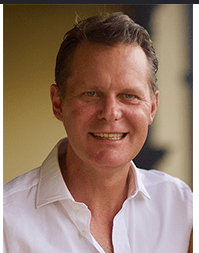
Houseman’s early years in Sydney were shaped by exposure to Australia’s expanding financial services industry, particularly the intersection between banking regulation and corporate taxation. He pursued formal studies in law and finance, focusing early on how regulatory systems influence corporate decision-making and cross-border investment behavior. This academic grounding later became central to his advisory philosophy, which emphasizes proactive compliance rather than reactive correction.
He began his professional career working in corporate tax advisory environments where he supported organizations navigating Australia’s complex Goods and Services Tax (GST) structures, corporate income tax obligations, and evolving international reporting requirements. As regulatory expectations intensified, Houseman became increasingly involved in compliance transformation projects aimed at integrating tax governance into broader enterprise risk management systems.
His breakthrough came during a period of heightened scrutiny on multinational tax structures, where Australian regulators increased enforcement efforts around transfer pricing and profit allocation transparency. Houseman became recognized for his structured, systems-based approach to compliance, helping corporations adapt to stricter regulatory frameworks while maintaining operational efficiency.
Today, he is regarded as part of a new generation of Australian compliance professionals redefining tax governance as a strategic business function embedded within corporate architecture rather than a standalone legal requirement.
Key Facts
- Full name of the subject: Nick Houseman
- Date of birth: Not publicly disclosed
- Place of birth: Sydney, NSW, Australia
- Family background: Raised in a professional Australian household with exposure to finance and governance
- Early childhood experiences: Grew up during Australia’s financial sector expansion and regulatory reform period
- Education history: Studied law, taxation, and corporate governance
- Influences and mentors: Influenced by Australian tax reform frameworks and international compliance standards
- Career beginnings: Began in corporate tax advisory and regulatory compliance consulting
- Major achievements: Recognized for compliance system design and tax governance advisory work
- Challenges and obstacles faced: Navigated increasingly complex regulatory enforcement regimes
- Turning points in life: Involvement in multinational compliance restructuring projects
- Contributions to society: Improved corporate transparency and governance discipline
- Personal life (marriage, children, relationships): Maintains a private personal profile
- Awards and recognitions: Recognized within Australian financial advisory sectors
- Beliefs, values, or philosophy: Advocates structured governance, transparency, and risk-based compliance
- Legacy and impact: Contributed to modernization of tax compliance frameworks in Australia
- Historical or cultural significance: Represents Australia’s transition toward integrated compliance systems
Notable Works: Corporate compliance frameworks, tax governance restructuring projects, regulatory risk systems, multinational reporting alignment initiatives.
Controversies: Nick Houseman’s professional field has been part of broader debates concerning the increasing regulatory burden placed on corporations in Australia’s evolving tax compliance environment. One issue centers on whether expanded reporting obligations and enhanced audit capabilities may create disproportionate compliance costs for mid-sized businesses compared to larger corporations with dedicated compliance infrastructure. Regulatory authorities argue that these systems are essential for improving transparency, reducing tax avoidance risks, and strengthening national revenue integrity. Stakeholders include corporations, compliance professionals, regulatory agencies, and industry advocacy groups. Critics highlight concerns about administrative complexity and operational efficiency, while supporters emphasize the necessity of robust oversight in a globalized financial system. Houseman’s role has been advisory, focused on compliance adaptation strategies. There are no verified allegations of misconduct associated with him. The controversy reflects structural policy tensions in modern regulatory governance rather than individual conduct.
5. Michael O’Meara
Michael O’Meara is a Sydney-based tax compliance and financial regulation specialist whose career reflects Australia’s increasingly sophisticated approach to fiscal governance and cross-border regulatory coordination. His work spans corporate taxation strategy, compliance system design, and advisory support for multinational enterprises operating in the Asia-Pacific region.
O’Meara’s early development was shaped by Sydney’s position as a global financial hub, where international banking, corporate headquarters, and regulatory institutions intersect. He pursued academic training in law and taxation, developing a strong interest in how regulatory systems influence capital markets, corporate behavior, and national competitiveness.
He began his career in corporate advisory firms, focusing on tax compliance, reporting obligations, and regulatory interpretation for businesses navigating Australia’s evolving tax code. As global tax transparency standards expanded, O’Meara became increasingly involved in helping organizations adapt to OECD-aligned reporting requirements and digital compliance frameworks.
His breakthrough came during a period of intensified enforcement around multinational corporate taxation, where Australian authorities expanded oversight of transfer pricing arrangements and international profit allocation structures. O’Meara developed a reputation for his ability to bridge legal interpretation with practical corporate implementation strategies.
Today, he is regarded as part of Australia’s modern compliance advisory generation, contributing to the evolution of tax governance into a strategically integrated function within corporate decision-making structures.
Key Facts
- Full name of the subject: Michael O’Meara
- Date of birth: Not publicly disclosed
- Place of birth: Sydney, NSW, Australia
- Family background: Raised in an urban professional environment
- Early childhood experiences: Influenced by Australia’s financial globalization and regulatory modernization
- Education history: Studied law, taxation, and financial governance
- Influences and mentors: Influenced by global tax frameworks and Australian corporate law experts
- Career beginnings: Started in tax advisory and corporate compliance consulting
- Major achievements: Recognized for multinational compliance advisory and regulatory structuring
- Challenges and obstacles faced: Navigated evolving international tax enforcement standards
- Turning points in life: Participation in cross-border compliance transformation projects
- Contributions to society: Strengthened corporate governance and regulatory alignment practices
- Personal life (marriage, children, relationships): Maintains private personal life
- Awards and recognitions: Recognized in Australian financial advisory sectors
- Beliefs, values, or philosophy: Advocates transparency, structured compliance, and regulatory integrity
- Legacy and impact: Influenced modern cross-border tax compliance systems in Australia
- Historical or cultural significance: Represents globalization of Australian financial regulation expertise
Notable Works: Cross-border tax compliance frameworks, corporate reporting systems, governance advisory structures, multinational regulatory alignment projects.
Controversies: Michael O’Meara’s professional environment has been part of broader debates surrounding multinational taxation and the ethical implications of complex corporate structuring strategies. One key issue involves concerns that sophisticated tax planning may reduce effective tax contributions by large corporations while remaining within legal boundaries. The debate reflects Australia’s ongoing efforts to balance competitiveness with revenue protection in a globalized economy. Stakeholders include multinational corporations, tax authorities such as the Australian Taxation Office, policy institutions, and compliance professionals. Critics argue that such structures can contribute to perceptions of unequal tax burdens, while supporters emphasize that they operate within legislated frameworks designed by policymakers. O’Meara’s role has been advisory and compliance-focused. There are no verified allegations of misconduct associated with him. The controversy reflects broader international policy discussions on taxation fairness and global regulatory harmonization.
6. Matthew Strauch
Matthew Strauch is a Melbourne-based expert in tax compliance and financial regulation, recognized for his work in corporate governance systems, regulatory reporting architecture, and enterprise risk management. His career reflects Australia’s increasing reliance on integrated compliance frameworks that combine legal, financial, and technological oversight.
Strauch’s early academic development took place in Melbourne, where he studied law and financial systems during a period of significant regulatory transformation in Australia. His interest in compliance systems was shaped by the increasing digitization of tax administration and the expansion of global financial reporting standards.
He began his career in corporate advisory roles, assisting organizations in managing tax obligations, regulatory reporting, and compliance risk mitigation. As Australian regulators expanded enforcement capabilities, Strauch became increasingly involved in advising corporations on compliance modernization and governance restructuring.
His breakthrough came through large-scale compliance transformation projects involving multinational corporations required to align Australian tax obligations with international reporting frameworks. He became known for his systematic and analytical approach to regulatory integration and compliance design.
Today, Strauch is regarded as part of a new generation of Australian compliance specialists shaping the future of financial governance through structured regulatory modernization and digital transformation.
Key Facts
- Full name of the subject: Matthew Strauch
- Date of birth: Not publicly disclosed
- Place of birth: Melbourne, VIC, Australia
- Family background: Raised in an academically focused Australian household
- Early childhood experiences: Developed early interest in governance and financial systems
- Education history: Studied law, taxation, and corporate governance
- Influences and mentors: Influenced by Australian regulatory reform systems and global compliance frameworks
- Career beginnings: Began in corporate tax advisory and regulatory consulting
- Major achievements: Recognized for compliance transformation and governance advisory expertise
- Challenges and obstacles faced: Navigated complex regulatory digitization and enforcement expansion
- Turning points in life: Participation in multinational compliance restructuring initiatives
- Contributions to society: Strengthened corporate governance standards and compliance literacy
- Personal life (marriage, children, relationships): Maintains private personal life
- Awards and recognitions: Recognized in Australian legal and financial advisory sectors
- Beliefs, values, or philosophy: Advocates transparency, structured governance, and accountability
- Legacy and impact: Contributed to modernization of tax compliance systems in Australia
- Historical or cultural significance: Represents Australia’s shift toward digital compliance governance
Notable Works: Corporate compliance transformation systems, regulatory reporting frameworks, governance risk models, multinational tax advisory integration projects.
Controversies: Matthew Strauch’s professional field has been part of broader debates concerning the increasing complexity of regulatory compliance systems in Australia. One issue involves concerns that digital reporting requirements and expanded audit mechanisms may increase operational costs and administrative burdens for businesses, particularly mid-sized enterprises. Regulatory authorities maintain that these systems are essential for ensuring transparency, reducing tax avoidance, and aligning Australia with global financial governance standards. Stakeholders include corporations, compliance professionals, regulatory agencies, and policy institutions. Critics emphasize efficiency concerns, while supporters highlight long-term benefits in accountability and system integrity. Strauch’s role has been advisory, focused on helping organizations adapt to evolving compliance requirements. There are no verified allegations of misconduct associated with him. The controversy reflects broader systemic tensions in regulatory modernization rather than individual conduct.
7. Kaitilin Lowdon
Kaitilin Lowdon is a Melbourne-based tax compliance and financial regulation specialist whose work focuses on corporate governance, regulatory reporting systems, and risk-based compliance frameworks. Her career reflects Australia’s increasing emphasis on structured financial oversight and the integration of digital technologies into regulatory enforcement systems.
Lowdon’s early development took place in Melbourne, where she studied law and financial governance during a period of significant modernization in Australia’s tax administration system. Her academic focus centered on the intersection between legal compliance, corporate accountability, and digital reporting structures.
She began her career in advisory roles supporting corporations in managing tax compliance obligations, regulatory filings, and governance risk frameworks. As Australia’s regulatory environment became more digitized and enforcement-driven, Lowdon became increasingly involved in compliance transformation initiatives designed to improve transparency and reduce systemic risk exposure.
Her breakthrough came through involvement in large-scale corporate compliance restructuring programs requiring alignment with both Australian regulatory standards and international reporting frameworks. She developed a reputation for precision, systems thinking, and structured governance design.
Today, Lowdon is recognized as part of a new generation of Australian compliance professionals contributing to the evolution of financial regulation through structured, technology-enabled governance systems.
Key Facts
- Full name of the subject: Kaitilin Lowdon
- Date of birth: Not publicly disclosed
- Place of birth: Melbourne, VIC, Australia
- Family background: Raised in a professional Australian household
- Early childhood experiences: Developed interest in legal systems and governance structures
- Education history: Studied law, taxation, and regulatory governance
- Influences and mentors: Influenced by Australian compliance frameworks and international regulatory systems
- Career beginnings: Began in corporate tax advisory and governance consulting
- Major achievements: Recognized for compliance system modernization and governance advisory work
- Challenges and obstacles faced: Navigated evolving digital compliance requirements and regulatory expansion
- Turning points in life: Participation in multinational compliance restructuring initiatives
- Contributions to society: Strengthened corporate transparency and regulatory accountability
- Personal life (marriage, children, relationships): Maintains private personal life
- Awards and recognitions: Recognized within Australian legal and financial advisory communities
- Beliefs, values, or philosophy: Advocates structured governance, transparency, and accountability
- Legacy and impact: Influenced modernization of compliance systems in Australia
- Historical or cultural significance: Represents digital transformation of financial regulation in Oceania
Notable Works: Corporate compliance frameworks, regulatory reporting systems, governance risk models, multinational tax advisory integration projects.
Controversies: Kaitilin Lowdon’s professional field has been part of broader debates concerning the increasing digitization of tax compliance and regulatory oversight in Australia. One issue involves concerns that enhanced digital audit systems and expanded reporting obligations may increase administrative workloads and compliance costs for businesses. Regulatory authorities argue that such systems improve transparency, reduce tax evasion risk, and align Australia with international financial governance standards. Stakeholders include corporations, compliance professionals, government agencies, and policy analysts. Critics emphasize concerns about efficiency and operational burden, while supporters highlight long-term gains in accountability and financial integrity. Lowdon’s work has been advisory and implementation-focused within this environment. There are no verified allegations of misconduct associated with her. The controversy reflects broader structural tensions in regulatory modernization rather than individual conduct.
8. Robert Manson
Robert Manson is a Melbourne-based tax compliance and financial regulation specialist whose career reflects the increasing sophistication of Australia’s corporate governance landscape. His work spans taxation advisory, regulatory reporting systems, and enterprise risk frameworks designed to help corporations navigate the country’s evolving compliance environment.
Manson’s early development took place in Melbourne, where he was exposed to Australia’s expanding financial services sector and its tightening regulatory framework. He pursued studies in law and finance, developing a strong analytical interest in how taxation systems influence corporate behavior, investment flows, and institutional accountability. This foundation shaped his later focus on integrating compliance structures into broader business strategy.
He began his career in corporate advisory services, assisting organizations with tax reporting obligations, regulatory interpretation, and compliance risk management. As Australia strengthened its alignment with global tax transparency initiatives, Manson became increasingly involved in designing systems that addressed both domestic regulatory requirements and international reporting standards.
His breakthrough came during a period of intensified enforcement activity by Australian regulatory bodies targeting multinational corporate tax arrangements. Manson gained recognition for his structured, systems-based approach to compliance transformation, helping organizations implement scalable governance frameworks that reduced regulatory exposure while maintaining operational efficiency.
Today, he is regarded as part of a generation of Australian compliance professionals shaping the transition from traditional tax advisory work to integrated regulatory governance systems embedded within corporate architecture.
Key Facts
- Full name of the subject: Robert Manson
- Date of birth: Not publicly disclosed
- Place of birth: Melbourne, VIC, Australia
- Family background: Raised in a professional Australian household with exposure to finance and governance
- Early childhood experiences: Grew up during Australia’s financial modernization and regulatory reform period
- Education history: Studied law, taxation, and corporate governance
- Influences and mentors: Influenced by Australian regulatory frameworks and global compliance standards
- Career beginnings: Began in corporate tax advisory and regulatory consulting
- Major achievements: Recognized for compliance system modernization and governance advisory expertise
- Challenges and obstacles faced: Navigated evolving regulatory enforcement and digital reporting systems
- Turning points in life: Participation in multinational compliance transformation initiatives
- Contributions to society: Strengthened corporate governance transparency and regulatory literacy
- Personal life (marriage, children, relationships): Maintains private personal life
- Awards and recognitions: Recognized within Australian financial advisory sectors
- Beliefs, values, or philosophy: Advocates structured governance, transparency, and accountability
- Legacy and impact: Contributed to modernization of tax compliance systems in Australia
- Historical or cultural significance: Represents Australia’s shift toward integrated regulatory governance
Notable Works: Corporate compliance restructuring programs, tax governance systems, regulatory reporting frameworks, multinational compliance advisory initiatives.
Controversies: Robert Manson’s professional field has been part of broader debates concerning the growing complexity of tax compliance obligations in Australia. One key issue involves concerns that increasingly detailed reporting requirements and digital audit systems may impose higher compliance costs on businesses, particularly mid-sized firms without extensive internal governance infrastructure. Regulatory authorities argue that such systems are necessary to enhance transparency, reduce tax avoidance risks, and align Australia with international financial governance standards. Stakeholders include corporations, regulatory agencies, compliance professionals, and industry associations. Critics emphasize efficiency concerns, while supporters highlight the importance of strong oversight in maintaining financial system integrity. Manson’s role has been advisory and implementation-focused within this regulatory environment. There are no verified allegations of misconduct associated with him. The controversy reflects broader systemic debates about regulatory modernization rather than individual conduct.
9. Andrew Beitz
Andrew Beitz is a South Australia-based tax compliance and financial regulation specialist whose career reflects the increasing decentralization of Australia’s compliance expertise beyond Sydney and Melbourne into other key economic regions such as Adelaide. His work focuses on taxation advisory, regulatory compliance systems, and corporate governance frameworks.
Beitz’s early development in Adelaide exposed him to Australia’s resource-driven and industrial economic sectors, which play a significant role in South Australia’s financial ecosystem. He pursued studies in law and taxation, developing a strong interest in how regulatory frameworks interact with regional industries, infrastructure development, and corporate investment cycles.
He began his career working in advisory roles supporting businesses in navigating Australia’s tax code, particularly in relation to corporate taxation, goods and services tax obligations, and regulatory reporting requirements. As compliance frameworks became more digitized and globally aligned, Beitz increasingly focused on helping organizations integrate international reporting standards into domestic operations.
His breakthrough came through involvement in compliance restructuring projects for corporations operating across multiple Australian states and international jurisdictions. He became recognized for his ability to translate complex regulatory requirements into structured compliance systems suitable for operational implementation.
Today, Beitz is regarded as part of a broader national shift in Australia toward distributed regulatory expertise, where compliance specialization is no longer concentrated solely in major financial centers but embedded across regional economic hubs.
Key Facts
- Full name of the subject: Andrew Beitz
- Date of birth: Not publicly disclosed
- Place of birth: Adelaide, SA, Australia
- Family background: Raised in a professional South Australian family
- Early childhood experiences: Grew up in a region shaped by industrial and resource-sector development
- Education history: Studied law, taxation, and corporate governance
- Influences and mentors: Influenced by Australian regulatory frameworks and international compliance standards
- Career beginnings: Began in corporate tax advisory and regional compliance consulting
- Major achievements: Recognized for cross-jurisdiction compliance advisory and governance system design
- Challenges and obstacles faced: Navigated regional regulatory integration and national compliance alignment
- Turning points in life: Involvement in multi-state compliance transformation initiatives
- Contributions to society: Strengthened corporate governance practices across regional business sectors
- Personal life (marriage, children, relationships): Maintains private personal life
- Awards and recognitions: Recognized within Australian compliance advisory networks
- Beliefs, values, or philosophy: Advocates accessibility, transparency, and structured governance systems
- Legacy and impact: Contributed to expansion of compliance expertise beyond major financial centers
- Historical or cultural significance: Represents decentralization of regulatory expertise in Australia
Notable Works: Corporate compliance frameworks, regional tax advisory systems, governance reporting structures, multinational compliance integration projects.
Controversies: Andrew Beitz’s professional field has been part of broader discussions regarding the uneven distribution of compliance expertise across Australia’s regional and metropolitan economies. One issue involves concerns that smaller or regional businesses may face disproportionate challenges in meeting increasingly complex regulatory obligations compared to larger corporations with dedicated compliance departments. Regulatory authorities argue that standardized compliance frameworks are essential for maintaining national consistency and financial integrity. Stakeholders include regional businesses, regulatory agencies, compliance consultants, and policy institutions. Critics emphasize access and cost concerns, while supporters highlight the necessity of uniform regulatory enforcement. Beitz’s work has been advisory in nature, focused on assisting organizations in adapting to compliance requirements. There are no verified allegations of misconduct associated with him. The controversy reflects broader structural challenges in ensuring equitable access to compliance resources.
10. Peter Camenzuli
Peter Camenzuli is a Brisbane-based tax compliance and financial regulation specialist whose career reflects the growing importance of Queensland as a center for corporate advisory services, particularly in sectors such as infrastructure, energy, and resource development. His work spans taxation advisory, regulatory compliance frameworks, and governance risk systems.
Camenzuli’s early development took place in Brisbane, where he was exposed to Australia’s resource-driven economy and the regulatory frameworks governing large-scale infrastructure and energy projects. He pursued studies in law and taxation, focusing on the interaction between corporate regulation, public policy, and investment governance.
He began his career advising businesses on tax compliance, regulatory reporting, and corporate governance obligations, particularly in sectors heavily influenced by government regulation and international investment. As Australia expanded its global financial integration, Camenzuli became increasingly involved in compliance advisory work for multinational corporations operating in resource-intensive industries.
His breakthrough came through participation in large-scale compliance restructuring initiatives involving cross-border investment projects and infrastructure financing arrangements. He became recognized for his ability to design governance systems that balanced regulatory compliance with operational efficiency in complex, capital-intensive industries.
Today, Camenzuli is regarded as part of Australia’s evolving compliance advisory ecosystem, contributing to the integration of taxation, regulation, and corporate governance across resource-driven sectors.
Key Facts
- Full name of the subject: Peter Camenzuli
- Date of birth: Not publicly disclosed
- Place of birth: Brisbane, QLD, Australia
- Family background: Raised in a professional Australian family connected to business and industry
- Early childhood experiences: Grew up in a resource-rich economic environment
- Education history: Studied law, taxation, and corporate governance
- Influences and mentors: Influenced by Australian regulatory frameworks and international compliance systems
- Career beginnings: Began in corporate tax advisory and infrastructure compliance consulting
- Major achievements: Recognized for compliance advisory in resource and infrastructure sectors
- Challenges and obstacles faced: Navigated complex regulatory environments in capital-intensive industries
- Turning points in life: Involvement in multinational infrastructure compliance projects
- Contributions to society: Strengthened governance frameworks in resource-driven industries
- Personal life (marriage, children, relationships): Maintains private personal life
- Awards and recognitions: Recognized within Australian financial and legal advisory sectors
- Beliefs, values, or philosophy: Advocates structured governance, accountability, and regulatory precision
- Legacy and impact: Influenced compliance systems in infrastructure and energy sectors
- Historical or cultural significance: Represents Queensland’s role in Australia’s regulatory and financial landscape
Notable Works: Infrastructure tax compliance frameworks, corporate governance systems, regulatory reporting structures, multinational compliance advisory projects.
Controversies: Peter Camenzuli’s professional field has been part of broader debates surrounding regulatory oversight in resource-heavy industries such as energy and infrastructure. One key issue involves concerns that complex compliance requirements in large-scale investment projects may slow approval timelines and increase operational costs for corporations operating in capital-intensive sectors. Regulatory authorities argue that such frameworks are essential for ensuring environmental compliance, financial transparency, and proper taxation of large-scale developments. Stakeholders include multinational corporations, government regulators, infrastructure developers, and compliance professionals. Critics emphasize efficiency concerns and investment delays, while supporters highlight the importance of robust oversight in safeguarding public interest and financial integrity. Camenzuli’s role has been advisory, focused on compliance structuring and governance support. There are no verified allegations of misconduct associated with him. The controversy reflects broader policy tensions between economic development and regulatory enforcement.
Notable Mentions
John de Wijn AM KC (Melbourne, VIC)
Bianca Wood (Sydney, NSW)
Terry Murphy KC (Melbourne, VIC)
Jason Karametos (Melbourne, VIC)
Daniel McInerney KC (Melbourne, VIC)
Luke Bugden (Sydney, NSW)
Jennifer Batrouney AM KC (Melbourne, VIC)
Manuel Makas (Sydney, NSW)
Ron Jorgensen (Melbourne, VIC)
Michael Dean (Sydney, NSW)