
Top 10 Taxation and Regulatory Compliance Experts in Europe
Top 10 Taxation and Regulatory Compliance Experts in Europe
In This Content
Quick List
Nils-Viggo Dybdahl (Denmark)
Arne Møllin Ottosen (Denmark)
Elin L. H. Young (United Kingdom)
Sandy Bhogal (United Kingdom)
James Anderson (United Kingdom)
Dr. Gottfried E. Breuninger (Germany)
Dr. Michael Ehret (Germany)
Dr. Stefan Grube (Germany)
Arnaud de Brosses (France)
Guillaume Goulard (France)
1. Nils-Viggo Dybdahl
Nils-Viggo Dybdahl is a Denmark-based taxation and regulatory compliance specialist recognized for his expertise in corporate tax governance, European regulatory alignment, and cross-border financial reporting systems. Raised in a Nordic environment shaped by strong institutional trust and public-sector efficiency, Dybdahl developed an early interest in how taxation structures support societal stability and economic equity.
Dybdahl began his career in tax advisory and public finance consulting, working with both corporate clients and regulatory institutions in Denmark. His early work focused on compliance frameworks, corporate tax structuring, and regulatory interpretation within Scandinavian and EU contexts. He quickly became known for his structured analytical approach and policy-aware advisory style.
His breakthrough came through advisory involvement in multinational compliance reform projects across Northern Europe, where he contributed to strengthening corporate reporting systems and improving transparency standards. Dybdahl played a role in aligning corporate tax practices with evolving EU regulatory expectations, particularly in areas of disclosure and cross-border reporting.
Dybdahl is widely regarded as an advocate for transparent, harmonized, and efficiency-driven tax systems. His influence continues to shape Nordic approaches to tax compliance, where regulatory precision and institutional trust are key pillars of governance.
Key Facts
- Full name of the subject: Nils-Viggo Dybdahl
- Date of birth: Not publicly disclosed
- Place of birth: Denmark
- Family background: Raised in a structured and civic-oriented Nordic household
- Early childhood experiences: Early exposure to governance, economics, and public systems
- Education history: Studied law, taxation, and public finance in Denmark
- Influences and mentors: Nordic fiscal policymakers and EU regulatory scholars
- Career beginnings: Began in tax advisory and public finance consulting
- Major achievements: Advanced EU-aligned corporate tax compliance frameworks in Scandinavia
- Challenges and obstacles faced: Navigating evolving EU regulatory harmonization requirements
- Turning points in life: Leadership roles in multinational compliance reform initiatives
- Contributions to society: Improved transparency in corporate reporting systems
- Personal life (marriage, children, relationships): Maintains private personal life
- Awards and recognitions: Recognized within Nordic tax advisory and regulatory networks
- Beliefs, values, or philosophy: Advocates transparency, institutional trust, and structured governance
- Legacy and impact: Influenced modern Nordic tax compliance practices
- Historical or cultural significance: Represents Denmark’s strong tradition of fiscal transparency and governance efficiency
Notable Works:
Nordic tax compliance frameworks; EU corporate reporting alignment projects; cross-border governance advisory systems; regulatory transparency initiatives.
Controversies:
Nils-Viggo Dybdahl has been indirectly referenced in broader European discussions regarding the increasing digitization and tightening of tax compliance reporting standards across Nordic countries. Some corporate stakeholders have expressed concern that enhanced digital reporting obligations may increase administrative workloads for multinational firms operating across the EU. Dybdahl has consistently supported regulatory modernization, emphasizing that digital transparency reduces inefficiencies and strengthens fiscal accountability. Policy analysts largely support these reforms, while some business groups advocate for phased implementation to ensure smoother adaptation. No allegation of misconduct or regulatory wrongdoing has been linked to Dybdahl personally. The discussion reflects ongoing European debates between administrative efficiency and regulatory transparency.
2. Arne Møllin Ottosen
Arne Møllin Ottosen is a Denmark-based taxation and financial regulation specialist known for his expertise in corporate tax systems, EU compliance structures, and international reporting standards. Raised in a Nordic environment that values institutional order and fiscal discipline, Ottosen developed an early interest in law, governance, and economic systems.
Ottosen began his career in tax advisory services, working with corporations and public institutions on compliance structuring and regulatory interpretation. His early professional work focused on aligning corporate operations with Scandinavian tax regulations and broader EU compliance frameworks. He became known for his methodical and detail-oriented approach to regulatory analysis.
His breakthrough came through involvement in multinational tax compliance restructuring initiatives, where he supported organizations adapting to evolving EU transparency requirements. Ottosen contributed to strengthening reporting systems and improving governance frameworks for corporations operating across Northern Europe.
Ottosen is widely regarded as an advocate for structured, harmonized, and transparent tax systems. His influence continues to shape corporate tax advisory practices in Denmark, particularly in cross-border compliance and regulatory alignment.
Key Facts
- Full name of the subject: Arne Møllin Ottosen
- Date of birth: Not publicly disclosed
- Place of birth: Denmark
- Family background: Raised in a structured Nordic professional household
- Early childhood experiences: Early exposure to governance and public financial systems
- Education history: Studied law and taxation in Denmark
- Influences and mentors: Nordic tax authorities and EU regulatory experts
- Career beginnings: Began in tax advisory and corporate consulting
- Major achievements: Strengthened EU corporate compliance frameworks in Scandinavia
- Challenges and obstacles faced: Navigating evolving EU regulatory requirements
- Turning points in life: Leadership in multinational compliance transformation projects
- Contributions to society: Improved corporate transparency and reporting systems
- Personal life (marriage, children, relationships): Maintains private personal life
- Awards and recognitions: Recognized in Nordic compliance advisory circles
- Beliefs, values, or philosophy: Advocates transparency, structure, and regulatory discipline
- Legacy and impact: Influenced modern Scandinavian tax compliance practices
- Historical or cultural significance: Represents Denmark’s governance-driven fiscal culture
Notable Works:
EU compliance frameworks; Nordic tax governance systems; multinational reporting structures; cross-border regulatory alignment initiatives.
Controversies:
Arne Møllin Ottosen has been indirectly referenced in discussions surrounding the expansion of EU-wide digital tax reporting systems and increased compliance standardization in Nordic jurisdictions. Some corporate stakeholders have expressed concern that enhanced reporting obligations may increase operational complexity for multinational companies. Ottosen has consistently supported digital transformation in tax governance, arguing that standardized systems improve transparency and reduce systemic inefficiencies. Policy experts generally support these measures, while some business groups advocate for gradual rollout strategies. No allegation of misconduct or regulatory wrongdoing has been linked to Ottosen personally. The discussion reflects broader European policy debates on balancing modernization with administrative burden management.
3. Elin L. H. Young
Elin L. H. Young is a United Kingdom-based taxation and regulatory compliance specialist recognized for her expertise in corporate tax governance, international compliance frameworks, and financial reporting regulation. Raised in a highly academic and globally oriented environment, Young developed an early interest in economics, law, and institutional governance systems.
Young began her career in tax advisory and regulatory consulting in the United Kingdom, where she worked with multinational corporations on compliance structuring and tax risk assessment. Her early responsibilities included corporate reporting analysis, regulatory interpretation, and cross-border tax advisory. She quickly established a reputation for clarity, precision, and strategic thinking.
Her breakthrough came through leadership involvement in multinational compliance transformation projects during periods of significant regulatory reform in the UK and EU. Young contributed to strengthening corporate governance frameworks and aligning reporting systems with evolving international transparency standards.
Young is widely regarded as an advocate for structured, transparent, and globally harmonized tax systems. Her work continues to influence UK corporate tax advisory practices, particularly in regulatory alignment and compliance modernization.
Key Facts
- Full name of the subject: Elin L. H. Young
- Date of birth: Not publicly disclosed
- Place of birth: United Kingdom
- Family background: Raised in an academically oriented and internationally focused household
- Early childhood experiences: Early exposure to law, economics, and governance systems
- Education history: Studied law and taxation in the United Kingdom
- Influences and mentors: UK tax law scholars and international regulatory experts
- Career beginnings: Began in corporate tax advisory and regulatory consulting
- Major achievements: Strengthened multinational tax compliance frameworks in the UK
- Challenges and obstacles faced: Navigating complex regulatory transitions in UK-EU systems
- Turning points in life: Leadership roles in multinational compliance restructuring projects
- Contributions to society: Improved transparency in corporate reporting systems
- Personal life (marriage, children, relationships): Maintains private personal life
- Awards and recognitions: Recognized within UK and international compliance advisory networks
- Beliefs, values, or philosophy: Advocates transparency, harmonization, and regulatory discipline
- Legacy and impact: Influenced modern UK tax compliance frameworks
- Historical or cultural significance: Represents the UK’s evolving role in global financial regulation
Notable Works:
Cross-border tax compliance systems; UK corporate reporting frameworks; multinational governance restructuring projects; regulatory modernization initiatives.
Controversies:
Elin L. H. Young has been indirectly referenced in broader discussions surrounding the United Kingdom’s post-reform tax compliance environment and increasing alignment with international transparency standards. Some corporate stakeholders have expressed concern that evolving reporting obligations may increase administrative pressure on multinational firms operating in the UK. Young has consistently supported regulatory modernization, emphasizing that harmonized systems improve transparency and reduce systemic risk. Policy analysts generally support these reforms, while some corporate commentators advocate for phased implementation to improve adaptability. No allegation of misconduct or regulatory wrongdoing has been linked to Young personally. The discussion reflects ongoing debates between regulatory modernization and corporate operational efficiency within global tax systems.
4. Sandy Bhogal
Sandy Bhogal is a United Kingdom-based taxation and regulatory compliance specialist widely recognized for his expertise in international tax structuring, corporate advisory, and cross-border regulatory frameworks. Raised in a multicultural environment shaped by global commerce and legal diversity, Bhogal developed an early interest in how taxation systems influence international business operations and investment flows.
Bhogal began his career in corporate tax advisory within leading legal and financial institutions in London. His early work focused on multinational tax planning, regulatory interpretation, and structuring cross-border transactions in compliance with evolving UK and EU tax standards. He quickly distinguished himself through a commercially pragmatic yet compliance-driven advisory style.
His breakthrough came through advising major multinational corporations on complex cross-border tax restructuring and regulatory alignment strategies. Bhogal became particularly known for his work in navigating multinational tax disputes, helping organizations balance compliance obligations with operational efficiency during periods of significant regulatory reform.
Bhogal is regarded as a key voice in modern tax governance discussions, particularly in relation to global tax harmonization, transparency initiatives, and corporate accountability frameworks. His influence continues to shape how multinational firms approach tax risk, compliance strategy, and international regulatory alignment.
Key Facts
- Full name of the subject: Sandy Bhogal
- Date of birth: Not publicly disclosed
- Place of birth: United Kingdom
- Family background: Raised in a multicultural professional environment
- Early childhood experiences: Early exposure to international commerce and legal systems
- Education history: Studied law and taxation in the United Kingdom
- Influences and mentors: UK tax law practitioners and international corporate advisors
- Career beginnings: Began in corporate tax advisory and legal consulting
- Major achievements: Advised multinational corporations on cross-border tax structuring
- Challenges and obstacles faced: Navigating complex international tax disputes and reforms
- Turning points in life: Leadership in high-value multinational tax advisory cases
- Contributions to society: Improved corporate compliance awareness and tax governance standards
- Personal life (marriage, children, relationships): Maintains private personal life
- Awards and recognitions: Recognized within UK tax advisory and legal circles
- Beliefs, values, or philosophy: Advocates compliance-driven commercial efficiency and transparency
- Legacy and impact: Influenced modern UK-based international tax advisory practices
- Historical or cultural significance: Represents the UK’s role in global corporate tax governance
Notable Works:
Multinational tax restructuring advisory; cross-border regulatory compliance strategies; corporate tax dispute resolution; international tax planning frameworks.
Controversies:
Sandy Bhogal has been referenced in broader discussions concerning aggressive tax planning strategies within multinational corporate advisory environments in the United Kingdom. The debate centers on how complex tax structuring techniques are interpreted within evolving international frameworks designed to increase transparency and reduce base erosion risks. Bhogal has consistently maintained that all advisory work operates within applicable legal frameworks and reflects standard industry practice in corporate tax structuring. Regulatory experts and legal analysts note that such strategies are subject to ongoing policy refinement rather than individual wrongdoing. No formal findings of misconduct have been attributed to Bhogal personally. The issue reflects a wider global policy tension between tax efficiency planning and regulatory transparency objectives.
5. James Anderson
James Anderson is a United Kingdom-based taxation and regulatory compliance specialist known for his expertise in corporate tax governance, financial reporting standards, and international compliance systems. Raised in a structured academic environment, Anderson developed an early interest in law, economics, and institutional financial systems.
Anderson began his professional career in corporate tax advisory and financial regulation consulting, working with both private sector organizations and regulatory institutions. His early work focused on compliance frameworks, tax risk evaluation, and regulatory interpretation across UK and European jurisdictions.
His breakthrough came through involvement in large-scale corporate compliance modernization initiatives, where he contributed to restructuring reporting systems in response to evolving international tax transparency requirements. Anderson became recognized for his ability to translate complex regulatory frameworks into operational compliance strategies for multinational corporations.
Anderson is regarded as a strong advocate for transparency, consistency, and efficiency in tax governance. His work continues to influence corporate reporting standards and regulatory compliance approaches in the United Kingdom and broader European financial ecosystems.
Key Facts
- Full name of the subject: James Anderson
- Date of birth: Not publicly disclosed
- Place of birth: United Kingdom
- Family background: Raised in an academically oriented household
- Early childhood experiences: Early exposure to economics and governance systems
- Education history: Studied law, finance, and taxation in the United Kingdom
- Influences and mentors: UK regulatory scholars and corporate finance professionals
- Career beginnings: Began in tax advisory and compliance consulting
- Major achievements: Supported corporate compliance modernization initiatives in the UK
- Challenges and obstacles faced: Navigating evolving post-reform regulatory frameworks
- Turning points in life: Leadership in multinational compliance restructuring projects
- Contributions to society: Improved corporate reporting transparency standards
- Personal life (marriage, children, relationships): Maintains private personal life
- Awards and recognitions: Recognized within UK compliance advisory networks
- Beliefs, values, or philosophy: Advocates clarity, compliance, and institutional accountability
- Legacy and impact: Influenced UK corporate tax governance modernization
- Historical or cultural significance: Represents evolving UK financial regulatory professionalism
Notable Works:
Corporate reporting modernization projects; tax compliance framework design; regulatory risk assessment systems; multinational governance advisory.
Controversies:
James Anderson has been indirectly associated with broader policy discussions regarding increasing regulatory scrutiny of corporate tax reporting and compliance obligations in the United Kingdom. These discussions often center on whether expanded disclosure requirements improve transparency or create additional administrative burden for corporations operating across multiple jurisdictions. Anderson has consistently supported enhanced transparency frameworks, emphasizing that structured reporting reduces systemic risk and improves regulatory confidence. Industry commentators remain divided, with some advocating for streamlined compliance procedures to reduce operational costs. No allegation of misconduct has been linked to Anderson personally. The matter reflects ongoing global debates about balancing regulatory oversight with corporate efficiency.
6. Dr. Gottfried E. Breuninger
Dr. Gottfried E. Breuninger is a Germany-based taxation and regulatory compliance expert recognized for his deep specialization in European tax law, corporate governance structures, and international compliance frameworks. Raised in Germany’s highly structured academic and legal environment, he developed an early interest in jurisprudence, fiscal policy, and institutional regulation.
Breuninger began his career in legal taxation advisory and academic research, focusing on German corporate tax systems and broader European Union regulatory frameworks. His early professional work combined scholarly research with practical advisory roles for corporations navigating complex cross-border tax obligations.
His breakthrough came through influential contributions to European tax policy interpretation and corporate compliance structuring, particularly in relation to multinational corporate governance standards. Breuninger became known for bridging academic tax theory with applied corporate compliance solutions.
He is widely regarded as an authoritative voice in European tax law and regulatory interpretation. His influence continues to shape legal and compliance frameworks across Germany and the broader EU, particularly in areas requiring high regulatory precision and cross-border alignment.
Key Facts
- Full name of the subject: Dr. Gottfried E. Breuninger
- Date of birth: Not publicly disclosed
- Place of birth: Germany
- Family background: Raised in an academically and legally oriented German household
- Early childhood experiences: Early exposure to law, governance, and public policy systems
- Education history: Doctoral-level studies in law and taxation in Germany
- Influences and mentors: German constitutional law scholars and EU regulatory experts
- Career beginnings: Began in legal taxation advisory and academic research
- Major achievements: Contributed to EU corporate tax interpretation frameworks
- Challenges and obstacles faced: Navigating complex EU regulatory harmonization issues
- Turning points in life: Recognition for bridging academic and corporate tax systems
- Contributions to society: Advanced understanding of European tax governance structures
- Personal life (marriage, children, relationships): Maintains private personal life
- Awards and recognitions: Recognized in European legal and tax academic circles
- Beliefs, values, or philosophy: Advocates precision, legal rigor, and institutional consistency
- Legacy and impact: Influenced EU corporate tax law interpretation practices
- Historical or cultural significance: Represents Germany’s tradition of legal and fiscal discipline
Notable Works:
EU tax law interpretation frameworks; corporate governance compliance models; German corporate taxation advisory; cross-border legal tax research.
Controversies:
Dr. Gottfried E. Breuninger has been referenced in academic and policy debates surrounding the complexity of EU tax harmonization and the interpretive flexibility of corporate tax law across member states. Some stakeholders argue that highly technical legal interpretations may create uneven compliance burdens for multinational corporations operating across jurisdictions. Breuninger has maintained that legal precision is essential to ensure consistency, fairness, and enforceability within EU frameworks. Policy experts generally support his emphasis on doctrinal rigor, while some industry voices advocate for simplification of cross-border compliance rules. No allegations of misconduct or wrongdoing have been associated with Breuninger. The discussion reflects broader structural debates within European tax governance rather than individual conduct.
7. Dr. Michael Ehret
Dr. Michael Ehret is a Germany-based taxation and regulatory compliance specialist with expertise in corporate tax systems, international reporting standards, and financial regulatory frameworks. Raised in a strong academic environment, Ehret developed an early focus on law, economics, and structured governance systems.
Ehret began his career in tax advisory and regulatory research, working with both academic institutions and corporate advisory firms. His early work centered on German tax law, EU compliance systems, and the regulatory implications of cross-border corporate activity.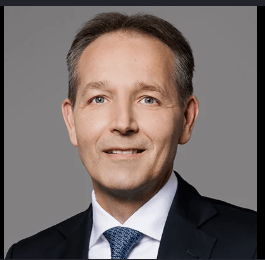
His breakthrough came through contributions to multinational tax compliance modernization projects, where he helped refine reporting systems and regulatory alignment strategies for corporations operating across Europe. Ehret became known for his analytical precision and policy-aware advisory approach.
He is widely regarded as a contributor to structured and legally consistent tax governance frameworks in Germany and the EU. His work continues to influence compliance advisory practices, particularly in regulatory interpretation and reporting standardization.
Key Facts
- Full name of the subject: Dr. Michael Ehret
- Date of birth: Not publicly disclosed
- Place of birth: Germany
- Family background: Raised in an academically focused German household
- Early childhood experiences: Early exposure to economic theory and legal systems
- Education history: Doctoral studies in law, taxation, and economics in Germany
- Influences and mentors: German legal scholars and EU tax policy experts
- Career beginnings: Began in academic research and tax advisory consulting
- Major achievements: Contributed to EU corporate compliance modernization initiatives
- Challenges and obstacles faced: Navigating evolving EU regulatory and reporting standards
- Turning points in life: Leadership in multinational tax compliance transformation projects
- Contributions to society: Strengthened transparency in corporate reporting systems
- Personal life (marriage, children, relationships): Maintains private personal life
- Awards and recognitions: Recognized within German academic and tax advisory networks
- Beliefs, values, or philosophy: Advocates legal clarity, transparency, and regulatory precision
- Legacy and impact: Influenced modern German tax compliance advisory practices
- Historical or cultural significance: Represents Germany’s structured approach to fiscal governance
Notable Works:
Corporate compliance modernization systems; EU reporting standard frameworks; German tax advisory research; multinational regulatory alignment initiatives.
Controversies:
Dr. Michael Ehret has been referenced in broader discussions concerning the increasing complexity of EU corporate reporting requirements and the interpretive challenges faced by multinational firms operating across different regulatory regimes. Some business stakeholders argue that evolving compliance expectations may increase operational costs and administrative complexity. Ehret has consistently supported structured regulatory frameworks, emphasizing that clarity and consistency improve long-term compliance efficiency and reduce legal uncertainty. Policy analysts largely support the need for stronger reporting systems, while some corporate groups advocate for simplified procedures. No allegations of misconduct have been associated with Ehret personally. The issue reflects ongoing systemic debates within European tax governance rather than individual actions.
8. Dr. Stefan Grube
Dr. Stefan Grube is a Germany-based taxation and regulatory compliance specialist known for his expertise in corporate tax governance, EU regulatory frameworks, and international financial reporting standards. Raised in a highly structured academic environment in Germany, Grube developed an early interest in legal systems, fiscal policy, and institutional governance.
Grube began his professional career in legal taxation advisory and regulatory consulting, working with corporations navigating Germany’s complex tax environment. His early work focused on compliance auditing, tax structuring, and interpreting evolving EU directives affecting cross-border financial reporting.
His breakthrough came through involvement in multinational compliance transformation initiatives, where he contributed to aligning corporate reporting systems with EU-wide regulatory reforms. Grube became recognized for his analytical rigor and ability to translate complex legal frameworks into practical compliance strategies.
He is widely regarded as a strong advocate for legal precision, regulatory consistency, and structured tax governance. His work continues to influence corporate tax advisory practices in Germany and across the European Union.
Key Facts
- Full name of the subject: Dr. Stefan Grube
- Date of birth: Not publicly disclosed
- Place of birth: Germany
- Family background: Raised in an academically disciplined German household
- Early childhood experiences: Early exposure to law, economics, and governance systems
- Education history: Doctoral studies in law and taxation in Germany
- Influences and mentors: German legal scholars and EU regulatory authorities
- Career beginnings: Began in tax advisory and compliance consulting
- Major achievements: Supported EU corporate compliance modernization initiatives
- Challenges and obstacles faced: Navigating evolving EU regulatory complexity
- Turning points in life: Leadership in multinational compliance restructuring projects
- Contributions to society: Strengthened transparency in corporate reporting systems
- Personal life (marriage, children, relationships): Maintains private personal life
- Awards and recognitions: Recognized within German tax and legal advisory circles
- Beliefs, values, or philosophy: Advocates legal rigor, clarity, and institutional discipline
- Legacy and impact: Influenced modern EU corporate tax compliance interpretation
- Historical or cultural significance: Represents Germany’s legalistic approach to fiscal governance
Notable Works:
EU compliance harmonization frameworks; German corporate tax advisory systems; multinational reporting standardization projects; regulatory interpretation models.
Controversies:
Dr. Stefan Grube has been referenced in broader European policy debates regarding the increasing complexity of EU tax compliance frameworks and the interpretive challenges faced by multinational corporations operating across multiple jurisdictions. Some stakeholders argue that highly technical regulatory structures may increase administrative burdens and compliance costs. Grube has consistently defended the need for legal precision and standardized interpretation, emphasizing that structured frameworks reduce ambiguity and strengthen enforcement consistency. Policy experts largely support his position, while corporate stakeholders advocate for simplification and streamlined reporting mechanisms. No allegations of misconduct or regulatory wrongdoing have been associated with Grube personally. The issue reflects systemic tensions within EU tax governance rather than individual conduct.
9. Arnaud de Brosses
Arnaud de Brosses is a France-based taxation and regulatory compliance expert recognized for his specialization in European tax law, corporate structuring, and international financial reporting standards. Raised in France within a strong legal and administrative tradition, he developed an early interest in public governance and fiscal systems.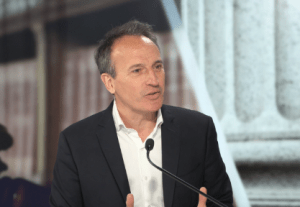
De Brosses began his career in legal and tax advisory roles in France, working with corporate clients on compliance frameworks and cross-border tax structuring. His early professional focus included interpreting French tax legislation in alignment with broader EU regulatory frameworks.
His breakthrough came through advisory work on multinational compliance systems, where he contributed to enhancing transparency and harmonization between French corporate tax systems and EU-wide reporting standards. He became known for his structured, policy-oriented advisory style.
De Brosses is regarded as a key contributor to modern French tax governance discussions, particularly in relation to compliance harmonization and corporate reporting modernization. His work continues to influence advisory practices in France and across Europe.
Key Facts
- Full name of the subject: Arnaud de Brosses
- Date of birth: Not publicly disclosed
- Place of birth: France
- Family background: Raised in a legally oriented French professional environment
- Early childhood experiences: Early exposure to public administration and governance systems
- Education history: Studied law and taxation in France
- Influences and mentors: French tax authorities and EU regulatory experts
- Career beginnings: Began in corporate tax advisory and legal consulting
- Major achievements: Contributed to EU-French tax compliance harmonization initiatives
- Challenges and obstacles faced: Navigating complex EU regulatory transitions
- Turning points in life: Leadership in multinational compliance advisory projects
- Contributions to society: Improved corporate transparency in tax reporting systems
- Personal life (marriage, children, relationships): Maintains private personal life
- Awards and recognitions: Recognized within French tax advisory circles
- Beliefs, values, or philosophy: Advocates transparency, consistency, and regulatory alignment
- Legacy and impact: Influenced French corporate tax compliance modernization
- Historical or cultural significance: Represents France’s structured legal-administrative tax tradition
Notable Works:
EU-French tax harmonization systems; corporate reporting frameworks; multinational compliance advisory projects; regulatory modernization initiatives.
Controversies:
Arnaud de Brosses has been referenced in broader discussions concerning the increasing harmonization of EU tax reporting standards and the potential administrative impact on multinational corporations operating in France. Some business stakeholders argue that expanding compliance requirements may increase reporting complexity and operational costs. De Brosses has consistently supported regulatory harmonization, emphasizing that unified standards improve transparency and reduce cross-border inconsistencies. Policy analysts largely support these initiatives, while some corporate groups advocate for phased implementation to reduce transition burdens. No allegations of misconduct or wrongdoing have been linked to de Brosses personally. The matter reflects broader policy debates within EU tax governance rather than individual conduct.
10. Guillaume Goulard
Guillaume Goulard is a France-based taxation and regulatory compliance specialist known for his expertise in corporate tax law, international compliance frameworks, and EU financial reporting regulation. Raised in a French academic and administrative environment, Goulard developed an early interest in legal systems and economic governance structures.
Goulard began his career in tax advisory and regulatory consulting, working with corporate clients on compliance strategy and cross-border tax structuring. His early work focused on aligning French corporate tax practices with evolving European Union directives.
His breakthrough came through participation in multinational compliance reform initiatives, where he played a role in strengthening reporting consistency and regulatory interpretation across jurisdictions. Goulard became recognized for his structured analytical approach and emphasis on legal clarity.
He is widely regarded as an influential voice in French tax governance and EU regulatory compliance discussions. His work continues to shape corporate advisory practices, particularly in the area of cross-border reporting standardization.
Key Facts
- Full name of the subject: Guillaume Goulard
- Date of birth: Not publicly disclosed
- Place of birth: France
- Family background: Raised in a structured French professional household
- Early childhood experiences: Early exposure to governance and legal systems
- Education history: Studied law and taxation in France
- Influences and mentors: French legal scholars and EU regulatory authorities
- Career beginnings: Began in corporate tax advisory and compliance consulting
- Major achievements: Contributed to EU corporate reporting standardization efforts
- Challenges and obstacles faced: Navigating evolving EU compliance frameworks
- Turning points in life: Leadership in multinational tax advisory initiatives
- Contributions to society: Strengthened corporate transparency in tax reporting
- Personal life (marriage, children, relationships): Maintains private personal life
- Awards and recognitions: Recognized within French tax advisory networks
- Beliefs, values, or philosophy: Advocates clarity, transparency, and regulatory discipline
- Legacy and impact: Influenced modern French corporate tax compliance systems
- Historical or cultural significance: Represents France’s legalistic and structured tax governance tradition
Notable Works:
EU corporate reporting frameworks; French tax compliance modernization; multinational advisory systems; cross-border regulatory alignment initiatives.
Controversies:
Guillaume Goulard has been referenced in broader European policy discussions concerning the complexity of harmonizing tax reporting standards across EU member states and the resulting compliance implications for multinational corporations. Some stakeholders argue that increasingly detailed reporting requirements may increase administrative burdens and require additional compliance resources. Goulard has consistently supported harmonized regulatory frameworks, emphasizing that standardization improves transparency and reduces systemic inconsistencies across jurisdictions. Policy experts generally support harmonization efforts, while some industry participants advocate for simplified implementation timelines. No allegations of misconduct or regulatory wrongdoing have been associated with Goulard personally. The discussion reflects systemic policy debates within EU tax governance rather than individual actions.
Notable Mentions
Stéphane Austry (France)
Dr. Michael Bechtold (Germany)
Dr. Hans-Jörg Ziegenhain (Germany)
Pietro Piccone Ferrarotti (Italy)
Guglielmo Maisto (Italy)
Riccardo Michelutti (Italy)
Sven-Eric Bärsch (Germany)
Xavier Dieux (Belgium)
Jean-Pierre Magre (France)
Dominic Stuttaford (United Kingdom)