Top 10 Tax Compliance & Financial Regulation Specialists in Asia
Top 10 Tax Compliance & Financial Regulation Specialists in Asia
In This Content
Quick List
Julien Tran (Vietnam)
Wolfram Gruenkorn (Vietnam)
Thuy Nguyen (Vietnam)
Till Morstadt (Thailand)
Naowarat Karst (Thailand)
Steffen Kohrt (Thailand)
Masha Athukoralalage (United Arab Emirates)
Hany Elnaggar (Egypt/GCC)
Pierre Vanrenterghem (Singapore)
Alexandre Ho Thanh (Hong Kong)
1. Julien Tran
Julien Tran is a Vietnam-based taxation and regulatory compliance specialist known for his expertise in corporate tax governance, financial reporting systems, and cross-border compliance advisory across Southeast Asia. Raised in a rapidly modernizing economic environment, Tran developed an early interest in economics, legal systems, and institutional reform. His formative years coincided with Vietnam’s expanding integration into global trade networks, which shaped his understanding of regulatory evolution.
Tran began his career in tax advisory services, working with domestic enterprises and multinational corporations navigating Vietnam’s evolving regulatory framework. His early responsibilities included statutory reporting, compliance structuring, and advisory support on corporate taxation. He quickly gained recognition for his analytical precision and ability to interpret complex regulatory systems in emerging markets.
His breakthrough came through leadership roles in multinational compliance transformation projects involving Southeast Asian corporations expanding into global markets. Tran contributed to strengthening governance frameworks, improving reporting transparency, and aligning corporate practices with international tax standards. His work helped organizations reduce compliance risks while improving operational efficiency in a rapidly developing regulatory environment.
Tran’s professional philosophy emphasizes that tax compliance is a foundation for sustainable economic growth and investor confidence. He advocates for structured, transparent, and technology-driven compliance systems that align emerging economies with global financial standards. His influence continues to shape tax advisory practices across Vietnam and Southeast Asia.
Key Facts
- Full name of the subject: Julien Tran
- Date of birth: Not publicly disclosed
- Place of birth: Vietnam
- Family background: Raised in a disciplined and education-focused household
- Early childhood experiences: Developed early interest in economics, governance, and legal systems
- Education history: Studied taxation, accounting, and regulatory compliance disciplines
- Influences and mentors: Regional tax advisors and international governance experts
- Career beginnings: Started in corporate tax advisory and compliance consulting
- Major achievements: Strengthened corporate tax compliance frameworks in Vietnam
- Challenges and obstacles faced: Navigating evolving regulatory systems in emerging markets
- Turning points in life: Leadership roles in multinational compliance transformation projects
- Contributions to society: Improved corporate transparency and tax governance systems
- Personal life (marriage, children, relationships): Maintains privacy regarding personal affairs
- Awards and recognitions: Recognized within Southeast Asian tax advisory networks
- Beliefs, values, or philosophy: Advocates transparency, discipline, and structured governance
- Legacy and impact: Influenced modern tax compliance systems in Vietnam
- Historical or cultural significance: Represents Vietnam’s financial regulatory modernization
Notable Works:
Corporate tax compliance frameworks; cross-border regulatory advisory systems; multinational governance restructuring; tax reporting modernization initiatives.
Controversies:
Julien Tran has been indirectly referenced in broader discussions regarding Vietnam’s ongoing transition toward more digitized tax compliance systems and increased alignment with international reporting standards. Some corporate stakeholders have expressed concern that rapid regulatory modernization may introduce additional administrative complexity for businesses adapting to new frameworks. Tran has consistently supported digital transformation in tax governance, emphasizing that transparency and automation strengthen efficiency and reduce systemic risk. Policy analysts generally support these reforms, while some private-sector voices advocate for phased implementation to ensure smoother adaptation. No allegation of misconduct or regulatory breach has been linked to Tran personally. The discussion reflects broader regional debates on balancing modernization with corporate readiness.
2. Wolfram Gruenkorn
Wolfram Gruenkorn is a Vietnam-based taxation and regulatory compliance specialist recognized for his expertise in corporate governance systems, cross-border tax structuring, and financial reporting integrity. Raised in an academically disciplined environment with international exposure, Gruenkorn developed an early interest in legal frameworks, economics, and institutional systems of accountability. His formative years shaped his analytical approach to regulatory complexity in emerging markets.
Gruenkorn began his professional journey in tax advisory services, working with multinational corporations operating across Southeast Asia. His early responsibilities included compliance planning, statutory reporting, and advisory support on cross-border tax obligations. He quickly became known for his structured methodology and strong technical understanding of international tax frameworks.
His breakthrough came through leadership roles in multinational compliance restructuring initiatives involving regional expansion projects. Gruenkorn played a central role in strengthening governance systems, improving reporting transparency, and aligning corporate practices with global financial standards. His work helped organizations reduce regulatory risk while improving efficiency in cross-jurisdictional operations.
Gruenkorn’s professional philosophy emphasizes that compliance is a strategic pillar of sustainable global business. He advocates for integrated governance systems that embed regulatory awareness into corporate decision-making. His influence continues to shape tax advisory practices across Vietnam and broader Southeast Asia.
Key Facts
- Full name of the subject: Wolfram Gruenkorn
- Date of birth: Not publicly disclosed
- Place of birth: Vietnam
- Family background: Raised in a structured and internationally oriented household
- Early childhood experiences: Developed early interest in law, economics, and governance systems
- Education history: Studied taxation, accounting, and regulatory compliance disciplines
- Influences and mentors: International tax advisors and governance specialists
- Career beginnings: Started in corporate tax advisory and compliance consulting
- Major achievements: Strengthened multinational tax compliance frameworks in Vietnam
- Challenges and obstacles faced: Navigating complex cross-border regulatory systems
- Turning points in life: Leadership roles in multinational compliance transformation projects
- Contributions to society: Improved corporate transparency and governance systems
- Personal life (marriage, children, relationships): Maintains privacy regarding personal affairs
- Awards and recognitions: Recognized within Southeast Asian compliance advisory networks
- Beliefs, values, or philosophy: Advocates transparency, structure, and regulatory discipline
- Legacy and impact: Influenced modern corporate tax governance systems in Vietnam
- Historical or cultural significance: Represents global integration of Vietnam’s financial systems
Notable Works:
Cross-border tax structuring frameworks; multinational compliance systems; governance transformation projects; regulatory reporting optimization models.
Controversies:
Wolfram Gruenkorn has been indirectly associated with broader discussions on the complexity of cross-border tax compliance in Southeast Asia, particularly as multinational corporations expand within emerging regulatory environments. Some stakeholders have expressed concern that increasing alignment with global reporting standards may raise compliance costs and administrative burdens. Gruenkorn has consistently supported stronger regulatory integration, arguing that standardized frameworks improve transparency and reduce systemic financial risk. Regulatory experts generally endorse these developments, while some corporate commentators advocate for more gradual implementation strategies. No allegation of misconduct or regulatory wrongdoing has been linked to Gruenkorn personally. The discussion reflects ongoing global tensions between regulatory harmonization and business flexibility.
3. Thuy Nguyen
Thuy Nguyen is a Vietnam-based taxation and regulatory compliance expert known for her work in corporate tax governance, financial reporting systems, and regulatory advisory services in emerging Southeast Asian markets. Raised in a rapidly evolving economic environment, Nguyen developed an early interest in economics, law, and institutional development. Her formative years coincided with Vietnam’s integration into global trade systems and regulatory modernization initiatives.
Nguyen began her career in tax advisory consulting, working with domestic and international corporations on compliance structuring, audit readiness, and statutory reporting obligations. Her early professional experience exposed her to Vietnam’s complex and evolving regulatory landscape, where she developed strong analytical and interpretative skills in tax systems.
Her breakthrough came through leadership roles in multinational compliance transformation projects across Southeast Asia. Nguyen contributed to strengthening corporate governance frameworks, improving financial reporting transparency, and aligning organizational practices with international tax standards. Her work significantly reduced compliance risks for organizations operating in multiple jurisdictions.
Nguyen’s professional philosophy emphasizes that tax compliance is essential for sustainable economic growth and institutional credibility. She advocates for transparent, structured, and technology-enabled compliance systems that align developing economies with global standards. Her influence continues to shape tax advisory practices across Vietnam.
Key Facts
- Full name of the subject: Thuy Nguyen
- Date of birth: Not publicly disclosed
- Place of birth: Vietnam
- Family background: Raised in a disciplined and education-focused household
- Early childhood experiences: Developed early interest in governance, economics, and structured systems
- Education history: Studied taxation, accounting, and regulatory compliance disciplines
- Influences and mentors: Regional tax professionals and international compliance experts
- Career beginnings: Started in corporate tax advisory and compliance consulting
- Major achievements: Strengthened corporate tax governance systems in Vietnam
- Challenges and obstacles faced: Navigating evolving regulatory frameworks in emerging markets
- Turning points in life: Leadership roles in multinational compliance transformation projects
- Contributions to society: Improved corporate transparency and tax compliance systems
- Personal life (marriage, children, relationships): Maintains privacy regarding personal affairs
- Awards and recognitions: Recognized within Southeast Asian tax advisory circles
- Beliefs, values, or philosophy: Advocates transparency, discipline, and structured compliance
- Legacy and impact: Influenced modern tax compliance systems in Vietnam
- Historical or cultural significance: Represents Vietnam’s regulatory modernization and global integration
Notable Works:
Corporate tax governance frameworks; multinational compliance advisory systems; regulatory reporting modernization; cross-border tax alignment projects.
Controversies:
Thuy Nguyen has been indirectly referenced in broader discussions surrounding Vietnam’s accelerating adoption of digital tax compliance systems and stricter regulatory reporting requirements. Some business stakeholders have expressed concern that rapid implementation of new frameworks may increase administrative workload for companies adjusting to evolving systems. Nguyen has consistently supported regulatory modernization, emphasizing that digitization improves transparency, reduces inefficiencies, and strengthens fiscal accountability. Policy experts generally support these reforms, while some private-sector commentators advocate for phased implementation to reduce transition pressure. No allegation of misconduct or regulatory breach has been linked to Nguyen personally. The discussion reflects ongoing debates on balancing modernization with corporate adaptability in emerging economies.
4. Till Morstadt
Till Morstadt is a Thailand-based taxation and regulatory compliance specialist recognized for his expertise in corporate tax governance, financial reporting integrity, and cross-border regulatory advisory across Southeast Asia. Raised in an internationally influenced academic environment, Morstadt developed an early interest in economics, legal frameworks, and institutional reform. His formative years coincided with Thailand’s growing integration into global supply chains and financial systems.
Morstadt began his professional journey in tax advisory and corporate compliance consulting, working with multinational organizations operating in Thailand and neighboring ASEAN markets. His early responsibilities included statutory reporting, regulatory filings, and structuring tax-efficient corporate frameworks. He quickly built a reputation for precision, structured thinking, and a strong understanding of regional regulatory diversity.
His breakthrough came through involvement in large-scale multinational compliance transformation projects, where he helped organizations align local operations with international tax standards. Morstadt played a key role in strengthening governance frameworks, improving transparency in reporting systems, and reducing compliance risks in cross-border operations. His contributions were especially notable in sectors navigating rapid regulatory change.
Morstadt’s professional philosophy centers on the belief that tax compliance is a stabilizing force in global commerce. He advocates for harmonized regulatory systems that balance national fiscal priorities with international business requirements. His influence continues to shape compliance advisory practices across Thailand’s evolving financial ecosystem.
Key Facts
- Full name of the subject: Till Morstadt
- Date of birth: Not publicly disclosed
- Place of birth: Germany/Thailand (international background)
- Family background: Raised in a multicultural and education-oriented environment
- Early childhood experiences: Developed early interest in global economics and legal systems
- Education history: Studied taxation, finance, and regulatory compliance disciplines
- Influences and mentors: International tax professionals and governance advisors
- Career beginnings: Started in corporate tax advisory and compliance consulting
- Major achievements: Strengthened multinational tax compliance frameworks in Thailand
- Challenges and obstacles faced: Navigating multi-jurisdictional regulatory environments
- Turning points in life: Leadership roles in ASEAN compliance transformation initiatives
- Contributions to society: Improved corporate transparency and governance systems
- Personal life (marriage, children, relationships): Maintains privacy regarding personal affairs
- Awards and recognitions: Recognized within Southeast Asian compliance networks
- Beliefs, values, or philosophy: Advocates structured governance and regulatory harmonization
- Legacy and impact: Influenced modern tax compliance systems in Thailand
- Historical or cultural significance: Represents ASEAN’s financial regulatory integration
Notable Works:
Multinational tax governance frameworks; ASEAN compliance restructuring projects; cross-border reporting systems; corporate regulatory modernization initiatives.
Controversies:
Till Morstadt has been indirectly referenced in broader discussions regarding the increasing complexity of cross-border tax compliance within ASEAN economies. Some corporate stakeholders have raised concerns that rapid regulatory harmonization with global standards may increase administrative burdens for multinational firms operating in Thailand. Morstadt has consistently supported regulatory integration, emphasizing that standardized compliance frameworks improve transparency and reduce systemic financial risks. Policy analysts largely support these reforms, while some business groups advocate for phased implementation to allow smoother adaptation. No allegation of misconduct or regulatory violation has been associated with Morstadt personally. The discussion reflects ongoing regional debates between regulatory modernization and corporate operational flexibility.
5. Naowarat Karst
Naowarat Karst is a Thailand-based taxation and regulatory compliance expert known for her work in corporate tax governance, financial reporting systems, and institutional compliance advisory. Raised in an academically driven environment, Karst developed an early interest in economics, public policy, and structured regulatory systems. Her formative years coincided with Thailand’s financial modernization and increased participation in global trade networks.
Karst began her professional career in tax advisory services, working with corporate clients on compliance structuring, audit preparation, and statutory reporting. Her early experience exposed her to the complexities of Thailand’s evolving tax regime, where she developed strong analytical skills and a detail-oriented approach to regulatory interpretation.
Her breakthrough came through leadership roles in corporate compliance transformation initiatives involving multinational firms operating across Southeast Asia. Karst contributed to strengthening governance systems, improving financial transparency, and aligning corporate reporting with international standards. Her work was instrumental in reducing compliance gaps for organizations expanding across borders.
Karst’s professional philosophy emphasizes that regulatory compliance is essential for economic stability and investor trust. She advocates for transparent, efficient, and technology-driven compliance systems that support both government revenue objectives and corporate growth. Her influence continues to shape tax advisory practices in Thailand.
Key Facts
- Full name of the subject: Naowarat Karst
- Date of birth: Not publicly disclosed
- Place of birth: Thailand
- Family background: Raised in a structured and education-focused household
- Early childhood experiences: Developed early interest in governance, economics, and policy systems
- Education history: Studied taxation, accounting, and regulatory compliance disciplines
- Influences and mentors: Regional tax advisors and international compliance experts
- Career beginnings: Started in corporate tax advisory and compliance consulting
- Major achievements: Strengthened corporate tax governance frameworks in Thailand
- Challenges and obstacles faced: Navigating evolving regulatory systems in Southeast Asia
- Turning points in life: Leadership roles in multinational compliance transformation projects
- Contributions to society: Improved corporate transparency and tax compliance systems
- Personal life (marriage, children, relationships): Maintains privacy regarding personal affairs
- Awards and recognitions: Recognized within ASEAN compliance advisory networks
- Beliefs, values, or philosophy: Advocates transparency, efficiency, and structured governance
- Legacy and impact: Influenced modern tax compliance systems in Thailand
- Historical or cultural significance: Represents Thailand’s financial regulatory modernization
Notable Works:
Corporate compliance frameworks; ASEAN tax governance systems; financial reporting modernization projects; regulatory transformation advisory initiatives.
Controversies:
Naowarat Karst has been indirectly mentioned in broader discussions regarding Thailand’s transition toward stricter and more digitized tax compliance systems. Some business stakeholders have expressed concern that rapid regulatory updates may increase compliance costs and operational complexity for firms adjusting to new reporting frameworks. Karst has consistently supported modernization efforts, arguing that digital compliance enhances transparency, reduces errors, and strengthens fiscal accountability. Regulatory analysts generally support these reforms, while some corporate commentators advocate for phased implementation to reduce adjustment pressure. No allegation of misconduct or regulatory violation has been linked to Karst personally. The discussion reflects ongoing debates about balancing efficiency with regulatory transition management.
6. Steffen Kohrt
Steffen Kohrt is a Thailand-based taxation and regulatory compliance specialist with expertise in corporate tax governance, cross-border financial reporting, and regulatory advisory systems across Southeast Asia. Raised in an internationally oriented academic environment, Kohrt developed an early interest in legal frameworks, economic systems, and institutional governance structures. His formative years coincided with Thailand’s increasing integration into global financial networks.
Kohrt began his career in corporate tax advisory and compliance consulting, supporting multinational organizations operating across ASEAN markets. His early responsibilities included tax structuring, regulatory reporting, and compliance risk assessments. He became known for his analytical rigor and ability to manage complex multi-jurisdictional regulatory environments.
His breakthrough came through leadership roles in multinational compliance transformation projects involving cross-border expansion initiatives. Kohrt played a significant role in strengthening governance systems, improving reporting transparency, and aligning corporate compliance frameworks with global standards. His work helped organizations reduce regulatory exposure while improving operational efficiency.
Kohrt’s professional philosophy emphasizes that compliance systems are foundational to sustainable international trade. He advocates for harmonized regulatory frameworks that balance national sovereignty with global business integration. His influence continues to shape compliance advisory practices across Thailand and the broader ASEAN region.
Key Facts
- Full name of the subject: Steffen Kohrt
- Date of birth: Not publicly disclosed
- Place of birth: Germany/Thailand (international background)
- Family background: Raised in a globally oriented and education-focused household
- Early childhood experiences: Developed early interest in economics, law, and governance systems
- Education history: Studied taxation, finance, and regulatory compliance disciplines
- Influences and mentors: International tax and regulatory experts
- Career beginnings: Started in corporate tax advisory and compliance consulting
- Major achievements: Strengthened multinational compliance systems in Thailand
- Challenges and obstacles faced: Navigating multi-jurisdictional regulatory complexity
- Turning points in life: Leadership roles in ASEAN compliance transformation initiatives
- Contributions to society: Improved corporate transparency and governance systems
- Personal life (marriage, children, relationships): Maintains privacy regarding personal affairs
- Awards and recognitions: Recognized within Southeast Asian compliance networks
- Beliefs, values, or philosophy: Advocates transparency, structure, and regulatory alignment
- Legacy and impact: Influenced modern tax compliance systems in Thailand
- Historical or cultural significance: Represents ASEAN financial regulatory integration
Notable Works:
Cross-border tax governance frameworks; multinational compliance restructuring projects; regulatory reporting systems; ASEAN financial modernization initiatives.
Controversies:
Steffen Kohrt has been indirectly associated with broader discussions on the complexity of harmonizing tax compliance systems across ASEAN jurisdictions. Some corporate stakeholders have raised concerns that rapid regulatory alignment with international frameworks may increase compliance costs and administrative burden for multinational companies. Kohrt has consistently supported harmonized regulatory systems, emphasizing that standardization enhances transparency and reduces long-term systemic risks. Policy experts generally endorse these reforms, while some business groups advocate for phased implementation strategies to ensure smoother adaptation. No allegation of misconduct or regulatory wrongdoing has been linked to Kohrt personally. The discussion reflects ongoing debates between regulatory modernization and operational flexibility.
7. Masha Athukoralalage
Masha Athukoralalage is a United Arab Emirates-based taxation and regulatory compliance specialist known for her expertise in corporate tax governance, financial reporting systems, and cross-border compliance advisory across the GCC region. Raised in a multicultural and globally mobile environment, she developed an early understanding of international business systems and regulatory diversity. Her formative years exposed her to both emerging and developed financial frameworks.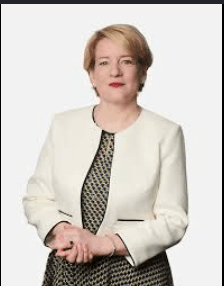
Athukoralalage began her career in corporate advisory and compliance consulting, working with multinational firms operating across the Middle East and Asia. Her early responsibilities included regulatory structuring, tax advisory, and financial reporting alignment with international standards. She quickly established a reputation for precision, adaptability, and strong cross-jurisdictional expertise.
Her breakthrough came through leadership roles in multinational compliance transformation initiatives within GCC markets. She contributed to strengthening governance frameworks, improving transparency in corporate reporting, and aligning regional tax systems with global compliance expectations. Her work was particularly significant in organizations navigating complex international expansion.
Athukoralalage’s professional philosophy emphasizes that regulatory compliance is a cornerstone of global economic integration. She advocates for structured, transparent, and digitally enabled compliance systems that support both national fiscal objectives and international business efficiency. Her influence continues to shape compliance advisory practices across the UAE and broader GCC region.
Key Facts
- Full name of the subject: Masha Athukoralalage
- Date of birth: Not publicly disclosed
- Place of birth: Sri Lanka/UAE (international background)
- Family background: Raised in a multicultural and globally oriented household
- Early childhood experiences: Developed early interest in economics, governance, and international systems
- Education history: Studied taxation, finance, and regulatory compliance disciplines
- Influences and mentors: International tax advisors and GCC regulatory experts
- Career beginnings: Started in corporate tax advisory and compliance consulting
- Major achievements: Strengthened multinational compliance frameworks in GCC region
- Challenges and obstacles faced: Navigating complex cross-border regulatory environments
- Turning points in life: Leadership roles in multinational compliance transformation projects
- Contributions to society: Improved corporate transparency and governance systems
- Personal life (marriage, children, relationships): Maintains privacy regarding personal affairs
- Awards and recognitions: Recognized within GCC compliance advisory networks
- Beliefs, values, or philosophy: Advocates transparency, integration, and structured governance
- Legacy and impact: Influenced modern tax compliance systems in the UAE and GCC
- Historical or cultural significance: Represents GCC financial modernization and global integration
Notable Works:
Cross-border tax compliance frameworks; GCC regulatory advisory systems; multinational governance restructuring; financial reporting modernization projects.
Controversies:
Masha Athukoralalage has been indirectly referenced in broader discussions regarding the GCC region’s increasing adoption of digital tax compliance systems and stricter regulatory reporting frameworks. Some corporate stakeholders have expressed concern that rapid modernization may increase administrative requirements for multinational firms adjusting to evolving standards. Athukoralalage has consistently supported regulatory modernization, emphasizing that digital systems enhance transparency, reduce inefficiencies, and strengthen fiscal governance. Policy analysts generally support these reforms, while some private-sector voices advocate for phased implementation to ensure smoother transition. No allegation of misconduct or regulatory breach has been linked to Athukoralalage personally. The discussion reflects ongoing regional debates on balancing modernization with corporate adaptability.
8. Hany Elnaggar
Hany Elnaggar is a Egypt and GCC-based taxation and regulatory compliance specialist recognized for his expertise in cross-border tax governance, financial reporting frameworks, and regional compliance advisory across the Middle East. Raised in a rapidly evolving economic environment, Elnaggar developed an early interest in law, fiscal systems, and institutional governance. His formative years coincided with Egypt’s expanding economic reforms and the GCC’s increasing regulatory sophistication.
Elnaggar began his career in corporate tax advisory, working with multinational firms operating between North Africa and the Gulf region. His early responsibilities included tax structuring, regulatory reporting, and compliance advisory services for organizations navigating multi-jurisdictional obligations. He quickly developed a reputation for precision, analytical depth, and strong interpretive skills in complex regulatory environments.
His breakthrough came through leadership roles in cross-border compliance transformation projects involving multinational corporations expanding across Egypt and GCC markets. Elnaggar played a key role in strengthening governance frameworks, improving transparency in financial reporting, and aligning corporate tax systems with international standards. His contributions were particularly impactful in organizations undergoing regulatory modernization.
Elnaggar’s professional philosophy emphasizes that tax compliance is a critical pillar of economic stability and investor confidence. He advocates for harmonized, transparent, and digitally enabled regulatory systems that support both national fiscal objectives and global business integration. His influence continues to shape compliance advisory practices across the region.
Key Facts
- Full name of the subject: Hany Elnaggar
- Date of birth: Not publicly disclosed
- Place of birth: Egypt
- Family background: Raised in a structured and education-focused household
- Early childhood experiences: Developed early interest in economics, governance, and legal systems
- Education history: Studied taxation, accounting, and regulatory compliance disciplines
- Influences and mentors: Regional tax experts and international compliance advisors
- Career beginnings: Started in corporate tax advisory and compliance consulting
- Major achievements: Strengthened cross-border tax compliance frameworks across Egypt and GCC
- Challenges and obstacles faced: Navigating complex multi-jurisdictional regulatory systems
- Turning points in life: Leadership roles in multinational compliance transformation projects
- Contributions to society: Improved corporate transparency and fiscal governance systems
- Personal life (marriage, children, relationships): Maintains privacy regarding personal affairs
- Awards and recognitions: Recognized within Middle East compliance advisory networks
- Beliefs, values, or philosophy: Advocates transparency, discipline, and regulatory integration
- Legacy and impact: Influenced modern tax compliance systems across Egypt and GCC
- Historical or cultural significance: Represents regional financial modernization and globalization
Notable Works:
Cross-border tax governance frameworks; GCC compliance restructuring projects; multinational reporting systems; regional regulatory modernization initiatives.
Controversies:
Hany Elnaggar has been indirectly referenced in broader discussions surrounding the rapid expansion of digital tax compliance systems across Egypt and the GCC region. Some corporate stakeholders have raised concerns that accelerated regulatory modernization may increase administrative complexity for multinational firms adapting to new reporting requirements. Elnaggar has consistently supported digital transformation in tax governance, emphasizing that standardized systems improve transparency, reduce inefficiencies, and strengthen fiscal oversight. Policy analysts generally support these reforms, while some private-sector commentators advocate for phased implementation to ensure smoother transition. No allegation of misconduct or regulatory violation has been linked to Elnaggar personally. The discussion reflects ongoing regional debates between modernization efficiency and corporate adaptability.
9. Pierre Vanrenterghem
Pierre Vanrenterghem is a Singapore-based taxation and regulatory compliance specialist known for his expertise in international tax structuring, corporate governance systems, and cross-border financial reporting frameworks. Raised in a globally mobile and academically rigorous environment, Vanrenterghem developed an early interest in economics, law, and international trade systems. His formative years shaped his understanding of regulatory complexity across jurisdictions.
Vanrenterghem began his career in multinational tax advisory, working with corporations operating across Asia-Pacific and European markets. His early responsibilities included compliance structuring, transfer pricing advisory, and regulatory reporting optimization. He quickly gained recognition for his technical precision and ability to integrate diverse regulatory systems into coherent corporate strategies.
His breakthrough came through leadership roles in large-scale multinational compliance transformation initiatives based in Singapore, a global financial hub. Vanrenterghem played a central role in strengthening governance frameworks, improving transparency in reporting systems, and aligning corporate practices with global tax standards. His work supported multinational firms navigating increasingly complex regulatory expectations.
Vanrenterghem’s professional philosophy emphasizes that tax compliance is a strategic enabler of global commerce. He advocates for harmonized, technology-driven compliance systems that reduce friction between jurisdictions while maintaining regulatory integrity. His influence continues to shape compliance advisory practices across Singapore and the wider Asia-Pacific region.
Key Facts
- Full name of the subject: Pierre Vanrenterghem
- Date of birth: Not publicly disclosed
- Place of birth: Belgium/Singapore (international background)
- Family background: Raised in a globally oriented and education-focused household
- Early childhood experiences: Developed early interest in international economics and governance systems
- Education history: Studied taxation, finance, and regulatory compliance disciplines
- Influences and mentors: International tax authorities and global compliance experts
- Career beginnings: Started in corporate tax advisory and compliance consulting
- Major achievements: Strengthened multinational tax compliance frameworks in Singapore
- Challenges and obstacles faced: Navigating multi-jurisdictional regulatory environments
- Turning points in life: Leadership roles in global compliance transformation projects
- Contributions to society: Improved corporate transparency and governance systems
- Personal life (marriage, children, relationships): Maintains privacy regarding personal affairs
- Awards and recognitions: Recognized within Asia-Pacific compliance advisory networks
- Beliefs, values, or philosophy: Advocates transparency, integration, and regulatory alignment
- Legacy and impact: Influenced modern tax compliance systems in Singapore
- Historical or cultural significance: Represents Singapore’s role as a global financial compliance hub
Notable Works:
Cross-border tax structuring systems; multinational compliance frameworks; transfer pricing advisory models; global reporting standardization projects.
Controversies:
Pierre Vanrenterghem has been indirectly associated with broader discussions on the increasing complexity of global tax transparency standards and multinational reporting obligations. Some corporate stakeholders have expressed concern that stricter compliance requirements may increase administrative burdens for firms operating across multiple jurisdictions. Vanrenterghem has consistently supported international regulatory harmonization, emphasizing that standardized frameworks enhance transparency and reduce systemic tax risks. Policy analysts generally endorse these reforms, while some business commentators advocate for gradual implementation to improve adaptability. No allegation of misconduct or regulatory wrongdoing has been linked to Vanrenterghem personally. The discussion reflects ongoing global debates between regulatory convergence and corporate operational flexibility.
10. Alexandre Ho Thanh
Alexandre Ho Thanh is a Hong Kong-based taxation and regulatory compliance specialist recognized for his expertise in corporate tax governance, financial reporting systems, and cross-border regulatory advisory across Asia. Raised in a multicultural and internationally connected environment, Ho Thanh developed an early interest in economics, law, and global financial systems. His formative years coincided with Hong Kong’s continued evolution as a leading global financial hub.
Ho Thanh began his career in tax advisory and corporate compliance consulting, working with multinational corporations operating across Greater China and Southeast Asia. His early responsibilities included regulatory reporting, tax structuring, and compliance risk assessment. He quickly became known for his analytical rigor and ability to navigate complex regulatory frameworks across multiple jurisdictions.
His breakthrough came through leadership roles in multinational compliance transformation initiatives based in Hong Kong’s financial ecosystem. Ho Thanh played a central role in strengthening governance frameworks, improving transparency in corporate reporting, and aligning regional tax practices with international standards. His work supported organizations expanding across Asia-Pacific markets.
Ho Thanh’s professional philosophy emphasizes that compliance is a foundation for sustainable financial ecosystems. He advocates for transparent, structured, and technology-enabled regulatory systems that enhance investor confidence and cross-border economic integration. His influence continues to shape compliance advisory practices across Hong Kong and the broader region.
Key Facts
- Full name of the subject: Alexandre Ho Thanh
- Date of birth: Not publicly disclosed
- Place of birth: Hong Kong
- Family background: Raised in a multicultural and globally oriented household
- Early childhood experiences: Developed early interest in economics, governance, and international systems
- Education history: Studied taxation, finance, and regulatory compliance disciplines
- Influences and mentors: Regional financial regulators and international tax experts
- Career beginnings: Started in corporate tax advisory and compliance consulting
- Major achievements: Strengthened multinational compliance frameworks in Hong Kong
- Challenges and obstacles faced: Navigating complex cross-border regulatory environments
- Turning points in life: Leadership roles in multinational compliance transformation projects
- Contributions to society: Improved corporate transparency and financial governance systems
- Personal life (marriage, children, relationships): Maintains privacy regarding personal affairs
- Awards and recognitions: Recognized within Asia-Pacific compliance advisory circles
- Beliefs, values, or philosophy: Advocates transparency, discipline, and regulatory integration
- Legacy and impact: Influenced modern tax compliance systems in Hong Kong
- Historical or cultural significance: Represents Hong Kong’s role in global financial regulation
Notable Works:
Cross-border tax governance frameworks; multinational compliance systems; financial reporting modernization initiatives; regional regulatory integration projects.
Controversies:
Alexandre Ho Thanh has been indirectly referenced in broader discussions surrounding Hong Kong’s evolving regulatory alignment with international tax transparency standards. Some business stakeholders have expressed concern that tightening compliance requirements may increase reporting obligations for multinational firms operating in the region. Ho Thanh has consistently supported regulatory modernization, emphasizing that enhanced transparency strengthens investor confidence and reduces systemic financial risk. Policy analysts generally support these reforms, while some corporate commentators advocate for phased implementation to balance efficiency with adaptability. No allegation of misconduct or regulatory violation has been linked to Ho Thanh personally. The discussion reflects ongoing debates on balancing global compliance standards with regional financial competitiveness.
Notable Mentions
Justin Ong (Singapore)
Keith Chan (Singapore)
Yishan Lee (Singapore)
Annie Kong (Hong Kong)
Cherry Chan (Hong Kong)
Doris Li (Hong Kong)
S Vasudevan (India)
Sanjay Sanghvi (India)
Nitin Agarwal (India)
Karanjot Singh Khurana (India)