
Top 10 Skyscraper and Commercial Building Architects in Asia
Top 10 Skyscraper and Commercial Building Architects in Asia
In This Content
Quick List
Hooman Balazadeh
Larry Wen
Xiaosheng Li
Jihun Lee
Sungun Park
Gordon Gn
Koichi Mase
Masahiro Tamaki
Luke Lim
Tariq Khayyat
1. Hooman Balazadeh
Among the most intellectually ambitious architects to emerge from the contemporary Middle Eastern design landscape, Hooman Balazadeh has built a reputation defined by conceptual rigor, spatial experimentation, and urban sensitivity. In an era where commercial architecture across Asia increasingly competes for visual spectacle, Balazadeh has distinguished himself through a quieter but more enduring architectural philosophy one rooted in contextual modernism, climatic responsiveness, and sculptural restraint. His rise reflects not only the evolution of Iranian architecture, but also the broader re-emergence of West Asian designers within global architectural discourse.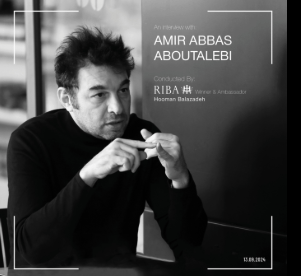
Born and raised in Iran, Balazadeh grew up surrounded by one of the world’s richest architectural civilizations. Persian courtyards, intricate geometries, dense bazaars, and centuries-old urban fabrics formed the visual memory of his early years. Yet his childhood also unfolded amid rapid modernization, economic instability, and changing urban priorities within Iranian cities. The coexistence of ancient urban heritage and expanding commercial infrastructure profoundly shaped his architectural worldview. From an early age, he became fascinated by how architecture could mediate between historical continuity and modern urban necessity. His formal education in architecture exposed him to both Persian spatial traditions and international modernist movements, creating the foundation for the hybrid design language that would later define his career.
Balazadeh’s early professional years were marked by the structural limitations facing architects working within Iran’s politically and economically constrained environment. International sanctions, fluctuating material access, and inconsistent development cycles required architects to become exceptionally adaptive and resource-conscious. During this period, Balazadeh developed a design approach centered on material efficiency, environmental responsiveness, and spatial innovation rather than excessive formalism. Early commissions in commercial and mixed-use architecture revealed his growing interest in manipulating light, texture, and circulation to create emotionally resonant urban environments. These projects gradually attracted recognition among younger Iranian architects seeking alternatives to generic imported commercial design models.
His breakthrough came as international architectural circles began paying closer attention to the conceptual sophistication emerging from contemporary Iranian architecture. Balazadeh’s commercial and high-rise projects stood out for their ability to fuse metropolitan functionality with strong cultural identity. Rather than treating skyscrapers as isolated corporate monuments, he approached them as urban organisms shaped by climate, movement, and social interaction. Layered façades, void-based spatial systems, and climate-adaptive geometry became recurring themes in his work. Architectural publications increasingly identified him as part of a new generation redefining Middle Eastern commercial architecture through innovation rather than imitation.
Today, Balazadeh’s influence extends beyond the buildings themselves. He represents a broader intellectual movement within Asian architecture that challenges the assumption that modernity must erase regional identity. His projects continue to demonstrate that commercial architecture can remain experimental, globally competitive, and culturally rooted simultaneously. In doing so, Balazadeh has helped position Iranian architecture once again as a serious contributor to global architectural thought.
Key Facts
- Full name of the subject: Hooman Balazadeh
- Date of birth: Publicly limited information
- Place of birth: Iran
- Family background: Raised within Iran’s historically layered urban and cultural environment
- Early childhood experiences: Exposure to Persian architectural traditions alongside rapid urban modernization
- Education history: Studied architecture and urban design in Iran
- Influences and mentors: Persian architecture, climate-responsive urbanism, modernist spatial theory
- Career beginnings: Started professional work within Iran’s commercial and mixed-use architectural sector
- Major achievements: International recognition for innovative commercial and high-rise architecture
- Challenges and obstacles faced: Economic sanctions, market instability, and constrained construction conditions
- Turning points in life: Recognition through concept-driven commercial developments and urban projects
- Contributions to society: Advanced the global visibility of contemporary Iranian architecture
- Personal life (marriage, children, relationships): Maintains a highly private personal life
- Awards and recognitions: Recognized in regional and international architecture forums and publications
- Beliefs, values, or philosophy: Architecture should merge cultural memory with future-oriented urban systems
- Legacy and impact: Helped redefine modern Iranian commercial architecture for global audiences
- Historical or cultural significance: Represents the international resurgence of contemporary Iranian design culture
Notable Works: Commercial mixed-use towers, urban redevelopment concepts, climate-responsive commercial buildings, conceptual skyscraper projects, integrated metropolitan developments
Controversies: Balazadeh’s work has occasionally been discussed within larger debates surrounding modernization and urban transformation in Iran. Critics from preservation and cultural-conservation circles argued that certain contemporary commercial developments across Tehran and other Iranian cities risked weakening traditional urban character and accelerating social stratification. Some conservative observers also criticized highly experimental modernist aesthetics within commercial architecture, claiming they departed excessively from recognizable regional visual traditions. Balazadeh and supporters of his work maintained that Persian architectural history itself evolved through continuous reinterpretation and innovation rather than static preservation. Importantly, no verified allegations of corruption, criminal wrongdoing, or professional misconduct involving Balazadeh have been publicly substantiated. The controversies surrounding his projects remain primarily intellectual and ideological, reflecting wider debates about urban modernization, heritage conservation, and national identity within contemporary Iran.
2. Larry Wen
Few architects symbolize the scale and ambition of China’s urban transformation more effectively than Larry Wen. Emerging during the country’s historic construction boom, Wen became part of a generation tasked with reshaping the skylines of modern China. His work reflects the extraordinary pressures facing Chinese commercial architects: balancing investor demands, national prestige, technological innovation, and urban sustainability within cities expanding at unprecedented speed.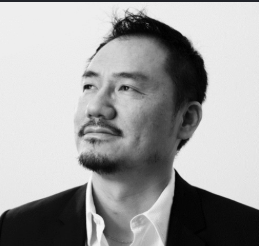
Born during China’s economic reform era, Wen witnessed firsthand the transformation of urban life from state-controlled uniformity to globally integrated metropolitan ambition. Cities such as Shanghai, Shenzhen, and Beijing rapidly evolved into financial and technological powerhouses, producing an environment where architecture became a symbol of national confidence. Wen’s early exposure to these dramatic urban shifts deeply influenced his perception of skyscrapers as more than engineering exercises; they became instruments of economic storytelling and civic identity. His architectural education coincided with China’s increasing openness to international design influence, allowing him to study both advanced engineering methodologies and traditional Chinese spatial principles.
The beginning of Wen’s career unfolded inside one of the most demanding construction economies in the world. China’s development pace required architects capable of handling immense project scales, compressed timelines, and highly competitive commercial expectations. Wen initially worked on large office complexes, mixed-use commercial districts, and corporate towers, developing a reputation for technical discipline and urban coordination. Rather than relying solely on extravagant visual forms, he emphasized circulation logic, infrastructure integration, and long-term functionality. These qualities gradually distinguished him within a market often dominated by spectacle-driven architecture.
Wen’s breakthrough arrived as Chinese cities began pursuing more mature forms of urban development beyond pure expansion. Commercial developers increasingly sought projects that communicated sophistication, sustainability, and international credibility. Wen responded by producing high-rise and mixed-use developments integrating smart façade systems, public plazas, pedestrian connectivity, and environmentally responsive planning strategies. His architecture reflected a transition occurring across China itself from construction quantity toward urban quality. International architectural observers began identifying his projects as examples of China’s growing confidence in producing globally influential commercial design rather than simply importing foreign models.
Today, Wen’s legacy is tied to the maturation of Chinese urban architecture. His work embodies a generation that transformed China from a follower of global skyscraper trends into a leader shaping new standards in metropolitan commercial development. Through projects emphasizing technological precision and civic integration, Wen helped redefine what contemporary Chinese skyscraper architecture could represent in the twenty-first century.
Key Facts
- Full name of the subject: Larry Wen
- Date of birth: Publicly limited information
- Place of birth: China
- Family background: Raised during China’s economic reform and urban expansion era
- Early childhood experiences: Witnessed large-scale redevelopment and modernization of Chinese cities
- Education history: Formally educated in architecture and urban systems planning
- Influences and mentors: Chinese urban modernization, global skyscraper engineering, sustainable design movements
- Career beginnings: Started within China’s large commercial and mixed-use architectural sector
- Major achievements: Recognition for technologically advanced commercial towers and urban developments
- Challenges and obstacles faced: High-pressure development timelines and rapidly evolving urban regulations
- Turning points in life: Leadership on landmark mixed-use and commercial high-rise projects
- Contributions to society: Advanced sustainable and integrated urban commercial planning in China
- Personal life (marriage, children, relationships): Maintains a private personal profile
- Awards and recognitions: Respected within Chinese and international commercial architecture communities
- Beliefs, values, or philosophy: High-rise architecture should strengthen both economic and civic urban systems
- Legacy and impact: Contributed to the modernization and globalization of Chinese commercial architecture
- Historical or cultural significance: Represents China’s rise as a dominant architectural and urban-development force
Notable Works: Commercial office towers, smart mixed-use developments, urban financial districts, sustainable skyscraper systems, large-scale redevelopment projects
Controversies: Wen’s work has periodically been connected to broader public criticism surrounding China’s rapid commercial redevelopment policies. Urban historians and preservation advocates argued that aggressive redevelopment in some Chinese metropolitan regions accelerated the demolition of older neighborhoods and intensified displacement pressures on lower-income communities. Environmental critics also questioned whether certain large-scale commercial projects adequately addressed long-term ecological sustainability despite green-building certifications. Supporters of Wen’s projects maintained that his developments generally demonstrated stronger public integration and environmental responsiveness than many competing commercial projects across the Chinese market. No verified evidence has publicly linked Wen to corruption, regulatory violations, or professional misconduct. The debates surrounding his work primarily reflect broader national tensions regarding modernization, economic expansion, environmental sustainability, and heritage preservation within contemporary Chinese urbanism.
3. Xiaosheng Li
In the increasingly sophisticated world of Chinese skyscraper architecture, Xiaosheng Li has emerged as an architect associated with precision, environmental intelligence, and disciplined metropolitan planning. Unlike earlier generations driven primarily by monumental scale and economic symbolism, Li belongs to a newer wave of Chinese designers focused on urban sustainability, spatial efficiency, and long-term civic functionality. His projects reflect the evolution of China’s architectural priorities as the nation transitions from explosive growth toward more strategic urban refinement.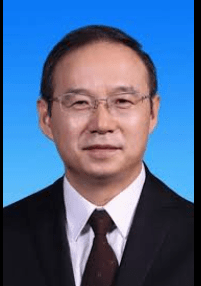
Li was raised during one of the most transformative periods in modern Chinese history, when industrialization and urbanization reshaped entire regions within a single generation. Massive construction projects, expanding transportation networks, and rapidly rising skylines formed the visual landscape of his early life. Yet alongside economic growth came growing awareness of environmental pressure, congestion, and urban inequality. These realities shaped Li’s understanding of architecture as a discipline deeply connected to ecological and social systems. His formal architectural education emphasized advanced structural planning, urban systems theory, and sustainable design methodologies disciplines that would later define his professional identity.
The early years of Li’s career were spent within multidisciplinary commercial design firms managing large urban developments across major Chinese cities. These formative experiences exposed him to the operational realities of high-density planning, zoning complexity, and commercial programming at enormous scale. Li quickly became recognized for combining technical rigor with urban sensitivity. Rather than pursuing purely iconic skyscraper forms, his projects frequently emphasized circulation efficiency, natural light optimization, and integration with surrounding infrastructure systems. This approach aligned with the evolving priorities of Chinese municipalities seeking more balanced urban growth models.
Li’s breakthrough phase emerged as environmental sustainability became central to Chinese development policy. Commercial clients increasingly sought projects capable of combining economic prestige with measurable ecological performance. Li responded by integrating energy-efficient systems, climate-adaptive façades, and pedestrian-oriented planning into major commercial developments. His work reflected a broader cultural transition occurring within China’s architectural sector: the shift from isolated megaprojects toward interconnected urban ecosystems. Architectural critics increasingly viewed his projects as evidence that Chinese commercial architecture was entering a more mature and globally influential phase.
Today, Li’s significance lies in his contribution to redefining the relationship between skyscrapers and the cities surrounding them. His architecture demonstrates that density, sustainability, and commercial ambition need not exist in opposition. As China continues confronting the challenges of climate adaptation and long-term urban resilience, Li’s work remains closely associated with the future direction of environmentally conscious Asian metropolitan design.
Key Facts
- Full name of the subject: Xiaosheng Li
- Date of birth: Publicly limited information
- Place of birth: China
- Family background: Raised during China’s rapid industrial and urban transformation
- Early childhood experiences: Exposure to expanding metropolitan environments and infrastructure growth
- Education history: Studied architecture, sustainability systems, and urban planning
- Influences and mentors: Sustainable urban theorists, contemporary Chinese planners, global high-rise innovators
- Career beginnings: Worked in large multidisciplinary commercial architectural firms
- Major achievements: Recognition for environmentally integrated commercial and skyscraper developments
- Challenges and obstacles faced: Balancing rapid urban expansion with sustainability objectives
- Turning points in life: Leadership on major green commercial and mixed-use developments
- Contributions to society: Promoted environmentally conscious skyscraper planning within China
- Personal life (marriage, children, relationships): Maintains a private personal life
- Awards and recognitions: Recognized within contemporary Chinese architecture and sustainability circles
- Beliefs, values, or philosophy: Commercial architecture must support long-term ecological and urban resilience
- Legacy and impact: Influenced the integration of sustainability into modern Chinese skyscraper design
- Historical or cultural significance: Represents China’s transition toward environmentally responsible urbanism
Notable Works: Sustainable office towers, mixed-use urban districts, green skyscraper developments, integrated commercial planning systems, environmentally adaptive high-rise concepts
Controversies: Li’s projects have occasionally been included in wider public debates concerning “green development” claims within China’s commercial construction industry. Environmental analysts and civic groups questioned whether some large commercial projects marketed as sustainable fully achieved the ecological benefits promoted in development campaigns. Critics argued that high-density commercial expansion itself imposes long-term environmental costs regardless of certification systems or energy-efficiency technologies. Supporters of Li’s work countered that his projects consistently pushed Chinese skyscraper architecture toward significantly higher sustainability standards than prevailing industry norms. Public debate also reflected broader concerns about balancing economic growth with environmental responsibility across China’s rapidly urbanizing regions. No verified allegations of corruption, legal wrongdoing, or professional misconduct involving Li have been publicly substantiated.
4. Jihun Lee
As South Korea evolved into one of Asia’s most design-conscious economies, Jihun Lee emerged among the architects redefining the visual and civic identity of commercial high-rise architecture in East Asia. Lee’s work reflects the transformation of Korean urbanism itself from rapid industrial expansion toward a more refined, technologically advanced, and human-centered architectural culture. His skyscrapers and mixed-use developments are often recognized not for theatrical extravagance, but for disciplined elegance, spatial calm, and carefully balanced urban integration.
Born during South Korea’s era of economic acceleration, Lee grew up witnessing Seoul’s dramatic rise into one of the world’s densest and most technologically sophisticated metropolitan centers. Tower cranes, expressways, and rapidly changing skylines formed the backdrop of his early life. Yet alongside economic growth came increasing public concern regarding overcrowding, environmental degradation, and the psychological effects of hyper-dense urban living. These realities shaped Lee’s architectural philosophy from an early stage. His formal education introduced him to both Korean spatial traditions and international modernist architecture, encouraging a synthesis between minimalist aesthetics and technological precision.
Lee’s early professional years unfolded within South Korea’s highly competitive commercial architecture industry, where developers demanded speed, efficiency, and internationally recognizable design standards. During this formative period, Lee worked on office complexes, urban redevelopment projects, and mixed-use commercial towers that sharpened his understanding of circulation systems, zoning regulations, and urban infrastructure coordination. Colleagues increasingly recognized his ability to create commercial spaces that felt restrained and sophisticated despite operating within intensely commercial environments. His designs frequently incorporated controlled material palettes, natural lighting strategies, and spatial transitions that softened the harshness of dense metropolitan development.
The breakthrough stage of Lee’s career coincided with South Korea’s broader rise as a global cultural and technological influence. Korean architecture, like Korean entertainment and industrial design, began receiving growing international attention for its emphasis on precision, refinement, and emotional subtlety. Lee became associated with commercial developments that balanced corporate prestige with public accessibility. Rather than producing skyscrapers designed purely for visual dominance, he emphasized environmental responsiveness, pedestrian integration, and adaptable civic space. These ideas resonated strongly within Asian cities increasingly searching for more humane approaches to density and vertical urbanism.
Today, Lee’s influence extends beyond South Korea’s borders. Younger architects across East Asia frequently cite his work as representative of a mature urban philosophy capable of combining commercial ambition with architectural restraint. His projects continue to shape conversations surrounding sustainability, urban livability, and the future of skyscraper design in highly populated global cities. In many ways, Lee symbolizes the evolution of Korean architecture itself disciplined, globally competitive, and deeply attentive to the emotional experience of urban life.
Key Facts
- Full name of the subject: Jihun Lee
- Date of birth: Publicly limited information
- Place of birth: South Korea
- Family background: Raised during South Korea’s rapid modernization and urban expansion era
- Early childhood experiences: Exposure to dense metropolitan redevelopment and technological urban growth
- Education history: Studied architecture and urban planning in South Korea
- Influences and mentors: Korean minimalism, sustainable urbanism, East Asian modernist architecture
- Career beginnings: Started within South Korea’s commercial and mixed-use architectural sector
- Major achievements: Recognition for refined skyscraper and commercial urban developments
- Challenges and obstacles faced: Balancing high-density commercial demands with environmental and civic priorities
- Turning points in life: Leadership on major mixed-use and commercial tower developments
- Contributions to society: Promoted human-centered skyscraper and urban planning approaches
- Personal life (marriage, children, relationships): Maintains a private personal life
- Awards and recognitions: Recognized within Korean and regional architecture communities
- Beliefs, values, or philosophy: Architecture should harmonize technology, sustainability, and human experience
- Legacy and impact: Influenced modern Korean commercial architectural identity
- Historical or cultural significance: Represents South Korea’s emergence as a global design leader
Notable Works: Commercial office towers, mixed-use urban developments, sustainable skyscraper systems, pedestrian-oriented commercial districts, integrated civic-commercial projects
Controversies: Lee’s projects have occasionally become part of broader public debates regarding redevelopment-driven urban transformation in South Korea, particularly concerns surrounding housing affordability, gentrification, and social displacement. Critics argued that some commercial redevelopment initiatives contributed to rising property values and weakened the cultural identity of older districts in Seoul and other urban centers. Urban activists questioned whether large-scale commercial expansion sufficiently addressed long-term affordability and community preservation concerns. Supporters of Lee’s work maintained that his developments incorporated greater public accessibility, environmental integration, and urban sensitivity than many competing projects within the market. No verified allegations of corruption, professional misconduct, or legal violations involving Lee have been publicly substantiated. The controversies surrounding his work primarily reflect wider societal debates about modernization, density, and urban inequality within South Korea’s rapidly evolving metropolitan landscape.
5. Sungun Park
Within South Korea’s increasingly influential architectural scene, Sungun Park has emerged as a designer associated with structural clarity, environmental responsiveness, and contemporary metropolitan identity. Park belongs to a generation of Korean architects working at the intersection of technology, sustainability, and urban refinement, helping shape a distinctly East Asian model of modern skyscraper architecture that values precision and livability alongside commercial ambition.
Park’s early life unfolded during a period when South Korea’s cities were transforming into globally recognized economic and technological hubs. The rapid redevelopment of Seoul exposed him to both the opportunities and pressures created by intense urban growth. Towering apartment complexes, financial districts, and infrastructure megaprojects became central visual features of modern Korean life. Yet Park also witnessed the growing public conversation around environmental sustainability and the human consequences of hyper-urbanization. These experiences deeply informed his understanding of architecture as a discipline responsible not only for skyline aesthetics, but for social and ecological balance.
His architectural education emphasized engineering discipline, spatial efficiency, and climate-sensitive design qualities increasingly prioritized within contemporary Korean commercial development. Early in his career, Park worked on commercial office towers and mixed-use developments where he developed expertise in façade systems, structural optimization, and integrated urban planning. Unlike some architects pursuing highly expressive sculptural forms, Park gravitated toward disciplined geometry and material restraint. Industry observers gradually associated his work with a calm but technologically sophisticated architectural language.
Park’s breakthrough emerged as South Korea entered a new phase of architectural maturity focused on sustainability and urban quality rather than simple expansion. Commercial developers increasingly sought buildings capable of expressing environmental responsibility and long-term urban adaptability. Park responded by integrating energy-efficient technologies, pedestrian-oriented circulation, and green transitional spaces into large commercial projects. His buildings frequently emphasized permeability and connectivity, attempting to soften the isolation often associated with high-density commercial districts.
Today, Park’s legacy is closely connected to the broader globalization of Korean architecture. His projects demonstrate how contemporary skyscraper design can remain technologically advanced while still preserving emotional restraint and civic coherence. Younger architects across Asia increasingly view his work as part of a movement redefining commercial high-rise architecture through sustainability, simplicity, and human-centered urbanism.
Key Facts
- Full name of the subject: Sungun Park
- Date of birth: Publicly limited information
- Place of birth: South Korea
- Family background: Raised during South Korea’s rapid urban and technological development era
- Early childhood experiences: Witnessed large-scale redevelopment and metropolitan growth in Korean cities
- Education history: Studied architecture and environmental urban systems
- Influences and mentors: Korean contemporary minimalism, sustainable architecture, modern urban engineering
- Career beginnings: Began within South Korea’s commercial high-rise architectural sector
- Major achievements: Recognition for environmentally responsive commercial and skyscraper developments
- Challenges and obstacles faced: Balancing sustainability goals with aggressive commercial development pressures
- Turning points in life: Leadership on high-profile commercial and mixed-use urban projects
- Contributions to society: Promoted sustainable skyscraper design and integrated urban planning strategies
- Personal life (marriage, children, relationships): Maintains a private personal profile
- Awards and recognitions: Respected within Korean contemporary architectural circles
- Beliefs, values, or philosophy: Architecture should combine precision, sustainability, and public accessibility
- Legacy and impact: Influenced environmentally conscious commercial architecture in East Asia
- Historical or cultural significance: Represents the global rise of modern Korean skyscraper design culture
Notable Works: Commercial office towers, sustainable mixed-use developments, environmentally integrated skyscraper systems, urban redevelopment initiatives
Controversies: Park’s work has occasionally been associated with broader criticism surrounding redevelopment intensity within South Korea’s urban planning environment. Civic groups and preservation advocates argued that certain commercial redevelopment zones risked eroding neighborhood identity and increasing economic inequality within major metropolitan areas. Environmental commentators also questioned whether high-density commercial construction could ever fully offset its ecological footprint despite advanced sustainability technologies. Supporters of Park’s work argued that his projects consistently exceeded prevailing environmental standards and incorporated significantly more public-space integration than competing developments. No verified allegations of legal wrongdoing, corruption, or professional misconduct involving Park have been publicly substantiated. The controversies linked to his projects largely reflect wider societal tensions surrounding urban density, redevelopment policy, and environmental sustainability in modern South Korea.
6. Gordon Gn
In Singapore’s meticulously planned architectural environment, Gordon Gn has become associated with a sophisticated approach to commercial and skyscraper architecture that emphasizes urban efficiency, environmental responsiveness, and international business identity. Working within one of the world’s most vertically disciplined cities, Gn developed a design philosophy shaped by Singapore’s unique urban conditions limited land, global financial competitiveness, and rigorous planning regulation.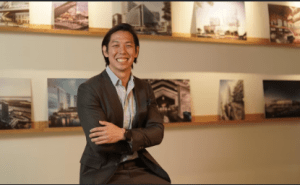
Raised in Singapore during its rapid emergence as a leading financial and commercial hub, Gn grew up surrounded by one of Asia’s most carefully engineered urban environments. Unlike many cities shaped by chaotic expansion, Singapore developed through strategic planning, infrastructural precision, and state-driven modernization. These conditions strongly influenced Gn’s architectural thinking. From an early stage, he understood architecture as part of an interconnected urban system rather than isolated artistic expression. His formal education exposed him to international high-rise engineering, tropical sustainability principles, and integrated city planning methodologies.
Gn’s early career developed through collaborations on commercial towers, mixed-use developments, and financial-sector projects within Singapore’s intensely competitive architectural market. These formative years refined his expertise in structural efficiency, spatial optimization, and climate-adaptive design. Because Singapore’s development regulations strongly emphasize sustainability and urban coherence, Gn became particularly skilled at integrating greenery, ventilation systems, and pedestrian accessibility into high-density projects. His work gradually gained recognition for balancing corporate sophistication with tropical environmental sensitivity.
The breakthrough phase of Gn’s career coincided with Singapore’s growing ambition to position itself as a global leader in sustainable skyscraper development. Commercial architecture in the city increasingly moved beyond pure financial symbolism toward integrated urban ecosystems emphasizing livability and ecological resilience. Gn became associated with projects that incorporated vertical greenery, public circulation systems, and mixed-use urban functionality into sleek commercial structures. His buildings reflected Singapore’s broader urban philosophy: technologically advanced yet environmentally controlled and socially organized.
Today, Gn’s influence extends throughout Southeast Asia’s commercial architecture sector. His work has helped reinforce Singapore’s international reputation as a laboratory for sustainable urbanism and high-rise innovation. For many younger architects, Gn represents the disciplined professionalism and systems-oriented thinking that increasingly define twenty-first-century skyscraper design.
Key Facts
- Full name of the subject: Gordon Gn
- Date of birth: Publicly limited information
- Place of birth: Singapore
- Family background: Raised during Singapore’s transformation into a global financial center
- Early childhood experiences: Exposure to highly planned urban environments and modern infrastructure systems
- Education history: Studied architecture, urban systems, and sustainable design principles
- Influences and mentors: Singaporean urban planning models, tropical architecture, global commercial skyscraper engineering
- Career beginnings: Started within Singapore’s commercial and mixed-use architectural sector
- Major achievements: Recognition for sustainable commercial and skyscraper developments
- Challenges and obstacles faced: Operating within strict urban planning and sustainability regulations
- Turning points in life: Leadership roles on major financial and mixed-use developments
- Contributions to society: Advanced environmentally integrated skyscraper planning in Singapore
- Personal life (marriage, children, relationships): Maintains a private personal life
- Awards and recognitions: Respected within Southeast Asian commercial architecture communities
- Beliefs, values, or philosophy: Architecture should function as part of larger urban and ecological systems
- Legacy and impact: Contributed to Singapore’s status as a global model for sustainable skyscraper urbanism
- Historical or cultural significance: Represents Singapore’s disciplined and internationally influential architectural identity
Notable Works: Commercial towers, financial district developments, sustainable mixed-use skyscrapers, tropical high-rise systems, integrated urban-commercial projects
Controversies: Gn’s projects have occasionally entered broader public discussions concerning the social and environmental implications of high-density commercial development in Singapore. Critics argued that certain luxury commercial and mixed-use developments contributed to rising urban costs and reinforced exclusivity within prime business districts. Urban commentators also questioned whether Singapore’s highly regulated planning environment sufficiently preserved architectural diversity and cultural spontaneity. Supporters of Gn’s work maintained that his projects consistently aligned with Singapore’s internationally recognized sustainability and urban-efficiency standards while providing strong public infrastructure integration. No verified allegations of corruption, professional misconduct, or regulatory violations involving Gn have been publicly substantiated. The controversies connected to his work primarily reflect ongoing debates regarding urban density, affordability, and state-managed development models within Singapore’s globally admired but tightly controlled metropolitan system.
7. Koichi Mase
As Singapore strengthened its reputation as one of Asia’s foremost centers for architectural innovation, Koichi Mase emerged as a significant figure within the region’s commercial and skyscraper design landscape. Combining Japanese-influenced spatial discipline with Singapore’s advanced urban planning culture, Mase developed a body of work recognized for precision, environmental awareness, and understated metropolitan elegance.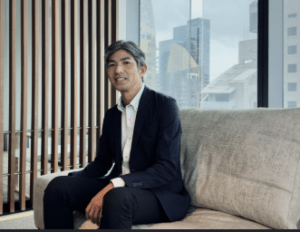
Born in Japan and professionally shaped within Singapore’s cosmopolitan architectural environment, Mase’s worldview was influenced by two highly sophisticated design cultures. Japanese architecture’s emphasis on proportion, simplicity, and sensory experience deeply informed his aesthetic philosophy, while Singapore exposed him to the operational demands of dense commercial urbanism. This fusion became central to his professional identity. Early exposure to minimalist design principles and technologically advanced construction methods cultivated an architectural language grounded in restraint rather than excess.
Mase’s early professional years involved collaboration on high-density commercial projects where efficiency and environmental performance were paramount. Working within Singapore’s demanding regulatory and sustainability frameworks, he developed expertise in integrating tropical climate adaptation with contemporary skyscraper engineering. Early projects revealed a preference for clean geometric composition, carefully controlled material palettes, and human-centered circulation systems. These characteristics gradually distinguished his work within Southeast Asia’s highly competitive commercial development market.
The breakthrough stage of Mase’s career emerged as developers increasingly sought commercial projects capable of combining international prestige with environmental sophistication. His skyscraper and mixed-use developments frequently emphasized natural ventilation strategies, integrated greenery, and carefully orchestrated public interaction zones. Rather than designing isolated corporate monuments, Mase approached commercial buildings as components within broader urban ecosystems. His work became associated with a refined architectural calm that contrasted sharply with the aggressive visual branding often dominating contemporary commercial skyscraper design.
Today, Mase’s influence can be seen in the growing popularity of restrained, environmentally integrated commercial architecture across Southeast Asia. His projects demonstrate that skyscrapers can project global competitiveness without abandoning subtlety, climatic intelligence, or urban sensitivity. In many respects, Mase embodies the increasingly international character of Asian architecture itself, cross-cultural, technologically advanced, and deeply responsive to metropolitan complexity.
Key Facts
- Full name of the subject: Koichi Mase
- Date of birth: Publicly limited information
- Place of birth: Japan
- Family background: Raised within Japan’s design-conscious cultural environment
- Early childhood experiences: Exposure to minimalist Japanese architecture and urban precision
- Education history: Studied architecture and sustainable urban systems
- Influences and mentors: Japanese minimalism, Singaporean urban planning, sustainable skyscraper engineering
- Career beginnings: Developed professionally within Singapore’s commercial architecture industry
- Major achievements: Recognition for environmentally integrated commercial and skyscraper projects
- Challenges and obstacles faced: Balancing aesthetic restraint with large-scale commercial expectations
- Turning points in life: Leadership on internationally recognized mixed-use developments
- Contributions to society: Promoted climate-responsive and human-centered skyscraper design
- Personal life (marriage, children, relationships): Maintains a private personal profile
- Awards and recognitions: Respected within Singaporean and regional architecture circles
- Beliefs, values, or philosophy: Architecture should create balance between urban density and human experience
- Legacy and impact: Influenced the refinement of Southeast Asian commercial skyscraper architecture
- Historical or cultural significance: Represents the fusion of Japanese design philosophy with Singaporean urban modernism
Notable Works: Sustainable office towers, mixed-use skyscraper developments, tropical commercial complexes, environmentally adaptive high-rise projects
Controversies: Mase’s projects have occasionally been discussed within larger debates concerning luxury-oriented urban development and architectural homogenization in global financial cities. Critics argued that premium commercial developments in Singapore and similar urban centers risked prioritizing investor interests over social diversity and affordable public space. Some architectural commentators also questioned whether highly minimalist international design trends diluted regional architectural identity. Supporters of Mase’s work emphasized that his projects consistently integrated climate-responsive systems, public accessibility, and contextual planning strategies beyond minimum regulatory requirements. No verified allegations of corruption, professional misconduct, or legal wrongdoing involving Mase have been publicly substantiated. The debates associated with his work primarily reflect broader international discussions regarding globalization, urban exclusivity, and the cultural direction of contemporary skyscraper architecture.
8. Masahiro Tamaki
In the increasingly globalized world of Asian skyscraper design, Masahiro Tamaki has emerged as a prominent figure associated with precision-driven commercial architecture, environmental responsiveness, and refined metropolitan planning. Working primarily within Singapore’s intensely competitive urban environment, Tamaki developed an architectural identity shaped by the intersection of Japanese spatial philosophy and Southeast Asian commercial modernity. His projects reflect a growing movement within contemporary architecture that values restraint, efficiency, and sustainability over purely monumental spectacle.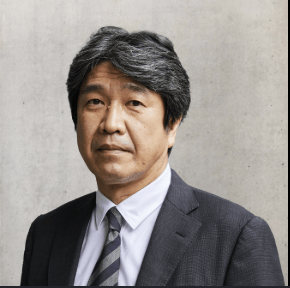
Born in Japan and professionally shaped within Singapore’s international architectural landscape, Tamaki grew up immersed in a culture that treated architecture not merely as construction but as a disciplined art of proportion, atmosphere, and human interaction. Japanese design traditions emphasizing simplicity, order, and sensitivity to natural elements profoundly influenced his early worldview. Later exposure to Singapore’s technologically advanced urban systems expanded that perspective, introducing him to one of the world’s most sophisticated models of high-density city planning. Together, these environments formed the conceptual foundation for Tamaki’s approach to skyscraper and commercial architecture.
Tamaki’s early professional years were defined by rigorous work within multinational architectural firms managing mixed-use developments, commercial towers, and integrated urban infrastructure projects. Singapore’s demanding regulatory environment required architects capable of balancing sustainability standards, financial practicality, and aesthetic clarity simultaneously. During this period, Tamaki became recognized for disciplined façade composition, efficient spatial planning, and climate-adaptive design systems. Unlike architects drawn toward aggressive visual branding, he cultivated a quieter architectural language rooted in material restraint and urban coherence.
The breakthrough phase of Tamaki’s career arrived as commercial developers across Asia increasingly sought projects combining international prestige with environmental credibility. His skyscraper and mixed-use developments frequently incorporated vertical landscaping, passive cooling strategies, and carefully structured pedestrian circulation systems. Rather than treating commercial towers as isolated symbols of financial power, Tamaki viewed them as interconnected components within larger urban ecosystems. Architectural observers increasingly associated his work with a distinctly contemporary Asian sensibility technologically advanced yet deeply attentive to human-scale experience.
Today, Tamaki’s influence extends throughout Southeast Asia’s evolving commercial architecture sector. His projects demonstrate how high-rise development can remain elegant, efficient, and environmentally intelligent without sacrificing commercial ambition. For younger architects navigating the pressures of globalization and climate adaptation, Tamaki represents a model of disciplined innovation grounded in long-term urban responsibility.
Key Facts
- Full name of the subject: Masahiro Tamaki
- Date of birth: Publicly limited information
- Place of birth: Japan
- Family background: Raised within Japan’s culturally design-oriented environment
- Early childhood experiences: Exposure to minimalist Japanese architecture and urban planning systems
- Education history: Studied architecture, urban systems, and sustainable design methodologies
- Influences and mentors: Japanese minimalism, Singaporean urban planning, climate-responsive architecture
- Career beginnings: Worked within multinational commercial architectural firms in Singapore
- Major achievements: Recognition for environmentally integrated skyscraper and commercial developments
- Challenges and obstacles faced: Balancing environmental priorities with large-scale commercial expectations
- Turning points in life: Leadership on internationally recognized mixed-use urban developments
- Contributions to society: Promoted sustainable and human-centered skyscraper planning across Southeast Asia
- Personal life (marriage, children, relationships): Maintains a highly private personal life
- Awards and recognitions: Recognized within Singaporean and international architectural communities
- Beliefs, values, or philosophy: Architecture should create balance between density, sustainability, and human comfort
- Legacy and impact: Influenced contemporary commercial architecture through environmentally integrated urban design
- Historical or cultural significance: Represents the fusion of Japanese spatial philosophy with Southeast Asian metropolitan modernism
Notable Works: Sustainable office towers, mixed-use commercial skyscrapers, environmentally adaptive urban developments, integrated high-rise planning systems
Controversies: Tamaki’s work has occasionally become part of broader discussions concerning luxury-oriented urban development and the social consequences of commercial densification within global financial cities. Critics argued that premium commercial developments in Singapore and neighboring metropolitan regions contributed to escalating property values and increased exclusivity within central business districts. Urban sociologists also questioned whether highly polished international architectural aesthetics risked reducing local cultural diversity in rapidly globalizing cities. Supporters of Tamaki’s work emphasized that his projects consistently exceeded prevailing environmental and urban integration standards while incorporating public circulation systems, greenery, and climate-sensitive planning strategies. No verified allegations of corruption, professional misconduct, or legal wrongdoing involving Tamaki have been publicly substantiated. The debates connected to his projects primarily reflect wider global conversations surrounding urban affordability, globalization, and the future social role of commercial skyscraper architecture.
9. Luke Lim
Among Singapore’s rising voices in commercial and skyscraper architecture, Luke Lim has become associated with technologically refined urban development and a sophisticated understanding of high-density metropolitan systems. Working within one of the world’s most strategically planned cities, Lim belongs to a generation of architects redefining what commercial skyscrapers can contribute to public life beyond corporate symbolism. His work reflects Singapore’s larger ambition to position itself as a global model for sustainable and integrated urbanism.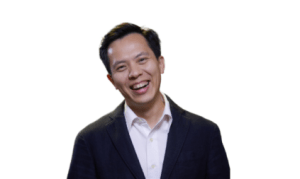
Lim was raised during Singapore’s transformation into one of Asia’s leading financial and technological hubs. From an early age, he experienced a city where architecture, infrastructure, and economic policy operated in close coordination. Unlike many rapidly expanding global cities shaped by disorderly growth, Singapore offered an urban environment defined by meticulous planning, vertical efficiency, and environmental management. These conditions profoundly shaped Lim’s understanding of architecture as a systems-oriented discipline. His education exposed him to advanced skyscraper engineering, tropical environmental design, and international urban development theory, forming the intellectual basis for his later work.
The early years of Lim’s career unfolded within Singapore’s demanding commercial development sector. Working on mixed-use projects, office towers, and integrated transit-oriented developments, he developed expertise in balancing density with livability. Industry professionals increasingly recognized his ability to create commercial environments emphasizing accessibility, public interaction, and environmental responsiveness. Rather than pursuing purely iconic forms, Lim focused on urban continuity designing buildings that connected seamlessly with surrounding transportation systems, public spaces, and ecological infrastructure.
Lim’s breakthrough emerged as sustainability and smart-city planning became central priorities within Asian urban development. Commercial clients increasingly sought projects capable of projecting technological sophistication while satisfying evolving environmental expectations. Lim responded by integrating intelligent energy systems, vertical greenery, pedestrian connectivity, and adaptive public-space strategies into large-scale commercial developments. His architecture reflected Singapore’s broader urban philosophy: compact, efficient, technologically advanced, and environmentally controlled. International observers increasingly cited his projects as examples of next-generation commercial urbanism in Asia.
Today, Lim’s influence continues growing within Southeast Asia’s architectural community. His work demonstrates how skyscrapers can function not simply as economic monuments, but as integrated components of healthier urban ecosystems. As cities across Asia confront issues of density, climate resilience, and infrastructural strain, Lim’s projects remain highly relevant to conversations about the future of sustainable metropolitan design.
Key Facts
- Full name of the subject: Luke Lim
- Date of birth: Publicly limited information
- Place of birth: Singapore
- Family background: Raised during Singapore’s emergence as a global financial and technological center
- Early childhood experiences: Exposure to highly organized urban planning and vertical city development
- Education history: Studied architecture, smart-city systems, and sustainable urban planning
- Influences and mentors: Singaporean urban policy models, tropical sustainability, advanced skyscraper engineering
- Career beginnings: Started within Singapore’s commercial and mixed-use architectural industry
- Major achievements: Recognition for integrated commercial and environmentally responsive skyscraper projects
- Challenges and obstacles faced: Balancing technological innovation with urban sustainability and public accessibility
- Turning points in life: Leadership roles on smart-city commercial developments and mixed-use projects
- Contributions to society: Advanced sustainable and integrated urban planning strategies in Singapore
- Personal life (marriage, children, relationships): Keeps personal life private
- Awards and recognitions: Respected within Singaporean and regional architectural communities
- Beliefs, values, or philosophy: Architecture should improve urban functionality and environmental resilience simultaneously
- Legacy and impact: Contributed to Singapore’s global reputation for sustainable high-density urbanism
- Historical or cultural significance: Represents the next generation of technologically integrated Asian skyscraper architecture
Notable Works: Smart commercial towers, integrated transit-oriented developments, sustainable mixed-use complexes, technologically advanced office skyscrapers
Controversies: Lim’s projects have occasionally entered public discourse regarding the broader social implications of high-end commercial development within Singapore’s tightly managed urban environment. Critics argued that large-scale commercial redevelopment sometimes reinforced socioeconomic exclusivity within prime districts and intensified concerns regarding affordability and access to urban space. Some urban theorists also questioned whether Singapore’s emphasis on efficiency and technological optimization risked producing overly controlled urban environments lacking spontaneity and cultural unpredictability. Supporters of Lim’s work countered that his projects consistently integrated public circulation systems, environmental infrastructure, and community-accessible spaces at standards exceeding many comparable developments globally. No verified allegations of corruption, professional misconduct, or legal violations involving Lim have been publicly substantiated. The debates surrounding his projects primarily reflect broader philosophical discussions concerning urban control, sustainability, and social inclusivity within advanced global cities.
10. Tariq Khayyat
In the rapidly evolving architectural landscape of the Middle East, Tariq Khayyat has emerged as a significant figure associated with luxury commercial development, skyscraper innovation, and large-scale metropolitan transformation. Working within the United Arab Emirates, a nation synonymous with ambitious skyline engineering and global real-estate competition, Khayyat developed an architectural identity shaped by spectacle, technological advancement, and international urban branding. Yet beneath the grandeur of Gulf commercial architecture, his work also reflects deeper questions surrounding sustainability, cultural identity, and the future of high-density urbanism in arid environments.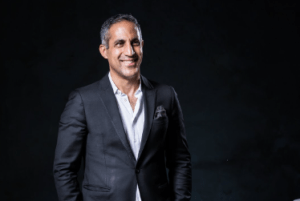
Born during the United Arab Emirates’ era of accelerated economic growth, Khayyat grew up witnessing one of the fastest urban transformations in modern history. Cities such as Dubai and Abu Dhabi evolved within decades from relatively modest regional centers into globally recognized financial and tourism capitals. Massive skyscrapers, artificial islands, luxury developments, and infrastructure megaprojects became defining features of everyday life. These conditions profoundly influenced Khayyat’s understanding of architecture as a tool of national ambition and international visibility. His education exposed him to advanced engineering systems, global commercial design trends, and the unique environmental challenges posed by Gulf urbanism.
Khayyat’s early professional career unfolded amid the UAE’s aggressive construction expansion. Commercial developers demanded increasingly iconic projects capable of attracting international investment, tourism, and corporate prestige. Working on mixed-use developments, luxury commercial towers, and urban master plans, Khayyat developed expertise in large-scale coordination, structural innovation, and visually commanding design strategies. Early projects demonstrated his ability to merge luxury aesthetics with technically sophisticated construction systems adapted to extreme desert climates.
The breakthrough phase of Khayyat’s career emerged as Gulf architecture entered a more mature stage emphasizing sustainability and long-term urban functionality alongside visual spectacle. Commercial clients increasingly sought projects capable of balancing prestige with environmental efficiency and civic integration. Khayyat responded by incorporating energy-conscious façade systems, shaded public circulation networks, and mixed-use urban programming into major developments. While his work retained the dramatic visual ambition associated with Gulf commercial architecture, it increasingly reflected broader international concerns regarding climate adaptation and urban resilience.
Today, Khayyat stands among the architects helping shape the next chapter of Middle Eastern skyscraper urbanism. His projects symbolize the UAE’s continuing effort to position itself at the forefront of global commercial architecture while navigating growing scrutiny regarding sustainability, resource consumption, and cultural authenticity. For many younger architects across the Gulf region, Khayyat represents the transition from spectacle-driven expansion toward more integrated and environmentally conscious metropolitan development.
Key Facts
- Full name of the subject: Tariq Khayyat
- Date of birth: Publicly limited information
- Place of birth: United Arab Emirates
- Family background: Raised during the UAE’s rapid economic and urban expansion era
- Early childhood experiences: Exposure to large-scale commercial development and skyline transformation in Gulf cities
- Education history: Studied architecture, high-rise engineering, and urban development systems
- Influences and mentors: Gulf metropolitan architecture, global skyscraper engineering, luxury commercial urbanism
- Career beginnings: Entered the UAE’s commercial and mixed-use architectural development sector
- Major achievements: Recognition for luxury skyscraper and commercial urban developments
- Challenges and obstacles faced: Balancing environmental sustainability with large-scale commercial ambition
- Turning points in life: Leadership on internationally recognized commercial and mixed-use developments
- Contributions to society: Advanced contemporary Gulf skyscraper architecture and urban planning innovation
- Personal life (marriage, children, relationships): Maintains a private personal profile
- Awards and recognitions: Recognized within Gulf and international commercial architecture communities
- Beliefs, values, or philosophy: Architecture should combine technological ambition with long-term urban adaptability
- Legacy and impact: Helped shape the modern visual identity of Gulf commercial architecture
- Historical or cultural significance: Represents the UAE’s emergence as a global center for skyscraper and luxury urban development
Notable Works: Luxury commercial towers, mixed-use skyscraper developments, urban master plans, environmentally adaptive Gulf commercial projects, high-profile metropolitan developments
Controversies: Khayyat’s projects have occasionally become part of broader international debates surrounding large-scale urban development within the Gulf region, particularly issues concerning environmental sustainability, labor systems, and luxury-driven urban expansion. Critics questioned whether certain high-profile commercial developments in the UAE adequately addressed long-term ecological pressures associated with water usage, energy consumption, and desert climate adaptation. Human-rights organizations and labor advocates have also historically scrutinized construction-sector practices across parts of the Gulf, although no verified allegations directly implicating Khayyat personally in labor violations or misconduct have been publicly substantiated. Supporters of his work argued that newer commercial developments increasingly integrate sustainability technologies and align with evolving regulatory standards within the UAE. The controversies associated with his projects largely reflect broader international scrutiny of rapid Gulf urbanization, luxury real-estate expansion, and the long-term sustainability of hyper-dense desert cities.
Notable Mentions
Doyeon Kim
Sandi Siregar
Budiman Hendropurnomo
Aris Munandar
Realrich Sjarief
Raza Ali Khan
Shahab Ghani Khan
Habib Fida Ali
Yawar Jilani
Mahboob Khan