
Top 10 Commercial and High-Rise Architects in Asia
Top 10 Commercial and High-Rise Architects in Asia
In This Content
Quick List
Doyeon Kim
Sandi Siregar
Budiman Hendropurnomo
Aris Munandar
Realrich Sjarief
Raza Ali Khan
Shahab Ghani Khan
Habib Fida Ali
Yawar Jilani
Mahboob Khan
1. Doyeon Kim
Few architects working in Asia today embody the evolving language of commercial urbanism as powerfully as Doyeon Kim. Emerging from South Korea’s fiercely competitive architectural culture, Kim belongs to a generation that inherited a skyline already transformed by rapid industrialization yet sought to redefine what high-rise architecture could emotionally communicate. While many commercial towers across East Asia became symbols of financial ambition and technological efficiency, Kim approached architecture as civic theateran opportunity to merge density, public interaction, and visual calm within increasingly vertical cities.
Born during a period when South Korea was cementing its position as one of Asia’s economic powerhouses, Kim grew up witnessing Seoul’s relentless urban expansion. Massive redevelopment projects altered neighborhoods almost overnight, exposing young designers to both the excitement and dislocation created by rapid modernization. These early experiences shaped Kim’s fascination with the social responsibilities of architecture. Rather than treating skyscrapers as isolated monuments, Kim became interested in how commercial buildings affect public movement, psychological perception, and collective identity. Academic training in architecture coincided with South Korea’s rise as a global design center, providing access to international influences ranging from Japanese minimalism to European sustainable urbanism.
Kim’s professional beginnings reflected the traditional rigor of the Korean architectural industry. Early years were spent inside large multidisciplinary firms where technical precision, structural coordination, and commercial viability were prioritized above personal expression. Yet those formative experiences became essential in developing Kim’s reputation for balancing aesthetics with economic practicality. During the initial phase of the career, Kim contributed to mixed-use developments, corporate towers, and urban renewal projects that emphasized clean geometry and restrained material palettes. Industry observers gradually noted an emerging signature: elegant façades that softened the harshness commonly associated with dense commercial districts.
The breakthrough phase arrived when Kim became associated with large-scale commercial and high-rise developments that fused sustainability with human-centered planning. Instead of relying solely on spectacle, Kim’s projects emphasized circulation, daylight integration, and public accessibility. In an era when many Asian cities competed to build the tallest towers, Kim distinguished himself by advocating for buildings that improved urban experience rather than simply dominating skylines. This philosophy resonated strongly with developers seeking contemporary prestige without sacrificing civic credibility. International recognition followed as architectural publications increasingly highlighted South Korea’s new generation of globally influential designers.
Kim’s broader legacy lies in redefining how commercial architecture can coexist with cultural sensitivity. At a time when globalization risked making major cities visually indistinguishable, Kim consistently incorporated regional material logic, spatial restraint, and contextual awareness into large-scale projects. The result has been a body of work that reflects both technological sophistication and emotional restraint qualities deeply associated with contemporary Korean design culture. Younger architects throughout Asia increasingly cite Kim as part of a movement that transformed skyscrapers from symbols of corporate power into instruments of urban harmony.
Key Facts
- Full name of the subject: Doyeon Kim
- Date of birth: Publicly limited information
- Place of birth: South Korea
- Family background: Raised within South Korea’s rapidly modernizing urban culture
- Early childhood experiences: Witnessed extensive urban redevelopment and commercial expansion in Seoul and surrounding regions
- Education history: Formally trained in architecture and urban planning
- Influences and mentors: Korean modernist architects, Japanese minimalism, sustainable urban theorists
- Career beginnings: Worked in large architectural and commercial planning firms in South Korea
- Major achievements: Recognition for commercial towers and mixed-use urban developments emphasizing sustainability and civic integration
- Challenges and obstacles faced: Navigating highly competitive development markets and balancing commercial interests with design philosophy
- Turning points in life: Transition into independent leadership roles on major urban commercial projects
- Contributions to society: Advocacy for human-centered commercial architecture and environmentally responsive urban design
- Personal life (marriage, children, relationships): Maintains a largely private personal life
- Awards and recognitions: Recognized within Asian architectural and design circles for commercial high-rise innovation
- Beliefs, values, or philosophy: Architecture should improve civic experience rather than merely maximize commercial visibility
- Legacy and impact: Helped shape a more humane and culturally grounded model for Korean commercial architecture
- Historical or cultural significance: Represents the global rise of contemporary South Korean architectural influence
Notable Works: Commercial mixed-use developments in South Korea, urban redevelopment projects, contemporary high-rise office complexes, sustainable tower concepts
Controversies: Some critics within South Korea’s architectural community have questioned whether Kim’s commercially successful projects occasionally align too closely with corporate redevelopment agendas that contribute to urban gentrification. The debate emerged particularly around large-scale redevelopment districts where rising property values displaced long-established local communities. Urban activists argued that high-end commercial transformation risked eroding neighborhood identity, while supporters maintained that Kim’s projects incorporated more public accessibility and environmental consideration than many competing developments. Kim and associated firms consistently emphasized compliance with municipal planning frameworks and highlighted investments in public infrastructure, pedestrian connectivity, and environmental performance. No formal misconduct or legal violations have been publicly established, and the debate largely reflects broader tensions within rapidly urbanizing Asian cities regarding redevelopment, affordability, and modernization. The controversy ultimately reinforced public discussion about the social obligations of commercial architects operating within aggressive real-estate economies.
2. Sandi Siregar
Among Indonesia’s influential contemporary architects, Sandi Siregar has emerged as a defining voice in the evolution of tropical commercial architecture and urban verticality. Working within one of Southeast Asia’s fastest-growing economies, Siregar developed a professional philosophy rooted in balancing density with climate responsiveness. At a time when many rapidly expanding Asian cities adopted generic international skyscraper models, Siregar advocated for designs that acknowledged Indonesia’s environmental conditions, social dynamics, and cultural rhythms.
Raised during Indonesia’s transformative economic decades, Siregar witnessed firsthand the expansion of Jakarta into a sprawling megacity. The city’s traffic congestion, uneven infrastructure, and explosive commercial growth created an urban laboratory that profoundly influenced his worldview. Early exposure to Jakarta’s contrasted luxury towers existing beside dense informal settlements fostered a deep awareness of architecture’s social and environmental consequences. Educational experiences in architecture introduced Siregar to modernist principles while simultaneously reinforcing the importance of climate-adaptive design in tropical regions.
The early stage of Siregar’s career involved collaboration with firms engaged in hospitality, commercial, and mixed-use projects throughout Indonesia. Those formative years sharpened his understanding of construction logistics, urban economics, and regional development pressures. While many developers prioritized glass-heavy international aesthetics, Siregar increasingly experimented with passive cooling strategies, shaded façades, and landscape integration. His emerging identity as an architect capable of blending commercial ambition with ecological intelligence gradually attracted attention within Southeast Asian development circles.
Siregar’s breakthrough came through large commercial projects that demonstrated how tropical architecture could remain both contemporary and environmentally responsive. Rather than treating sustainability as decorative branding, he integrated it into the structural and spatial logic of projects. Office towers under his direction frequently emphasized airflow optimization, energy reduction, and human-scale interaction despite their size. This positioned him as part of a broader Southeast Asian architectural movement resisting environmentally unsuitable imported design models. International investors seeking modern but regionally credible developments increasingly viewed Siregar’s philosophy as commercially valuable.
Over time, Siregar became associated with a distinctly Indonesian approach to commercial urbanism one that recognized architecture as part of ecological systems rather than isolated corporate objects. His influence extended beyond individual projects into professional discourse surrounding tropical urban futures. Younger architects across Indonesia increasingly embraced ideas that Siregar helped normalize: environmental sensitivity, contextual materials, and culturally rooted modernism. In an era of accelerating climate concerns, his work gained additional relevance as cities reconsidered the sustainability of conventional high-rise design practices.
Key Facts
- Full name of the subject: Sandi Siregar
- Date of birth: Publicly limited information
- Place of birth: Indonesia
- Family background: Grew up during Indonesia’s rapid commercial expansion era
- Early childhood experiences: Exposure to Jakarta’s evolving urban landscape and social contrasts
- Education history: Studied architecture with emphasis on urban and environmental design
- Influences and mentors: Tropical modernism, Southeast Asian urban planners, sustainable design advocates
- Career beginnings: Worked with Indonesian firms specializing in commercial and hospitality architecture
- Major achievements: Recognition for environmentally adaptive commercial and high-rise developments
- Challenges and obstacles faced: Balancing sustainability goals with developer demands and rapid urbanization pressures
- Turning points in life: Leadership on major mixed-use and commercial tower projects
- Contributions to society: Promoted climate-responsive architecture within Indonesia’s commercial sector
- Personal life (marriage, children, relationships): Maintains a private personal profile
- Awards and recognitions: Respected within Southeast Asian architecture and sustainable design communities
- Beliefs, values, or philosophy: Commercial architecture must remain environmentally and socially responsive
- Legacy and impact: Influenced a new generation of tropical commercial architects in Indonesia
- Historical or cultural significance: Represents the modernization of Indonesian urban architecture within a global context
Notable Works: Commercial office towers, tropical mixed-use developments, hospitality projects, sustainable urban commercial complexes
Controversies: Siregar’s work has occasionally been drawn into broader criticism surrounding large-scale urban redevelopment projects in Jakarta and other Indonesian cities. Critics argued that luxury commercial developments contributed to increased inequality and intensified pressure on local infrastructure systems already strained by rapid urbanization. Environmental groups also questioned whether some large developments sufficiently addressed flooding risks, a recurring concern in Jakarta’s urban planning debates. Supporters countered that Siregar consistently advocated for greener urban practices compared with many industry counterparts and frequently integrated landscape-sensitive approaches into projects. There is no public evidence of professional misconduct or regulatory violations directly attributed to Siregar. Instead, the controversy reflects larger tensions between economic growth, ecological vulnerability, and commercial development across Southeast Asia’s rapidly expanding metropolitan regions.
3. Budiman Hendropurnomo
In the increasingly sophisticated world of Southeast Asian commercial architecture, Budiman Hendropurnomo occupies a distinctive position as both designer and urban thinker. Known for projects that merge structural confidence with cultural sensitivity, Hendropurnomo helped shape Indonesia’s contemporary architectural identity during a period of dramatic economic and urban transformation. His work reflects the ambitions of a nation attempting to position itself as a modern commercial force while maintaining connections to local context and heritage.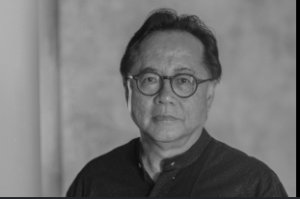
Hendropurnomo’s formative years unfolded during Indonesia’s ongoing modernization drive, when architecture became closely tied to national aspirations. Cities like Jakarta evolved rapidly, driven by new investment, expanding corporate sectors, and population growth. Witnessing this transformation instilled in him a fascination with how buildings communicate economic ambition and cultural identity simultaneously. His educational journey exposed him to both international architectural discourse and Indonesian vernacular traditions, creating a dual perspective that would later define much of his professional output.
Early in his career, Hendropurnomo developed technical expertise through collaborations on commercial developments and urban infrastructure projects. The Indonesian construction environment demanded flexibility and negotiation skills, particularly in a market shaped by fluctuating economic conditions and evolving regulations. Those early experiences refined his ability to navigate complex stakeholder relationships while maintaining architectural clarity. Gradually, he became recognized for projects that balanced commercial pragmatism with refined spatial composition.
The breakthrough phase of Hendropurnomo’s career coincided with Indonesia’s growing appetite for internationally competitive commercial architecture. Developers increasingly sought iconic structures capable of signaling economic confidence to global investors. Hendropurnomo responded by producing projects that combined contemporary international aesthetics with regional environmental intelligence. Rather than creating purely symbolic skyscrapers, he emphasized livability, circulation efficiency, and contextual integration. His projects frequently demonstrated how high-rise architecture could contribute positively to urban cohesion instead of merely maximizing visual dominance.
Beyond individual buildings, Hendropurnomo’s impact has been intellectual as much as architectural. He emerged as part of a generation that challenged simplistic notions of modernization within Southeast Asian design. Through lectures, collaborations, and professional discourse, he promoted the idea that Indonesian commercial architecture should not imitate Western models uncritically. Instead, he advocated for a modernism rooted in tropical responsiveness, cultural continuity, and urban realism. This philosophy helped influence younger architects navigating the pressures of globalization while seeking authentic regional expression.
Key Facts
- Full name of the subject: Budiman Hendropurnomo
- Date of birth: Publicly limited information
- Place of birth: Indonesia
- Family background: Raised during Indonesia’s urban and commercial expansion era
- Early childhood experiences: Observed rapid modernization and infrastructural growth in Indonesian cities
- Education history: Studied architecture with exposure to both international modernism and regional design traditions
- Influences and mentors: Indonesian modernists, tropical architecture theorists, global urban planners
- Career beginnings: Worked on commercial and infrastructure developments within Indonesia
- Major achievements: Leadership in high-rise and commercial projects integrating contextual Indonesian design principles
- Challenges and obstacles faced: Navigating volatile development markets and balancing investor expectations with architectural integrity
- Turning points in life: Recognition through landmark commercial developments and urban-scale projects
- Contributions to society: Advocated for culturally grounded and climate-sensitive urban architecture
- Personal life (marriage, children, relationships): Keeps personal affairs largely private
- Awards and recognitions: Widely respected within Indonesian architectural and commercial development sectors
- Beliefs, values, or philosophy: Architecture should express modern ambition while remaining regionally authentic
- Legacy and impact: Influenced Indonesia’s contemporary commercial architectural identity
- Historical or cultural significance: Helped redefine Southeast Asian modernism within commercial high-rise architecture
Notable Works: Commercial skyscrapers, mixed-use urban developments, office complexes, culturally integrated high-rise projects
Controversies: Hendropurnomo’s association with major urban redevelopment initiatives occasionally generated criticism from preservation advocates concerned about the loss of historical urban character in rapidly modernizing Indonesian cities. Critics argued that commercial expansion sometimes accelerated the disappearance of older architectural districts and contributed to socioeconomic displacement. Developers and project stakeholders, however, maintained that modernization was necessary to accommodate economic growth and improve infrastructure competitiveness within Southeast Asia. Hendropurnomo himself consistently emphasized contextual adaptation and sustainable planning principles in public discussions surrounding development. No verified allegations of legal wrongdoing or professional misconduct have emerged publicly. The debate surrounding his projects largely illustrates broader regional conflicts between heritage conservation, population growth, commercial investment, and urban modernization.
4. Habib Fida Ali
Among the towering figures of South Asian architecture, Habib Fida Ali occupies a uniquely revered position. Widely regarded as one of Pakistan’s most influential modernist architects, Ali helped define the visual and structural language of commercial and institutional architecture in Pakistan during the country’s post-independence evolution. His career stretched across decades of political transition, economic uncertainty, and rapid urbanization, yet his architectural philosophy remained remarkably disciplined: clarity of form, honesty of materials, and timeless civic dignity.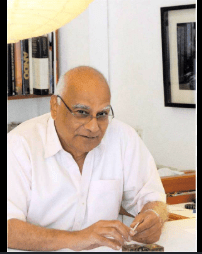
Born in Karachi in the mid-1930s into a Dawoodi Bohra family, Ali grew up during the final years of British colonial rule and witnessed the birth of Pakistan as an independent nation. That historical transition profoundly shaped his intellectual outlook. Karachi itself was transforming from a colonial port city into the commercial nucleus of a young republic, exposing Ali to both inherited colonial urbanism and the ambitions of modern nation-building. His academic journey eventually took him to the prestigious Architectural Association School of Architecture in London, making him among the earliest Pakistani architects to receive internationally recognized architectural training at such a level. The exposure to European modernism, combined with Pakistan’s own developmental aspirations, became central to his later design language.
Ali’s professional beginnings reflected the challenges faced by early post-independence architects attempting to establish a modern architectural identity for Pakistan. After returning from London in the early 1960s, he joined established architectural circles before launching his own practice in 1965. The timing proved crucial. Pakistan’s banking sector, industrial institutions, educational establishments, and commercial enterprises were entering a period of expansion, creating demand for architects capable of translating national confidence into built form. Ali distinguished himself through disciplined geometric composition, fair-faced concrete aesthetics, and a refusal to indulge in decorative excess. His buildings communicated authority through proportion and spatial clarity rather than ornamentation.
The breakthrough stage of his career came through a succession of major corporate and institutional commissions that transformed the skylines of Karachi, Lahore, and other Pakistani cities. Projects such as Shell House, the Sui Northern Gas headquarters, banking towers, and educational institutions established him as the leading modernist architect of Pakistan’s commercial elite. Yet unlike many commercial architects of the era, Ali consistently sought civic gravity within corporate structures. His buildings balanced monumentality with restraint, projecting confidence without spectacle. Over time, his architectural identity became associated with Pakistan’s most ambitious institutions, effectively shaping the visual language of Pakistani corporate modernism.
Ali’s influence ultimately extended far beyond individual buildings. He became a mentor, educator, and intellectual reference point within Pakistani architecture. His work demonstrated that modernism in South Asia did not need to imitate Western commercial aesthetics blindly; it could instead respond to climate, cultural rhythm, and local urban realities. His role in heritage conservation projects further reinforced his belief that modernization and historical preservation were not mutually exclusive. By the time of his passing in 2017, Ali had become synonymous with architectural excellence in Pakistan a figure whose buildings embodied institutional confidence, urban sophistication, and cultural continuity simultaneously.
Key Facts
- Full name of the subject: Habib Fida Ali
- Date of birth: 1935/1936
- Place of birth: Karachi, Pakistan
- Family background: Born into a Dawoodi Bohra family in Karachi
- Early childhood experiences: Witnessed the political transition from colonial India to independent Pakistan
- Education history: Studied at the Architectural Association School of Architecture, London
- Influences and mentors: European modernism, post-war architecture, regional climatic design traditions
- Career beginnings: Returned to Pakistan in the 1960s and established independent practice in 1965
- Major achievements: Designed some of Pakistan’s most recognized commercial, institutional, and corporate buildings
- Challenges and obstacles faced: Worked during periods of political instability, economic fluctuation, and limited architectural infrastructure
- Turning points in life: Establishment of his own practice and acquisition of major corporate commissions
- Contributions to society: Advanced modernist architecture in Pakistan and contributed to architectural education and preservation
- Personal life (marriage, children, relationships): Maintained a largely private family life
- Awards and recognitions: Lifetime Achievement Award from the Institute of Architects Pakistan and international recognition within Islamic architecture circles
- Beliefs, values, or philosophy: Architecture should combine structural honesty, civic responsibility, and contextual relevance
- Legacy and impact: Regarded as one of Pakistan’s greatest modernist architects
- Historical or cultural significance: Helped define the architectural identity of post-independence Pakistan
Notable Works: Shell House Karachi, Sui Northern Gas Headquarters, Lahore University of Management Sciences projects, Commercial Union buildings, Cavish Court Karachi, Mohatta Palace restoration projects, banking and institutional headquarters
Controversies: Habib Fida Ali’s architectural philosophy occasionally became the subject of professional debate within Pakistan’s design community, particularly regarding the dominance of elite corporate modernism in rapidly expanding urban centers. Critics argued that some large-scale corporate and commercial developments associated with Pakistan’s economic elite contributed to uneven urban development and reinforced socioeconomic divisions within Karachi and Lahore. Preservation advocates also questioned whether aggressive modernization during certain decades marginalized vernacular architectural traditions. Supporters, however, maintained that Ali’s work represented one of the few genuinely disciplined architectural responses to Pakistan’s urban growth and noted his involvement in heritage restoration projects as evidence of his broader cultural commitment. Importantly, no public record exists of criminal wrongdoing, professional misconduct, or regulatory violations involving Ali himself. The debate surrounding his work remains largely intellectual and urbanistic, reflecting broader tensions between modernization, class dynamics, and architectural identity in postcolonial South Asia.
5. Yawar Jilani
Within Pakistan’s contemporary architectural landscape, Yawar Jilani has emerged as part of a generation attempting to reconcile commercial development with cultural continuity and environmental intelligence. Working in a country where architecture often exists at the intersection of political uncertainty, rapid urban expansion, and historical complexity, Jilani developed a professional reputation rooted in contextual design and evolving urban sensibilities. His work reflects broader shifts occurring within South Asian architecture, where younger designers increasingly seek alternatives to purely imported commercial aesthetics.
Raised during a period of accelerating urbanization in Pakistan, Jilani came of age while cities such as Karachi, Lahore, and Islamabad underwent dramatic physical and demographic transformation. Commercial growth generated demand for new office towers, residential compounds, and mixed-use developments, yet infrastructure systems frequently struggled to keep pace. These urban realities shaped Jilani’s understanding of architecture not simply as visual composition but as social negotiation. His educational formation emphasized both technical rigor and sensitivity toward climatic conditions, public interaction, and regional identity.
Jilani’s early career developed through collaborations with firms engaged in commercial planning and institutional architecture. Those years exposed him to the operational realities of construction in Pakistan’s demanding development environment, where budget limitations, bureaucratic delays, and inconsistent planning frameworks often complicated architectural ambition. Rather than pursuing purely iconic forms, Jilani gradually became known for projects emphasizing functionality, proportion, and urban adaptability. His commercial work frequently reflected restraint, prioritizing efficiency and contextual integration over exaggerated spectacle.
As his profile grew, Jilani became associated with a newer wave of Pakistani architects advocating for architecture that engages more directly with public life and environmental realities. His approach to commercial and high-rise architecture increasingly emphasized circulation systems, climate responsiveness, and human-scale interaction. In contrast to earlier eras of heavily inward-looking commercial compounds, his projects often attempted to create more porous relationships between buildings and surrounding urban space. This philosophy aligned with growing international conversations surrounding sustainable and socially conscious urbanism.
Jilani’s broader significance lies in representing Pakistan’s evolving architectural future. While earlier generations focused heavily on establishing modernist legitimacy for the young nation, architects like Jilani operate within a more globalized environment where local identity risks dilution through international commercial trends. His work consistently reflects an effort to preserve contextual sensitivity within modern commercial architecture. In doing so, he has become part of a wider movement redefining what contemporary Pakistani urbanism can look like in the twenty-first century.
Key Facts
- Full name of the subject: Yawar Jilani
- Date of birth: Publicly limited information
- Place of birth: Pakistan
- Family background: Raised during Pakistan’s urban and commercial expansion period
- Early childhood experiences: Exposure to rapidly changing urban environments in Pakistan
- Education history: Formally trained in architecture and urban planning
- Influences and mentors: Contemporary South Asian architects, sustainable urban theorists, regional modernists
- Career beginnings: Worked within Pakistani commercial and institutional architectural practices
- Major achievements: Recognition for context-sensitive commercial and urban architectural projects
- Challenges and obstacles faced: Navigating economic volatility and inconsistent urban planning systems
- Turning points in life: Transition into leadership roles on commercial and mixed-use developments
- Contributions to society: Advocated for sustainable and publicly responsive urban architecture
- Personal life (marriage, children, relationships): Keeps personal life private
- Awards and recognitions: Respected within emerging Pakistani architectural circles
- Beliefs, values, or philosophy: Architecture should balance commercial growth with civic and environmental responsibility
- Legacy and impact: Represents the new generation of Pakistani commercial architects
- Historical or cultural significance: Contributed to the evolution of contemporary urban design discourse in Pakistan
Notable Works: Commercial office developments, mixed-use urban projects, institutional planning initiatives, context-sensitive commercial architecture
Controversies: Jilani’s projects have occasionally entered public debate regarding the broader impact of commercial redevelopment within Pakistan’s major cities, particularly concerns surrounding congestion, land-use pressures, and urban inequality. Critics of large-scale commercial expansion argued that contemporary architectural projects sometimes outpaced municipal infrastructure planning and intensified stress on transportation systems and public utilities. Supporters of Jilani’s work countered that his projects generally reflected greater environmental and urban sensitivity than many competing developments within the market. Public discussions also highlighted the broader structural limitations faced by architects operating within rapidly urbanizing South Asian cities, where planning decisions often involve multiple governmental and private stakeholders. No public allegations of corruption, misconduct, or regulatory violations directly involving Jilani have been substantiated. The controversies instead reflect larger national debates surrounding modernization, urban governance, and sustainable development in Pakistan.
6. Mahboob Khan
In the history of Pakistan’s commercial and high-rise development sector, Mahboob Khan represents a generation of architects who worked during the nation’s critical phases of urban and economic transformation. His career unfolded against the backdrop of Pakistan’s evolving commercial ambitions, when architecture increasingly became tied to ideas of modernization, institutional prestige, and urban identity. Khan’s work reflected both the aspirations and contradictions of rapidly developing South Asian cities.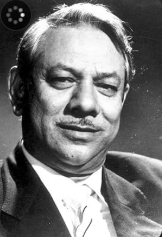
Growing up during periods of national restructuring and industrial expansion, Khan witnessed the increasing importance of architecture within Pakistan’s public and private sectors. Cities such as Karachi and Lahore were becoming commercial centers demanding new office infrastructure, financial institutions, and modern urban facilities. These changes shaped Khan’s early fascination with structural systems, civic planning, and architectural modernization. His formal training emphasized technical discipline and practical problem-solving, qualities that would later define his professional identity within commercial architecture.
Khan’s early professional years were spent navigating an industry still developing its institutional maturity. Pakistan’s architectural sector during those decades often faced limitations in technology, financing, and long-term urban planning. Yet those constraints also produced architects capable of balancing ambition with practicality. Khan gained recognition for projects that emphasized structural reliability, efficient spatial planning, and commercially viable execution. His ability to manage complex commercial developments during uncertain economic periods gradually strengthened his reputation among developers and institutional clients.
The most influential phase of Khan’s career emerged as Pakistan’s commercial construction sector accelerated. Financial institutions, corporate entities, and mixed-use developers increasingly sought architects who could create buildings projecting confidence and modernity. Khan contributed to this evolving skyline through commercial projects that emphasized functionality and permanence rather than excessive visual experimentation. His architecture reflected a transitional period in Pakistani urbanism moving from utilitarian post-independence construction toward more sophisticated commercial expression.
Khan’s lasting influence lies in his role as part of the professional foundation upon which contemporary Pakistani commercial architecture was built. While younger generations would later pursue more globally visible stylistic experimentation, Khan belonged to the era that established the operational and structural credibility of Pakistan’s architectural profession. His work helped normalize professional architectural standards within the country’s growing commercial sector and contributed to the gradual modernization of urban business districts across Pakistan.
Key Facts
- Full name of the subject: Mahboob Khan
- Date of birth: Publicly limited information
- Place of birth: Pakistan
- Family background: Raised during Pakistan’s post-independence development era
- Early childhood experiences: Exposure to expanding commercial and civic infrastructure projects
- Education history: Formally educated in architecture and structural planning
- Influences and mentors: Modernist commercial architecture, institutional planners, regional urban development models
- Career beginnings: Entered Pakistan’s growing architectural and commercial construction sector
- Major achievements: Contributed to Pakistan’s commercial and institutional architectural expansion
- Challenges and obstacles faced: Worked through periods of political uncertainty and inconsistent economic development
- Turning points in life: Leadership involvement in large commercial and urban projects
- Contributions to society: Helped strengthen professional architectural standards in Pakistan
- Personal life (marriage, children, relationships): Maintained a private personal life
- Awards and recognitions: Recognized within professional architectural and commercial development circles
- Beliefs, values, or philosophy: Architecture should prioritize structural integrity, urban function, and civic utility
- Legacy and impact: Contributed to the modernization of Pakistan’s commercial urban landscape
- Historical or cultural significance: Part of the generation that institutionalized professional commercial architecture in Pakistan
Notable Works: Commercial office buildings, institutional developments, urban business infrastructure projects, corporate architectural commissions
Controversies: Public criticism connected to projects associated with Mahboob Khan generally centered on broader systemic concerns regarding urban planning and commercial expansion in Pakistan rather than personal allegations against the architect himself. Urban commentators occasionally argued that rapid commercial construction during key development periods prioritized investor demands over comprehensive long-term planning, contributing to congestion, infrastructure imbalance, and uneven civic growth. Defenders of architects working during that era emphasized the limited institutional resources and regulatory frameworks available at the time, noting that many professionals operated within evolving national planning systems. There is no verified public evidence linking Khan to corruption, criminal wrongdoing, or professional disciplinary action. The debates surrounding his work primarily reflect historical reassessments of Pakistan’s urban development strategies during periods of intense modernization and commercial expansion.
7. Hooman Balazadeh
Among Iran’s most internationally visible contemporary architects, Hooman Balazadeh represents a new generation redefining Middle Eastern commercial architecture through experimentation, contextual sensitivity, and urban innovation. Emerging from Iran’s uniquely complex architectural environment shaped by ancient civilization, political transformation, and modern economic pressures Balazadeh developed a design philosophy that combines sculptural modernism with strong regional awareness. His work has become increasingly associated with the intellectual modernization of Iranian urban architecture.
Balazadeh was raised in a society where architecture occupies profound cultural importance. Iran’s cities contain layers of Persian history, Islamic geometry, twentieth-century modernization, and contemporary redevelopment, creating one of the most architecturally complex environments in Asia. Growing up within that atmosphere exposed him to both monumental historical structures and the realities of dense modern urbanism. His architectural education coincided with growing interest among younger Iranian designers in reconnecting contemporary architecture with climate responsiveness, local materials, and public experience rather than purely imported global aesthetics.
The early phase of Balazadeh’s career reflected the challenges facing architects in Iran’s constrained yet creatively vibrant professional environment. Economic sanctions, fluctuating construction markets, and political limitations forced many Iranian architects to become highly adaptive problem-solvers. Balazadeh distinguished himself through conceptual clarity and innovative spatial thinking. Rather than relying solely on visual spectacle, his projects explored relationships between light, void, material texture, and human movement. These ideas attracted attention within regional design circles and positioned him as part of Iran’s influential new architectural generation.
Balazadeh’s breakthrough came through projects that fused contemporary commercial requirements with strong conceptual identities. His work often blurred distinctions between architecture, urban space, and environmental design. Commercial buildings under his direction frequently emphasized layered façades, climatic responsiveness, and spatial fluidity qualities deeply connected to both Persian architectural traditions and contemporary sustainability discourse.
International architectural publications increasingly highlighted his projects as evidence of Iran’s continued intellectual importance within global design culture despite geopolitical isolation.
Today, Balazadeh’s significance extends beyond individual buildings. He symbolizes the resilience and creativity of Iranian contemporary architecture within a difficult political and economic environment. His projects demonstrate that commercial architecture in the Middle East can remain experimental, culturally grounded, and environmentally intelligent simultaneously.
For younger architects across Asia and the Middle East, Balazadeh represents a model of how regional identity can coexist with global architectural relevance.
Key Facts
- Full name of the subject: Hooman Balazadeh
- Date of birth: Publicly limited information
- Place of birth: Iran
- Family background: Raised within Iran’s historically rich architectural culture
- Early childhood experiences: Exposure to Persian historical architecture and rapidly changing urban environments
- Education history: Studied architecture and urban design in Iran
- Influences and mentors: Persian architecture, climate-responsive design, contemporary experimental urbanism
- Career beginnings: Worked within Iran’s evolving commercial and cultural architectural sectors
- Major achievements: International recognition for contemporary Iranian commercial and urban projects
- Challenges and obstacles faced: Economic sanctions, market instability, and restrictive development conditions
- Turning points in life: Recognition through conceptually innovative commercial and mixed-use projects
- Contributions to society: Advanced contemporary Iranian architecture within global design discourse
- Personal life (marriage, children, relationships): Maintains a private personal profile
- Awards and recognitions: Recognized in regional and international architecture circles
- Beliefs, values, or philosophy: Architecture should connect cultural memory with contemporary urban experience
- Legacy and impact: Represents the intellectual globalization of modern Iranian architecture
- Historical or cultural significance: Helped reintroduce Iranian architectural innovation to international audiences
Notable Works: Contemporary commercial developments, conceptual urban projects, mixed-use architectural complexes, environmentally responsive high-rise designs
Controversies: Balazadeh’s work occasionally became entangled in broader debates surrounding urban redevelopment and architectural modernity within Iran. Critics of certain contemporary commercial projects argued that rapid urban transformation in major Iranian cities risked marginalizing historical urban textures and accelerating socioeconomic disparities. Some conservative commentators also questioned highly experimental contemporary aesthetics, arguing that they diverged excessively from traditional architectural language. Balazadeh and supporters of his work countered that Iranian architecture has historically evolved through innovation and reinterpretation rather than rigid preservation alone. Discussions surrounding his projects often reflected wider national tensions between modernization, heritage conservation, economic development, and political ideology. No verified allegations of professional misconduct or legal violations directly involving Balazadeh have been publicly substantiated.
8. Larry Wen
In the evolving story of China’s vertical urban revolution, Larry Wen represents a generation of architects who emerged during the country’s unprecedented construction boom and helped shape the identity of modern Chinese commercial architecture. Operating within one of the fastest urbanization movements in human history, Wen developed a professional philosophy centered on integrating technological sophistication with urban functionality. His work reflects the ambitions of a nation that transformed its skylines within a matter of decades.
Born during a transformative period in China’s economic modernization, Wen grew up witnessing the dramatic transition from state-controlled urban planning to globally competitive metropolitan development. Cities such as Shanghai, Shenzhen, and Guangzhou rapidly evolved into international financial centers filled with skyscrapers, commercial corridors, and mixed-use megaprojects. These environments profoundly influenced Wen’s understanding of architecture as both an economic instrument and a cultural symbol. His educational training coincided with China’s increasing openness to international architectural exchange, exposing him to Western high-rise engineering alongside traditional Chinese spatial philosophy.
Wen’s early career unfolded inside China’s highly demanding commercial development ecosystem. The rapid pace of construction required architects capable of balancing speed, scale, and technical precision. Early assignments on commercial towers and urban redevelopment projects sharpened his understanding of structural efficiency, zoning complexities, and investor expectations. Unlike many architects who pursued purely iconic visual forms, Wen gradually built a reputation for emphasizing urban integration, circulation systems, and long-term functionality within high-density environments.
The breakthrough stage of his career came as China entered a new phase of architectural maturity. Developers increasingly sought projects that not only symbolized financial power but also reflected environmental awareness and civic sophistication. Wen responded by producing commercial and mixed-use projects that incorporated sustainability strategies, intelligent façade systems, and public-space connectivity. His architecture frequently balanced bold metropolitan identity with disciplined geometric clarity, helping distinguish his projects within increasingly crowded urban skylines. International recognition followed as Chinese architects gained greater visibility on the global stage.
Today, Wen’s influence extends beyond individual skyscrapers. He belongs to the generation that helped redefine Chinese commercial architecture from imitation-driven development into a more self-confident and internationally influential design culture. His projects reflect a broader shift within China toward architecture that values urban experience, environmental performance, and cultural continuity alongside economic ambition. As Chinese cities continue to evolve, Wen’s work remains emblematic of the country’s transition from rapid expansion toward more sophisticated urban refinement.
Key Facts
- Full name of the subject: Larry Wen
- Date of birth: Publicly limited information
- Place of birth: China
- Family background: Raised during China’s economic modernization era
- Early childhood experiences: Witnessed large-scale urban redevelopment and commercial expansion
- Education history: Formally educated in architecture and urban planning
- Influences and mentors: Chinese urban modernization, international high-rise engineering, sustainable design movements
- Career beginnings: Worked on commercial and mixed-use developments within China’s expanding metropolitan centers
- Major achievements: Recognition for contemporary commercial towers and integrated urban projects
- Challenges and obstacles faced: Navigating high-pressure development cycles and rapid urban growth demands
- Turning points in life: Leadership roles in landmark commercial and mixed-use projects
- Contributions to society: Promoted more sustainable and human-centered commercial urbanism in China
- Personal life (marriage, children, relationships): Maintains a private personal life
- Awards and recognitions: Respected within Chinese and international commercial architectural circles
- Beliefs, values, or philosophy: Commercial architecture should balance economic ambition with public functionality
- Legacy and impact: Contributed to the maturation of contemporary Chinese commercial architecture
- Historical or cultural significance: Represents China’s rise as a global architectural and urban-design power
Notable Works: Commercial skyscrapers, mixed-use urban districts, office towers, large-scale redevelopment projects, sustainable high-rise concepts
Controversies: Wen’s projects have occasionally been discussed within broader criticism surrounding China’s rapid urban redevelopment policies, particularly debates concerning displacement, heritage preservation, and environmental pressure in major metropolitan regions. Critics argued that aggressive commercial expansion in certain cities accelerated the demolition of older urban districts and intensified socioeconomic inequalities. Urban planners and preservation advocates questioned whether some redevelopment initiatives sufficiently protected local historical identity. Supporters of Wen’s architectural approach maintained that his projects generally demonstrated greater sensitivity toward public circulation, environmental efficiency, and integrated planning than many competing developments. No public evidence has emerged linking Wen to corruption, professional misconduct, or legal violations. The debates connected to his work largely reflect larger national discussions about balancing modernization, economic competitiveness, heritage conservation, and urban livability in contemporary China.
9. Xiaosheng Li
Within the increasingly sophisticated landscape of Chinese commercial architecture, Xiaosheng Li has become associated with a refined approach to high-rise urbanism that emphasizes precision, sustainability, and metropolitan coherence. Working during a period when China shifted from explosive construction growth toward more strategically planned urban development, Li emerged as an architect interested not only in height and scale but in the broader civic responsibilities of commercial architecture.
Li’s formative years unfolded during China’s era of accelerated industrialization and global integration. Urban environments expanded at extraordinary speed, exposing young designers to both the opportunities and consequences of large-scale redevelopment. These experiences shaped Li’s understanding of architecture as a discipline deeply tied to social organization, economic systems, and environmental sustainability. Academic training in architecture introduced him to both advanced engineering methodologies and evolving debates about ecological urbanism, themes that would later become central to his professional identity.
The early stage of Li’s career involved participation in commercial developments that reflected China’s ambition to establish globally competitive business districts. Working within multidisciplinary design environments, he gained expertise in structural coordination, urban planning systems, and large-scale commercial programming. During these years, Li developed a reputation for disciplined technical execution and contextual awareness. His projects often emphasized spatial continuity, natural light integration, and efficient urban circulation rather than relying solely on visual spectacle.
Li’s breakthrough came through involvement in major commercial and mixed-use developments that reflected China’s transition toward more environmentally conscious urbanism. Increasingly, his work incorporated sustainable technologies, energy-efficient systems, and pedestrian-oriented planning concepts. Rather than treating skyscrapers as isolated corporate monuments, Li approached them as components within larger urban ecosystems. This philosophy aligned with broader international concerns regarding climate adaptation and livable city design, helping elevate his reputation both domestically and abroad.
Today, Li is regarded as part of a generation helping steer Chinese commercial architecture into a more mature phase focused on long-term urban resilience. His influence reflects China’s evolving priorities: from sheer construction speed toward design quality, sustainability, and integrated metropolitan planning. Through his work, Li has contributed to a growing architectural culture that seeks to balance commercial ambition with civic responsibility and environmental intelligence.
Key Facts
- Full name of the subject: Xiaosheng Li
- Date of birth: Publicly limited information
- Place of birth: China
- Family background: Raised during China’s industrial and urban transformation era
- Early childhood experiences: Exposure to rapidly modernizing Chinese metropolitan environments
- Education history: Studied architecture and urban systems planning
- Influences and mentors: Sustainable urban theorists, contemporary Chinese planners, global high-rise innovators
- Career beginnings: Worked in multidisciplinary commercial architectural and planning firms
- Major achievements: Recognition for sustainable commercial developments and integrated urban projects
- Challenges and obstacles faced: Managing large-scale development pressures while advocating sustainable design priorities
- Turning points in life: Leadership on environmentally responsive commercial and mixed-use projects
- Contributions to society: Promoted sustainable urbanism within China’s commercial architecture sector
- Personal life (marriage, children, relationships): Keeps personal affairs private
- Awards and recognitions: Respected within contemporary Chinese architectural communities
- Beliefs, values, or philosophy: High-rise architecture must serve broader urban and environmental systems
- Legacy and impact: Influenced the integration of sustainability into Chinese commercial architecture
- Historical or cultural significance: Represents China’s transition toward more environmentally conscious urban development
Notable Works: Sustainable office towers, mixed-use urban developments, environmentally integrated commercial districts, contemporary high-rise planning initiatives
Controversies: Li’s work has periodically entered broader public debates concerning sustainability claims within large-scale Chinese commercial development projects. Environmental activists and some urban researchers argued that certain “green” commercial developments across China risked prioritizing branding language over measurable ecological outcomes. Questions occasionally emerged regarding the long-term environmental costs of dense commercial construction despite sustainability certifications and energy-efficiency systems. Supporters of Li’s work maintained that his projects consistently pushed Chinese commercial architecture toward higher environmental standards compared with prevailing industry norms. Public discussion surrounding his projects also reflected larger structural tensions within China’s development model, where local governments, investors, and planners frequently balance economic growth against environmental protection. No verified allegations of professional misconduct, corruption, or legal wrongdoing involving Li have been publicly established.
10. Jihun Lee
As South Korea solidified its reputation as one of Asia’s most design-conscious nations, Jihun Lee emerged among the architects redefining contemporary commercial and high-rise architecture through precision, minimalism, and urban sensitivity. Lee’s work reflects the broader transformation of Korean architecture from purely developmental functionality toward globally respected design sophistication rooted in restraint and technological refinement.
Born during South Korea’s period of rapid economic advancement, Lee grew up in a society where urban landscapes changed with extraordinary speed. Seoul’s dense skyline, expanding infrastructure systems, and technologically driven modernization provided a powerful architectural backdrop during his formative years. Yet alongside this commercial growth came growing public concern regarding density, environmental quality, and human-scale urban experience. These tensions strongly influenced Lee’s later design philosophy. His architectural education introduced him to both Korean spatial traditions and international contemporary design movements, encouraging a balance between innovation and contextual awareness.
Lee’s early professional years unfolded within South Korea’s intensely competitive architectural sector. Commercial developers demanded efficiency, technical accuracy, and marketable visual identity, while urban regulations increasingly emphasized sustainability and public integration. During this period, Lee contributed to commercial complexes, office towers, and mixed-use developments that demonstrated disciplined geometric composition and careful spatial organization. Industry observers began associating his work with clarity, calm material palettes, and understated elegance characteristics closely aligned with the global appeal of contemporary Korean design culture.
The breakthrough phase of Lee’s career arrived as Korean architecture gained increasing international visibility alongside the country’s broader cultural influence in entertainment, technology, and design. Lee’s projects distinguished themselves through a combination of technological sophistication and emotional restraint. Rather than pursuing excessively theatrical skyscrapers, he emphasized proportion, environmental responsiveness, and civic interaction. His commercial developments frequently integrated pedestrian systems, green spaces, and adaptable public zones into dense urban environments. These ideas resonated strongly within Asian cities seeking more livable models of high-density development.
Lee’s legacy continues to grow through his influence on younger architects and developers across East Asia. His work demonstrates how commercial architecture can project prestige without sacrificing urban harmony or environmental consciousness. In many ways, Lee represents the maturation of South Korean commercial architecture itself moving beyond rapid economic construction toward a more culturally refined and internationally influential urban design philosophy.
Key Facts
- Full name of the subject: Jihun Lee
- Date of birth: Publicly limited information
- Place of birth: South Korea
- Family background: Raised during South Korea’s rapid modernization and urban expansion era
- Early childhood experiences: Exposure to dense urban redevelopment and evolving Korean cityscapes
- Education history: Studied architecture and urban design in South Korea
- Influences and mentors: Korean minimalism, sustainable urban planning, contemporary East Asian architecture
- Career beginnings: Worked in South Korean commercial and mixed-use architectural firms
- Major achievements: Recognition for refined commercial and high-rise urban developments
- Challenges and obstacles faced: Balancing commercial pressures with environmental and civic design goals
- Turning points in life: Leadership on major mixed-use and commercial tower projects
- Contributions to society: Advanced human-centered commercial urbanism within South Korea
- Personal life (marriage, children, relationships): Maintains a private personal profile
- Awards and recognitions: Recognized within Korean contemporary architectural circles
- Beliefs, values, or philosophy: Architecture should harmonize technological progress with human experience
- Legacy and impact: Influenced modern Korean commercial architectural identity
- Historical or cultural significance: Represents South Korea’s emergence as a global design and architecture leader
Notable Works: Commercial office towers, mixed-use urban developments, sustainable high-rise concepts, integrated commercial districts, pedestrian-oriented urban projects
Controversies: Lee’s projects have occasionally been included in broader public criticism surrounding redevelopment-driven urban transformation within South Korea, particularly debates about affordability, neighborhood displacement, and the social consequences of luxury commercial expansion. Critics argued that some high-profile redevelopment initiatives accelerated rising property values and weakened the cultural identity of older urban districts. Supporters countered that Lee’s architectural approach consistently incorporated more public-space integration and environmental sensitivity than many comparable commercial developments. Public debate also reflected wider concerns within South Korean society regarding housing inequality and urban density pressures rather than allegations specifically directed at Lee personally. No verified accusations of corruption, professional misconduct, or legal violations involving Lee have been publicly substantiated.
Notable Mentions
Hooman Balazadeh (Iran)
Larry Wen (China)
Xiaosheng Li (China)
Jihun Lee (South Korea)
Sungun Park (South Korea)
Gordon Gn (Singapore)
Koichi Mase (Singapore)
Masahiro Tamaki (Singapore)
Luke Lim (Singapore)
Tariq Khayyat (United Arab Emirates)