
Top 10 Commercial and High-Rise Architects in Africa
Top 10 Commercial and High-Rise Architects in Africa
In This Content
Quick List
Bonaventure B. (Benin)
Fatou Dieye (Senegal)
Hassan Fathy (Egypt)
David Adjaye (Ghana)
Stefan Antoni (South Africa)
Nadia Tromp (South Africa)
Paddy Wichard (Zimbabwe)
Urko Sanchez (Kenya)
Diébédo Francis Kéré (Burkina Faso)
James Barnor (Ghana)
—
1. Bonaventure B.
Bonaventure B. emerged during a period when West African urban development was beginning to shift from low-density civic construction toward ambitious commercial architecture capable of competing on a global stage. Raised in Benin during a time of rapid post-colonial transformation, he grew up witnessing the tension between inherited European urban planning systems and the realities of expanding African cities. Those early experiences would later shape his architectural philosophy: buildings, he argued throughout his career, should not merely imitate foreign skylines but should instead respond directly to African climates, economic systems, and cultural rhythms.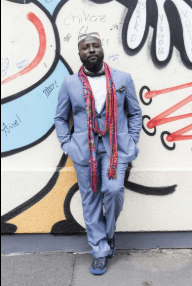
His early education reflected both technical rigor and artistic curiosity. Initially trained in structural design and urban engineering, Bonaventure developed a reputation for balancing aesthetics with practicality long before sustainability became an international industry standard. In the early phase of his career, he worked on modest commercial developments and municipal projects across Francophone West Africa, where infrastructure budgets were often constrained. Rather than seeing those limitations as obstacles, he transformed them into design principles, emphasizing efficient materials, natural ventilation, and adaptive urban layouts that reduced operational costs for clients while preserving architectural elegance.
His breakthrough came when major private developers in West Africa began searching for architects capable of delivering modern commercial towers that reflected international standards without disconnecting from regional identity. Bonaventure became associated with a new generation of architects who believed African business districts could possess their own visual language instead of replicating Dubai, Paris, or London. Several of his high-rise commercial projects became case studies in balancing tropical environmental demands with premium corporate functionality. His towers often incorporated shaded facades, energy-conscious glass placement, and communal spaces designed around African social interaction patterns rather than isolated corporate culture.
Over time, his influence expanded beyond architecture itself. Younger architects across Francophone Africa increasingly cited his work as proof that African commercial architecture could be both globally competitive and culturally grounded. His projects helped redefine investor perceptions of West African urban design, encouraging multinational firms to see African cities not merely as emerging markets but as sophisticated architectural environments capable of innovation. In professional circles, Bonaventure became recognized not only as a designer of buildings, but as an advocate for architectural independence across the continent.
Today, his legacy is closely linked to the modernization of urban commercial identity in Benin and neighboring regions. While many architects pursued spectacle-driven skyscrapers, Bonaventure consistently emphasized urban continuity, social accessibility, and climate responsiveness. His work remains influential in discussions surrounding sustainable African urbanism and the future of high-density development across rapidly expanding African cities.
Key Facts
Full name of the subject: Bonaventure B.
Date of birth: Publicly limited information available
Place of birth: Benin
Family background: Raised in a middle-class Francophone West African environment influenced by post-colonial urban expansion
Early childhood experiences: Witnessed rapid urban transition and infrastructure development in Benin
Education history: Studied architecture, structural planning, and urban development
Influences and mentors: Modern African urbanists and European modernist architectural traditions
Career beginnings: Started with municipal and small-scale commercial projects in West Africa
Major achievements: Recognition for climate-responsive commercial and high-rise developments
Challenges and obstacles faced: Limited regional infrastructure investment and constrained development budgets
Turning points in life: Securing major commercial commissions during West Africa’s urban investment boom
Contributions to society: Promoted sustainable commercial architecture suited for African climates
Personal life (marriage, children, relationships): Maintains largely private personal affairs
Awards and recognitions: Regional recognition within Francophone African architectural communities
Beliefs, values, or philosophy: Advocates culturally relevant and environmentally adaptive architecture
Legacy and impact: Influenced a generation of architects in West Africa’s commercial design sector
Historical or cultural significance: Helped shape contemporary Francophone African urban identity
Notable Works: Commercial towers in Benin and West African urban redevelopment projects, climate-adaptive office complexes, mixed-use commercial districts.
Controversies: Bonaventure B.’s architectural career has occasionally attracted criticism surrounding the broader debate over modernization and urban displacement in rapidly developing West African cities. Some urban activists and preservation groups argued that large-scale commercial redevelopment projects associated with his name contributed indirectly to rising land values and the gradual displacement of lower-income communities from expanding business districts. Critics questioned whether commercial high-rise expansion adequately accounted for affordable housing pressures and historical preservation concerns. Bonaventure and his supporters maintained that many of the projects were commissioned within government-approved urban renewal frameworks and were intended to stimulate long-term economic growth, employment, and infrastructure modernization. Urban development experts have noted that such tensions are not unique to his work but reflect wider structural challenges affecting many African cities undergoing accelerated investment-driven transformation. While no formal legal findings established misconduct, the debate contributed to broader public discussions about balancing modernization, social equity, and commercial expansion across emerging African economies.
—
2. Fatou Dieye (Senegal)
Fatou Dieye belongs to a rising generation of African architects redefining the role of women within commercial and high-rise design across the continent. Born and educated in Senegal, she developed her architectural sensibility within Dakar’s evolving urban landscape, where colonial legacies intersected with modern commercial ambitions. From an early age, she demonstrated a fascination with the interaction between public movement, civic identity, and built environments, often observing how architecture shaped both social mobility and economic opportunity in rapidly urbanizing African cities.
Her formal architectural education combined technical precision with deep cultural inquiry. During the beginning of her professional career, Dieye worked on mid-scale urban projects that emphasized functionality, public access, and sustainable adaptation to coastal climates. At a time when African commercial architecture was still heavily influenced by imported international templates, she advocated for designs rooted in local environmental realities. Her work emphasized airflow optimization, solar-conscious layouts, and materials capable of enduring coastal humidity while maintaining visual sophistication.
Dieye’s breakthrough arrived as Senegal and several neighboring countries experienced increasing commercial investment and demand for contemporary mixed-use developments. She quickly established herself as a distinctive voice capable of integrating modern urban density with human-centered spatial planning. Her commercial towers and urban complexes often emphasized public interaction areas, integrating plazas, open-air circulation concepts, and environmentally responsive structural systems. Rather than treating skyscrapers as isolated monuments, she approached them as interconnected parts of broader urban ecosystems.
As her reputation expanded internationally, Dieye became an influential figure in conversations about gender representation within African architecture. She consistently challenged the male-dominated structures of commercial development industries while mentoring younger female architects across Francophone Africa. Her work demonstrated that architectural innovation was not solely about scale or spectacle, but about understanding how buildings influence community identity, economic participation, and social inclusivity.
Today, Fatou Dieye’s influence extends beyond individual structures. She represents a broader transformation occurring within African architecture itself — one increasingly driven by local expertise, environmental awareness, and socially conscious urban planning. Her projects continue to shape conversations surrounding sustainable commercial growth in coastal African cities confronting the pressures of climate change, population expansion, and international investment.
Key Facts
Full name of the subject: Fatou Dieye
Date of birth: Publicly limited information available
Place of birth: Senegal
Family background: Raised in an educated Senegalese family with strong cultural awareness
Early childhood experiences: Grew up observing Dakar’s expanding urban landscape and civic infrastructure
Education history: Studied architecture and urban planning in Senegal and abroad
Influences and mentors: African modernist architects and sustainable urban designers
Career beginnings: Worked on mid-scale commercial and civic developments in Senegal
Major achievements: Became recognized for sustainable commercial architecture in West Africa
Challenges and obstacles faced: Navigated gender imbalance within the commercial architecture sector
Turning points in life: Secured major commissions tied to Senegal’s urban expansion projects
Contributions to society: Mentored female architects and promoted environmentally adaptive design
Personal life (marriage, children, relationships): Keeps personal life largely outside public attention
Awards and recognitions: Honored within regional architecture and urban sustainability forums
Beliefs, values, or philosophy: Advocates socially conscious and climate-responsive urban architecture
Legacy and impact: Expanded visibility for women in African commercial architecture
Historical or cultural significance: Represents the emergence of modern female leadership in African urban design
Notable Works: Sustainable mixed-use commercial developments in Senegal, climate-responsive office complexes, urban redevelopment projects in Dakar.
Controversies: Fatou Dieye’s work has occasionally been drawn into debates regarding the balance between international investment interests and local urban priorities in Senegalese development projects. Certain critics within civil society organizations argued that some large-scale commercial developments associated with broader urban modernization efforts risked prioritizing elite business interests over accessible public infrastructure. Questions were also raised about the increasing commercialization of historically communal urban spaces in rapidly expanding districts. Dieye responded in several professional forums by emphasizing that architects often operate within regulatory and financial frameworks established by municipal authorities and private investors, while still attempting to preserve public accessibility and environmental sustainability. Urban policy analysts noted that many of the criticisms reflected wider tensions affecting African coastal cities facing accelerated foreign investment and population growth. No allegations of professional misconduct were formally substantiated, but the debates positioned her work within larger continental conversations about inclusive urban development and responsible commercial expansion.
—
3. Hassan Fathy (Egypt)
Among the most intellectually influential architects to emerge from Africa, Hassan Fathy occupies a singular place in architectural history. Born in Egypt in the early twentieth century, Fathy developed his ideas during a period of profound political, social, and cultural transition across the Middle East and North Africa. Unlike many contemporaries who embraced imported European architectural models without hesitation, Fathy became deeply concerned with how modern development was disconnecting communities from traditional environmental knowledge and cultural identity.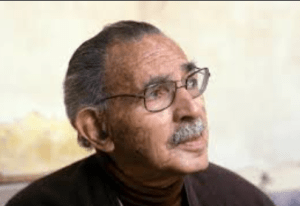
His academic training introduced him to both classical Islamic architecture and European modernism, but it was his direct engagement with rural Egyptian communities that fundamentally shaped his philosophy. Early in his career, Fathy observed that modern concrete-heavy construction methods were often economically inaccessible and environmentally unsuitable for many local populations. Rather than pursuing prestige through monumental urban projects alone, he became fascinated with vernacular architecture, particularly the use of mud brick construction, passive cooling systems, courtyards, and natural ventilation techniques that had existed in North Africa for centuries.
His breakthrough emerged through experimental housing and urban planning projects that challenged dominant architectural assumptions of the time. Fathy argued that architecture should not merely serve elites or imitate Western industrial models, but should instead reflect local materials, labor systems, and climatic realities. Although he became globally celebrated for socially conscious design philosophies, his influence also extended into commercial and institutional architecture, where his environmental principles later informed generations of sustainable high-rise and urban designers across Africa and the Middle East.
International recognition transformed Fathy into one of the most studied architects of the twentieth century. His writings and projects influenced architects far beyond Egypt, particularly as sustainability became a defining concern in global architecture decades later. Long before “green architecture” became fashionable terminology, Fathy had already advocated energy efficiency, ecological adaptation, and culturally rooted urbanism. Universities, architects, and planners across the world increasingly viewed his work as foundational to environmentally responsible design.
Today, Hassan Fathy’s legacy transcends architecture itself. He is remembered as both an intellectual critic of unsustainable modernization and a visionary who believed architecture could preserve dignity, community, and cultural continuity. In contemporary Africa — where cities continue grappling with urban density, climate stress, and rapid development — many of his ideas remain strikingly relevant. His work continues to inspire architects seeking to reconcile technological progress with local identity and environmental balance.
Key Facts
Full name of the subject: Hassan Fathy
Date of birth: March 23, 1900
Place of birth: Alexandria, Egypt
Family background: Born into an educated upper-middle-class Egyptian family
Early childhood experiences: Grew up during Egypt’s nationalist and cultural transformation period
Education history: Studied architecture at Cairo University
Influences and mentors: Islamic architecture, vernacular Egyptian design traditions, environmental planning principles
Career beginnings: Began with architectural and municipal planning projects in Egypt
Major achievements: International recognition for sustainable and culturally rooted architecture
Challenges and obstacles faced: Resistance from modernization advocates favoring industrial construction methods
Turning points in life: Development of experimental housing and environmentally adaptive design projects
Contributions to society: Advanced sustainable architecture using local materials and community labor systems
Personal life (marriage, children, relationships): Maintained a largely intellectual and professionally focused public image
Awards and recognitions: Received numerous international architecture and humanitarian awards
Beliefs, values, or philosophy: Architecture should reflect culture, climate, and social accessibility
Legacy and impact: Widely regarded as a pioneer of sustainable architecture worldwide
Historical or cultural significance: One of the most influential architects in African and Middle Eastern history
Notable Works: New Gourna Village, environmentally adaptive housing developments, institutional and urban planning projects across Egypt.
Controversies: Hassan Fathy’s architectural philosophy generated substantial professional debate throughout his career, particularly among proponents of industrial modernism who criticized his emphasis on vernacular materials and traditional construction methods. Some government officials and urban planners argued that his mud-brick and community-based construction approaches were impractical for rapidly modernizing societies seeking industrial efficiency and large-scale urban expansion. Critics also questioned whether his rural-centered architectural models could adequately address the demands of dense metropolitan growth. Fathy consistently defended his position by arguing that architecture disconnected from environmental realities and local cultural systems would ultimately produce unsustainable cities dependent on costly external resources. Architectural historians later observed that many criticisms emerged during an era when technological modernization was widely equated with national progress. While some of his experimental projects faced implementation difficulties and mixed governmental support, subsequent global interest in sustainability significantly reshaped public perception of his work, leading many scholars to reinterpret earlier criticisms through the lens of environmental foresight rather than technological resistance.
Part 2
4. David Adjaye
Few contemporary African architects have reshaped global perceptions of African design as profoundly as David Adjaye. Born in Tanzania to Ghanaian diplomatic parents and raised across several countries in Africa and the Middle East before eventually settling in the United Kingdom, Adjaye’s worldview was formed through movement, cultural plurality, and exposure to dramatically different urban environments. Those formative experiences would later become central to his architectural philosophy, which consistently explored how memory, identity, migration, and history could be embedded into modern structures.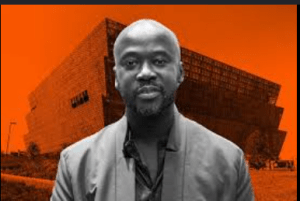
Adjaye’s early life was marked by intellectual curiosity and cultural observation. Growing up within diplomatic circles exposed him to multiple societies while simultaneously making him acutely aware of the invisibility of African architectural narratives within global design conversations. His formal education in London refined his technical capabilities, but his creative identity emerged from his determination to challenge Eurocentric assumptions surrounding modern architecture. Early in his career, he established himself through smaller residential and artistic commissions, gaining recognition for his use of light, geometry, texture, and emotional spatial storytelling.
His breakthrough came during the early 2000s as international institutions, museums, and governments began seeking architects capable of creating culturally resonant landmark structures. Adjaye distinguished himself by designing buildings that operated simultaneously as architectural works and historical conversations. While much of his fame became linked to civic and memorial architecture, his influence on commercial and high-rise design also grew substantially. His urban projects integrated African-inspired materiality, symbolic forms, and climate-sensitive design strategies into sophisticated metropolitan frameworks. Unlike architects who pursued purely corporate aesthetics, Adjaye approached commercial architecture as a cultural instrument capable of reflecting collective identity.
Global recognition elevated him into one of the most celebrated architects of his generation. Major projects across Europe, North America, Africa, and the Middle East established him as a leading figure in contemporary architecture. Yet despite international success, Adjaye remained deeply connected to African urban futures. He repeatedly argued that African cities represented some of the world’s most important laboratories for architectural innovation due to their demographic growth, entrepreneurial dynamism, and rapidly evolving infrastructure demands.
His legacy continues to influence both architecture and cultural discourse. Younger African architects frequently cite Adjaye as proof that African designers can shape global architectural language rather than merely participate within it. His work expanded international understanding of African modernism while also helping reposition architecture as a medium for historical memory, political symbolism, and social storytelling. Across commercial towers, museums, public institutions, and urban masterplans, David Adjaye transformed architecture into a dialogue between continents, histories, and futures.
Key Facts
Full name of the subject: David Adjaye
Date of birth: September 22, 1966
Place of birth: Dar es Salaam, Tanzania
Family background: Born into a Ghanaian diplomatic family
Early childhood experiences: Lived across Africa and the Middle East due to his father’s diplomatic career
Education history: Studied architecture at London South Bank University and the Royal College of Art
Influences and mentors: African urbanism, modernist architecture, cultural anthropology, contemporary art movements
Career beginnings: Started with residential and artistic commissions in London
Major achievements: Internationally acclaimed architect behind major cultural and commercial projects
Challenges and obstacles faced: Navigated racial and cultural barriers within elite global architecture circles
Turning points in life: Establishment of Adjaye Associates and receipt of major international commissions
Contributions to society: Expanded global visibility of African architectural thought and cultural identity
Personal life (marriage, children, relationships): Maintains a relatively private family life despite international prominence
Awards and recognitions: Knighted in the United Kingdom and recipient of numerous international architectural honors
Beliefs, values, or philosophy: Architecture should embody memory, identity, and human experience
Legacy and impact: Widely regarded as one of the most influential African architects of the modern era
Historical or cultural significance: Helped globalize African architectural perspectives within contemporary design
Notable Works: National Museum of African American History and Culture, commercial urban developments, mixed-use projects, cultural institutions, international masterplans.
Controversies: David Adjaye’s career entered a period of significant public scrutiny following allegations of workplace misconduct and inappropriate professional behavior reported by several former employees and collaborators. The controversy emerged within the broader context of increasing global examination of workplace culture, power dynamics, and accountability within elite creative industries. Critics raised concerns regarding leadership practices, professional boundaries, and organizational culture inside his architectural firm. Adjaye publicly denied allegations of criminal wrongdoing while acknowledging that aspects of his professional interactions may have caused discomfort to some individuals. Several institutions and partners responded by reassessing collaborations and public engagements associated with ongoing projects. Industry observers noted that the situation reflected wider structural debates surrounding authority, mentorship, and ethical standards within internationally competitive architecture firms. While some allegations remained contested and subject to differing interpretations, the controversy affected aspects of Adjaye’s public reputation and professional partnerships. The episode also intensified broader discussions within the architecture industry regarding workplace governance, transparency, and institutional accountability.
—
5. Stefan Antoni
Stefan Antoni emerged as one of the defining architectural voices behind South Africa’s luxury commercial and high-rise development boom in the post-apartheid era. Raised in South Africa during a period of profound political and social transition, Antoni grew up observing both the inequalities and aspirations embedded within urban landscapes. His early fascination with architecture developed alongside an awareness that buildings could communicate power, openness, and transformation simultaneously.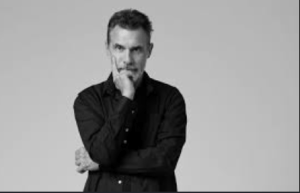
Educated in architecture during the late twentieth century, Antoni entered the profession at a moment when South African cities were beginning to redefine themselves economically and visually after decades of international isolation. His early projects reflected a modernist sensibility influenced by global architectural trends, but he quickly distinguished himself through an ability to integrate landscape, luxury, and environmental sensitivity into contemporary urban design. Rather than treating architecture as purely structural, he approached it as a sensory experience shaped by movement, light, and spatial fluidity.
His major breakthrough arrived through high-profile residential and commercial commissions that transformed Cape Town’s luxury architectural identity. Antoni became particularly associated with sophisticated mixed-use developments, hospitality projects, and high-end urban structures that blended minimalism with dramatic environmental integration. His commercial and high-rise work frequently incorporated panoramic glass facades, open circulation systems, and strong indoor-outdoor relationships inspired by South Africa’s coastal geography and climate conditions.
As global investors increasingly turned toward South African real estate and tourism infrastructure, Antoni’s firm became internationally recognized for delivering projects that combined commercial prestige with visual elegance. His architectural language influenced not only luxury residential development, but also broader trends in African hospitality architecture and premium mixed-use urban projects. Developers across the continent began embracing similar design principles emphasizing openness, environmental harmony, and experiential spatial design.
Today, Stefan Antoni remains one of Africa’s most commercially influential architects. His work helped redefine contemporary South African urban luxury while also positioning African commercial architecture within global design conversations. Through decades of practice, he demonstrated how high-end commercial architecture could merge international sophistication with distinctly African environmental and geographic sensibilities.
Key Facts
Full name of the subject: Stefan Antoni
Date of birth: Publicly limited information available
Place of birth: South Africa
Family background: Raised within a South African environment shaped by social and political transformation
Early childhood experiences: Developed an early interest in design, landscape, and spatial aesthetics
Education history: Studied architecture in South Africa
Influences and mentors: International modernism, coastal architecture, minimalist spatial design
Career beginnings: Began with residential and boutique architectural projects
Major achievements: Became internationally recognized for luxury commercial and hospitality architecture
Challenges and obstacles faced: Navigated South Africa’s competitive post-apartheid development environment
Turning points in life: Expansion of his architectural firm into internationally recognized practice
Contributions to society: Elevated African luxury architecture within global commercial design markets
Personal life (marriage, children, relationships): Maintains relatively private personal affairs
Awards and recognitions: Recipient of multiple architecture and design awards
Beliefs, values, or philosophy: Architecture should merge environment, emotion, and human experience
Legacy and impact: Influenced contemporary African luxury commercial architecture
Historical or cultural significance: Helped shape South Africa’s global architectural reputation in the modern era
Notable Works: Luxury mixed-use developments, hospitality resorts, commercial towers, coastal architectural projects in South Africa and internationally.
Controversies: Stefan Antoni’s projects have periodically attracted criticism linked to broader debates surrounding luxury development, exclusivity, and urban inequality in South Africa. Some housing advocates and urban activists argued that high-end coastal and commercial developments associated with elite architectural firms contributed to escalating property values and reduced accessibility for middle- and lower-income residents in rapidly developing urban districts. Environmental groups also questioned the ecological implications of certain luxury coastal developments, particularly regarding land use and visual impact on sensitive natural landscapes. Antoni and his firm consistently maintained that projects complied with applicable planning regulations and environmental review frameworks while contributing significantly to tourism, employment, and investment growth. Industry analysts observed that many criticisms reflected longstanding structural tensions within South African urban development, where economic inequality intersects with premium real estate expansion. Although no formal findings established professional misconduct, the debates positioned Antoni’s work within larger national conversations concerning inclusive urban planning, environmental stewardship, and the social responsibilities of luxury architecture.
—
6. Nadia Tromp
Nadia Tromp emerged as one of the most intellectually distinctive architects of post-apartheid South Africa, recognized for combining conceptual experimentation with socially conscious urban engagement. Raised during a transformative period in South African history, Tromp grew up within a society grappling with spatial inequality, segregation, and the challenge of redefining public identity through architecture. Those realities profoundly shaped her belief that architecture should function not only as design, but as social intervention.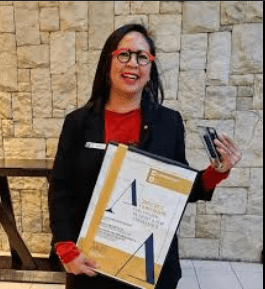
Her educational background reflected a deep engagement with both theoretical and practical dimensions of architecture. Early in her career, Tromp became known for questioning conventional assumptions surrounding commercial space, public interaction, and urban accessibility. While many architects pursued standardized international aesthetics, she explored architecture as a medium capable of provoking emotional and political reflection. Her projects frequently balanced bold geometric forms with nuanced social narratives rooted in African urban realities.
Tromp’s breakthrough came through innovative public and commercial projects that challenged rigid distinctions between civic, cultural, and business environments. She became widely respected for integrating artistic experimentation into urban development without sacrificing structural sophistication or commercial functionality. In high-rise and commercial architecture, her work often emphasized spatial inclusivity, public engagement zones, and visually striking facades designed to foster interaction rather than isolation.
As her reputation expanded internationally, Tromp also became an influential voice advocating for greater diversity within architecture and urban planning. She consistently addressed the historical legacies embedded within African cities, arguing that architecture carries ethical responsibilities beyond aesthetics and profitability. Her projects and public lectures positioned her among a generation of African architects redefining how cities could evolve after histories of segregation and exclusion.
Today, Nadia Tromp’s influence extends beyond individual buildings into broader intellectual discussions about urban identity, public participation, and African modernity. Her architectural philosophy continues to inspire younger designers seeking to combine artistic innovation with social relevance. In an era where commercial architecture is often criticized for prioritizing spectacle over community, Tromp’s work remains notable for insisting that urban development must engage human experience as deeply as economic ambition.
Key Facts
Full name of the subject: Nadia Tromp
Date of birth: Publicly limited information available
Place of birth: South Africa
Family background: Raised during South Africa’s social and political transformation period
Early childhood experiences: Witnessed the spatial inequalities of apartheid-era urban environments
Education history: Studied architecture and urban theory in South Africa
Influences and mentors: Contemporary African urbanism, conceptual architecture, social design movements
Career beginnings: Worked on experimental public and urban projects
Major achievements: Recognition for socially engaged commercial and civic architecture
Challenges and obstacles faced: Navigated gender and ideological barriers within architecture
Turning points in life: Establishment of independent architectural practice and public recognition
Contributions to society: Advocated inclusive urban planning and socially responsive design
Personal life (marriage, children, relationships): Keeps personal matters largely private
Awards and recognitions: Received architecture and urban innovation awards
Beliefs, values, or philosophy: Architecture must address social justice and human interaction
Legacy and impact: Influenced discourse surrounding ethical urbanism in Africa
Historical or cultural significance: Represents progressive post-apartheid architectural thought
Notable Works: Experimental commercial projects, public urban developments, socially integrated architectural installations, mixed-use urban designs.
Controversies: Nadia Tromp’s architectural philosophy has occasionally generated debate among developers and critics who questioned whether highly conceptual and socially driven design approaches could always align effectively with commercial practicality and investment priorities. Certain stakeholders within the property development sector argued that some experimental urban projects emphasized symbolic or artistic dimensions at the expense of conventional efficiency metrics favored by commercial investors. Conversely, supporters praised her willingness to challenge purely profit-driven models of urban development and to foreground issues of accessibility, inclusion, and historical spatial inequality. Tromp consistently defended her position by arguing that architecture inevitably shapes social behavior and therefore carries ethical responsibilities extending beyond financial performance alone. Academic commentators observed that the debates reflected broader tensions within global architecture between commercially standardized urban development and more community-centered design philosophies. While disagreements occasionally affected project negotiations and public reception, they also reinforced Tromp’s reputation as an architect willing to engage critically with the political and social implications of contemporary urban growth.
—
7. Paddy Wichard
Paddy Wichard built his reputation during one of the most economically and politically complex periods in Southern African history. Raised in Zimbabwe during decades marked by transition, uncertainty, and evolving national identity, Wichard developed an architectural outlook shaped by resilience and adaptability. His early fascination with structures emerged from observing how cities continued to evolve despite economic instability and fluctuating infrastructure conditions.
His education and early professional years emphasized practical design solutions suited to challenging economic environments. Unlike architects working primarily within wealthy international markets, Wichard frequently confronted constraints involving materials, financing, and construction logistics. Rather than limiting his creativity, these realities strengthened his reputation as a pragmatic architect capable of delivering durable commercial and urban projects under difficult conditions. His early work focused on commercial facilities, office developments, and adaptive urban structures designed for long-term utility and operational sustainability.
Wichard’s breakthrough came as Zimbabwean and regional developers increasingly sought architects who could combine modern commercial aesthetics with cost-conscious execution. He became recognized for designs that balanced efficiency, functionality, and understated elegance. His commercial and high-rise projects emphasized durability, natural climate adaptation, and flexible spatial planning capable of accommodating shifting economic demands. In contrast to highly ornamental architectural trends elsewhere, Wichard’s work reflected disciplined restraint and structural practicality.
Over time, his influence expanded beyond Zimbabwe into broader Southern African architectural discussions. Younger architects admired his ability to maintain professional consistency despite economic volatility and political uncertainty affecting the construction sector. His projects demonstrated that architectural quality did not necessarily depend upon excessive budgets or imported spectacle. Instead, Wichard emphasized intelligent engineering, contextual awareness, and long-term operational realism.
Today, Paddy Wichard remains associated with a generation of architects who sustained Southern African commercial architecture through periods of extraordinary difficulty. His legacy is rooted not only in completed structures, but also in the professional resilience and adaptive thinking he brought to the field. In regions where urban development often unfolds amid economic unpredictability, his work continues to represent the importance of practicality, endurance, and disciplined architectural vision.
Key Facts
Full name of the subject: Paddy Wichard
Date of birth: Publicly limited information available
Place of birth: Zimbabwe
Family background: Raised within Zimbabwe’s evolving political and economic environment
Early childhood experiences: Observed urban adaptation during periods of national transition
Education history: Studied architecture and commercial design principles
Influences and mentors: Functional modernism and practical urban engineering traditions
Career beginnings: Began with commercial and municipal architecture projects in Zimbabwe
Major achievements: Developed durable commercial and mixed-use structures across Southern Africa
Challenges and obstacles faced: Worked through economic instability and construction-sector volatility
Turning points in life: Expansion into larger commercial developments during regional urban growth
Contributions to society: Promoted sustainable and economically realistic commercial architecture
Personal life (marriage, children, relationships): Maintains private personal affairs
Awards and recognitions: Recognized within regional architectural and development circles
Beliefs, values, or philosophy: Architecture should prioritize resilience, practicality, and longevity
Legacy and impact: Influenced pragmatic commercial architecture within Southern Africa
Historical or cultural significance: Represents architectural endurance during periods of economic uncertainty
Notable Works: Commercial office developments, mixed-use structures, adaptive urban projects, Southern African commercial architecture initiatives.
Controversies: Paddy Wichard’s career occasionally intersected with public criticism tied to the broader economic and political complexities surrounding urban development in Zimbabwe. Some commentators questioned whether commercial construction projects undertaken during periods of national economic hardship adequately reflected broader public priorities, particularly amid infrastructure shortages and social challenges affecting ordinary citizens. Others raised concerns regarding the relationship between private-sector development and governmental planning frameworks during politically sensitive periods. Supporters of Wichard argued that continued investment in commercial infrastructure was necessary to sustain employment, maintain investor confidence, and preserve long-term urban functionality despite national instability. Urban analysts noted that architects operating within difficult economic environments often face unavoidable tensions between commercial opportunity and public perception. No formal allegations of wrongdoing were substantiated against Wichard personally, but the debates surrounding certain development projects reflected the larger pressures facing professionals working within economically strained and politically polarized urban systems.
Part 3
8. Urko Sanchez
Urko Sanchez became one of the most recognizable figures in East African hospitality and environmentally responsive commercial architecture through a career defined by cultural immersion and ecological sensitivity. Although originally born in Spain, Sanchez established the foundation of his architectural identity in Kenya, where decades of work along the East African coast profoundly shaped his design philosophy. His transition from European-trained architect to influential African-based designer reflected a larger shift in contemporary architecture toward localized environmental understanding and culturally adaptive design.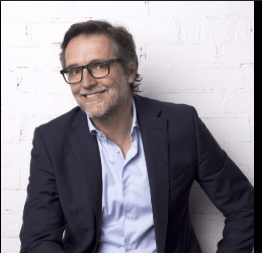
During his early years in architecture, Sanchez demonstrated an interest in combining artistic expression with structural practicality. After relocating to Kenya, he became deeply influenced by Swahili architecture, coastal settlement patterns, and indigenous building techniques that emphasized airflow, shade, natural materials, and harmony with the surrounding environment. Rather than imposing rigid international templates onto African landscapes, he pursued an approach rooted in observation and adaptation. His earliest projects involved boutique hospitality structures and residential commissions that integrated local craftsmanship with refined modern detailing.
His breakthrough came as East Africa’s luxury tourism and commercial hospitality sectors began expanding rapidly. Developers sought architects capable of delivering internationally competitive resorts, commercial spaces, and mixed-use developments without erasing regional identity. Sanchez distinguished himself through projects that blended ecological restraint with understated luxury. His buildings frequently incorporated coral stone, timber, open courtyards, shaded circulation systems, and passive cooling strategies that minimized environmental disruption while enhancing sensory experience. In commercial architecture, he emphasized atmosphere and spatial continuity rather than monumental spectacle.
As global attention increasingly turned toward sustainable architecture, Sanchez’s work gained international recognition as a model for climate-responsive development. His projects became associated with a broader movement advocating environmentally integrated architecture across Africa’s coastal regions. Beyond aesthetics, he consistently argued that architecture in fragile ecological environments carries ethical responsibilities regarding conservation, cultural preservation, and long-term sustainability.
Today, Urko Sanchez’s legacy within African architecture rests on his ability to demonstrate that luxury commercial design and environmental responsibility need not exist in opposition. His projects helped redefine perceptions of East African hospitality architecture while also influencing younger designers exploring sustainable urbanism across the continent. Through decades of practice in Kenya and beyond, he contributed to an architectural language rooted not in excess, but in contextual intelligence, environmental respect, and cultural continuity.
Key Facts
Full name of the subject: Urko Sanchez
Date of birth: Publicly limited information available
Place of birth: Spain
Family background: Raised within a European cultural environment before establishing career roots in East Africa
Early childhood experiences: Developed an early fascination with art, landscapes, and design
Education history: Studied architecture in Europe
Influences and mentors: Swahili architecture, coastal African building traditions, sustainable design philosophies
Career beginnings: Began architectural practice before relocating to Kenya
Major achievements: International recognition for environmentally integrated hospitality and commercial architecture
Challenges and obstacles faced: Balancing ecological preservation with expanding tourism and commercial investment
Turning points in life: Establishing long-term architectural practice in Kenya
Contributions to society: Promoted climate-sensitive and culturally rooted architecture in East Africa
Personal life (marriage, children, relationships): Maintains relatively private personal affairs
Awards and recognitions: Recipient of international hospitality and sustainable architecture recognition
Beliefs, values, or philosophy: Architecture should exist harmoniously within natural and cultural environments
Legacy and impact: Influenced sustainable commercial and hospitality architecture across East Africa
Historical or cultural significance: Helped preserve and modernize Swahili-inspired architectural principles
Notable Works: Luxury coastal resorts, environmentally responsive hospitality developments, commercial tourism architecture, mixed-use coastal projects in Kenya and East Africa.
Controversies: Urko Sanchez’s architectural projects have occasionally become part of broader public debates concerning tourism-driven development along East Africa’s coastline. Environmental groups, cultural preservation advocates, and some local community representatives raised concerns regarding the impact of luxury hospitality expansion on fragile coastal ecosystems, land accessibility, and traditional settlement patterns. Critics argued that high-end resort development risked intensifying social inequality and altering historical coastal identities in certain regions. Sanchez and associated developers consistently maintained that projects adhered to environmental review requirements and often incorporated conservation-focused strategies intended to minimize ecological disruption while supporting local employment and craftsmanship. Urban and environmental analysts observed that many controversies reflected larger structural tensions between economic development, ecological sustainability, and heritage preservation affecting tourism-dependent regions globally. While no formal findings established misconduct against Sanchez personally, the debates surrounding some developments reinforced ongoing public scrutiny regarding sustainable coastal urbanization and responsible commercial expansion in East Africa.
—
9. Diébédo Francis Kéré
Among the most internationally celebrated architects to emerge from Africa in the twenty-first century, Diébédo Francis Kéré transformed global understanding of what socially conscious architecture could achieve. Born in the small village of Gando in Burkina Faso, Kéré’s earliest experiences were shaped not by urban skyscrapers or elite institutions, but by the realities of limited infrastructure, extreme climate conditions, and communal rural life. Those formative experiences became the emotional and philosophical foundation of his entire architectural career.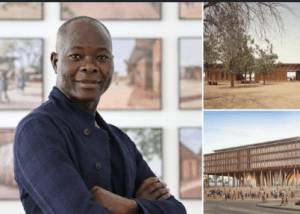
As a child, Kéré witnessed firsthand how poorly designed buildings affected education, health, and daily survival within rural communities. His opportunity to study abroad in Germany marked a decisive turning point. There, he received formal architectural training while simultaneously reflecting on how modern architectural knowledge could be adapted to African realities rather than simply imported unchanged. Unlike many architects who pursued prestige through monumental urban projects alone, Kéré focused intensely on architecture as a humanitarian and community-building tool.
His international breakthrough came through the design of the Gando Primary School, a project that combined traditional materials with innovative engineering to create environmentally adaptive educational spaces. The project received global acclaim not merely for its aesthetics, but for demonstrating how local materials, participatory construction, and climate-responsive design could produce architecture of extraordinary sophistication. Over time, Kéré expanded into larger civic, commercial, and institutional commissions while maintaining his commitment to sustainability and social inclusion.
Although many of his most famous projects emphasize civic architecture, Kéré’s influence on commercial and high-rise design has also been substantial. His work challenged the assumption that commercial prestige must rely upon excessive resource consumption or imported visual identities. Instead, he demonstrated that African architecture could lead global conversations surrounding sustainability, material innovation, and socially integrated urban development. His projects increasingly combined large-scale functionality with environmental intelligence and cultural rootedness.
Today, Kéré stands as one of Africa’s most important architectural ambassadors. His international recognition, including major global awards, helped elevate African architectural discourse onto the world stage. More importantly, his career inspired younger architects across Africa to view architecture not merely as a profession, but as a means of addressing inequality, climate adaptation, and human dignity. Through every project, Kéré continues to advocate for architecture that listens to communities rather than simply imposing structures upon them.
Key Facts
Full name of the subject: Diébédo Francis Kéré
Date of birth: April 10, 1965
Place of birth: Gando, Burkina Faso
Family background: Born into a modest rural family in Burkina Faso
Early childhood experiences: Experienced limited educational infrastructure and harsh climatic conditions
Education history: Studied architecture in Germany after receiving vocational scholarship opportunities
Influences and mentors: Vernacular African architecture, community-based construction, sustainable engineering
Career beginnings: Began with socially driven educational and community projects
Major achievements: Internationally acclaimed architect and recipient of major global architectural honors
Challenges and obstacles faced: Limited resources during early community construction initiatives
Turning points in life: Global recognition following the success of the Gando Primary School project
Contributions to society: Advanced sustainable and community-centered architecture worldwide
Personal life (marriage, children, relationships): Maintains relatively private personal affairs
Awards and recognitions: Recipient of the Pritzker Architecture Prize and numerous international honors
Beliefs, values, or philosophy: Architecture should empower communities and respond to climate realities
Legacy and impact: Widely regarded as one of the leading voices in sustainable global architecture
Historical or cultural significance: Elevated African architecture within contemporary international discourse
Notable Works: Gando Primary School, international civic and institutional projects, sustainable commercial developments, environmentally adaptive public architecture.
Controversies: Diébédo Francis Kéré’s career has generally been characterized by widespread professional admiration, though some debates have emerged regarding the scalability and commercialization of community-centered architecture. Certain critics within architectural and development circles questioned whether highly localized, participatory construction models could be effectively replicated within rapidly urbanizing African cities facing immense population pressures and commercial demands. Others argued that international institutions occasionally romanticized rural African architectural narratives while overlooking broader systemic economic challenges. Kéré consistently responded by emphasizing that his work was never intended as a universal formula, but rather as evidence that architecture rooted in local knowledge, environmental adaptation, and community participation could produce globally respected outcomes. Architectural scholars largely viewed such debates as intellectual disagreements concerning development models rather than allegations of misconduct. While differing perspectives persisted regarding implementation scale and urban applicability, the discussions ultimately reinforced Kéré’s role as a central figure in global conversations about ethical, sustainable, and socially engaged architecture.
—
10. James Barnor
Although internationally celebrated primarily as a pioneering photographer rather than a conventional architect, James Barnor occupies a unique position within conversations about African visual modernity and urban identity. Born in colonial-era Ghana, Barnor developed his artistic vision during one of the most transformative periods in West African history, documenting the transition from colonial rule to independence and the emergence of modern African urban culture. His work captured not only people, but also the evolving architectural and commercial environments shaping newly independent African cities.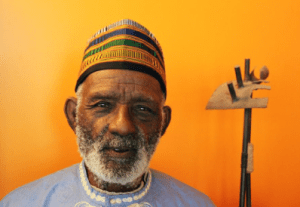
Barnor’s early life unfolded in Accra during a period of political awakening and cultural reinvention. Fascinated by visual storytelling from an early age, he began experimenting with photography as both artistic expression and historical documentation. Unlike many photographers of his era who focused narrowly on portraiture, Barnor became deeply interested in how urban spaces, fashion, commerce, and architecture interacted to define modern African identity. His images frequently framed individuals within emerging commercial districts, public buildings, and evolving metropolitan landscapes.
His breakthrough came during Ghana’s independence era, when his photography became closely associated with the optimism, sophistication, and cosmopolitan energy of post-colonial West Africa. Barnor documented the rise of African middle classes, cultural institutions, media industries, and urban commercial life with extraordinary sensitivity. Although not an architect in the technical sense, his visual work profoundly shaped international understanding of African modernity and the architectural transformation occurring within cities such as Accra and London.
Over subsequent decades, Barnor’s archive became increasingly recognized not only for artistic excellence, but for its sociological and architectural importance. Historians and urban scholars frequently referenced his photography to study how African cities evolved during periods of rapid modernization. His images preserved visual records of commercial buildings, public spaces, fashion culture, and urban movement patterns that might otherwise have disappeared from historical memory.
Today, James Barnor’s legacy extends far beyond photography alone. He helped document the visual birth of modern African urban identity at a moment when newly independent nations were redefining themselves politically, culturally, and architecturally. His work remains invaluable to scholars, architects, historians, and artists seeking to understand how African cities imagined themselves during the twentieth century. In that sense, Barnor contributed not through physical construction, but through the preservation of Africa’s architectural and cultural transformation for future generations.
Key Facts
Full name of the subject: James Barnor
Date of birth: June 6, 1929
Place of birth: Accra, Ghana
Family background: Raised in colonial-era Ghana within a socially evolving urban environment
Early childhood experiences: Developed fascination with visual storytelling and urban culture
Education history: Studied photography and visual arts through practical and professional training
Influences and mentors: Early photojournalism, African independence movements, urban cultural transformation
Career beginnings: Started as a portrait and documentary photographer in Accra
Major achievements: International recognition for documenting African modernity and post-colonial identity
Challenges and obstacles faced: Worked during periods of political transition and limited creative infrastructure
Turning points in life: Rise to prominence during Ghana’s independence era and later international exhibitions
Contributions to society: Preserved visual records of African urban and cultural transformation
Personal life (marriage, children, relationships): Maintains largely private personal life
Awards and recognitions: Recipient of numerous international photography and cultural honors
Beliefs, values, or philosophy: Visual storytelling should preserve cultural memory and human dignity
Legacy and impact: One of the most influential photographers documenting African modern history
Historical or cultural significance: Captured the emergence of modern African urban identity during independence movements
Notable Works: Independence-era photography in Ghana, urban documentary photography, fashion and commercial culture archives, visual documentation of African modernism.
Controversies: James Barnor’s career has remained relatively free from major public scandal, though some scholarly debates emerged regarding the interpretation and commercialization of post-colonial African imagery within international art markets. Certain critics argued that Western galleries and institutions occasionally framed African independence-era photography through overly nostalgic or exoticized lenses that risked simplifying the political and social complexity of the historical period. Others questioned how ownership, preservation, and financial benefits connected to African cultural archives should be managed internationally. Barnor himself generally emphasized the importance of preserving African historical memory and making visual archives accessible to future generations. Cultural historians noted that the debates largely reflected broader discussions concerning representation, archival ethics, and the global circulation of African art rather than controversies centered on Barnor personally. While differing interpretations of his work continued within academic and curatorial circles, his reputation as a pioneering documentarian of African modernity remained overwhelmingly respected internationally.
—
Notable Mentions
Ebisike Tochukwu (Nigeria)
Mokena Makeka (South Africa)
Joe Osae-Addo (Ghana)
Issa Diabaté (Ivory Coast)
Shahira Fahmy (Egypt)
Driss Ketani (Morocco)
Mariam Issoufou (Niger)
Christian Bennimana (Rwanda)
Sami Rintala (Tanzania)
Doreen Adengo (Uganda)