
Top 10 Skyscraper and Commercial Building Architects in Africa
Top 10 Skyscraper and Commercial Building Architects in Africa
In This Content
Quick List
Ebisike Tochukwu (Nigeria)
Mokena Makeka (South Africa)
Joe Osae-Addo (Ghana)
Issa Diabaté (Ivory Coast)
Shahira Fahmy (Egypt)
Driss Ketani (Morocco)
Mariam Issoufou (Niger)
Christian Bennimana (Rwanda)
Sami Rintala (Tanzania)
Doreen Adengo (Uganda)
—
Part 1
1. Ebisike Tochukwu
Ebisike Tochukwu emerged from Nigeria’s rapidly transforming urban environment at a time when African cities were redefining themselves through commercial expansion, technological modernization, and population growth. Raised in southeastern Nigeria within a society balancing entrepreneurial dynamism with infrastructural limitations, Tochukwu developed an early fascination with how buildings influence economic ambition and social identity. His childhood unfolded against the backdrop of Nigeria’s accelerating urbanization, where sprawling commercial centers and rising skylines symbolized both opportunity and structural inequality.
His educational path reflected a deep commitment to combining engineering precision with architectural creativity. During his formative years as a student, Tochukwu became increasingly interested in skyscraper design and commercial infrastructure, particularly the challenge of adapting high-rise architecture to tropical climates and densely populated African cities. Influenced by both global commercial architecture and indigenous spatial traditions, he pursued a design philosophy centered on efficiency, environmental responsiveness, and urban functionality. Early in his career, he worked on mixed-use developments and corporate office projects that emphasized durability and scalable urban integration.
Tochukwu’s breakthrough arrived during Nigeria’s commercial real estate expansion, particularly in Lagos and Abuja, where demand for premium office towers, retail complexes, and business-oriented mixed-use developments surged dramatically. He became recognized for introducing modern façade systems, energy-conscious layouts, and flexible commercial interiors capable of serving rapidly evolving business sectors. Rather than imitating Gulf-state skyscraper aesthetics, Tochukwu sought to develop structures adapted specifically for West African environmental and economic realities. His projects frequently incorporated passive cooling strategies, strategic shading systems, and communal commercial zones designed around African patterns of business interaction.
As his reputation expanded across West Africa, Tochukwu increasingly became associated with the next generation of Nigerian commercial architecture. His work reflected broader changes occurring within African urban development, where local architects were beginning to challenge the dominance of foreign design firms in large-scale commercial projects. Through lectures, mentorship initiatives, and collaborations with younger professionals, he advocated for African-led architectural innovation capable of shaping the continent’s future skylines.
Today, Ebisike Tochukwu represents the growing confidence of African commercial architecture in the global market. His influence extends beyond completed buildings into wider conversations surrounding sustainable urban growth, regional design independence, and the future of African megacities. In an era where commercial architecture often prioritizes spectacle over urban cohesion, Tochukwu’s work remains grounded in the belief that skyscrapers should serve both economic ambition and civic functionality simultaneously.
Key Facts
Full name of the subject: Ebisike Tochukwu
Date of birth: Publicly limited information available
Place of birth: Nigeria
Family background: Raised in a Nigerian middle-class environment influenced by entrepreneurship and urban transformation
Early childhood experiences: Witnessed rapid urban expansion and infrastructural challenges in Nigerian cities
Education history: Studied architecture, structural planning, and commercial urban design
Influences and mentors: Contemporary African urbanists, modern skyscraper engineering, climate-responsive architecture
Career beginnings: Started with mixed-use and commercial infrastructure projects in Nigeria
Major achievements: Recognition for modern commercial and high-rise developments in West Africa
Challenges and obstacles faced: Navigated inconsistent infrastructure systems and volatile construction markets
Turning points in life: Secured major commissions during Nigeria’s commercial real estate boom
Contributions to society: Advocated sustainable skyscraper development adapted for African cities
Personal life (marriage, children, relationships): Maintains a largely private personal life
Awards and recognitions: Regional architectural and commercial development recognition
Beliefs, values, or philosophy: Architecture should balance economic growth with environmental realism
Legacy and impact: Influenced the rise of locally driven commercial architecture in Nigeria
Historical or cultural significance: Represents the modernization of Nigerian urban commercial identity
Notable Works: Commercial office towers in Lagos and Abuja, mixed-use business districts, climate-adaptive corporate developments, urban commercial infrastructure initiatives.
Controversies: Ebisike Tochukwu’s projects have occasionally become associated with broader public debates concerning urban density, land allocation, and commercial expansion within Nigeria’s rapidly developing cities. Some community groups and urban planners argued that certain large-scale commercial developments contributed indirectly to traffic congestion, rising land values, and pressure on already strained municipal infrastructure systems. Critics questioned whether rapid skyscraper expansion adequately addressed long-term public transportation and housing concerns in growing metropolitan areas. Tochukwu and associated developers maintained that projects complied with regulatory planning frameworks and contributed significantly to employment creation, investment attraction, and modernization of commercial districts. Urban development analysts noted that many criticisms reflected structural governance and infrastructure challenges affecting Nigerian cities generally rather than misconduct tied to a single architect. While no formal allegations of professional wrongdoing were substantiated against Tochukwu personally, the debates highlighted ongoing tensions between commercial growth, infrastructure capacity, and inclusive urban planning in Africa’s largest economies.
—
2. Mokena Makeka
Mokena Makeka belongs to a generation of South African architects whose careers evolved alongside the country’s democratic transformation and urban reinvention after apartheid. Born and raised in South Africa during a politically turbulent era, Makeka developed an understanding of architecture not merely as construction, but as a social language capable of shaping memory, inclusion, and national identity. His early experiences within segregated urban systems profoundly influenced his later commitment to designing spaces that encouraged civic participation and social interaction.
During his architectural education, Makeka distinguished himself through a deep interest in urban regeneration, cultural infrastructure, and public space integration. While many contemporaries focused primarily on aesthetics or luxury design, he approached architecture as an interdisciplinary field connecting politics, sociology, economics, and history. His early career included work on cultural and institutional projects that explored how architecture could address historical fragmentation while supporting emerging commercial realities within South Africa’s growing urban economies.
Makeka’s breakthrough came through major urban and mixed-use projects that combined commercial ambition with civic sensitivity. He became increasingly recognized for designing developments that integrated office towers, public plazas, cultural facilities, and transportation networks into cohesive urban experiences. Rather than isolating skyscrapers as symbols of corporate exclusivity, Makeka sought to create commercial environments that remained accessible and socially connected. His architectural language emphasized transparency, openness, and contextual dialogue between structures and surrounding communities.
As his influence expanded internationally, Makeka also emerged as an important public intellectual within African urban discourse. He frequently spoke about the future of African cities, emphasizing the need for locally driven urban planning rather than imported development models disconnected from social realities. His projects reflected this philosophy by balancing global commercial sophistication with distinctly African spatial sensibilities and environmental considerations.
Today, Mokena Makeka is regarded as one of Africa’s leading voices in progressive urban architecture. His work continues to shape discussions surrounding inclusive commercial development, post-colonial city planning, and sustainable metropolitan growth. Through architecture, urban strategy, and public advocacy, he helped redefine what commercial buildings in Africa could represent — not simply centers of profit, but catalysts for civic transformation and collective identity.
Key Facts
Full name of the subject: Mokena Makeka
Date of birth: Publicly limited information available
Place of birth: South Africa
Family background: Raised during South Africa’s apartheid and transition eras
Early childhood experiences: Observed the effects of spatial segregation and unequal urban systems
Education history: Studied architecture and urban planning in South Africa
Influences and mentors: Social urbanism, African civic architecture, contemporary global design theory
Career beginnings: Started with public infrastructure and urban regeneration projects
Major achievements: Recognition for integrated commercial and civic urban developments
Challenges and obstacles faced: Navigated post-apartheid urban inequality and complex redevelopment systems
Turning points in life: Expansion into large-scale mixed-use and commercial urban projects
Contributions to society: Advocated inclusive urban planning and culturally responsive architecture
Personal life (marriage, children, relationships): Keeps personal life largely outside public attention
Awards and recognitions: Recipient of architecture and urban innovation honors
Beliefs, values, or philosophy: Architecture should promote social interaction and urban dignity
Legacy and impact: Influenced contemporary African urban regeneration strategies
Historical or cultural significance: Represents post-apartheid architectural transformation in South Africa
Notable Works: Mixed-use commercial developments, urban regeneration initiatives, civic-commercial integration projects, public space redevelopment strategies.
Controversies: Mokena Makeka’s work has occasionally generated debate regarding the complexities of urban redevelopment and gentrification in South African cities undergoing economic transformation. Certain activists and housing advocates argued that some regeneration-focused commercial projects risked accelerating displacement pressures in historically marginalized neighborhoods by increasing property values and attracting elite investment. Critics questioned whether redevelopment frameworks sufficiently protected vulnerable communities from exclusionary economic effects. Makeka consistently responded by emphasizing that long-term urban decline also carries serious social consequences and that inclusive redevelopment requires cooperation among governments, planners, developers, and civil society organizations. Urban scholars observed that many controversies surrounding his projects reflected broader global tensions between revitalization and affordability in rapidly modernizing cities. No formal findings established misconduct against Makeka personally, though the debates intensified public discussions regarding equitable urban transformation, land justice, and the social obligations of commercial architecture in post-apartheid South Africa.
—
3. Joe Osae-Addo
Joe Osae-Addo emerged as one of Ghana’s most respected architectural voices through a career dedicated to reconciling modern commercial development with African cultural identity. Born in Ghana during a period of political and economic change, Osae-Addo developed an early awareness of how architecture reflected social aspiration and national confidence. Growing up within rapidly evolving urban environments, he became fascinated by the tension between imported architectural models and the realities of African climate, culture, and daily life.
His educational journey took him through both African and international institutions, exposing him to modernist architecture while simultaneously reinforcing his appreciation for indigenous African design traditions. Early in his professional career, Osae-Addo became critical of the tendency among some post-colonial African cities to imitate foreign architectural aesthetics without adapting them to local environmental conditions. Instead, he pursued an architectural philosophy rooted in sustainability, material authenticity, and cultural continuity.
His breakthrough occurred as Ghana’s commercial and hospitality sectors expanded, creating demand for architects capable of designing sophisticated structures that retained a distinct African identity. Osae-Addo became widely recognized for projects integrating local materials, natural ventilation systems, and culturally informed spatial arrangements into contemporary commercial architecture. His office buildings, residential-commercial hybrids, and urban projects demonstrated that modern African architecture could achieve international sophistication without abandoning regional character.
Beyond individual projects, Osae-Addo emerged as a prominent advocate for environmentally conscious and culturally grounded African architecture. Through lectures, mentorship programs, and public commentary, he challenged younger architects to rethink dependence on imported architectural assumptions. He argued consistently that African cities possess climatic and social conditions requiring distinct architectural solutions rather than borrowed templates from Europe, North America, or the Middle East.
Today, Joe Osae-Addo’s influence extends throughout West Africa and beyond. His work helped establish a new confidence in African commercial architecture by proving that cultural authenticity and commercial viability can coexist successfully. In an increasingly globalized industry, he remains a leading voice advocating architecture that responds not only to investors and markets, but also to climate, community, and historical identity.
Key Facts
Full name of the subject: Joe Osae-Addo
Date of birth: Publicly limited information available
Place of birth: Ghana
Family background: Raised in a culturally conscious Ghanaian environment
Early childhood experiences: Observed urban modernization and evolving architectural identity in Ghana
Education history: Studied architecture in Ghana and internationally
Influences and mentors: African vernacular architecture, sustainable design movements, modernist planning principles
Career beginnings: Started with residential and small-scale commercial architecture projects
Major achievements: Recognition for culturally responsive commercial and urban architecture
Challenges and obstacles faced: Challenged imported design norms within African commercial development
Turning points in life: Secured influential commercial and hospitality commissions in Ghana
Contributions to society: Promoted environmentally adaptive and culturally grounded architecture
Personal life (marriage, children, relationships): Maintains relatively private personal affairs
Awards and recognitions: Recipient of architecture and sustainability recognition in Africa
Beliefs, values, or philosophy: Architecture should reflect climate, culture, and local realities
Legacy and impact: Influenced sustainable commercial architecture across West Africa
Historical or cultural significance: Helped redefine contemporary Ghanaian architectural identity
Notable Works: Commercial hospitality projects, mixed-use developments, environmentally adaptive office complexes, culturally integrated urban architecture initiatives.
Controversies: Joe Osae-Addo’s architectural philosophy has occasionally drawn criticism from segments of the commercial real estate sector who argued that strong emphasis on local materials, sustainability, and culturally rooted design could increase project complexity or conflict with investor expectations for standardized international aesthetics. Some developers questioned whether environmentally adaptive approaches always aligned with aggressive commercial timelines and profit margins in competitive urban markets. Osae-Addo consistently defended his position by arguing that imported architectural models often create long-term operational inefficiencies in African climates while eroding local cultural identity. Architectural analysts largely viewed the disagreements as part of broader ideological debates surrounding the future direction of African urban development rather than controversies involving professional misconduct. Over time, growing global interest in sustainable architecture strengthened support for many of the principles he advocated throughout his career, reinforcing his reputation as an early proponent of climate-conscious African commercial design.
Part 2
4. Issa Diabaté
Issa Diabaté emerged as one of the leading architectural figures behind the modernization of Francophone West Africa’s commercial landscape. Born and raised in Côte d’Ivoire during a period of post-independence optimism and urban expansion, Diabaté grew up witnessing Abidjan’s transformation into one of Africa’s most ambitious economic capitals. The city’s skyline, shaped by modernist experimentation and regional commerce, became an early influence on his understanding of architecture as both an economic instrument and a cultural statement.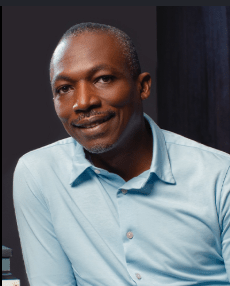
His educational journey reflected an intersection of African urban realities and international architectural training. During his formative years as a student, Diabaté became increasingly interested in how African cities could develop commercial infrastructure without sacrificing environmental responsiveness or local identity. Early in his career, he worked on corporate, residential, and mixed-use projects that introduced contemporary design principles into rapidly evolving West African urban districts. Unlike many architects who relied heavily on imported stylistic formulas, Diabaté emphasized contextual adaptation, climatic functionality, and urban integration.
His breakthrough came during the resurgence of major commercial investment in Abidjan and surrounding Francophone markets. As multinational corporations, financial institutions, and regional developers sought sophisticated commercial infrastructure, Diabaté became associated with a new generation of architects redefining African corporate architecture. His office towers and commercial developments often balanced sleek modernist aesthetics with practical adaptations suited to tropical climates, including solar-conscious façades, airflow-sensitive planning, and public interaction spaces integrated into dense urban environments.
As his reputation expanded internationally, Diabaté also emerged as a vocal advocate for African-led urban development. He argued consistently that African cities should not merely imitate global financial capitals, but instead cultivate architectural languages reflecting regional history, climate conditions, and patterns of public life. Through professional organizations, conferences, and mentorship initiatives, he encouraged younger African architects to participate more assertively in shaping the continent’s commercial future.
Today, Issa Diabaté’s legacy is deeply connected to the rise of contemporary commercial architecture in Francophone Africa. His projects contributed to the modernization of Abidjan’s urban identity while also strengthening confidence in African architectural leadership within high-value development sectors. In a continent where foreign firms have historically dominated large-scale commercial projects, Diabaté became symbolic of a broader movement toward locally driven architectural authority.
Key Facts
Full name of the subject: Issa Diabaté
Date of birth: Publicly limited information available
Place of birth: Côte d’Ivoire
Family background: Raised in an urban Ivorian environment influenced by post-independence modernization
Early childhood experiences: Observed Abidjan’s transformation into a major commercial center
Education history: Studied architecture and urban planning internationally and within Africa
Influences and mentors: Modernist commercial architecture, African urbanism, climate-adaptive design
Career beginnings: Started with residential and commercial design projects in Côte d’Ivoire
Major achievements: Recognition for shaping contemporary commercial architecture in Francophone West Africa
Challenges and obstacles faced: Navigated economic instability and fluctuating investment cycles in regional markets
Turning points in life: Secured major commercial and mixed-use development commissions in Abidjan
Contributions to society: Promoted African-led urban modernization and sustainable commercial architecture
Personal life (marriage, children, relationships): Maintains largely private personal affairs
Awards and recognitions: Honored within regional and international architectural forums
Beliefs, values, or philosophy: African architecture should combine global sophistication with local relevance
Legacy and impact: Influenced commercial urban design across Francophone Africa
Historical or cultural significance: Helped modernize the architectural identity of Côte d’Ivoire’s business sector
Notable Works: Commercial office towers in Abidjan, mixed-use urban developments, corporate headquarters, climate-adaptive commercial infrastructure projects.
Controversies: Issa Diabaté’s projects have occasionally become part of wider public debates concerning rapid commercial redevelopment and social inequality within Abidjan’s evolving urban districts. Certain housing advocates and urban policy observers argued that large-scale business-oriented developments risked intensifying economic disparities by prioritizing elite commercial interests over affordable housing and public infrastructure needs. Questions also emerged regarding the pace of redevelopment in historically mixed-income neighborhoods undergoing investment-driven transformation. Diabaté and associated development partners maintained that commercial modernization was necessary to strengthen regional competitiveness, attract investment, and expand employment opportunities within Côte d’Ivoire’s growing economy. Urban development analysts noted that many of the criticisms reflected broader structural tensions common in rapidly modernizing cities across Africa and other emerging markets. While no formal allegations of professional misconduct were substantiated against Diabaté personally, the debates contributed to ongoing national discussions regarding inclusive urban planning, economic accessibility, and the social responsibilities of commercial architecture.
—
5. Shahira Fahmy
Shahira Fahmy established herself as one of Egypt’s most intellectually influential architects through a career defined by conceptual rigor, urban experimentation, and cultural introspection. Raised in Cairo during a period of dramatic demographic growth and infrastructural strain, Fahmy grew up surrounded by one of the world’s most historically layered urban environments. The coexistence of ancient monuments, colonial districts, informal settlements, and modern commercial expansion profoundly shaped her understanding of architecture as an evolving conversation between history and modernity.
Her educational background combined technical architectural training with broader engagement in urban theory, philosophy, and design criticism. Early in her professional life, Fahmy became known for questioning standardized approaches to commercial development that ignored the social complexity of Middle Eastern and African cities. Rather than viewing architecture purely as visual composition, she approached it as an intellectual discipline deeply connected to public behavior, political structures, and cultural memory.
Fahmy’s breakthrough emerged through projects and conceptual work that blended modern commercial functionality with contextual urban sensitivity. She became recognized for designs emphasizing layered spatial experiences, dynamic circulation systems, and architectural forms responding to Cairo’s density, climate, and historical continuity. In commercial architecture, her work often resisted excessive monumentality in favor of human-scaled interaction and adaptive urban integration. Her office developments and mixed-use projects reflected an effort to reconcile contemporary economic demands with the realities of social diversity and urban congestion.
As her reputation expanded internationally, Fahmy became a respected voice in architectural discourse concerning African and Middle Eastern urban futures. She participated in exhibitions, academic forums, and professional debates exploring how architecture can address inequality, mobility, heritage preservation, and environmental stress within rapidly expanding cities. Younger architects frequently cited her work as an example of intellectually grounded commercial architecture capable of balancing experimentation with practicality.
Today, Shahira Fahmy’s influence extends beyond physical structures into broader discussions surrounding urban ethics and design philosophy. Her work continues to challenge simplistic notions of modernization by insisting that commercial architecture must engage cultural identity, historical context, and civic responsibility. In an era dominated by globally replicated skylines, Fahmy’s projects remain notable for their insistence on contextual depth and intellectual authenticity.
Key Facts
Full name of the subject: Shahira Fahmy
Date of birth: Publicly limited information available
Place of birth: Cairo, Egypt
Family background: Raised within an educated Egyptian urban environment
Early childhood experiences: Grew up observing Cairo’s dense and historically layered urban fabric
Education history: Studied architecture, urban theory, and design disciplines
Influences and mentors: Islamic urbanism, conceptual architecture, social design philosophy
Career beginnings: Started with conceptual, residential, and urban design projects in Egypt
Major achievements: Recognition for intellectually driven commercial and mixed-use architecture
Challenges and obstacles faced: Worked within highly complex urban and regulatory environments
Turning points in life: International recognition through exhibitions and major urban commissions
Contributions to society: Advanced discourse on contextual and socially responsive architecture
Personal life (marriage, children, relationships): Keeps personal matters largely private
Awards and recognitions: Recipient of regional and international architectural recognition
Beliefs, values, or philosophy: Architecture must engage history, culture, and human interaction
Legacy and impact: Influenced contemporary urban design thought in Africa and the Middle East
Historical or cultural significance: Represents a new generation of intellectually engaged Egyptian architects
Notable Works: Mixed-use urban projects, conceptual commercial developments, urban regeneration initiatives, culturally integrated architectural installations.
Controversies: Shahira Fahmy’s work has occasionally generated debate among commercial developers and urban policy commentators who questioned whether highly conceptual architectural approaches could consistently align with the financial and logistical demands of large-scale commercial construction. Some critics argued that intellectually ambitious design frameworks risked complicating implementation timelines or increasing development costs in highly competitive real estate markets. Supporters, however, praised her resistance to formulaic commercial architecture and her insistence that cities require culturally informed, socially aware design solutions rather than purely profit-driven structures. Fahmy repeatedly emphasized that architecture disconnected from historical and social context ultimately weakens urban resilience and public engagement. Architectural scholars largely viewed these disagreements as reflective of broader global tensions between commercial standardization and context-sensitive urban experimentation. No formal allegations of professional misconduct were associated with Fahmy, though the debates surrounding her work reinforced her reputation as an architect willing to challenge conventional development assumptions.
—
6. Driss Ketani
Driss Ketani emerged from Morocco’s rich architectural tradition to become one of North Africa’s most respected voices in contemporary commercial and urban design. Raised within a country where Islamic geometry, colonial planning legacies, and modern infrastructure coexist visibly within everyday life, Ketani developed an early fascination with how architecture mediates between tradition and globalization. His upbringing exposed him to the visual sophistication of Moroccan craftsmanship while also revealing the pressures modern commerce places on historic urban environments.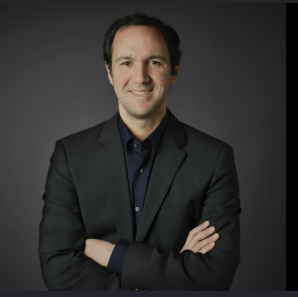
During his formal education, Ketani cultivated a design philosophy rooted in precision, material sensitivity, and urban continuity. Early in his career, he worked on institutional and commercial developments that explored how contemporary architecture could preserve elements of Moroccan identity while meeting the demands of expanding business and tourism sectors. Rather than reproducing historical motifs superficially, he focused on translating traditional spatial concepts into modern structural systems suitable for high-density urban development.
Ketani’s breakthrough came as Morocco intensified investment in commercial infrastructure, tourism, and metropolitan expansion during the late twentieth and early twenty-first centuries. He became associated with sophisticated mixed-use developments, hospitality projects, and commercial complexes that balanced international functionality with distinctly Moroccan architectural sensibilities. His work frequently integrated courtyards, filtered light systems, geometric façades, and environmentally adaptive layouts inspired by centuries-old North African design traditions.
As his influence expanded, Ketani also contributed significantly to conversations regarding heritage preservation amid modernization. He consistently argued that commercial growth should not erase cultural memory or architectural continuity. Through public advocacy and professional leadership, he encouraged architects and developers to treat urban heritage not as an obstacle to investment, but as a competitive cultural asset capable of enriching commercial environments.
Today, Driss Ketani’s legacy rests on his ability to modernize Moroccan commercial architecture without severing its historical roots. His projects continue to influence architects across North Africa seeking to balance globalization with cultural authenticity. In rapidly changing urban economies, Ketani demonstrated that commercial sophistication and architectural heritage can coexist productively rather than competitively.
Key Facts
Full name of the subject: Driss Ketani
Date of birth: Publicly limited information available
Place of birth: Morocco
Family background: Raised within Morocco’s historically rich architectural culture
Early childhood experiences: Influenced by Islamic design traditions and urban heritage environments
Education history: Studied architecture and urban design in Morocco and internationally
Influences and mentors: Islamic architecture, Moroccan craftsmanship, modern urban planning principles
Career beginnings: Started with institutional and urban development projects
Major achievements: Recognition for culturally integrated commercial architecture in North Africa
Challenges and obstacles faced: Balancing modernization with preservation of architectural heritage
Turning points in life: Expansion into major mixed-use and commercial developments
Contributions to society: Advocated preservation-conscious urban modernization
Personal life (marriage, children, relationships): Maintains relatively private personal affairs
Awards and recognitions: Recipient of architectural and urban heritage honors
Beliefs, values, or philosophy: Architecture should preserve cultural continuity while embracing progress
Legacy and impact: Influenced modern Moroccan commercial and urban design
Historical or cultural significance: Helped bridge traditional Moroccan architecture with contemporary development
Notable Works: Mixed-use commercial complexes, hospitality developments, urban heritage integration projects, modern Moroccan commercial infrastructure.
Controversies: Driss Ketani’s work occasionally became linked to broader debates concerning heritage conservation and commercial redevelopment within historic Moroccan cities. Preservation advocates sometimes expressed concern that large-scale commercial and tourism-oriented projects risked altering the cultural character of traditional urban districts or increasing commercialization within sensitive heritage zones. Developers and tourism authorities, however, argued that modernization and investment were necessary to sustain economic growth and maintain Morocco’s competitiveness in global tourism and commerce. Ketani consistently maintained that thoughtful architectural integration could preserve cultural identity while supporting contemporary economic demands. Urban heritage experts generally viewed the debates as part of wider international tensions surrounding modernization in historically significant cities. While no allegations of professional misconduct emerged against Ketani personally, the discussions surrounding his projects reinforced ongoing national conversations about balancing preservation, tourism, and commercial expansion within Morocco’s rapidly evolving urban landscape.
—
7. Mariam Issoufou
Mariam Issoufou rose to prominence as one of the most compelling architectural voices advocating environmentally responsive and socially conscious design across Africa. Born in Niger, a country defined by extreme climatic conditions and limited infrastructure resources, Issoufou developed an architectural perspective grounded in practicality, resilience, and community engagement from an early age. Her childhood experiences exposed her to the realities of heat, resource scarcity, and uneven urban development — conditions that later became central to her professional philosophy.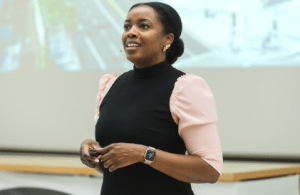
Her educational journey combined international architectural training with sustained reflection on African environmental realities. Early in her career, Issoufou became increasingly critical of imported commercial building models poorly suited to the climatic and social conditions of many African cities. Rather than emphasizing visual spectacle alone, she pursued design approaches prioritizing thermal comfort, local materials, community interaction, and ecological efficiency. Her earliest projects focused on educational, civic, and mixed-use structures that integrated sustainability into everyday functionality.
Issoufou’s breakthrough came as global architectural discourse increasingly embraced sustainability and climate adaptation. Her projects attracted international recognition for demonstrating how contemporary African architecture could address environmental challenges while remaining aesthetically innovative and culturally grounded. Although much of her work emphasized civic and educational spaces, her influence extended significantly into commercial architecture, particularly through advocacy for energy-efficient urban design and climate-conscious development strategies applicable to high-density commercial environments.
As her profile grew internationally, Issoufou became an influential public voice regarding the future of African urbanism. She frequently addressed issues including climate migration, infrastructure inequality, sustainable materials, and the ethical responsibilities of architects operating within vulnerable environments. Younger architects across the continent increasingly viewed her work as evidence that African design leadership could shape global sustainability conversations rather than merely follow them.
Today, Mariam Issoufou stands among the most respected advocates for environmentally intelligent architecture in Africa. Her legacy lies not only in completed buildings, but also in her contribution to redefining how architects approach climate, equity, and urban resilience. In a century increasingly shaped by environmental uncertainty, her work continues to influence the future direction of African commercial and urban development.
Key Facts
Full name of the subject: Mariam Issoufou
Date of birth: Publicly limited information available
Place of birth: Niger
Family background: Raised within a Nigerien environment shaped by climatic and infrastructural challenges
Early childhood experiences: Experienced harsh environmental conditions and uneven urban development
Education history: Studied architecture internationally with focus on sustainable design
Influences and mentors: Climate-responsive architecture, African vernacular building traditions, sustainable urbanism
Career beginnings: Started with civic, educational, and environmentally adaptive design projects
Major achievements: International recognition for sustainable and socially responsive architecture
Challenges and obstacles faced: Addressing resource limitations and climate pressures in African construction
Turning points in life: International acclaim for climate-conscious architectural projects
Contributions to society: Advanced environmentally adaptive architecture and sustainable urban thinking
Personal life (marriage, children, relationships): Keeps personal life largely private
Awards and recognitions: Recipient of international sustainability and architectural honors
Beliefs, values, or philosophy: Architecture should prioritize resilience, sustainability, and community dignity
Legacy and impact: Influenced climate-responsive architecture across Africa
Historical or cultural significance: Represents the rise of African leadership in sustainable global architecture
Notable Works: Sustainable civic and commercial projects, climate-responsive urban developments, educational facilities, environmentally adaptive mixed-use structures.
Controversies: Mariam Issoufou’s work has occasionally entered broader debates regarding the scalability and economic feasibility of sustainability-focused architecture within rapidly urbanizing African economies. Certain commercial developers questioned whether environmentally intensive design strategies and locally sourced material systems could consistently meet the speed and profitability demands of large-scale urban development markets. Critics argued that sustainability-centered approaches sometimes faced implementation barriers in regions lacking robust infrastructure or regulatory support. Issoufou consistently responded that climate adaptation is not a luxury consideration for African cities but an urgent structural necessity given rising temperatures, environmental stress, and urban population growth. Sustainability experts generally supported her position, emphasizing that short-term cost concerns often overlook long-term operational and environmental benefits. While no allegations of professional misconduct surrounded Issoufou, the debates reflected wider global disagreements regarding how rapidly developing economies should balance immediate commercial pressures with long-term ecological resilience.
Part 3
8. Christian Bennimana
Christian Bennimana emerged as one of East Africa’s most influential architectural thinkers through a career centered on sustainability, social equity, and educational transformation. Raised in Rwanda during a period marked by profound national reconstruction and social healing, Bennimana developed an early awareness of how architecture and urban planning could contribute to rebuilding collective identity and civic resilience. The physical and emotional realities of post-conflict reconstruction deeply influenced his belief that architecture must operate not only as infrastructure, but also as a tool for long-term societal stability.
His academic journey reflected both technical ambition and humanitarian curiosity. After pursuing architectural education internationally, Bennimana became increasingly interested in sustainable urbanism and the future of African cities. Early in his career, he worked on educational, community, and urban development initiatives that explored how architecture could respond to environmental pressures while addressing issues of accessibility and social inclusion. Unlike architects driven primarily by visual spectacle, Bennimana consistently emphasized systems thinking, environmental performance, and long-term community impact.
His breakthrough arrived through his leadership in architectural education and socially conscious urban design initiatives linked to sustainable development across Africa. Bennimana became particularly recognized for promoting architecture that addressed rapid urbanization, housing inequality, and climate vulnerability in emerging African economies. Although much of his work focused on educational and civic infrastructure, his influence extended significantly into commercial and mixed-use urban planning through advocacy for integrated, people-centered development strategies. He argued that African commercial architecture should prioritize adaptability, environmental intelligence, and accessibility rather than simply replicating foreign high-rise models.
As his international reputation expanded, Bennimana emerged as a major advocate for African architectural self-determination. Through mentorship programs, design laboratories, and academic leadership, he encouraged young African architects to develop locally informed solutions tailored to the continent’s environmental and economic realities. His work reflected a broader movement seeking to reposition Africa not as a passive recipient of imported design systems, but as an active contributor to global architectural innovation.
Today, Christian Bennimana’s legacy continues to shape architectural discourse across Africa. His emphasis on sustainability, education, and urban resilience has influenced a generation of emerging architects confronting the challenges of climate change, population growth, and uneven development. In commercial architecture as well as public planning, his philosophy remains grounded in the conviction that cities should ultimately serve human dignity rather than purely financial ambition.
Key Facts
Full name of the subject: Christian Bennimana
Date of birth: Publicly limited information available
Place of birth: Rwanda
Family background: Raised during Rwanda’s reconstruction and social transformation period
Early childhood experiences: Witnessed the importance of rebuilding infrastructure and civic systems
Education history: Studied architecture and sustainable urbanism internationally
Influences and mentors: Sustainable architecture movements, African urban resilience theory, community-centered design
Career beginnings: Started with educational and socially driven architectural projects
Major achievements: International recognition for sustainable and community-oriented urban design leadership
Challenges and obstacles faced: Addressing rapid urbanization and infrastructure inequality in emerging economies
Turning points in life: Leadership roles in African architectural education and sustainability initiatives
Contributions to society: Mentored young African architects and promoted sustainable urban thinking
Personal life (marriage, children, relationships): Maintains private personal affairs
Awards and recognitions: Recipient of architectural leadership and sustainability recognition
Beliefs, values, or philosophy: Architecture should promote equity, resilience, and human-centered development
Legacy and impact: Influenced sustainable urban planning and educational architecture across Africa
Historical or cultural significance: Represents Rwanda’s emergence within progressive African architectural discourse
Notable Works: Sustainable urban development initiatives, educational architecture programs, community planning projects, climate-conscious commercial planning concepts.
Controversies: Christian Bennimana’s work has occasionally become part of broader professional debates concerning the pace and scalability of sustainability-driven architecture within rapidly urbanizing African economies. Certain commercial developers and policy analysts questioned whether socially centered and environmentally intensive planning models could adequately accommodate the urgent demand for large-scale commercial infrastructure, housing expansion, and investment-driven urban growth. Critics argued that implementation costs and regulatory complexities sometimes limited immediate scalability. Bennimana consistently maintained that long-term urban resilience requires integrating sustainability and social accessibility from the outset rather than treating them as secondary concerns. Urban scholars generally viewed these disagreements as reflective of broader global tensions between short-term commercial priorities and long-term environmental planning. No allegations of professional misconduct were associated with Bennimana personally, though the debates reinforced his reputation as a leading advocate for ethically grounded and sustainability-focused African urban development.
—
9. Sami Rintala
Sami Rintala developed an international architectural reputation through a career blending environmental sensitivity, artistic experimentation, and socially engaged design. Though originally from Finland, Rintala’s architectural influence expanded into Africa through projects and collaborations in Tanzania and other regions where ecological awareness and community integration became central themes of his work. His transition into African contexts reflected a broader global movement toward architecture that responds directly to environmental realities and local cultural systems rather than imposing universalized design formulas.
Raised in the Nordic architectural tradition, Rintala was exposed early to ideas emphasizing simplicity, material honesty, and close relationships between structures and natural landscapes. His formal education reinforced these values while also encouraging conceptual experimentation and interdisciplinary thinking. Early in his career, he became known for projects combining architecture, art, and environmental observation, often exploring how structures influence human perception and interaction with surrounding environments.
Rintala’s engagement with Tanzania and East Africa deepened his commitment to climate-responsive and socially adaptive architecture. He became particularly interested in how architecture could support local communities while minimizing environmental disruption. His projects frequently emphasized natural materials, low-impact construction techniques, and spatial arrangements encouraging communal participation. While many of his best-known works were not skyscrapers in the conventional sense, his influence on commercial and mixed-use architecture emerged through advocacy for environmentally integrated development principles increasingly relevant to African urban growth.
As global architectural conversations shifted toward sustainability and ecological resilience, Rintala’s philosophy gained broader recognition. His work challenged the assumption that commercial development must prioritize scale and spectacle over environmental responsibility. Instead, he advocated architectural approaches emphasizing longevity, resource consciousness, and cultural dialogue. Younger architects in East Africa increasingly viewed his work as an example of how international collaboration could occur respectfully without overwhelming local identity.
Today, Sami Rintala’s influence within African architecture lies largely in his contribution to sustainable design thinking and experimental urban practice. His projects continue to inspire architects seeking alternatives to environmentally intensive commercial construction models. Through architecture, teaching, and cross-cultural collaboration, he helped reinforce the idea that future African urban development can pursue innovation without sacrificing ecological and social balance.
Key Facts
Full name of the subject: Sami Rintala
Date of birth: Publicly limited information available
Place of birth: Finland
Family background: Raised within Finland’s environmentally conscious cultural environment
Early childhood experiences: Developed strong connection to landscapes, materials, and environmental observation
Education history: Studied architecture and conceptual design in Finland
Influences and mentors: Nordic modernism, ecological architecture, interdisciplinary art and design
Career beginnings: Started with experimental architectural and artistic projects in Europe
Major achievements: International recognition for sustainable and environmentally integrated architecture
Challenges and obstacles faced: Balancing conceptual experimentation with commercial development realities
Turning points in life: Expansion of work into East African and global sustainability-focused projects
Contributions to society: Promoted environmentally conscious architecture and collaborative design education
Personal life (marriage, children, relationships): Maintains private personal life
Awards and recognitions: Recipient of international architecture and design awards
Beliefs, values, or philosophy: Architecture should exist harmoniously within ecological systems
Legacy and impact: Influenced environmentally integrated architectural thinking in Africa and internationally
Historical or cultural significance: Represents cross-cultural collaboration in sustainable architecture
Notable Works: Sustainable design installations, community architecture projects, ecological commercial planning concepts, collaborative urban development initiatives.
Controversies: Sami Rintala’s work occasionally generated debate within commercial architecture circles regarding the practicality and scalability of highly experimental and environmentally minimalist design approaches. Some developers argued that conceptual sustainability models emphasizing low-impact construction and artistic spatial experimentation may not always align with the financial demands and density requirements of rapidly urbanizing commercial centers. Others questioned whether environmentally restrained architectural strategies could sufficiently address the infrastructure pressures facing expanding African cities. Rintala consistently defended his philosophy by emphasizing that ecological limits and long-term sustainability must remain central considerations within all future urban planning discussions. Environmental design experts generally viewed the debates as reflective of wider global disagreements concerning sustainable development priorities rather than controversies involving professional misconduct. While differing perspectives persisted regarding implementation scale and economic efficiency, Rintala’s reputation as an advocate for environmentally responsible architecture remained broadly respected.
—
10. Doreen Adengo
Doreen Adengo emerged as one of East Africa’s most thoughtful and socially engaged architects through a career dedicated to rethinking how African cities grow, function, and represent collective identity. Raised in Uganda during a period of political recovery and urban transformation, Adengo developed an early awareness of the deep relationship between infrastructure, public life, and national development. Her experiences in Kampala exposed her to the opportunities and tensions created by rapid urbanization, particularly the uneven distribution of commercial growth and public resources.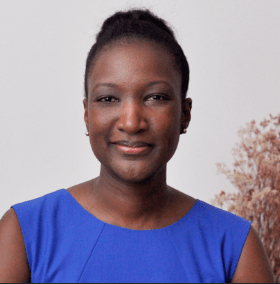
Her academic training combined architecture, urban planning, and research-oriented inquiry. Early in her career, Adengo became interested in how architecture could address social inequality, educational access, and environmental stress while still engaging contemporary commercial realities. Rather than approaching architecture as isolated object-making, she viewed cities as interconnected systems shaped by policy, economics, culture, and public participation. This interdisciplinary perspective became central to her architectural identity.
Adengo’s breakthrough emerged through projects and public initiatives emphasizing adaptive reuse, sustainable development, and socially responsive urban planning. She became widely respected for integrating historical awareness and community engagement into contemporary design conversations. In commercial architecture, her ideas often focused on creating mixed-use urban environments encouraging accessibility, pedestrian interaction, and environmental sustainability rather than purely profit-driven expansion. Her work challenged the tendency toward disconnected luxury developments by advocating commercially viable spaces that remain integrated within broader civic life.
As her profile expanded internationally, Adengo became an influential voice within academic and professional discussions concerning African urban futures. Through research, exhibitions, and teaching, she consistently addressed questions surrounding land use, urban informality, infrastructure inequality, and sustainable metropolitan growth. Younger architects across East Africa increasingly looked to her work as a model for balancing intellectual rigor with practical urban engagement.
Today, Doreen Adengo’s influence extends beyond buildings themselves into broader conversations about how African cities should evolve in the twenty-first century. Her emphasis on sustainability, accessibility, and historical continuity continues to shape emerging architectural discourse across the continent. In commercial architecture and urban planning alike, Adengo represents a growing movement insisting that development must remain accountable to public life, environmental resilience, and social inclusion.
Key Facts
Full name of the subject: Doreen Adengo
Date of birth: Publicly limited information available
Place of birth: Uganda
Family background: Raised within Uganda’s evolving post-conflict urban environment
Early childhood experiences: Observed rapid urbanization and infrastructure challenges in Kampala
Education history: Studied architecture, urban planning, and research-based design disciplines
Influences and mentors: African urbanism, adaptive reuse theory, sustainable planning movements
Career beginnings: Started with research-oriented architectural and community projects
Major achievements: Recognition for socially responsive urban and commercial design advocacy
Challenges and obstacles faced: Addressing urban inequality and sustainability challenges within emerging economies
Turning points in life: Expansion into international teaching, exhibitions, and urban research initiatives
Contributions to society: Promoted inclusive urban planning and environmentally adaptive architecture
Personal life (marriage, children, relationships): Keeps personal life largely private
Awards and recognitions: Recipient of architectural research and urban innovation recognition
Beliefs, values, or philosophy: Cities should prioritize accessibility, sustainability, and public participation
Legacy and impact: Influenced contemporary East African urban discourse and sustainable architecture
Historical or cultural significance: Represents a progressive generation of African urban thinkers and architects
Notable Works: Adaptive urban reuse projects, mixed-use planning initiatives, sustainability-focused urban design research, socially integrated commercial development concepts.
Controversies: Doreen Adengo’s urban and architectural philosophy has occasionally been criticized by certain commercial development stakeholders who argued that socially intensive planning approaches may slow investment processes or complicate large-scale commercial expansion. Critics within portions of the private real estate sector questioned whether extensive emphasis on public consultation, historical preservation, and inclusive planning frameworks could consistently align with fast-moving commercial timelines in rapidly growing African cities. Adengo consistently responded by emphasizing that poorly planned urban growth often generates long-term infrastructural, environmental, and social costs that ultimately undermine economic sustainability itself. Urban planning scholars generally interpreted these disagreements as part of wider international debates concerning the balance between commercial acceleration and responsible urban governance. No allegations of professional misconduct were associated with Adengo personally, though the discussions reinforced her standing as a prominent advocate for socially accountable and sustainability-driven African urban development.
—
Notable Mentions:
Bonaventure B. (Benin)
Fatou Dieye (Senegal)
Hassan Fathy (Egypt)
David Adjaye (Ghana)
Stefan Antoni (South Africa)
Nadia Tromp (South Africa)
Paddy Wichard (Zimbabwe)
Urko Sanchez (Kenya)
Diébédo Francis Kéré (Burkina Faso)
James Barnor (Ghana)