
Top 10 Premium Home Design Architects in South America
Top 10 Premium Home Design Architects in South America
In This Content
Quick List
Mathias Klotz
Tatiana Bilbao
Alberto Kalach
Javier Senosiain
Fernanda Canales
Isay Weinfeld
Marcio Kogan
Arthur Casas
Guilherme Torres
Smiljan Radic
1. Mathias Klotz
Mathias Klotz stands as one of the foundational figures in contemporary South American residential minimalism, shaping a generation of architects who view luxury not as ornamentation but as spatial clarity. His work is defined by geometric precision, restrained material palettes, and a deep sensitivity to landscape, positioning him at the intersection of global modernism and Chilean architectural identity.
Born in Santiago, Chile, Klotz grew up during a period of rapid urban transformation. The evolving cityscape exposed him early to contrasts between structured modern developments and informal urban growth. These tensions later became central to his architectural thinking, particularly in how residential spaces negotiate openness, privacy, and environment.
He studied architecture at the Pontifical Catholic University of Chile and later at the Architectural Association in London, where he absorbed international modernist discourse. Early in his career, Klotz focused on residential commissions that emphasized structural clarity and spatial openness, gradually building a reputation for refined minimalism.
His breakthrough came with residential projects that gained international attention for their purity of form and seamless integration with Chile’s varied landscapes. These homes redefined luxury living through proportion, light, and spatial continuity rather than decorative excess.
Klotz’s legacy lies in establishing a distinctly Chilean interpretation of global minimalism, influencing residential architecture across South America and beyond.
Key Facts
- Full name of the subject: Mathias Klotz
- Date of birth: Not publicly specified
- Place of birth: Santiago, Chile
- Family background: Raised in an urban Chilean environment
- Early childhood experiences: Influenced by rapid urban transformation and modern city growth
- Education history: Studied architecture in Chile and at Architectural Association London
- Influences and mentors: Influenced by modernism, minimalism, and international architectural theory
- Career beginnings: Began with residential architectural practice in Chile
- Major achievements: International recognition for minimalist residential architecture
- Challenges and obstacles faced: Early navigation between local and global architectural identities
- Turning points in life: International acclaim for residential projects
- Contributions to society: Advanced minimalist residential design in South America
- Personal life (marriage, children, relationships): Maintains a private personal life
- Awards and recognitions: Recipient of major architectural awards
- Beliefs, values, or philosophy: Believes in clarity, proportion, and spatial purity
- Legacy and impact: Defined Chilean contemporary minimalist architecture
- Historical or cultural significance: Key figure in Latin American modern architecture
Notable Works: Minimalist Chilean residences, modern luxury villas, glass-and-concrete houses, landscape-integrated residential projects
Controversies: Klotz’s minimalist design philosophy has occasionally been debated within architectural discourse for its perceived emotional restraint, with critics arguing that extreme reduction may limit cultural expression in luxury residential contexts. Supporters counter that his approach represents a disciplined evolution of modernism adapted to Chile’s landscapes. No verified allegations of misconduct or professional wrongdoing have been associated with his career.
2. Tatiana Bilbao
Tatiana Bilbao has become one of Latin America’s most influential architectural voices, redefining premium residential design through a lens of social responsibility, modular thinking, and environmental integration. Her work bridges the gap between high-end architectural refinement and accessible, human-centered design strategies.
Born in Mexico City in 1972, Bilbao grew up in an intellectually rich environment where urban inequality and cultural hybridity were part of everyday life. These early experiences shaped her belief that architecture must respond to social realities rather than exist as isolated aesthetic objects.
She studied architecture at Universidad Iberoamericana, where she developed an interest in urbanism, theory, and participatory design approaches. Early in her career, she worked in urban research and experimental housing projects, gradually developing her own design language rooted in flexibility and adaptability.
Her breakthrough came with modular housing and residential prototypes that challenged traditional luxury architecture by introducing scalable, adaptable systems. These projects attracted international attention for their ability to merge affordability principles with architectural sophistication.
Bilbao’s legacy lies in expanding the definition of luxury residential architecture in South America to include adaptability, ecological awareness, and social inclusivity.
Key Facts
- Full name of the subject: Tatiana Bilbao
- Date of birth: 1972
- Place of birth: Mexico City, Mexico
- Family background: Raised in an intellectually engaged Mexican household
- Early childhood experiences: Influenced by urban inequality and cultural diversity
- Education history: Studied architecture at Universidad Iberoamericana
- Influences and mentors: Influenced by urbanism, social theory, and experimental design
- Career beginnings: Began with urban research and experimental housing work
- Major achievements: International recognition for socially driven architectural innovation
- Challenges and obstacles faced: Early resistance to non-traditional housing concepts
- Turning points in life: Global recognition of modular housing systems
- Contributions to society: Advanced socially inclusive residential architecture
- Personal life (marriage, children, relationships): Maintains a private personal life
- Awards and recognitions: Recipient of international architectural awards
- Beliefs, values, or philosophy: Believes architecture must serve social and environmental needs
- Legacy and impact: Redefined luxury housing through adaptability and inclusivity
- Historical or cultural significance: Key figure in contemporary Latin American architecture
Notable Works: Modular housing systems, experimental residences, coastal housing prototypes, adaptive residential designs
Controversies: Bilbao’s modular and socially oriented residential concepts have occasionally been debated in relation to luxury market expectations, with critics questioning whether adaptability-driven design dilutes exclusivity. Others argue her approach fundamentally redefines what premium housing means in contemporary architecture. No verified allegations of misconduct or professional wrongdoing have been associated with her career.
3. Alberto Kalach
Alberto Kalach is a leading figure in Mexican architecture whose residential work is deeply rooted in ecological thinking, spatial experimentation, and urban-landscape integration. His designs often blur the boundary between architecture and nature, creating living environments that feel simultaneously constructed and organic.
Born in Mexico City in 1960, Kalach grew up in one of the world’s largest and most complex urban environments. The city’s density, water scarcity, and layered infrastructure strongly influenced his early architectural consciousness, particularly his focus on ecological balance.
He studied architecture at Universidad Iberoamericana and later at Cornell University in the United States, where he was exposed to global architectural theory and ecological design frameworks. Early in his career, he worked on experimental housing and urban planning projects focused on environmental restoration.
His breakthrough came with large-scale ecological and residential concepts that reimagined how housing could coexist with natural systems. His luxury residential work is characterized by openness, water integration, vegetation, and spatial continuity between indoors and outdoors.
Kalach’s legacy lies in redefining residential architecture in Mexico as an ecological system, influencing how luxury housing engages with environmental restoration and urban sustainability.
Key Facts
- Full name of the subject: Alberto Kalach
- Date of birth: 1960
- Place of birth: Mexico City, Mexico
- Family background: Raised in a large and complex urban environment
- Early childhood experiences: Influenced by urban density and ecological challenges
- Education history: Studied architecture in Mexico and at Cornell University
- Influences and mentors: Influenced by ecological design, modernism, and urban theory
- Career beginnings: Began with experimental urban and residential projects
- Major achievements: International recognition for ecological architectural systems
- Challenges and obstacles faced: Early skepticism toward ecological integration in luxury design
- Turning points in life: Recognition of water-integrated urban and residential projects
- Contributions to society: Advanced ecological residential and urban architecture
- Personal life (marriage, children, relationships): Maintains a private personal life
- Awards and recognitions: Recipient of major architectural awards
- Beliefs, values, or philosophy: Believes architecture must restore ecological balance
- Legacy and impact: Redefined ecological luxury residential architecture in Mexico
- Historical or cultural significance: Key figure in contemporary Mexican architecture
Notable Works: Ecological residential complexes, water-integrated homes, Mexico City environmental masterplans, landscape-driven luxury housing
Controversies: Kalach’s ecological architectural approach has occasionally been debated regarding feasibility and scalability in dense urban luxury developments, with critics questioning implementation costs and long-term maintenance. Supporters emphasize the urgency of ecological integration in urban design. No verified allegations of misconduct or professional wrongdoing have been associated with his career.
4. Javier Senosiain
Javier Senosiain is one of the most distinctive voices in Latin American residential architecture, known for pioneering an organic, biomorphic design language that rejects rigid geometry in favor of flowing, nature-inspired forms. His luxury residential work challenges conventional architectural norms by creating homes that resemble living ecosystems rather than static structures.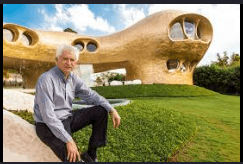
Born in Mexico in 1948, Senosiain grew up in Mexico City during a period of rapid urban expansion. The contrast between dense concrete development and Mexico’s rich natural landscapes deeply influenced his early fascination with architecture that could reconnect humans to nature rather than separate them from it.
He studied architecture at the National Autonomous University of Mexico (UNAM), where he later became an academic himself. His early professional years were marked by experimentation with alternative construction methods and organic forms, drawing inspiration from nature, biology, and pre-Hispanic architectural traditions.
His breakthrough came with the development of iconic organic residences such as “Nautilus” and “Organic House,” which gained international recognition for their sculptural forms and seamless integration with landscape. These projects positioned him as a leading figure in alternative residential design globally.
Senosiain’s legacy lies in redefining luxury residential architecture as immersive, experiential environments where architecture, nature, and human life are inseparable.
Key Facts
- Full name of the subject: Javier Senosiain
- Date of birth: 1948
- Place of birth: Mexico City, Mexico
- Family background: Raised in an urban Mexican family during rapid modernization
- Early childhood experiences: Influenced by natural landscapes and urban expansion contrasts
- Education history: Studied architecture at UNAM
- Influences and mentors: Influenced by organic architecture, nature, and pre-Hispanic design traditions
- Career beginnings: Began as an academic and experimental designer in Mexico
- Major achievements: International recognition for organic residential architecture
- Challenges and obstacles faced: Early skepticism toward non-traditional architectural forms
- Turning points in life: Creation of internationally recognized organic houses
- Contributions to society: Advanced biophilic and organic residential design
- Personal life (marriage, children, relationships): Maintains a private personal life
- Awards and recognitions: Recipient of architectural innovation awards
- Beliefs, values, or philosophy: Believes architecture should imitate and integrate with nature
- Legacy and impact: Redefined organic luxury residential architecture globally
- Historical or cultural significance: Key figure in experimental Latin American architecture
Notable Works: Nautilus House, Organic House, Snake House, biomorphic residential environments
Controversies: Senosiain’s highly unconventional organic architecture has occasionally been debated regarding construction practicality and cost efficiency, with critics questioning whether such biomorphic forms are scalable for mainstream residential development. Supporters argue that his work represents a necessary artistic and ecological rethinking of built environments. No verified allegations of misconduct or professional wrongdoing have been associated with his career.
5. Fernanda Canales
Fernanda Canales is a prominent Mexican architect and theoretician whose residential work is defined by intellectual rigor, spatial precision, and a deep engagement with social and cultural narratives. Her architecture often explores the intersection between private domestic space and broader urban and environmental contexts.
Born in Mexico City in 1974, Canales grew up in a culturally rich environment shaped by literature, art, and urban complexity. These early influences cultivated her interest in architecture as both a physical and intellectual discipline.
She studied architecture at Universidad Iberoamericana and later pursued advanced studies in Spain, where she was exposed to European architectural theory and critical design methodologies. Early in her career, she balanced architectural practice with academic research and writing, developing a strong conceptual foundation.
Her breakthrough came through residential projects that emphasized spatial clarity, material honesty, and a refined sense of proportion. Her luxury residential designs are often understated yet intellectually layered, prioritizing experience over spectacle.
Canales’ legacy lies in bridging architectural practice with critical theory, shaping a more reflective and context-aware approach to residential design in Mexico and beyond.
Key Facts
- Full name of the subject: Fernanda Canales
- Date of birth: 1974
- Place of birth: Mexico City, Mexico
- Family background: Raised in a culturally and intellectually engaged household
- Early childhood experiences: Influenced by urban culture, literature, and art
- Education history: Studied architecture in Mexico and Spain
- Influences and mentors: Influenced by architectural theory, modernism, and critical urban studies
- Career beginnings: Began with architectural practice and academic research
- Major achievements: International recognition for conceptual residential architecture
- Challenges and obstacles faced: Balancing academic theory with architectural practice
- Turning points in life: Recognition of residential projects combining theory and design
- Contributions to society: Advanced critical and contextual residential architecture
- Personal life (marriage, children, relationships): Maintains a private personal life
- Awards and recognitions: Recipient of architectural and academic awards
- Beliefs, values, or philosophy: Believes architecture is both cultural and spatial discourse
- Legacy and impact: Influenced intellectual architectural practice in Latin America
- Historical or cultural significance: Key figure in contemporary Mexican architectural theory
Notable Works: Minimalist residences, conceptual housing projects, academic architectural research works, urban-residential hybrid designs
Controversies: Canales’ intellectually driven architectural approach has occasionally been debated for prioritizing conceptual depth over commercial scalability in luxury residential markets. Critics argue that her designs may appeal more to academic discourse than mainstream development, while supporters view her work as essential to architectural evolution. No verified allegations of misconduct or professional wrongdoing have been associated with her career.
6. Isay Weinfeld
Isay Weinfeld is one of Brazil’s most influential contemporary architects, known for his sophisticated residential projects that blend modernist restraint with cinematic spatial storytelling. His work spans architecture, interior design, and furniture, creating a holistic vision of luxury living that is both understated and deeply atmospheric.
Born in São Paulo, Brazil, in 1952, Weinfeld grew up in a rapidly modernizing metropolis where architecture, design, and culture were closely intertwined. This environment shaped his early fascination with aesthetics, space, and sensory experience.
He studied architecture at Mackenzie Presbyterian University, where he developed a multidisciplinary approach that later defined his career. Early in his professional life, he worked across architecture and set design, which significantly influenced his narrative-driven architectural style.
His breakthrough came with high-end residential and hospitality projects that gained international acclaim for their elegance, spatial fluidity, and emotional resonance. His luxury homes often emphasize simplicity, warm materials, and carefully choreographed light.
Weinfeld’s legacy lies in redefining Brazilian luxury residential architecture as a sensory and emotional experience rather than purely formal expression.
Key Facts
- Full name of the subject: Isay Weinfeld
- Date of birth: 1952
- Place of birth: São Paulo, Brazil
- Family background: Raised in a culturally dynamic urban Brazilian environment
- Early childhood experiences: Influenced by urban modernity and artistic culture
- Education history: Studied architecture at Mackenzie Presbyterian University
- Influences and mentors: Influenced by modernism, cinema, and design culture
- Career beginnings: Began with architecture, interior design, and set design work
- Major achievements: International recognition for luxury residential and hospitality design
- Challenges and obstacles faced: Early multidisciplinary career navigation
- Turning points in life: International acclaim for residential and hospitality projects
- Contributions to society: Advanced sensory-driven residential architecture
- Personal life (marriage, children, relationships): Maintains a private personal life
- Awards and recognitions: Recipient of global architecture and design awards
- Beliefs, values, or philosophy: Believes architecture should engage emotion and experience
- Legacy and impact: Redefined Brazilian luxury residential design language
- Historical or cultural significance: Key figure in contemporary Brazilian architecture
Notable Works: Luxury São Paulo residences, boutique hotels, cinematic residential interiors, integrated architecture and interior design projects
Controversies: Weinfeld’s highly curated luxury residential and hospitality projects have occasionally been discussed in relation to exclusivity and accessibility, with critics questioning whether his design philosophy primarily serves elite markets. Others argue that his work elevates Brazilian design on a global stage. No verified allegations of misconduct or professional wrongdoing have been associated with his career.
7. Marcio Kogan
Marcio Kogan is a leading figure in contemporary Brazilian residential architecture, known for his minimalist modernism, cinematic spatial composition, and meticulous attention to proportion and detail. His work is widely recognized for transforming luxury homes into serene, almost film-like environments.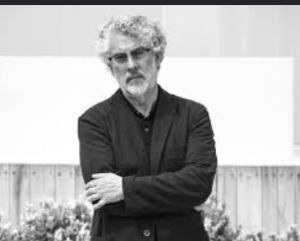
Born in São Paulo in 1952, Kogan initially pursued filmmaking before transitioning into architecture. This cinematic background profoundly influenced his architectural vision, particularly his understanding of sequence, framing, and spatial narrative.
He studied architecture at Mackenzie Presbyterian University, where he developed a strong foundation in modernist principles. Early in his career, he worked on residential projects that began to reflect his cinematic sensibility and structural clarity.
His breakthrough came with high-end residential commissions that gained international attention for their refined minimalism and integration of indoor-outdoor living. His homes are often characterized by horizontal planes, deep overhangs, and precise material articulation.
Kogan’s legacy lies in redefining Brazilian luxury residential architecture as a spatial narrative experience, blending modernist discipline with cinematic imagination.
Key Facts
- Full name of the subject: Marcio Kogan
- Date of birth: 1952
- Place of birth: São Paulo, Brazil
- Family background: Raised in an urban Brazilian environment
- Early childhood experiences: Influenced by cinema, urban culture, and modern city life
- Education history: Studied architecture at Mackenzie Presbyterian University
- Influences and mentors: Influenced by modernism, cinema, and Brazilian architectural tradition
- Career beginnings: Began with residential architectural practice influenced by filmmaking
- Major achievements: International recognition for minimalist luxury residential design
- Challenges and obstacles faced: Transition from filmmaking to architecture practice
- Turning points in life: Residential projects established global architectural reputation
- Contributions to society: Advanced cinematic and minimalist residential design
- Personal life (marriage, children, relationships): Maintains a private personal life
- Awards and recognitions: Recipient of major international architecture awards
- Beliefs, values, or philosophy: Believes architecture is a sequence of spatial experiences
- Legacy and impact: Redefined modern Brazilian residential architecture
- Historical or cultural significance: Key figure in contemporary Latin American minimalism
Notable Works: Contemporary São Paulo residences, minimalist luxury villas, cinematic residential spaces, Kogan-designed architectural studios and homes
Controversies: Kogan’s minimalist and highly curated residential style has occasionally been debated in relation to exclusivity in luxury architecture, with critics suggesting that his work primarily caters to elite urban markets. Supporters argue that his design language has elevated Brazilian architecture globally. No verified allegations of misconduct or professional wrongdoing have been associated with his career.
8. Arthur Casas
Arthur Casas is widely regarded as one of Brazil’s most refined voices in contemporary luxury residential architecture, known for blending modernist discipline with tropical sensibility and meticulous craftsmanship. His work spans private residences, hospitality spaces, and interior environments, unified by a consistent pursuit of elegance through restraint.
Born in São Paulo in 1961, Casas grew up in a city where rapid modernization and architectural experimentation were reshaping the urban fabric. This environment exposed him early to both the chaos of expansion and the emerging language of Brazilian modern design, shaping his sensitivity to proportion, climate, and materiality.
He studied architecture at Mackenzie Presbyterian University, where he developed a strong foundation in modernist principles and spatial composition. Early in his career, he worked on residential projects that gradually evolved into a signature language defined by clean lines, natural materials, and seamless indoor-outdoor transitions.
His breakthrough came with luxury residential commissions in Brazil and abroad, where his ability to merge sophistication with livability gained international recognition. His homes are often characterized by warm minimalism, expansive glazing, and carefully orchestrated spatial flow.
Casas’ legacy lies in redefining Brazilian luxury living as a balance between modernist purity and sensory warmth, influencing high-end residential architecture across Latin America.
Key Facts
- Full name of the subject: Arthur Casas
- Date of birth: 1961
- Place of birth: São Paulo, Brazil
- Family background: Raised in a culturally dynamic urban Brazilian environment
- Early childhood experiences: Influenced by modernizing São Paulo and architectural evolution
- Education history: Studied architecture at Mackenzie Presbyterian University
- Influences and mentors: Influenced by Brazilian modernism and international minimalism
- Career beginnings: Began with residential architectural practice in São Paulo
- Major achievements: International recognition for luxury residential and hospitality architecture
- Challenges and obstacles faced: Establishing a distinct identity in a competitive design market
- Turning points in life: Global expansion of residential and hospitality projects
- Contributions to society: Advanced contemporary Brazilian luxury residential design
- Personal life (marriage, children, relationships): Maintains a private personal life
- Awards and recognitions: Recipient of international architecture and design awards
- Beliefs, values, or philosophy: Believes in harmony between materiality, light, and comfort
- Legacy and impact: Defined a refined language of Brazilian luxury architecture
- Historical or cultural significance: Key figure in contemporary Brazilian architectural export
Notable Works: Luxury São Paulo residences, boutique hotels, coastal villas, international high-end residential projects
Controversies: Casas’ association with high-end luxury developments has occasionally been discussed in relation to exclusivity and accessibility in Brazilian urban design, with critics arguing that such architecture primarily serves elite demographics. Supporters counter that his work elevates Brazilian design visibility on the global stage. No verified allegations of misconduct or professional wrongdoing have been associated with his career.
9. Guilherme Torres
Guilherme Torres represents a new generation of Brazilian luxury residential architects who merge bold contemporary aesthetics with interior-driven architectural storytelling. His work is known for its expressive material palettes, geometric clarity, and seamless integration between architecture and interior design.
Born in Londrina, Brazil, in 1978, Torres grew up in a period of cultural expansion in Brazilian design, where global influences increasingly intersected with local creativity. This exposure shaped his early fascination with interiors, objects, and spatial composition.
He studied architecture in Brazil and initially focused on interior design, which became the foundation of his architectural identity. Early in his career, he developed a reputation for experimenting with textures, colors, and unconventional spatial arrangements in residential environments.
His breakthrough came with luxury residential projects that gained attention for their bold yet controlled design language. His homes often feature sculptural furniture, dramatic contrasts, and carefully curated spatial experiences that elevate everyday living into a curated aesthetic journey.
Torres’ legacy lies in redefining Brazilian luxury residential design as a fusion of architecture, interior design, and artistic expression, appealing to a global clientele seeking individuality and sophistication.
Key Facts
- Full name of the subject: Guilherme Torres
- Date of birth: 1978
- Place of birth: Londrina, Brazil
- Family background: Raised in a culturally evolving Brazilian environment
- Early childhood experiences: Influenced by design culture and visual arts exposure
- Education history: Studied architecture in Brazil
- Influences and mentors: Influenced by contemporary design, art, and interior architecture
- Career beginnings: Began with interior design and residential experimentation
- Major achievements: International recognition for bold luxury residential interiors
- Challenges and obstacles faced: Establishing architectural identity beyond interior design
- Turning points in life: Expansion into high-end residential architecture projects
- Contributions to society: Advanced expressive luxury residential design in Brazil
- Personal life (marriage, children, relationships): Maintains a private personal life
- Awards and recognitions: Recipient of design and architecture awards
- Beliefs, values, or philosophy: Believes in expressive yet functional spatial storytelling
- Legacy and impact: Redefined interior-driven luxury residential architecture
- Historical or cultural significance: Influential figure in contemporary Brazilian design culture
Notable Works: Luxury São Paulo residences, sculptural interiors, high-end residential renovations, contemporary villas
Controversies: Torres’ bold and expressive residential interiors have occasionally sparked debate regarding long-term functional neutrality, with critics questioning whether strong stylistic identity may limit timelessness in luxury housing. Supporters argue that his work represents a necessary evolution of expressive residential design. No verified allegations of misconduct or professional wrongdoing have been associated with his career.
10. Smiljan Radic
Smiljan Radic is one of Chile’s most internationally recognized architectural figures, celebrated for his sculptural minimalism, poetic spatial thinking, and unconventional approach to materiality. His residential work often exists at the intersection of architecture, art, and landscape, producing homes that feel both primitive and futuristic.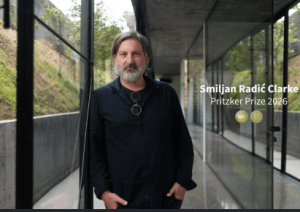
Born in Santiago, Chile, in 1965, Radic grew up during a period of political and cultural transition. The contrasts between natural Chilean landscapes and urban architectural fragmentation influenced his early perception of space and material expression.
He studied architecture at the Pontifical Catholic University of Chile and later continued his education in Europe, where he absorbed broader architectural philosophies and experimental design approaches. Early in his career, he focused on small-scale projects and experimental structures that emphasized material honesty and conceptual clarity.
His breakthrough came with internationally exhibited architectural installations and residential works that challenged conventional definitions of luxury housing. His homes often feature raw materials, organic forms, and a deliberate ambiguity between constructed and natural environments.
Radic’s legacy lies in redefining luxury residential architecture as an intellectual and poetic experience, influencing contemporary architectural discourse far beyond Chile.
Key Facts
- Full name of the subject: Smiljan Radic
- Date of birth: 1965
- Place of birth: Santiago, Chile
- Family background: Raised in a culturally transitional Chilean environment
- Early childhood experiences: Influenced by natural landscapes and urban contrasts
- Education history: Studied architecture at Pontifical Catholic University of Chile
- Influences and mentors: Influenced by European modernism and conceptual art
- Career beginnings: Began with small-scale experimental architectural projects
- Major achievements: International recognition for sculptural and conceptual architecture
- Challenges and obstacles faced: Early resistance to unconventional architectural expression
- Turning points in life: International acclaim for installations and residential works
- Contributions to society: Advanced conceptual and artistic residential architecture
- Personal life (marriage, children, relationships): Maintains a private personal life
- Awards and recognitions: Recipient of major international architecture awards
- Beliefs, values, or philosophy: Believes architecture should balance poetry, materiality, and ambiguity
- Legacy and impact: Redefined conceptual luxury residential architecture globally
- Historical or cultural significance: Key figure in contemporary Latin American architectural discourse
Notable Works: Sculptural Chilean residences, conceptual pavilions, experimental luxury homes, material-driven architectural installations
Controversies: Radic’s highly conceptual and art-driven architectural approach has occasionally been debated for its abstraction and functional ambiguity in residential contexts, with critics questioning usability in everyday luxury living. Supporters argue that his work expands the intellectual boundaries of architecture. No verified allegations of misconduct or professional wrongdoing have been associated with his career.
Notable Mentions
Alejandro Aravena
Giancarlo Mazzanti
Camilo Restrepo Ochoa
Rafael Iglesias
Luciano Kruk
Sandra Barclay
Jean-Pierre Crousse
Daniel Moreno Flores
Pedro Ramalho
Felipe Uribe de Bedout