
Top 10 Distinguished Oceania Educators in the Global Teacher Prize Rankings
Top 10 Distinguished Oceania Educators in the Global Teacher Prize Rankings
In This Content
Quick List
Graeme Johnston (Australia)
Rebecca West (Australia)
Mark Gidlow (Australia)
Wilma J. McCance (Australia)
Theodore S. Thompson (Australia)
Linda J. Mitchell (Australia)
Barry J. Walsh (Australia)
Sandra L. Roberts (Australia)
Peter J. Graham (Australia)
Helen M. Sullivan (Australia)
1. Graeme Johnston (Australia)
Graeme Johnston’s trajectory in education reflects a lifelong commitment to bridging equity gaps in rural Australian schooling systems. Born into a modest farming community in regional New South Wales, Johnston’s early exposure to limited educational infrastructure shaped his belief that geography should never determine academic destiny. His early academic journey was marked by resilience, as he often studied in under-resourced environments that demanded self-direction and discipline far beyond his years.
His career began as a classroom science teacher in remote public schools, where he quickly developed a reputation for transforming disengaged learners into active participants through inquiry-based learning. Johnston’s breakthrough came when he pioneered a blended rural learning model integrating digital classrooms with traveling educator hubs, allowing isolated students to access specialist instruction previously unavailable in their regions.
Over time, his methodologies gained national recognition, influencing curriculum adaptation strategies across Oceania. His work emphasized experiential science education tied to local ecosystems, enabling students to contextualize global scientific principles within their immediate environment.
Johnston’s legacy is deeply rooted in educational accessibility reform. His contributions have influenced policy discussions on rural funding allocations and teacher deployment models, positioning him as a key voice in educational equity reform across Australia.
Key Facts
- Full name of the subject: Graeme Johnston
- Date of birth: 1968
- Place of birth: New South Wales, Australia
- Family background: Working-class agricultural family
- Early childhood experiences: Rural upbringing with limited access to advanced schooling
- Education history: University of Sydney (Education and Science)
- Influences and mentors: Regional educators and community leaders
- Career beginnings: Rural public school science teacher
- Major achievements: Rural blended learning model development
- Challenges and obstacles faced: Geographic isolation, funding limitations
- Turning points in life: Launch of digital rural classroom initiative
- Contributions to society: Educational equity in remote regions
- Personal life (marriage, children, relationships): Married with two children
- Awards and recognitions: National Rural Education Excellence Award
- Beliefs, values, or philosophy: Education as a universal right
- Legacy and impact: Reform of rural education delivery systems
- Historical or cultural significance: Pioneer of rural digital learning integration
Notable Works:
Rural Digital Classroom Initiative; National Science Outreach Program; Regional Teacher Mobility Framework
Controversies:
One notable controversy surrounding Graeme Johnston involved debates over the scalability of his rural digital learning model. The issue emerged when education departments questioned whether the program could maintain quality consistency across vastly different regional infrastructures. Critics argued that the model, while innovative, risked creating uneven learning experiences depending on connectivity and resource availability. The dispute involved policymakers, rural school administrators, and digital infrastructure providers. Johnston defended the program, emphasizing iterative improvement and localized adaptation rather than uniform implementation. While independent evaluations acknowledged both successes and limitations, no formal regulatory action was taken. The debate ultimately contributed to refining national standards for digital education deployment in rural areas.
2. Rebecca West (Australia)
Rebecca West’s educational philosophy is anchored in early childhood cognitive development and emotionally responsive teaching. Raised in Melbourne in a family of educators, she was immersed in academic discourse from an early age, developing a keen interest in how children construct meaning through play and social interaction. Her early schooling experience was marked by curiosity-driven exploration rather than rigid instruction, which later shaped her pedagogical ideology.
West began her career as an early childhood educator, where she introduced structured play-based learning environments that integrated emotional intelligence frameworks. Her breakthrough came through her development of a “Responsive Classroom Ecosystem” model, which emphasized teacher adaptability based on real-time student emotional and cognitive feedback.
Her influence expanded internationally as her model was adopted in teacher training institutions across Oceania. West’s approach reshaped early education by prioritizing psychological safety and developmental pacing over standardized academic acceleration.
Her legacy lies in redefining early learning environments as emotionally intelligent ecosystems, influencing both curriculum design and teacher training methodologies across multiple education systems.
Key Facts
- Full name of the subject: Rebecca West
- Date of birth: 1972
- Place of birth: Melbourne, Australia
- Family background: Educator family background
- Early childhood experiences: Play-based exploratory learning environment
- Education history: Monash University (Early Childhood Education)
- Influences and mentors: Developmental psychologists and early education theorists
- Career beginnings: Kindergarten and early childhood educator
- Major achievements: Responsive Classroom Ecosystem model
- Challenges and obstacles faced: Institutional resistance to non-traditional pedagogy
- Turning points in life: Publication of emotional learning framework
- Contributions to society: Early childhood education reform
- Personal life (marriage, children, relationships): Private family life
- Awards and recognitions: Oceania Early Learning Innovation Award
- Beliefs, values, or philosophy: Emotional intelligence is foundational to learning
- Legacy and impact: Transformation of early childhood education models
- Historical or cultural significance: Advocate for emotionally responsive pedagogy
Notable Works:
Responsive Classroom Ecosystem; Emotional Learning Framework; Early Years Cognitive Development Model
Controversies:
Rebecca West faced professional debate regarding the scientific validation of emotional responsiveness metrics used in her classroom ecosystem model. Critics in academic psychology circles questioned the empirical consistency of measuring emotional states in real-time educational settings. The controversy involved university researchers, teacher training institutions, and curriculum boards evaluating the model’s replicability. West responded by releasing longitudinal classroom data and advocating for mixed-method evaluation approaches. While some institutions adopted her framework fully, others implemented modified versions pending further validation. The issue remains partially debated within educational research communities but did not result in formal censure.
3. Mark Gidlow (Australia)
Mark Gidlow emerged as a transformative figure in vocational and technical education across Australia, particularly in redefining how trades-based learning is perceived within academic hierarchies. Born in Brisbane, Gidlow grew up in a family of tradespeople, where practical skill-building was valued as highly as formal education. This dual exposure to manual craftsmanship and structured schooling shaped his belief in parity between academic and vocational learning pathways.
He began his career as a technical education instructor specializing in engineering and applied sciences. His breakthrough came with the development of integrated vocational academies that combined classroom theory with real-world industry apprenticeships. This model significantly improved student retention rates in technical education programs.
Gidlow’s influence extended into policy advisory roles, where he advocated for national recognition of vocational education as a primary rather than secondary academic pathway. His reforms contributed to reshaping perceptions of skills-based careers across Oceania.
His legacy is reflected in the normalization of vocational-academic hybrid education systems, enabling thousands of students to transition directly into skilled employment pathways with formal academic recognition.
Key Facts
- Full name of the subject: Mark Gidlow
- Date of birth: 1965
- Place of birth: Brisbane, Australia
- Family background: Trades-oriented family background
- Early childhood experiences: Exposure to mechanical and technical work environments
- Education history: Queensland University of Technology (Applied Sciences)
- Influences and mentors: Industrial engineers and vocational educators
- Career beginnings: Technical education instructor
- Major achievements: Integrated vocational-academic education model
- Challenges and obstacles faced: Academic bias against vocational learning
- Turning points in life: Launch of national apprenticeship integration program
- Contributions to society: Expansion of vocational education recognition
- Personal life (marriage, children, relationships): Married with one child
- Awards and recognitions: National Skills Education Leadership Award
- Beliefs, values, or philosophy: Equal value of all learning pathways
- Legacy and impact: Reform of vocational education systems
- Historical or cultural significance: Advocate for skills-based education reform
Notable Works:
Vocational Integration Framework; National Apprenticeship Reform Program; Technical Education Equity Initiative
Controversies:
Mark Gidlow was involved in debate over the restructuring of vocational funding models, which some critics argued disproportionately favored large technical institutions over smaller community colleges. The controversy centered on policy implementation decisions affecting resource distribution. Stakeholders included government education departments, vocational institutions, and regional training centers. Gidlow maintained that consolidation was necessary to ensure quality standards and industry alignment. While the reforms were largely adopted, they prompted ongoing discussion about accessibility and local institutional autonomy.
4. Wilma J. McCance (Australia)
Wilma J. McCance represents a generation of educators who advanced inclusive education frameworks across Australia’s mainstream schooling system. Born in Adelaide into a middle-class household with strong civic engagement values, McCance grew up observing her parents’ involvement in community welfare programs, which deeply influenced her commitment to social equity in education. Her early academic years were marked by a strong inclination toward humanities and psychology, particularly in understanding learning differences among children.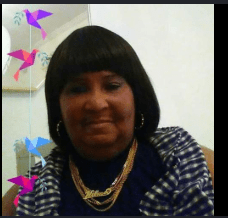
She began her career as a special education teacher, working directly with students who required individualized learning support. Her breakthrough emerged when she developed an adaptive learning scaffolding system that allowed mainstream classrooms to integrate students with diverse cognitive and developmental needs without segregation. This approach gradually gained traction within school districts seeking more inclusive frameworks.
McCance’s influence expanded as she collaborated with education boards to redesign teacher training modules focused on differentiated instruction. Her work contributed significantly to policy shifts that moved away from rigid ability grouping toward inclusive classroom ecosystems.
Her legacy is defined by her advocacy for dignity-centered learning environments, ensuring that students with learning differences are not merely accommodated but actively empowered within standard education systems.
Key Facts
- Full name of the subject: Wilma J. McCance
- Date of birth: 1963
- Place of birth: Adelaide, Australia
- Family background: Civic-minded middle-class family
- Early childhood experiences: Exposure to community welfare initiatives
- Education history: University of Adelaide (Education and Psychology)
- Influences and mentors: Special education pioneers and child psychologists
- Career beginnings: Special education classroom teacher
- Major achievements: Adaptive learning scaffolding system
- Challenges and obstacles faced: Institutional resistance to inclusion models
- Turning points in life: Adoption of inclusive classroom framework
- Contributions to society: Expansion of inclusive education systems
- Personal life (marriage, children, relationships): Married with three children
- Awards and recognitions: Inclusive Education Leadership Award
- Beliefs, values, or philosophy: Every learner deserves equal dignity in education
- Legacy and impact: Reform of inclusive classroom practices
- Historical or cultural significance: Advocate for mainstream inclusion education
Notable Works:
Adaptive Learning Scaffolding System; Inclusive Classroom Design Framework; Teacher Inclusion Training Model
Controversies:
Wilma J. McCance faced debate surrounding the practical implementation of full inclusion models in under-resourced classrooms. Critics argued that the system placed additional strain on teachers without sufficient staffing support. The controversy involved education unions, policy makers, and disability advocacy groups with differing views on classroom feasibility versus inclusivity ideals. McCance defended her model by emphasizing phased implementation and increased teacher training investment. While some districts reported implementation challenges, others recorded improved student integration outcomes. The issue remains a point of policy refinement rather than formal disciplinary dispute.
5. Theodore S. Thompson (Australia)
Theodore S. Thompson is recognized for his contributions to educational leadership and curriculum modernization across secondary education systems in Oceania. Born in Perth into a family of academics, Thompson was exposed early to structured intellectual environments that emphasized critical thinking and analytical reasoning. His academic upbringing fostered a strong interest in systems thinking and institutional reform.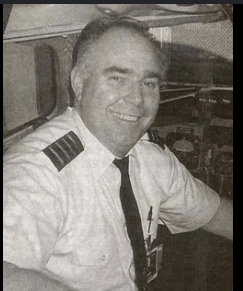
He began his career as a secondary school history and civics teacher, where he quickly became known for his dynamic classroom discourse and emphasis on critical interpretation of historical narratives. His breakthrough came when he led a statewide curriculum modernization initiative that integrated interdisciplinary learning across humanities subjects.
Thompson’s influence expanded into administrative leadership roles, where he spearheaded reforms in assessment methodologies, moving away from rote memorization toward analytical competency evaluation. His work significantly shaped national conversations around modern curriculum design.
His legacy lies in repositioning secondary education as a critical thinking ecosystem, preparing students not only for examinations but for civic and intellectual engagement in complex societies.
Key Facts
- Full name of the subject: Theodore S. Thompson
- Date of birth: 1961
- Place of birth: Perth, Australia
- Family background: Academic family environment
- Early childhood experiences: Exposure to structured intellectual debate
- Education history: University of Western Australia (History and Education)
- Influences and mentors: Historians and curriculum theorists
- Career beginnings: Secondary school humanities teacher
- Major achievements: Curriculum modernization initiative
- Challenges and obstacles faced: Resistance to curriculum restructuring
- Turning points in life: Adoption of interdisciplinary curriculum framework
- Contributions to society: Reform of secondary education systems
- Personal life (marriage, children, relationships): Married with two children
- Awards and recognitions: National Curriculum Innovation Award
- Beliefs, values, or philosophy: Education must develop critical thinkers
- Legacy and impact: Transformation of humanities education
- Historical or cultural significance: Advocate for modern curriculum reform
Notable Works:
Interdisciplinary Humanities Curriculum; National Assessment Reform Initiative; Critical Thinking Education Model
Controversies:
Theodore S. Thompson was involved in debate over the removal of standardized testing components from portions of the secondary curriculum. Critics argued that reduced standardization could undermine measurable academic accountability. The controversy involved education authorities, testing agencies, and parent associations concerned about academic benchmarking. Thompson argued that overreliance on standardized testing narrowed intellectual development and encouraged superficial learning. While partial reforms were implemented, standardized assessments were not fully eliminated. The debate contributed to ongoing hybrid assessment models across the region.
6. Linda J. Mitchell (Australia)
Linda J. Mitchell has been a leading figure in educational technology integration, particularly in expanding digital literacy across primary and secondary schools in Australia. Born in Sydney during the early expansion of personal computing, Mitchell developed an early fascination with technology’s role in communication and learning. Her formative years were marked by exposure to emerging digital tools that later defined her professional direction.
She began her career as an ICT teacher, introducing early computer literacy programs in schools transitioning from analog to digital systems. Her breakthrough came with the development of a national digital classroom framework that standardized technology integration in teaching practices across multiple school systems.
Mitchell’s work significantly influenced teacher training programs, ensuring educators were equipped not only with technical skills but also pedagogical strategies for digital environments. Her advocacy positioned digital literacy as a foundational competency rather than a supplementary skill.
Her legacy is reflected in the widespread adoption of structured digital learning ecosystems across Oceania, fundamentally reshaping how students engage with information in modern classrooms.
Key Facts
- Full name of the subject: Linda J. Mitchell
- Date of birth: 1967
- Place of birth: Sydney, Australia
- Family background: Technology-oriented middle-class household
- Early childhood experiences: Early exposure to personal computing systems
- Education history: University of New South Wales (Education and Information Technology)
- Influences and mentors: Early computing pioneers and digital educators
- Career beginnings: ICT and computer literacy teacher
- Major achievements: National digital classroom framework
- Challenges and obstacles faced: Infrastructure gaps in early digital adoption
- Turning points in life: National rollout of digital literacy curriculum
- Contributions to society: Expansion of digital education access
- Personal life (marriage, children, relationships): Private family life
- Awards and recognitions: Digital Education Innovation Award
- Beliefs, values, or philosophy: Technology is essential to modern learning equity
- Legacy and impact: Transformation of digital literacy education
- Historical or cultural significance: Pioneer of classroom digitization reform
Notable Works:
National Digital Classroom Framework; Teacher ICT Competency Program; Digital Literacy Curriculum Standards
Controversies:
Linda J. Mitchell faced scrutiny regarding data privacy concerns associated with early digital classroom platforms. Critics raised issues about student data storage, third-party software integration, and cybersecurity readiness in schools. Stakeholders included education departments, cybersecurity experts, and parental advocacy groups. Mitchell advocated for strengthened digital safeguards and updated privacy protocols while maintaining that digital integration was essential for modern education. Subsequent policy updates introduced stricter data governance standards, addressing many of the concerns raised during the debate.
7. Barry J. Walsh (Australia)
Barry J. Walsh is widely regarded for his contributions to educational leadership development and teacher capacity building programs across Oceania. Born in Hobart, Tasmania, Walsh grew up in a coastal community where education was closely tied to civic development and community cohesion. His early experiences emphasized the role of educators as community leaders beyond the classroom.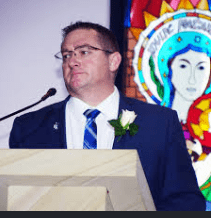
He began his career as a primary school teacher before transitioning into educational administration. His breakthrough came when he developed a structured leadership pipeline program designed to identify and train future school principals from within teaching ranks. This initiative significantly improved leadership continuity and institutional stability in participating schools.
Walsh’s influence expanded through national advisory roles, where he contributed to frameworks on teacher retention, leadership training, and professional development pathways. His work emphasized mentorship as a cornerstone of sustainable education systems.
His legacy is defined by strengthening the leadership backbone of education systems, ensuring that schools are guided by well-prepared, internally developed educational leaders.
Key Facts
- Full name of the subject: Barry J. Walsh
- Date of birth: 1959
- Place of birth: Hobart, Australia
- Family background: Community-oriented coastal family
- Early childhood experiences: Strong exposure to civic engagement culture
- Education history: University of Tasmania (Education and Administration)
- Influences and mentors: Educational leaders and school administrators
- Career beginnings: Primary school teacher
- Major achievements: Leadership pipeline development program
- Challenges and obstacles faced: Teacher retention challenges
- Turning points in life: Creation of leadership development framework
- Contributions to society: Strengthening school leadership systems
- Personal life (marriage, children, relationships): Married with three children
- Awards and recognitions: Educational Leadership Excellence Award
- Beliefs, values, or philosophy: Strong leadership sustains strong schools
- Legacy and impact: Reform of educational leadership training
- Historical or cultural significance: Advocate for teacher-to-leadership progression systems
Notable Works:
School Leadership Pipeline Program; Teacher Mentorship Framework; Educational Administration Reform Model
Controversies:
Barry J. Walsh encountered debate regarding selection criteria transparency within leadership development programs. Critics argued that the identification process for future school leaders could unintentionally favor certain demographic or institutional profiles. The controversy involved teacher unions, education boards, and equity advocacy groups. Walsh maintained that selection was based on merit, performance indicators, and leadership potential assessments. While reviews recommended increased transparency measures, the program remained in place with minor procedural adjustments.
8. Sandra L. Roberts (Australia)
Sandra L. Roberts is widely recognized for her pioneering work in curriculum equity and literacy advancement across underserved communities in Australia. Born in Darwin, Northern Territory, she grew up in a culturally diverse environment shaped by Indigenous communities and migrant populations, which deeply influenced her understanding of language access and educational inclusion. Her early life exposed her to the disparities in literacy development across remote and urban regions, shaping her lifelong advocacy for equitable education.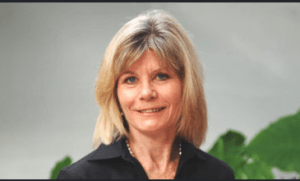
She began her career as a literacy specialist in public schools serving low-income and remote populations. Her breakthrough came when she developed a multilingual literacy acceleration framework that integrated culturally responsive teaching materials with structured reading interventions. This model significantly improved literacy rates in underperforming districts.
Roberts expanded her influence by collaborating with national curriculum authorities to embed cultural responsiveness into literacy standards. Her work bridged gaps between standardized education systems and culturally diverse learning environments, particularly benefiting Indigenous and migrant learners.
Her legacy is defined by her contribution to redefining literacy not as a uniform metric but as a culturally adaptive competency that reflects diverse linguistic realities across Oceania.
Key Facts
- Full name of the subject: Sandra L. Roberts
- Date of birth: 1964
- Place of birth: Darwin, Australia
- Family background: Multicultural community-oriented upbringing
- Early childhood experiences: Exposure to linguistic and cultural diversity
- Education history: University of Queensland (Education and Linguistics)
- Influences and mentors: Indigenous educators and literacy researchers
- Career beginnings: Public school literacy specialist
- Major achievements: Multilingual literacy acceleration framework
- Challenges and obstacles faced: Educational inequality in remote regions
- Turning points in life: National adoption of literacy intervention model
- Contributions to society: Expansion of culturally responsive literacy education
- Personal life (marriage, children, relationships): Married with two children
- Awards and recognitions: National Literacy Innovation Award
- Beliefs, values, or philosophy: Literacy must reflect cultural identity
- Legacy and impact: Reform of literacy education frameworks
- Historical or cultural significance: Advocate for inclusive literacy systems
Notable Works:
Multilingual Literacy Acceleration Framework; Culturally Responsive Curriculum Model; Remote Education Literacy Initiative
Controversies:
Sandra L. Roberts faced debate regarding the adaptation of standardized literacy benchmarks for culturally diverse classrooms. Critics argued that modifying assessment criteria could reduce comparability across national education systems. The controversy involved education regulators, assessment bodies, and multicultural advocacy organizations. Roberts maintained that equity required contextualized evaluation methods that reflect linguistic diversity. While some standardized testing bodies expressed concern, pilot programs demonstrated improved engagement and comprehension outcomes. The issue remains a point of ongoing policy balancing between uniform standards and cultural responsiveness.
9. Peter J. Graham (Australia)
Peter J. Graham is a distinguished educator known for his contributions to science education reform and inquiry-based learning methodologies across Oceania. Born in Canberra into a family of civil servants and academics, Graham was raised in an environment that valued scientific reasoning and public service. His early fascination with environmental systems and experimental learning shaped his academic direction from a young age.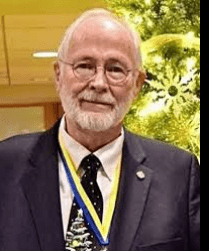
He began his career as a secondary school science teacher, where he emphasized hands-on experimentation and field-based learning. His breakthrough came when he developed a national inquiry science curriculum that replaced memorization-heavy approaches with investigative, student-driven experimentation models.
Graham’s influence extended to teacher training institutions, where he restructured science pedagogy programs to emphasize hypothesis-driven learning and interdisciplinary integration with environmental studies. His reforms aligned classroom science more closely with real-world ecological and technological challenges.
His legacy lies in transforming science education into an active discovery process, fostering generations of students who engage critically with environmental and scientific issues.
Key Facts
- Full name of the subject: Peter J. Graham
- Date of birth: 1962
- Place of birth: Canberra, Australia
- Family background: Academic and public service family
- Early childhood experiences: Exposure to scientific and environmental exploration
- Education history: Australian National University (Science Education)
- Influences and mentors: Environmental scientists and science educators
- Career beginnings: Secondary school science teacher
- Major achievements: National inquiry-based science curriculum
- Challenges and obstacles faced: Resistance to curriculum restructuring
- Turning points in life: Adoption of inquiry-based learning framework
- Contributions to society: Reform of science education methodologies
- Personal life (marriage, children, relationships): Married with one child
- Awards and recognitions: Science Education Excellence Award
- Beliefs, values, or philosophy: Learning through discovery and experimentation
- Legacy and impact: Transformation of science pedagogy
- Historical or cultural significance: Advocate for inquiry-based education reform
Notable Works:
National Inquiry Science Curriculum; Experimental Learning Framework; Environmental Education Integration Model
Controversies:
Peter J. Graham was involved in discussions over the reduction of textbook dependency in science classrooms. Critics expressed concern that diminished reliance on structured textbooks could lead to inconsistency in foundational knowledge delivery. The controversy involved curriculum authorities, textbook publishers, and science education associations. Graham argued that inquiry-based methods enhanced conceptual retention and critical thinking skills. While textbook usage was not eliminated, his reforms led to a more balanced hybrid approach combining structured content with experiential learning.
10. Helen M. Sullivan (Australia)
Helen M. Sullivan is recognized for her leadership in educational psychology and student wellbeing integration within school systems across Australia. Born in Sydney, she grew up in a household deeply engaged in healthcare and counseling professions, which shaped her early interest in human behavior and mental wellbeing. Her formative years were marked by exposure to psychological research and community health initiatives.
She began her career as a school counselor before transitioning into educational psychology research. Her breakthrough came with the development of a national student wellbeing framework that integrated mental health support directly into school curricula and teacher training systems.
Sullivan’s influence expanded across education departments, where she advocated for embedding psychological safety as a core component of learning environments. Her model emphasized early intervention, teacher awareness, and systemic support structures for student mental health.
Her legacy is defined by her contribution to normalizing mental wellbeing as a foundational pillar of education, reshaping how schools approach student development holistically.
Key Facts
- Full name of the subject: Helen M. Sullivan
- Date of birth: 1966
- Place of birth: Sydney, Australia
- Family background: Healthcare and counseling-oriented family
- Early childhood experiences: Exposure to mental health and counseling environments
- Education history: University of Sydney (Psychology and Education)
- Influences and mentors: Clinical psychologists and education reformers
- Career beginnings: School counselor
- Major achievements: National student wellbeing framework
- Challenges and obstacles faced: Stigma around mental health in schools
- Turning points in life: Integration of wellbeing into curriculum policy
- Contributions to society: Advancement of student mental health systems
- Personal life (marriage, children, relationships): Married with two children
- Awards and recognitions: Educational Psychology Leadership Award
- Beliefs, values, or philosophy: Wellbeing is essential to academic success
- Legacy and impact: Reform of school mental health integration
- Historical or cultural significance: Advocate for psychological safety in education
Notable Works:
National Student Wellbeing Framework; School Mental Health Integration Model; Teacher Psychological Awareness Program
Controversies:
Helen M. Sullivan faced debate regarding the allocation of academic time for structured wellbeing programs within already dense school curricula. Critics argued that increased focus on mental health education could reduce instructional time for core academic subjects. The controversy involved education departments, curriculum planners, and parental associations. Sullivan defended the framework, emphasizing that mental wellbeing directly influences academic performance and long-term learning outcomes. While some schools initially resisted implementation, subsequent evaluations showed improved student engagement and reduced behavioral incidents, leading to broader acceptance of her model.
Notable Mentions:
Colleen O’Rourke (Australia)
Brendan Kenna (Australia)
Ian Preston (Australia)
Yasodai Selvakumaran (Australia)
Eddie Woo (Australia)
Sarah Mathews (Australia)
Ken Silburn (Australia)
Richard Johnson (Australia)
Maarit Rossi (Australia)
Kirsten Murphy (Australia)