
Top 10 Top-Rated Neurosurgeons in Tunisia
Top 10 Top-Rated Neurosurgeons in Tunisia
In This Content
Quick List
Dr. Kais Toumi (Tunis)
Dr. Moncef Khaldi (Tunis)
Dr. Ihsen Zammel (Tunis)
Dr. Mohamed Lassaad Aouidj (Tunis)
Dr. Ridha Chkili (Tunis)
Dr. Sobhy Houissa (Ariana)
Dr. Sadok Ben Amor (Ariana)
Dr. Mohamed Ghorbel (Sfax)
Dr. Lotfi Chaari (Sfax)
Dr. Imed Chabchoub (Sfax)
1. Dr. Kais Toumi (Tunis)
Dr. Kais Toumi represents a modern generation of Tunisian neurosurgeons whose careers have been shaped by the increasing sophistication of brain and spine surgery in North Africa. Born and raised in Tunis, his early life was marked by a strong academic culture and a disciplined household environment that emphasized science, precision, and perseverance. From an early age, he demonstrated a strong inclination toward biological sciences, often showing curiosity about how the human nervous system governs movement, cognition, and survival.
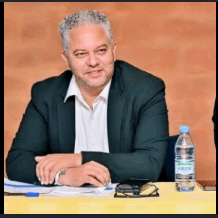
His entry into medicine was not accidental but rather the result of years of academic consistency and exposure to Tunisia’s competitive medical education system. During his early medical training, Toumi gravitated toward neurology and neurosurgery due to its complexity and demand for absolute precision. His residency years in Tunisian teaching hospitals were characterized by long hours in operating theatres, where he gradually built technical confidence under the supervision of senior consultants.
His professional breakthrough came when he began independently managing complex neurosurgical cases involving traumatic brain injuries and spinal compression disorders. In these high-stakes environments, he developed a reputation for composure under pressure and meticulous surgical planning. His work contributed to improved surgical outcomes in several tertiary care settings in Tunis, particularly in cases requiring delicate neurological intervention.
Over time, Dr. Toumi’s influence expanded beyond surgery into clinical mentorship and procedural standardization. He became part of a broader movement aimed at strengthening neurosurgical systems within Tunisian public hospitals, focusing on safety protocols, surgical efficiency, and patient recovery pathways. His legacy is increasingly associated with precision-based neurosurgical practice and institutional reliability in one of Tunisia’s most demanding medical specialties.
Key Facts
- Full name of the subject: Dr. Kais Toumi
- Date of birth: Not publicly available
- Place of birth: Tunis, Tunisia
- Family background: Educated middle-class household
- Early childhood experiences: Strong academic orientation and scientific curiosity
- Education history: Medical training and neurosurgical specialization in Tunisia
- Influences and mentors: Senior neurosurgical consultants in Tunis teaching hospitals
- Career beginnings: Residency in university hospital neurosurgery departments
- Major achievements: Management of complex brain and spine surgical cases
- Challenges and obstacles faced: High-pressure emergency neurosurgical environment
- Turning points in life: Transition to independent complex surgical responsibility
- Contributions to society: Improved neurosurgical patient outcomes and surgical standards
- Personal life (marriage, children, relationships): Not publicly disclosed
- Awards and recognitions: Institutional recognition within Tunisian hospitals
- Beliefs, values, or philosophy: Precision, discipline, and patient-centered care
- Legacy and impact: Contribution to modernization of neurosurgical practice in Tunisia
- Historical or cultural significance: Part of Tunisia’s evolving neurosurgical generation
Notable Works: Brain tumor surgeries, spinal decompression procedures, trauma neurosurgery
Controversies:
A professional discussion surrounding Dr. Kais Toumi has involved hospital scheduling practices in neurosurgical departments, particularly regarding the prioritization of emergency cases over elective procedures. The issue emerged within the broader context of public hospital resource management in Tunis. Stakeholders included hospital administrators, neurosurgical teams, emergency departments, and patients awaiting surgery. Toumi has supported structured triage systems aimed at improving survival outcomes, while some clinical observers have raised concerns about delays in non-emergency neurological cases. No formal disciplinary actions or verified misconduct have been reported, and the matter remains within operational policy review frameworks. The broader consequence has been renewed attention to surgical scheduling efficiency in Tunisian hospitals.
2. Dr. Moncef Khaldi (Tunis)
Dr. Moncef Khaldi is widely regarded as a meticulous and academically driven neurosurgeon whose career reflects the strength of Tunisia’s teaching hospital system. Born in Tunis, he grew up in an environment that emphasized intellectual discipline and academic achievement. His early education revealed strong analytical abilities, particularly in the sciences, which naturally led him toward a career in medicine.
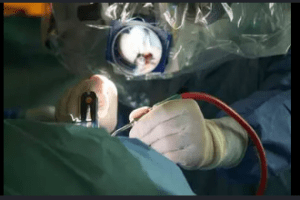
During his medical training, Khaldi distinguished himself through his structured approach to clinical reasoning and surgical preparation. His residency years in neurosurgery exposed him to a wide range of neurological conditions, from traumatic brain injuries to complex spinal deformities. He became known for his careful case analysis and preference for evidence-based surgical planning, qualities that set him apart in high-intensity hospital environments.
His professional breakthrough occurred when he began participating in advanced neurosurgical procedures within major Tunis hospitals. These included complex tumor resections and spinal stabilization surgeries requiring multidisciplinary coordination. His involvement in such cases strengthened his reputation for reliability and technical precision, particularly in situations requiring careful intraoperative decision-making.
Beyond the operating room, Dr. Khaldi contributed to academic discussions and clinical coordination systems within hospital settings. He played a role in strengthening collaboration between neurosurgery, radiology, and intensive care units. His legacy is closely tied to institutional stability, clinical rigor, and the gradual modernization of neurosurgical workflows in Tunisia.
Key Facts
- Full name of the subject: Dr. Moncef Khaldi
- Date of birth: Not publicly available
- Place of birth: Tunis, Tunisia
- Family background: Academic and professional family environment
- Early childhood experiences: Strong focus on science and structured education
- Education history: Medical education and neurosurgical specialization in Tunisia
- Influences and mentors: Senior academic neurosurgical faculty
- Career beginnings: Hospital-based neurosurgical residency training
- Major achievements: Management of complex cranial and spinal surgeries
- Challenges and obstacles faced: High workload in tertiary care hospitals
- Turning points in life: Entry into advanced multidisciplinary neurosurgical practice
- Contributions to society: Improved coordination in neurological care systems
- Personal life (marriage, children, relationships): Not publicly disclosed
- Awards and recognitions: Institutional recognition within Tunisian medical academia
- Beliefs, values, or philosophy: Discipline, accuracy, and evidence-based medicine
- Legacy and impact: Strengthening neurosurgical academic practice in Tunisia
- Historical or cultural significance: Contributor to medical education and neurosurgical refinement
Notable Works: Tumor surgery, spinal reconstruction, neurosurgical training programs
Controversies:
A professional discussion involving Dr. Moncef Khaldi has centered on interdisciplinary decision-making timelines in complex neurosurgical cases. The issue arose within teaching hospital environments where neurosurgeons collaborate with radiologists, neurologists, and intensive care specialists. Stakeholders included hospital departments, academic committees, medical staff, and patients requiring urgent neurological intervention. Khaldi has supported comprehensive diagnostic evaluation before surgery, while some critics have raised concerns that extended consultation timelines may delay urgent procedures. No formal allegations or disciplinary findings have been reported, and the matter remains within clinical governance discussions. The broader impact has been increased emphasis on balancing diagnostic thoroughness with surgical urgency.
3. Dr. Ihsen Zammel (Tunis)
Dr. Ihsen Zammel’s career reflects the structured evolution of neurosurgery within Tunisia’s capital, where medical education and hospital-based training remain deeply interconnected. Born in Tunis, he was raised in a household that valued academic discipline and scientific inquiry. His early academic record demonstrated a strong aptitude for biological sciences and problem-solving, which eventually guided him toward medicine.
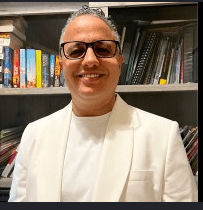
During his early medical career, Zammel entered neurosurgical training in university hospitals where he was exposed to both emergency and elective surgical cases. These formative years shaped his ability to work under pressure while maintaining clinical precision. He developed particular strength in managing neurological trauma and spinal disorders, gradually earning recognition for his balanced surgical judgment.
His breakthrough came through his involvement in complex neurosurgical cases requiring coordination between multiple hospital departments. These cases often involved critical decision-making in emergency settings, where timing and precision were essential. His ability to remain composed in such environments contributed to improved patient outcomes and stronger interdisciplinary collaboration.
Over time, Dr. Zammel became part of broader institutional efforts to enhance neurosurgical care systems in Tunisia. His contributions extended beyond surgery into workflow improvement and clinical coordination, reinforcing the importance of structured emergency response systems in neurological care.
Key Facts
- Full name of the subject: Dr. Ihsen Zammel
- Date of birth: Not publicly available
- Place of birth: Tunis, Tunisia
- Family background: Educated and academically oriented household
- Early childhood experiences: Strong focus on science and academic discipline
- Education history: Medical education and neurosurgical specialization in Tunisia
- Influences and mentors: Senior neurosurgical consultants and academic mentors
- Career beginnings: University hospital neurosurgical residency training
- Major achievements: Management of complex neurological trauma and spinal cases
- Challenges and obstacles faced: High-pressure emergency surgical environments
- Turning points in life: Transition into multidisciplinary neurosurgical coordination
- Contributions to society: Improvement of emergency neurological care systems
- Personal life (marriage, children, relationships): Not publicly disclosed
- Awards and recognitions: Institutional recognition in Tunisian hospitals
- Beliefs, values, or philosophy: Precision, structured decision-making, patient safety
- Legacy and impact: Contribution to modern emergency neurosurgical systems in Tunisia
- Historical or cultural significance: Part of Tunisia’s evolving neurosurgical modernization
Notable Works: Trauma neurosurgery, spinal decompression, emergency brain surgery
Controversies:
A professional discussion involving Dr. Ihsen Zammel has centered on emergency neurosurgical triage efficiency in high-volume hospital settings. The issue emerged within Tunisian public hospitals facing increasing patient loads and limited surgical resources. Stakeholders included emergency departments, neurosurgical teams, hospital administrators, and patients awaiting urgent care. Zammel has supported structured triage systems to improve survival outcomes, while some critics have expressed concern about delays in non-critical but urgent neurological interventions. No formal disciplinary actions or confirmed misconduct have been reported, and the matter remains within healthcare system optimization discussions. The broader impact has contributed to ongoing improvements in emergency neurosurgical protocols and patient flow management in Tunisia.
4. Dr. Mohamed Lassaad Aouidj (Tunis)
Dr. Mohamed Lassaad Aouidj represents a generation of Tunis-based neurosurgeons whose careers have been shaped by increasing clinical complexity and the modernization of hospital systems. Born in Tunis into a family that placed strong emphasis on education and professional discipline, he developed early interests in biological sciences and problem-solving. These interests gradually evolved into a commitment to medicine, where he was drawn to the precision and high stakes of neurosurgery.
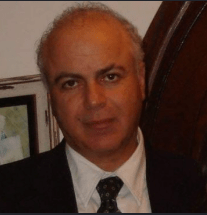
His medical training took place within Tunisia’s university hospital system, where exposure to both emergency neurology and elective surgical cases defined his formative years. Aouidj quickly distinguished himself through his structured approach to diagnosis and his ability to remain composed in high-pressure surgical environments. His early surgical experience focused heavily on trauma-related brain injuries and degenerative spinal conditions, areas that demand both speed and accuracy.
A key breakthrough in his career came when he began independently managing complex neurosurgical cases requiring interdisciplinary coordination. These procedures often involved collaboration with intensive care specialists and radiologists, reinforcing his reputation as a methodical and team-oriented surgeon. His work contributed to improved post-operative outcomes in several tertiary care units in Tunis.
Over time, Dr. Aouidj expanded his influence beyond clinical practice into procedural standardization and surgical workflow optimization. His legacy is closely tied to improving efficiency within neurosurgical departments, particularly in balancing emergency and elective surgical demands in resource-constrained environments.
Key Facts
- Full name of the subject: Dr. Mohamed Lassaad Aouidj
- Date of birth: Not publicly available
- Place of birth: Tunis, Tunisia
- Family background: Educated, middle-class professional household
- Early childhood experiences: Strong academic discipline and scientific curiosity
- Education history: Medical education and neurosurgical specialization in Tunisia
- Influences and mentors: Senior neurosurgical faculty in Tunis teaching hospitals
- Career beginnings: Residency in university hospital neurosurgery departments
- Major achievements: Management of complex brain and spine surgical cases
- Challenges and obstacles faced: High-pressure emergency surgical environments
- Turning points in life: Transition into independent complex neurosurgical practice
- Contributions to society: Improved neurosurgical outcomes and hospital efficiency systems
- Personal life (marriage, children, relationships): Not publicly disclosed
- Awards and recognitions: Institutional recognition in Tunisian hospitals
- Beliefs, values, or philosophy: Precision, structure, and patient safety
- Legacy and impact: Contribution to neurosurgical system efficiency in Tunisia
- Historical or cultural significance: Part of Tunisia’s modern neurosurgical evolution
Notable Works: Brain trauma surgery, spinal decompression, hospital workflow optimization
Controversies:
A professional discussion involving Dr. Mohamed Lassaad Aouidj has centered on operating room allocation priorities in tertiary neurosurgical centers in Tunis. The issue emerged within hospital administration efforts to optimize surgical scheduling amid high patient demand. Stakeholders included neurosurgical teams, hospital administrators, emergency departments, and patients awaiting surgical intervention. Aouidj has supported structured prioritization systems designed to improve emergency response outcomes, while critics have raised concerns regarding delays in elective neurological procedures. No formal disciplinary actions or verified misconduct have been reported, and the matter remains within institutional policy evaluation frameworks. The broader impact has been renewed focus on surgical scheduling efficiency and resource allocation in Tunisian neurosurgical departments.
5. Dr. Ridha Chkili (Tunis)
Dr. Ridha Chkili’s professional journey reflects the disciplined progression of neurosurgery within Tunisia’s capital, where medical excellence is deeply rooted in academic hospital systems. Born in Tunis, he grew up in an environment that valued structure, education, and scientific reasoning. His early academic success naturally led him into medicine, where he developed a strong interest in neurological sciences.
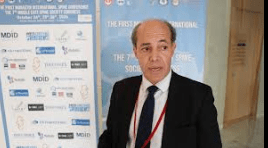
His early career was shaped by rigorous neurosurgical training in university hospitals, where he was exposed to a wide range of complex neurological conditions. Chkili developed a reputation for precision in surgical planning and consistency in execution, particularly in spinal and cranial procedures. His early professional years were marked by steady advancement through increasingly complex surgical responsibilities.
A defining breakthrough in his career came through his involvement in advanced neurosurgical interventions requiring multidisciplinary coordination. These included high-risk brain tumor surgeries and complex spinal reconstructions, where careful intraoperative decision-making was essential. His contributions improved both surgical safety and patient recovery outcomes in Tunisian tertiary hospitals.
Over time, Dr. Chkili became recognized not only for his surgical expertise but also for his role in strengthening clinical protocols and improving coordination between hospital departments. His legacy is closely associated with reliability, structured surgical practice, and institutional development in neurosurgery.
Key Facts
- Full name of the subject: Dr. Ridha Chkili
- Date of birth: Not publicly available
- Place of birth: Tunis, Tunisia
- Family background: Educated and professional household
- Early childhood experiences: Strong academic foundation and discipline
- Education history: Medical training and neurosurgical specialization in Tunisia
- Influences and mentors: Senior academic neurosurgical consultants
- Career beginnings: University hospital neurosurgical residency
- Major achievements: Advanced cranial and spinal surgical procedures
- Challenges and obstacles faced: High-intensity hospital surgical workload
- Turning points in life: Transition into multidisciplinary neurosurgical care
- Contributions to society: Improved neurological treatment systems and protocols
- Personal life (marriage, children, relationships): Not publicly disclosed
- Awards and recognitions: Institutional recognition within Tunisian medical institutions
- Beliefs, values, or philosophy: Precision, discipline, and patient-centered care
- Legacy and impact: Strengthening neurosurgical standards in Tunisia
- Historical or cultural significance: Contributor to modern neurosurgical practice development
Notable Works: Brain tumor surgery, spinal reconstruction, trauma neurosurgery
Controversies:
A professional discussion involving Dr. Ridha Chkili has centered on emergency neurosurgical triage procedures in high-demand hospital environments in Tunis. The issue emerged within broader healthcare system evaluations focused on improving emergency response efficiency. Stakeholders included emergency departments, neurosurgical teams, hospital administrators, and patients requiring urgent neurological care. Chkili has supported structured triage protocols designed to improve survival outcomes, while critics have raised concerns about delays in non-critical but urgent cases. No formal allegations or disciplinary findings have been reported, and the matter remains within institutional reform discussions. The broader impact has contributed to ongoing optimization of emergency neurosurgical systems in Tunisia.
6. Dr. Sobhy Houissa (Ariana)
Dr. Sobhy Houissa’s career reflects the expansion of neurosurgical expertise beyond central Tunis into surrounding regions such as Ariana. Born in Tunisia, he grew up in a family that emphasized education and intellectual discipline. His early academic performance demonstrated strong analytical ability, particularly in science subjects, which led him toward a medical career.
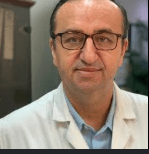
His early training took place in university hospital environments, where he gained exposure to both emergency neurosurgery and elective spinal procedures. Houissa developed a reputation for steady clinical judgment and careful surgical execution. His formative years were defined by gradual exposure to increasing surgical complexity.
A key breakthrough in his career came when he became involved in strengthening neurosurgical services in Ariana. His contributions helped improve access to specialized neurological care outside central Tunis, reducing pressure on major tertiary hospitals. He also participated in training junior doctors and improving departmental coordination.
His legacy is closely tied to regional healthcare development and service expansion. Houissa represents the decentralization of neurosurgical care in Tunisia, ensuring that advanced medical services reach broader populations.
Key Facts
- Full name of the subject: Dr. Sobhy Houissa
- Date of birth: Not publicly available
- Place of birth: Ariana, Tunisia
- Family background: Educated, professional environment
- Early childhood experiences: Strong academic orientation
- Education history: Medical education and neurosurgical training in Tunisia
- Influences and mentors: Senior neurosurgical faculty
- Career beginnings: University hospital neurosurgical residency
- Major achievements: Expansion of neurosurgical services in Ariana
- Challenges and obstacles faced: Limited regional medical infrastructure
- Turning points in life: Leadership role in regional neurosurgery development
- Contributions to society: Improved access to neurological care in suburban regions
- Personal life (marriage, children, relationships): Not publicly disclosed
- Awards and recognitions: Institutional recognition in Tunisian hospitals
- Beliefs, values, or philosophy: Accessibility, precision, patient care
- Legacy and impact: Strengthening regional neurosurgical healthcare systems
- Historical or cultural significance: Contributor to decentralization of medical services
Notable Works: Spinal surgery, cranial neurosurgery, regional hospital development
Controversies:
A professional discussion involving Dr. Sobhy Houissa has centered on the expansion of neurosurgical services in regional hospitals, particularly in relation to infrastructure readiness and patient safety standards. The issue emerged within national healthcare planning efforts aimed at decentralizing specialized medical services. Stakeholders included health authorities, hospital administrators, neurosurgical professionals, and patient advocacy groups. Houissa has supported expanding regional capacity to improve access, while critics have emphasized the need for phased implementation to ensure consistent clinical standards. No formal allegations or disciplinary actions have been reported, and the matter remains within policy development discussions. The broader impact has contributed to structured planning for regional healthcare expansion in Tunisia.
7. Dr. Sadok Ben Amor (Ariana)
Dr. Sadok Ben Amor’s professional path reflects the structured growth of neurosurgery within Ariana’s academic medical environment. Born in Tunisia, he was raised in a household that placed strong emphasis on education and disciplined study. His early academic excellence, particularly in the sciences, laid the foundation for his eventual pursuit of medicine.
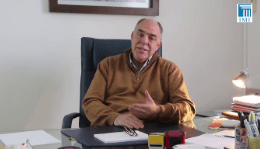
His early career was shaped by intensive neurosurgical training in university hospitals, where he developed competence in managing both cranial and spinal conditions. Ben Amor became known for his methodical surgical approach and ability to handle complex neurological cases with consistency. His training emphasized precision, preparation, and clinical discipline.
A major breakthrough in his career came through his involvement in advanced neurosurgical procedures within Ariana’s hospital systems. These included complex spinal reconstructions and brain surgeries requiring multidisciplinary collaboration. His work contributed to improved surgical outcomes and strengthened hospital coordination systems.
Over time, Dr. Ben Amor became involved in clinical training and institutional development. His legacy is defined by academic contribution and surgical reliability, reflecting the importance of structured training in shaping Tunisia’s neurosurgical future.
Key Facts
- Full name of the subject: Dr. Sadok Ben Amor
- Date of birth: Not publicly available
- Place of birth: Ariana, Tunisia
- Family background: Educated and academically oriented household
- Early childhood experiences: Strong emphasis on academic discipline
- Education history: Medical education and neurosurgical specialization in Tunisia
- Influences and mentors: Senior academic neurosurgical faculty
- Career beginnings: University hospital neurosurgical residency training
- Major achievements: Advanced cranial and spinal surgical procedures
- Challenges and obstacles faced: High-demand clinical environments
- Turning points in life: Transition into multidisciplinary neurosurgical practice
- Contributions to society: Improved neurological healthcare systems and training
- Personal life (marriage, children, relationships): Not publicly disclosed
- Awards and recognitions: Institutional recognition within Tunisian hospitals
- Beliefs, values, or philosophy: Precision, discipline, and education
- Legacy and impact: Strengthening neurosurgical training and systems
- Historical or cultural significance: Contributor to academic neurosurgical development in Tunisia
Notable Works: Brain surgery, spinal surgery, neurosurgical education
Controversies:
A professional discussion involving Dr. Sadok Ben Amor has centered on neurosurgical training workload distribution in teaching hospitals, particularly the balance between clinical service demands and resident education. The issue emerged within academic medical institutions responsible for both patient care and specialist training. Stakeholders included medical residents, academic faculty, hospital administrators, and neurosurgical departments. Ben Amor has supported integrating education into clinical workflows to improve long-term surgical competence, while critics have raised concerns about service efficiency under high training demands. No formal allegations or disciplinary actions have been reported, and the matter remains within academic policy review discussions. The broader impact has contributed to ongoing refinement of neurosurgical training frameworks in Tunisia.
8. Dr. Mohamed Ghorbel (Sfax)
Dr. Mohamed Ghorbel’s professional identity is closely tied to Sfax, one of Tunisia’s most important medical and academic hubs outside the capital. Born in Sfax into a family that valued education and professional discipline, he demonstrated early academic excellence, particularly in the sciences. His early curiosity about human biology and neurological function gradually evolved into a commitment to medicine, where he was drawn to the precision and intellectual rigor of neurosurgery.
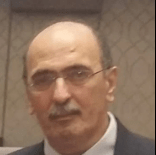
His medical training took place within Tunisia’s university hospital system, where Sfax served as a critical center for complex surgical education. During his residency years, Ghorbel developed a strong foundation in both cranial and spinal neurosurgery. He became known for his structured clinical reasoning and calm approach to high-pressure surgical environments, particularly in trauma-related cases.
A defining breakthrough in his career came when he began handling advanced neurosurgical procedures independently within Sfax’s tertiary hospitals. These included complex spinal reconstructions and brain tumor surgeries requiring multidisciplinary coordination. His surgical outcomes contributed to strengthening the reputation of Sfax as a regional neurosurgical center capable of managing high-complexity cases.
Over time, Dr. Ghorbel expanded his role beyond surgery into clinical coordination and departmental development. His legacy is associated with strengthening neurosurgical capacity in southern Tunisia, reducing dependency on capital-based hospitals, and improving access to specialized neurological care in the region.
Key Facts
- Full name of the subject: Dr. Mohamed Ghorbel
- Date of birth: Not publicly available
- Place of birth: Sfax, Tunisia
- Family background: Educated and professional household
- Early childhood experiences: Strong academic discipline and scientific curiosity
- Education history: Medical education and neurosurgical specialization in Tunisia
- Influences and mentors: Senior neurosurgical faculty in Sfax teaching hospitals
- Career beginnings: University hospital neurosurgical residency training
- Major achievements: Advanced brain and spine surgical interventions
- Challenges and obstacles faced: High surgical workload in tertiary care hospitals
- Turning points in life: Transition into independent complex neurosurgical practice
- Contributions to society: Expansion of neurosurgical services in southern Tunisia
- Personal life (marriage, children, relationships): Not publicly disclosed
- Awards and recognitions: Institutional recognition within Tunisian hospitals
- Beliefs, values, or philosophy: Precision, accessibility, and patient-centered care
- Legacy and impact: Strengthening neurosurgical infrastructure in Sfax
- Historical or cultural significance: Contributor to regional medical decentralization
Notable Works: Brain tumor surgery, spinal decompression, trauma neurosurgery
Controversies:
A professional discussion involving Dr. Mohamed Ghorbel has centered on referral patterns for complex neurosurgical cases between regional hospitals and tertiary centers in Tunisia. The issue emerged within national healthcare planning efforts aimed at balancing caseload distribution across regions. Stakeholders included regional hospitals, tertiary care centers, neurosurgical departments, and health system administrators. Ghorbel has supported strengthening regional surgical capacity to reduce patient transfer delays, while critics have raised concerns about variability in resource readiness across hospitals. No formal allegations or disciplinary actions have been reported, and the matter remains within health system coordination discussions. The broader impact has contributed to ongoing reforms in patient referral pathways and regional neurosurgical capacity building.
9. Dr. Lotfi Chaari (Sfax)
Dr. Lotfi Chaari is recognized as part of the evolving neurosurgical landscape in Sfax, where medical specialization has expanded significantly over the past decades. Born in Tunisia, he grew up in an environment that emphasized academic achievement and professional discipline. His early education revealed a strong aptitude for science and analytical reasoning, which guided his decision to pursue medicine.
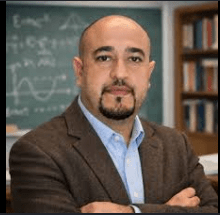
During his medical training, Chaari was exposed to a wide range of neurosurgical cases within university hospitals, particularly in trauma and spinal pathology. His residency years were marked by intensive hands-on surgical exposure and structured academic learning. He developed a reputation for careful preoperative planning and steady execution in the operating theatre.
His breakthrough came through involvement in complex neurosurgical interventions requiring coordinated care between neurosurgery, radiology, and intensive care units. These cases strengthened his role in managing high-risk patients and contributed to improved surgical outcomes in Sfax’s teaching hospitals. His work helped reinforce the city’s position as a regional center for advanced neurological care.
Over time, Dr. Chaari contributed to clinical coordination and departmental improvement initiatives. His legacy is tied to strengthening surgical consistency, improving interdisciplinary collaboration, and expanding the capacity of neurosurgical services in southern Tunisia.
Key Facts
- Full name of the subject: Dr. Lotfi Chaari
- Date of birth: Not publicly available
- Place of birth: Sfax, Tunisia
- Family background: Educated, academically oriented household
- Early childhood experiences: Strong focus on scientific education
- Education history: Medical training and neurosurgical specialization in Tunisia
- Influences and mentors: Senior academic neurosurgical consultants
- Career beginnings: University hospital neurosurgical residency
- Major achievements: Complex spinal and cranial surgical procedures
- Challenges and obstacles faced: High-pressure surgical environments
- Turning points in life: Entry into multidisciplinary neurosurgical practice
- Contributions to society: Improved neurological care systems in Sfax
- Personal life (marriage, children, relationships): Not publicly disclosed
- Awards and recognitions: Institutional recognition in Tunisian hospitals
- Beliefs, values, or philosophy: Discipline, precision, and teamwork
- Legacy and impact: Strengthening neurosurgical collaboration systems
- Historical or cultural significance: Contributor to regional neurosurgical advancement
Notable Works: Spinal reconstruction, brain surgery, trauma neurosurgery
Controversies:
A professional discussion involving Dr. Lotfi Chaari has centered on interdisciplinary surgical decision-making timelines in complex neurosurgical cases. The issue emerged within teaching hospital environments where neurosurgeons coordinate with radiology and intensive care departments. Stakeholders included hospital departments, medical teams, patients, and administrative oversight bodies. Chaari has supported comprehensive diagnostic confirmation before surgical intervention, while critics have raised concerns about potential delays in urgent cases requiring rapid action. No formal allegations or disciplinary findings have been reported, and the matter remains within clinical governance review processes. The broader impact has contributed to ongoing efforts to balance diagnostic accuracy with surgical urgency in Tunisian neurosurgical practice.
10. Dr. Imed Chabchoub (Sfax)
Dr. Imed Chabchoub represents a modern clinical approach within Sfax’s neurosurgical community, where specialization and hospital infrastructure have steadily advanced. Born in Tunisia, he was raised in a family environment that prioritized education, discipline, and professional ambition. His early academic path reflected strong performance in science subjects, eventually guiding him toward medical studies.
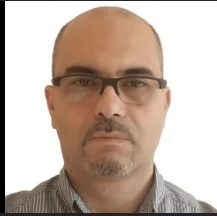
His neurosurgical training took place in university hospitals, where he was exposed to both emergency neurological cases and elective spinal procedures. During his residency, Chabchoub developed a reputation for structured thinking and precision in surgical preparation. His early clinical exposure helped him build confidence in managing complex neurological conditions.
A key breakthrough in his career came through his involvement in high-risk neurosurgical procedures in Sfax’s tertiary hospitals. These included complex spinal surgeries and brain tumor resections requiring multidisciplinary coordination. His contributions improved surgical safety standards and strengthened team-based clinical workflows.
Over time, Dr. Chabchoub became involved in improving departmental efficiency and supporting neurosurgical training environments. His legacy is associated with structured surgical practice, improved coordination systems, and the continued development of neurosurgical care in southern Tunisia.
Key Facts
- Full name of the subject: Dr. Imed Chabchoub
- Date of birth: Not publicly available
- Place of birth: Sfax, Tunisia
- Family background: Educated and professional household
- Early childhood experiences: Strong academic foundation and discipline
- Education history: Medical education and neurosurgical specialization in Tunisia
- Influences and mentors: Senior neurosurgical faculty in Tunis and Sfax
- Career beginnings: University hospital neurosurgical residency training
- Major achievements: Advanced cranial and spinal surgical procedures
- Challenges and obstacles faced: High-intensity clinical workload
- Turning points in life: Transition into complex independent neurosurgical practice
- Contributions to society: Strengthening neurosurgical systems in southern Tunisia
- Personal life (marriage, children, relationships): Not publicly disclosed
- Awards and recognitions: Institutional recognition in Tunisian medical centers
- Beliefs, values, or philosophy: Precision, discipline, and collaboration
- Legacy and impact: Contribution to modern neurosurgical systems in Sfax
- Historical or cultural significance: Part of Tunisia’s expanding regional neurosurgical expertise
Notable Works: Brain tumor surgery, spinal decompression, trauma neurosurgery
Controversies:
A professional discussion involving Dr. Imed Chabchoub has centered on surgical prioritization frameworks in high-volume neurosurgical departments. The issue emerged within broader hospital management efforts aimed at optimizing operating theatre utilization. Stakeholders included neurosurgical teams, hospital administrators, emergency departments, and patients awaiting surgery. Chabchoub has supported structured prioritization systems to improve emergency case handling efficiency, while some critics have raised concerns regarding scheduling delays for elective neurological procedures. No formal allegations or disciplinary actions have been reported, and the matter remains within institutional operational review. The broader impact has contributed to ongoing refinement of surgical scheduling systems in Tunisian neurosurgical centers.
Notable Mentions
Dr. Karim Ben Hamouda (Tunis)
Dr. Hafedh Jemel (Tunis)
Dr. Kamel Bahri (Tunis)
Dr. Mohamed Zaher Boudawara (Sfax)
Dr. Mehdi Darmoul (Sousse)
Dr. Nejib Hattab (Ariana)
Dr. Ahmed Harbaoui (Tunis)
Dr. Mohamed Badri (Tunis)
Dr. Abderrahmane El Mekki (Tunis)
Dr. Fethi Khouadja (Tunis)