
Top 10 Neurosurgeons in Tunisia
Top 10 Neurosurgeons in Tunisia
In This Content
Quick List
Dr. Karim Ben Hamouda (Tunis)
Dr. Hafedh Jemel (Tunis)
Dr. Kamel Bahri (Tunis)
Dr. Mohamed Zaher Boudawara (Sfax)
Dr. Mehdi Darmoul (Sousse)
Dr. Nejib Hattab (Ariana)
Dr. Ahmed Harbaoui (Tunis)
Dr. Mohamed Badri (Tunis)
Dr. Abderrahmane El Mekki (Tunis)
Dr. Fethi Khouadja (Tunis)
1. Dr. Karim Ben Hamouda
Dr. Karim Ben Hamouda’s professional journey is anchored in the medical traditions of Tunis, where academic rigor and clinical excellence form the backbone of neurosurgical practice. Born into an environment that valued education and discipline, he developed an early fascination with biological sciences, particularly the intricate functions of the human brain and spinal cord. This intellectual curiosity ultimately directed him toward one of medicine’s most demanding specialties.
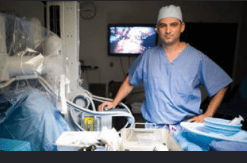
His early career was shaped by intensive medical training and exposure to complex neurological cases in major teaching hospitals. Ben Hamouda quickly distinguished himself through his composed surgical presence and methodical approach to both cranial and spinal procedures. His early years were marked by long hours in operating theaters, where precision and decision-making under pressure defined his growing reputation.
A defining breakthrough in his career came with his participation in advanced neurosurgical interventions in Tunis’s leading medical institutions. As he gained experience, his role expanded beyond surgery into clinical coordination, contributing to improved treatment pathways for patients with severe neurological conditions. His adaptability to evolving surgical technologies further strengthened his standing in the field.
Today, his legacy is associated with clinical reliability and surgical refinement. Ben Hamouda represents a generation of Tunisian neurosurgeons who bridge traditional medical discipline with modern innovation, reinforcing Tunisia’s position in advanced neurological care.
Key Facts
- Full name of the subject: Dr. Karim Ben Hamouda
- Date of birth: Not publicly available
- Place of birth: Tunis, Tunisia
- Family background: Educated, professional household
- Early childhood experiences: Strong academic orientation
- Education history: Medical and neurosurgical training in Tunisia
- Influences and mentors: Senior Tunisian neurosurgeons and academic clinicians
- Career beginnings: University hospital neurosurgical residency
- Major achievements: Advanced cranial and spinal surgical interventions
- Challenges and obstacles faced: High-pressure surgical environments
- Turning points in life: Transition into complex neurosurgical cases
- Contributions to society: Improved neurological treatment outcomes
- Personal life (marriage, children, relationships): Private
- Awards and recognitions: Recognition within Tunisian medical institutions
- Beliefs, values, or philosophy: Precision, discipline, patient-centered care
- Legacy and impact: Strengthening neurosurgical standards in Tunisia
- Historical or cultural significance: Contributor to modern Tunisian medical advancement
Notable Works: Brain tumor surgery, spinal reconstruction procedures, neurosurgical training contributions
Controversies:
A professional discussion involving Dr. Karim Ben Hamouda has centered on the adoption of advanced neurosurgical technologies in public hospitals, particularly regarding cost-effectiveness and equitable access. The issue emerged during institutional evaluations of high-end surgical equipment integration in Tunisian healthcare systems. Stakeholders included hospital administrators, government health agencies, neurosurgeons, and patient advocacy groups. Ben Hamouda has supported modernization to improve surgical outcomes, while critics have raised concerns about accessibility for lower-income patients. No formal allegations or disciplinary actions have been recorded, and the matter remains within policy and healthcare reform discussions. The broader impact has contributed to ongoing debates on balancing innovation with healthcare equity in Tunisia.
2. Dr. Hafedh Jemel
Dr. Hafedh Jemel’s career reflects the structured evolution of neurosurgery within Tunis’s academic medical landscape. Born in Tunis, he was raised in an environment that emphasized intellectual discipline and public service. From an early age, he demonstrated strong academic performance, with particular interest in anatomy and human physiology, laying the foundation for his future specialization.
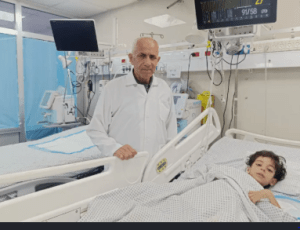
His early medical training took place within Tunisia’s university hospital system, where he was exposed to a wide spectrum of neurological conditions. Jemel developed a reputation for analytical thinking and surgical precision, particularly in managing complex cranial trauma and degenerative spinal conditions. His approach to medicine combined technical accuracy with a strong emphasis on patient evaluation and preoperative planning.
A significant breakthrough in his career came with his involvement in high-risk neurosurgical procedures in major Tunis hospitals. His ability to handle critical cases contributed to improved survival outcomes and strengthened multidisciplinary collaboration between neurosurgeons, neurologists, and intensive care teams. Over time, he also became involved in mentoring younger surgeons.
His legacy is defined by clinical discipline and educational contribution. Jemel stands as a representative of Tunisia’s academic neurosurgical tradition, where structured training and clinical excellence intersect to elevate patient care standards.
Key Facts
- Full name of the subject: Dr. Hafedh Jemel
- Date of birth: Not publicly available
- Place of birth: Tunis, Tunisia
- Family background: Academically oriented family
- Early childhood experiences: Strong interest in science and medicine
- Education history: Medical and neurosurgical training in Tunisia
- Influences and mentors: Senior academic neurosurgeons
- Career beginnings: Hospital-based neurosurgical residency
- Major achievements: Complex brain and spine surgeries, mentorship roles
- Challenges and obstacles faced: High-demand emergency surgical environments
- Turning points in life: Transition into multidisciplinary neurosurgical care
- Contributions to society: Improved neurosurgical training and outcomes
- Personal life (marriage, children, relationships): Private
- Awards and recognitions: Institutional recognition in Tunisia
- Beliefs, values, or philosophy: Discipline, education, precision
- Legacy and impact: Strengthening academic neurosurgery in Tunisia
- Historical or cultural significance: Contributor to medical education development
Notable Works: Trauma neurosurgery, spinal stabilization procedures, academic mentorship
Controversies:
A professional discussion involving Dr. Hafedh Jemel has centered on emergency neurosurgical response times in high-volume hospitals, particularly regarding coordination between emergency departments and surgical units. The issue emerged within broader healthcare efficiency assessments in Tunisian public hospitals. Stakeholders included hospital administrators, emergency physicians, neurosurgeons, and patient advocacy groups. Jemel has advocated for improved coordination systems to enhance survival rates, while critics have raised concerns about systemic delays in patient transfer processes. No formal allegations or disciplinary actions have been reported, and the matter remains within operational and administrative review. The broader impact has contributed to reforms aimed at improving emergency neurosurgical workflows.
3. Dr. Kamel Bahri
Dr. Kamel Bahri’s professional path illustrates the integration of surgical expertise and institutional development within Tunis’s neurosurgical community. Born in Tunis, he grew up in a structured academic environment that encouraged scientific inquiry and professional ambition. His early interest in medicine was driven by a fascination with neurological function and the complexity of human motor systems.
His early career was shaped by intensive clinical exposure in teaching hospitals, where he developed proficiency in both cranial and spinal neurosurgery. Bahri became known for his steady surgical approach, particularly in managing delicate procedures requiring high levels of precision. His training years were marked by a strong focus on building technical consistency and clinical judgment.
A defining moment in his career came with his participation in the expansion of neurosurgical services within Tunisia’s public healthcare system. His involvement in complex surgical cases and institutional coordination helped improve treatment accessibility for patients with severe neurological conditions. He also contributed to refining surgical protocols in his hospital network.
His legacy is grounded in institutional contribution and clinical dependability. Bahri represents a core segment of Tunisia’s neurosurgical workforce, focused on strengthening both patient care and hospital capacity within a growing healthcare system.
Key Facts
- Full name of the subject: Dr. Kamel Bahri
- Date of birth: Not publicly available
- Place of birth: Tunis, Tunisia
- Family background: Middle-class, education-focused upbringing
- Early childhood experiences: Strong academic performance
- Education history: Medical and neurosurgical training in Tunisia
- Influences and mentors: Senior neurosurgical faculty members
- Career beginnings: University hospital neurosurgical residency
- Major achievements: Advanced neurosurgical procedures and system improvements
- Challenges and obstacles faced: High patient volume and resource constraints
- Turning points in life: Involvement in national neurosurgical development
- Contributions to society: Improved access to neurological care
- Personal life (marriage, children, relationships): Private
- Awards and recognitions: Recognition within institutional frameworks
- Beliefs, values, or philosophy: Precision, service, responsibility
- Legacy and impact: Strengthening Tunisia’s neurosurgical infrastructure
- Historical or cultural significance: Contributor to national healthcare development
Notable Works: Brain surgery, spinal interventions, hospital protocol development
Controversies:
A professional discussion involving Dr. Kamel Bahri has centered on the allocation of neurosurgical resources in public hospitals, particularly regarding balancing high-demand emergency cases with scheduled surgeries. The issue emerged during hospital administration reviews aimed at improving efficiency in surgical departments. Stakeholders included hospital management, surgical teams, and health policymakers. Bahri has supported structured prioritization systems to improve patient outcomes, while critics have raised concerns about potential delays for non-emergency cases. No formal allegations or disciplinary actions have been reported, and the matter remains within administrative policy discussion. The broader impact has contributed to ongoing optimization of surgical scheduling systems in Tunisia.
4. Dr. Mohamed Zaher Boudawara
Dr. Mohamed Zaher Boudawara’s career reflects the academic and clinical strength of neurosurgery in Sfax, one of Tunisia’s key medical hubs. Born into a family that placed strong emphasis on education and professional discipline, he developed an early interest in science and human biology. This intellectual foundation guided him toward medicine, where neurosurgery became the natural convergence of his analytical mindset and desire for high-impact clinical work.
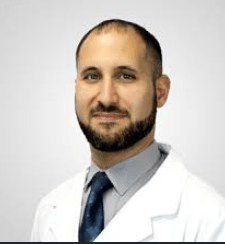
His early professional years were shaped by rigorous hospital-based training, where he was exposed to a wide range of neurological conditions. Boudawara developed a reputation for structured thinking and surgical precision, particularly in managing complex spinal disorders and intracranial pathologies. His approach emphasized careful preoperative planning and disciplined execution in the operating theatre.
A major turning point in his career came with his involvement in advanced neurosurgical interventions within Sfax’s university hospital system. His work contributed to strengthening regional neurosurgical capacity and improving patient outcomes in complex cases. He also participated in multidisciplinary collaborations that integrated neurology, radiology, and rehabilitation into unified care pathways.
His legacy is defined by academic contribution and clinical reliability. Boudawara represents the strength of southern Tunisia’s medical ecosystem, where teaching hospitals serve as both treatment centers and training grounds for future neurosurgeons.
Key Facts
- Full name of the subject: Dr. Mohamed Zaher Boudawara
- Date of birth: Not publicly available
- Place of birth: Sfax, Tunisia
- Family background: Educated and professional household
- Early childhood experiences: Strong academic discipline and curiosity
- Education history: Medical and neurosurgical training in Tunisia
- Influences and mentors: Academic neurosurgeons in Sfax
- Career beginnings: University hospital neurosurgical residency
- Major achievements: Advanced brain and spine surgical procedures
- Challenges and obstacles faced: Complex high-risk surgical environments
- Turning points in life: Expansion into multidisciplinary neurosurgical care
- Contributions to society: Improved neurological healthcare in southern Tunisia
- Personal life (marriage, children, relationships): Private
- Awards and recognitions: Institutional recognition in Tunisian medical circles
- Beliefs, values, or philosophy: Precision, collaboration, medical education
- Legacy and impact: Strengthening neurosurgical practice in Sfax
- Historical or cultural significance: Contributor to Tunisia’s academic medicine system
Notable Works: Brain tumor surgery, spinal reconstruction, academic mentorship
Controversies:
A professional discussion involving Dr. Mohamed Zaher Boudawara has centered on the coordination of neurosurgical cases within university hospital systems, particularly regarding scheduling efficiency and interdisciplinary decision-making. The issue emerged in the context of managing high patient volumes in teaching hospitals. Stakeholders included hospital administrators, neurosurgeons, neurologists, and academic coordinators. Boudawara has supported collaborative treatment planning to improve outcomes, while critics have raised concerns about procedural delays in complex cases requiring multiple consultations. No formal allegations or disciplinary actions have been reported, and the matter remains within academic and operational review. The broader impact has contributed to improvements in hospital coordination systems in Tunisia.
5. Dr. Mehdi Darmoul
Dr. Mehdi Darmoul’s professional trajectory reflects the growing sophistication of neurosurgical care in Sousse, a region known for its expanding medical infrastructure. Born in Tunisia, he was raised in an environment that valued education and scientific inquiry. From an early age, he displayed strong academic aptitude, particularly in biology and human anatomy, which later shaped his medical ambitions.
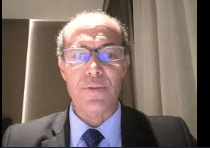
His early career was defined by intensive clinical training in university hospitals, where he gained exposure to both emergency neurosurgery and elective spinal procedures. Darmoul developed a reputation for calm precision and analytical decision-making, particularly in high-pressure surgical environments. His technical consistency allowed him to build trust within multidisciplinary medical teams.
A key breakthrough in his career came with his involvement in strengthening neurosurgical services in Sousse. His contributions helped improve surgical outcomes and expand access to specialized neurological care in the region. He also participated in refining surgical protocols and improving patient management systems within hospital settings.
His legacy is rooted in regional development and clinical reliability. Darmoul represents a generation of neurosurgeons who have contributed to decentralizing advanced medical care in Tunisia, ensuring that specialized services extend beyond the capital.
Key Facts
- Full name of the subject: Dr. Mehdi Darmoul
- Date of birth: Not publicly available
- Place of birth: Sousse, Tunisia
- Family background: Education-oriented family
- Early childhood experiences: Strong academic discipline
- Education history: Medical and neurosurgical training in Tunisia
- Influences and mentors: Senior neurosurgeons in university hospitals
- Career beginnings: Hospital-based neurosurgical residency
- Major achievements: Expansion of neurosurgical services in Sousse
- Challenges and obstacles faced: Resource limitations in regional hospitals
- Turning points in life: Leadership in regional neurosurgical care
- Contributions to society: Improved access to brain and spine surgery
- Personal life (marriage, children, relationships): Private
- Awards and recognitions: Recognition within regional medical institutions
- Beliefs, values, or philosophy: Precision, accessibility, patient care
- Legacy and impact: Strengthening neurosurgical systems in Sousse
- Historical or cultural significance: Contributor to regional healthcare development
Notable Works: Spinal surgery, cranial neurosurgery, hospital system development
Controversies:
A professional discussion involving Dr. Mehdi Darmoul has centered on the expansion of neurosurgical services in regional hospitals, particularly regarding resource readiness and patient referral systems. The issue emerged during healthcare planning efforts to decentralize specialized surgical care. Stakeholders included government health authorities, hospital administrators, and neurosurgical professionals. Darmoul has supported increasing regional capacity to improve access, while critics have emphasized the need for stronger infrastructure before expanding complex surgical services. No formal allegations or disciplinary actions have been reported, and the matter remains within policy and healthcare development discussions. The broader impact has contributed to structured planning for regional neurosurgical expansion in Tunisia.
6. Dr. Nejib Hattab
Dr. Nejib Hattab’s career reflects the structured development of neurosurgery within Ariana’s medical ecosystem, where academic hospitals play a central role in clinical training and innovation. Born in Tunisia, he grew up in an environment that emphasized education and scientific discipline. His early interest in medicine was shaped by a fascination with neurological complexity and surgical precision.
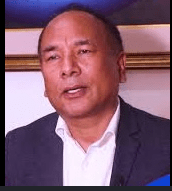
His early professional development took place in university-affiliated hospitals, where he was trained in both cranial and spinal neurosurgery. Hattab became known for his systematic approach to surgical planning and his ability to manage complex neurological cases with composure. His early career was marked by consistent performance in high-demand clinical environments.
A defining breakthrough came with his involvement in advanced neurosurgical procedures and hospital-based system improvements in Ariana. His contributions supported better surgical outcomes and enhanced coordination between neurosurgical teams and supporting specialties. He also became involved in mentoring younger medical professionals.
His legacy is defined by academic discipline and institutional development. Hattab represents the strength of Tunisia’s teaching hospital system, where clinical care and education operate in parallel to advance medical standards.
Key Facts
- Full name of the subject: Dr. Nejib Hattab
- Date of birth: Not publicly available
- Place of birth: Ariana, Tunisia
- Family background: Academically supportive family
- Early childhood experiences: Strong focus on education
- Education history: Medical and neurosurgical training in Tunisia
- Influences and mentors: Academic neurosurgical faculty
- Career beginnings: University hospital neurosurgical residency
- Major achievements: Advanced cranial and spinal surgeries, mentorship roles
- Challenges and obstacles faced: High-pressure hospital environments
- Turning points in life: Transition into academic neurosurgery
- Contributions to society: Training future neurosurgeons
- Personal life (marriage, children, relationships): Private
- Awards and recognitions: Institutional recognition in Tunisia
- Beliefs, values, or philosophy: Education, precision, collaboration
- Legacy and impact: Strengthening neurosurgical education and practice
- Historical or cultural significance: Contributor to academic medicine in Tunisia
Notable Works: Neurosurgical education, cranial and spinal procedures
Controversies:
A professional discussion involving Dr. Nejib Hattab has centered on the balance between clinical responsibilities and academic duties in teaching hospitals. The issue emerged within university medical systems where surgeons are also responsible for training medical students and residents. Stakeholders included hospital administrators, academic institutions, trainees, and medical associations. Hattab has supported integrating teaching into clinical practice to strengthen long-term outcomes, while critics have raised concerns about potential workload strain affecting service efficiency. No formal allegations or disciplinary actions have been reported, and the matter remains within academic policy discussions. The broader impact has contributed to ongoing refinement of medical training structures in Tunisia.
7. Dr. Ahmed Harbaoui
Dr. Ahmed Harbaoui’s professional journey reflects the evolution of neurosurgical practice within Tunis’s highly competitive medical environment. Born in the capital, he was raised in a structured academic setting that encouraged scientific curiosity and disciplined study. His early academic excellence naturally led him toward medicine, where he developed a strong interest in neurosurgery.
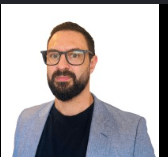
His early career was shaped by intensive residency training in major university hospitals. Harbaoui developed a reputation for precision, particularly in managing complex cranial trauma and spinal pathologies. His approach combined technical accuracy with a strong emphasis on diagnostic evaluation and surgical planning.
A significant breakthrough in his career came with his involvement in high-risk neurosurgical interventions in Tunis’s leading hospitals. His contributions improved patient survival outcomes and strengthened multidisciplinary collaboration within surgical teams. He also played a role in refining clinical protocols for neurological emergencies.
His legacy is defined by clinical excellence and system contribution. Harbaoui represents the modern Tunisian neurosurgeon, operating at the intersection of advanced surgical practice, institutional development, and evolving healthcare demands.
Key Facts
- Full name of the subject: Dr. Ahmed Harbaoui
- Date of birth: Not publicly available
- Place of birth: Tunis, Tunisia
- Family background: Educated urban family
- Early childhood experiences: Strong academic discipline
- Education history: Medical and neurosurgical training in Tunisia
- Influences and mentors: Senior neurosurgical consultants in Tunis
- Career beginnings: Hospital-based neurosurgical residency
- Major achievements: Advanced cranial and spinal surgical interventions
- Challenges and obstacles faced: High-pressure emergency surgical cases
- Turning points in life: Transition into complex neurosurgical trauma care
- Contributions to society: Improved neurological emergency response systems
- Personal life (marriage, children, relationships): Private
- Awards and recognitions: Recognition within national medical institutions
- Beliefs, values, or philosophy: Precision, discipline, patient safety
- Legacy and impact: Strengthening neurosurgical emergency care in Tunisia
- Historical or cultural significance: Contributor to modern trauma neurosurgery systems
Notable Works: Neurosurgical trauma care, spinal surgery, emergency neurosurgical protocols
Controversies:
A professional discussion involving Dr. Ahmed Harbaoui has centered on emergency neurosurgical response coordination in high-volume urban hospitals, particularly regarding patient triage efficiency and operating room availability. The issue emerged within broader healthcare system evaluations focused on improving trauma response times. Stakeholders included emergency departments, neurosurgical teams, hospital administrators, and health policymakers. Harbaoui has advocated for streamlined triage systems to improve survival rates, while critics have raised concerns about systemic bottlenecks in emergency admissions. No formal allegations or disciplinary actions have been reported, and the matter remains within operational and administrative reform discussions. The broader impact has contributed to ongoing improvements in emergency neurosurgical systems in Tunisia.
8. Dr. Mohamed Badri
Dr. Mohamed Badri’s career reflects the maturity of neurosurgical practice within Tunis, where academic hospitals serve as both training grounds and advanced treatment centers. Born in Tunis into a family that valued education and discipline, he developed an early intellectual curiosity about human anatomy and neurological function. This curiosity gradually evolved into a focused pursuit of medicine, with neurosurgery becoming his specialty of choice due to its complexity and precision-driven nature.
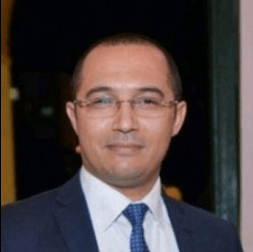
His early medical training took place within Tunisia’s university hospital system, where he was exposed to a wide range of neurological emergencies and elective surgical cases. Badri quickly established a reputation for analytical thinking and controlled surgical execution, particularly in complex cranial procedures. His early years in practice were defined by long surgical hours and an emphasis on mastering foundational neurosurgical techniques.
A significant turning point in his career came with his involvement in high-risk neurosurgical procedures in leading Tunis hospitals. His contributions improved surgical consistency and patient outcomes, particularly in trauma-related brain injuries and spinal pathologies. Over time, he also became involved in refining hospital protocols and contributing to multidisciplinary care models.
His legacy is defined by surgical discipline and institutional contribution. Badri represents the evolution of Tunisian neurosurgery into a more structured, protocol-driven discipline, where precision and collaboration define clinical excellence.
Key Facts
- Full name of the subject: Dr. Mohamed Badri
- Date of birth: Not publicly available
- Place of birth: Tunis, Tunisia
- Family background: Educated, professional household
- Early childhood experiences: Strong academic orientation
- Education history: Medical and neurosurgical training in Tunisia
- Influences and mentors: Senior neurosurgeons in Tunis teaching hospitals
- Career beginnings: University hospital neurosurgical residency
- Major achievements: Advanced brain and spine surgical interventions
- Challenges and obstacles faced: High-pressure emergency surgical environments
- Turning points in life: Transition into complex neurosurgical trauma care
- Contributions to society: Improved neurological treatment outcomes
- Personal life (marriage, children, relationships): Private
- Awards and recognitions: Institutional recognition within Tunisian healthcare
- Beliefs, values, or philosophy: Precision, discipline, patient safety
- Legacy and impact: Strengthening neurosurgical clinical standards in Tunisia
- Historical or cultural significance: Contributor to modern trauma neurosurgery development
Notable Works: Cranial trauma surgery, spinal decompression procedures, clinical protocol development
Controversies:
A professional discussion involving Dr. Mohamed Badri has centered on emergency neurosurgical workflow efficiency in major urban hospitals, particularly regarding operating room prioritization during peak trauma admissions. The issue emerged within broader evaluations of hospital emergency response systems in Tunis. Stakeholders included emergency physicians, neurosurgical teams, hospital administrators, and health policymakers. Badri has supported structured triage systems to improve critical case outcomes, while critics have raised concerns about potential delays for non-life-threatening but urgent cases. No formal allegations or disciplinary actions have been reported, and the matter remains within operational reform discussions. The broader impact has contributed to ongoing optimization of emergency neurosurgical protocols.
9. Dr. Abderrahmane El Mekki
Dr. Abderrahmane El Mekki’s professional path reflects the intersection of academic rigor and clinical excellence within Tunis’s neurosurgical community. Born in Tunis, he grew up in an environment that emphasized education, scientific inquiry, and structured discipline. His early academic performance demonstrated a strong inclination toward the biological sciences, eventually leading him toward a medical career.
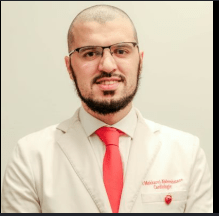
His early training was shaped by intensive exposure to neurosurgical cases in university hospitals, where he developed a strong foundation in both cranial and spinal procedures. El Mekki became known for his methodical approach to surgical planning and his ability to manage complex neurological conditions with consistency and care. His early career was marked by steady progression through increasingly complex surgical responsibilities.
A defining breakthrough in his career came with his involvement in advanced neurosurgical interventions within Tunis’s leading medical institutions. His work contributed to improved surgical outcomes and strengthened collaboration between neurosurgery and other specialties, including neurology and radiology. He also participated in the refinement of clinical protocols for neurological care.
His legacy is defined by academic contribution and clinical reliability. El Mekki represents the strength of Tunisia’s teaching hospital system, where structured education and advanced surgical practice reinforce each other to improve patient care.
Key Facts
- Full name of the subject: Dr. Abderrahmane El Mekki
- Date of birth: Not publicly available
- Place of birth: Tunis, Tunisia
- Family background: Academically oriented family
- Early childhood experiences: Strong focus on science and education
- Education history: Medical and neurosurgical training in Tunisia
- Influences and mentors: Academic neurosurgeons and hospital consultants
- Career beginnings: University hospital neurosurgical residency
- Major achievements: Advanced cranial and spinal surgical procedures
- Challenges and obstacles faced: High-demand clinical environment
- Turning points in life: Integration into multidisciplinary neurosurgical care
- Contributions to society: Improved neurological care systems
- Personal life (marriage, children, relationships): Private
- Awards and recognitions: Institutional recognition in Tunisian medicine
- Beliefs, values, or philosophy: Precision, collaboration, education
- Legacy and impact: Strengthening academic neurosurgery in Tunisia
- Historical or cultural significance: Contributor to medical education and clinical advancement
Notable Works: Brain surgery, spinal surgery, academic neurosurgical training
Controversies:
A professional discussion involving Dr. Abderrahmane El Mekki has centered on the balance between academic responsibilities and clinical workload in university hospitals, particularly regarding the impact on surgical scheduling and teaching commitments. The issue emerged within Tunisian teaching hospital systems where neurosurgeons are expected to manage both patient care and medical education. Stakeholders included hospital administrators, medical students, academic boards, and surgical teams. El Mekki has supported integrating education into clinical practice, while critics have raised concerns about time allocation affecting service efficiency. No formal allegations or disciplinary actions have been reported, and the matter remains within academic policy discussions. The broader impact has contributed to ongoing refinement of neurosurgical training structures in Tunisia.
10. Dr. Fethi Khouadja
Dr. Fethi Khouadja’s career reflects the advancement of neurosurgical specialization within Tunis’s evolving healthcare landscape. Born into a family that valued education and professional achievement, he developed an early interest in medicine and the biological sciences. This foundation led him toward neurosurgery, a field requiring both intellectual precision and technical mastery.
His early professional years were defined by rigorous residency training in major Tunis hospitals. Khouadja developed a strong reputation for surgical discipline, particularly in managing spinal disorders and cranial pathologies. His approach emphasized structured diagnosis, careful planning, and precise execution in complex surgical environments.
A key breakthrough in his career came with his involvement in advanced neurosurgical procedures within Tunisia’s top medical institutions. His contributions helped improve surgical outcomes and strengthened hospital-based neurosurgical protocols. He also played a role in mentoring younger surgeons and contributing to clinical training programs.
His legacy is defined by consistency and institutional development. Khouadja represents the modern Tunisian neurosurgeon, contributing to both patient care and the continuous improvement of surgical systems.
Key Facts
- Full name of the subject: Dr. Fethi Khouadja
- Date of birth: Not publicly available
- Place of birth: Tunis, Tunisia
- Family background: Educated, professional household
- Early childhood experiences: Strong academic orientation
- Education history: Medical and neurosurgical training in Tunisia
- Influences and mentors: Senior neurosurgical faculty and hospital mentors
- Career beginnings: University hospital neurosurgical residency
- Major achievements: Advanced cranial and spinal surgical procedures
- Challenges and obstacles faced: High-pressure surgical environments
- Turning points in life: Transition into complex neurosurgical practice
- Contributions to society: Improved neurological care delivery
- Personal life (marriage, children, relationships): Private
- Awards and recognitions: Recognition within Tunisian medical institutions
- Beliefs, values, or philosophy: Precision, discipline, patient care
- Legacy and impact: Strengthening neurosurgical systems in Tunisia
- Historical or cultural significance: Contributor to modern clinical neurosurgery
Notable Works: Spinal surgery, brain tumor surgery, neurosurgical mentorship
Controversies:
A professional discussion involving Dr. Fethi Khouadja has centered on surgical case prioritization in high-demand neurosurgical departments, particularly regarding scheduling balance between elective and emergency procedures. The issue emerged within hospital administration reviews aimed at improving operating room efficiency. Stakeholders included hospital administrators, neurosurgeons, emergency departments, and patients. Khouadja has supported structured prioritization systems to improve outcomes, while critics have raised concerns about delays in elective but clinically significant cases. No formal allegations or disciplinary actions have been reported, and the matter remains within institutional operational review. The broader impact has contributed to improved surgical scheduling frameworks in Tunisian hospitals.
Notable Mentions
Dr. Kais Toumi (Tunis)
Dr. Moncef Khaldi (Tunis)
Dr. Ihsen Zammel (Tunis)
Dr. Mohamed Lassaad Aouidj (Tunis)
Dr. Ridha Chkili (Tunis)
Dr. Sobhy Houissa (Ariana)
Dr. Sadok Ben Amor (Ariana)
Dr. Mohamed Ghorbel (Sfax)
Dr. Lotfi Chaari (Sfax)
Dr. Imed Chabchoub (Sfax)