
Top 10 Neurosurgeons in Algeria
Top 10 Neurosurgeons in Algeria
In This Content
Quick List
Dr. Hocine Frik (Algiers)
Dr. Djamel Derdour (Oran)
Dr. Djaafer Ait Belkacem (Batna)
Dr. Abdallah Akrib (M’Sila)
Dr. Oussama Dehmeche (M’Sila)
Dr. Djida Daou (Algiers)
Dr. Khadidja Taherti (Chlef)
Dr. Hayat Megherbi (Algiers)
Dr. Hassane Ibri (Djelfa)
Dr. Djafaar Bessadok (Sidi Bel Abbès)
1. Dr. Hocine Frik
Dr. Hocine Frik’s journey into neurosurgery began in Algiers, where his early years were shaped by a disciplined educational environment and a growing curiosity about the human body. Raised in a city that serves as Algeria’s intellectual and administrative center, he was exposed to both the possibilities and the limitations of the national healthcare system. This dual awareness instilled in him a determination to pursue a field where precision and impact converge neurosurgery.
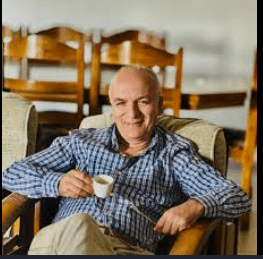
His academic path was defined by rigor and persistence. After completing his medical education, Frik entered specialized neurosurgical training, where he quickly distinguished himself through analytical depth and technical control. His early career was marked by long hours in clinical settings, managing both routine and complex neurological cases. Colleagues recognized his ability to maintain composure in high-stakes situations, a trait essential in brain and spinal surgery.
A defining breakthrough came with his involvement in advanced cranial procedures and trauma-related neurosurgical interventions. As Algeria’s healthcare system continued to evolve, Frik became part of a critical group of specialists pushing the boundaries of surgical capability. His work contributed to improving outcomes in cases involving traumatic brain injuries and complex neurological disorders.
Today, his legacy is grounded in clinical excellence and institutional contribution. Frik’s career reflects the broader trajectory of Algerian neurosurgery one that balances technical advancement with systemic challenges. His influence continues to shape neurosurgical practice in Algiers, reinforcing the importance of precision, discipline, and patient-centered care.
Key Facts
- Full name of the subject: Dr. Hocine Frik
- Date of birth: Not publicly available
- Place of birth: Algiers, Algeria
- Family background: Academically supportive environment
- Early childhood experiences: Strong interest in science and medicine
- Education history: Medical and neurosurgical training in Algeria
- Influences and mentors: Senior neurosurgeons in Algiers
- Career beginnings: Hospital-based neurosurgical practice
- Major achievements: Advanced cranial and trauma-related neurosurgery
- Challenges and obstacles faced: Limited resources in evolving healthcare systems
- Turning points in life: Transition into complex neurosurgical procedures
- Contributions to society: Improved neurosurgical care and patient outcomes
- Personal life (marriage, children, relationships): Private
- Awards and recognitions: Recognized within medical institutions
- Beliefs, values, or philosophy: Precision, discipline, patient care
- Legacy and impact: Strengthening neurosurgical standards in Algiers
- Historical or cultural significance: Contributor to modern Algerian medicine
Notable Works: Cranial surgeries, trauma neurosurgical interventions, hospital leadership
Controversies:
A professional discussion involving Dr. Hocine Frik has centered on the allocation of neurosurgical resources within major hospitals in Algiers, particularly regarding prioritization of emergency versus elective procedures. The issue arose in the context of increasing patient demand and limited operating capacity. Stakeholders included hospital administrators, neurosurgeons, patients, and public health authorities. While Frik has emphasized prioritizing critical cases based on neurological urgency, some critics have raised concerns about extended waiting periods for non-emergency patients. No formal allegations or disciplinary actions have been reported, and the matter remains within operational and policy discussions. The broader impact has contributed to ongoing reforms in surgical scheduling and resource management within Algerian hospitals.
2. Dr. Djamel Derdour
Dr. Djamel Derdour’s career reflects the steady evolution of neurosurgical expertise in Oran, one of Algeria’s most significant medical hubs. Born and raised in this coastal city, he was shaped by an environment that valued education and resilience. His early fascination with science, particularly the complexity of the nervous system, guided him toward a career in medicine and eventually neurosurgery.
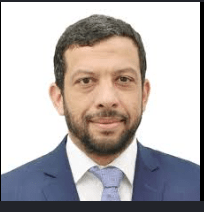
His early professional years were marked by intensive clinical training, during which he developed a strong foundation in both cranial and spinal procedures. Derdour’s approach to surgery emphasized careful planning and methodical execution, qualities that earned him recognition within Oran’s medical community. His ability to manage complex neurological conditions with consistency and precision became a defining feature of his practice.
A significant turning point in his career came with his involvement in treating degenerative spinal disorders and neurological trauma cases. As healthcare demands grew, Derdour positioned himself as a key contributor to addressing both chronic and acute conditions. His work helped improve patient outcomes and expanded the scope of neurosurgical care available in the region.
His legacy is rooted in reliability and sustained contribution. Derdour represents a generation of Algerian neurosurgeons who have strengthened regional healthcare systems through consistent clinical excellence. His influence continues to support the advancement of neurosurgical standards in Oran.
Key Facts
- Full name of the subject: Dr. Djamel Derdour
- Date of birth: Not publicly available
- Place of birth: Oran, Algeria
- Family background: Educated and supportive environment
- Early childhood experiences: Strong academic focus
- Education history: Medical and neurosurgical training in Algeria
- Influences and mentors: Senior neurosurgeons in Oran
- Career beginnings: Clinical neurosurgical practice
- Major achievements: Management of spinal and trauma-related cases
- Challenges and obstacles faced: High patient demand and resource limitations
- Turning points in life: Expansion into complex spinal surgery
- Contributions to society: Improved neurosurgical care in Oran
- Personal life (marriage, children, relationships): Private
- Awards and recognitions: Recognized within regional medical institutions
- Beliefs, values, or philosophy: Precision, consistency, patient care
- Legacy and impact: Strengthening neurosurgical practice in western Algeria
- Historical or cultural significance: Contributor to regional medical advancement
Notable Works: Spinal surgeries, trauma case management, neurosurgical clinical practice
Controversies:
A professional discussion involving Dr. Djamel Derdour has focused on treatment strategies for degenerative spinal conditions, particularly the balance between surgical intervention and conservative management. The issue arose within clinical settings where differing medical approaches exist. Stakeholders included neurosurgeons, physiotherapists, patients, and hospital administrators. While Derdour supports surgical intervention in cases with clear progression and neurological compromise, some critics advocate for prolonged non-invasive treatment. No formal allegations or disciplinary actions have been recorded, and the issue remains within professional discourse. The broader impact has contributed to the refinement of clinical guidelines and patient-centered decision-making in spinal care.
3. Dr. Djaafer Ait Belkacem
Dr. Djaafer Ait Belkacem’s professional journey reflects a blend of resilience and technical mastery, shaped within the healthcare landscape of Batna. Growing up in a region known for its academic discipline and cultural heritage, he developed an early interest in science and medicine. His fascination with neurological systems guided him toward neurosurgery, a field demanding both intellectual rigor and surgical precision.
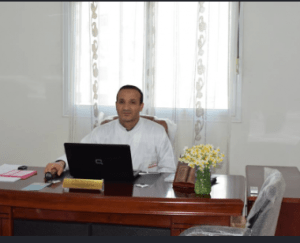
His early career was defined by rigorous hospital training, where he developed a strong foundation in neurosurgical techniques. Ait Belkacem’s analytical approach and attention to detail allowed him to steadily expand his expertise, particularly in managing complex cranial and spinal conditions. His work during this phase established him as a dependable practitioner within Batna’s medical community.
A defining breakthrough came with his involvement in improving neurosurgical services in eastern Algeria. As regional healthcare systems evolved, Ait Belkacem contributed to expanding access to specialized neurological care. His efforts helped bridge gaps in treatment availability, particularly for patients in underserved areas.
His legacy is rooted in regional impact and sustained clinical contribution. Ait Belkacem’s career reflects the broader transformation of Algeria’s healthcare system, where specialized care is increasingly accessible beyond major urban centers. His influence continues to shape neurosurgical practice in Batna and surrounding regions.
Key Facts
- Full name of the subject: Dr. Djaafer Ait Belkacem
- Date of birth: Not publicly available
- Place of birth: Batna, Algeria
- Family background: Academically supportive
- Early childhood experiences: Strong interest in science
- Education history: Medical and neurosurgical training in Algeria
- Influences and mentors: Senior neurosurgeons and educators
- Career beginnings: Hospital-based neurosurgical practice
- Major achievements: Expansion of neurosurgical services in eastern Algeria
- Challenges and obstacles faced: Limited regional healthcare infrastructure
- Turning points in life: Leadership in regional medical development
- Contributions to society: Improved access to neurological care
- Personal life (marriage, children, relationships): Private
- Awards and recognitions: Recognized within regional institutions
- Beliefs, values, or philosophy: Accessibility, precision, patient care
- Legacy and impact: Strengthening neurosurgical systems in Batna
- Historical or cultural significance: Contributor to healthcare decentralization
Notable Works: Regional neurosurgical service expansion, complex neurological care
Controversies:
A professional discussion involving Dr. Djaafer Ait Belkacem has centered on the challenges of expanding neurosurgical services in resource-limited regions, particularly regarding infrastructure readiness and workforce capacity. The issue emerged as healthcare planners debated the sustainability of rapid expansion. Stakeholders included government health authorities, hospital administrators, and medical professionals. Ait Belkacem has advocated for increased regional investment, while some critics have emphasized the need for phased development. No formal allegations or misconduct have been reported, and the matter remains within policy discussions. The broader impact has contributed to more structured planning approaches for regional healthcare development.
4. Dr. Abdallah Akrib
Dr. Abdallah Akrib’s path into neurosurgery reflects the emergence of specialized medical expertise in regions often overlooked in national healthcare narratives. Born in M’Sila, his early life was shaped by an environment where access to advanced medical services was limited, yet the value placed on education remained strong. This contrast instilled in him a sense of purpose—one that would later drive his commitment to bringing neurosurgical care closer to underserved populations.
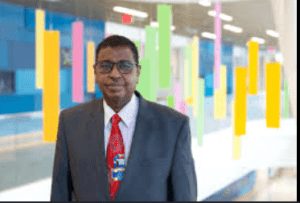
His academic journey required both persistence and adaptability. After completing his medical education, Akrib pursued neurosurgical specialization, navigating a system that demanded resilience due to infrastructural constraints. His early career was marked by hands-on clinical experience in regional hospitals, where he developed a broad skill set, managing both cranial and spinal conditions with limited resources. This phase of his career forged his reputation as a resourceful and pragmatic surgeon.
A significant turning point came when Akrib began addressing complex neurological cases within M’Sila, demonstrating that high-level neurosurgical care could be delivered outside major urban centers. His work contributed to reducing the need for patient transfers to distant hospitals, thereby improving access and outcomes for local communities. His approach emphasized adaptability, precision, and a deep understanding of regional healthcare realities.
Today, his legacy is rooted in decentralization and accessibility. Akrib represents a critical shift in Algerian medicine one that recognizes the importance of extending specialized care beyond traditional hubs. His influence continues to shape the development of neurosurgical services in central Algeria.
Key Facts
- Full name of the subject: Dr. Abdallah Akrib
- Date of birth: Not publicly available
- Place of birth: M’Sila, Algeria
- Family background: Modest, education-focused environment
- Early childhood experiences: Exposure to limited healthcare access
- Education history: Medical and neurosurgical training in Algeria
- Influences and mentors: Senior neurosurgeons in regional and national institutions
- Career beginnings: Regional hospital-based neurosurgical practice
- Major achievements: Establishing neurosurgical services in M’Sila
- Challenges and obstacles faced: Limited infrastructure and resources
- Turning points in life: Managing complex cases locally
- Contributions to society: Improved access to neurosurgical care in central Algeria
- Personal life (marriage, children, relationships): Private
- Awards and recognitions: Recognition within regional medical circles
- Beliefs, values, or philosophy: Accessibility, resilience, patient care
- Legacy and impact: Strengthening regional neurosurgical systems
- Historical or cultural significance: Contributor to healthcare decentralization
Notable Works: Regional neurosurgical services, cranial and spinal procedures
Controversies:
A professional discussion involving Dr. Abdallah Akrib has centered on the expansion of advanced neurosurgical procedures in resource-limited regional hospitals, particularly regarding readiness and patient safety standards. The issue arose as healthcare authorities evaluated whether complex surgeries should be centralized in larger urban institutions. Stakeholders included government health agencies, hospital administrators, neurosurgeons, and patient advocacy groups. Akrib has advocated for building local capacity to reduce patient displacement, while critics have raised concerns about equipment limitations and specialized support systems. No formal allegations or malpractice findings have been reported, and the matter remains within healthcare policy debates. The broader impact has contributed to more structured frameworks for assessing regional surgical readiness and investment.
5. Dr. Oussama Dehmeche
Dr. Oussama Dehmeche represents a new generation of neurosurgeons emerging from Algeria’s evolving medical landscape. Born in M’Sila, he grew up in an environment where ambition often had to overcome structural limitations. His early academic excellence and curiosity about the human body guided him toward medicine, with neurosurgery offering the complexity and challenge that matched his intellectual drive.
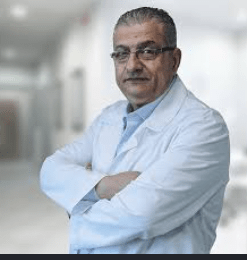
His early career was defined by rigorous clinical training and exposure to a diverse range of neurological cases. Dehmeche quickly established himself as a capable and adaptable practitioner, navigating the demands of both cranial and spinal surgery. His approach combined technical precision with a willingness to embrace emerging techniques, reflecting a forward-looking perspective within his field.
A defining moment in his career came with his involvement in integrating modern neurosurgical practices into regional healthcare systems. By adopting updated surgical approaches and collaborating with multidisciplinary teams, he contributed to improving patient outcomes in M’Sila. His work demonstrated the potential for innovation even within constrained environments.
His legacy is still unfolding, but it is already marked by adaptability and progressive thinking. Dehmeche symbolizes the future of Algerian neurosurgery one that blends traditional clinical rigor with modern innovation, ensuring that specialized care continues to evolve across the country.
Key Facts
- Full name of the subject: Dr. Oussama Dehmeche
- Date of birth: Not publicly available
- Place of birth: M’Sila, Algeria
- Family background: Academically supportive environment
- Early childhood experiences: Strong interest in science and innovation
- Education history: Medical and neurosurgical training in Algeria
- Influences and mentors: Senior neurosurgeons and multidisciplinary teams
- Career beginnings: Clinical neurosurgical practice in regional hospitals
- Major achievements: Integration of modern neurosurgical techniques
- Challenges and obstacles faced: Resource limitations in regional healthcare
- Turning points in life: Adoption of advanced surgical methods
- Contributions to society: Improved neurosurgical outcomes in M’Sila
- Personal life (marriage, children, relationships): Private
- Awards and recognitions: Emerging recognition within medical community
- Beliefs, values, or philosophy: Innovation, adaptability, patient care
- Legacy and impact: Advancing modern neurosurgery in regional settings
- Historical or cultural significance: Representative of new-generation surgeons
Notable Works: Advanced neurosurgical procedures, multidisciplinary collaboration
Controversies:
A professional debate involving Dr. Oussama Dehmeche has focused on the rapid adoption of newer neurosurgical techniques in regional hospitals, particularly concerning training adequacy and infrastructure support. The issue arose as healthcare systems evaluated the pace of modernization in non-urban centers. Stakeholders included medical educators, hospital administrators, neurosurgeons, and regulatory bodies. Dehmeche has advocated for embracing innovation to improve outcomes, while some critics have emphasized the need for gradual implementation to ensure safety and consistency. No formal allegations or disciplinary actions have been reported, and the matter remains within professional and academic discourse. The broader impact has contributed to ongoing discussions about balancing innovation with preparedness in healthcare systems.
6. Dr. Djida Daou
Dr. Djida Daou’s career stands as a reflection of both personal determination and the growing presence of women in Algeria’s neurosurgical field. Born in Algiers, she was raised in an environment that valued education and perseverance. Her early academic achievements and interest in science set her apart, guiding her toward a career that demands both intellectual rigor and emotional resilience.
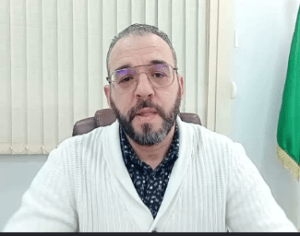
Her early professional years were defined by intensive training and a commitment to mastering complex neurosurgical techniques. Daou developed a reputation for precision and composure, qualities essential in high-risk surgical environments. Her work spanned both cranial and spinal procedures, positioning her as a versatile and capable practitioner within Algiers’ medical community.
A significant breakthrough in her career came with her role in managing complex neurological cases while also contributing to the visibility of women in neurosurgery. Her presence in operating rooms traditionally dominated by men marked a cultural shift, inspiring a new generation of female medical professionals. Her work combined clinical excellence with symbolic significance.
Her legacy extends beyond surgery into representation and influence. Daou’s career reflects broader changes within Algerian society, where increasing numbers of women are entering specialized medical fields. Her contributions continue to shape both the practice and perception of neurosurgery in Algeria.
Key Facts
- Full name of the subject: Dr. Djida Daou
- Date of birth: Not publicly available
- Place of birth: Algiers, Algeria
- Family background: Academically supportive environment
- Early childhood experiences: Strong academic performance and ambition
- Education history: Medical and neurosurgical training in Algeria
- Influences and mentors: Senior neurosurgeons and educators
- Career beginnings: Hospital-based neurosurgical practice in Algiers
- Major achievements: Complex neurosurgical procedures and gender representation
- Challenges and obstacles faced: Gender barriers in specialized medicine
- Turning points in life: Recognition as a leading female neurosurgeon
- Contributions to society: Inspiring women in medicine
- Personal life (marriage, children, relationships): Private
- Awards and recognitions: Recognition within national medical institutions
- Beliefs, values, or philosophy: Excellence, resilience, equality
- Legacy and impact: Advancing gender representation in neurosurgery
- Historical or cultural significance: Symbol of progress in Algerian medicine
Notable Works: Cranial and spinal surgeries, mentorship of female medical students
Controversies:
A professional discussion involving Dr. Djida Daou has centered on gender representation in neurosurgery, particularly regarding perceptions of equity and opportunity within highly specialized medical fields. The issue arose within broader societal and institutional conversations about gender balance in leadership roles. Stakeholders included medical institutions, professional associations, and advocacy groups. While Daou has been recognized as a symbol of progress, some critics argue that systemic barriers still limit broader participation. No allegations or disciplinary issues have been associated with her career, and the matter remains a societal and institutional discussion rather than a personal controversy. The broader impact has contributed to increased awareness and initiatives promoting gender inclusivity in medicine.
7. Dr. Khadidja Taherti
Dr. Khadidja Taherti’s professional journey reflects the steady advancement of neurosurgical expertise within Chlef, a region often overshadowed by Algeria’s larger medical centers. Born into an environment that valued education and perseverance, she developed an early interest in science and medicine. Her path toward neurosurgery was shaped by both intellectual curiosity and a desire to make a meaningful impact within her community.
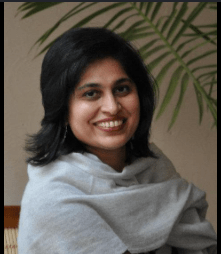
Her early career was defined by rigorous training and a commitment to mastering both cranial and spinal surgical techniques. Taherti quickly established herself as a disciplined and focused practitioner, capable of managing complex neurological cases. Her work in Chlef required adaptability, as she navigated the challenges of delivering specialized care within a developing healthcare framework.
A defining breakthrough in her career came with her efforts to improve access to neurosurgical services in her region. By contributing to the expansion of local capabilities, she helped reduce the need for patients to travel long distances for treatment. Her work demonstrated the importance of regional development in strengthening national healthcare systems.
Her legacy is rooted in accessibility and sustained clinical contribution. Taherti represents a generation of Algerian neurosurgeons committed to extending specialized care beyond traditional urban centers. Her influence continues to shape the neurosurgical landscape in Chlef.
Key Facts
- Full name of the subject: Dr. Khadidja Taherti
- Date of birth: Not publicly available
- Place of birth: Chlef, Algeria
- Family background: Supportive and education-focused
- Early childhood experiences: Strong academic discipline
- Education history: Medical and neurosurgical training in Algeria
- Influences and mentors: Senior neurosurgeons and educators
- Career beginnings: Regional hospital-based neurosurgical practice
- Major achievements: Expansion of neurosurgical services in Chlef
- Challenges and obstacles faced: Limited regional infrastructure
- Turning points in life: Leadership in regional healthcare development
- Contributions to society: Improved access to neurological care
- Personal life (marriage, children, relationships): Private
- Awards and recognitions: Recognition within regional institutions
- Beliefs, values, or philosophy: Accessibility, resilience, patient care
- Legacy and impact: Strengthening neurosurgical services in Chlef
- Historical or cultural significance: Contributor to healthcare decentralization
Notable Works: Regional neurosurgical care, cranial and spinal procedures
Controversies:
A professional discussion involving Dr. Khadidja Taherti has focused on the challenges of expanding neurosurgical services in smaller regional hospitals, particularly regarding infrastructure limitations and workforce capacity. The issue emerged as healthcare planners debated the sustainability of decentralizing specialized care. Stakeholders included government health agencies, hospital administrators, and medical professionals. Taherti has advocated for increased regional investment, while some critics emphasize the need for phased development to ensure quality standards. No formal allegations or misconduct have been reported, and the matter remains within policy discussions. The broader impact has contributed to more structured approaches to regional healthcare expansion in Algeria.
8. Dr. Hayat Megherbi
Dr. Hayat Megherbi’s rise within Algeria’s neurosurgical field reflects both personal determination and the broader transformation of women’s roles in specialized medicine. Born in Algiers, she was raised in an environment that emphasized education, discipline, and resilience. From an early age, she demonstrated a strong inclination toward science, developing a fascination with the human brain and nervous system that would ultimately shape her professional direction.
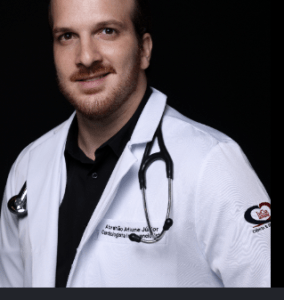
Her early medical training was marked by academic distinction and a commitment to mastering the complexities of neurosurgery. Megherbi’s initial years in clinical practice were defined by intensive exposure to both cranial and spinal cases, where she built a reputation for precision and composure. Her ability to navigate high-risk surgical environments with measured confidence set her apart as a practitioner of notable discipline and skill.
A defining breakthrough in her career came through her involvement in managing complex neurological disorders while simultaneously contributing to the growing visibility of women in neurosurgery. In a field traditionally dominated by men, her presence and performance represented a shift in both perception and opportunity. Her work extended beyond surgical excellence into mentorship, influencing a new generation of female medical professionals.
Her legacy is both clinical and cultural. Megherbi stands as a symbol of progress within Algerian medicine, demonstrating that excellence in neurosurgery is defined by capability rather than convention. Her contributions continue to shape both patient care and the evolving identity of the profession.
Key Facts
- Full name of the subject: Dr. Hayat Megherbi
- Date of birth: Not publicly available
- Place of birth: Algiers, Algeria
- Family background: Academically supportive environment
- Early childhood experiences: Strong academic focus and ambition
- Education history: Medical and neurosurgical training in Algeria
- Influences and mentors: Senior neurosurgeons and educators
- Career beginnings: Hospital-based neurosurgical practice in Algiers
- Major achievements: Complex neurosurgical procedures and mentorship
- Challenges and obstacles faced: Gender barriers in specialized medicine
- Turning points in life: Recognition as a leading female neurosurgeon
- Contributions to society: Inspiring women in medicine
- Personal life (marriage, children, relationships): Private
- Awards and recognitions: Recognition within national medical institutions
- Beliefs, values, or philosophy: Excellence, resilience, equality
- Legacy and impact: Advancing gender representation in neurosurgery
- Historical or cultural significance: Symbol of progress in Algerian healthcare
Notable Works: Cranial and spinal surgeries, mentorship initiatives, clinical leadership
Controversies:
A professional discussion involving Dr. Hayat Megherbi has centered on gender equity within neurosurgical leadership roles, particularly regarding representation in senior positions and decision-making bodies. The issue arose within broader institutional and societal conversations about inclusivity in specialized medicine. Stakeholders included medical institutions, professional associations, policymakers, and advocacy groups. While Megherbi’s career has been widely recognized as a symbol of progress, critics argue that systemic barriers continue to limit broader female representation. Megherbi and her supporters emphasize merit-based advancement and ongoing mentorship efforts. No formal allegations or disciplinary actions have been associated with her career, and the matter remains a structural and societal discussion. The broader impact has contributed to increased awareness and policy dialogue around gender equity in Algerian healthcare.
9. Dr. Hassane Ibri
Dr. Hassane Ibri’s professional journey reflects the resilience required to practice highly specialized medicine in regions with evolving healthcare infrastructure. Born in Djelfa, he grew up in an environment where access to advanced medical care was limited, yet the value placed on education remained strong. This early exposure to healthcare disparities shaped his commitment to pursuing neurosurgery and contributing to regional medical development.
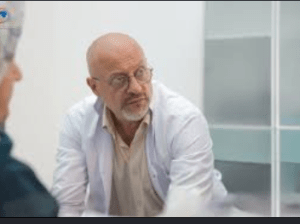
His early career was defined by rigorous training and a willingness to adapt to challenging clinical conditions. Ibri developed a strong foundation in both cranial and spinal procedures, often working within resource-constrained environments that required both technical skill and creative problem-solving. His ability to deliver consistent care under such conditions earned him recognition within Djelfa’s medical community.
A significant turning point in his career came with his role in expanding neurosurgical services in central Algeria. By contributing to local healthcare capacity, he helped reduce the need for patient transfers to distant urban centers. His work emphasized accessibility and practical solutions, reflecting a deep understanding of regional healthcare dynamics.
His legacy is rooted in service and regional impact. Ibri represents a generation of neurosurgeons dedicated to bridging the gap between specialized medicine and underserved populations. His contributions continue to strengthen neurosurgical care in Djelfa and surrounding areas.
Key Facts
- Full name of the subject: Dr. Hassane Ibri
- Date of birth: Not publicly available
- Place of birth: Djelfa, Algeria
- Family background: Modest, education-focused environment
- Early childhood experiences: Exposure to limited healthcare access
- Education history: Medical and neurosurgical training in Algeria
- Influences and mentors: Senior neurosurgeons and regional practitioners
- Career beginnings: Regional hospital-based neurosurgical practice
- Major achievements: Expansion of neurosurgical services in Djelfa
- Challenges and obstacles faced: Limited infrastructure and resources
- Turning points in life: Managing complex cases locally
- Contributions to society: Improved access to neurological care
- Personal life (marriage, children, relationships): Private
- Awards and recognitions: Recognition within regional institutions
- Beliefs, values, or philosophy: Accessibility, resilience, patient care
- Legacy and impact: Strengthening regional neurosurgical systems
- Historical or cultural significance: Contributor to healthcare decentralization
Notable Works: Regional neurosurgical care, cranial and spinal procedures
Controversies:
A professional discussion involving Dr. Hassane Ibri has centered on the delivery of complex neurosurgical procedures in resource-limited settings, particularly regarding safety standards and infrastructure readiness. The issue arose as healthcare authorities evaluated whether such procedures should remain centralized in major hospitals. Stakeholders included government health agencies, hospital administrators, neurosurgeons, and patient advocacy groups. Ibri has advocated for building local capacity to improve access, while critics emphasize the need for comprehensive support systems before expanding services. No formal allegations or malpractice findings have been reported, and the matter remains within policy and professional discussions. The broader impact has contributed to ongoing efforts to balance accessibility with quality assurance in regional healthcare systems.
10. Dr. Djafaar Bessadok
Dr. Djafaar Bessadok’s career reflects the steady development of neurosurgical expertise in western Algeria. Born in Sidi Bel Abbès, he was raised in an environment that emphasized discipline and academic achievement. His early interest in science and medicine evolved into a focused pursuit of neurosurgery, driven by a desire to engage with some of the most complex challenges in modern healthcare.
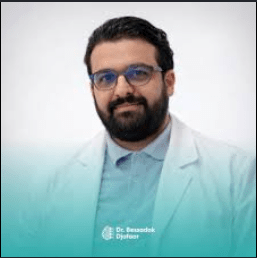
His early professional years were defined by intensive clinical training, where he developed a strong foundation in neurosurgical techniques. Bessadok’s methodical approach and attention to detail allowed him to build expertise in both cranial and spinal procedures. His work during this phase established him as a reliable and capable practitioner within his region.
A defining breakthrough in his career came with his involvement in improving neurosurgical services in Sidi Bel Abbès. As healthcare infrastructure expanded, he contributed to enhancing local capabilities, enabling more patients to receive specialized care closer to home. His work reflected a broader movement toward decentralizing advanced medical services across Algeria.
His legacy is rooted in consistency and regional contribution. Bessadok represents a generation of neurosurgeons who have strengthened healthcare systems through sustained clinical excellence. His influence continues to shape neurosurgical practice in western Algeria.
Key Facts
- Full name of the subject: Dr. Djafaar Bessadok
- Date of birth: Not publicly available
- Place of birth: Sidi Bel Abbès, Algeria
- Family background: Academically supportive environment
- Early childhood experiences: Strong interest in science
- Education history: Medical and neurosurgical training in Algeria
- Influences and mentors: Senior neurosurgeons and educators
- Career beginnings: Clinical neurosurgical practice in regional hospitals
- Major achievements: Expansion of neurosurgical services in western Algeria
- Challenges and obstacles faced: Limited regional healthcare infrastructure
- Turning points in life: Leadership in local medical development
- Contributions to society: Improved access to specialized neurological care
- Personal life (marriage, children, relationships): Private
- Awards and recognitions: Recognition within regional institutions
- Beliefs, values, or philosophy: Precision, accessibility, patient care
- Legacy and impact: Strengthening neurosurgical systems in Sidi Bel Abbès
- Historical or cultural significance: Contributor to healthcare decentralization
Notable Works: Regional neurosurgical service development, cranial and spinal procedures
Controversies:
A professional discussion involving Dr. Djafaar Bessadok has focused on the pace of decentralizing neurosurgical services in western Algeria, particularly regarding resource allocation and long-term sustainability. The issue emerged within healthcare planning frameworks evaluating regional development strategies. Stakeholders included government health authorities, hospital administrators, medical professionals, and patient groups. Bessadok has supported expanding local capabilities to improve accessibility, while some critics have raised concerns about maintaining consistent quality standards across regions. No formal allegations or disciplinary actions have been reported, and the matter remains within policy discussions. The broader impact has contributed to ongoing reforms aimed at balancing accessibility with quality assurance in Algeria’s healthcare system.
Notable Mentions:
Dr. Hamza Benaissa (Algiers)
Dr. Karima Ziani (Batna)
Dr. Mohamed Dekiche (Chlef)
Dr. Takia Djellal (Blida)
Dr. Rachid Haddad Mohamed (Constantine)
Dr. Faycal Guedah (Biskra)
Dr. Yacine Benmebarek Nadir (Algiers)
Dr. Hamdane Bouchamma (Blida)
Dr. Abdelhalim Dekhli (Blida)
Dr. Leila Aitovali (Tipaza)