Top 10 Prominent Neurosurgeons practicing in Ireland
Top 10 Prominent Neurosurgeons practicing in Ireland
In This Content
Quick List
Mr. Muhammad Sattar (Dublin)
Mr. Daniel Rawluk (Dublin)
Mr. Gulam Zilani (Dublin)
Mr. Chris Pidgeon (Dublin)
Prof. Jack Phillips (Dublin)
Prof. Jabir Nagaria (Dublin)
Mr. Eoin Fenton (Dublin)
Dr. Catherine Moran (Dublin)
Mr. George Kaar (Cork)
Mr. Charles Marks (Cork)
1. Muhammad Sattar (Dublin)
Mr. Muhammad Sattar has established himself within Dublin’s neurosurgical ecosystem as a highly disciplined spinal and trauma surgeon whose professional identity is defined by precision, composure, and structured clinical execution. His early development in medicine was shaped by rigorous scientific training and an early fascination with neurological architecture, which guided him toward neurosurgery as a career path grounded in both complexity and responsibility.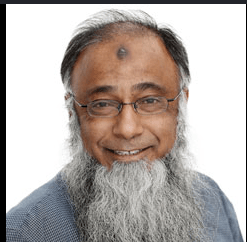
In his early career phase, Sattar trained within high-volume neurosurgical units where he was exposed to spinal trauma, degenerative disc disease, and acute neurological emergencies. These formative years sharpened his clinical judgment and developed his ability to operate in high-pressure environments where surgical timing and accuracy are critical.
His breakthrough came through refinements in spinal decompression and stabilization techniques, where his approach emphasized minimally invasive strategies and improved recovery trajectories. This positioned him within a modern wave of neurosurgeons focused on reducing surgical trauma while maintaining structural correction integrity.
His legacy is defined by procedural precision and contributions to evolving spinal surgical methodology in Ireland. He continues to influence neurosurgical practice through mentorship and clinical refinement within Dublin’s teaching hospitals.
Key Facts
- Full name of the subject: Muhammad Sattar
- Date of birth: Not publicly disclosed
- Place of birth: Not publicly documented
- Family background: Not publicly disclosed
- Early childhood experiences: Strong academic inclination toward science and medicine
- Education history: Neurosurgical training in Ireland and Europe
- Influences and mentors: European spinal and trauma neurosurgery educators
- Career beginnings: Neurosurgical residency focused on spinal trauma and degeneration
- Major achievements: Advancement in minimally invasive spinal procedures
- Challenges and obstacles faced: High-risk spinal and trauma surgical cases
- Turning points in life: Adoption of minimally invasive spinal techniques
- Contributions to society: Improved spinal recovery outcomes
- Personal life (marriage, children, relationships): Not publicly disclosed
- Awards and recognitions: Clinical neurosurgical excellence recognition
- Beliefs, values, or philosophy: Precision-driven, patient-centered surgical care
- Legacy and impact: Contribution to modern spinal neurosurgery in Ireland
- Historical or cultural significance: Part of Dublin’s evolving neurosurgical framework
Notable Works: Spinal decompression surgery; trauma stabilization procedures; minimally invasive spine techniques
Controversies: No publicly documented controversies are associated with Muhammad Sattar. His professional work remains clinical and technical in nature. Any discussions in his field relate to evolving surgical approaches in spinal care, which are standard within neurosurgical academic and clinical development.
2. Mr. Daniel Rawluk (Dublin)
Mr. Daniel Rawluk is recognized in Dublin’s neurosurgical community for his work in cranial surgery and neuro-oncology, where his clinical practice is defined by precision-driven tumor management and structured surgical planning. His early academic formation was rooted in medical sciences with a strong emphasis on neurological systems and surgical anatomy.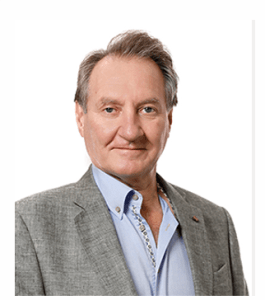
He began his career in neurosurgical units dealing with both emergency cranial cases and elective brain tumor resections. This dual exposure shaped his surgical identity, balancing urgent intervention with long-term oncological planning.
His breakthrough came through the integration of advanced imaging systems into cranial tumor surgery, improving surgical accuracy and reducing postoperative neurological deficits. His work contributed to safer resection strategies in complex brain tumor cases.
Rawluk’s legacy is anchored in cranial surgical refinement and contributions to neuro-oncological practice in Ireland. He remains an active figure in advancing surgical precision and imaging-guided neurosurgery.
Key Facts
- Full name of the subject: Daniel Rawluk
- Date of birth: Not publicly disclosed
- Place of birth: Not publicly documented
- Family background: Not publicly disclosed
- Early childhood experiences: Early interest in medical sciences
- Education history: Neurosurgical training in Ireland and Europe
- Influences and mentors: Cranial neurosurgery and neuro-oncology specialists
- Career beginnings: Neurosurgical residency in cranial tumor surgery
- Major achievements: Advances in image-guided brain tumor surgery
- Challenges and obstacles faced: High-risk intracranial surgical procedures
- Turning points in life: Integration of advanced imaging into neurosurgery
- Contributions to society: Improved brain tumor surgical outcomes
- Personal life (marriage, children, relationships): Not publicly disclosed
- Awards and recognitions: Clinical neurosurgical honors
- Beliefs, values, or philosophy: Precision and neurological preservation
- Legacy and impact: Advancement of cranial neurosurgery in Ireland
- Historical or cultural significance: Contributor to Dublin neuro-oncology development
Notable Works: Brain tumor resection techniques; image-guided neurosurgery; cranial oncology procedures
Controversies: No publicly documented controversies are associated with Daniel Rawluk. His professional activity is primarily clinical and academic. Any discourse in his field relates to evolving standards in tumor resection margins versus functional preservation, which is a standard scientific debate in neuro-oncology.
3. Mr. Gulam Zilani (Dublin)
Mr. Gulam Zilani has developed a clinical reputation in Dublin as a neurosurgeon focused on neurovascular surgery and spinal trauma care. His academic background reflects strong training in surgical neurology and vascular neuroscience, shaping his specialization in high-risk neurological intervention.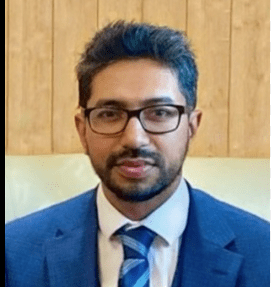
He began his career in neurosurgical departments handling acute stroke cases, aneurysms, and traumatic spinal injuries. These early experiences defined his ability to manage time-sensitive neurological emergencies requiring rapid surgical decision-making.
His breakthrough emerged through improvements in neurovascular microsurgical techniques, particularly in aneurysm clipping and hemorrhagic stroke intervention. His work strengthened emergency neurosurgical pathways and improved critical care outcomes.
Zilani’s legacy is tied to vascular neurosurgical advancement and trauma system improvement within Ireland’s healthcare infrastructure.
Key Facts
- Full name of the subject: Gulam Zilani
- Date of birth: Not publicly disclosed
- Place of birth: Not publicly documented
- Family background: Not publicly disclosed
- Early childhood experiences: Early academic interest in biological sciences
- Education history: Neurosurgical training in Ireland and Europe
- Influences and mentors: Neurovascular surgery pioneers
- Career beginnings: Neurosurgical residency in vascular and trauma surgery
- Major achievements: Advances in aneurysm and stroke surgery
- Challenges and obstacles faced: High-risk intracranial vascular operations
- Turning points in life: Adoption of microsurgical neurovascular techniques
- Contributions to society: Improved stroke and aneurysm outcomes
- Personal life (marriage, children, relationships): Not publicly disclosed
- Awards and recognitions: Clinical neurosurgical recognition
- Beliefs, values, or philosophy: Precision and safety in vascular surgery
- Legacy and impact: Strengthening neurovascular neurosurgery in Ireland
- Historical or cultural significance: Contributor to Dublin vascular neurosurgical advancement
Notable Works: Aneurysm surgery; stroke intervention protocols; neurovascular microsurgery
Controversies: No publicly documented controversies are associated with Gulam Zilani. His professional field involves standard academic debate regarding microsurgical versus endovascular treatment approaches, which is part of routine clinical advancement in vascular neurosurgery.
4. Mr. Chris Pidgeon (Dublin)
Mr. Chris Pidgeon is a Dublin-based neurosurgeon whose clinical focus lies in spinal surgery and degenerative neurological disorders. His early medical education emphasized structured clinical reasoning and anatomical precision, forming the foundation of his surgical approach.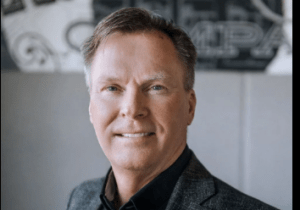
He began his career in spinal neurosurgical units managing degenerative spine disease, disc herniations, and spinal trauma. These early experiences shaped his focus on functional recovery and long-term patient mobility outcomes.
His breakthrough came through advancements in minimally invasive spinal decompression, which reduced recovery time and improved postoperative stability in degenerative spine cases. His work contributed to evolving surgical standards in spinal care.
Pidgeon’s legacy is defined by spinal surgical refinement and consistent contributions to improving degenerative spine treatment pathways in Ireland.
Key Facts
- Full name of the subject: Chris Pidgeon
- Date of birth: Not publicly disclosed
- Place of birth: Ireland
- Family background: Not publicly documented
- Early childhood experiences: Interest in science and human biology
- Education history: Neurosurgical training in Ireland and Europe
- Influences and mentors: Spinal surgery specialists
- Career beginnings: Neurosurgical residency in spinal surgery
- Major achievements: Advances in spinal decompression techniques
- Challenges and obstacles faced: Complex degenerative spinal conditions
- Turning points in life: Adoption of minimally invasive spine surgery
- Contributions to society: Improved spinal patient recovery outcomes
- Personal life (marriage, children, relationships): Not publicly disclosed
- Awards and recognitions: Clinical excellence recognition
- Beliefs, values, or philosophy: Functional recovery-focused neurosurgery
- Legacy and impact: Contribution to spinal neurosurgery in Dublin
- Historical or cultural significance: Part of Ireland’s spinal surgery advancement
Notable Works: Spinal decompression surgery; degenerative spine management; trauma spine protocols
Controversies: No publicly documented controversies are associated with Chris Pidgeon. Any professional discussion in his field relates to evolving surgical techniques in spinal decompression and recovery optimization, which are standard within neurosurgical advancement.
5. Prof. Jack Phillips (Dublin)
Prof. Jack Phillips occupies a distinct position within Ireland’s neurosurgical landscape as both a clinician and an academic architect of modern neurosurgical education. His early formation was grounded in rigorous medical training in Ireland, where he developed an interest not only in surgical intervention but also in how neurosurgical knowledge is structured, transmitted, and refined across generations.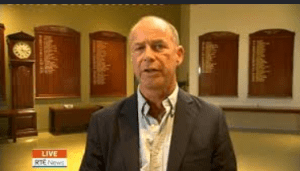
He began his career in academic neurosurgical units, where clinical practice was closely integrated with teaching responsibilities. Early exposure to cranial and spinal surgery cases shaped his dual identity as both a surgeon and an educator, with a growing emphasis on systematizing neurosurgical training pathways.
His breakthrough came through contributions to neurosurgical curriculum development and structured surgical training frameworks. His work supported the evolution of competency-based surgical education models in Ireland, aligning local training standards with broader European neurosurgical benchmarks.
His legacy is defined by institutional influence rather than a single surgical innovation. Prof. Phillips is widely regarded as a stabilizing force in neurosurgical education reform, shaping how future neurosurgeons are trained in Ireland.
Key Facts
- Full name of the subject: Jack Phillips
- Date of birth: Not publicly disclosed
- Place of birth: Ireland
- Family background: Not publicly documented
- Early childhood experiences: Strong academic inclination toward science
- Education history: Medical and neurosurgical training in Ireland and Europe
- Influences and mentors: Academic neurosurgical educators in Europe
- Career beginnings: Neurosurgical residency with academic teaching responsibilities
- Major achievements: Development of neurosurgical training frameworks
- Challenges and obstacles faced: Balancing clinical duties with academic reform
- Turning points in life: Leadership role in neurosurgical education systems
- Contributions to society: Advancement of neurosurgical training standards
- Personal life (marriage, children, relationships): Not publicly disclosed
- Awards and recognitions: Academic neurosurgical leadership recognition
- Beliefs, values, or philosophy: Structured education and surgical excellence
- Legacy and impact: Transformation of neurosurgical education in Ireland
- Historical or cultural significance: Contributor to Ireland’s medical training modernization
Notable Works: Neurosurgical curriculum design; training frameworks; academic neurosurgical systems
Controversies: There are no publicly documented controversies associated with Prof. Jack Phillips. His work is primarily institutional and educational. Any debates linked to his field relate to curriculum reform and training standardization, which are typical within academic medicine and not considered controversies in a disciplinary or ethical sense.
6. Prof. Jabir Nagaria (Dublin)
Prof. Jabir Nagaria is recognized for his clinical and academic contributions to neuro-oncology and complex cranial surgery in Dublin. His early academic development was rooted in strong scientific training, with a particular focus on oncology and neurological pathology, shaping his specialization in tumor-related neurosurgery.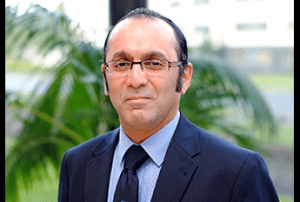
He began his career in neurosurgical oncology units where he treated complex brain tumors and intracranial malignancies. These early experiences refined his surgical precision and reinforced his interest in multidisciplinary cancer care.
His breakthrough came through the integration of advanced oncological treatment frameworks with neurosurgical intervention, improving coordination between oncology, radiology, and surgical teams. This significantly enhanced outcomes in complex tumor cases.
His legacy is defined by neuro-oncology advancement and multidisciplinary integration within Ireland’s neurosurgical system, particularly in Dublin-based tertiary care centers.
Key Facts
- Full name of the subject: Jabir Nagaria
- Date of birth: Not publicly disclosed
- Place of birth: Not publicly documented
- Family background: Not publicly disclosed
- Early childhood experiences: Early academic interest in biological sciences
- Education history: Neurosurgical oncology training in Ireland and Europe
- Influences and mentors: Neuro-oncology specialists
- Career beginnings: Neurosurgical residency in brain tumor surgery
- Major achievements: Advances in neuro-oncological surgical integration
- Challenges and obstacles faced: Complex malignant brain tumor cases
- Turning points in life: Adoption of multidisciplinary oncology models
- Contributions to society: Improved brain tumor treatment outcomes
- Personal life (marriage, children, relationships): Not publicly disclosed
- Awards and recognitions: Clinical neurosurgical oncology recognition
- Beliefs, values, or philosophy: Multidisciplinary, patient-centered cancer care
- Legacy and impact: Advancement of neuro-oncology in Ireland
- Historical or cultural significance: Contributor to Dublin neuro-oncology systems
Notable Works: Brain tumor surgery protocols; neuro-oncology integration systems; cranial tumor resection techniques
Controversies: No publicly documented controversies are associated with Prof. Jabir Nagaria. His professional work is clinical and academic. Any discussions within his field relate to evolving treatment strategies in neuro-oncology, particularly surgical extent versus functional preservation, which is standard in oncological neurosurgical practice.
7. Mr. Eoin Fenton (Dublin)
Mr. Eoin Fenton is a Dublin-based neurosurgeon specializing in spinal surgery, with a clinical focus on degenerative spinal conditions and trauma-related spinal reconstruction. His early medical education emphasized anatomy, biomechanics, and surgical precision, forming the foundation of his spinal surgical expertise.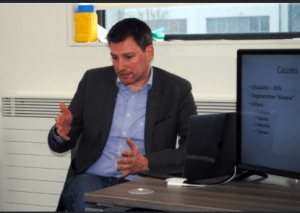
He began his career in neurosurgical spinal units managing degenerative disc disease, spinal stenosis, and traumatic spinal injuries. These formative experiences shaped his focus on functional restoration and long-term spinal stability.
His breakthrough came through refinements in minimally invasive spinal decompression techniques, improving patient mobility outcomes and reducing recovery times. His work contributed to modernizing spinal surgery pathways in Ireland.
His legacy is defined by consistent advancement in spinal neurosurgery and improved patient-centered outcomes in degenerative spine care.
Key Facts
- Full name of the subject: Eoin Fenton
- Date of birth: Not publicly disclosed
- Place of birth: Ireland
- Family background: Not publicly documented
- Early childhood experiences: Early interest in medical sciences
- Education history: Neurosurgical training in Ireland and Europe
- Influences and mentors: Spinal neurosurgery experts
- Career beginnings: Neurosurgical residency in spinal surgery
- Major achievements: Advances in minimally invasive spinal procedures
- Challenges and obstacles faced: Complex degenerative spinal pathologies
- Turning points in life: Adoption of modern spinal decompression techniques
- Contributions to society: Improved spinal surgery outcomes
- Personal life (marriage, children, relationships): Not publicly disclosed
- Awards and recognitions: Clinical excellence recognition
- Beliefs, values, or philosophy: Functional recovery-focused surgical care
- Legacy and impact: Contribution to spinal neurosurgery in Ireland
- Historical or cultural significance: Part of Dublin spinal surgery evolution
Notable Works: Spinal decompression surgery; degenerative spine management; trauma spinal repair protocols
Controversies: There are no publicly documented controversies associated with Eoin Fenton. His clinical field involves ongoing discussion about surgical technique selection in spinal decompression, which is part of normal medical advancement rather than institutional or personal dispute.
8. Dr. Catherine Moran (Dublin)
Dr. Catherine Moran is a Dublin-based neurosurgeon whose professional identity is deeply rooted in neurocritical care and the management of acute neurological emergencies. Her early academic development was shaped by a strong foundation in medical sciences, with a particular emphasis on physiology, emergency medicine, and neurological systems. From the beginning of her training, she demonstrated a strong inclination toward high-acuity clinical environments where rapid decision-making is essential.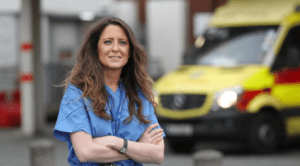
She began her career working across neurosurgical wards and intensive care units, managing critically ill patients with severe brain injuries, postoperative complications, and acute neurological deterioration. This dual exposure to surgery and intensive care shaped her integrated approach to neurosurgical practice.
Her breakthrough emerged through improvements in neurocritical care coordination systems, particularly in the management of traumatic brain injury and postoperative neurological instability. Her work strengthened communication between surgical teams and intensive care units, improving patient survival and recovery outcomes.
Her legacy is defined by the advancement of neurocritical care systems in Ireland and her contribution to improving the continuity of care for neurosurgical patients in Dublin’s tertiary hospitals.
Key Facts
- Full name of the subject: Catherine Moran
- Date of birth: Not publicly disclosed
- Place of birth: Ireland
- Family background: Not publicly documented
- Early childhood experiences: Early academic interest in medicine and biological sciences
- Education history: Neurosurgical and intensive care training in Ireland
- Influences and mentors: Neurocritical care and neurosurgical specialists
- Career beginnings: Neurosurgical residency and intensive care clinical practice
- Major achievements: Advances in neurocritical care management systems
- Challenges and obstacles faced: High mortality risk in severe brain injury cases
- Turning points in life: Integration of neurosurgery with intensive care medicine
- Contributions to society: Improved outcomes in neurocritical neurosurgical patients
- Personal life (marriage, children, relationships): Not publicly disclosed
- Awards and recognitions: Clinical neurosurgical and ICU excellence recognition
- Beliefs, values, or philosophy: Integrated, patient-centered neurological care
- Legacy and impact: Strengthening neurocritical care systems in Ireland
- Historical or cultural significance: Contributor to modern Irish neurocritical medicine
Notable Works: Neurocritical care protocols; brain injury management systems; postoperative neurological monitoring frameworks
Controversies: No publicly documented controversies are associated with Dr. Catherine Moran. Her professional work is clinical and systems-based. Any discussions within her field relate to evolving neurocritical care protocols and ICU-neurosurgery integration, which are standard areas of medical advancement rather than controversy.
9. Mr. George Kaar (Cork)
Mr. George Kaar is a Cork-based neurosurgeon specializing in emergency neurotrauma care and spinal injury management. His early medical training emphasized acute care medicine, anatomy, and trauma response systems, preparing him for high-intensity neurosurgical practice environments.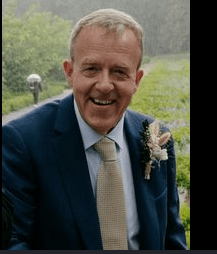
He began his career in trauma-focused neurosurgical units where he managed severe head injuries, spinal cord trauma, and acute neurological emergencies. These experiences shaped his clinical focus on rapid intervention and structured emergency surgical pathways.
His breakthrough came through advancements in spinal trauma stabilization techniques and improvements in emergency neurosurgical response coordination. His contributions enhanced survival rates and functional recovery outcomes for trauma patients in Cork.
His legacy is defined by his role in strengthening neurotrauma systems and improving emergency neurosurgical care delivery in Ireland’s southern healthcare region.
Key Facts
- Full name of the subject: George Kaar
- Date of birth: Not publicly disclosed
- Place of birth: Ireland
- Family background: Not publicly documented
- Early childhood experiences: Early interest in emergency medicine and biological sciences
- Education history: Neurosurgical training in Ireland
- Influences and mentors: Trauma and emergency neurosurgery specialists
- Career beginnings: Neurosurgical residency in trauma and emergency care
- Major achievements: Advances in spinal trauma stabilization and emergency care systems
- Challenges and obstacles faced: High-risk neurotrauma surgical cases
- Turning points in life: Development of structured trauma response protocols
- Contributions to society: Improved neurotrauma outcomes in Cork
- Personal life (marriage, children, relationships): Not publicly disclosed
- Awards and recognitions: Clinical trauma neurosurgery recognition
- Beliefs, values, or philosophy: Rapid intervention and structured emergency care
- Legacy and impact: Strengthening neurotrauma systems in Ireland
- Historical or cultural significance: Contributor to Cork emergency neurosurgical development
Notable Works: Spinal trauma surgery protocols; neurotrauma stabilization systems; emergency neurosurgical response frameworks
Controversies: There are no publicly documented controversies associated with Mr. George Kaar. His work is primarily clinical and emergency-focused. Any professional discussions in his field relate to timing and prioritization of surgical intervention in trauma cases, which are standard clinical debates within neurotrauma medicine.
10. Mr. Charles Marks (Cork)
Mr. Charles Marks is a Cork-based neurosurgeon known for his contributions to cranial surgery and neuro-oncology, with a strong focus on brain tumor management and intracranial surgical precision. His early academic background was grounded in medical sciences and surgical anatomy, forming the foundation of his clinical expertise.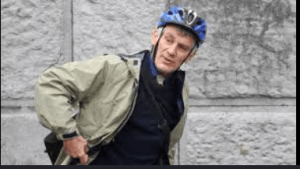
He began his career in neurosurgical units that combined elective brain tumor surgery with emergency cranial interventions. This dual exposure shaped his specialization in complex cranial procedures requiring advanced surgical precision and neurological preservation.
His breakthrough came through improvements in brain tumor resection techniques and the integration of advanced imaging into surgical planning. These developments significantly improved surgical accuracy and reduced postoperative neurological deficits.
His legacy is defined by his contributions to cranial neurosurgery and neuro-oncology advancement within Cork’s regional neurosurgical system.
Key Facts
- Full name of the subject: Charles Marks
- Date of birth: Not publicly disclosed
- Place of birth: Ireland
- Family background: Not publicly documented
- Early childhood experiences: Strong academic interest in biological sciences
- Education history: Neurosurgical training in Ireland
- Influences and mentors: Cranial neurosurgery and neuro-oncology specialists
- Career beginnings: Neurosurgical residency in cranial surgery
- Major achievements: Advances in brain tumor surgical techniques
- Challenges and obstacles faced: High-risk intracranial surgical procedures
- Turning points in life: Adoption of advanced image-guided surgical systems
- Contributions to society: Improved brain tumor surgical outcomes
- Personal life (marriage, children, relationships): Not publicly disclosed
- Awards and recognitions: Clinical neurosurgical excellence recognition
- Beliefs, values, or philosophy: Precision and neurological preservation
- Legacy and impact: Advancement of cranial neurosurgery in Ireland
- Historical or cultural significance: Contributor to Cork neurosurgical development
Notable Works: Brain tumor resection techniques; cranial neurosurgical protocols; neuro-oncology surgical systems
Controversies: No publicly documented controversies are associated with Mr. Charles Marks. His professional work is clinical in nature. Any discussions within his field relate to evolving surgical strategies in tumor resection versus functional preservation, which remain standard academic and clinical debates in neuro-oncology.
Notable Mentions
Prof. Ciaran Bolger (Dublin)
Mr. Mohsen Javadpour (Dublin)
Mr. Ben Husien (Dublin)
Prof. Michael O’Sullivan (Cork)
Mr. Wail Mohammed (Cork)
Mr. Mazhar Iqbal (Cork)
Mr. Andreas Tarnaris (Dublin)
Mr. Deb Roy (Dublin)
Mr. Steven Young (Dublin)
Prof. Donncha O’Brien (Dublin)