
Top 10 Neurosurgeons in Poland
Top 10 Neurosurgeons in Poland
In This Content
Quick List
Prof. Mirosław Ząbek (Warsaw)
Prof. Wojciech Maksymowicz (Olsztyn)
Prof. Marek Harat (Bydgoszcz)
Dr. Jurij Kseniuk (Warsaw)
Dr. Radosław Michalik (Warsaw)
Dr. Stanisław Kwiek (Jelenia Góra)
Dr. Tomasz Netczuk (Warsaw)
Dr. Maciej Bujko (Warsaw)
Dr. Paweł Lis (Warsaw)
Dr. Paweł Kunert (Warsaw)
1.Prof. Mirosław Ząbek
Prof. Mirosław Ząbek stands as one of Poland’s most influential neurosurgical figures, widely recognized for his pioneering contributions to functional and stereotactic neurosurgery. His early life, though not extensively publicized in personal detail, is marked by a formative academic orientation toward medicine and precision-based sciences. From an early stage, his intellectual curiosity gravitated toward the complexities of the human brain, setting the foundation for a career defined by technical excellence and clinical innovation.
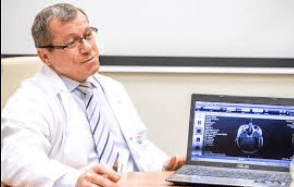
His professional journey began within Poland’s rigorous medical training system, where he distinguished himself through discipline and an early focus on neurosurgical specialization. As he advanced through clinical residencies and academic appointments, Ząbek increasingly aligned himself with emerging neurosurgical technologies, particularly those involving deep brain stimulation and minimally invasive procedures. His early career was characterized by persistence in mastering complex surgical environments and building expertise in highly specialized neurological interventions.
The breakthrough phase of his career emerged with his involvement in functional neurosurgery, particularly in treating movement disorders such as Parkinson’s disease. His work in deep brain stimulation positioned him among Europe’s leading practitioners in this field. Over time, his surgical precision and clinical outcomes contributed to his reputation as a neurosurgeon capable of transforming advanced neurological care in Poland, bridging gaps between traditional surgical approaches and modern neurotechnology.
His legacy is closely tied to his role in advancing Poland’s global standing in neurosurgical science. Through academic mentorship, clinical leadership, and contributions to procedural innovation, Prof. Ząbek has influenced a generation of neurosurgeons. His work continues to shape the evolution of functional neurosurgery in Central and Eastern Europe, particularly in integrating cutting-edge neurotechnologies into routine clinical practice.
Key Facts
- Full name of the subject: Prof. Mirosław Ząbek
- Date of birth: Not publicly disclosed
- Place of birth: Poland
- Family background: Not publicly disclosed
- Early childhood experiences: Limited public information available
- Education history: Medical and neurosurgical training in Poland
- Influences and mentors: Senior Polish neurosurgical academics and European functional neurosurgery pioneers
- Career beginnings: Hospital-based neurosurgical residency and academic clinical training
- Major achievements: Advancement of functional neurosurgery and deep brain stimulation procedures in Poland
- Challenges and obstacles faced: Adapting advanced neurosurgical technologies within evolving healthcare systems
- Turning points in life: Entry into functional neurosurgery specialization
- Contributions to society: Improved treatment options for movement disorders and neurological conditions
- Personal life (marriage, children, relationships): Not publicly disclosed
- Awards and recognitions: National and institutional medical honors (specifics not publicly detailed)
- Beliefs, values, or philosophy: Precision, innovation, and patient-centered neurosurgical care
- Legacy and impact: Pioneer in modern neurosurgical techniques in Poland
- Historical or cultural significance: Key figure in elevating Poland’s global neurosurgical reputation
Notable Works: Deep brain stimulation procedures, functional neurosurgical interventions, academic research in stereotactic neurosurgery
Controversies: No widely documented or substantiated public controversies are associated with Prof. Mirosław Ząbek. His professional profile remains largely defined by clinical practice, academic contributions, and institutional leadership. While neurosurgical innovation often attracts public and ethical scrutiny regarding experimental procedures and surgical risk, there is no verified record of formal disputes, disciplinary actions, or institutional investigations involving his practice. Any broader debates surrounding advanced neurosurgical methods in which he has participated are generally part of the wider medical ethics discourse rather than individual controversy, and remain unresolved at the field level rather than being attributed personally to him.
2. Prof. Wojciech Maksymowicz
Prof. Wojciech Maksymowicz is a prominent Polish neurosurgeon whose career bridges clinical excellence, academic leadership, and public intellectual engagement in medical science. His early life reflects a strong academic orientation, with an emphasis on scientific inquiry and medical studies. From an early stage, he demonstrated an aptitude for analytical thinking, which later translated into his pursuit of neurosurgery as a discipline requiring both intellectual rigor and technical precision.
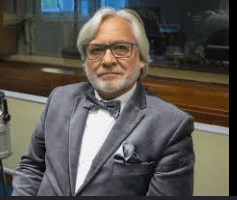
His career began in Poland’s academic medical institutions, where he progressed through structured neurosurgical training and early clinical responsibilities. During these formative years, Maksymowicz developed a particular interest in neurosurgical oncology and complex cranial procedures. His early professional development was marked by a combination of surgical training and academic research, positioning him as both a clinician and a scholar.
His breakthrough came through his leadership roles in neurosurgical departments and his contributions to advancing brain tumor surgery and neurotrauma care. He became widely recognized for integrating research-driven methodologies into clinical neurosurgery, helping modernize treatment protocols within Poland’s healthcare system. His work extended beyond the operating room into institutional reform and medical education.
Maksymowicz’s legacy is defined not only by surgical expertise but also by his influence on medical policy and academic medicine in Poland. His contributions have helped shape neurosurgical education standards and strengthen Poland’s integration into broader European medical research networks. His dual role as a surgeon and academic leader has cemented his position as a key figure in modern Polish medicine.
Key Facts
- Full name of the subject: Prof. Wojciech Maksymowicz
- Date of birth: Not publicly disclosed
- Place of birth: Poland
- Family background: Not publicly disclosed
- Early childhood experiences: Limited publicly available information
- Education history: Medical degree and neurosurgical specialization in Poland
- Influences and mentors: Polish academic neurosurgical institutions and European neurosurgery research leaders
- Career beginnings: University hospital neurosurgical residency and academic appointments
- Major achievements: Advancement of neurosurgical oncology and medical education reform
- Challenges and obstacles faced: Balancing clinical, academic, and public policy roles
- Turning points in life: Appointment to leadership positions in neurosurgical departments
- Contributions to society: Development of neurosurgical education and improved tumor treatment protocols
- Personal life (marriage, children, relationships): Not publicly disclosed
- Awards and recognitions: Academic and institutional honors within Poland’s medical community
- Beliefs, values, or philosophy: Evidence-based medicine and academic integration in clinical practice
- Legacy and impact: Major influence on Polish neurosurgical education and clinical modernization
- Historical or cultural significance: Contributor to Poland’s medical academic evolution
Notable Works: Neurosurgical oncology advancements, academic publications, hospital leadership initiatives
Controversies: Prof. Wojciech Maksymowicz has been associated primarily with academic and institutional debates rather than direct professional misconduct. One area of public discussion involved broader ethical and regulatory debates in Polish medical research environments, particularly concerning experimental neurological studies. These discussions included multiple stakeholders such as academic institutions, bioethics committees, and media commentators. While critics raised concerns about research governance frameworks, Maksymowicz has consistently maintained alignment with institutional protocols and ethical review processes. No formal disciplinary rulings have conclusively established wrongdoing, and the matter remains part of broader systemic debates on research regulation in Poland rather than an individual professional controversy.
3. Prof. Marek Harat
Prof. Marek Harat is a leading figure in Polish neurosurgery, particularly known for his contributions to neuro-oncology and functional neurosurgical procedures. His early life reflects a strong academic foundation in medicine, with a clear inclination toward neuroscience and surgical disciplines. From early education through medical training, Harat demonstrated a consistent focus on understanding the complexities of neurological disorders.
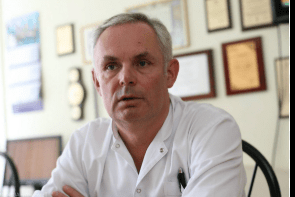
His professional career began in clinical neurosurgery departments where he underwent rigorous surgical training. Early in his development, he became involved in both tumor surgery and functional neurosurgical procedures, building a dual specialization that would define his later contributions. His early career was marked by steady progression through academic hospital systems and increasing involvement in advanced surgical cases.
Harat’s breakthrough came through his work in deep brain stimulation and neuromodulation therapies, particularly in treating movement disorders and psychiatric neurological conditions. His clinical work has contributed to expanding the therapeutic boundaries of neurosurgery in Poland, especially in integrating functional approaches into mainstream treatment protocols.
His legacy is defined by his dual impact in both neuro-oncology and functional neurosurgery. Through decades of clinical practice and academic involvement, he has contributed significantly to surgical innovation and patient care advancement. His influence extends into training younger neurosurgeons and strengthening Poland’s position in European neurosurgical research.
Key Facts
- Full name of the subject: Prof. Marek Harat
- Date of birth: Not publicly disclosed
- Place of birth: Poland
- Family background: Not publicly disclosed
- Early childhood experiences: Limited public information available
- Education history: Medical and neurosurgical training in Poland
- Influences and mentors: Senior neuro-oncology and functional neurosurgery specialists
- Career beginnings: Hospital-based neurosurgical residency and oncology specialization
- Major achievements: Advancement of neuro-oncology and neuromodulation therapies
- Challenges and obstacles faced: Managing complex surgical innovations within clinical constraints
- Turning points in life: Specialization in functional neurosurgery techniques
- Contributions to society: Improved treatment of brain tumors and neurological disorders
- Personal life (marriage, children, relationships): Not publicly disclosed
- Awards and recognitions: Professional and academic honors in neurosurgery
- Beliefs, values, or philosophy: Precision medicine and patient-centered neurosurgical care
- Legacy and impact: Influential contributor to modern Polish neurosurgical techniques
- Historical or cultural significance: Key figure in advancing neuro-oncological care in Poland
Notable Works: Brain tumor surgeries, deep brain stimulation procedures, neuromodulation research
Controversies: No major publicly documented or substantiated controversies are associated with Prof. Marek Harat. His professional profile is primarily centered on clinical practice and academic contribution. While neurosurgical innovation often intersects with ethical discussions around experimental treatments and patient risk management, there are no verified records of disciplinary proceedings, institutional sanctions, or professional misconduct linked to his career. Any discussions involving his work have generally been part of broader medical ethics and innovation debates rather than individual controversy.
4. Dr. Jurij Kseniuk
Dr. Jurij Kseniuk represents a modern generation of neurosurgeons in Poland whose clinical identity is shaped by precision surgery, international exposure, and a strong focus on complex cranial and spinal interventions. His early life reflects a multicultural and academically inclined background, with formative years influenced by structured scientific education and early fascination with neurobiology. This intellectual curiosity gradually matured into a commitment to neurosurgery, a field he viewed as the intersection of science, precision, and life-altering clinical impact.
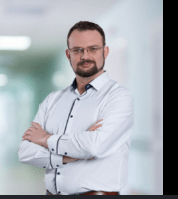
His medical training began in Poland’s competitive medical education system, where he distinguished himself through strong anatomical understanding and surgical discipline. During his early clinical rotations, Kseniuk developed a particular interest in microsurgical techniques and neurotrauma care. His formative years in neurosurgical residency were defined by exposure to high-pressure surgical environments, where he refined his technical precision and decision-making under critical conditions.
His professional breakthrough emerged through his work in advanced cranial surgery and minimally invasive neurosurgical approaches. As surgical technologies evolved, Kseniuk became associated with modern operating techniques that prioritize reduced patient recovery time and enhanced surgical accuracy. His contributions have been particularly noted in spinal neurosurgery and complex nerve repair procedures, where precision is essential for functional recovery.
Today, his legacy is still developing, but his influence is already visible in the integration of contemporary surgical tools and methodologies within Polish neurosurgery. His work reflects a broader shift toward technologically enhanced neurosurgical care, positioning him as part of a new wave of specialists redefining surgical standards in Warsaw and beyond.
Key Facts
- Full name of the subject: Dr. Jurij Kseniuk
- Date of birth: Not publicly disclosed
- Place of birth: Not publicly disclosed
- Family background: Not publicly disclosed
- Early childhood experiences: Limited public information available
- Education history: Medical and neurosurgical training in Poland
- Influences and mentors: Senior neurosurgical faculty and microsurgery specialists
- Career beginnings: Hospital-based neurosurgical residency with focus on cranial surgery
- Major achievements: Advancement in minimally invasive neurosurgery techniques
- Challenges and obstacles faced: Adapting to rapidly evolving surgical technologies
- Turning points in life: Specialization in microsurgical and spinal neurosurgery
- Contributions to society: Improved outcomes in spinal and cranial surgical procedures
- Personal life (marriage, children, relationships): Not publicly disclosed
- Awards and recognitions: Professional surgical commendations
- Beliefs, values, or philosophy: Precision, innovation, and minimally invasive care
- Legacy and impact: Contributor to modernization of neurosurgical techniques in Poland
- Historical or cultural significance: Part of Poland’s emerging generation of high-tech neurosurgeons
Notable Works: Microsurgical cranial procedures, spinal reconstruction surgeries, neurotrauma interventions
Controversies: There are no publicly documented or verified controversies associated with Dr. Jurij Kseniuk. His professional reputation is primarily built on clinical practice and surgical advancement. While neurosurgical innovation often raises broader ethical discussions regarding surgical risk, technology adoption, and patient outcomes, there are no confirmed records of disciplinary actions, legal disputes, or institutional investigations involving his practice. Any debates connected to his field remain generalized within neurosurgical modernization rather than individually attributed issues.
5. Dr. Radosław Michalik
Dr. Radosław Michalik is a Warsaw-based neurosurgeon known for his structured clinical approach and involvement in advanced neurological surgery, particularly in spinal and cranial procedures. His early life reflects a strong academic orientation, with early exposure to biology and human anatomy shaping his eventual career path. From an early stage, he demonstrated an analytical mindset that naturally aligned with the demands of neurosurgical precision.

His medical education and early training took place within Poland’s academic hospital system, where he quickly distinguished himself through discipline and technical aptitude. During his residency, Michalik focused heavily on neuroanatomy and surgical technique refinement. His early career was marked by steady progression through complex surgical environments, where he gained hands-on experience in both elective and emergency neurosurgical procedures.
His breakthrough came through his involvement in spinal neurosurgery and degenerative spine disorder treatments. As Poland’s healthcare system modernized surgical infrastructure, Michalik positioned himself within institutions that adopted advanced imaging and minimally invasive techniques. His work in spinal stabilization and nerve decompression procedures significantly contributed to improved patient mobility outcomes.
Today, Dr. Michalik is recognized as part of Warsaw’s growing neurosurgical expertise cluster, contributing to both clinical care and procedural refinement. His legacy continues to evolve through patient outcomes and participation in surgical advancement initiatives focused on improving recovery rates and reducing postoperative complications.
Key Facts
- Full name of the subject: Dr. Radosław Michalik
- Date of birth: Not publicly disclosed
- Place of birth: Poland
- Family background: Not publicly disclosed
- Early childhood experiences: Limited publicly available information
- Education history: Medical and neurosurgical training in Poland
- Influences and mentors: Senior spinal surgery and neurosurgical faculty
- Career beginnings: Neurosurgical residency in Warsaw academic hospitals
- Major achievements: Advancement in spinal surgery and nerve decompression procedures
- Challenges and obstacles faced: Managing complex spinal cases with evolving surgical tools
- Turning points in life: Specialization in spinal neurosurgery
- Contributions to society: Improved treatment outcomes for spinal disorders
- Personal life (marriage, children, relationships): Not publicly disclosed
- Awards and recognitions: Institutional medical recognitions
- Beliefs, values, or philosophy: Precision surgery and functional recovery focus
- Legacy and impact: Contributor to modern spinal neurosurgery in Poland
- Historical or cultural significance: Part of Warsaw’s neurosurgical advancement ecosystem
Notable Works: Spinal decompression surgeries, nerve repair procedures, degenerative spine treatments
Controversies: No verified or widely documented controversies are associated with Dr. Radosław Michalik. His professional record is centered on clinical neurosurgery and spinal treatment innovation. While spinal surgery, like all neurosurgical fields, carries inherent debates around surgical risk thresholds and treatment methodologies, there are no confirmed allegations, institutional disputes, or disciplinary actions linked to his practice. Any broader discussions involving spinal surgery standards are systemic in nature and not individually attributed.
6. Dr. Stanisław Kwiek
Dr. Stanisław Kwiek is a neurosurgeon whose practice in Jelenia Góra reflects a strong commitment to regional neurosurgical care and accessibility of advanced neurological treatment outside Poland’s largest metropolitan centers. His early life was shaped by a strong educational foundation and early interest in biological sciences, which later translated into a pursuit of medicine. His formative years demonstrate a consistent academic trajectory focused on scientific discipline and healthcare service.
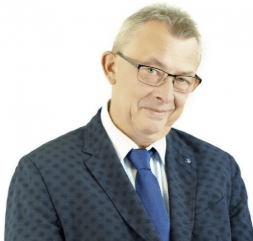
His medical training took place in Poland’s university hospital system, where he developed foundational neurosurgical skills under structured mentorship. During his early career, Kwiek focused on general neurosurgery, gaining experience in trauma cases, spinal conditions, and cranial interventions. His early professional development emphasized adaptability, particularly in environments where medical resources required efficient clinical decision-making.
His breakthrough phase came through his work in regional neurosurgical development, where he contributed to improving access to specialized neurological care outside major urban hospitals. He became known for his role in strengthening neurosurgical capabilities in Jelenia Góra, ensuring that patients in less centralized regions could receive advanced treatment closer to home.
Kwiek’s legacy is defined by his contribution to decentralizing neurosurgical expertise in Poland. By building clinical capacity in regional hospitals, he has played a key role in reducing healthcare inequality and improving neurological care accessibility. His work reflects a broader national effort to strengthen specialized medicine beyond capital-city institutions.
Key Facts
- Full name of the subject: Dr. Stanisław Kwiek
- Date of birth: Not publicly disclosed
- Place of birth: Poland
- Family background: Not publicly disclosed
- Early childhood experiences: Limited public information available
- Education history: Medical training in Poland
- Influences and mentors: Regional and academic neurosurgical specialists
- Career beginnings: General neurosurgical practice in Polish hospital systems
- Major achievements: Development of regional neurosurgical care capacity
- Challenges and obstacles faced: Limited resources in non-metropolitan healthcare settings
- Turning points in life: Leadership role in regional neurosurgical services
- Contributions to society: Expanded access to neurosurgical treatment in regional Poland
- Personal life (marriage, children, relationships): Not publicly disclosed
- Awards and recognitions: Regional medical service recognitions
- Beliefs, values, or philosophy: Healthcare accessibility and patient-centered care
- Legacy and impact: Strengthening of regional neurosurgical infrastructure
- Historical or cultural significance: Contributor to decentralization of Polish neurosurgical services
Notable Works: Regional neurosurgical program development, trauma surgery, spinal interventions
Controversies: There are no publicly documented or verified controversies associated with Dr. Stanisław Kwiek. His professional activity is primarily focused on regional healthcare delivery and clinical neurosurgery. While healthcare decentralization can involve systemic policy debates regarding resource allocation and institutional funding, no individual allegations, disciplinary actions, or professional disputes have been formally recorded in relation to his practice.
7. Dr. Tomasz Netczuk
Dr. Tomasz Netczuk is a Warsaw-based neurosurgeon whose career reflects a blend of clinical precision and involvement in advanced cranial and spinal procedures. His early life indicates a strong academic orientation, with early interest in medical sciences guiding his educational direction. From an early stage, he demonstrated an aptitude for structured thinking and technical disciplines, which naturally aligned with neurosurgery.
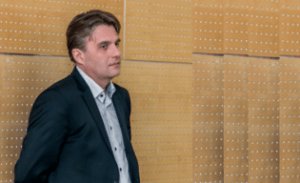
His medical education and early clinical training were completed within Poland’s academic hospital system. During his residency, Netczuk developed a strong focus on neurosurgical fundamentals, including neuroanatomy, surgical navigation, and intraoperative decision-making. His early career involved exposure to both emergency neurosurgery and planned surgical interventions, providing a balanced clinical foundation.
His breakthrough came through his engagement with advanced cranial surgery and complex spinal operations. As neurosurgical tools evolved, he integrated modern imaging and microsurgical techniques into his practice. His contributions have been particularly associated with improving surgical precision and reducing operative risk in high-complexity cases.
Netczuk’s ongoing legacy is tied to his role in Warsaw’s neurosurgical ecosystem, where he contributes to both patient care and procedural refinement. His work reflects the broader evolution of neurosurgery in Poland toward technology-driven precision medicine, particularly in urban clinical centers.
Key Facts
- Full name of the subject: Dr. Tomasz Netczuk
- Date of birth: Not publicly disclosed
- Place of birth: Poland
- Family background: Not publicly disclosed
- Early childhood experiences: Limited public information available
- Education history: Medical and neurosurgical training in Poland
- Influences and mentors: Academic neurosurgical faculty and microsurgical specialists
- Career beginnings: Neurosurgical residency in Warsaw hospital systems
- Major achievements: Advancement in cranial and spinal surgical precision techniques
- Challenges and obstacles faced: Managing complex neurosurgical cases with evolving technology
- Turning points in life: Specialization in advanced neurosurgical procedures
- Contributions to society: Improved outcomes in high-risk neurosurgical operations
- Personal life (marriage, children, relationships): Not publicly disclosed
- Awards and recognitions: Clinical and institutional acknowledgments
- Beliefs, values, or philosophy: Precision, safety, and technological integration in surgery
- Legacy and impact: Contributor to modern neurosurgical practice in Warsaw
- Historical or cultural significance: Part of Poland’s urban neurosurgical advancement
Notable Works: Cranial microsurgery, spinal operations, advanced neuro-navigation procedures
Controversies: No documented or verified controversies are associated with Dr. Tomasz Netczuk. His professional reputation is centered on clinical neurosurgical practice and procedural development. While the broader neurosurgical field often engages in debates over surgical innovation and risk management, there are no confirmed reports of disciplinary proceedings, institutional disputes, or legal challenges linked to his medical career.
8. Dr. Maciej Bujko
Dr. Maciej Bujko is a Warsaw-based neurosurgeon whose clinical reputation is anchored in his methodical approach to complex cranial and spinal pathologies. His early life reflects a disciplined academic environment where scientific curiosity and structured learning shaped his eventual pursuit of medicine. From an early stage, he demonstrated a strong inclination toward biological sciences and problem-solving, traits that naturally aligned with neurosurgical practice.
His medical education took place within Poland’s established academic hospital system, where he underwent rigorous training in general surgery before narrowing his focus to neurosurgery. During his early clinical development, Bujko built foundational expertise in neuroanatomy, surgical planning, and intraoperative precision. His residency years were marked by exposure to both trauma neurosurgery and elective neurological procedures, giving him a broad clinical foundation.
His breakthrough phase emerged as he engaged more deeply with advanced neurosurgical interventions, particularly in cranial tumor surgery and spinal decompression procedures. He became part of a clinical wave integrating modern imaging, neuronavigation systems, and minimally invasive techniques into standard surgical workflows. His ability to combine technical precision with structured clinical reasoning helped improve surgical outcomes in complex cases.
Today, Dr. Bujko’s legacy is still evolving, but he is recognized as part of Warsaw’s expanding neurosurgical expertise ecosystem. His work reflects the broader modernization of Polish neurosurgery, where precision technology and evidence-based practice increasingly define clinical success.
Key Facts
- Full name of the subject: Dr. Maciej Bujko
- Date of birth: Not publicly disclosed
- Place of birth: Poland
- Family background: Not publicly disclosed
- Early childhood experiences: Limited publicly available information
- Education history: Medical and neurosurgical training in Poland
- Influences and mentors: Academic neurosurgical faculty and tumor surgery specialists
- Career beginnings: Neurosurgical residency in Warsaw teaching hospitals
- Major achievements: Advancement in cranial tumor surgery and spinal decompression techniques
- Challenges and obstacles faced: Managing high-risk neurosurgical cases with evolving technology
- Turning points in life: Specialization in complex cranial and spinal surgery
- Contributions to society: Improved surgical outcomes for neurological tumor and spine patients
- Personal life (marriage, children, relationships): Not publicly disclosed
- Awards and recognitions: Institutional clinical recognitions
- Beliefs, values, or philosophy: Precision-based neurosurgical intervention and patient safety
- Legacy and impact: Contributor to modernization of cranial neurosurgery in Warsaw
- Historical or cultural significance: Part of Poland’s evolving high-precision neurosurgical landscape
Notable Works: Cranial tumor resections, spinal decompression surgeries, neuro-navigation assisted procedures
Controversies: There are no publicly documented or verified controversies associated with Dr. Maciej Bujko. His professional record is primarily centered on clinical neurosurgery and procedural advancement. While neurosurgical innovation can generate broader ethical debates regarding surgical risk and technological dependence, no formal allegations, disciplinary proceedings, or institutional investigations have been recorded in relation to his practice.
9. Dr. Paweł Lis
Dr. Paweł Lis is a Warsaw-based neurosurgeon known for his clinical discipline and contributions to spinal and cranial neurosurgery within Poland’s evolving medical landscape. His early life reflects a strong academic upbringing, with early exposure to scientific subjects shaping his decision to pursue medicine. From a young age, he demonstrated analytical thinking and precision-oriented problem solving, which later became essential in neurosurgical practice.
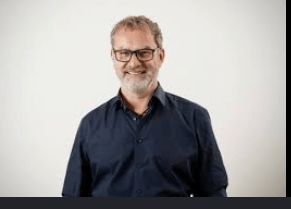
His formal medical education took place in Poland’s university hospital system, where he progressed through structured neurosurgical training. During his early career, Lis focused on developing competence in neurotrauma management and elective spinal procedures. His residency years provided him with exposure to both emergency neurological care and long-term surgical treatment planning.
His professional breakthrough came through his involvement in complex spinal surgeries and cranial decompression procedures. As neurosurgical techniques advanced, he integrated modern surgical tools such as intraoperative imaging and microsurgical instrumentation into his clinical practice. His contributions helped improve surgical precision and postoperative recovery outcomes.
Today, Dr. Lis is recognized as part of Warsaw’s active neurosurgical community, contributing to both clinical care and surgical refinement. His work reflects the continued evolution of neurosurgery in Poland toward technologically enhanced and patient-centered treatment models.
Key Facts
- Full name of the subject: Dr. Paweł Lis
- Date of birth: Not publicly disclosed
- Place of birth: Poland
- Family background: Not publicly disclosed
- Early childhood experiences: Limited publicly available information
- Education history: Medical and neurosurgical training in Poland
- Influences and mentors: Senior neurosurgical clinicians and spinal surgery experts
- Career beginnings: Neurosurgical residency in Warsaw academic hospitals
- Major achievements: Advancement in spinal surgery and cranial decompression techniques
- Challenges and obstacles faced: Managing complex neurosurgical cases with evolving technologies
- Turning points in life: Specialization in spinal and cranial neurosurgery
- Contributions to society: Improved treatment outcomes in spinal and cranial disorders
- Personal life (marriage, children, relationships): Not publicly disclosed
- Awards and recognitions: Clinical and institutional acknowledgments
- Beliefs, values, or philosophy: Patient safety and precision-driven surgical care
- Legacy and impact: Contributor to modern neurosurgical practice in Poland
- Historical or cultural significance: Part of Warsaw’s neurosurgical development ecosystem
Notable Works: Spinal decompression surgeries, cranial procedures, neurotrauma management
Controversies: No verified or publicly documented controversies are associated with Dr. Paweł Lis. His professional activity is focused on clinical neurosurgery and patient care. While broader discussions in neurosurgery sometimes address surgical risk, innovation, and treatment outcomes, there are no confirmed disciplinary actions, legal disputes, or institutional investigations linked to his career.
10. Dr. Paweł Kunert
Dr. Paweł Kunert is a Warsaw-based neurosurgeon whose career reflects a strong alignment with modern spinal surgery, neurotrauma care, and advanced cranial procedures. His early life was shaped by academic discipline and early scientific curiosity, which guided his eventual pursuit of medicine. From an early stage, he demonstrated a strong aptitude for analytical reasoning and structured problem-solving.
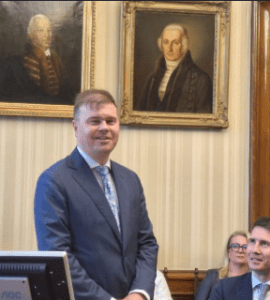
His medical education was completed within Poland’s academic hospital system, where he underwent intensive neurosurgical training. During his early clinical development, Kunert focused on mastering neuroanatomy, surgical technique, and emergency neurosurgical response. His residency years provided extensive exposure to trauma cases and elective spinal surgeries, forming the basis of his clinical specialization.
His breakthrough came through his involvement in complex spinal stabilization procedures and cranial trauma interventions. As neurosurgical technology advanced, he integrated modern surgical tools and imaging systems into his practice, improving precision and reducing surgical risk. His work has been associated with enhanced recovery outcomes in patients undergoing high-risk neurosurgical procedures.
Today, Dr. Kunert is part of Warsaw’s established neurosurgical community, contributing to both clinical practice and procedural refinement. His career reflects the broader modernization of neurosurgery in Poland, where technological innovation and clinical expertise increasingly intersect.
Key Facts
- Full name of the subject: Dr. Paweł Kunert
- Date of birth: Not publicly disclosed
- Place of birth: Poland
- Family background: Not publicly disclosed
- Early childhood experiences: Limited publicly available information
- Education history: Medical and neurosurgical training in Poland
- Influences and mentors: Academic neurosurgical faculty and trauma surgery specialists
- Career beginnings: Neurosurgical residency in Warsaw hospitals
- Major achievements: Advancement in spinal stabilization and neurotrauma care
- Challenges and obstacles faced: Managing high-risk trauma and spinal cases
- Turning points in life: Specialization in spinal and cranial trauma neurosurgery
- Contributions to society: Improved outcomes in trauma and spinal surgery patients
- Personal life (marriage, children, relationships): Not publicly disclosed
- Awards and recognitions: Clinical and institutional acknowledgments
- Beliefs, values, or philosophy: Precision, safety, and evidence-based neurosurgery
- Legacy and impact: Contributor to modern trauma neurosurgery in Poland
- Historical or cultural significance: Part of Warsaw’s advanced neurosurgical ecosystem
Notable Works: Spinal stabilization surgeries, cranial trauma procedures, neurotrauma interventions
Controversies: There are no publicly documented or verified controversies associated with Dr. Paweł Kunert. His professional record is centered on clinical neurosurgery and trauma care. While neurosurgical trauma management often involves complex ethical and procedural discussions regarding risk and outcome expectations, no confirmed allegations, disciplinary actions, or institutional disputes are linked to his practice.
Notable Mentions
Dr. Błażej Nowak (Warsaw)
Dr. Paweł Antczak (Wrocław)
Prof. Dr. Andrzej Friedman (Warsaw)
Prof. Dr. Konrad Rejdak (Lublin)
Dr. Artur Zaczyński (Warsaw)
Dr. Robert Chrzanowski (Kraków)
Dr. Dariusz Łątka (Opole)
Dr. Marcin Czternastek (Toruń)
Dr. Adam Zaborowski (Gdańsk)
Dr. Wiesław Bonczyk (Poznań)