
Top 10 Global Female Television Hosts
Top 10 Global Female Television Hosts
In This Content
Quick List
Ellen DeGeneres
Kelly Clarkson
Drew Barrymore
Robin Roberts
Savannah Guthrie
Hoda Kotb
Gayle King
Oprah Winfrey
Whoopi Goldberg
Joy Behar
1. Ellen DeGeneres
Ellen DeGeneres stands as one of the most influential figures in modern television hosting, known for redefining daytime talk show culture through humor, relatability, and an emphasis on everyday human connection. Born in Metairie, Louisiana, she grew up in a modest household that valued resilience and creativity. Her early life was marked by a quiet observational nature, which later evolved into a comedic style rooted in self-deprecating humor and social commentary.
DeGeneres began her career in stand-up comedy, performing in small clubs where her understated delivery and clean humor gradually distinguished her from more provocative performers of her time. Her early television appearances, including late-night talk show segments, introduced her to national audiences and demonstrated her ability to connect through simplicity rather than spectacle. Her acting role in the sitcom Ellen became a turning point, not only for her career but also for cultural representation in mainstream media.
Her breakthrough as a daytime host came with The Ellen DeGeneres Show, which transformed her into a global television presence. The show’s format emphasized kindness, celebrity engagement, audience participation, and emotional storytelling. Her screen presence was built on warmth and accessibility, allowing viewers to perceive her as both entertainer and confidant. Over time, the program became a cultural staple, shaping modern expectations of daytime television.
DeGeneres’ legacy is deeply tied to her influence on positivity-driven broadcasting and the commercialization of “feel-good” television. However, her career trajectory also reflects the complexities of maintaining public persona consistency across decades of evolving media scrutiny. Her impact on global television remains significant, particularly in how talk shows incorporate digital virality, emotional storytelling, and celebrity-humanization formats.
Key Facts
- Full name of the subject: Ellen Lee DeGeneres
- Date of birth: January 26, 1958
- Place of birth: Metairie, Louisiana, USA
- Family background: Middle-class American family with French and British ancestry
- Early childhood experiences: Developed humor as a coping mechanism during family challenges
- Education history: University of New Orleans (brief attendance)
- Influences and mentors: Steve Martin, observational comedy traditions
- Career beginnings: Stand-up comedy circuit in the early 1980s
- Major achievements: Host of The Ellen DeGeneres Show, Emmy-winning comedian and presenter
- Challenges and obstacles faced: Industry resistance during early stand-up career and public scrutiny during later years
- Turning points in life: Coming out publicly in the 1990s and launching daytime talk show
- Contributions to society: Promoted themes of kindness, acceptance, and inclusivity in mainstream media
- Personal life (marriage, children, relationships): Married to Portia de Rossi
- Awards and recognitions: Multiple Emmy Awards, Presidential Medal of Freedom
- Beliefs, values, or philosophy: Advocacy for kindness, authenticity, and equality
- Legacy and impact: Redefined modern daytime television hosting
- Historical or cultural significance: One of the most influential female television hosts of the 21st century
Notable Works: The Ellen DeGeneres Show, Ellen (sitcom), stand-up comedy specials, Oscars hosting
Controversies:
One major controversy involving Ellen DeGeneres centers on workplace culture allegations that surfaced publicly in 2020. The issue involved claims from former employees and production staff regarding the internal working environment of The Ellen DeGeneres Show. The allegations included concerns about workplace behavior, management oversight, and the gap between the show’s public message of kindness and internal operational practices. The context of these claims emerged during a broader industry-wide reassessment of workplace standards in entertainment production environments.
Key stakeholders included former employees, production executives, Warner Bros. Television, and DeGeneres herself as executive producer and host. Public reaction was divided between audience members who viewed the allegations as contradictory to the show’s brand identity and others who emphasized the complexity of large-scale television production environments. DeGeneres addressed the issue publicly, expressing regret for any unintended harm and acknowledging responsibility for oversight within the production structure.
Verified investigations by the production company led to internal staffing changes and operational reviews. While no formal legal findings of systemic wrongdoing against DeGeneres personally were established, the situation resulted in reputational impact and the eventual conclusion of the show’s long-running format. The controversy remains a defining moment in discussions about celebrity-led workplace culture and accountability in entertainment media.
2. Kelly Clarkson
Kelly Clarkson represents a powerful evolution of the modern television host: a figure who transitioned from music superstardom into daytime broadcasting while maintaining authenticity and emotional accessibility. Born in Fort Worth, Texas, Clarkson was raised in a modest household that emphasized resilience, discipline, and creative expression. Her early life was shaped by choir participation and musical performance, laying the foundation for her later career in entertainment.
Clarkson first entered the public eye as the inaugural winner of American Idol, a moment that transformed her into a national music sensation. Her vocal strength and emotional range established her as a leading recording artist, but her ability to connect with audiences extended beyond music into personality-driven entertainment. Her transition into television hosting marked a natural evolution of her public identity.
The launch of The Kelly Clarkson Show solidified her position as a daytime television force. Her hosting style is characterized by emotional openness, musical integration, and spontaneous interaction with guests. Unlike traditional talk show hosts, Clarkson incorporates live music, personal storytelling, and empathetic interviewing, creating a hybrid format that resonates globally.
Clarkson’s legacy lies in her ability to merge musical artistry with television hosting, redefining what daytime entertainment can look like in a post-digital media landscape. Her influence extends into both entertainment and cultural relatability, particularly in how vulnerability is embraced as a form of strength on screen.
Key Facts
- Full name of the subject: Kelly Brianne Clarkson
- Date of birth: April 24, 1982
- Place of birth: Fort Worth, Texas, USA
- Family background: Working-class American family
- Early childhood experiences: Developed musical talent through church and school programs
- Education history: Burleson High School
- Influences and mentors: Vocal coaches, country and pop music traditions
- Career beginnings: American Idol Season 1 winner
- Major achievements: The Kelly Clarkson Show, Grammy Award-winning music career
- Challenges and obstacles faced: Early financial hardship and industry pressure after reality TV fame
- Turning points in life: Winning American Idol in 2002
- Contributions to society: Emotional openness and mental health awareness in media
- Personal life (marriage, children, relationships): Previously married to Brandon Blackstock, with children
- Awards and recognitions: Grammy Awards, Daytime Emmy Awards
- Beliefs, values, or philosophy: Authentic emotional expression through entertainment
- Legacy and impact: Redefined musician-to-host transition in television
- Historical or cultural significance: First American Idol winner to become a major daytime host
Notable Works: The Kelly Clarkson Show, American Idol, major studio albums
Controversies:
One public discussion involving Kelly Clarkson relates to legal and contractual disputes following her divorce proceedings, which intersected with business and management arrangements tied to her professional career. The matter involved financial and contractual disagreements with her former management structure and raised broader industry discussions about artist-management relationships. The context reflected common complexities in entertainment contract law rather than isolated misconduct.
Key stakeholders included Clarkson, her former spouse, and professional management entities overseeing her business interests. Public commentary ranged from personal speculation in media coverage to legal analysis of entertainment contracts. Clarkson largely maintained privacy regarding the matter, and legal proceedings were handled through formal judicial processes. Outcomes were determined through legal settlements rather than public adjudication.
The impact on her career was limited in terms of broadcasting performance, and she continued her television hosting role without interruption. The matter remains an example of how personal and professional contracts in entertainment can intersect under public scrutiny.
3. Drew Barrymore
Drew Barrymore’s presence in television hosting is rooted in a uniquely cinematic upbringing that evolved into a deeply human-centered daytime talk show identity. Born in Culver City, California, she comes from the historic Barrymore acting dynasty, which shaped her early exposure to Hollywood culture and performance expectations. Her childhood was marked by early fame and intense media attention, which significantly influenced her later approach to authenticity in hosting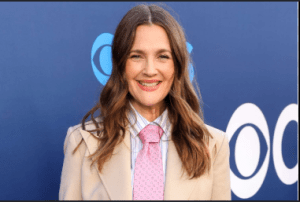
Barrymore began acting at a very young age, achieving international recognition through film roles that established her as a prominent Hollywood figure. However, her career also included public struggles and personal reinvention, which later informed her empathetic on-screen persona. Her transition into hosting came after decades in film and production, marking a shift from scripted performance to conversational authenticity.
The Drew Barrymore Show reflects her natural warmth and emotional transparency. Her hosting style emphasizes vulnerability, spontaneity, and emotional connection with guests. Unlike traditional structured talk shows, her program often blends lifestyle storytelling, humor, and personal reflection, creating a hybrid entertainment experience.
Barrymore’s legacy in television hosting is defined by emotional accessibility and reinvention. She represents a broader cultural shift toward authenticity in media, where lived experience and openness are valued as central elements of audience connection.
Key Facts
- Full name of the subject: Drew Blythe Barrymore
- Date of birth: February 22, 1975
- Place of birth: Culver City, California, USA
- Family background: Barrymore acting dynasty
- Early childhood experiences: Early exposure to Hollywood fame and media attention
- Education history: Informal education due to early acting career
- Influences and mentors: Family acting legacy, Hollywood filmmakers
- Career beginnings: Child actress in E.T. the Extra-Terrestrial
- Major achievements: The Drew Barrymore Show, major film career
- Challenges and obstacles faced: Early substance abuse and public personal struggles
- Turning points in life: Career reinvention in adulthood and transition into producing
- Contributions to society: Advocacy for resilience and emotional openness
- Personal life (marriage, children, relationships): Previously married, mother of two children
- Awards and recognitions: Golden Globe Award and industry honors
- Beliefs, values, or philosophy: Healing through authenticity and humor
- Legacy and impact: Reinvention of celebrity-driven daytime hosting
- Historical or cultural significance: Symbol of Hollywood transformation narratives
Notable Works: The Drew Barrymore Show, E.T., Charlie’s Angels, 50 First Dates
Controversies:
One discussion involving Drew Barrymore relates to public commentary on her early exposure to Hollywood and subsequent personal struggles, which has been debated in media ethics contexts concerning child stardom. The issue is not framed as a misconduct controversy but as a broader cultural examination of child actors in the entertainment industry. The context involves historical industry practices regarding child performers and evolving safeguarding standards.
Key stakeholders include entertainment industry institutions, child advocacy discussions, and media analysts examining child fame. Barrymore has openly discussed her experiences in interviews and memoir-related content, contributing to broader awareness rather than dispute. There are no formal legal findings or institutional controversies tied directly to her current hosting career.
The impact has largely been cultural, influencing discussions about child actor welfare and industry reforms rather than affecting her professional standing as a television host.
4. Robin Roberts
Robin Roberts stands as one of the most respected figures in broadcast journalism, known for her calm authority, empathetic interviewing style, and unwavering credibility in morning television. Born in Tuskegee, Alabama, and raised in Mississippi, Roberts grew up in a disciplined household shaped by military values and strong educational expectations. Her early life was grounded in sports, education, and resilience, all of which later defined her professional identity.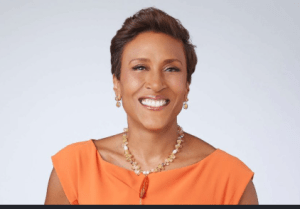
Roberts began her career as a sports broadcaster, where her confident delivery and analytical clarity quickly set her apart in a male-dominated field. Her early reporting work focused on local and national sports coverage, gradually building her reputation as a trusted on-air personality. This foundation in sports journalism provided her with the composure and narrative discipline that would later define her network broadcasting success.
Her breakthrough came when she joined ABC News, eventually becoming co-anchor of Good Morning America. In this role, Roberts transformed morning television into a platform that balanced hard news with human-centered storytelling. Her interviews often reflect emotional intelligence, particularly during national crises and personal storytelling segments.
Roberts’ legacy is defined by resilience, authenticity, and journalistic integrity. She has become a symbol of perseverance, especially following her highly publicized health battles, which she openly shared with audiences. Her influence extends beyond television into public inspiration, particularly in discussions about health awareness and representation in media.
Key Facts
- Full name of the subject: Robin René Roberts
- Date of birth: November 23, 1960
- Place of birth: Tuskegee, Alabama, USA
- Family background: Military-influenced African-American family
- Early childhood experiences: Developed discipline through sports and education
- Education history: Southeastern Louisiana University
- Influences and mentors: Sports journalism pioneers, broadcast journalism leaders
- Career beginnings: Local sports anchor and ESPN broadcaster
- Major achievements: Co-anchor of Good Morning America
- Challenges and obstacles faced: Serious health battles including cancer and bone marrow disorder
- Turning points in life: Transition from ESPN to ABC News
- Contributions to society: Health awareness advocacy and inclusive storytelling
- Personal life (marriage, children, relationships): In a long-term relationship
- Awards and recognitions: Peabody Award, multiple journalism honors
- Beliefs, values, or philosophy: Transparency, resilience, and human-centered journalism
- Legacy and impact: One of the most trusted voices in morning television
- Historical or cultural significance: Representation of strength and diversity in broadcast journalism
Notable Works: Good Morning America, ESPN SportsCenter
Controversies:
One discussion involving Robin Roberts relates to editorial decision-making in morning television coverage, particularly during major national events where balancing emotional storytelling and journalistic neutrality is critical. The issue is framed within broader industry expectations rather than individual misconduct, focusing on how morning programs navigate sensitive topics such as tragedies, political events, and personal stories.
Key stakeholders include ABC News editorial leadership, co-anchors, and viewers who engage with morning news programming. Critics occasionally argue that emotional framing may influence audience perception, while supporters emphasize that Roberts’ approach prioritizes empathy without compromising factual reporting. No formal regulatory findings or institutional disciplinary actions have been recorded.
The impact of these discussions has been largely theoretical within media analysis, contributing to broader conversations about the evolving role of emotional journalism in broadcast news.
5. Savannah Guthrie
Savannah Guthrie’s career reflects a disciplined evolution from legal training to one of the most visible roles in American morning news broadcasting. Born in Melbourne, Australia, and raised in Tucson, Arizona, Guthrie grew up in a structured environment that emphasized education, debate, and civic awareness. Her early academic success and interest in law shaped her analytical approach to journalism.
Before entering television, Guthrie practiced law, focusing on litigation and legal analysis. This background provided her with a strong foundation in structured reasoning and investigative questioning. Her transition into journalism marked a shift from courtroom argumentation to broadcast communication, where she quickly distinguished herself as a legal correspondent.
Her breakthrough came when she joined NBC News, eventually becoming co-anchor of Today. In this role, Guthrie developed a reputation for rigorous interviewing, particularly in political and legal contexts. Her ability to challenge public figures while maintaining composure has become a defining feature of her hosting style.
Guthrie’s legacy lies in her integration of legal precision into mainstream journalism. She represents a model of broadcast credibility built on analytical depth, reinforcing the importance of structured questioning in morning television.
Key Facts
- Full name of the subject: Savannah Clark Guthrie
- Date of birth: December 27, 1971
- Place of birth: Melbourne, Australia
- Family background: Educated American family
- Early childhood experiences: Relocated to the United States and pursued academic excellence
- Education history: University of Arizona; Georgetown University Law Center
- Influences and mentors: Legal scholars, broadcast journalism leaders
- Career beginnings: Attorney before transitioning into journalism
- Major achievements: Co-anchor of NBC’s Today show
- Challenges and obstacles faced: Transition from law to competitive broadcast journalism
- Turning points in life: Joining NBC News as legal correspondent
- Contributions to society: Legal literacy and public information dissemination
- Personal life (marriage, children, relationships): Married to Michael Feldman, with children
- Awards and recognitions: Emmy Awards and journalism honors
- Beliefs, values, or philosophy: Accuracy, accountability, and informed reporting
- Legacy and impact: Legal precision in morning television journalism
- Historical or cultural significance: Prominent female voice in political broadcasting
Notable Works: Today Show, NBC News legal coverage, presidential interviews
Controversies:
One discussion involving Savannah Guthrie centers on her role in high-profile political interviews, particularly during election cycles where her questioning style has been described as both rigorous and confrontational depending on audience interpretation. The issue arises from the broader expectation of neutrality in morning news programs that simultaneously aim to inform and engage a wide audience.
Key stakeholders include NBC News editorial leadership, political interview subjects, and viewers with differing political perspectives. Critics argue that certain interview exchanges may appear adversarial, while supporters maintain that Guthrie’s approach reflects standard journalistic accountability practices. No formal findings of bias or misconduct have been issued by broadcasting regulators.
The impact of these discussions has primarily contributed to ongoing debates about the role of morning news anchors in political accountability journalism.
6. Hoda Kotb
Hoda Kotb’s television career is defined by emotional warmth, human-centered storytelling, and an ability to connect deeply with audiences through authenticity. Born in Norman, Oklahoma, and raised in a multicultural Egyptian-American household, Kotb grew up with strong family values and a global cultural perspective that influenced her communication style.
Kotb began her career in broadcast journalism, working in local news before transitioning into national reporting. Her early work included investigative journalism and field reporting, where she developed her signature empathetic storytelling approach. Her calm yet emotionally resonant delivery quickly distinguished her in the industry.
Her breakthrough came when she joined NBC News, eventually becoming co-anchor of Today. Her segments often focus on human interest stories, resilience narratives, and emotional interviews. She later expanded into co-hosting the fourth hour of Today, where her partnership-driven format emphasized openness and relatability.
Kotb’s legacy is rooted in emotional authenticity in broadcasting. She has helped redefine morning television as a space for vulnerability, healing, and shared human experience, making her one of the most relatable figures in global television hosting.
Key Facts
- Full name of the subject: Hoda Kotb
- Date of birth: August 9, 1964
- Place of birth: Norman, Oklahoma, USA
- Family background: Egyptian-American heritage
- Early childhood experiences: Multicultural upbringing and strong family values
- Education history: Virginia Tech
- Influences and mentors: Broadcast journalism pioneers
- Career beginnings: Local news reporter
- Major achievements: Co-anchor of NBC’s Today show
- Challenges and obstacles faced: Career transitions and public health challenges
- Turning points in life: Joining NBC News and becoming national anchor
- Contributions to society: Emotional storytelling and cancer awareness advocacy
- Personal life (marriage, children, relationships): Mother of adopted children
- Awards and recognitions: Emmy Awards and industry honors
- Beliefs, values, or philosophy: Positivity, resilience, and human connection
- Legacy and impact: Emotional authenticity in broadcast journalism
- Historical or cultural significance: Representation of multicultural identity in media
Notable Works: Today Show, Hoda & Jenna, NBC News specials
Controversies:
One discussion involving Hoda Kotb relates to broader industry debates about emotional storytelling in morning television and whether highly personal narratives may influence audience perception of news objectivity. The issue is not tied to a specific incident but to the evolving format of morning shows that blend news and human interest storytelling.
Key stakeholders include NBC editorial teams, co-hosting partners, and broadcast journalism analysts. Critics argue that emotional framing may shift focus from hard news, while supporters maintain that Kotb’s approach enhances audience engagement and accessibility. No formal regulatory issues or professional sanctions have been recorded.
The impact remains within academic and media analysis discussions about the structure of modern morning television programming.
7. Gayle King
Gayle King is widely regarded as one of the most influential interviewers in modern television journalism, known for her composure, direct questioning style, and ability to navigate high-pressure interviews with clarity and professionalism. Born in Chevy Chase, Maryland, King grew up in a family that valued education and discipline, shaping her early interest in communication and storytelling.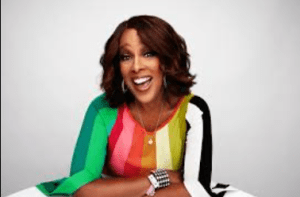
King began her career in local journalism, working as a reporter and anchor before transitioning into national media. Her early roles allowed her to develop a strong foundation in news reporting, interview structure, and audience engagement. Over time, her presence became synonymous with calm authority and journalistic trust.
Her breakthrough came as co-host of CBS This Morning, where her interview style gained widespread recognition for its balance of empathy and firmness. Her interviews with major public figures positioned her as a central voice in broadcast journalism.
King’s legacy lies in her ability to maintain journalistic integrity while conducting high-profile interviews that often dominate global news cycles. Her influence extends into shaping modern expectations for interview-driven television journalism.
Key Facts
- Full name of the subject: Gayle King
- Date of birth: December 28, 1954
- Place of birth: Chevy Chase, Maryland, USA
- Family background: Educated American family
- Early childhood experiences: Developed communication skills and confidence early
- Education history: University of Maryland
- Influences and mentors: Broadcast journalism pioneers
- Career beginnings: Local television reporting
- Major achievements: Co-anchor of CBS Mornings
- Challenges and obstacles faced: Establishing prominence in competitive broadcast industry
- Turning points in life: Joining CBS national news programming
- Contributions to society: High-profile journalism and interview integrity
- Personal life (marriage, children, relationships): Formerly married, mother of children
- Awards and recognitions: Emmy Awards and journalism honors
- Beliefs, values, or philosophy: Transparency and accountability in reporting
- Legacy and impact: Influential figure in modern interview journalism
- Historical or cultural significance: Prominent voice in American broadcast news
Notable Works: CBS Mornings, exclusive celebrity and political interviews
Controversies:
One discussion involving Gayle King relates to widely publicized interviews with high-profile figures that generated debate over questioning tone and journalistic framing. The issue reflects broader expectations placed on television interviewers when addressing sensitive or legally complex topics.
Key stakeholders include CBS News, interview subjects, and media analysts. Critics sometimes argue that certain interviews may appear emotionally charged, while supporters emphasize that King maintains professional standards of questioning consistent with investigative journalism practices. No formal findings of misconduct have been recorded.
The impact of these discussions has contributed to ongoing evaluation of interview ethics and tone in broadcast journalism.
8. Oprah Winfrey
Oprah Winfrey represents one of the most transformative figures in global television history, reshaping daytime talk shows into platforms for emotional truth, self-improvement, and cultural dialogue. Born in Kosciusko, Mississippi, she grew up in severe poverty under challenging family circumstances, experiences that deeply influenced her empathy-driven communication style. Her early life was marked by instability, resilience, and an early gift for public speaking.
Winfrey began her broadcasting career in radio and local television, where her natural ability to connect with audiences quickly distinguished her from traditional presenters. Her early assignments in Baltimore television exposed her to news reporting and talk show formats, but it was her authenticity and emotional intelligence that set her apart in an evolving media landscape.
Her breakthrough came with The Oprah Winfrey Show, which redefined global daytime television. Unlike traditional talk shows that focused on entertainment alone, Winfrey introduced deeply personal storytelling, psychological reflection, and social issues into mainstream programming. Her screen presence is defined by emotional intelligence, active listening, and an ability to guide conversations toward introspection and healing.
Winfrey’s legacy extends far beyond television hosting. She became a global cultural force, influencing publishing, film, philanthropy, and education. Her impact is deeply embedded in modern media culture, particularly in how vulnerability and personal storytelling became central to audience engagement worldwide.
Key Facts
- Full name of the subject: Oprah Gail Winfrey
- Date of birth: January 29, 1954
- Place of birth: Kosciusko, Mississippi, USA
- Family background: Born into poverty in the rural American South
- Early childhood experiences: Experienced hardship, instability, and early trauma
- Education history: Tennessee State University
- Influences and mentors: Maya Angelou, broadcast journalism pioneers
- Career beginnings: Local radio and television news anchor
- Major achievements: The Oprah Winfrey Show, OWN Network founder
- Challenges and obstacles faced: Childhood trauma, industry barriers, discrimination
- Turning points in life: National syndication of The Oprah Winfrey Show
- Contributions to society: Education funding, philanthropy, empowerment initiatives
- Personal life (marriage, children, relationships): Long-term partnership with Stedman Graham
- Awards and recognitions: Presidential Medal of Freedom, multiple Emmy Awards
- Beliefs, values, or philosophy: Self-growth, emotional truth, and empowerment
- Legacy and impact: Global transformation of talk show culture
- Historical or cultural significance: One of the most influential media figures in history
Notable Works: The Oprah Winfrey Show, OWN Network, Book Club franchise, film productions
Controversies:
One major discussion involving Oprah Winfrey relates to her involvement in high-profile media interviews and documentary projects that later generated debate about editorial framing and narrative completeness. The issue centers on whether certain productions may emphasize personal storytelling perspectives over broader contextual representation. This debate reflects wider industry conversations about documentary ethics and editorial responsibility in personality-driven media.
Key stakeholders include production teams, streaming platforms, interview subjects, and media analysts. Critics argue that emotional framing can influence audience interpretation, while supporters maintain that Winfrey’s approach prioritizes lived experience and narrative authenticity. No formal regulatory violations have been established.
Another area of discussion involves public expectations placed on Winfrey due to her cultural influence, where perceived endorsement effects (“Oprah effect”) have been debated in publishing and consumer industries. While widely recognized as a market phenomenon, it has also raised questions about influence and commercial impact in media ecosystems.
9. Whoopi Goldberg
Whoopi Goldberg is a rare television presence whose career spans stand-up comedy, film acting, and long-standing daytime television hosting. Born Caryn Elaine Johnson in New York City, she was raised in a working-class housing environment that shaped her observational humor and strong social awareness. Her early life included exposure to diverse urban experiences that later informed her comedic voice.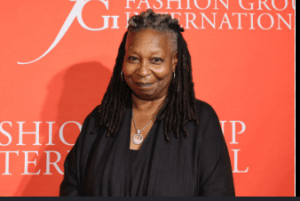
Goldberg began her career in stand-up comedy and theater, developing a distinctive performance style that blended character work, social commentary, and improvisation. Her breakthrough in film came with The Color Purple, which established her as a major acting force before she transitioned into broader media roles.
Her role on The View solidified her position as a leading television host in daytime political and cultural discourse. Her screen presence is defined by directness, humor, and a willingness to engage in complex conversations. She often serves as a balancing voice in panel discussions, mediating between differing viewpoints.
Goldberg’s legacy lies in her versatility and longevity across entertainment formats. She has influenced both comedic performance and televised discourse, becoming a central figure in discussions about representation, dialogue, and cultural critique in media.
Key Facts
- Full name of the subject: Caryn Elaine Johnson
- Date of birth: November 13, 1955
- Place of birth: New York City, New York, USA
- Family background: Working-class American family
- Early childhood experiences: Raised in public housing with strong community influence
- Education history: New York theatrical training (no formal degree completion)
- Influences and mentors: Urban theater culture, improvisational comedy traditions
- Career beginnings: Stand-up comedy and stage performance
- Major achievements: The View co-host, EGOT award winner
- Challenges and obstacles faced: Early career financial struggles and industry barriers
- Turning points in life: Breakthrough film role in The Color Purple
- Contributions to society: Advocacy for social issues and representation in media
- Personal life (marriage, children, relationships): Previously married, mother of one daughter
- Awards and recognitions: EGOT status (Emmy, Grammy, Oscar, Tony)
- Beliefs, values, or philosophy: Open dialogue and social awareness
- Legacy and impact: Multi-platform entertainment and cultural commentary icon
- Historical or cultural significance: One of the most awarded entertainers in history
Notable Works: The View, The Color Purple, Sister Act, Ghost
Controversies:
One discussion involving Whoopi Goldberg relates to public commentary made during televised discussions on The View that were interpreted by some audiences as controversial or insensitive regarding historical and political topics. The issue reflects the broader challenge of live panel television, where spontaneous commentary can generate public debate.
Key stakeholders include ABC News, co-host panel members, and advocacy groups responding to televised statements. Goldberg has addressed such incidents through public clarification and on-air discussion, often emphasizing intent versus interpretation. In most cases, ABC has issued internal reviews or clarifications rather than disciplinary action.
The impact of these discussions has been periodic public debate about the responsibilities of live television hosts in discussing sensitive historical and political subjects.
10. Joy Behar
Joy Behar is one of the most enduring voices in American daytime television, known for her sharp humor, conversational assertiveness, and long-standing role in political and cultural panel discussions. Born Josephine Victoria Occhiuto in Brooklyn, New York, she was raised in a traditional Italian-American household that emphasized strong family bonds and expressive communication.
Behar began her career as a teacher before transitioning into comedy and writing, where she developed her observational humor and conversational timing. Her early work in stand-up comedy and television writing helped shape her direct and opinion-driven on-screen personality.
Her breakthrough came as a co-host on The View, where she became a central voice in shaping panel-based daytime political discourse. Her style is characterized by direct questioning, comedic framing, and willingness to challenge opposing viewpoints, often driving energetic discussions.
Behar’s legacy lies in her contribution to conversational political television, where humor and debate coexist within mainstream daytime programming. She remains a defining figure in panel-based talk show culture.
Key Facts
- Full name of the subject: Josephine Victoria Behar
- Date of birth: October 7, 1942
- Place of birth: Brooklyn, New York, USA
- Family background: Italian-American working-class family
- Early childhood experiences: Strong cultural family environment in New York City
- Education history: Queens College; Stony Brook University (teaching qualification)
- Influences and mentors: Stand-up comedy circuit, political satire traditions
- Career beginnings: Teaching and stand-up comedy
- Major achievements: Co-host of The View
- Challenges and obstacles faced: Transition from education to entertainment industry
- Turning points in life: Joining The View as original co-host
- Contributions to society: Political discourse through daytime television
- Personal life (marriage, children, relationships): Previously married, mother of one daughter
- Awards and recognitions: Daytime Emmy Awards
- Beliefs, values, or philosophy: Open debate and comedic commentary on politics
- Legacy and impact: Long-standing contributor to panel talk show culture
- Historical or cultural significance: One of the longest-serving voices in daytime television
Notable Works: The View, stand-up comedy specials, writing and television appearances
Controversies:
One discussion involving Joy Behar relates to on-air remarks made during The View that have occasionally generated public backlash due to interpretations of political or religious commentary. The issue arises from the live and unscripted nature of panel discussions, where spontaneous remarks can be widely circulated and debated outside their original context.
Key stakeholders include ABC News, co-hosts, audience groups, and advocacy organizations responding to televised statements. Behar has, in several instances, clarified or expanded upon comments during subsequent broadcasts. ABC has generally managed such incidents through internal review and public clarification rather than formal disciplinary action.
The impact of these episodes has contributed to ongoing discussions about the boundaries of opinion-based commentary in daytime television programming.
Notable Mentions
Tamron Hall
Sherri Shepherd
Jennifer Hudson
Kelly Ripa
Judy Sheindlin (Judge Judy)
Martha Stewart
Heidi Klum
Tyra Banks
Lisa Vanderpump
Mel Robbins