
Top 10 Actors Who Completely Disappeared Into Their Characters
Top 10 Actors Who Completely Disappeared Into Their Characters
In This Content
Quick List
Daniel Day-Lewis
Gary Oldman
Christian Bale
Meryl Streep
Heath Ledger
Charlize Theron
Tilda Swinton
Joaquin Phoenix
Robert De Niro
Tom Hardy
1. Daniel Day-Lewis
Daniel Day-Lewis represents one of the most extreme embodiments of method acting in modern cinema, a performer whose commitment to character immersion has redefined expectations of screen realism. Born into a literary and artistic family in London, his early life was shaped by a tension between intellectual discipline and creative rebellion. He trained formally at the Bristol Old Vic Theatre School, where his dedication to performance precision first became evident.
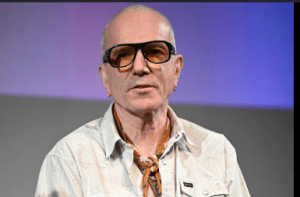
His early career in British theatre and television revealed an actor unwilling to approach roles superficially. Instead, he developed an immersive process that often extended beyond the set, blurring boundaries between performance and lived experience. This approach gradually became his signature, setting him apart from his contemporaries.
Day-Lewis’s breakthrough came with critically acclaimed dramatic roles that demanded emotional and psychological transformation at the deepest level. In My Left Foot (1989), he portrayed Christy Brown, a man with cerebral palsy, remaining in character even between takes. This performance signaled a turning point in global acting standards, establishing immersion as a benchmark for artistic seriousness.
His legacy is defined not simply by roles, but by transformation itself. Each performance becomes a temporary identity replacement, making the actor effectively disappear into the character. His influence reshaped global acting methodology and elevated method performance to mythic status in cinema culture.
Key Facts
- Full name of the subject: Daniel Michael Blake Day-Lewis
- Date of birth: April 29, 1957
- Place of birth: London, England
- Family background: Literary and artistic family
- Early childhood experiences: Exposure to literature and performance arts
- Education history: Bristol Old Vic Theatre School
- Influences and mentors: British theatre tradition and classical acting methods
- Career beginnings: Stage acting and British film roles
- Major achievements: Three Academy Awards for Best Actor
- Challenges and obstacles faced: Extreme role immersion leading to long career breaks
- Turning points in life: Breakthrough in My Left Foot
- Contributions to society: Advancement of method acting discipline
- Personal life (marriage, children, relationships): Married to Rebecca Miller, children
- Awards and recognitions: Multiple Academy Awards, BAFTA Awards
- Beliefs, values, or philosophy: Total immersion in artistic truth
- Legacy and impact: Defined modern method acting excellence
- Historical or cultural significance: Transformed global expectations of acting realism
Notable Works: My Left Foot, There Will Be Blood, Lincoln, Gangs of New York, Phantom Thread
Controversies:
A recurring discussion surrounding Daniel Day-Lewis involves the intensity of his method acting approach and its implications for production environments. This is not a misconduct allegation but an industry debate regarding the boundaries between artistic immersion and workplace practicality.
The context of this discussion arises from reports of his deep character immersion, which sometimes extended beyond filming schedules. Film crews and collaborators have noted that his commitment to staying in character could create logistical challenges on set, particularly in maintaining communication between scenes.
Stakeholders include directors, production teams, co-actors, and industry unions concerned with working conditions. Critics argue that extreme method immersion may disrupt collaborative efficiency, while supporters emphasize that it contributes to unparalleled performance authenticity. There are no verified incidents of formal disciplinary action or institutional penalties.
The impact of this discourse has been largely philosophical rather than reputational, contributing to ongoing debates about the limits of method acting in contemporary cinema.
2. Gary Oldman
Gary Oldman is widely regarded as one of the most transformative actors of his generation, known for his ability to disappear completely into roles that span psychological extremes, historical figures, and fictional archetypes. Raised in South London in a working-class family, Oldman initially pursued music before shifting his focus to acting through formal training at Rose Bruford College.

His early stage career in British theatre quickly established him as a performer of unusual intensity and emotional volatility. Unlike many contemporaries, Oldman embraced roles that demanded complete physical and psychological reinvention, often altering voice, posture, and emotional rhythm to suit each character.
His breakthrough came with powerful performances in films such as Sid and Nancy (1986), where his portrayal of Sid Vicious demonstrated a raw, unfiltered immersion into character psychology. Over time, he became known for vanishing entirely into roles ranging from political figures to cinematic villains, often making it difficult for audiences to separate actor from character.
Oldman’s legacy lies in his chameleon-like adaptability. He does not merely act; he reconstructs identity, reshaping audience perception with each performance and influencing generations of actors who view transformation as a core artistic discipline.
Key Facts
- P cultural significance: Redefined character immersion in modern film
Notable Works: Darkest Hour, Leon: The Professional, Tinker Tailor Soldier Spy, Harry Potter series, The Dark Knight trilogy
Controversies:
Gary Oldman’s career has included public discussion surrounding past allegations of domestic conflict from earlier periods of his life. These allegations were raised in the context of a custody dispute and media reporting, which brought personal matters into public scrutiny.
The context of the controversy stems from legal proceedings during the 1990s involving his former spouse, where conflicting accounts were presented regarding domestic behavior. Public institutions and media outlets reported on the matter, but interpretations varied depending on source framing and legal outcomes.
Oldman denied allegations at the time, and no criminal conviction resulted from the case. Over time, the issue has remained part of biographical discourse rather than an active legal matter. Critics and supporters continue to interpret the historical reports differently, though his professional career was not formally restricted by institutional rulings.
The impact of this controversy was primarily reputational in earlier years but has diminished significantly over time as his later career achievements redefined public perception.
3. Christian Bale
Christian Bale is recognized for one of the most physically and psychologically demanding approaches to acting in contemporary cinema. Born in Wales and raised across multiple countries due to his family’s international movements, Bale was exposed early to diverse cultural environments that shaped his adaptability and emotional range.
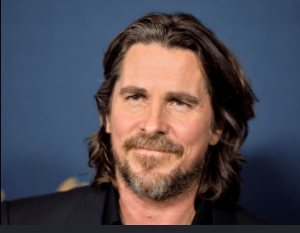
He began acting as a child, gaining early attention for his natural screen presence and emotional intensity. As his career progressed, he developed a reputation for extreme physical transformation and deep psychological immersion into roles, often altering his body weight, voice, and behavioral patterns to align fully with character requirements.
His breakthrough came with American Psycho (2000), where his portrayal of Patrick Bateman combined emotional detachment with unsettling precision. This performance established him as an actor capable of embodying psychological fragmentation without losing narrative control. He later expanded this approach in physically transformative roles that demanded significant bodily commitment.
Bale’s legacy is defined by total transformation—he does not simply interpret characters but reconstructs himself to inhabit them. His influence extends across modern acting culture, particularly in discussions about physical transformation as a tool of narrative authenticity.
Key Facts
- Full name of the subject: Christian Charles Philip Bale
- Date of birth: January 30, 1974
- Place of birth: Haverfordwest, Wales, United Kingdom
- Family background: Artistic and performance-oriented family
- Early childhood experiences: Raised across multiple countries
- Education history: Informal education focused on acting career
- Influences and mentors: Film directors and method actors
- Career beginnings: Child actor in film and television
- Major achievements: Academy Award winner, global recognition
- Challenges and obstacles faced: Intense physical transformations affecting health
- Turning points in life: Breakthrough in American Psycho
- Contributions to society: Environmental and humanitarian advocacy
- Personal life (marriage, children, relationships): Married to Sibi Blazic, children
- Awards and recognitions: Academy Award, Golden Globe
- Beliefs, values, or philosophy: Full physical and emotional transformation
- Legacy and impact: Redefined physical commitment in acting
- Historical or cultural significance: Set modern standard for immersive performance
Notable Works: The Dark Knight trilogy, American Psycho, The Fighter, Vice, Ford v Ferrari
Controversies:
Christian Bale has faced public scrutiny related to a widely reported on-set verbal outburst during the filming of Terminator Salvation. This incident became a significant media discussion point regarding professional conduct in high-pressure film environments.
The context of the event involved an interaction between Bale and a crew member during filming, which was recorded and later leaked. The recording led to widespread public reaction and industry commentary about set behavior standards and stress management in production environments.
Key stakeholders included the production studio, crew members, Bale himself, and media outlets that amplified the recording. Critics viewed the incident as unprofessional conduct, while Bale issued a public apology acknowledging the outburst and expressing regret. Industry professionals also discussed the pressures of high-intensity filming schedules as contributing factors.
The matter was not subject to legal proceedings but resulted in temporary reputational scrutiny. Over time, it was largely absorbed into broader discussions about workplace stress in filmmaking rather than ongoing controversy.
4. Meryl Streep
Meryl Streep’s artistic identity is defined by precision, emotional intelligence, and an almost unmatched ability to inhabit diverse psychological worlds without visible effort. Raised in an educated suburban family in New Jersey, she was exposed early to music, literature, and structured academic discipline. This foundation shaped her analytical approach to performance, where emotion is not improvised but meticulously constructed.

Her formal training at the Yale School of Drama refined her technical range, particularly her command of voice, dialect, and emotional modulation. Unlike actors associated with physical transformation alone, Streep’s immersion is primarily psychological, relying on internal recalibration rather than external alteration. She has consistently demonstrated the ability to disappear into roles across vastly different cultural and emotional landscapes.
Her breakthrough came in the late 1970s and early 1980s, where she quickly established herself as a performer capable of extraordinary emotional depth. In films such as Sophie’s Choice (1982), her portrayal of Sophie Zawistowski became a defining moment in cinematic performance history. The emotional core of the role lies in a psychologically devastating decision that permanently fractures her identity, a performance so controlled yet emotionally explosive that it redefined dramatic acting standards.
Streep’s legacy is built on invisibility within performance she does not draw attention to acting technique but dissolves entirely into character truth. Her influence extends across generations of performers who view emotional precision as the highest form of cinematic discipline.
Key Facts
- Full name of the subject: Mary Louise Streep
- Date of birth: June 22, 1949
- Place of birth: Summit, New Jersey, United States
- Family background: Educated middle-class family
- Early childhood experiences: Strong academic and artistic upbringing
- Education history: Yale School of Drama
- Influences and mentors: Classical theatre and European cinematic traditions
- Career beginnings: Stage theatre and early film roles in the 1970s
- Major achievements: Multiple Academy Awards and global critical acclaim
- Challenges and obstacles faced: High expectations following early success
- Turning points in life: Breakthrough in Kramer vs. Kramer
- Contributions to society: Advocacy for women in film and arts education
- Personal life (marriage, children, relationships): Married to Don Gummer, children
- Awards and recognitions: Multiple Academy Awards, Golden Globes
- Beliefs, values, or philosophy: Emotional truth and disciplined performance
- Legacy and impact: One of the greatest acting careers in cinema history
- Historical or cultural significance: Redefined emotional realism in dramatic film
Notable Works: Sophie’s Choice, Kramer vs. Kramer, The Devil Wears Prada, The Iron Lady, Doubt
Controversies:
Meryl Streep’s career has been largely free from personal scandal, but she has been part of recurring public debates regarding political expression by high-profile actors. These discussions are not allegations of wrongdoing but reflections on the role of celebrity influence in public discourse.
The context of these debates arises from award ceremony speeches and public statements in which Streep has addressed political and social issues. Media coverage and public reaction have occasionally framed these statements as politically charged, leading to divided audience interpretations.
Key stakeholders include entertainment media, political commentators, audiences, and cultural institutions. Critics argue that award platforms should remain apolitical, while supporters view her statements as legitimate civic expression. There are no institutional findings or legal matters connected to these discussions.
The impact has been primarily cultural, contributing to broader conversations about freedom of expression in the entertainment industry rather than affecting her professional standing.
5. Heath Ledger
Heath Ledger’s acting career was defined by emotional immersion, psychological risk-taking, and an intensity that blurred the line between performance and lived experience. Born in Perth, Australia, he was raised in a creative household that encouraged artistic exploration. From an early age, Ledger displayed a strong inclination toward performance, particularly in roles requiring emotional vulnerability and complexity.

He began his career in Australian television before transitioning into international cinema, where his natural charisma quickly evolved into deeper psychological portrayals. Ledger’s acting style was characterized by complete absorption into character psychology, often involving extensive preparation and emotional internalization.
His breakthrough came with emotionally complex roles in Hollywood that showcased his ability to embody internal conflict with striking authenticity. This trajectory ultimately led to his most iconic performance as the Joker in The Dark Knight (2008), a role that redefined modern cinematic villainy. His portrayal was not grounded in traditional character structure but in chaotic psychological energy, making the character feel unpredictable and deeply unsettling.
Ledger’s legacy is inseparable from his commitment to emotional truth, which continues to influence discussions about immersive performance and psychological depth in acting.
Key Facts
- Full name of the subject: Heath Andrew Ledger
- Date of birth: April 4, 1979
- Place of birth: Perth, Western Australia
- Family background: Middle-class Australian family
- Early childhood experiences: Interest in visual storytelling and performance
- Education history: Guildford Grammar School
- Influences and mentors: Australian theatre and independent filmmakers
- Career beginnings: Australian television and film roles
- Major achievements: Academy Award winner (posthumous)
- Challenges and obstacles faced: Intense emotional immersion in roles
- Turning points in life: International breakthrough in Hollywood
- Contributions to society: Artistic innovation in character portrayal
- Personal life (marriage, children, relationships): Relationship with Michelle Williams, one daughter
- Awards and recognitions: Academy Award, BAFTA, Golden Globe
- Beliefs, values, or philosophy: Emotional authenticity and character immersion
- Legacy and impact: Redefined cinematic villain performance standards
- Historical or cultural significance: One of the most influential modern film performances
Notable Works: The Dark Knight, Brokeback Mountain, 10 Things I Hate About You, Candy
Controversies:
Public discourse surrounding Heath Ledger has largely focused on speculation regarding the psychological demands of immersive acting and the pressures associated with fame. These discussions intensified following his death, but they remain interpretive rather than grounded in verified allegations of misconduct.
The context of this narrative is linked to broader industry conversations about mental health awareness among actors, particularly those engaging in psychologically intense roles. Some commentators have debated whether deep role immersion can contribute to emotional strain, though no conclusive evidence establishes direct causation.
Key stakeholders include mental health experts, film industry professionals, media outlets, and audiences. Ledger’s family and representatives have emphasized privacy and caution against speculative conclusions. There are no formal investigations or institutional findings related to his professional conduct.
The impact of these discussions has been primarily cultural, contributing to ongoing awareness about mental health in creative industries rather than defining his professional legacy.
6. Charlize Theron
Charlize Theron’s career reflects one of the most dramatic physical and psychological transformations in contemporary cinema. Born in South Africa, she was raised on a farm before relocating to pursue ballet and later modeling. Her early life combined physical discipline with artistic ambition, laying the foundation for a career defined by transformation and reinvention.

After a career-ending injury halted her ballet aspirations, Theron transitioned into modeling and subsequently acting, where her striking screen presence quickly gained attention. She developed a reputation for fully committing to roles that required both emotional depth and physical alteration, often undergoing significant transformation for authenticity.
Her breakthrough came with critically acclaimed performances that demonstrated her ability to disappear into deeply complex characters. In Monster (2003), she portrayed serial killer Aileen Wuornos, undergoing extensive physical transformation and psychological immersion. The performance erased her previous glamour-driven image, replacing it with a raw, unrecognizable embodiment of a fractured human psyche.
Theron’s legacy is defined by fearless transformation. She consistently challenges audience expectations by rejecting fixed identity, making each performance a complete reinvention of self.
Key Facts
- Full name of the subject: Charlize Theron
- Date of birth: August 7, 1975
- Place of birth: Benoni, South Africa
- Family background: Middle-class agricultural family
- Early childhood experiences: Raised on a farm in South Africa
- Education history: Ballet training in Johannesburg
- Influences and mentors: Dance instructors and acting coaches
- Career beginnings: Modeling career before acting transition
- Major achievements: Academy Award winner
- Challenges and obstacles faced: Career shift after ballet injury
- Turning points in life: Breakthrough in Monster
- Contributions to society: Humanitarian work and women’s advocacy
- Personal life (marriage, children, relationships): Mother of two adopted children
- Awards and recognitions: Academy Award, Golden Globe
- Beliefs, values, or philosophy: Transformation through discipline
- Legacy and impact: Redefined female transformation in acting
- Historical or cultural significance: Expanded physical immersion standards for actresses
Notable Works: Monster, Mad Max: Fury Road, Atomic Blonde, North Country, Bombshell
Controversies:
Charlize Theron’s public career has occasionally included discussions around political and social advocacy statements, particularly regarding gender equality and humanitarian issues. These discussions are not allegations of misconduct but reflect broader debates about celebrity activism.
The context of these discussions arises from her involvement in global advocacy campaigns, particularly those focused on women’s rights and health initiatives. Media coverage has sometimes framed her statements within political discourse, generating mixed public reactions.
Key stakeholders include advocacy organizations, media commentators, audiences, and policy groups. Critics occasionally argue about the role of celebrities in political discourse, while supporters highlight her philanthropic contributions and awareness efforts. There are no verified legal disputes or institutional controversies linked to her advocacy work.
The impact of these discussions remains cultural and reputational in scope, with no effect on her professional standing in the film industry.
7. Tilda Swinton
Tilda Swinton’s career is defined by radical artistic fluidity, intellectual performance choices, and a refusal to conform to conventional cinematic identity. Born in London and raised in Scotland, she was educated in elite academic institutions, where her exposure to political theory and performance art shaped her unconventional approach to acting.
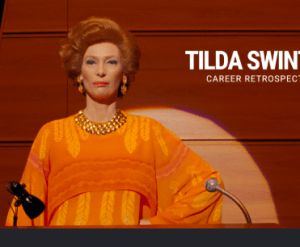
Swinton began her career in experimental theatre and independent cinema, where she quickly developed a reputation for androgynous versatility and intellectual depth. Her performances often challenge traditional notions of identity, gender, and narrative structure, allowing her to inhabit roles that feel detached from fixed characterization.
Her breakthrough came through collaborations with avant-garde filmmakers, where she fully embraced transformation as conceptual art rather than mere performance. In Orlando (1992), she portrayed a character who changes gender and exists across centuries, effectively dissolving traditional identity boundaries. Her performance is not just immersive but philosophical, redefining what it means to “become” a character.
Swinton’s legacy lies in her ability to erase fixed identity entirely, positioning acting as a form of existential exploration rather than representation.
Key Facts
- Full name of the subject: Katherine Matilda Swinton
- Date of birth: November 5, 1960
- Place of birth: London, England
- Family background: Aristocratic Scottish family
- Early childhood experiences: Educated in elite boarding schools
- Education history: University of Cambridge
- Influences and mentors: Experimental theatre and European avant-garde cinema
- Career beginnings: Independent British cinema and stage performance
- Major achievements: Academy Award winner
- Challenges and obstacles faced: Resistance to conventional casting norms
- Turning points in life: Breakthrough in Orlando
- Contributions to society: Support for experimental arts and cinema
- Personal life (marriage, children, relationships): Partner and children
- Awards and recognitions: Academy Award, BAFTA Award
- Beliefs, values, or philosophy: Fluid identity and artistic experimentation
- Legacy and impact: Redefined identity in cinematic performance
- Historical or cultural significance: Pioneer of gender-fluid representation in film
Notable Works: Orlando, Michael Clayton, Snowpiercer, The Grand Budapest Hotel, Doctor Strange
Controversies:
Tilda Swinton’s career has largely avoided traditional controversy, though she has been part of public discourse regarding casting choices in roles involving identity representation. These discussions are not allegations but cultural debates about representation in film.
The context arises from her participation in roles that challenge conventional casting boundaries, including discussions about race, gender, and narrative adaptation. Critics have occasionally questioned casting decisions, while supporters argue that her work intentionally engages with experimental storytelling traditions.
Key stakeholders include film critics, cultural commentators, filmmakers, and audiences engaged in representation discourse. There are no verified legal or institutional disputes connected to her casting history.
The impact of these discussions remains within academic and cultural analysis rather than affecting her professional reputation, which continues to be defined by artistic innovation.
8. Joaquin Phoenix
Joaquin Phoenix is widely regarded as one of the most psychologically immersive actors of his generation, known for performances that dissolve the boundary between emotional reality and constructed identity. Born in Puerto Rico to a family deeply involved in performance and creative arts, he experienced an unconventional upbringing marked by travel, instability, and early exposure to the entertainment industry. This environment shaped his instinctive, emotionally reactive approach to acting.

Phoenix began his career as a child actor in television and film, gradually developing a reputation for intensity and emotional unpredictability. Unlike many actors who build technique externally, Phoenix’s process is internal and destabilizing, often involving emotional excavation that blurs performance boundaries. His acting is less about portrayal and more about emotional surrender.
His breakthrough came with critically acclaimed performances that revealed an ability to inhabit fractured, psychologically complex characters. In Joker (2019), he portrayed Arthur Fleck, a man descending into psychological collapse. The transformation is not only physical but deeply emotional, as Phoenix constructs a slow disintegration of identity, culminating in a character that feels entirely detached from social reality. The performance became a cultural focal point for discussions around mental health representation in cinema.
Phoenix’s legacy lies in his willingness to fully destabilize himself for authenticity, redefining psychological immersion in modern acting.
Key Facts
- Full name of the subject: Joaquin Rafael Phoenix
- Date of birth: October 28, 1974
- Place of birth: San Juan, Puerto Rico
- Family background: Artistic family involved in music and performance
- Early childhood experiences: Frequent travel and unconventional upbringing
- Education history: Informal education focused on acting career
- Influences and mentors: River Phoenix and independent filmmakers
- Career beginnings: Child television and film roles
- Major achievements: Academy Award winner
- Challenges and obstacles faced: Emotional intensity of immersive acting
- Turning points in life: Breakthrough in Gladiator and Joker
- Contributions to society: Animal rights and environmental advocacy
- Personal life (marriage, children, relationships): Partnered with Rooney Mara, children
- Awards and recognitions: Academy Award, Golden Globe
- Beliefs, values, or philosophy: Emotional truth through psychological immersion
- Legacy and impact: Redefined modern psychological character acting
- Historical or cultural significance: Influenced contemporary portrayals of mental health in film
Notable Works: Joker, Gladiator, Walk the Line, Her, The Master
Controversies:
Joaquin Phoenix’s career has included public discussion regarding his intense method approach and promotional behavior during specific film campaigns. These discussions are not allegations of misconduct but reflect broader media interpretations of unconventional performance art strategies.
The context of these controversies includes his involvement in experimental promotional appearances and emotionally intense press engagements, particularly during I’m Still Here (2010), which blurred fiction and reality. The ambiguity of the project led to widespread speculation about authenticity versus performance.
Key stakeholders included film studios, media outlets, audiences, and collaborators. Critics questioned whether certain behaviors were genuine or performative, while supporters later confirmed the project’s conceptual intent as performance art.
There are no legal findings or institutional penalties associated with these events. The impact remains cultural and interpretive, contributing to debates about method acting boundaries and performance realism.
9. Robert De Niro
Robert De Niro’s career is a cornerstone of modern cinematic realism, defined by meticulous preparation, emotional intensity, and transformative immersion. Born in New York City into an artistic family, he was exposed early to painting, literature, and performance culture. His upbringing in Manhattan’s creative environment shaped his understanding of character psychology and urban realism.
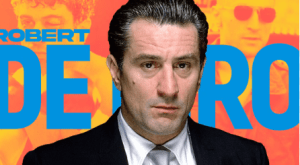
De Niro trained under influential acting mentors who emphasized method techniques rooted in emotional authenticity and lived experience. Early in his career, he gravitated toward roles that required deep psychological exploration, often immersing himself physically and emotionally into character environments.
His breakthrough came through collaborations with visionary directors, particularly in films that demanded extreme emotional realism. In Taxi Driver (1976), his portrayal of Travis Bickle became a defining example of psychological transformation in cinema. The character’s descent into isolation and instability is rendered with unsettling precision, making De Niro’s performance feel like a lived psychological case study rather than fictional interpretation.
De Niro’s legacy is defined by controlled intensity and immersive realism, influencing generations of actors who view preparation as a form of total identity absorption.
Key Facts
- Full name of the subject: Robert Anthony De Niro Jr.
- Date of birth: August 17, 1943
- Place of birth: New York City, United States
- Family background: Artistic family of painters
- Early childhood experiences: Raised in Greenwich Village artistic community
- Education history: Stella Adler Conservatory, Lee Strasberg Institute
- Influences and mentors: Martin Scorsese, Stella Adler
- Career beginnings: Independent films in the late 1960s
- Major achievements: Two Academy Awards
- Challenges and obstacles faced: Intense method preparation demands
- Turning points in life: Breakthrough in The Godfather Part II
- Contributions to society: Film education and cultural preservation initiatives
- Personal life (marriage, children, relationships): Multiple marriages, children
- Awards and recognitions: Academy Awards, Golden Globes, AFI honors
- Beliefs, values, or philosophy: Psychological realism in performance
- Legacy and impact: Defined modern method acting in cinema
- Historical or cultural significance: Shaped American film acting standards
Notable Works: Taxi Driver, The Godfather Part II, Raging Bull, Goodfellas, Heat
Controversies:
Robert De Niro has occasionally been involved in public political commentary that has generated media debate, particularly regarding statements made in interviews and public appearances. These discussions are not allegations of misconduct but reflections of his outspoken civic engagement.
The context of these debates arises from his participation in politically charged discourse, particularly during award ceremonies and media interviews. Reactions have varied widely depending on audience and political perspective.
Key stakeholders include media outlets, political commentators, audiences, and cultural institutions. Critics argue that such statements blur entertainment and political boundaries, while supporters view them as protected expression.
There are no legal disputes or institutional actions connected to these discussions. The impact remains cultural and interpretive rather than professional.
10. Tom Hardy
Tom Hardy is recognized for his physically transformative and psychologically layered performances that often blur the line between controlled intensity and emotional volatility. Born in London into an artistic household, Hardy showed early interest in performance and visual storytelling. His formal training at drama school refined his instinctive intensity into disciplined technique.

Hardy’s early career included television and film roles where his raw emotional energy quickly distinguished him from his peers. He developed a reputation for complete physical transformation, often altering voice, posture, and psychological tone to fully inhabit roles. His acting style is marked by unpredictability balanced with emotional precision.
His breakthrough came through roles that demanded both physical transformation and psychological immersion. In The Revenant (2015), Hardy portrayed John Fitzgerald, a morally complex antagonist driven by survival instinct. The performance is defined by emotional ambiguity, where hostility, fear, and survival logic coexist within a single character structure. His immersion creates a sense of realism that makes the character feel organically lived rather than constructed.
Hardy’s legacy lies in his ability to combine physical transformation with psychological instability, redefining modern character immersion in mainstream cinema.
Key Facts
- Full name of the subject: Edward Thomas Hardy
- Date of birth: September 15, 1977
- Place of birth: London, England
- Family background: Artistic and creative family
- Early childhood experiences: Interest in storytelling and performance arts
- Education history: Drama Centre London
- Influences and mentors: British theatre and method acting tradition
- Career beginnings: Television and independent film roles
- Major achievements: International film recognition
- Challenges and obstacles faced: Personal struggles and career interruptions
- Turning points in life: Breakthrough in Bronson
- Contributions to society: Charity work and youth support initiatives
- Personal life (marriage, children, relationships): Married to Charlotte Riley, children
- Awards and recognitions: BAFTA Rising Star Award
- Beliefs, values, or philosophy: Full physical and psychological immersion
- Legacy and impact: Modern action and character transformation icon
- Historical or cultural significance: Redefined physical intensity in contemporary acting
Notable Works: Mad Max: Fury Road, Inception, The Revenant, Bronson, Venom
Controversies:
Tom Hardy has occasionally been the subject of media attention regarding past behavioral incidents early in his career, including accounts of on-set intensity and personal struggles. These are not formal allegations but retrospective reports discussed in entertainment media.
The context of these discussions relates to the pressures of early fame and reported personal challenges during his rise in the industry. Over time, Hardy has publicly acknowledged past difficulties and emphasized personal growth and recovery.
Key stakeholders include production teams, media outlets, and industry observers. Critics have occasionally highlighted early career instability, while supporters emphasize his professional evolution and later discipline.
There are no ongoing legal cases or institutional actions associated with his career. The impact of these discussions has diminished over time, replaced by recognition of his established professional standing.
Notable Mentions
Vincent D’Onofrio
Jared Leto
Cate Blanchett
Dustin Hoffman
Philip Seymour Hoffman
Adrien Brody
Forest Whitaker
Cillian Murphy
Eddie Redmayne
Peter Sellers