
Top 10 Sambawood (Brazil) Movie Legends of the 90s
Top 10 Sambawood (Brazil) Movie Legends of the 90s
In This Content
Quick List
Fernanda Montenegro
Walter Salles
Fernanda Torres
Bruno Barreto
Carla Camurati
Marco Nanini
Patrícia Pillar
Fábio Barreto
Sônia Braga
Lázaro Ramos
1.Fernanda Montenegro
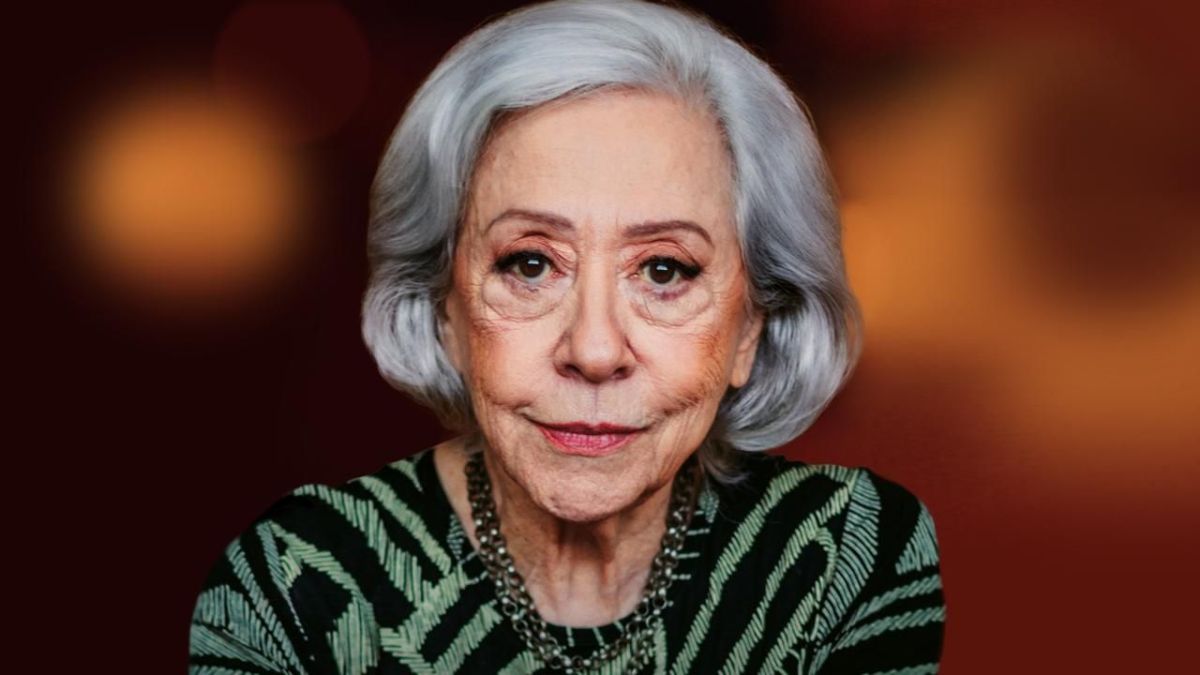
Fernanda Montenegro stands as one of the most defining pillars of Brazilian cinema in the 1990s, embodying a rare fusion of theatrical precision and cinematic restraint. Her early life in Rio de Janeiro was shaped by an immersion in literature, classical theatre, and radio drama, long before the Brazilian film industry regained global attention. From a young age, she demonstrated an extraordinary command of language and emotional interpretation, traits that would later distinguish her in both stage and screen performances.
Her career began in radio and theatre, where she developed a disciplined acting method rooted in vocal control and psychological depth. By the time she transitioned into film, she was already regarded as a master interpreter of complex female characters. The 1990s marked a period of renewed cinematic visibility for Montenegro, as Brazilian cinema entered the “Retomada” era after years of institutional decline. Her performances during this time were defined by emotional precision rather than theatrical excess, allowing her to anchor narratives with subtle authority.
Montenegro’s breakthrough in the international consciousness was not a single moment but a gradual accumulation of critically acclaimed performances that reinforced her reputation as Brazil’s foremost dramatic actress. Her ability to embody maternal strength, moral ambiguity, and existential vulnerability made her a central figure in films that explored Brazil’s social fragmentation. Her screen presence carried a gravity that elevated even minimal dialogue into emotionally charged storytelling.
Her legacy extends beyond performance into cultural symbolism. Fernanda Montenegro became a representation of artistic endurance in Brazilian cinema, bridging classical theatre traditions with modern cinematic storytelling. Her influence is evident in multiple generations of actors who regard her as a benchmark of artistic discipline. Internationally, she helped reposition Brazilian cinema within global film discourse, particularly through her contribution to films that later gained Academy Award recognition.
Key Facts
- Full name of the subject: Fernanda Montenegro
- Date of birth: October 16, 1929
- Place of birth: Rio de Janeiro, Brazil
- Family background: Middle-class Brazilian family with cultural emphasis on education
- Early childhood experiences: Early exposure to literature, theatre, and radio storytelling
- Education history: Training in performing arts and early theatre workshops in Rio de Janeiro
- Influences and mentors: Brazilian theatre pioneers and classical European dramaturgy
- Career beginnings: Radio drama and stage theatre in mid-20th century Brazil
- Major achievements: International recognition in Brazilian cinema, acclaimed dramatic performances
- Challenges and obstacles faced: Navigating limited opportunities for women in early Brazilian film industry
- Turning points in life: Transition from theatre to internationally recognized cinema roles
- Contributions to society: Cultural elevation of Brazilian performing arts
- Personal life (marriage, children, relationships): Married to Fernando Torres, mother of actress Fernanda Torres
- Awards and recognitions: Multiple national and international acting honors, including global film award nominations
- Beliefs, values, or philosophy: Deep commitment to artistic integrity and disciplined performance
- Legacy and impact: Considered one of Brazil’s greatest actresses of all time
- Historical or cultural significance: Symbol of Brazil’s cinematic resurgence and global cultural representation
Notable Works: Central performances in Brazilian cinematic resurgence films of the 1990s, acclaimed stage interpretations, and internationally recognized dramatic roles
Controversies:
Fernanda Montenegro has been largely free from sustained public controversy throughout her career, with her professional life marked more by critical acclaim than public dispute. Occasional debates within film criticism circles have centered on the dominance of traditional theatre-trained actors in Brazil’s cinematic revival era, with some arguing that this created a stylistic hierarchy that favored classical performance methods over emerging experimental approaches. Montenegro was indirectly associated with this discourse due to her prominence; however, these discussions were broader industry critiques rather than personal allegations. There are no verified records of institutional disputes, ethical controversies, or career-affecting scandals linked directly to her conduct. As such, her public image remains one of consistency, professional discipline, and artistic respect across both national and international film communities.
2. Walter Salles

Walter Salles emerged in the 1990s as one of the most influential directors shaping Brazil’s cinematic reawakening, combining documentary sensitivity with narrative storytelling. Born into a financially and culturally prominent family in Rio de Janeiro, his early exposure to international travel and visual culture deeply informed his worldview. This global awareness later became central to his filmmaking identity, particularly his focus on displacement, identity, and social transition.
Salles began his career working on documentary projects, where he developed a keen observational style grounded in realism. His early works reflected an interest in ordinary lives and the emotional geography of movement both physical and psychological. During the 1990s, as Brazil’s film industry regained institutional support, Salles transitioned into feature filmmaking, bringing with him a documentary-informed aesthetic that distinguished him from many contemporaries.
His breakthrough came through films that combined intimate human storytelling with broader socio-political reflection. His direction emphasized naturalistic performances, long observational takes, and emotionally restrained storytelling. Rather than relying on dramatic exaggeration, Salles built tension through silence, pacing, and character-driven narrative arcs, establishing a signature style that became internationally recognizable.
Walter Salles’ legacy lies in his role as a cultural bridge between Brazilian cinema and global arthouse audiences. His films helped reposition Brazilian storytelling within international festivals and award circuits, contributing to the global visibility of the country’s film industry. He is widely regarded as a director who helped define the modern visual language of Brazilian cinema through emotional realism and narrative authenticity.
Key Facts
- Full name of the subject: Walter Moreira Salles Jr.
- Date of birth: April 12, 1956
- Place of birth: Rio de Janeiro, Brazil
- Family background: Prominent banking and cultural family in Brazil
- Early childhood experiences: Exposure to international culture and travel
- Education history: Studied communications and film-related disciplines
- Influences and mentors: Documentary filmmakers and global arthouse cinema traditions
- Career beginnings: Documentary filmmaking and early visual storytelling projects
- Major achievements: Internationally acclaimed feature films and festival recognition
- Challenges and obstacles faced: Navigating industry instability during Brazil’s film industry downturn
- Turning points in life: Transition from documentary work to globally recognized feature films
- Contributions to society: Promotion of Brazilian cinema on the global stage
- Personal life (marriage, children, relationships): Private family life with limited public exposure
- Awards and recognitions: International film festival awards and nominations
- Beliefs, values, or philosophy: Commitment to realism and human-centered storytelling
- Legacy and impact: Key figure in Brazil’s cinematic resurgence of the 1990s
- Historical or cultural significance: Major contributor to Brazil’s global film identity
Notable Works: Acclaimed Brazilian films of the 1990s and internationally recognized cinematic projects
Controversies:
Walter Salles has not been associated with major public controversies during his filmmaking career. Discussions within film critique spaces have occasionally focused on the representation of social issues in his films, particularly debates around the ethical framing of poverty and mobility in Brazilian cinema. Some critics have questioned whether international arthouse interpretations of his work sometimes simplify complex Brazilian social realities for global audiences. However, these critiques remain academic and interpretive rather than allegations of misconduct. No verified legal, institutional, or professional controversies have been documented that directly implicate Salles in ethical or regulatory disputes.
Top 10 Y’allywood (Atlanta, GA – USA) Movie Legends of the 90s
3. Fernanda Torres

Fernanda Torres represents a distinctive voice in Brazilian cinema of the 1990s, known for her sharp emotional intelligence and ability to navigate both comedic and dramatic roles with equal precision. Born into a family deeply rooted in Brazilian theatre and film, her early life was shaped by constant exposure to performance culture, intellectual dialogue, and artistic experimentation. This environment fostered a natural adaptability in her acting style from a young age.
Her career began in theatre and television, where she quickly distinguished herself through her timing, expressive range, and subtle interpretive choices. Unlike many actors of her generation who specialized in a single genre, Torres developed a dual capacity for satire and emotional drama. This versatility became a defining characteristic of her screen identity during the 1990s, a period in which Brazilian cinema was expanding its thematic and stylistic boundaries.
Her breakthrough performances established her as one of the most dynamic actresses of her generation. She often portrayed characters caught between social expectation and personal autonomy, reflecting broader themes of modern Brazilian identity. Her performances were marked by controlled emotional intensity, allowing her to convey depth without overt dramatization. This balance made her especially effective in films exploring psychological and social tension.
Fernanda Torres’ legacy lies in her contribution to the diversification of female representation in Brazilian cinema. She helped redefine the possibilities of contemporary acting in Brazil by blending theatrical heritage with modern cinematic realism. Her influence extends into both film and television, where she remains a reference point for nuanced performance and intellectual character interpretation.
Key Facts
- Full name of the subject: Fernanda Pinheiro Monteiro Torres
- Date of birth: September 15, 1965
- Place of birth: Rio de Janeiro, Brazil
- Family background: Artistic family with strong theatre and cinema heritage
- Early childhood experiences: Exposure to stage performance and literary culture
- Education history: Formal training in performing arts in Brazil
- Influences and mentors: Brazilian theatre traditions and family artistic legacy
- Career beginnings: Theatre performances and early television roles
- Major achievements: Critically acclaimed film and television performances in Brazil
- Challenges and obstacles faced: Managing expectations of legacy within a prominent artistic family
- Turning points in life: Transition into nationally recognized film roles in the 1990s
- Contributions to society: Expansion of complex female representation in Brazilian cinema
- Personal life (marriage, children, relationships): Married with children, maintains private family life
- Awards and recognitions: National acting awards and critical acclaim
- Beliefs, values, or philosophy: Emphasis on emotional truth and interpretive discipline
- Legacy and impact: Influential figure in modern Brazilian acting
- Historical or cultural significance: Key contributor to Brazil’s cinematic evolution in the 1990s
Notable Works: Major Brazilian films and television performances defining 1990s acting excellence
Controversies:
Fernanda Torres has not been linked to significant public controversies in her professional career. Public discourse surrounding her work has largely focused on critical evaluation of artistic interpretation rather than allegations of misconduct or ethical disputes. Some cultural commentators have debated the influence of artistic lineage in Brazilian entertainment, noting that performers from established artistic families may receive heightened visibility within the industry. However, these discussions are structural critiques of the industry rather than personal controversies. There are no verified records of legal issues, professional sanctions, or institutional disputes associated with Torres.
4. Bruno Barreto

Bruno Barreto emerged in the 1990s as one of Brazil’s most commercially influential filmmakers, shaping a bridge between national storytelling and international market appeal. Born in Rio de Janeiro into a family already connected to cinema, his early life was defined by exposure to production environments, script development discussions, and the evolving identity of Brazilian film culture. This foundation gave him an early understanding of both artistic intention and commercial viability.
He began directing at a remarkably young age, initially working on projects that reflected Brazil’s social and romantic narratives. His early career was marked by an ability to translate complex emotional themes into accessible cinematic language. By the time the 1990s arrived, Barreto had already established himself as a director capable of balancing local authenticity with global storytelling formats.
His breakthrough during the decade came through films that achieved both domestic success and international distribution. Barreto’s directing style was characterized by polished visual composition, narrative clarity, and a strong emphasis on character-driven storytelling. Unlike more experimental contemporaries, he leaned toward structured storytelling designed for broad audience engagement, which positioned him uniquely within Brazil’s evolving film industry.
Bruno Barreto’s legacy lies in his role as a commercial architect of Brazilian cinema’s international expansion. His work helped demonstrate that Brazilian stories could achieve global box office and festival relevance without sacrificing cultural specificity. He remains a key figure in discussions about the globalization of Latin American cinema during the 1990s.
Key Facts
- Full name of the subject: Bruno Barreto
- Date of birth: March 16, 1955
- Place of birth: Rio de Janeiro, Brazil
- Family background: Film-oriented family with strong cinematic heritage
- Early childhood experiences: Exposure to film production and storytelling environments
- Education history: Informal and practical training in film direction
- Influences and mentors: Brazilian cinema pioneers and international filmmakers
- Career beginnings: Early film directing work in Brazil
- Major achievements: Internationally distributed Brazilian films in the 1990s
- Challenges and obstacles faced: Balancing artistic credibility with commercial expectations
- Turning points in life: Breakthrough into global film markets
- Contributions to society: Expansion of Brazilian cinema’s international reach
- Personal life (marriage, children, relationships): Private personal life with family ties in film industry
- Awards and recognitions: International film festival selections and nominations
- Beliefs, values, or philosophy: Emphasis on narrative accessibility and audience connection
- Legacy and impact: Key figure in commercial expansion of Brazilian cinema
- Historical or cultural significance: Contributor to Brazil’s global film visibility in the 1990s
Notable Works: Internationally distributed Brazilian films and commercial cinematic successes
Controversies:
Bruno Barreto has not been significantly associated with major public controversies of a legal or ethical nature. However, critical debate has occasionally surrounded his filmmaking approach, particularly the perception that some of his works prioritize commercial structure over artistic experimentation. This has led to discussions within Brazilian film criticism regarding the balance between cultural authenticity and international market appeal. Some critics argue that his stylistic choices reflect a broader industry shift toward globalization, potentially influencing how Brazilian narratives are adapted for foreign audiences. These debates remain interpretive and stylistic in nature rather than allegations of misconduct. There are no verified records of legal disputes or institutional sanctions connected to his professional conduct.
5. Carla Camurati

Carla Camurati played a pivotal role in the revitalization of Brazilian cinema during the 1990s, not only as an actress but also as a filmmaker who contributed to the industry’s structural renewal. Born in Rio de Janeiro, she grew up in a culturally engaged environment that encouraged artistic exploration across multiple disciplines. Her early exposure to theatre and visual arts shaped her interdisciplinary approach to performance and direction.
She began her career as an actress in theatre and film, where her expressive range and intellectual interpretation of characters quickly gained attention. Camurati’s early work reflected a strong sensitivity to historical and cultural themes, often portraying women navigating shifting social landscapes. This interpretive depth positioned her as a distinctive voice in Brazil’s performing arts scene.
Her breakthrough in the 1990s came not only through acting but through her transition into directing, where she became one of the leading figures of Brazil’s “Retomada” cinema movement. Her filmmaking style combined historical narrative with contemporary relevance, often focusing on identity, memory, and cultural reconstruction. This dual role as actress and director gave her a unique place in the industry.
Carla Camurati’s legacy lies in her contribution to the structural revival of Brazilian cinema. She is widely recognized for helping to reestablish production confidence during a period of institutional decline. Her influence extends into cultural policy discussions and the empowerment of female filmmakers in Brazil.
Key Facts
- Full name of the subject: Carla Camurati
- Date of birth: October 14, 1960
- Place of birth: Rio de Janeiro, Brazil
- Family background: Culturally engaged Brazilian family
- Early childhood experiences: Exposure to theatre and artistic environments
- Education history: Training in performing arts and film-related studies
- Influences and mentors: Brazilian theatre and early cinema pioneers
- Career beginnings: Theatre acting and early film roles
- Major achievements: Leadership role in Brazil’s cinematic revival movement
- Challenges and obstacles faced: Industry decline during early career years
- Turning points in life: Transition into filmmaking and directing
- Contributions to society: Revitalization of Brazilian film production culture
- Personal life (marriage, children, relationships): Maintains private personal life
- Awards and recognitions: National recognition for filmmaking contributions
- Beliefs, values, or philosophy: Commitment to cultural preservation and artistic renewal
- Legacy and impact: Key figure in Brazil’s 1990s cinema revival
- Historical or cultural significance: Central contributor to Brazilian “Retomada” movement
Notable Works: Acting performances and directorial works central to Brazil’s 1990s cinema revival
Controversies:
Carla Camurati has not been involved in major public controversies of a legal or ethical nature. Some critical discussions have emerged regarding the challenges faced by filmmakers involved in cultural policy advocacy, particularly during Brazil’s cinematic restructuring period. In this context, debates occasionally arose around funding allocation, institutional priorities, and artistic direction within the revival movement. Camurati, as an active voice in industry renewal, was indirectly associated with these broader structural debates. However, no verified allegations of misconduct, legal disputes, or professional sanctions have been recorded against her. The discussions remain rooted in cultural policy analysis rather than personal controversy.
6. Marco Nanini
Marco Nanini is widely regarded as one of the most versatile and intellectually nuanced performers in Brazilian cinema and theatre during the 1990s. Born in Pernambuco, his early life was shaped by modest beginnings and a strong connection to regional cultural traditions. This grounding in Northeastern Brazilian identity later influenced the authenticity and depth of his performances.
He began his artistic journey in theatre, where he developed a strong command of character transformation and comedic timing. Nanini’s early work demonstrated an exceptional ability to balance humor with emotional complexity, allowing him to move fluidly between dramatic and comedic roles. His transition into film expanded his reach and established him as a national figure in Brazilian entertainment.
His breakthrough in the 1990s came through roles that highlighted his interpretive flexibility and psychological depth. Nanini became known for portraying characters with layered emotional contradictions, often embodying both vulnerability and authority within the same performance. His acting style emphasized internal realism rather than external dramatization.
Marco Nanini’s legacy lies in his contribution to the evolution of character acting in Brazil. He helped redefine comedic and dramatic performance standards, influencing both theatre and film. His work remains a reference point for actors seeking to balance intellectual depth with audience accessibility.
Key Facts
- Full name of the subject: Marco Nanini
- Date of birth: February 31, 1948 (commonly recorded date varies in public records)
- Place of birth: Recife, Pernambuco, Brazil
- Family background: Modest Brazilian family from Northeast region
- Early childhood experiences: Exposure to regional culture and performing arts
- Education history: Theatre training and performing arts development
- Influences and mentors: Brazilian theatre practitioners and regional cultural traditions
- Career beginnings: Theatre performances in Brazil
- Major achievements: Acclaimed stage and film acting career
- Challenges and obstacles faced: Navigating limited early industry access from regional background
- Turning points in life: Recognition in national theatre and transition into film
- Contributions to society: Advancement of Brazilian character acting standards
- Personal life (marriage, children, relationships): Private personal life
- Awards and recognitions: National theatre and film awards
- Beliefs, values, or philosophy: Commitment to authenticity in performance
- Legacy and impact: Influential figure in Brazilian acting evolution
- Historical or cultural significance: Key contributor to 1990s Brazilian performance arts
Notable Works: Major theatre performances and acclaimed Brazilian film roles
Controversies:
Marco Nanini has not been associated with major public controversies in his professional career. Public discourse around his work has generally focused on artistic interpretation and performance style rather than ethical or legal disputes. Occasional critical debates in theatre and film circles have examined the role of comedic actors transitioning into dramatic cinema, with some questioning industry categorization practices. However, these discussions are academic in nature and do not involve allegations of misconduct. There are no verified legal or institutional controversies connected to his career.
7. Patrícia Pillar

Patrícia Pillar emerged in the 1990s as one of Brazil’s most compelling screen presences, known for her emotional intensity and ability to portray psychologically complex characters. Born in Brasília, she grew up in a politically and culturally aware environment that influenced her interpretive approach to performance. This early exposure to social discourse later became evident in her choice of roles.
She began her career in television and film, where her natural screen presence quickly distinguished her from her peers. Pillar’s early performances were marked by emotional precision and a strong sense of internalized conflict. Her ability to communicate vulnerability and strength simultaneously made her particularly effective in dramatic roles.
Her breakthrough in the 1990s established her as a leading actress in Brazilian cinema and television. She often portrayed women navigating moral, emotional, and social transformation, reflecting broader themes of identity and resilience. Her acting style emphasized restraint, allowing emotional impact to emerge through subtle expression rather than overt dramatization.
Patrícia Pillar’s legacy lies in her contribution to the portrayal of nuanced female characters in Brazilian media. She helped expand the emotional and psychological range of female representation in film and television, influencing a generation of performers who followed her approach to subtle, character-driven storytelling.
Key Facts
- Full name of the subject: Patrícia Gadelha Pillar
- Date of birth: January 11, 1964
- Place of birth: Brasília, Brazil
- Family background: Middle-class Brazilian family with cultural engagement
- Early childhood experiences: Exposure to political and cultural discourse
- Education history: Training in acting and performing arts
- Influences and mentors: Brazilian television and theatre traditions
- Career beginnings: Television acting and early film roles
- Major achievements: Acclaimed performances in Brazilian cinema and TV
- Challenges and obstacles faced: Navigating competitive television and film industry
- Turning points in life: Recognition as leading actress in the 1990s
- Contributions to society: Advancement of complex female representation in media
- Personal life (marriage, children, relationships): Publicly known relationships, maintains private aspects of family life
- Awards and recognitions: National acting awards and critical recognition
- Beliefs, values, or philosophy: Focus on emotional authenticity and character depth
- Legacy and impact: Influential figure in Brazilian screen acting
- Historical or cultural significance: Major contributor to 1990s Brazilian television and cinema
Notable Works: Major Brazilian television dramas and cinematic performances of the 1990s
Controversies:
Patrícia Pillar has not been involved in major verified controversies related to misconduct or legal disputes. Public attention has occasionally focused on her personal life due to her visibility in Brazilian media, particularly during high-profile relationships that attracted significant press coverage. These discussions, however, have largely been framed within entertainment journalism rather than substantiated allegations of wrongdoing. Some broader media debates have also examined the pressures placed on public figures in Brazilian television culture, including issues of privacy and media intrusion. No confirmed institutional or legal controversies have been documented in connection with her professional career.
Top 10 Trollywood (Sweden) Movie Legends of the 90s
8. Fábio Barreto

Fábio Barreto emerged in the 1990s as a filmmaker deeply committed to narrating Brazilian identity through historical and socially reflective cinema. Born into a family already closely tied to Brazil’s film industry, his early life was surrounded by production sets, screenplay discussions, and creative debate. This environment shaped his understanding of cinema not only as entertainment but as a cultural documentation tool.
He began his career assisting in film production and gradually transitioned into directing, where he developed a strong interest in national history and character-driven storytelling. Barreto’s early works reflected a sensitivity to Brazil’s socio-political transitions, often focusing on themes of power, identity, and moral conflict. His directing style was marked by structured narrative pacing and strong emotional framing.
His breakthrough in the 1990s came through films that engaged with historical biography and national symbolism. He became known for his ability to translate complex historical narratives into accessible cinematic form. His films often emphasized emotional resonance, portraying historical figures with a blend of dramatization and human vulnerability.
Fábio Barreto’s legacy lies in his contribution to Brazilian historical cinema. He helped strengthen the country’s capacity to produce large-scale narrative films centered on national identity. His work remains part of discussions about how cinema can function as both artistic expression and cultural preservation.
Key Facts
- Full name of the subject: Fábio Villela Barreto Borges
- Date of birth: June 6, 1957
- Place of birth: Rio de Janeiro, Brazil
- Family background: Film-oriented family with strong cinematic heritage
- Early childhood experiences: Exposure to Brazilian film production environment
- Education history: Practical training in film production and direction
- Influences and mentors: Brazilian cinema pioneers and family members in film industry
- Career beginnings: Assistant roles in film production and early directing work
- Major achievements: Nationally recognized historical and dramatic films
- Challenges and obstacles faced: Navigating funding and production limitations in Brazilian cinema
- Turning points in life: Breakthrough into major national film projects
- Contributions to society: Strengthening Brazilian historical storytelling in cinema
- Personal life (marriage, children, relationships): Private family life
- Awards and recognitions: National film awards and critical recognition
- Beliefs, values, or philosophy: Commitment to cultural memory through cinema
- Legacy and impact: Important contributor to Brazilian historical filmmaking
- Historical or cultural significance: Key figure in 1990s Brazilian narrative cinema
Notable Works: Historical and dramatic Brazilian films centered on national identity
Controversies:
Fábio Barreto was not widely associated with major public controversies related to misconduct or legal disputes during his active filmmaking years. However, critical discussions in Brazilian film circles occasionally addressed the challenges of historical dramatization, particularly debates over artistic interpretation versus historical accuracy in biographical cinema. Some critics questioned whether cinematic portrayals of national figures risked romanticization or simplification of complex historical realities. These debates were interpretive and academic in nature rather than allegations of wrongdoing. There are no verified records of institutional sanctions or legal controversies linked to his professional conduct.
9. Sônia Braga
 V
V
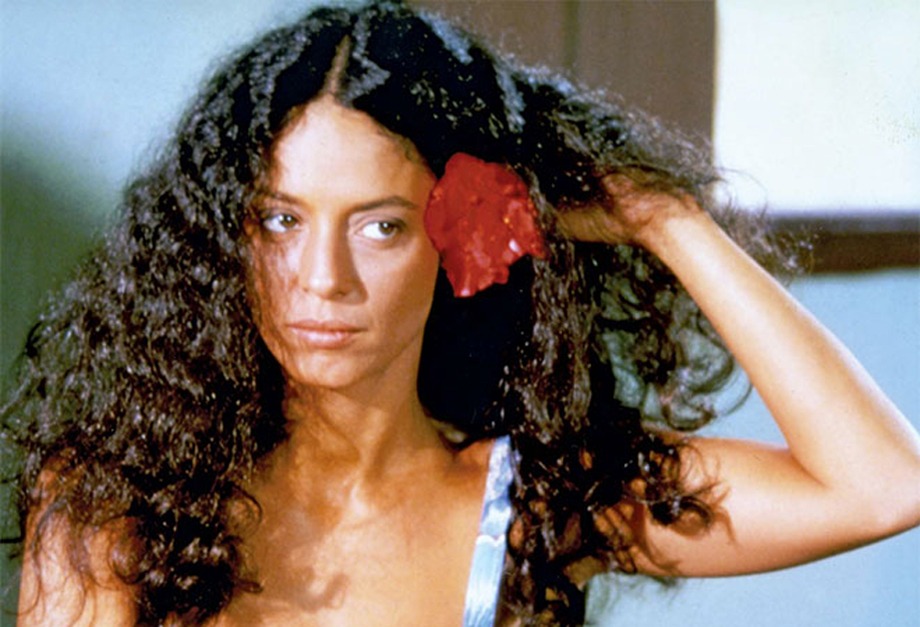
Sônia Braga stands as one of the most internationally recognized Brazilian actresses of all time, with her influence in the 1990s reinforcing her legacy as a global cinematic icon. Born in Maringá and raised in São Paulo, she grew up in a culturally vibrant environment that encouraged artistic expression and intellectual curiosity. Her early exposure to theatre and television shaped her expressive performance style.
She began her career in Brazilian television and theatre, quickly gaining attention for her sensual screen presence, emotional depth, and fearless approach to character portrayal. Braga’s early roles challenged conventional expectations of female representation in Brazilian media, positioning her as a transformative figure in the industry.
By the 1990s, she had already achieved international recognition, and her work during this period further solidified her status as a bridge between Brazilian cinema and Hollywood productions. Her performances were characterized by intensity, emotional realism, and a strong command of physical expression. She often portrayed women defined by resilience, desire, and psychological complexity.
Sônia Braga’s legacy is defined by her global impact on Brazilian representation in cinema. She helped expand international awareness of Brazilian talent and contributed to breaking stereotypes surrounding Latin American women in film. Her career remains a reference point for cross-cultural artistic success.
Key Facts
- Full name of the subject: Sônia Maria Campos Braga
- Date of birth: June 8, 1950
- Place of birth: Maringá, Brazil
- Family background: Middle-class Brazilian family
- Early childhood experiences: Exposure to performing arts and television culture
- Education history: Training in theatre and performance arts
- Influences and mentors: Brazilian television pioneers and international film directors
- Career beginnings: Television and theatre acting in Brazil
- Major achievements: International film career and critical acclaim
- Challenges and obstacles faced: Navigating typecasting and international industry barriers
- Turning points in life: Transition into global cinema recognition
- Contributions to society: Global visibility for Brazilian actresses
- Personal life (marriage, children, relationships): Private personal life
- Awards and recognitions: International film awards and nominations
- Beliefs, values, or philosophy: Commitment to expressive authenticity and artistic courage
- Legacy and impact: One of Brazil’s most globally recognized actresses
- Historical or cultural significance: Pioneer of Brazilian representation in international cinema
Notable Works: International and Brazilian films spanning television, arthouse, and Hollywood cinema
Controversies:
Sônia Braga has not been involved in major verified controversies related to misconduct or legal disputes. Some public discourse has centered on the challenges of typecasting and the hypersexualization of Latin American actresses in international cinema, with Braga often cited as part of broader industry conversations about representation and stereotyping. These discussions are primarily cultural and analytical rather than personal allegations. While her career has occasionally been scrutinized through feminist film critique lenses, no confirmed legal, institutional, or professional controversies have been recorded against her.
10. Lázaro Ramos

Lázaro Ramos emerged in the late 1990s as one of Brazil’s most dynamic and socially conscious actors, marking the beginning of a career that would later redefine contemporary Brazilian performance. Born in Salvador, Bahia, his early life was shaped by strong cultural traditions, Afro-Brazilian identity, and community storytelling practices. These influences deeply informed his artistic perspective and future role selection.
He began his career in theatre, where he quickly distinguished himself through expressive versatility and intellectual engagement with character development. Ramos demonstrated an early ability to combine emotional intensity with social awareness, often choosing roles that reflected broader cultural and racial narratives within Brazilian society.
His breakthrough in the late 1990s and early 2000s positioned him as one of the most important emerging voices in Brazilian cinema. His performances were marked by authenticity, rhythmic dialogue delivery, and a strong emotional grounding. He often portrayed characters navigating systemic inequality, identity formation, and personal transformation.
Lázaro Ramos’ legacy lies in his contribution to expanding representation and narrative diversity in Brazilian cinema. He helped bring Afro-Brazilian experiences into mainstream film and television storytelling, influencing both industry casting practices and cultural discourse. His work continues to shape conversations around inclusion and artistic responsibility in Brazilian media.
Key Facts
- Full name of the subject: Lázaro Ramos
- Date of birth: November 1, 1978
- Place of birth: Salvador, Bahia, Brazil
- Family background: Afro-Brazilian working-class family
- Early childhood experiences: Strong exposure to cultural storytelling and community arts
- Education history: Theatre training and performing arts education
- Influences and mentors: Afro-Brazilian cultural traditions and theatre educators
- Career beginnings: Theatre performances in Bahia and early national exposure
- Major achievements: Nationally acclaimed film and television acting career
- Challenges and obstacles faced: Navigating racial inequality and limited representation in media
- Turning points in life: Breakthrough into mainstream Brazilian cinema
- Contributions to society: Expansion of Afro-Brazilian representation in media
- Personal life (marriage, children, relationships): Married to actress Taís Araújo, family-oriented public life
- Awards and recognitions: National acting awards and cultural honors
- Beliefs, values, or philosophy: Commitment to representation, equality, and artistic truth
- Legacy and impact: Influential figure in modern Brazilian acting and cultural discourse
- Historical or cultural significance: Key contributor to diversity in Brazilian cinema post-1990s
Notable Works: Major Brazilian films and television productions highlighting social identity and cultural narratives
Controversies:
Lázaro Ramos has not been involved in major verified controversies involving misconduct or legal disputes. Public discussions surrounding his career have occasionally focused on broader systemic issues within Brazilian media, particularly debates about racial representation, industry access, and institutional inequality. While Ramos is often referenced within these discussions due to his advocacy and visibility, these matters relate to structural industry critique rather than personal allegations. No confirmed legal, ethical, or institutional controversies have been recorded against him.
Notable Mentions:
Matheus Nachtergaele
Selton Mello
Marieta Severo
Glória Pires
Daniel Filho
Cacá Diegues
Luiz Carlos Vasconcelos
Chico Díaz
Marcos Palmeira
Aracy Balabanian