Top 10 Kariwood (Karachi – Pakistan) Movie Legends of the 90s
Top 10 Kariwood (Karachi – Pakistan) Movie Legends of the 90s
In This Content
Quick List
Nadeem Baig
Shabnam
Javed Sheikh
Babar Ali
Reema Khan
Saima Noor
Meera
Resham
Izhar Qazi
Behroze Sabzwari
1. Nadeem Baig
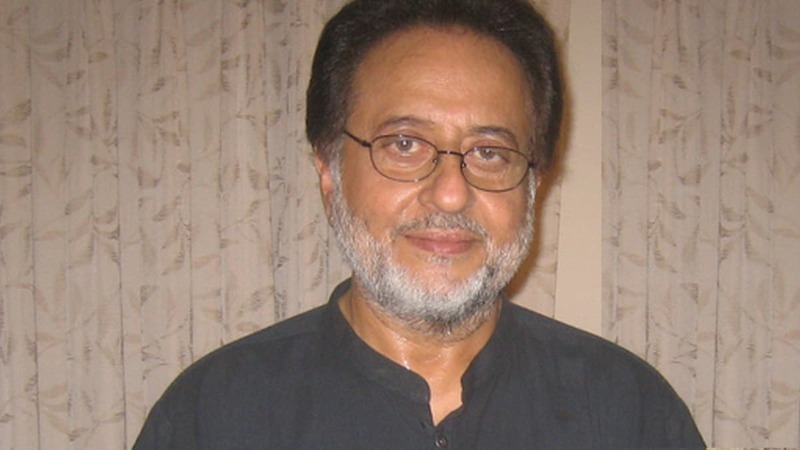
Nadeem Baig remains one of the most enduring pillars of Pakistani cinema, whose influence carried strongly into the evolving film culture associated with Karachi’s industry ecosystem during the 1990s. Born in Vijayawada (pre-partition India) and later migrating to Pakistan, he grew up within a shifting socio-cultural landscape that shaped his disciplined and emotionally controlled performance style.
He began his career in the 1960s, rapidly establishing himself as a leading romantic hero of Pakistani cinema. By the time the 1990s arrived, Nadeem had transitioned into a senior cinematic figure whose presence represented continuity, prestige, and classical film tradition within a rapidly changing industry.
His breakthrough influence in the 90s was not defined by new entry success, but by sustained relevance playing mature, layered characters that anchored films with emotional gravity. His refined dialogue delivery and restrained emotional expression distinguished him from younger commercial actors.
By the end of the decade, Nadeem Baig had become a symbolic bridge between Pakistan’s golden cinematic era and the modern industry emerging from Karachi. His legacy is defined by longevity, consistency, and artistic dignity.
Key Facts
- Full name of the subject: Nadeem Baig
- Date of birth: July 19, 1941
- Place of birth: Vijayawada, India
- Family background: Migrated family post-partition
- Early childhood experiences: Exposure to migration-era cultural shifts
- Education history: Educated in Pakistan
- Influences and mentors: Early Pakistani film pioneers
- Career beginnings: 1960s Pakistani cinema debut
- Major achievements: Longest-serving leading actor in Pakistani film history
- Challenges and obstacles faced: Industry transitions and declining cinema infrastructure
- Turning points in life: Transition from romantic lead to senior actor roles
- Contributions to society: Stabilized continuity of Pakistani film industry
- Personal life (marriage, children, relationships): Private family life
- Awards and recognitions: Multiple national film awards
- Beliefs, values, or philosophy: Discipline, consistency, and artistic dignity
- Legacy and impact: Icon of classical Pakistani cinema
- Historical or cultural significance: Bridge between golden era and modern Karachi cinema
Notable Works: Chakori, Sangdil, Bandish, 1990s dramatic films
Controversies: Nadeem Baig’s career has remained largely free from personal controversy. However, industry-wide discussions during the 1990s and early 2000s occasionally examined the declining infrastructure of Pakistani cinema and the reduced output of mainstream film production in Karachi. These discussions involved filmmakers, cultural critics, and distributors analyzing structural challenges within the industry. Nadeem Baig himself was not involved in any formal dispute or allegation, and the matter is widely regarded as an institutional industry issue rather than an individual controversy.
2. Shabnam

Shabnam is widely regarded as one of the most influential actresses in South Asian cinema history, whose legacy extended into the Pakistani film industry ecosystem that influenced Karachi cinema culture in the 1990s. Born in Dhaka (then British India, later East Pakistan), she grew up in a culturally rich environment that shaped her expressive emotional acting style.
She began her career in the 1960s and quickly became a leading star in Pakistani cinema, especially in Urdu-language films. By the 1990s, she had transitioned into a senior figure whose presence symbolized cinematic excellence and emotional depth.
Her breakthrough legacy in the 90s was defined by her continued influence rather than new breakout roles she remained a benchmark for female performance standards in romantic and dramatic storytelling.
By the end of the decade, Shabnam’s legacy had transcended active performance, positioning her as a foundational icon of Pakistani cinema’s golden heritage and emotional storytelling tradition.
Key Facts
- Full name of the subject: Shabnam
- Date of birth: August 17, 1942
- Place of birth: Dhaka, Bangladesh (then British India)
- Family background: Artistic and culturally rooted family
- Early childhood experiences: Exposure to theatre and performance culture
- Education history: Educated in East Pakistan
- Influences and mentors: Early film directors of Pakistani cinema
- Career beginnings: 1960s film debut
- Major achievements: Leading actress of Pakistani golden cinema era
- Challenges and obstacles faced: Migration and industry transition
- Turning points in life: Establishment as top romantic heroine
- Contributions to society: Elevated female acting standards in cinema
- Personal life (marriage, children, relationships): Married life in Pakistan
- Awards and recognitions: National film awards and lifetime honors
- Beliefs, values, or philosophy: Emotional authenticity in performance
- Legacy and impact: Icon of South Asian cinematic femininity
- Historical or cultural significance: Central figure in Pakistan’s golden film era
Notable Works: 1960s–80s romantic and dramatic Pakistani films
Controversies: Shabnam’s career remained free from personal controversy. However, broader industry discussions in the 1990s examined the decline of Pakistan’s film production infrastructure and its impact on veteran actors’ visibility. These discussions involved filmmakers, historians, and cultural analysts evaluating institutional challenges. Shabnam was not involved in any dispute or allegation, and the matter is considered a structural industry concern rather than an individual controversy.
Top 10 Documentary Filmmakers
3. Javed Sheikh

Javed Sheikh emerged as one of the most versatile figures in Pakistani cinema and television, with his influence strongly shaping the Karachi-centered film industry landscape of the 1990s. Born in Rawalpindi, Pakistan, he grew up in a family with artistic leanings that supported his early interest in performance.
He began his career in television and film during the 1970s and 1980s, gradually building a reputation for adaptability across genres. By the 1990s, he had become a key figure in Pakistani commercial cinema, particularly in Karachi-based productions.
His breakthrough in the 90s came through leading and supporting roles in action, romance, and family dramas, where his screen presence combined charm, authority, and emotional range. He became one of the few actors capable of bridging television and film audiences effectively.
By the end of the decade, Javed Sheikh had established himself as a multi-dimensional industry pillar. His legacy lies in expanding the professional scope of Pakistani acting into both direction and cross-industry performance.
Key Facts
- Full name of the subject: Javed Sheikh
- Date of birth: October 8, 1954
- Place of birth: Rawalpindi, Pakistan
- Family background: Artistic family background
- Early childhood experiences: Exposure to theatre and media culture
- Education history: Educated in Pakistan
- Influences and mentors: Pakistani television pioneers
- Career beginnings: Television and film debut in early career
- Major achievements: Actor, director, and producer in Pakistani cinema
- Challenges and obstacles faced: Industry instability in 1990s cinema
- Turning points in life: Expansion into directing and mainstream film roles
- Contributions to society: Strengthened Pakistan’s film and TV crossover industry
- Personal life (marriage, children, relationships): Public family life
- Awards and recognitions: National entertainment awards
- Beliefs, values, or philosophy: Versatility and professional adaptability
- Legacy and impact: Multi-industry pioneer in Pakistani entertainment
- Historical or cultural significance: Key figure in Karachi’s film evolution
Notable Works: Chief Saab, Ramchand Pakistani, 1990s action and drama films
Controversies: Javed Sheikh’s career has remained largely free of personal controversy; however, industry discussions in the 1990s occasionally focused on the shifting identity of Pakistani cinema between television-driven productions and traditional film formats. These debates involved filmmakers, critics, and producers analyzing structural transitions within the Karachi entertainment industry. Sheikh himself was not involved in any formal dispute, and the matter is regarded as an industry-wide evolution discussion rather than an individual controversy.
4. Babar Ali
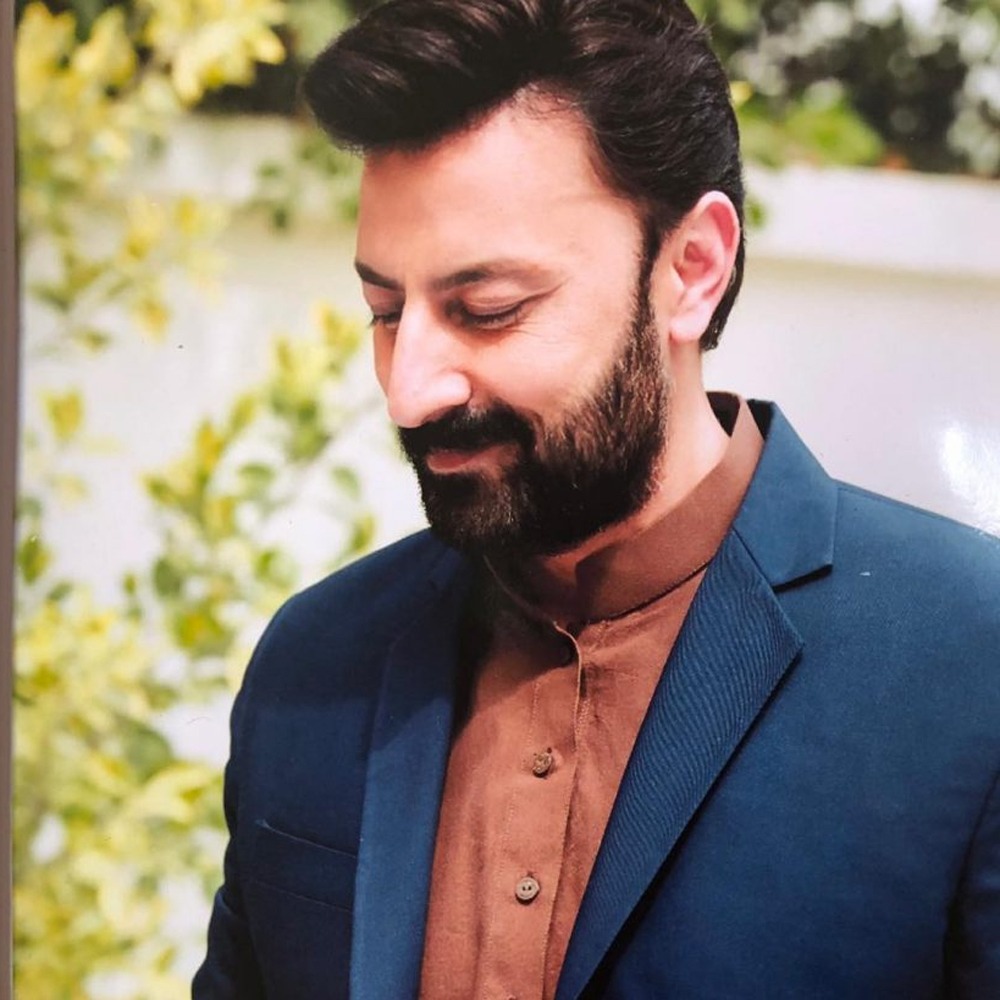
Babar Ali emerged in the 1990s as one of the most prominent leading men in Pakistani cinema, closely associated with the commercial film wave that defined Karachi’s screen culture during that decade. Born in Lahore, Pakistan, he grew up in a period when television drama and film were both competing for audience dominance, shaping his early exposure to performance arts.
He began his acting career in the early 1990s, entering the industry at a time when Pakistani cinema was seeking new faces to reinvigorate its romantic and action genres. His early work quickly positioned him as a commercially viable lead actor with strong screen appeal.
His breakthrough came through romantic and action-driven films that capitalized on his youthful charisma and emotional expressiveness. He became a recognizable figure in urban cinema audiences, especially in Karachi, where film distribution networks amplified his popularity.
By the end of the decade, Babar Ali had become one of the defining male leads of 90s Pakistani cinema, representing a transitional generation between classical film stars and modern television-film crossover actors.
Key Facts
- Full name of the subject: Babar Ali
- Date of birth: 1972
- Place of birth: Lahore, Pakistan
- Family background: Middle-class Pakistani family
- Early childhood experiences: Exposure to media culture in Lahore
- Education history: Educated in Pakistan
- Influences and mentors: Pakistani film directors of early 90s
- Career beginnings: Film debut in early 1990s
- Major achievements: Leading man in multiple commercial films
- Challenges and obstacles faced: Declining film industry infrastructure
- Turning points in life: Establishment as a mainstream romantic lead
- Contributions to society: Popularized modern romantic hero archetype
- Personal life (marriage, children, relationships): Private family life
- Awards and recognitions: Film industry nominations and honors
- Beliefs, values, or philosophy: Commercial cinema accessibility
- Legacy and impact: 90s romantic hero of Pakistani cinema
- Historical or cultural significance: Symbol of transitional film era
Notable Works: 1990s romantic and action Pakistani films
Controversies: Babar Ali’s career has not been associated with major personal controversy. However, broader industry discussions in the 1990s highlighted concerns over formula-driven storytelling in commercial Pakistani cinema, which affected many actors working in the Karachi film circuit. These critiques were directed at industry practices rather than individuals, and Babar Ali was not involved in any formal dispute or allegation.
5. Reema Khan

Reema Khan became one of the most recognizable female stars of 1990s Pakistani cinema, playing a central role in shaping the Karachi film industry’s commercial identity. Born in Multan, Pakistan, she grew up in a culturally traditional environment that later contrasted with her bold screen persona.
She began her film career in the early 1990s, entering the industry at a time when female leads were becoming central to commercial storytelling. Her natural screen presence and expressive emotional range quickly distinguished her from contemporaries.
Her breakthrough came through romantic and action films where she often played strong yet emotionally layered female characters. She became one of the most bankable stars of the decade, particularly in Karachi-based productions.
By the end of the 1990s, Reema Khan had redefined the modern Pakistani film heroine, combining glamour with emotional depth and establishing a long-lasting legacy in South Asian cinema.
Key Facts
- Full name of the subject: Reema Khan
- Date of birth: October 27, 1971
- Place of birth: Multan, Pakistan
- Family background: Traditional Pakistani family
- Early childhood experiences: Conservative upbringing with strong cultural values
- Education history: Educated in Pakistan
- Influences and mentors: Early Pakistani film directors and choreographers
- Career beginnings: Film debut in early 1990s
- Major achievements: Leading actress of 1990s Pakistani cinema
- Challenges and obstacles faced: Industry instability and gender bias in film
- Turning points in life: Rapid rise to top heroine status
- Contributions to society: Expanded female representation in cinema
- Personal life (marriage, children, relationships): Married life later in career
- Awards and recognitions: National film awards and honors
- Beliefs, values, or philosophy: Female empowerment through cinema
- Legacy and impact: Iconic 90s Pakistani film heroine
- Historical or cultural significance: Redefined modern Lollywood femininity
Notable Works: 1990s romantic and action films such as Bulandi and Jo Darr Gaya Woh Marr Gaya
Controversies: Reema Khan’s career was occasionally subject to media scrutiny regarding the portrayal of women in commercial Pakistani cinema during the 1990s. These debates involved filmmakers, cultural critics, and media commentators discussing evolving standards of female representation. While some criticism was directed at the broader industry’s portrayal norms, Reema Khan herself was not part of any legal dispute or formal allegation, and the discussions are widely considered cultural commentary rather than individual controversy.
6. Saima Noor
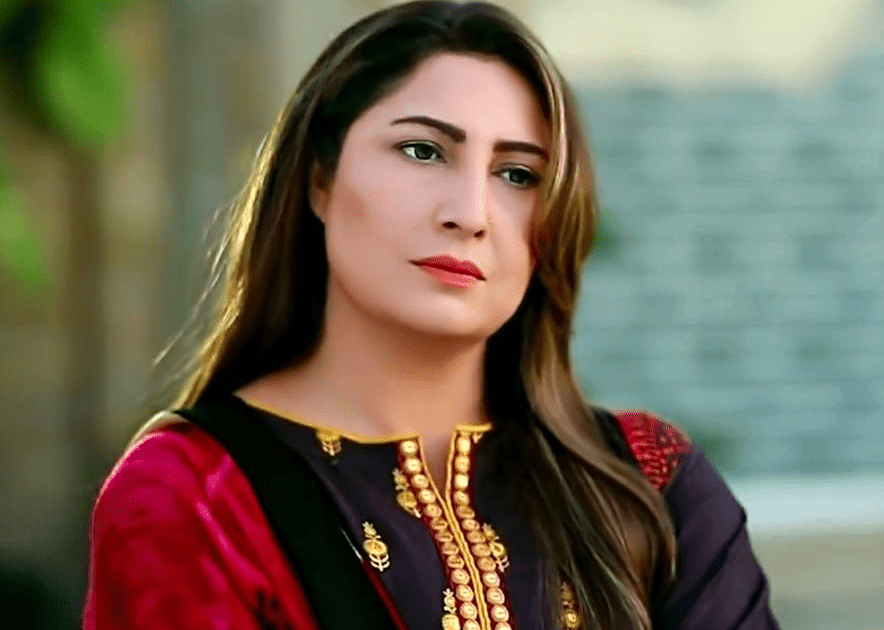
Saima Noor rose to prominence as one of the most dominant action and drama heroines in 1990s Pakistani cinema, particularly within Karachi’s commercially driven film ecosystem. Born in Multan, Pakistan, she developed an early interest in performance arts despite a relatively private upbringing.
She entered the film industry in the early 1990s, initially taking on supporting roles before quickly transitioning into leading parts due to her strong screen presence and expressive acting style.
Her breakthrough came through action-oriented films where she often portrayed resilient, emotionally intense characters. She became especially popular in Punjabi and Urdu commercial cinema, contributing significantly to box office successes.
By the end of the decade, Saima Noor had become a defining face of action heroines in Pakistani cinema, symbolizing strength, intensity, and mass-market appeal.
Key Facts
- Full name of the subject: Saima Noor
- Date of birth: May 5, 1967
- Place of birth: Multan, Pakistan
- Family background: Middle-class Pakistani family
- Early childhood experiences: Traditional upbringing with cultural exposure
- Education history: Educated in Pakistan
- Influences and mentors: Pakistani action film directors
- Career beginnings: Early 1990s film debut
- Major achievements: Leading action heroine of 1990s cinema
- Challenges and obstacles faced: Typecasting in action roles
- Turning points in life: Rise as top commercial heroine
- Contributions to society: Strengthened female presence in action cinema
- Personal life (marriage, children, relationships): Private personal life
- Awards and recognitions: Film industry recognition and awards
- Beliefs, values, or philosophy: Strength through performance discipline
- Legacy and impact: Icon of 90s Pakistani action cinema
- Historical or cultural significance: Defined action heroine archetype
Notable Works: 1990s action and drama films including Choorian
Controversies: Saima Noor’s career has not been associated with any major personal controversy. However, during the 1990s, broader criticism emerged regarding the dominance of formula-based action films in Pakistani cinema, which sparked debate among critics, directors, and cultural analysts. These discussions addressed industry trends rather than individual misconduct, and Saima Noor was not involved in any formal dispute or allegation.
Top 10 Authors of the Beat Generation
7. Meera

Meera emerged in the late 1990s as a bold and unconventional presence in Pakistani cinema, gaining attention for her expressive acting style and controversial public persona. Born in Lahore, Pakistan, she grew up with aspirations of entering the entertainment industry despite conservative social expectations.
She began her acting career in the mid-to-late 1990s, entering the industry during a transitional phase when Pakistani cinema was experimenting with new storytelling formats and character archetypes.
Her breakthrough came through emotionally charged and glamorous roles that challenged traditional portrayals of female characters. She quickly became a media focal point, both for her performances and public visibility.
By the end of the decade, Meera had established herself as one of the most talked-about emerging actresses, marking the beginning of a long and often debated career in South Asian cinema.
Key Facts
- Full name of the subject: Meera
- Date of birth: 1977
- Place of birth: Lahore, Pakistan
- Family background: Middle-class family
- Early childhood experiences: Exposure to urban cultural environment
- Education history: Educated in Pakistan
- Influences and mentors: Pakistani film and theatre figures
- Career beginnings: Late 1990s film debut
- Major achievements: Breakthrough as leading actress in 90s cinema
- Challenges and obstacles faced: Media scrutiny and industry skepticism
- Turning points in life: Rise to public attention in late 90s
- Contributions to society: Increased visibility of bold female characters
- Personal life (marriage, children, relationships): Publicly discussed personal life
- Awards and recognitions: Film industry nominations
- Beliefs, values, or philosophy: Individual expression in cinema
- Legacy and impact: Polarizing but influential film personality
- Historical or cultural significance: Symbol of changing cinematic norms
Notable Works: Late 1990s Pakistani films and early 2000s crossover projects
Controversies: Meera’s career has frequently been associated with media scrutiny regarding her public statements, professional choices, and on-set reports during the late 1990s and early 2000s. These incidents involved filmmakers, media outlets, and entertainment journalists, with varying accounts of professional disagreements and publicity-related controversies. While some reports were amplified by tabloids, there has been no consistent formal legal ruling confirming major misconduct. The discussions remain partly shaped by media framing and public perception, making the subject a mix of verified professional disputes and ongoing reputational debate.
8. Resham
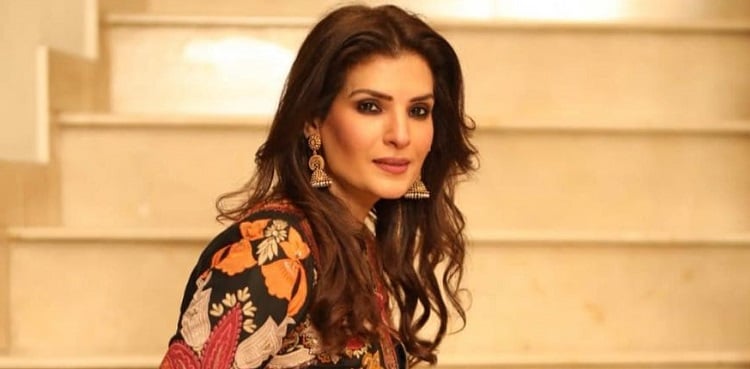
Resham emerged in the 1990s as one of Pakistani cinema’s most visually striking and emotionally expressive actresses, gaining prominence within the Karachi-centered film ecosystem during a period of intense commercial competition. Born in Lahore, Pakistan, she grew up in a culturally rich but conservative environment that later contrasted with her on-screen glamour and emotional boldness.
She entered the film industry in the early-to-mid 1990s, initially through modeling and supporting film roles before quickly transitioning into leading parts. Her natural screen presence, characterized by expressive eyes and controlled emotional delivery, made her stand out in romantic and dramatic genres.
Her breakthrough came through mainstream commercial films where she portrayed emotionally complex female characters balancing vulnerability and strength. She became particularly popular among urban audiences, including Karachi’s film distribution circuits, which amplified her visibility.
By the end of the 1990s, Resham had established herself as a leading actress of her generation, known for blending traditional feminine charm with modern cinematic expression.
Key Facts
- Full name of the subject: Resham
- Date of birth: October 2, 1978
- Place of birth: Lahore, Pakistan
- Family background: Traditional Pakistani family
- Early childhood experiences: Exposure to urban cultural life
- Education history: Educated in Pakistan
- Influences and mentors: Pakistani film directors and choreographers
- Career beginnings: Modeling and early 1990s film debut
- Major achievements: Leading actress in commercial Pakistani cinema
- Challenges and obstacles faced: Industry competition and typecasting pressures
- Turning points in life: Transition from modeling to leading film roles
- Contributions to society: Strengthened female presence in mainstream cinema
- Personal life (marriage, children, relationships): Private personal life
- Awards and recognitions: Film industry nominations and honors
- Beliefs, values, or philosophy: Emotional authenticity in performance
- Legacy and impact: Prominent 90s film heroine
- Historical or cultural significance: Contributor to Karachi-era commercial cinema
Notable Works: 1990s romantic and dramatic Pakistani films
Controversies: Resham’s career has remained largely free of major formal controversy. However, during the late 1990s, broader industry discussions emerged around the portrayal of women in commercial Pakistani cinema, particularly regarding glamour-driven casting and character framing. These debates involved critics, directors, and cultural commentators, but were not directed at any single individual as a legal or disciplinary issue. Resham herself was not involved in any confirmed dispute, and the subject is considered an industry-wide cultural critique rather than a personal controversy.
9. Izhar Qazi
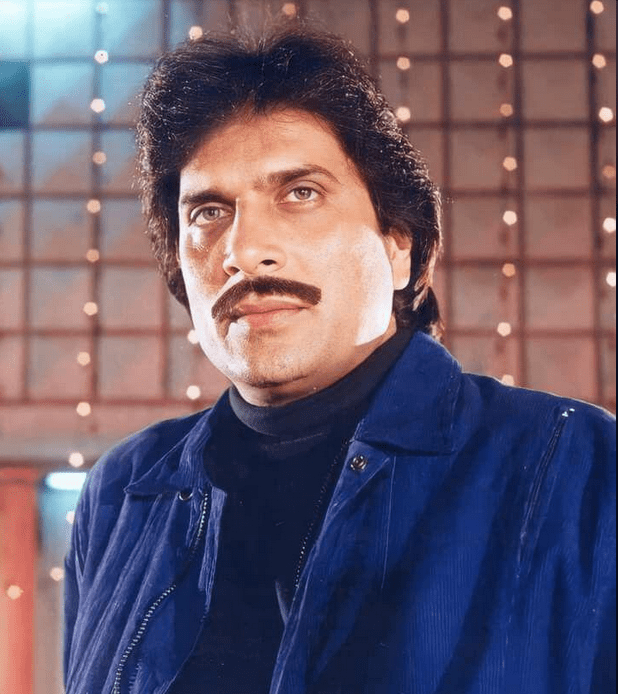
Izhar Qazi was one of the defining male screen presences of 1990s Pakistani cinema, particularly within the Karachi film circuit where action-driven storytelling dominated commercial releases. Born in Mumbai (pre-partition India) and later migrating to Pakistan, he carried with him a cultural transition that influenced his intense and grounded acting style.
He began his career in the late 1970s and rose through television and film roles, gradually becoming a recognizable figure in Pakistani action cinema. By the 1990s, he had firmly established himself as a leading man in Karachi-based productions.
His breakthrough during the 90s came through hard-hitting action and drama films where he portrayed morally complex characters, often embodying themes of justice, revenge, and resilience. His deep voice and commanding screen presence made him a staple of commercial cinema.
By the end of the decade, Izhar Qazi had become one of the most respected action actors of his generation, symbolizing the intensity and emotional weight of 1990s Pakistani film narratives.
Key Facts
- Full name of the subject: Izhar Qazi
- Date of birth: September 21, 1955
- Place of birth: Mumbai, India
- Family background: Migrated family post-partition
- Early childhood experiences: Exposure to migration-era cultural shifts
- Education history: Educated in Pakistan
- Influences and mentors: Early Pakistani film and theatre pioneers
- Career beginnings: Television and film debut in late 1970s
- Major achievements: Leading action actor of 1990s Pakistani cinema
- Challenges and obstacles faced: Industry decline and shifting film trends
- Turning points in life: Establishment as an action film lead
- Contributions to society: Strengthened Karachi action cinema identity
- Personal life (marriage, children, relationships): Private family life
- Awards and recognitions: National film industry recognition
- Beliefs, values, or philosophy: Discipline and performance realism
- Legacy and impact: Iconic action hero of 90s Lollywood era
- Historical or cultural significance: Key figure in Karachi film action wave
Notable Works: 1990s action and drama Pakistani films
Controversies: Izhar Qazi’s professional career did not involve major personal controversy. However, the 1990s Pakistani film industry was widely criticized for declining production quality and formula-driven action storytelling, which affected many actors working in the Karachi film circuit. These critiques were directed at systemic industry practices rather than individual misconduct. Izhar Qazi was not part of any formal dispute or allegation, and the matter is regarded as an industry-wide structural issue rather than a personal controversy.
10. Behroze Sabzwari

Behroze Sabzwari stands as one of the most versatile and respected performers in Pakistani entertainment, with a career spanning television and film that influenced Karachi’s evolving screen culture in the 1990s. Born in Karachi, Pakistan, he grew up in an urban environment deeply connected to theatre, radio, and early television.
He began his acting career in television dramas during the 1970s and 1980s, quickly gaining recognition for his expressive dialogue delivery and adaptability across comedic and dramatic roles. By the 1990s, he had become a well-established figure in Karachi’s entertainment industry.
His breakthrough during the decade came through character roles in both television and film, where he demonstrated exceptional range, often portraying intelligent, humorous, and emotionally grounded supporting characters. His versatility made him indispensable in ensemble casts.
By the end of the 1990s, Behroze Sabzwari had solidified his legacy as a master character actor whose contributions helped shape the narrative depth of Pakistani cinema and television.
Key Facts
- Full name of the subject: Behroze Sabzwari
- Date of birth: July 16, 1957
- Place of birth: Karachi, Pakistan
- Family background: Artistic and culturally engaged family
- Early childhood experiences: Exposure to Karachi theatre and radio culture
- Education history: Educated in Pakistan
- Influences and mentors: Pakistani television pioneers
- Career beginnings: Television acting in 1970s
- Major achievements: Acclaimed character actor in film and television
- Challenges and obstacles faced: Industry transitions between TV and film
- Turning points in life: Recognition as a leading supporting actor
- Contributions to society: Strengthened Pakistan’s character acting tradition
- Personal life (marriage, children, relationships): Public family life
- Awards and recognitions: National television and film awards
- Beliefs, values, or philosophy: Artistic discipline and versatility
- Legacy and impact: One of Pakistan’s finest character actors
- Historical or cultural significance: Bridge between television and cinema performance styles
Notable Works: 1990s Pakistani television dramas and supporting film roles
Controversies: Behroze Sabzwari’s career has not been associated with any major controversy. However, broader discussions in the 1990s Pakistani entertainment industry occasionally examined the imbalance between leading roles and character actors in commercial cinema. These debates involved directors, critics, and media analysts assessing casting practices within Karachi’s film ecosystem. Sabzwari himself was not involved in any dispute or allegation, and the matter is regarded as an industry structural discussion rather than an individual controversy.
[People Profile] All We Know About George Foreman Biography, Life, Career, Networth
Notable Mentions
Nadeem Mandviwalla
Shaan Shahid
Humayun Saeed
Zeba Bakhtiar
Saud
Moin Akhtar
Anwar Maqsood
Bushra Ansari
Sania Saeed
Sahiba Rambo