
Top 10 Animewood (Japan) Movie Legends of the 90s
Top 10 Animewood (Japan) Movie Legends of the 90s
In This Content
Quick List
Hayao Miyazaki
Satoshi Kon
Mamoru Oshii
Hideaki Anno
Katsuhiro Otomo
Yoshiaki Kawajiri
Isao Takahata
Shinichiro Watanabe
Hiroyuki Kitakubo
Yoshifumi Kondo
1. Hayao Miyazaki
Few filmmakers in animation history have shaped cinematic language as profoundly as Hayao Miyazaki. Born in post-war Japan, Miyazaki’s early life was steeped in aviation culture through his family’s aircraft manufacturing business. These formative experiences influenced his fascination with flight, environmental harmony, and complex moral storytelling. During childhood, exposure to both war realities and countryside beauty cultivated a worldview that would later define his artistic philosophy: humanity must coexist with nature rather than dominate it.
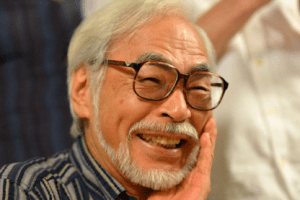
Miyazaki’s career began in the 1960s at Toei Animation, where he worked as an in-between artist and gradually rose through the ranks. His early collaborations with directors like Isao Takahata helped refine his storytelling instincts. By the late 1970s and 1980s, projects such as “Nausicaä of the Valley of the Wind” positioned him as a visionary, but it was the 1990s that cemented his legendary status. During this decade, Miyazaki expanded narrative complexity while elevating animation as serious cinema. Films like “Princess Mononoke” combined ecological philosophy, historical drama, and spiritual mythology in ways rarely attempted before.
Miyazaki’s performance style as a director emphasized emotional realism. His characters particularly young female protagonists were layered, independent, and psychologically authentic. He rejected simplistic hero-villain dynamics, instead presenting morally ambiguous conflicts where industry, tradition, and survival intersected. This narrative maturity distinguished his work from mainstream commercial animation and elevated anime to international art-house recognition.
The cultural influence of Miyazaki in the 1990s extended beyond Japan. His storytelling challenged Western perceptions of animation as children’s entertainment. “Princess Mononoke” became a global success, while his studio’s reputation grew into a symbol of artistic integrity. Miyazaki’s emphasis on hand-drawn craftsmanship, ecological awareness, and pacifist ideals helped shape global animation discourse. His legacy in the 1990s defined Animewood’s international credibility and inspired generations of filmmakers.
Key Facts
- Full name of the subject: Hayao Miyazaki
- Date of birth: January 5, 1941
- Place of birth: Tokyo, Japan
- Family background: Son of a director at Miyazaki Airplane, a wartime aircraft parts manufacturer
- Early childhood experiences: Exposure to wartime Japan and countryside life influenced themes of peace and nature
- Education history: Graduated from Gakushuin University with a degree in political science and economics
- Influences and mentors: Isao Takahata, Osamu Tezuka
- Career beginnings: Animator at Toei Animation in 1963
- Major achievements: Director of “Princess Mononoke,” co-founder of Studio Ghibli
- Challenges and obstacles faced: Industry pressure for commercialization and high production costs
- Turning points in life: Founding Studio Ghibli in 1985
- Contributions to society: Promoted environmental awareness and pacifist values through film
- Personal life (marriage, children, relationships): Married to Akemi Ota; two children
- Awards and recognitions: Academy Honorary Award, Golden Bear, numerous Japanese Academy awards
- Beliefs, values, or philosophy: Environmentalism, anti-war stance, humanistic storytelling
- Legacy and impact: Elevated animation to serious cinematic art
- Historical or cultural significance: Helped globalize Japanese animation
Notable Works: Princess Mononoke, Porco Rosso, My Neighbor Totoro, Kiki’s Delivery Service
Controversies: One notable controversy surrounding Miyazaki involved his public criticism of digital animation trends. The issue emerged when he openly condemned excessive reliance on CGI, describing it as lacking soul. The debate unfolded across animation studios, technology advocates, and traditional animators. Critics argued that Miyazaki resisted innovation, while supporters praised his defense of craftsmanship. Miyazaki clarified that his objection targeted overuse rather than technology itself. The controversy intensified discussions about tradition versus modernization in animation. Ultimately, while the debate did not damage his reputation, it reinforced his identity as a guardian of hand-drawn artistry.
2. Satoshi Kon
Satoshi Kon emerged in the 1990s as one of anime’s most intellectually daring filmmakers. Born in Hokkaido, Kon developed early interests in manga, psychology, and cinema. His fascination with human perception and fragmented identity would later define his directorial voice. Growing up in a rapidly modernizing Japan, Kon absorbed both pop culture and philosophical influences, shaping his unconventional storytelling approach.
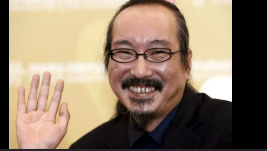
Kon’s career began as a manga artist before transitioning into animation, working under Katsuhiro Otomo. His early contributions included screenplay and layout work, where he demonstrated a talent for narrative experimentation. His breakthrough arrived in 1997 with “Perfect Blue,” a psychological thriller that blurred reality and illusion. The film’s innovative editing, unreliable narration, and mature themes distinguished Kon from traditional anime directors of the era.
Kon’s performance style emphasized psychological realism. Rather than grand fantasy worlds, he explored inner human anxieties identity, fame, trauma, and media influence. His visual storytelling relied on seamless transitions between dream and reality, redefining animation grammar. This approach influenced both anime and live-action filmmakers globally.
During the 1990s, Kon’s cultural impact was profound despite a relatively small filmography. He challenged industry norms by producing adult-oriented narratives that respected audience intelligence. His work gained international acclaim, influencing directors in Hollywood and Europe. Kon’s legacy rests on elevating anime into psychological cinema, blending artistic risk with emotional depth.
Key Facts
- Full name of the subject: Satoshi Kon
- Date of birth: October 12, 1963
- Place of birth: Kushiro, Hokkaido, Japan
- Family background: Middle-class family supportive of artistic pursuits
- Early childhood experiences: Interest in manga and filmmaking during school years
- Education history: Graduated from Musashino Art University
- Influences and mentors: Katsuhiro Otomo
- Career beginnings: Manga artist and animation assistant
- Major achievements: Director of Perfect Blue
- Challenges and obstacles faced: Limited budgets and experimental storytelling risks
- Turning points in life: Directorial debut with Perfect Blue
- Contributions to society: Expanded psychological storytelling in animation
- Personal life (marriage, children, relationships): Married; maintained private personal life
- Awards and recognitions: Fantasia Film Festival awards, international critical acclaim
- Beliefs, values, or philosophy: Exploration of perception and reality
- Legacy and impact: Pioneer of psychological anime cinema
- Historical or cultural significance: Influenced global filmmakers
Notable Works: Perfect Blue, Millennium Actress, Tokyo Godfathers
Controversies: A notable controversy surrounding Kon involved debates over the thematic intensity of “Perfect Blue.” Critics argued that the film’s depiction of violence and psychological breakdown blurred boundaries between artistic expression and sensationalism. The issue emerged during international screenings, where censorship boards in several countries questioned its classification. Stakeholders included distributors, film boards, critics, and audiences. Kon defended the film as a critique of media exploitation rather than endorsement of violence. Official reviews upheld artistic merit, though some territories imposed age restrictions. The controversy ultimately amplified Kon’s reputation as a bold storyteller willing to challenge conventional boundaries.
3. Mamoru Oshii
Mamoru Oshii’s influence on 1990s Animewood stemmed from his philosophical approach to science fiction. Born in Tokyo, Oshii’s early life included an interest in literature, theology, and political theory. These intellectual foundations shaped his storytelling, which often explored existential questions about humanity, technology, and consciousness.

Oshii began his career directing television anime, including work on “Urusei Yatsura.” While initially associated with comedic projects, he gradually transitioned into darker, contemplative narratives. His breakthrough came with “Ghost in the Shell” (1995), a film that blended cyberpunk aesthetics with philosophical inquiry. The film’s exploration of artificial intelligence and identity anticipated global discussions about technology decades ahead.
Oshii’s directing style emphasized slow pacing, atmospheric visuals, and introspective dialogue. His films often prioritized ideas over action, challenging audience expectations. This distinctive artistic identity set him apart in the 1990s anime landscape, which leaned toward commercial spectacle.
The global impact of Oshii’s work was immense. “Ghost in the Shell” influenced Western filmmakers, including major Hollywood productions. His philosophical storytelling elevated anime as intellectual cinema, contributing significantly to Animewood’s global prestige during the 1990s.
Key Facts
- Full name of the subject: Mamoru Oshii
- Date of birth: August 8, 1951
- Place of birth: Tokyo, Japan
- Family background: Raised in a culturally engaged household
- Early childhood experiences: Interest in literature and philosophy
- Education history: Studied at Tokyo Gakugei University
- Influences and mentors: European cinema and philosophical literature
- Career beginnings: Television anime director
- Major achievements: Director of Ghost in the Shell
- Challenges and obstacles faced: Criticism for slow pacing and abstract narratives
- Turning points in life: Release of Ghost in the Shell
- Contributions to society: Philosophical exploration of technology and humanity
- Personal life (marriage, children, relationships): Maintains private life
- Awards and recognitions: International film festival honors
- Beliefs, values, or philosophy: Existentialism and technological reflection
- Legacy and impact: Influenced global sci-fi cinema
- Historical or cultural significance: Pioneered philosophical cyberpunk animation
Notable Works: Ghost in the Shell, Patlabor 2, Angel’s Egg
Controversies: One controversy involving Oshii centered on the pacing and narrative style of “Ghost in the Shell.” Critics argued the film sacrificed accessibility for philosophical density, potentially alienating mainstream audiences. The debate involved producers, distributors, and critics who questioned commercial viability. Oshii defended the approach as intentional, aiming to treat animation as intellectual cinema. Reviews were divided, though box office performance remained modest compared to mainstream anime. Over time, the film gained cult status, and the controversy evolved into recognition of Oshii’s visionary approach, strengthening his legacy.
4. Hideaki Anno
Hideaki Anno emerged as one of the most transformative creative forces in Animewood during the 1990s. Born in Yamaguchi Prefecture, Anno’s early life was shaped by isolation and introspection. As a child, he gravitated toward science fiction, model building, and tokusatsu television, particularly giant robot narratives. These influences would later define both his aesthetic sensibilities and his thematic exploration of alienation, identity, and emotional struggle.

Anno’s career began with amateur animation projects before he joined the legendary collective Daicon Film, where he collaborated with future industry pioneers. His early professional work included animation contributions to “Nausicaä of the Valley of the Wind,” where his technical brilliance caught attention. However, it was in the 1990s that Anno achieved breakthrough recognition with “Neon Genesis Evangelion,” a series that redefined anime storytelling. Although primarily a television project, its cinematic culmination through films such as “The End of Evangelion” positioned Anno as a central figure in 1990s anime cinema discourse.
Anno’s artistic identity revolved around psychological introspection. His storytelling blended mecha spectacle with existential philosophy and emotional vulnerability. Rather than presenting heroic narratives, Anno depicted flawed protagonists struggling with anxiety, depression, and human connection. This approach resonated deeply with audiences and challenged the conventions of genre storytelling.
The cultural influence of Anno during the 1990s extended globally. “Evangelion” sparked academic analysis, fan debates, and artistic reinterpretations. His work reshaped anime’s narrative possibilities and inspired filmmakers worldwide. Anno’s legacy remains tied to his fearless willingness to merge personal expression with large-scale entertainment.
Key Facts
- Full name of the subject: Hideaki Anno
- Date of birth: May 22, 1960
- Place of birth: Ube, Yamaguchi, Japan
- Family background: Raised in a middle-class household with strong interest in technology and media
- Early childhood experiences: Developed fascination with science fiction and mechanical design
- Education history: Studied at Osaka University of Arts (did not graduate)
- Influences and mentors: Hayao Miyazaki, Yoshiyuki Tomino
- Career beginnings: Animator in amateur film circles and Daicon Film
- Major achievements: Creator of Neon Genesis Evangelion
- Challenges and obstacles faced: Budget constraints and personal mental health struggles
- Turning points in life: Release of Evangelion series and films
- Contributions to society: Opened conversations about mental health through animation
- Personal life (marriage, children, relationships): Married to manga artist Moyoco Anno
- Awards and recognitions: Multiple animation awards and cultural honors
- Beliefs, values, or philosophy: Exploration of identity and emotional truth
- Legacy and impact: Redefined psychological storytelling in anime
- Historical or cultural significance: Influenced modern anime narrative structure
Notable Works: Neon Genesis Evangelion, The End of Evangelion, Love & Pop
Controversies: A major controversy surrounding Anno involved the ambiguous ending of “Neon Genesis Evangelion” and its subsequent film interpretations. The issue arose when fans criticized the original conclusion as confusing and unsatisfying. Stakeholders included production studios, fans, critics, and distributors. Public backlash included heated debates and media scrutiny. Anno responded by producing “The End of Evangelion,” offering an alternate cinematic conclusion. While some praised the film’s boldness, others viewed it as intentionally confrontational. The controversy ultimately influenced how creators interact with fan expectations and reinforced Anno’s reputation as an uncompromising auteur.
5. Katsuhiro Otomo
Katsuhiro Otomo’s presence in 1990s Animewood was defined by his pioneering vision and technical ambition. Born in Miyagi Prefecture, Otomo grew up fascinated by manga and Western cinema. His early exposure to American films and graphic storytelling influenced his cinematic framing and urban realism. These formative years shaped his preference for grounded science fiction narratives.

Otomo began his career as a manga artist, gaining recognition for detailed artwork and mature storytelling. His breakthrough arrived with “Akira” in 1988, but its influence extended strongly into the 1990s, where Otomo continued to shape the industry through writing, producing, and mentoring. His involvement in anthology films such as “Memories” demonstrated his commitment to experimental animation.
Otomo’s directing style emphasized urban decay, political tension, and technological evolution. His storytelling avoided fantasy tropes, instead focusing on human consequences of scientific advancement. This grounded approach made his work accessible to global audiences and elevated anime’s cinematic credibility.
During the 1990s, Otomo’s influence expanded beyond directing. He mentored younger filmmakers and helped bridge manga and film industries. His legacy rests on pushing animation toward cinematic realism and complex themes, shaping the direction of Animewood during its global rise.
Key Facts
- Full name of the subject: Katsuhiro Otomo
- Date of birth: April 14, 1954
- Place of birth: Miyagi Prefecture, Japan
- Family background: Raised in rural Japan with interest in drawing
- Early childhood experiences: Inspired by manga and Western films
- Education history: Self-taught artist
- Influences and mentors: European comics and American cinema
- Career beginnings: Manga artist in the 1970s
- Major achievements: Creator of Akira and Memories
- Challenges and obstacles faced: High production costs and technical complexity
- Turning points in life: Release of Akira and later film projects
- Contributions to society: Elevated mature storytelling in anime
- Personal life (marriage, children, relationships): Maintains private life
- Awards and recognitions: Annie Awards and international film honors
- Beliefs, values, or philosophy: Realism and technological caution
- Legacy and impact: Influenced cyberpunk and sci-fi animation globally
- Historical or cultural significance: Helped globalize anime
Notable Works: Akira, Memories, Steamboy
Controversies: A controversy associated with Otomo involved the production challenges and budget escalations of “Steamboy.” Though released later, the issue began during 1990s development phases. Critics questioned financial sustainability, while producers debated artistic control. Otomo defended extended production timelines as necessary for quality. Industry observers noted rising costs as reflective of ambition rather than mismanagement. While the film’s financial performance sparked debate, it ultimately reinforced Otomo’s commitment to technical excellence.
6. Yoshiaki Kawajiri
Yoshiaki Kawajiri’s reputation in the 1990s was built on his bold, stylistic approach to dark fantasy and action cinema. Born in Yokohama, Kawajiri grew up immersed in manga and samurai films. His early fascination with dynamic action choreography shaped his directorial voice, emphasizing movement and atmosphere.
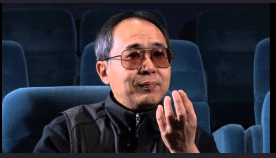
Kawajiri began his career at Madhouse, where he worked as an animator before transitioning to directing. His breakthrough arrived with “Ninja Scroll” (1993), a film that became internationally influential. The film’s mature themes and stylized violence introduced many Western audiences to anime cinema.
Kawajiri’s artistic identity centered on visual intensity and cinematic pacing. His storytelling combined traditional Japanese folklore with modern action sensibilities. This unique blend made his work appealing across cultural boundaries.
During the 1990s, Kawajiri helped expand anime’s adult-oriented market. His films gained cult followings and influenced action-oriented animation worldwide. His legacy remains tied to elevating genre filmmaking within Animewood.
Key Facts
- Full name of the subject: Yoshiaki Kawajiri
- Date of birth: November 18, 1950
- Place of birth: Yokohama, Japan
- Family background: Grew up in urban Japan
- Early childhood experiences: Interest in samurai films and manga
- Education history: Art training focused on animation
- Influences and mentors: Madhouse studio environment
- Career beginnings: Animator at Madhouse
- Major achievements: Director of Ninja Scroll
- Challenges and obstacles faced: Censorship concerns due to mature themes
- Turning points in life: Release of Ninja Scroll
- Contributions to society: Expanded adult anime genre
- Personal life (marriage, children, relationships): Private life maintained
- Awards and recognitions: International animation awards
- Beliefs, values, or philosophy: Visual storytelling and cinematic pacing
- Legacy and impact: Influenced action anime globally
- Historical or cultural significance: Popularized mature anime abroad
Notable Works: Ninja Scroll, Vampire Hunter D: Bloodlust
Controversies: Kawajiri faced controversy regarding graphic violence and adult content in “Ninja Scroll.” The issue emerged when critics argued the film blurred boundaries between artistic storytelling and exploitation. Stakeholders included censorship boards, distributors, and audiences. Kawajiri defended the film as rooted in historical and folkloric tradition. Some regions imposed restrictions, while others praised artistic boldness. The debate ultimately broadened discussions about mature content in animation and solidified Kawajiri’s reputation for uncompromising storytelling.
7. Isao Takahata
Isao Takahata stood as one of the intellectual pillars of Animewood during the 1990s. Born in Mie Prefecture, Takahata experienced wartime evacuation as a child, shaping his worldview. These early experiences influenced his humanistic storytelling and focus on everyday struggles.
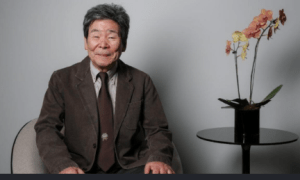
Takahata began his career at Toei Animation, collaborating with Hayao Miyazaki. Unlike many contemporaries, Takahata favored realism over fantasy. His 1991 film “Only Yesterday” and later works emphasized emotional authenticity. Although “Grave of the Fireflies” predated the 1990s, its influence continued into the decade, shaping global perception of anime as serious drama.
Takahata’s directing style emphasized subtlety and emotional nuance. His characters were grounded, often dealing with family, memory, and societal change. This approach contrasted with action-heavy anime and broadened narrative diversity.
During the 1990s, Takahata’s cultural impact centered on legitimizing animation as dramatic cinema. His work inspired filmmakers worldwide and contributed to Studio Ghibli’s reputation for artistic excellence.
Key Facts
- Full name of the subject: Isao Takahata
- Date of birth: October 29, 1935
- Place of birth: Mie Prefecture, Japan
- Family background: Experienced wartime evacuation
- Early childhood experiences: Exposure to war influenced storytelling
- Education history: University of Tokyo graduate
- Influences and mentors: French cinema and literature
- Career beginnings: Director at Toei Animation
- Major achievements: Only Yesterday and Studio Ghibli leadership
- Challenges and obstacles faced: Commercial pressures for fantasy content
- Turning points in life: Founding Studio Ghibli
- Contributions to society: Promoted humanistic storytelling
- Personal life (marriage, children, relationships): Private life
- Awards and recognitions: International film awards
- Beliefs, values, or philosophy: Realism and empathy
- Legacy and impact: Elevated dramatic animation
- Historical or cultural significance: Expanded anime storytelling range
Notable Works: Only Yesterday, Grave of the Fireflies
Controversies: A controversy involving Takahata centered on commercial performance expectations. Critics questioned the financial viability of slower-paced dramatic films like “Only Yesterday.” Producers debated marketing strategies, while audiences were divided. Takahata defended storytelling authenticity over commercial formulas. Box office results eventually proved successful domestically, resolving concerns and reinforcing his influence as a director committed to artistic integrity.
8. Shinichiro Watanabe
Shinichiro Watanabe entered the 1990s anime landscape as a stylistic innovator whose storytelling blended genres, music, and cinematic rhythm. Born in Kyoto, Watanabe grew up immersed in Western films, jazz music, and Japanese pop culture. This multicultural exposure shaped his distinctive approach, where narrative structure often followed musical cadence rather than traditional plot progression.
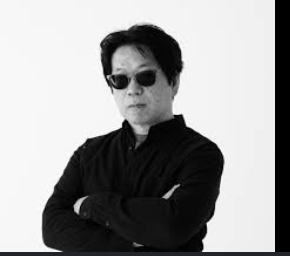
Watanabe began his career at Sunrise, working in production roles before gradually transitioning into directing. His early contributions to collaborative projects helped refine his understanding of pacing and character development. His breakthrough arrived with “Cowboy Bebop” (1998), a series whose cinematic storytelling blurred the boundaries between television and film. The project’s success established Watanabe as a major creative force in late-1990s Animewood.
Watanabe’s artistic identity centered on atmosphere and stylistic fusion. His work combined noir, western, science fiction, and jazz influences into cohesive storytelling. Unlike conventional anime narratives, Watanabe prioritized mood, character introspection, and musical synchronization. This innovative structure elevated his projects beyond genre classification.
The cultural influence of Watanabe during the 1990s extended internationally. “Cowboy Bebop” achieved global acclaim, introducing anime to new audiences. His blending of global musical styles and cinematic storytelling redefined the possibilities of anime direction. Watanabe’s legacy lies in his ability to merge cultural influences into a unified artistic language.
Key Facts
- Full name of the subject: Shinichiro Watanabe
- Date of birth: May 24, 1965
- Place of birth: Kyoto, Japan
- Family background: Raised in a culturally diverse media environment
- Early childhood experiences: Exposure to Western films and jazz music
- Education history: Attended Waseda University
- Influences and mentors: Western cinema, music culture
- Career beginnings: Production assistant at Sunrise
- Major achievements: Creator of Cowboy Bebop
- Challenges and obstacles faced: Genre experimentation risks
- Turning points in life: Release of Cowboy Bebop
- Contributions to society: Globalized anime storytelling through music and genre fusion
- Personal life (marriage, children, relationships): Maintains private personal life
- Awards and recognitions: International animation awards
- Beliefs, values, or philosophy: Cultural blending and artistic freedom
- Legacy and impact: Redefined anime narrative structure
- Historical or cultural significance: Helped popularize anime worldwide
Notable Works: Cowboy Bebop, Samurai Champloo, Macross Plus
Controversies: One controversy surrounding Watanabe involved debates about the episodic structure of “Cowboy Bebop.” Critics argued that its loosely connected storytelling risked alienating audiences expecting traditional plot continuity. Stakeholders included network executives, critics, and viewers. Watanabe defended the format as reflective of jazz improvisation and thematic exploration. Reviews were initially mixed, but international reception later praised its originality. The debate ultimately reinforced Watanabe’s reputation as an innovator willing to challenge structural norms.
9. Hiroyuki Kitakubo
Hiroyuki Kitakubo emerged in the 1990s as a technically skilled director known for blending action with atmospheric storytelling. Born in Tokyo, Kitakubo developed an early interest in animation through television and manga. His formative years were influenced by science fiction and supernatural narratives, shaping his directorial sensibilities.

Kitakubo began his career as an animator, contributing to high-profile projects before moving into directing. His work on “Roujin Z” and later “Blood: The Last Vampire” demonstrated his ability to merge cinematic realism with stylized action. During the 1990s, Kitakubo became recognized for his polished visual direction and collaborative approach.
Kitakubo’s performance style emphasized precision and pacing. His films balanced narrative tension with visual spectacle, often employing subtle character development. His storytelling avoided excessive exposition, allowing atmosphere to carry emotional weight.
The cultural influence of Kitakubo lay in bridging traditional anime aesthetics with emerging cinematic techniques. His contributions helped refine visual storytelling in late-1990s Animewood and influenced future directors exploring hybrid animation styles.
Key Facts
- Full name of the subject: Hiroyuki Kitakubo
- Date of birth: 1963
- Place of birth: Tokyo, Japan
- Family background: Raised in an urban Japanese household
- Early childhood experiences: Interest in science fiction and animation
- Education history: Studied animation techniques informally
- Influences and mentors: Collaboration with senior anime directors
- Career beginnings: Animator on television anime
- Major achievements: Director of Blood: The Last Vampire
- Challenges and obstacles faced: Balancing experimental storytelling with commercial expectations
- Turning points in life: Transition to directing feature projects
- Contributions to society: Advanced cinematic animation techniques
- Personal life (marriage, children, relationships): Private life
- Awards and recognitions: Festival recognitions for animation
- Beliefs, values, or philosophy: Visual storytelling precision
- Legacy and impact: Influenced modern anime cinematography
- Historical or cultural significance: Bridged traditional and modern animation styles
Notable Works: Roujin Z, Blood: The Last Vampire
Controversies: A controversy associated with Kitakubo involved debates about the brevity of “Blood: The Last Vampire.” Critics argued that the short runtime limited narrative depth. Stakeholders included distributors, critics, and fans. Kitakubo explained the project was conceived as a concise cinematic experiment. While some audiences desired expansion, others praised its focused storytelling. The discussion ultimately highlighted evolving expectations for anime film length and narrative structure.
10. Yoshifumi Kondo
Yoshifumi Kondo remains one of the most promising yet tragically short-lived figures of 1990s Animewood. Born in Niigata Prefecture, Kondo developed a passion for drawing at an early age. His formative years were shaped by manga and storytelling traditions, nurturing his aspiration to become an animator.

Kondo began his professional career at A Production before joining Studio Ghibli. Working under mentors such as Hayao Miyazaki and Isao Takahata, he refined his craft through character animation and storytelling contributions. His breakthrough arrived with “Whisper of the Heart” (1995), his only feature-length directorial project. The film’s emotional sincerity and grounded narrative showcased his unique voice.
Kondo’s artistic identity emphasized warmth and human connection. His storytelling focused on everyday experiences, personal growth, and subtle emotional arcs. Unlike fantasy-driven contemporaries, Kondo’s work highlighted realism and introspection.
The legacy of Kondo is deeply tied to his unrealized potential. His influence on character animation and narrative tone remains significant. Many historians regard him as a future successor within Studio Ghibli. His contribution to the 1990s anime landscape continues to be celebrated for its emotional authenticity.
Key Facts
- Full name of the subject: Yoshifumi Kondo
- Date of birth: March 31, 1950
- Place of birth: Niigata Prefecture, Japan
- Family background: Raised in a modest household supportive of art
- Early childhood experiences: Passion for drawing and storytelling
- Education history: Art-focused studies leading into animation career
- Influences and mentors: Hayao Miyazaki, Isao Takahata
- Career beginnings: Animator in television anime
- Major achievements: Director of Whisper of the Heart
- Challenges and obstacles faced: Heavy workload and industry pressure
- Turning points in life: Directorial debut with Whisper of the Heart
- Contributions to society: Emotional realism in animation
- Personal life (marriage, children, relationships): Married; maintained private life
- Awards and recognitions: Posthumous recognition within animation industry
- Beliefs, values, or philosophy: Humanistic storytelling
- Legacy and impact: Influential character animator
- Historical or cultural significance: Seen as potential Studio Ghibli successor
Notable Works: Whisper of the Heart
Controversies: A discussion surrounding Kondo involved industry concerns about workload pressures. Observers noted the intense production schedule during “Whisper of the Heart.” Stakeholders included studio executives and industry commentators. While not a public dispute, the conversation highlighted systemic production demands in animation. The debate contributed to broader industry discussions about working conditions and sustainability in anime production.
Notable Mentions
Shoji Kawamori
Kunihiko Ikuhara
Yasuhiro Imagawa
Keiichi Hara
Hiroyuki Okiura
Koji Morimoto
Tomomi Mochizuki
Mitsuo Iso
Mahiro Maeda
Junichi Sato