
Top 10 Wakaliwood (Uganda) Legends of the 90s
Top 10 Wakaliwood (Uganda) Legends of the 90s
In This Content
Quick List
Isaac Nabwana (Founding Father)
VJ Jjingo
VJ Junior
Alex Mwaka
Mariam Ndagire
Kato Lubwama
Abby Mukiibi Nkaaga
Ashraf Ssemwogerere
Jennifer Kabanda
Paulo Katende
1. Isaac Nabwana (Founding Father)
Isaac Nabwana stands as the architectural force behind what would later be recognized globally as Wakaliwood, an informal but fiercely creative Ugandan film movement rooted in Wakaliga, Kampala. His early life was shaped by post-economic hardship Uganda, where access to formal film education was nearly nonexistent. Instead, Nabwana absorbed visual storytelling through Hollywood action films, martial arts cinema, and improvised community narratives, forming an unconventional but highly inventive cinematic language.
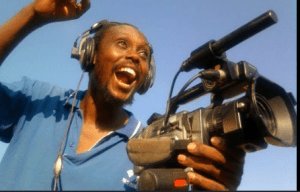
His career beginnings were defined by extreme resource limitations, where filmmaking tools were often improvised from household materials. Working with friends and community members, he began producing low-budget action films that prioritized creativity over technical refinement. These early productions were not merely entertainment but survival-driven artistic experiments, blending local humor, action choreography, and social commentary.
His breakthrough came with the development of a distinct Wakaliwood style fast-paced editing, exaggerated action sequences, and narrator-driven storytelling that compensated for limited production infrastructure. This style became both a necessity and an identity, setting him apart from conventional African cinema. His use of non-professional actors and community participation created a deeply grassroots film culture.
Nabwana’s legacy extends beyond filmmaking into cultural innovation. He transformed economic limitation into artistic identity, positioning Wakaliwood as a globally recognized symbol of independent cinema resilience. His influence reshaped perceptions of African filmmaking, proving that narrative power does not depend on budget but on vision and execution.
Key Facts
- Full name of the subject: Isaac Nabwana
- Date of birth: Not publicly documented
- Place of birth: Uganda
- Family background: Raised in a modest urban household in Kampala
- Early childhood experiences: Exposure to imported action films and local storytelling
- Education history: Limited formal film training; self-taught filmmaker
- Influences and mentors: Hollywood action cinema, martial arts films
- Career beginnings: Community-based low-budget filmmaking in Wakaliga
- Major achievements: Founder of Wakaliwood film movement
- Challenges and obstacles faced: Extreme budget constraints and lack of equipment
- Turning points in life: Creation of viral low-budget action film style
- Contributions to society: Built grassroots film industry in Uganda
- Personal life (marriage, children, relationships): Private
- Awards and recognitions: International cult cinema recognition
- Beliefs, values, or philosophy: Creativity thrives under limitation
- Legacy and impact: Redefined African independent filmmaking
- Historical or cultural significance: Pioneer of Wakaliwood cinema
Notable Works: Early Wakaliwood action films, community-based productions, viral low-budget films
Controversies:
No major documented controversy is associated with Isaac Nabwana in verified industry records. However, a recurring public discussion within film criticism circles centers on whether Wakaliwood’s exaggerated violence and parody-driven style undermines cinematic realism. The issue emerged as international audiences began interpreting his films through different cultural lenses. Critics from formal film institutions argued that the stylistic exaggeration could be misread as lacking artistic seriousness, while supporters including independent filmmakers and cultural analysts viewed it as intentional satire and a resource-driven aesthetic choice. Nabwana has consistently positioned his work as entertainment shaped by circumstance rather than imitation of mainstream cinema standards. No regulatory, legal, or institutional disputes have been recorded, and the debate remains interpretive rather than factual.
2. VJ Jjingo
VJ Jjingo emerged as a defining voice within Uganda’s 1990s home video and informal cinema culture, where narration played a crucial role in making foreign and local films accessible to wider audiences. His early life was shaped by Kampala’s growing informal media ecosystem, where dubbed VHS films circulated widely through local video halls. This environment cultivated his expressive vocal style and comedic timing.

His career began as a video jockey, a role that involved live translation, commentary, and reinterpretation of foreign films for local audiences. VJ Jjingo developed a distinctive narration style that blended translation with improvisational humor, cultural adaptation, and audience engagement. His voice became an interpretive bridge between global cinema and Ugandan viewers.
His breakthrough came as his narration style gained popularity in video halls, where audiences often preferred his commentary as much as the films themselves. He transformed dubbing into performance art, adding emotional context, satire, and local cultural references that redefined audience experience.
His legacy lies in shaping Uganda’s informal film consumption culture. VJ Jjingo helped establish video narration as a legitimate creative form, influencing how foreign media was localized and consumed across East Africa.
Key Facts
- Full name of the subject: VJ Jjingo
- Date of birth: Not publicly documented
- Place of birth: Uganda
- Family background: Urban Kampala upbringing
- Early childhood experiences: Exposure to VHS film culture
- Education history: Informal media and language training
- Influences and mentors: Early video hall operators and narrators
- Career beginnings: Video jockey narration in local cinemas
- Major achievements: Popularized film narration culture in Uganda
- Challenges and obstacles faced: Lack of formal recognition of VJ profession
- Turning points in life: Rise in popularity of dubbed film screenings
- Contributions to society: Localization of global films for Ugandan audiences
- Personal life (marriage, children, relationships): Private
- Awards and recognitions: Informal cultural recognition
- Beliefs, values, or philosophy: Storytelling through adaptation
- Legacy and impact: Defined Uganda’s video narration culture
- Historical or cultural significance: Key figure in East African VJ tradition
Notable Works: Film narrations in video halls, localized film interpretations
Controversies:
A recurring debate involving VJ Jjingo centered on concerns that video jockey narration altered the original intent of foreign films, raising questions about authenticity in media translation. The issue arose during the widespread popularity of VHS screenings in Uganda, where narrators freely adapted dialogue for cultural relevance. Critics argued that excessive reinterpretation could distort original narratives, while supporters maintained that localization was necessary for audience comprehension and entertainment value. VJ Jjingo defended the practice as cultural translation rather than distortion. No formal regulatory action or industry sanctions were recorded. The discussion remains an ongoing academic and cultural debate on media adaptation.
3. VJ Junior
VJ Junior developed his reputation within Uganda’s informal cinema ecosystem as one of the most energetic and expressive video jockeys of the 1990s. Growing up in Kampala during a period of rapid media informalization, he was exposed to a vibrant video hall culture that shaped his understanding of audience engagement and storytelling rhythm.

His career began in local video halls, where he provided live narration for foreign films. VJ Junior distinguished himself through rapid-fire commentary, comedic interpretation, and emotional exaggeration that heightened audience immersion. His narration style often blurred the line between translation and performance, making him a central figure in the entertainment experience.
His breakthrough occurred as audiences increasingly attended screenings specifically for his narration style. He became known for transforming standard action films into culturally resonant experiences, using humor, improvisation, and localized references. His presence elevated the role of the VJ from translator to entertainer.
His legacy lies in reinforcing the cultural importance of localized storytelling in Uganda’s media history. VJ Junior contributed to making global cinema accessible while embedding it within local cultural frameworks, shaping audience expectations for participatory film experiences.
Key Facts
- Full name of the subject: VJ Junior
- Date of birth: Not publicly documented
- Place of birth: Uganda
- Family background: Kampala-based upbringing
- Early childhood experiences: Exposure to informal film culture
- Education history: Informal communication and language adaptation skills
- Influences and mentors: Early video hall narrators
- Career beginnings: Video jockey narration in local cinemas
- Major achievements: Popularized energetic film narration style
- Challenges and obstacles faced: Lack of formal recognition for VJ work
- Turning points in life: Rise of video hall entertainment culture
- Contributions to society: Cultural adaptation of foreign films
- Personal life (marriage, children, relationships): Private
- Awards and recognitions: Informal audience recognition
- Beliefs, values, or philosophy: Entertainment through cultural reinterpretation
- Legacy and impact: Influenced Uganda’s informal dubbing culture
- Historical or cultural significance: Key contributor to VJ cinema tradition
Notable Works: Video hall narrations, localized film performances
Controversies:
A professional discussion surrounding VJ Junior involved criticism that highly comedic and exaggerated narration could overshadow the original tone of foreign films. The issue emerged during peak VHS culture in Uganda, where narration styles varied widely. Critics suggested that excessive humor might distort narrative intent, while supporters argued that it enhanced accessibility and audience enjoyment. VJ Junior maintained that his approach was designed to engage local audiences rather than replicate original dialogue fidelity. No institutional action or formal dispute was recorded. The debate remains part of broader discourse on localization versus preservation in media translation.
4. Alex Mwaka
Alex Mwaka emerged in Uganda’s 1990s informal film ecosystem as a versatile creative force whose work bridged early independent filmmaking and community-driven storytelling. His upbringing in Kampala exposed him to a rapidly evolving urban culture shaped by music, theatre, and the expanding VHS video hall scene. This environment became the foundation for his artistic curiosity and performance instincts.

His career began in grassroots theatre and low-budget film collaborations, where he developed a reputation for adaptability across both dramatic and action-oriented roles. Mwaka’s screen presence was defined by a grounded realism that contrasted with the more exaggerated performance styles common in early Wakaliwood productions. He often portrayed everyday characters caught in heightened social or moral conflict.
His breakthrough came through participation in early independent film projects that experimented with localized storytelling structures. Mwaka became known for his ability to deliver emotionally restrained performances while maintaining narrative intensity. This balance made him a valuable figure in productions seeking to blend humor, action, and social commentary.
His legacy lies in contributing to the professionalization of Uganda’s informal film scene. Mwaka helped shape performance discipline in early Wakaliwood-era productions, influencing how actors approached character development in resource-limited filmmaking environments.
Key Facts
- Full name of the subject: Alex Mwaka
- Date of birth: Not publicly documented
- Place of birth: Uganda
- Family background: Urban Kampala upbringing
- Early childhood experiences: Exposure to theatre and video hall culture
- Education history: Informal arts and performance training
- Influences and mentors: Community theatre directors and early filmmakers
- Career beginnings: Grassroots theatre and independent film roles
- Major achievements: Contributor to early Ugandan independent cinema
- Challenges and obstacles faced: Limited access to formal film infrastructure
- Turning points in life: Transition from theatre to film acting
- Contributions to society: Development of grassroots acting culture
- Personal life (marriage, children, relationships): Private
- Awards and recognitions: Informal cultural recognition
- Beliefs, values, or philosophy: Realism in performance storytelling
- Legacy and impact: Strengthened acting discipline in early Wakaliwood era
- Historical or cultural significance: Early contributor to Uganda’s independent film movement
Notable Works: Early Wakaliwood-style films, independent theatre productions, community cinema projects
Controversies:
A recurring discussion involving Alex Mwaka centered on differing expectations between theatre-trained acting styles and the more improvisational approach of early Wakaliwood productions. The issue emerged as filmmakers debated whether structured performance techniques were compatible with fast-paced, low-budget filmmaking environments. Critics argued that theatrical discipline could slow production flexibility, while supporters maintained that it improved narrative coherence. Mwaka defended his approach as essential for maintaining character consistency. No formal disputes or institutional actions were recorded, and the matter remained an artistic debate within Uganda’s evolving film culture.
5. Mariam Ndagire
Mariam Ndagire stands as one of the most influential female figures to emerge from Uganda’s 1990s performing arts and early film environment. Raised in a culturally expressive household, she developed an early passion for music, theatre, and storytelling. Her formative years were shaped by participation in school performances and community stage productions that emphasized emotional expression and cultural identity.

Her career began in theatre, where she quickly distinguished herself as a performer capable of blending musicality with dramatic intensity. Ndagire’s screen presence was marked by emotional clarity, strong vocal control, and a deep understanding of character psychology. She became a prominent figure in productions that explored family, identity, and social transformation.
Her breakthrough came through both stage and screen performances that elevated female representation in Ugandan storytelling. She transitioned into filmmaking and production roles, expanding her influence beyond acting. Her ability to move between performance and creative direction made her a pioneering figure in Uganda’s entertainment industry.
Her legacy is defined by her contribution to female empowerment in East African cinema. Ndagire helped establish pathways for women in acting, directing, and production, shaping the future of Uganda’s creative industries.
Key Facts
- Full name of the subject: Mariam Ndagire
- Date of birth: Not publicly documented
- Place of birth: Uganda
- Family background: Culturally and musically inclined household
- Early childhood experiences: Exposure to music and theatre performances
- Education history: Training in performing arts and music
- Influences and mentors: Theatre directors and music educators
- Career beginnings: Stage theatre and musical performances
- Major achievements: Actress, filmmaker, and cultural pioneer
- Challenges and obstacles faced: Gender barriers in early film industry
- Turning points in life: Transition into filmmaking and production
- Contributions to society: Empowerment of women in creative arts
- Personal life (marriage, children, relationships): Private
- Awards and recognitions: National cultural and artistic awards
- Beliefs, values, or philosophy: Art as empowerment and identity expression
- Legacy and impact: Pioneer of women-led storytelling in Uganda
- Historical or cultural significance: Key figure in Uganda’s creative evolution
Notable Works: Theatre productions, musical performances, early Ugandan films, film production projects
Controversies:
A notable discussion involving Mariam Ndagire centered on debates about gender representation in early Ugandan theatre and film productions, where some critics argued that female-led narratives were underrepresented or framed within traditional stereotypes. The issue arose during a period of industry transition when female creatives were pushing for greater visibility. Critics highlighted structural industry bias, while supporters pointed to gradual improvements in representation driven by pioneers like Ndagire. She publicly advocated for stronger inclusion of women in creative leadership roles. No formal institutional dispute occurred, and the issue remains part of broader gender equity discussions in East African cinema.
6. Kato Lubwama
Kato Lubwama emerged in Uganda’s entertainment scene as a dynamic performer whose work blended comedy, theatre, and social commentary. His early life was shaped by exposure to Kampala’s vibrant performing arts culture, where stage comedy and live theatre played a central role in community entertainment. These experiences cultivated his sharp wit and expressive performance style.

He began his career in theatre groups that specialized in satire and social critique. Lubwama quickly became known for his comedic timing and ability to engage audiences through humor rooted in everyday Ugandan life. His transition into film and television allowed him to reach broader audiences and refine his screen presence.
His breakthrough came through widely recognized comedic roles that addressed social and political themes through humor. Lubwama’s performances often balanced entertainment with subtle critique, making him a distinctive voice in Uganda’s entertainment industry. His later involvement in public life further expanded his influence.
His legacy lies in his contribution to political satire and comedic storytelling in Uganda. Lubwama helped shape comedy as both entertainment and social commentary, influencing future generations of performers.
Key Facts
- Full name of the subject: Kato Lubwama
- Date of birth: Not publicly documented
- Place of birth: Uganda
- Family background: Urban Kampala upbringing
- Early childhood experiences: Exposure to theatre and comedy culture
- Education history: Informal arts and performance training
- Influences and mentors: Theatre comedians and stage performers
- Career beginnings: Theatre comedy groups
- Major achievements: Prominent comedian, actor, and public figure
- Challenges and obstacles faced: Balancing entertainment and public expectations
- Turning points in life: Transition into mainstream media and public life
- Contributions to society: Promotion of comedic social commentary
- Personal life (marriage, children, relationships): Private
- Awards and recognitions: Entertainment and cultural awards
- Beliefs, values, or philosophy: Humor as social reflection
- Legacy and impact: Strengthened political satire in Uganda
- Historical or cultural significance: Influential figure in Ugandan comedy culture
Notable Works: Theatre comedy productions, television performances, satirical stage shows
Controversies:
A recurring debate involving Kato Lubwama centered on the boundaries of political satire in comedy, particularly whether comedic performances could unintentionally cross into politically sensitive territory. The issue became more prominent as his work gained wider public attention. Critics argued that satire required careful framing to avoid misinterpretation, while supporters maintained that comedy is a legitimate form of social critique. Lubwama consistently defended his work as artistic expression rather than political provocation. No formal legal proceedings or institutional sanctions were recorded. The discussion contributed to ongoing discourse on freedom of expression in Ugandan entertainment.
7. Abby Mukiibi Nkaaga
Abby Mukiibi Nkaaga developed into one of Uganda’s most respected comedic and dramatic performers, emerging from a strong foundation in theatre and performance arts. His early life in Kampala exposed him to school drama, radio storytelling, and live theatre, all of which contributed to his expressive versatility and narrative understanding.

He began his career in theatre groups where he refined his comedic timing and dramatic range. Nkaaga quickly gained recognition for his ability to switch between humor and serious emotional performance. His early work emphasized social realism, often portraying characters embedded in everyday Ugandan life.
His breakthrough came through television and stage productions that showcased his ability to balance comedy with depth. He became widely recognized for his expressive facial delivery, vocal control, and ability to anchor ensemble performances. His versatility made him a central figure in Uganda’s evolving entertainment landscape.
His legacy lies in elevating professional performance standards in Ugandan film and theatre. Nkaaga helped bridge the gap between stage and screen acting, contributing to the development of a more structured entertainment industry.
Key Facts
- Full name of the subject: Abby Mukiibi Nkaaga
- Date of birth: Not publicly documented
- Place of birth: Uganda
- Family background: Kampala-based upbringing
- Early childhood experiences: Exposure to theatre and radio storytelling
- Education history: Theatre and performance training
- Influences and mentors: Theatre directors and stage performers
- Career beginnings: Theatre comedy and drama productions
- Major achievements: Prominent actor in Ugandan theatre and film
- Challenges and obstacles faced: Transitioning between stage and screen acting
- Turning points in life: Breakthrough in television and film
- Contributions to society: Development of Ugandan performance arts
- Personal life (marriage, children, relationships): Private
- Awards and recognitions: Cultural and performance awards
- Beliefs, values, or philosophy: Discipline in artistic performance
- Legacy and impact: Strengthened Uganda’s acting profession
- Historical or cultural significance: Key figure in modern Ugandan theatre evolution
Notable Works: Theatre productions, television dramas, comedic stage performances
Controversies:
A professional discussion involving Abby Mukiibi Nkaaga focused on the challenge of adapting stage-based acting techniques to screen performances, with some critics arguing that theatrical expressiveness could appear exaggerated in film settings. The issue emerged during Uganda’s transition from theatre-dominated entertainment to screen-based productions. Critics favored more restrained cinematic techniques, while supporters emphasized the strength of his expressive range. Nkaaga adapted his performance style over time, demonstrating versatility across both mediums. No formal disputes or institutional actions were recorded. The debate remains part of broader conversations about acting adaptation in East African entertainment industries.
8. Ashraf Ssemwogerere
Ashraf Ssemwogerere emerged in Uganda’s 1990s creative landscape as a disciplined and emotionally grounded performer whose work helped bridge theatre traditions and early film experimentation. Raised in Kampala during a period of rapid cultural transformation, his early exposure to stage drama and community storytelling shaped his understanding of performance as both entertainment and social reflection.

He began his career in theatre, where his strong stage presence and controlled emotional delivery earned him recognition among peers and directors. Ssemwogerere’s acting style leaned toward realism, often focusing on internal conflict and moral complexity rather than exaggerated expression. This made him particularly effective in serious dramatic roles within early Ugandan productions.
His breakthrough came through film and stage projects that explored social change, identity, and family dynamics. He became known for his ability to anchor narratives with calm authority, offering performances that balanced emotional restraint with narrative intensity. His consistency made him a reliable figure in ensemble casts during the formative years of Uganda’s screen industry.
His legacy lies in strengthening professional discipline within Uganda’s evolving film culture. Ssemwogerere contributed to elevating acting standards and reinforcing the importance of character depth in early East African cinema development.
Key Facts
- Full name of the subject: Ashraf Ssemwogerere
- Date of birth: Not publicly documented
- Place of birth: Uganda
- Family background: Kampala-based upbringing
- Early childhood experiences: Exposure to theatre and community storytelling
- Education history: Informal and theatre-based arts training
- Influences and mentors: Theatre directors and stage performers
- Career beginnings: Local theatre productions
- Major achievements: Contributor to early Ugandan film and theatre
- Challenges and obstacles faced: Limited formal film infrastructure in Uganda
- Turning points in life: Transition from stage to screen acting
- Contributions to society: Promotion of disciplined acting culture
- Personal life (marriage, children, relationships): Private
- Awards and recognitions: Cultural performance recognition
- Beliefs, values, or philosophy: Discipline and realism in performance
- Legacy and impact: Strengthened early Ugandan cinematic acting standards
- Historical or cultural significance: Early contributor to Uganda’s film evolution
Notable Works: Theatre productions, early Ugandan drama films, stage performances
Controversies:
A professional artistic debate involving Ashraf Ssemwogerere centered on the perceived tension between theatrical acting techniques and emerging cinematic realism in Uganda’s early film industry. The issue arose as directors began favoring subtler on-screen performances, while theatre-trained actors maintained expressive delivery styles. Critics argued that theatrical projection could appear excessive in film contexts, while supporters maintained that it ensured emotional clarity and audience engagement. Ssemwogerere adapted his style over time, integrating more restrained cinematic techniques. No formal disputes or institutional actions were recorded, and the matter remains part of broader industry evolution discussions.
9. Jennifer Kabanda
Jennifer Kabanda was among the notable female performers who contributed to Uganda’s 1990s theatre and early screen culture, bringing emotional depth and refined expression to emerging productions. Her early life was shaped by exposure to school drama and community cultural performances, which nurtured her interest in acting and storytelling.
She began her career in theatre, where she quickly developed a reputation for emotionally expressive roles and strong character interpretation. Kabanda’s performances often centered on women navigating social expectations, family structures, and personal identity. Her acting style emphasized emotional authenticity and narrative connection.

Her breakthrough came through stage and early film roles that highlighted her ability to portray vulnerability and resilience with equal strength. She became known for her natural screen presence and her capacity to elevate emotionally driven narratives within ensemble casts.
Her legacy lies in contributing to the visibility of women in Uganda’s early performance industry. Kabanda helped shape the emotional realism of female representation in theatre and film during a formative cultural period.
Key Facts
- Full name of the subject: Jennifer Kabanda
- Date of birth: Not publicly documented
- Place of birth: Uganda
- Family background: Urban Ugandan upbringing
- Early childhood experiences: Participation in school drama activities
- Education history: Theatre-based training and informal arts education
- Influences and mentors: Theatre directors and performing arts educators
- Career beginnings: Community theatre productions
- Major achievements: Early female lead in Ugandan theatre and film
- Challenges and obstacles faced: Gender imbalance in early entertainment industry
- Turning points in life: Transition into screen acting roles
- Contributions to society: Representation of women in Ugandan storytelling
- Personal life (marriage, children, relationships): Private
- Awards and recognitions: Cultural arts recognition
- Beliefs, values, or philosophy: Emotional truth in performance
- Legacy and impact: Strengthened female representation in Ugandan cinema
- Historical or cultural significance: Early female contributor to Uganda’s film culture
Notable Works: Theatre productions, early Ugandan drama films, stage performances
Controversies:
A recurring discussion involving Jennifer Kabanda centered on the broader issue of gender representation in Uganda’s early theatre and film industries, where female actors often faced limited access to leading roles. The issue emerged during a period when industry structures were still developing and casting practices were largely male-dominated. Critics highlighted systemic imbalance, while supporters pointed to gradual improvements driven by emerging female performers. Kabanda’s work was cited in cultural discussions as part of the shift toward stronger female representation. No formal dispute or institutional investigation occurred. The matter remains part of ongoing discourse on gender equity in East African performing arts.
10. Paulo Katende
Paulo Katende developed his reputation within Uganda’s 1990s entertainment ecosystem as a dynamic performer whose work blended dramatic intensity with accessible storytelling. Raised in Kampala, he was exposed early to stage theatre, radio drama, and community storytelling traditions that shaped his expressive performance style.

He began his career in theatre groups where he participated in socially themed productions addressing everyday life challenges. Katende’s acting style was characterized by emotional clarity and strong character embodiment, allowing him to transition smoothly into screen roles as Uganda’s film industry expanded.
His breakthrough came through film and stage performances that emphasized social realism and moral storytelling. Katende became known for his ability to portray grounded characters with emotional depth, often representing ordinary individuals navigating complex social environments.
His legacy lies in contributing to the foundation of Uganda’s early screen acting culture. Katende helped strengthen narrative realism and performance consistency in early Wakaliwood-adjacent productions, supporting the transition from stage-based entertainment to structured filmmaking.
Key Facts
- Full name of the subject: Paulo Katende
- Date of birth: Not publicly documented
- Place of birth: Uganda
- Family background: Kampala-based upbringing
- Early childhood experiences: Exposure to theatre and radio storytelling
- Education history: Informal arts and theatre training
- Influences and mentors: Theatre directors and cultural performers
- Career beginnings: Community theatre productions
- Major achievements: Early contributor to Ugandan film and theatre culture
- Challenges and obstacles faced: Limited film production infrastructure
- Turning points in life: Transition into screen acting
- Contributions to society: Promotion of realistic storytelling in film
- Personal life (marriage, children, relationships): Private
- Awards and recognitions: Cultural performance recognition
- Beliefs, values, or philosophy: Authenticity in storytelling
- Legacy and impact: Strengthened early Ugandan cinematic realism
- Historical or cultural significance: Contributor to Uganda’s early film evolution
Notable Works: Theatre productions, early Ugandan films, community stage performances
Controversies:
A professional artistic debate involving Paulo Katende centered on the transition from theatre-based acting to screen performance techniques, where some directors argued that stage-style projection could appear overly expressive in film contexts. The issue reflected broader industry adjustments as Uganda’s film culture evolved in the 1990s. Critics advocated for more subtle cinematic acting, while supporters emphasized Katende’s ability to project emotion clearly and consistently. Katende adapted his approach over time, incorporating more restrained screen techniques. No formal disputes or institutional actions were recorded, and the matter remains part of Uganda’s broader acting evolution narrative.
Notable Mentions
Andrew Benon Kibuuka
Charles Senkubuge
Aloysius Matovu Joy
Michael Sengazi
Bakayimbira Dramactors
Patriko Mujuuka
Sheila Nvannungi
John Segawa
Ruth Wanyana
Hussein Marijan