
Top 10 Ugawood (Uganda) Legends of the 90s
Top 10 Ugawood (Uganda) Legends of the 90s
In This Content
Quick List
Alex Mukulu
Kato Lubwama
Abby Mukiibi
Mariam Ndagire
Andrew Benon Kibuuka
Ashraf Ssemwogerere
Charles Senkubuge
John Segawa
Patriko Mujuuka
Jennifer Kabanda
1. Alex Mukulu
The rise of Alex Mukulu in the 1990s coincided with a crucial transition in Uganda’s performing arts landscape, as stage drama and emerging screen productions began to intersect. Born into a culturally aware Ugandan environment where oral storytelling and community theatre were valued, Mukulu’s early life shaped his deep appreciation for narrative structure and social commentary. His childhood exposure to indigenous performance traditions and political satire influenced his later work, which blended entertainment with sharp societal critique.

Mukulu’s career beginnings were rooted in theatre, where he quickly distinguished himself as a playwright and actor with intellectual depth. His performances carried a deliberate restraint, favoring nuance over exaggerated expression. During the early 1990s, as Ugandan film and television production slowly expanded, Mukulu transitioned into screen work. His breakthrough came through theatrical productions adapted for television and collaborative film projects that showcased his command of dialogue and his ability to anchor ensemble casts. His screen presence was defined by thoughtful delivery, measured pacing, and a strong moral undertone.
By the mid-1990s, Mukulu had evolved into one of the most respected creative forces in Ugawood’s formative era. His artistic identity rested on blending traditional Ugandan storytelling with modern cinematic techniques. He became known for narratives that explored governance, identity, and post-conflict national rebuilding. Unlike performers who relied on comedy or melodrama, Mukulu’s approach emphasized intellectual engagement, which broadened the scope of Ugandan storytelling.
His legacy rests not only on his performances but also on mentorship and cultural advocacy. Mukulu helped professionalize theatre-to-film transitions, influencing a generation of Ugandan actors and directors. His impact extended beyond national borders through festival circuits and academic discussions about East African cinema. By the end of the decade, Mukulu had cemented his reputation as a foundational figure whose work defined artistic seriousness in Ugawood’s early development.
Key Facts
- Full name of the subject: Alex Mukulu
- Date of birth: 1959
- Place of birth: Uganda
- Family background: Raised in a culturally conscious Ugandan household supportive of arts and education
- Early childhood experiences: Exposure to storytelling traditions and community theatre
- Education history: Studied literature and performing arts at Makerere University
- Influences and mentors: Ugandan theatre pioneers and African literary dramatists
- Career beginnings: Stage acting and playwright work in the 1980s transitioning into screen adaptations
- Major achievements: Leading theatrical productions adapted for television; influential scripts
- Challenges and obstacles faced: Limited film infrastructure in Uganda during early career years
- Turning points in life: Transition from stage-only work to screen-based productions in the early 1990s
- Contributions to society: Mentorship of young actors and advocacy for arts funding
- Personal life (marriage, children, relationships): Maintains a private personal life with limited public disclosures
- Awards and recognitions: National theatre and cultural awards in Uganda
- Beliefs, values, or philosophy: Emphasis on socially conscious storytelling
- Legacy and impact: Helped shape intellectual tone of Ugawood in the 1990s
- Historical or cultural significance: Bridged theatre and early Ugandan cinema traditions
Notable Works: Stage productions adapted for television, cultural drama series, collaborative film scripts
Controversies:
One public debate surrounding Mukulu involved criticism that his work was overly intellectual and inaccessible to mainstream audiences. The issue emerged in the mid-1990s when Ugandan entertainment markets began favoring commercially driven comedic productions. Critics argued that Mukulu’s scripts prioritized philosophical dialogue over entertainment value, potentially limiting audience reach. Theatre practitioners and cultural commentators became key stakeholders, with some supporting artistic depth while others advocated broader accessibility. Mukulu defended his approach, stating that national cinema required thoughtful narratives to mature. No formal ruling or institutional dispute occurred; rather, the debate reflected broader industry tensions between commercial viability and artistic integrity. The controversy ultimately reinforced his reputation as a principled creative voice and contributed to ongoing discussions about Ugandan film identity.
2. Kato Lubwama
Kato Lubwama emerged from Kampala’s vibrant performance culture, where radio, theatre, and community drama formed the backbone of Uganda’s entertainment ecosystem. His early life was shaped by urban experiences that later informed his comedic timing and relatable character portrayals. Growing up in a socially dynamic environment, Lubwama absorbed linguistic humor and observational storytelling, which became defining elements of his artistic identity.

Lubwama’s career began in theatre groups where he developed a reputation for comedic improvisation. By the early 1990s, he transitioned into televised drama and early Ugawood productions. His breakthrough came through comedic roles that captured everyday Ugandan life, combining satire with emotional authenticity. Unlike purely slapstick performers, Lubwama layered humor with social commentary, making his characters simultaneously entertaining and reflective of societal realities.
Throughout the decade, Lubwama’s screen presence evolved into a distinctive blend of charisma and spontaneity. His performances often balanced comedic delivery with dramatic undertones, allowing him to navigate diverse roles. He contributed significantly to popularizing Luganda-language productions, helping bring local storytelling into mainstream media. His adaptability ensured longevity, as he moved seamlessly between stage, television, and film.
Lubwama’s legacy is defined by accessibility and cultural resonance. He became a household name whose characters mirrored the struggles and aspirations of ordinary Ugandans. His influence extended to later generations of comedic actors who adopted his style of socially grounded humor. By the late 1990s, Lubwama had established himself as one of Ugawood’s most recognizable and impactful personalities.
Key Facts
- Full name of the subject: Kato Lubwama
- Date of birth: 1970
- Place of birth: Kampala, Uganda
- Family background: Raised in an urban working-class environment
- Early childhood experiences: Exposure to street humor and community storytelling
- Education history: Studied performing arts and communication
- Influences and mentors: Ugandan comedic theatre groups
- Career beginnings: Stage comedy and radio performances
- Major achievements: Popular comedic roles in Luganda drama productions
- Challenges and obstacles faced: Limited funding for comedic film projects
- Turning points in life: Transition from theatre to television in early 1990s
- Contributions to society: Promoted local language storytelling
- Personal life (marriage, children, relationships): Publicly known family man
- Awards and recognitions: Local entertainment awards for comedy
- Beliefs, values, or philosophy: Entertainment should reflect everyday realities
- Legacy and impact: Popularized comedic realism in Ugawood
- Historical or cultural significance: Elevated Luganda-language screen productions
Notable Works: Luganda drama series, stage comedies, early Ugawood film appearances
Controversies:
A recurring controversy involved criticism that Lubwama’s comedic portrayals reinforced stereotypes about urban Ugandan communities. The debate surfaced in media discussions during the late 1990s, when cultural commentators questioned whether humor based on social struggles risked trivializing serious issues. Stakeholders included audience groups, critics, and fellow performers. Some argued his work provided relatable satire, while others believed it perpetuated caricatures. Lubwama responded by emphasizing that comedy serves as social reflection rather than endorsement. No regulatory body intervened, and the discussion remained a cultural debate rather than formal dispute. The controversy ultimately sparked conversations about responsibility in comedic storytelling and influenced later performers to balance humor with sensitivity.
3. Abby Mukiibi
Abby Mukiibi’s journey into Ugawood began within Uganda’s deeply rooted theatrical tradition. Raised in a culturally vibrant environment, he developed an early appreciation for performance arts. His childhood exposure to traditional storytelling and community drama shaped his disciplined approach to acting. Mukiibi’s formative years were marked by participation in school theatre, where he demonstrated remarkable vocal control and expressive physicality.

His professional career began in stage productions, where he gained recognition for versatility. By the early 1990s, Mukiibi transitioned into screen acting, becoming one of the performers bridging theatre and emerging film platforms. His breakthrough came through dramatic roles requiring emotional range, distinguishing him from contemporaries known primarily for comedy. Mukiibi’s acting style emphasized subtle gestures, deliberate pacing, and strong character immersion.
Throughout the 1990s, Mukiibi became known for portraying authoritative yet empathetic characters. His artistic identity blended classical theatre discipline with cinematic realism. He contributed to raising performance standards in Ugawood, encouraging method-based acting techniques. His collaborations with leading directors helped shape narrative-driven productions that moved beyond simplistic storytelling.
Mukiibi’s legacy lies in professionalism and mentorship. He played a crucial role in training younger actors and advocating for structured acting education. His influence extended into television and film, where his performances set benchmarks for dramatic intensity. By the end of the decade, he had become one of the most respected dramatic actors in Uganda’s entertainment industry.
Key Facts
- Full name of the subject: Abby Mukiibi
- Date of birth: 1968
- Place of birth: Uganda
- Family background: Raised in culturally oriented family supportive of arts
- Early childhood experiences: Participation in school and community theatre
- Education history: Studied drama and performing arts
- Influences and mentors: Ugandan theatre veterans
- Career beginnings: Stage drama performances
- Major achievements: Transitioned theatre discipline into screen acting
- Challenges and obstacles faced: Limited professional acting training infrastructure
- Turning points in life: Breakthrough dramatic television roles in early 1990s
- Contributions to society: Mentored young actors
- Personal life (marriage, children, relationships): Maintains a relatively private family life
- Awards and recognitions: Recognized for dramatic acting excellence
- Beliefs, values, or philosophy: Acting as disciplined craft
- Legacy and impact: Raised standards for dramatic performance in Ugawood
- Historical or cultural significance: Bridged theatre professionalism and film
Notable Works: Dramatic television productions, stage-to-screen adaptations
Controversies:
A notable debate involved claims that Mukiibi’s classical acting style was too theatrical for evolving film audiences. The issue emerged as Ugandan cinema began adopting more naturalistic acting methods. Critics argued that his performance intensity reflected stage conventions, while supporters praised his discipline and clarity. Stakeholders included directors, critics, and acting students. Mukiibi acknowledged the evolution of film acting but maintained that strong theatrical foundations enhance screen performance. No formal institutional judgment occurred, and the matter remained an artistic debate. The discussion contributed to broader conversations about acting techniques in East African cinema and influenced training approaches for future performers.
4. Mariam Ndagire
Mariam Ndagire’s emergence in the Ugandan performing arts scene reflected a powerful fusion of musical theatre and dramatic storytelling. Born into a culturally expressive environment, she was exposed early to performance traditions that blended music, dance, and narrative. Her childhood involvement in school choirs and community drama groups nurtured a confidence that would later define her commanding stage and screen presence. These early experiences shaped her belief that performance should be both entertaining and socially instructive.

Ndagire’s career began in theatre, where she distinguished herself not only as an actress but also as a singer and composer. During the early 1990s, she became associated with productions that integrated musical storytelling into drama. Her breakthrough came through stage productions that were later adapted for television, allowing her talent to reach wider audiences. Her performances combined emotional depth with musical expressiveness, creating a unique artistic identity that set her apart from contemporaries.
As the decade progressed, Ndagire expanded her influence beyond acting. She began directing and producing works that focused on social issues such as family dynamics, education, and cultural preservation. Her screen presence was defined by warmth and authority, often portraying maternal or community leadership roles. She also played a significant role in nurturing female representation in Ugawood, advocating for more complex roles for women.
Ndagire’s legacy rests on her multidimensional contributions. She helped establish musical drama as a viable format within Ugandan entertainment and mentored numerous young performers. Her work bridged traditional storytelling and modern media, ensuring that Ugandan cultural expression remained central to evolving cinematic forms. By the end of the 1990s, she had become one of the most influential female figures in Ugawood.
Key Facts
- Full name of the subject: Mariam Ndagire
- Date of birth: 1968
- Place of birth: Uganda
- Family background: Raised in a culturally expressive family with musical influence
- Early childhood experiences: Participation in choir and school theatre
- Education history: Studied performing arts and music
- Influences and mentors: Ugandan theatre and musical drama pioneers
- Career beginnings: Musical theatre and stage productions
- Major achievements: Integration of music into Ugandan drama productions
- Challenges and obstacles faced: Gender barriers in leadership roles in entertainment
- Turning points in life: Breakthrough musical drama adaptations for television
- Contributions to society: Mentorship and promotion of women in performing arts
- Personal life (marriage, children, relationships): Maintains a family-oriented private life
- Awards and recognitions: Cultural and theatre awards in Uganda
- Beliefs, values, or philosophy: Storytelling as tool for social education
- Legacy and impact: Pioneer of musical drama in Ugawood
- Historical or cultural significance: Strengthened female leadership in Ugandan cinema
Notable Works: Musical stage productions, television drama adaptations, cultural theatre productions
Controversies:
One debate surrounding Ndagire involved criticism that musical drama formats risked overshadowing narrative depth. The discussion emerged when some critics argued that song-driven storytelling reduced dramatic intensity. Stakeholders included theatre critics, audiences, and fellow directors. Supporters countered that music enhanced emotional resonance and preserved cultural authenticity. Ndagire emphasized that music was integral to African storytelling traditions. No formal ruling or institutional intervention occurred, and the matter remained an artistic debate. The controversy ultimately reinforced her role as an innovator expanding narrative possibilities in Ugawood.
5. Andrew Benon Kibuuka
Andrew Benon Kibuuka’s career began in Uganda’s theatre circles, where discipline and character immersion defined his early reputation. Growing up in an environment that valued education and cultural expression, he developed a strong foundation in storytelling. His childhood participation in school drama and community performances nurtured his confidence and ability to command attention.
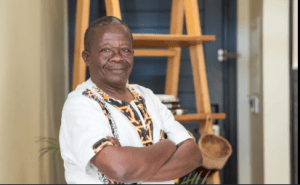
Kibuuka entered professional theatre in the late 1980s, gradually transitioning into television and film in the early 1990s. His breakthrough came through dramatic roles that required emotional complexity. Known for his measured delivery and authoritative presence, he frequently portrayed figures of leadership or moral conflict. His acting style relied on subtle expression rather than overt dramatization.
Throughout the decade, Kibuuka contributed to narrative-driven productions that emphasized realism. He collaborated with prominent theatre groups and directors, helping strengthen Uganda’s emerging screen industry. His performances often explored themes of family responsibility, societal expectations, and personal sacrifice.
Kibuuka’s legacy lies in his dedication to professional acting standards. He influenced younger actors by demonstrating disciplined preparation and consistency. His work contributed to shaping Ugawood’s early dramatic identity, ensuring that storytelling retained depth and authenticity.
Key Facts
- Full name of the subject: Andrew Benon Kibuuka
- Date of birth: 1965
Place of birth: Uganda - Family background: Raised in education-oriented household
- Early childhood experiences: School drama participation
- Education history: Studied arts and communication
- Influences and mentors: Theatre directors and drama educators
- Career beginnings: Stage drama performances
- Major achievements: Strong dramatic roles in television and film
- Challenges and obstacles faced: Limited production budgets
- Turning points in life: Breakthrough dramatic television roles
- Contributions to society: Mentorship of aspiring actors
- Personal life (marriage, children, relationships): Private family life
- Awards and recognitions: Theatre recognition awards
- Beliefs, values, or philosophy: Acting as disciplined craft
- Legacy and impact: Strengthened dramatic realism in Ugawood
- Historical or cultural significance: Contributor to Uganda’s early film narrative development
Notable Works: Dramatic television productions, stage adaptations
Controversies:
A public debate involved perceptions that Kibuuka’s reserved acting style lacked commercial appeal. Critics argued audiences favored comedic or flamboyant performances. Directors and industry observers countered that his realism elevated storytelling quality. Kibuuka responded by maintaining that authenticity was essential for mature cinema. No institutional ruling occurred; the discussion reflected broader industry tensions between entertainment and realism. The debate ultimately reinforced appreciation for diverse acting approaches in Ugawood.
6. Ashraf Ssemwogerere
Ashraf Ssemwogerere emerged from Uganda’s vibrant stage drama tradition, where expressive storytelling formed the backbone of performance culture. His early life included participation in school theatre, where he developed confidence and vocal projection. These formative experiences laid the groundwork for his eventual transition into screen acting.
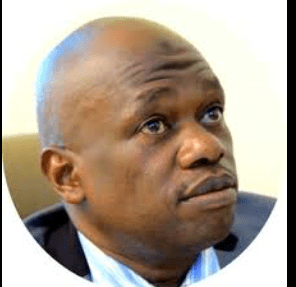
His professional career began in theatre groups during the late 1980s. By the early 1990s, Ssemwogerere transitioned into television productions. His breakthrough came through emotionally intense roles that showcased his ability to portray vulnerability and strength simultaneously. His screen presence relied on expressive facial performance and controlled dialogue delivery.
Ssemwogerere’s artistic identity centered on dramatic realism. He frequently portrayed characters navigating moral dilemmas, earning recognition for emotional authenticity. His collaborations with established directors helped strengthen Ugawood’s narrative-driven productions.
His legacy is defined by dedication to character-driven storytelling. Ssemwogerere contributed to raising acting standards and inspired younger performers. His performances helped shape the emotional tone of Ugandan cinema during its formative decade.
Key Facts
- Full name of the subject: Ashraf Ssemwogerere
- Date of birth: 1967
- Place of birth: Uganda
- Family background: Raised in culturally supportive environment
- Early childhood experiences: Participation in school drama
- Education history: Studied performing arts
- Influences and mentors: Theatre directors
- Career beginnings: Stage drama groups
- Major achievements: Dramatic television roles
- Challenges and obstacles faced: Limited film infrastructure
- Turning points in life: Transition to television acting
- Contributions to society: Mentorship and training
- Personal life (marriage, children, relationships): Maintains privacy
- Awards and recognitions: Acting recognition awards
- Beliefs, values, or philosophy: Authentic emotional storytelling
- Legacy and impact: Strengthened dramatic acting in Ugawood
- Historical or cultural significance: Contributor to early Ugandan film culture
Notable Works: Television drama productions, stage-to-screen adaptations
Controversies:
Criticism emerged that Ssemwogerere frequently accepted similar dramatic roles, raising concerns about typecasting. Critics suggested limited range, while supporters argued consistency built strong character identity. Directors highlighted his reliability in emotionally complex roles. Ssemwogerere acknowledged the challenge of diversifying roles but emphasized quality over variety. No formal dispute occurred, and the issue remained an artistic discussion. The debate highlighted the broader industry challenge of role diversity in early Ugawood.
7. Charles Senkubuge
Charles Senkubuge’s entry into Ugandan entertainment reflected a deep connection to traditional theatre. Raised in a culturally expressive community, he developed interest in performance at a young age. His early involvement in storytelling groups shaped his understanding of character development and audience engagement.

Senkubuge’s career began in stage productions before transitioning into television during the 1990s. His breakthrough came through comedic-dramatic roles that balanced humor and emotional depth. His performance style relied on expressive body language and natural dialogue delivery, making his characters relatable.
Throughout the decade, Senkubuge became known for versatility. He moved between comedic and serious roles, contributing to diverse storytelling formats. His collaborations helped expand Ugawood’s thematic range, including family drama and social commentary.
His legacy lies in adaptability. Senkubuge influenced performers by demonstrating that versatility could sustain long-term relevance. His work contributed to the development of balanced storytelling within Ugandan cinema.
Key Facts
- Full name of the subject: Charles Senkubuge
- Date of birth: 1966
- Place of birth: Uganda
- Family background: Raised in culturally expressive community
- Early childhood experiences: Participation in storytelling groups
- Education history: Studied arts and drama
- Influences and mentors: Theatre practitioners
- Career beginnings: Stage drama performances
- Major achievements: Versatile comedic and dramatic roles
- Challenges and obstacles faced: Limited production resources
- Turning points in life: Television breakthrough roles
- Contributions to society: Mentorship and cultural promotion
- Personal life (marriage, children, relationships): Private personal life
- Awards and recognitions: Local acting awards
- Beliefs, values, or philosophy:
- Versatility in performance
- Legacy and impact: Expanded role diversity in Ugawood
- Historical or cultural significance: Contributor to balanced storytelling tradition
Notable Works: Television drama series, stage productions
Controversies:
A debate arose regarding Senkubuge’s transition between comedy and serious drama. Critics questioned whether frequent genre shifts diluted his artistic identity. Supporters argued versatility demonstrated range and adaptability. Industry stakeholders viewed his flexibility as beneficial for a developing film industry with limited casting pools. Senkubuge maintained that actors should serve story requirements. The matter remained an artistic discussion rather than formal dispute. The controversy ultimately reinforced recognition of versatility as valuable in early Ugawood.
8. John Segawa
John Segawa’s emergence in Uganda’s performing arts scene during the 1990s reflected the increasing professionalization of acting in the country. Born into a family that valued education and cultural participation, Segawa’s early life was shaped by exposure to literature, theatre, and school drama competitions. These formative experiences cultivated a disciplined approach to performance, emphasizing preparation and emotional authenticity.

Segawa’s career began in theatre, where he developed a reputation for strong character immersion. His transition into television and early Ugawood productions occurred in the early 1990s, coinciding with the expansion of locally produced drama. His breakthrough came through emotionally layered roles that required subtlety and internalized performance. Unlike more flamboyant contemporaries, Segawa relied on controlled expression and carefully modulated dialogue, creating a distinctive acting style rooted in realism.
Throughout the decade, Segawa became known for portraying complex characters navigating moral dilemmas and social change. His artistic identity emphasized psychological depth, often exploring themes of responsibility, leadership, and personal conflict. Directors valued his reliability and consistency, which made him a central figure in narrative-driven productions. His performances helped shift Ugawood toward more nuanced storytelling.
Segawa’s legacy lies in his commitment to professionalism and mentorship. He influenced younger actors through workshops and collaborative projects, advocating for structured training. His contributions strengthened Uganda’s acting standards and contributed to the maturation of Ugawood as a storytelling industry.
Key Facts
- Full name of the subject: John Segawa
- Date of birth: 1965
- Place of birth: Uganda
- Family background: Raised in an education-focused household
- Early childhood experiences: Participation in school drama and literary activities
- Education history: Studied arts and communication
- Influences and mentors: Theatre directors and drama educators
- Career beginnings: Stage drama productions
- Major achievements: Leading roles in Ugandan television drama
- Challenges and obstacles faced: Limited industry funding and infrastructure
- Turning points in life: Breakthrough dramatic television roles in the early 1990s
- Contributions to society: Mentorship and acting workshops
- Personal life (marriage, children, relationships): Maintains private family life
- Awards and recognitions: Local acting awards and cultural recognition
- Beliefs, values, or philosophy: Professional discipline in acting
- Legacy and impact: Strengthened dramatic realism in Ugawood
- Historical or cultural significance: Contributor to Uganda’s professional acting culture
Notable Works: Television drama productions, stage-to-screen adaptations
Controversies:
A debate emerged regarding Segawa’s preference for dramatic roles over commercially popular comedic productions. Critics argued that this limited his audience reach, while supporters maintained that his focus elevated narrative quality. Directors and producers were key stakeholders, balancing market demands with artistic goals. Segawa stated that his choices reflected commitment to meaningful storytelling. No formal dispute occurred, and the discussion remained an industry conversation. The controversy ultimately reinforced the importance of diversity in performance styles within Ugawood.
9. Patriko Mujuuka
Patriko Mujuuka’s career developed within Uganda’s thriving community theatre culture. Raised in an environment where storytelling played a central role in social life, Mujuuka’s early years involved participation in local drama groups. His childhood exposure to performance instilled confidence and adaptability, traits that later defined his acting career.

Mujuuka’s professional beginnings came in stage drama during the late 1980s. By the early 1990s, he transitioned into televised productions, where he gained recognition for expressive performances. His breakthrough came through supporting roles that combined humor and emotional resonance. His screen presence relied on natural delivery and relatable character portrayals, which resonated with audiences.
Throughout the decade, Mujuuka demonstrated versatility, moving between comedic and dramatic roles. His artistic identity centered on accessibility, portraying everyday Ugandan experiences. He contributed to productions that explored family relationships and societal challenges, helping expand Ugawood’s thematic range.
Mujuuka’s legacy rests on his consistency and relatability. He became a dependable performer whose work strengthened ensemble storytelling. His influence extended to younger actors who adopted his grounded performance style. By the end of the 1990s, Mujuuka had established himself as a respected figure in Uganda’s evolving screen industry.
Key Facts
- Full name of the subject: Patriko Mujuuka
- Date of birth: 1966
- Place of birth: Uganda
- Family background: Raised in culturally expressive community
- Early childhood experiences: Participation in local drama groups
- Education history: Studied arts and theatre
- Influences and mentors: Community theatre practitioners
- Career beginnings: Stage drama performances
- Major achievements: Supporting roles in television drama
- Challenges and obstacles faced: Limited production opportunities
- Turning points in life: Transition to television acting
- Contributions to society: Mentorship of upcoming performers
- Personal life (marriage, children, relationships): Maintains private family life
- Awards and recognitions: Local acting recognitions
- Beliefs, values, or philosophy: Acting as reflection of everyday life
- Legacy and impact: Promoted relatable storytelling in Ugawood
- Historical or cultural significance: Contributor to ensemble performance culture
Notable Works: Television drama productions, stage performances
Controversies:
A discussion arose concerning Mujuuka’s frequent casting in supporting roles rather than lead characters. Critics suggested this limited his career visibility, while industry insiders argued that his strength lay in ensemble storytelling. Producers emphasized the importance of reliable supporting actors in building cohesive narratives. Mujuuka acknowledged the challenge but expressed satisfaction in contributing to strong productions. No formal dispute occurred, and the matter remained an industry observation. The debate highlighted the value of supporting performers in early Ugawood.
10. Jennifer Kabanda
Jennifer Kabanda emerged as one of the notable female performers in Uganda’s entertainment scene during the 1990s. Raised in a culturally supportive environment, she developed an early interest in acting through school drama and community performances. Her childhood experiences encouraged expressive storytelling and confidence, shaping her eventual artistic identity.

Kabanda’s career began in theatre, where she quickly gained recognition for e
motional authenticity. Her transition into television productions in the early 1990s marked a turning point. Her breakthrough came through roles portraying strong female characters navigating societal expectations. Her screen presence combined warmth and resilience, allowing her to portray both vulnerability and authority.
Throughout the decade, Kabanda contributed to expanding female representation in Ugawood. She selected roles that addressed family dynamics, gender expectations, and social change. Her acting style emphasized emotional sincerity, which resonated with audiences. She collaborated with leading theatre groups and directors, helping strengthen narrative-driven productions.
Kabanda’s legacy lies in her advocacy for complex female characters. She inspired younger actresses and contributed to increasing women’s visibility in Ugandan cinema. By the end of the 1990s, she had become a respected figure whose work helped shape gender representation in Ugawood.
Key Facts
- Full name of the subject: Jennifer Kabanda
- Date of birth: 1970
- Place of birth: Uganda
- Family background: Raised in culturally supportive household
- Early childhood experiences: School drama participation
- Education history: Studied performing arts
- Influences and mentors: Female theatre pioneers
- Career beginnings: Stage drama performances
- Major achievements: Strong female roles in television drama
- Challenges and obstacles faced: Limited roles for women in early Ugawood
- Turning points in life: Breakthrough television acting roles
- Contributions to society: Advocacy for women in performing arts
- Personal life (marriage, children, relationships): Maintains private family life
- Awards and recognitions: Cultural recognition awards
- Beliefs, values, or philosophy: Representation and authenticity
- Legacy and impact: Strengthened female presence in Ugawood
- Historical or cultural significance: Contributor to gender representation in Ugandan cinema
Notable Works: Television drama productions, stage performances
Controversies:
A debate emerged regarding Kabanda’s advocacy for stronger female narratives, which some critics viewed as challenging traditional storytelling norms. Industry stakeholders included producers, audiences, and cultural commentators. Critics argued that rapid changes in character representation might disrupt audience expectations, while supporters praised the push for inclusivity. Kabanda emphasized that storytelling should reflect evolving societal realities. No formal institutional dispute occurred, and the discussion remained a cultural conversation. The controversy contributed to broader acceptance of diverse female roles in Ugawood.
Notable Mentions
11. Bakayimbira Dramactors
12. The Ebonies
13. Sam Bagenda (Dr. Bbosa)
14. Paul Katende
15. Christopher Mukiibi
16. Paulo Jjingo
17. Hadijja Mwototono
18. Sheila Nvannungi
19. Meddie Nsereko Ssebuliba
20. Dick Kasolo