
Top 10 Tamil Movie (India)Legends of the 90s
Top 10 Tamil Movie (India)
In This Content
Legends of the 90s
Quick List
Rajinikanth
Kamal Haasan
Vijay
Ajith Kumar
Karthik
Revathi
Khushbu Sundar
Meena
Simran
Jyothika
1. Rajinikanth
Rajinikanth’s dominance in Tamil cinema during the 1990s was not merely an extension of stardom but the crystallization of a cultural phenomenon that had been building since the late 1970s. Born Shivaji Rao Gaikwad in Karnataka, his early life was shaped by economic struggle and working-class resilience, which later became foundational to his on-screen persona. His transition from bus conductor to actor remains one of Indian cinema’s most emblematic origin stories.

His early career in Tamil cinema was defined by unconventional casting, where he was initially positioned in antagonist and character roles. However, his unique mannerisms, stylized dialogue delivery, and magnetic screen unpredictability quickly reoriented audience perception. By the time the 1990s began, Rajinikanth had already evolved into a mass phenomenon capable of redefining box office dynamics.
The 1990s marked a period where his superstardom reached unprecedented scale. Films during this era reinforced his “larger-than-life” screen identity, blending stylized action, moral clarity, and audience catharsis. His performances were less about realism and more about mythic representation, positioning him as a cinematic symbol rather than just an actor.
His legacy is deeply embedded in the cultural fabric of Tamil Nadu and Indian cinema at large. Rajinikanth redefined stardom as a spiritual and cultural experience, influencing not only filmmaking but also fan culture, political discourse, and mass entertainment psychology.
Key Facts
- Full name of the subject: Shivaji Rao Gaikwad
- Date of birth: 12 December 1950
- Place of birth: Bengaluru, Karnataka, India
- Family background: Marathi-speaking working-class family
- Early childhood experiences: Financial hardship and early labor work
- Education history: Basic education; later industrial work experience
- Influences and mentors: Kannada theatre and early Tamil filmmakers
- Career beginnings: Bus conductor before entering acting via film institute
- Major achievements: Established as India’s biggest mass cinema superstar in the 1990s
- Challenges and obstacles faced: Language barriers and industry entry resistance
- Turning points in life: Breakthrough in Tamil cinema leading to superstardom
- Contributions to society: Cultural unifier through cinema and philanthropy
- Personal life (marriage, children, relationships): Married with two children
- Awards and recognitions: Padma Bhushan, Padma Vibhushan
- Beliefs, values, or philosophy: Simplicity, humility, and spiritual grounding
- Legacy and impact: Redefined Indian mass cinema stardom
- Historical or cultural significance: Iconic cultural figure of South Indian cinema
Notable Works: Baashha, Annamalai, Mannan, Muthu, Veera
Controversies:
A recurring public debate surrounding Rajinikanth’s career involves the intersection of his cinematic influence and political engagement, particularly discussions around his potential entry into electoral politics. This issue gained prominence due to his massive fan base and perceived influence over public sentiment in Tamil Nadu.
The background of this controversy lies in Tamil Nadu’s historical linkage between cinema and politics, where film stars often transition into political leadership roles. Analysts, media, and political groups debated whether his popularity translated into political readiness or remained purely cinematic charisma.
Key stakeholders included political parties, fan associations, media commentators, and civil society observers. Supporters viewed his involvement in public discourse as a natural extension of his social influence, while critics questioned the risks of celebrity-driven political systems.
Factually, Rajinikanth has made multiple public statements regarding politics, but no formal political office or election outcome has been directly tied to his film career. The controversy remains speculative and situational rather than institutional.
The impact of this discourse has reinforced the broader Indian narrative of cinema-politics overlap, particularly in Tamil Nadu, where film stardom frequently intersects with governance discussions.
2. Kamal Haasan
Kamal Haasan’s cinematic journey represents one of the most intellectually expansive and artistically disciplined careers in Indian cinema. Born in Paramakudi, Tamil Nadu, into a culturally engaged family, he was introduced to performance arts at an exceptionally young age. His early exposure to theatre and classical dance laid the foundation for a career defined by experimentation and depth.

Unlike many of his contemporaries, Kamal Haasan’s entry into cinema was gradual, evolving from child actor to method-driven performer. By the 1990s, he had already established himself as a filmmaker’s actor, known for his commitment to character transformation and narrative risk-taking.
The 1990s marked a period of intense creative output, where he balanced mainstream success with experimental storytelling. His roles during this decade reflected psychological complexity, moral ambiguity, and technical innovation, often pushing the boundaries of Tamil commercial cinema.
His legacy is defined by intellectual artistry and cinematic reinvention. Kamal Haasan is widely regarded as a pioneer of method acting in Indian cinema, influencing generations of actors and filmmakers across linguistic and regional boundaries.
Key Facts
- Full name of the subject: Kamal Haasan
- Date of birth: 7 November 1954
- Place of birth: Paramakudi, Tamil Nadu, India
- Family background: Tamil Brahmin family with artistic inclination
- Early childhood experiences: Child actor in early Tamil cinema
- Education history: School education in Chennai
- Influences and mentors: K. Balachander, classical arts traditions
- Career beginnings: Child artist transitioning into lead roles
- Major achievements: Four National Film Awards and multiple industry honors
- Challenges and obstacles faced: Balancing commercial and experimental cinema
- Turning points in life: Breakthrough under director K. Balachander
- Contributions to society: Innovation in Indian cinematic language
- Personal life (marriage, children, relationships): Father of two daughters
- Awards and recognitions: Padma Shri, Padma Bhushan
- Beliefs, values, or philosophy: Artistic experimentation and realism
- Legacy and impact: Pioneer of method acting in Indian cinema
- Historical or cultural significance: Transformational figure in South Indian film artistry
Notable Works: Nayakan, Thevar Magan, Michael Madana Kama Rajan, Indian
Controversies:
A significant public discourse involving Kamal Haasan relates to his statements on political and cultural issues, which have occasionally triggered debates on freedom of expression and public responsibility. These controversies emerged as his career expanded beyond cinema into public commentary and political engagement.
The background of this issue is rooted in the broader context of Indian public figures engaging in socio-political discourse, where statements by influential personalities often attract scrutiny from political groups and cultural organizations.
Key stakeholders include political parties, media outlets, cultural groups, and film audiences. Critics have sometimes viewed his statements as provocative or politically charged, while supporters argue they reflect intellectual honesty and democratic expression.
Factually, most controversies have remained at the level of public debate and media interpretation rather than legal adjudication or institutional action. No sustained regulatory action has defined his cinematic career.
The impact of these discussions has reinforced Kamal Haasan’s image as a politically conscious artist, while also placing him at the center of ongoing debates about celebrity speech in India.
3. Vijay
Vijay, born Joseph Vijay Chandrasekhar, represents the emergence of a new-generation Tamil cinema icon whose roots trace back to the evolving commercial landscape of the 1990s. Born into a film-oriented family in Chennai, he was exposed early to the mechanics of cinema, though his initial journey was shaped by gradual acceptance rather than instant stardom.

His early career in the 1990s involved navigating the challenges of establishing identity beyond his lineage. Initially perceived through the lens of his father’s cinematic reputation, Vijay worked through roles that gradually allowed him to develop his own screen personality.
The breakthrough phase of his 1990s career came as he transitioned into romantic and action-oriented roles that resonated with younger audiences. His screen style evolved into a blend of youthful energy, emotional accessibility, and emerging mass appeal.
His legacy from this era marks the foundation of what would later become one of the most influential fan-driven stardom models in Tamil cinema. The 1990s positioned him as a rising force whose later dominance would reshape commercial film culture in the region.
Key Facts
- Full name of the subject: Joseph Vijay Chandrasekhar
- Date of birth: 22 June 1974
- Place of birth: Chennai, Tamil Nadu, India
- Family background: Film industry family
- Early childhood experiences: Exposure to film sets and acting environment
- Education history: Formal schooling in Chennai
- Influences and mentors: Tamil film industry veterans and family influence
- Career beginnings: Child actor transitioning into lead roles in the 1990s
- Major achievements: Established leading commercial actor status in Tamil cinema
- Challenges and obstacles faced: Overcoming comparison with family legacy
- Turning points in life: Breakthrough as independent lead actor in the 1990s
- Contributions to society: Cultural influence through youth-oriented cinema
- Personal life (marriage, children, relationships): Married with children
- Awards and recognitions: Regional film awards and fan recognition
- Beliefs, values, or philosophy: Youth empowerment and audience connection
- Legacy and impact: Foundation of modern mass-hero culture in Tamil cinema
- Historical or cultural significance: Key figure in post-90s Tamil film evolution
Notable Works: Poove Unakkaga, Love Today, Kadhalukku Mariyadhai, Thulladha Manamum Thullum
Controversies:
A recurring discussion around Vijay’s early career involves debates about star lineage and perceived industry advantage due to his family background. This discourse emerged as audiences and critics evaluated the role of film heritage in casting and career progression.
The background of this issue lies in Tamil cinema’s long-standing dynastic traditions, where multiple generations of film families participate in the industry. Critics questioned whether such lineage accelerates opportunity access, while supporters emphasized audience-driven success as the ultimate determinant.
Key stakeholders included film critics, audience groups, industry analysts, and competing actors. While some viewed his early casting as influenced by family presence, others pointed to box office reception as evidence of independent merit.
Factually, Vijay’s career progression in the 1990s reflects a gradual acceptance process shaped by audience response rather than immediate dominance. No formal allegations or institutional disputes have been recorded.
The impact of this discourse has contributed to ongoing conversations about merit, legacy, and accessibility in Indian cinema industries.
4. Ajith Kumar
Ajith Kumar’s rise in Tamil cinema during the 1990s represents a distinctive trajectory shaped by quiet persistence rather than traditional film-industry grooming. Born in Hyderabad to a multilingual family, he grew up in Chennai, where early exposure to diverse cultural environments influenced his grounded personality. Unlike many contemporaries, his entry into cinema was not predestined by lineage but built through incremental recognition.

His early career began with modest roles that reflected his natural screen presence rather than dramatic intensity. Initially navigating supporting and romantic roles, Ajith gradually developed a distinct identity marked by understated charisma and controlled emotional expression. His performances began to stand out for their realism and relatable screen energy.
The breakthrough phase of his 1990s career came through romantic dramas that resonated strongly with youth audiences. His ability to portray vulnerability alongside quiet confidence distinguished him from the more theatrical acting styles prevalent at the time. He became a defining face of the emerging urban Tamil romantic hero archetype.
His legacy from the 1990s lies in establishing a performance style rooted in subtlety and emotional authenticity. Ajith Kumar redefined the idea of stardom as being accessible and grounded, influencing a generation of actors who followed a more restrained acting approach in mainstream Tamil cinema.
Key Facts
- Full name of the subject: Ajith Kumar
- Date of birth: 1 May 1971
- Place of birth: Secunderabad, Telangana, India
- Family background: Middle-class Tamil–Telugu family
- Early childhood experiences: Grew up in Chennai with interest in mechanics and racing
- Education history: Dropped out of formal education early for career pursuits
- Influences and mentors: Tamil cinema actors and racing culture
- Career beginnings: Small supporting roles in early 1990s
- Major achievements: Established as leading romantic and action star in Tamil cinema
- Challenges and obstacles faced: Early career injuries and industry uncertainty
- Turning points in life: Breakthrough in romantic drama roles in the 1990s
- Contributions to society: Popularization of disciplined fan culture and youth engagement
- Personal life (marriage, children, relationships): Married with children
- Awards and recognitions: Multiple regional film awards
- Beliefs, values, or philosophy: Privacy, discipline, and self-driven growth
- Legacy and impact: Defined understated stardom in Tamil cinema
- Historical or cultural significance: Key figure in 1990s romantic film evolution
Notable Works: Aasai, Kadhal Kottai, Ullasam, Amarkalam
Controversies:
A notable public discourse involving Ajith Kumar relates to discussions about his early-career injuries and the use of body doubles in action sequences. This debate emerged during the 1990s when action cinema in Tamil Nadu became increasingly demanding in terms of physical performance.
The background of this issue lies in the growing trend of high-intensity stunt choreography in South Indian cinema, where actors were often expected to perform physically risky scenes. Media speculation occasionally questioned the extent of actor participation versus technical assistance in stunt execution.
Key stakeholders included film technicians, stunt coordinators, producers, media outlets, and fan communities. While some criticism focused on perceived safety practices, others emphasized industry standards and production protocols.
Factually, no formal allegations or safety violations were conclusively established against Ajith Kumar in relation to stunt performance practices. The discussion largely remained within media and fan interpretation.
The impact of this discourse contributed to broader awareness about stunt safety standards in Indian cinema and reinforced industry-wide conversations about actor welfare.
5. Karthik
Karthik emerged in Tamil cinema as one of the most charismatic romantic leads of the late 1980s and 1990s, carrying forward a legacy of expressive storytelling rooted in emotional accessibility. Born in Chennai into a family connected to the film industry, he was introduced early to cinematic culture, which shaped his natural ease in front of the camera.

His early career developed through supporting and romantic roles that highlighted his expressive eyes and subtle emotional delivery. Unlike heavily stylized performers, Karthik built his identity on sincerity and relational chemistry, making him particularly popular among youth and family audiences.
The 1990s marked a significant phase in his career, where he became one of the most bankable romantic heroes in Tamil cinema. His performances often centered on love stories, emotional conflict, and interpersonal drama, reflecting the cinematic preferences of the era.
His legacy lies in defining the romantic narrative style of Tamil cinema during a transitional period. He contributed to shaping a softer, emotion-driven hero archetype that influenced later generations of actors in romantic genres.
Key Facts
- Full name of the subject: Murali Karthikeyan Muthuraman
- Date of birth: 13 September 1960
- Place of birth: Chennai, Tamil Nadu, India
- Family background: Film industry family background
- Early childhood experiences: Exposure to cinema through family environment
- Education history: Educated in Chennai
- Influences and mentors: Tamil romantic cinema traditions
- Career beginnings: Entry into film industry in the 1980s
- Major achievements: Leading romantic star of Tamil cinema in the 1990s
- Challenges and obstacles faced: Sustaining relevance during industry transition
- Turning points in life: Breakthrough romantic roles in late 1980s–1990s
- Contributions to society: Popularization of romantic storytelling in Tamil films
- Personal life (marriage, children, relationships): Married with family life
- Awards and recognitions: Regional cinema awards
- Beliefs, values, or philosophy: Emotional storytelling and romantic realism
- Legacy and impact: Defined 1990s Tamil romantic hero archetype
- Historical or cultural significance: Key romantic lead of Tamil cinema transition era
Notable Works: Agni Natchathiram, Alaigal Oivathillai, Ponnumani, Idhaya Thamarai
Controversies:
A recurring public discussion around Karthik’s career involved debates over career consistency and fluctuating box office performance during the transition from the 1990s to the 2000s. This discourse emerged in the context of rapidly changing audience expectations in Tamil cinema.
The background of this issue lies in the shift from romance-driven narratives to action-oriented mass cinema, which affected many actors of his generation. Critics and industry analysts often evaluated whether such transitions were managed effectively by established stars.
Key stakeholders included producers, critics, distributors, and audiences adapting to new cinematic trends. While some attributed career fluctuations to industry evolution, others focused on individual project selection strategies.
Factually, no legal or professional misconduct is associated with his career. The discussion remains centered on artistic and commercial performance trends.
The impact of this discourse reflects broader industry cycles in Tamil cinema, where genre shifts significantly influence actor longevity and positioning.
6. Revathi
Revathi stands as one of the most critically respected and emotionally profound actresses of Tamil cinema, with a career that flourished strongly during the 1990s. Born in Kerala and raised in Chennai, she was exposed early to diverse cultural and linguistic influences, which enriched her expressive range and artistic sensitivity.
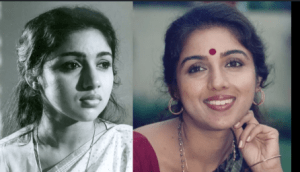
Her entry into cinema was marked by immediate recognition for her natural acting style and emotional authenticity. Unlike conventionally glamour-driven portrayals, Revathi’s screen presence emphasized realism, internal conflict, and psychological depth.
The 1990s marked a period of artistic maturity where she delivered performances that were both socially relevant and emotionally layered. Her roles often engaged with themes of gender, identity, and human relationships, aligning her with parallel cinema sensibilities even within mainstream frameworks.
Her legacy is defined by artistic integrity and emotional realism. Revathi contributed significantly to shaping female-centric narratives in Tamil cinema, influencing both contemporary actresses and filmmakers focused on character-driven storytelling.
Key Facts
- Full name of the subject: Asha Kelunni Nair (Revathi)
- Date of birth: 30 July 1966
- Place of birth: Kochi, Kerala, India
- Family background: Malayali family with cultural grounding
- Early childhood experiences: Exposure to classical arts and dance
- Education history: Schooling in Chennai
- Influences and mentors: K. Balachander, parallel cinema movement
- Career beginnings: Film debut in early 1980s
- Major achievements: Critically acclaimed actress in South Indian cinema
- Challenges and obstacles faced: Navigating gendered expectations in cinema
- Turning points in life: Recognition for emotionally complex roles
- Contributions to society: Advocacy for social issues through cinema
- Personal life (marriage, children, relationships): Married with family
- Awards and recognitions: National Film Awards
- Beliefs, values, or philosophy: Realism and emotional authenticity
- Legacy and impact: Pioneer of performance-driven female roles
- Historical or cultural significance: Key figure in South Indian parallel cinema
Notable Works: Mouna Ragam, Thevar Magan, Anjali, Devar Magan
Controversies:
A limited public discussion surrounding Revathi’s career involves debates about the representation of female trauma and emotional intensity in certain film roles. This discourse emerged from critical interpretations of how cinema portrays sensitive social themes.
The background lies in the broader evolution of Indian cinema’s handling of gendered narratives, where films increasingly explored complex emotional experiences of women. Critics occasionally debated whether such portrayals risked over-dramatization or reinforced certain narrative tropes.
Key stakeholders included film critics, feminist scholars, directors, and audiences engaged in gender discourse. While some viewed her performances as progressive representation, others examined the ethical framing of such narratives.
Factually, no professional misconduct or controversy has been recorded in relation to her career. The discussion remains interpretative and academic in nature.
The impact of this discourse has contributed to deeper analytical engagement with female-centric storytelling in Tamil cinema.
7. Khushbu Sundar
Khushbu Sundar emerged in Tamil cinema during the late 1980s and rose to iconic status throughout the 1990s, becoming one of the most recognizable female stars of the era. Born in Mumbai, she entered the film industry at a young age, bringing a blend of North Indian cultural influence into South Indian cinema, which contributed to her distinctive screen identity.
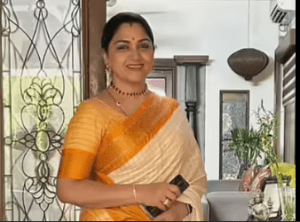
Her early career was defined by rapid popularity in romantic and family-oriented films, where her expressive screen presence and emotional warmth resonated strongly with audiences. She became a household name, symbolizing modern femininity within Tamil cinematic narratives.
The 1990s marked the peak of her stardom, where she appeared in a wide range of commercially successful films. Her roles often centered on love, family dynamics, and emotional resilience, making her one of the most bankable actresses of the decade.
Her legacy extends beyond cinema into cultural symbolism, where she became a defining face of 1990s Tamil popular culture. Her influence continues through fan devotion and sustained public recognition across generations.
Key Facts
- Full name of the subject: Nakhat Khan (Khushbu Sundar)
- Date of birth: 29 September 1970
- Place of birth: Mumbai, Maharashtra, India
- Family background: North Indian Muslim family
- Early childhood experiences: Early exposure to film industry
- Education history: Basic schooling alongside acting career
- Influences and mentors: Tamil romantic cinema traditions
- Career beginnings: Child artist transitioning into lead roles
- Major achievements: Leading Tamil actress of the 1990s
- Challenges and obstacles faced: Cultural adaptation in regional cinema
- Turning points in life: Breakthrough romantic film success
- Contributions to society: Cultural influence through cinema and public engagement
- Personal life (marriage, children, relationships): Married with children
- Awards and recognitions: Regional film awards and honors
- Beliefs, values, or philosophy: Cultural integration and emotional storytelling
- Legacy and impact: Iconic 1990s Tamil cinema heroine
- Historical or cultural significance: Cross-cultural symbol in South Indian cinema
Notable Works: Chinna Thambi, Mannan, Annamalai, and multiple 1990s blockbusters
Controversies:
A widely discussed public controversy involving Khushbu Sundar centered on a political and social statement she made regarding cultural norms, which sparked nationwide debate. This issue became prominent due to her celebrity status and the sensitivity of the topic involved.
The background of the controversy lies in the intersection of celebrity speech and cultural discourse in India, where public statements by film personalities often generate significant media and political reaction. The debate expanded beyond cinema into social commentary.
Key stakeholders included political organizations, media outlets, social commentators, and fan groups. Critics interpreted the statement as culturally contentious, while supporters defended it as an expression of personal opinion and freedom of speech.
Factually, the matter did not result in sustained legal action affecting her film career, though it led to widespread public discussion and temporary political engagement with the issue.
The impact of the controversy reinforced the broader reality of celebrity influence in Indian socio-cultural debates, particularly in Tamil Nadu where film personalities hold significant public visibility.
8. Meena
Meena’s ascent in Tamil cinema during the 1990s reflects the evolution of a child artist into one of the most versatile leading actresses of South Indian cinema. Born in Chennai, she entered the film world at an exceptionally young age, growing up within the rhythms of sets, cameras, and disciplined performance environments. This early immersion created a performer whose emotional intelligence matured alongside her career.

Her early career was defined by child roles that revealed an instinctive grasp of emotional expression. As she transitioned into lead roles, she carried forward that foundation, refining it into a balanced screen presence that combined grace, emotional clarity, and strong narrative adaptability. Her ability to shift between languages also expanded her reach across South Indian cinema industries.
The 1990s marked her breakthrough as a leading heroine, where she became a dominant presence in Tamil commercial cinema. Her performances were characterized by emotional sincerity and a strong connection with family-oriented storytelling. She became a preferred choice for roles that required both vulnerability and quiet strength.
Her legacy lies in her longevity and cross-industry adaptability. Meena successfully maintained relevance across multiple South Indian film industries, contributing to the broader integration of regional cinema audiences and reinforcing the importance of emotional storytelling in mainstream film culture.
Key Facts
- Full name of the subject: Meena Durairaj
- Date of birth: 16 September 1976
- Place of birth: Chennai, Tamil Nadu, India
- Family background: Tamil middle-class family
- Early childhood experiences: Child artist in South Indian cinema
- Education history: Educated in Chennai alongside acting career
- Influences and mentors: Tamil film industry veterans
- Career beginnings: Child actress transitioning into lead heroine roles
- Major achievements: Leading actress across Tamil, Telugu, Malayalam films in the 1990s
- Challenges and obstacles faced: Transitioning from child artist to adult lead roles
- Turning points in life: Breakthrough as romantic and family drama heroine
- Contributions to society: Representation of strong emotional female characters
- Personal life (marriage, children, relationships): Married with children
- Awards and recognitions: Regional and national film awards
- Beliefs, values, or philosophy: Emotional authenticity and family values
- Legacy and impact: Cross-industry South Indian cinema influence
- Historical or cultural significance: Prominent 1990s pan-South Indian actress
Notable Works: Ejamaan, Muthu, Avvai Shanmugi, Bharathi Kannamma
Controversies:
A minor public discussion involving Meena’s career has centered on the broader issue of child actors transitioning into adult roles in Indian cinema. This debate is not specific to misconduct but relates to industry practices and audience expectations.
The background of this discourse lies in the structural challenge child actors face when redefining their screen identity as adults. In the 1990s, several South Indian actors underwent similar transitions, prompting industry-wide reflection on casting continuity and career development.
Key stakeholders included filmmakers, casting directors, audiences, and industry analysts. While some expressed concern about typecasting risks, others highlighted successful transitions as evidence of adaptability.
Factually, Meena’s transition was widely regarded as successful, with no professional disputes or controversies affecting her career trajectory.
The impact of this discussion contributed to broader awareness of child artist career management within Indian cinema industries.
9. Simran
Simran emerged in the late 1990s as one of the most influential and stylish leading actresses in Tamil cinema, symbolizing a new era of urban glamour and performance sophistication. Born in Mumbai, she entered the entertainment industry through modeling before transitioning into films, bringing with her a cosmopolitan screen identity that resonated strongly with younger audiences.

Her early career quickly gained momentum due to her expressive versatility and strong screen presence. Unlike traditional portrayals of heroines in earlier decades, Simran represented a more independent, urban, and emotionally complex female character archetype.
The 1990s marked her rapid rise, where she became one of the most sought-after actresses in Tamil cinema. Her performances often balanced romance, drama, and strong character arcs, making her a dominant force in late-90s commercial films. Her chemistry with leading actors contributed significantly to her popularity.
Her legacy lies in modernizing the image of the Tamil heroine. She introduced a contemporary aesthetic and performance style that influenced the next generation of actresses and helped redefine female stardom in South Indian cinema.
Key Facts
- Full name of the subject: Simran Bagga
- Date of birth: 4 April 1976
- Place of birth: Mumbai, Maharashtra, India
- Family background: Punjabi family
- Early childhood experiences: Exposure to urban cultural environment
- Education history: Schooling in Mumbai
- Influences and mentors: Bollywood and South Indian cinema traditions
- Career beginnings: Modeling before film debut
- Major achievements: Leading Tamil actress of late 1990s
- Challenges and obstacles faced: Transitioning into South Indian film industries
- Turning points in life: Breakthrough Tamil film success in late 1990s
- Contributions to society: Representation of modern Indian womanhood in cinema
- Personal life (marriage, children, relationships): Married with children
- Awards and recognitions: Regional film awards
- Beliefs, values, or philosophy: Modernity and performance versatility
- Legacy and impact: Redefined Tamil cinema heroine image
- Historical or cultural significance: Icon of late 1990s South Indian glamour cinema
Notable Works: Vaali, Thulladha Manamum Thullum, Kannedhirey Thondrinal, Jodi
Controversies:
A recurring public discussion around Simran’s career involves debates on the intense media scrutiny of female stars in late 1990s Tamil cinema, particularly regarding appearance, branding, and commercial positioning.
The background of this issue lies in the rapid commercialization of Tamil cinema during the late 1990s, where actresses were often subject to heightened publicity cycles and image-driven marketing strategies.
Key stakeholders included media outlets, production houses, advertisers, and fan communities. Critics occasionally raised concerns about the objectification of female stars, while industry representatives emphasized market-driven promotional practices.
Factually, no professional misconduct or formal disputes are associated with Simran’s career. The discussion remains rooted in media culture analysis rather than individual controversy.
The impact of this discourse contributed to evolving conversations around gender representation and media ethics in South Indian entertainment industries.
10. Jyothika
Jyothika’s entry into Tamil cinema in the late 1990s marked the arrival of a new generation of actresses who combined expressive performance with strong narrative agency. Born in Mumbai, she came from a film-connected family environment, which provided early exposure to acting and media culture. Her transition into South Indian cinema brought a fresh sensibility to female-led storytelling.

Her early career quickly established her as a promising talent, with performances that emphasized emotional depth, natural dialogue delivery, and strong screen relatability. She stood out in an industry that was increasingly balancing commercial expectations with evolving character complexity.
The 1990s represented her breakthrough phase, where she emerged as one of the most recognizable new faces in Tamil cinema. Her roles often reflected youthful independence, emotional intelligence, and modern romantic narratives, aligning with changing audience preferences at the turn of the decade.
Her legacy is defined by her evolution into one of Tamil cinema’s most respected performers. Jyothika contributed to redefining the modern heroine archetype, transitioning from decorative roles to emotionally central characters that drive narrative structure.
Key Facts
- Full name of the subject: Jyothika Sadanah
- Date of birth: 18 October 1977
- Place of birth: Mumbai, Maharashtra, India
- Family background: Film-oriented Punjabi family
- Early childhood experiences: Exposure to cinema through family connections
- Education history: Studied in Mumbai
- Influences and mentors: South Indian filmmakers and acting traditions
- Career beginnings: Film debut in late 1990s
- Major achievements: Leading Tamil actress into early 2000s transition era
- Challenges and obstacles faced: Adapting to regional language cinema
- Turning points in life: Breakthrough romantic and dramatic roles
- Contributions to society: Strong female character representation in cinema
- Personal life (marriage, children, relationships): Married to actor Suriya
- Awards and recognitions: Multiple state and film awards
- Beliefs, values, or philosophy: Emotional honesty and strong character-driven storytelling
- Legacy and impact: Redefined modern Tamil female lead performance
- Historical or cultural significance: Key transitional actress between 1990s and 2000s cinema
Notable Works: Vaali, Kushi, Mugavaree, Rhythm
Controversies:
A public discussion involving Jyothika has centered on the broader debate around early-career media scrutiny and the rapid rise of young actresses in Tamil cinema during the late 1990s. This conversation reflects industry-wide dynamics rather than a specific incident.
The background of this issue lies in the fast-paced nature of Tamil film production during the period, where emerging stars were quickly elevated to leading status and subjected to intense public visibility.
Key stakeholders included media outlets, film producers, audiences, and entertainment journalists. Some critiques focused on pressure placed on young actresses, while others highlighted audience-driven demand as the primary factor.
Factually, no legal, professional, or ethical controversies have been documented in relation to her film career. The discourse remains analytical and contextual.
The impact of this discussion has contributed to ongoing awareness of media pressure and career sustainability challenges faced by young actors in Indian cinema.
Notable Mentions
Arvind Swamy
Prabhu
R. Sarathkumar
Sathyaraj
Vijayakanth
Arjun Sarja
Prashanth
Vikram
Mammootty (Tamil peak years)
Prabhu Deva