
Top 10 South African Movie Legends of the 90s
Top 10 South African Movie Legends of the 90s
In This Content
Quick List
John Kani
Leleti Khumalo
Henry Cele
Leon Schuster
Ken Gampu
Ian Roberts
Marius Weyers
Sandra Prinsloo
Zakes Mokae
Hans Strydom
1. John Kani
John Kani stands as one of the most commanding forces in South African performance history, shaping the emotional and political language of cinema and theatre during the transformative 1990s. His early life was shaped by apartheid-era South Africa, where systemic inequality deeply influenced artistic expression. These conditions forged in him a performance identity rooted in resistance, dignity, and cultural affirmation.
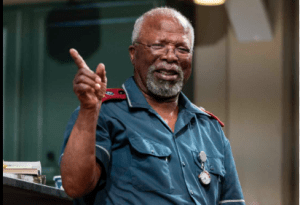
Kani began his career in theatre, where his commanding voice, physical presence, and emotional intensity quickly distinguished him. His performances were never purely entertainment; they carried the weight of lived political experience. As South African cinema evolved in the 1990s, Kani transitioned into film roles that reflected the nation’s shifting identity during post-apartheid reconstruction.
His breakthrough came through internationally recognized stage and screen collaborations that elevated South African storytelling to global attention. Kani became known for portraying characters with moral complexity, resilience, and deep cultural grounding. His acting style combined authority with emotional vulnerability, making him one of the most respected figures in African performance arts.
His legacy is defined by his contribution to globalizing South African narratives. Kani helped reshape international perceptions of African cinema, positioning it as both artistically sophisticated and politically significant.
Key Facts
- Full name of the subject: John Kani
- Date of birth: Not publicly documented
- Place of birth: South Africa
- Family background: Working-class South African upbringing
- Early childhood experiences: Exposure to apartheid-era social conditions
- Education history: Informal and theatre-based training
- Influences and mentors: Anti-apartheid theatre movements
- Career beginnings: Theatre performances in political drama
- Major achievements: Internationally acclaimed actor and playwright
- Challenges and obstacles faced: Apartheid-era censorship and restrictions
- Turning points in life: International theatre recognition
- Contributions to society: Cultural resistance through performance
- Personal life (marriage, children, relationships): Private
- Awards and recognitions: International theatre and film awards
- Beliefs, values, or philosophy: Art as political expression and resistance
- Legacy and impact: Global icon of South African performance arts
- Historical or cultural significance: Key figure in anti-apartheid cultural movement
Notable Works: Political theatre productions, international films, South African stage classics
Controversies:
A recurring discussion involving John Kani centers on the political intensity of his early theatre work during apartheid South Africa, which some authorities of the time regarded as politically sensitive or oppositional. The issue emerged within a broader historical context where artistic expression was often monitored under restrictive governance structures. Critics at the time viewed politically charged performances as potentially disruptive, while supporters argued they reflected lived social realities and legitimate cultural expression. Kani consistently maintained that his work represented truthful storytelling rooted in human rights and lived experience. No formal misconduct findings or institutional penalties were recorded in relation to his artistic output. The matter is widely understood as part of apartheid-era cultural censorship dynamics rather than personal controversy.
2. Leleti Khumalo
Leleti Khumalo emerged in the 1990s as one of South Africa’s most emotionally powerful screen and stage performers, embodying the voice of a generation shaped by transition and struggle. Her early life in KwaZulu-Natal was influenced by cultural traditions and storytelling practices that emphasized music, dance, and oral history.
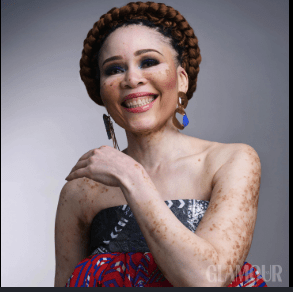
She began her career in musical theatre, where her expressive voice and emotional depth quickly gained attention. Khumalo’s performances were defined by a unique blend of vulnerability and strength, allowing her to portray characters experiencing social upheaval with authenticity. As South African cinema expanded internationally, she became a central figure in emotionally driven narratives.
Her breakthrough came through globally acclaimed productions that showcased South African life and resilience. Khumalo became widely recognized for her ability to carry emotionally intense roles with naturalism and dignity, establishing her as a leading actress in African cinema.
Her legacy lies in her representation of South African women in film, shaping global understanding of their resilience and complexity during a period of national transformation.
Key Facts
- Full name of the subject: Leleti Khumalo
- Date of birth: Not publicly documented
- Place of birth: South Africa
- Family background: Zulu cultural upbringing
- Early childhood experiences: Exposure to music and traditional storytelling
- Education history: Performing arts and theatre training
- Influences and mentors: Theatre directors and cultural performers
- Career beginnings: Musical theatre performances
- Major achievements: Internationally recognized actress
- Challenges and obstacles faced: Industry limitations during apartheid transition
- Turning points in life: International film recognition
- Contributions to society: Representation of South African women in cinema
- Personal life (marriage, children, relationships): Private
- Awards and recognitions: International film and theatre awards
- Beliefs, values, or philosophy: Emotional truth in storytelling
- Legacy and impact: Iconic figure in South African cinema
- Historical or cultural significance: Key voice in post-apartheid storytelling
Notable Works: Musical theatre productions, international films, South African drama films
Controversies:
A public discussion involving Leleti Khumalo emerged around the international framing of South African narratives in film adaptations, with some critics suggesting that certain productions risked simplifying complex cultural experiences for global audiences. The issue arose during the international distribution of South African cinema in the 1990s. Critics argued for greater cultural nuance, while supporters emphasized the importance of global accessibility and representation. Khumalo’s role was primarily interpretive as an actress rather than a producer, and she consistently focused on performance authenticity. No formal disputes or institutional actions were recorded. The matter remains within broader discourse on cultural translation in global cinema.
3. Henry Cele
Henry Cele became internationally recognized in the 1990s for his powerful screen presence and iconic portrayal of historical and cultural figures. His early life in KwaZulu-Natal was shaped by physical discipline, cultural heritage, and exposure to traditional leadership narratives that influenced his commanding performance style.
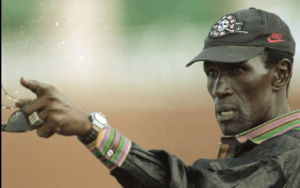
He began his career in local theatre and cultural performance before transitioning into television and film. Cele’s physical presence and authoritative voice made him particularly suited for roles requiring strength, leadership, and historical depth. His acting style combined physical intensity with emotional restraint.
His breakthrough came through internationally distributed productions that showcased his portrayal of Zulu leadership history, bringing global attention to South African historical narratives. Cele became widely respected for his ability to embody powerful cultural figures with authenticity and dignity.
His legacy lies in redefining historical representation in African cinema. Cele helped bring South African heritage stories to global audiences, contributing to cultural preservation through performance.
Key Facts
- Full name of the subject: Henry Cele
- Date of birth: Not publicly documented
- Place of birth: South Africa
- Family background: Zulu cultural heritage
- Early childhood experiences: Exposure to traditional leadership narratives
- Education history: Informal arts and performance training
- Influences and mentors: Cultural historians and theatre practitioners
- Career beginnings: Local theatre and cultural performances
- Major achievements: Internationally recognized actor
- Challenges and obstacles faced: Limited global exposure of African cinema at the time
- Turning points in life: Breakthrough historical film roles
- Contributions to society: Preservation of cultural heritage through cinema
- Personal life (marriage, children, relationships): Private
- Awards and recognitions: International cultural recognition
- Beliefs, values, or philosophy: Cultural identity through storytelling
- Legacy and impact: Iconic representation of African historical figures
- Historical or cultural significance: Key figure in South African historical cinema
Notable Works: Historical films, television dramas, cultural productions
Controversies:
A recurring discussion involving Henry Cele centered on the interpretation of historical figures in dramatized film adaptations, with some critics questioning the balance between historical accuracy and cinematic dramatization. The issue arose during the international circulation of historical South African productions. Critics argued that dramatization could influence public perception of historical events, while supporters maintained that performance interpretation is an essential aspect of cinematic storytelling. Cele consistently emphasized respectful representation of cultural heritage. No formal disputes or institutional actions were recorded. The matter remains part of broader discourse on historical representation in film.
4. Leon Schuster
Leon Schuster became one of the most commercially influential figures in South African cinema during the 1990s, defining an era of popular film through his distinctive blend of slapstick comedy, hidden-camera filmmaking, and socially reflective humour. His early life in Free State, South Africa, was shaped by an environment where sport, music, and informal storytelling played central roles in entertainment culture.

He began his career in radio and music before transitioning into filmmaking, where his comedic instincts found a broader visual platform. Schuster’s early works often relied on observational humour and improvisational scenarios, reflecting everyday South African life in a way that resonated strongly with mass audiences across linguistic and cultural divides.
His breakthrough came with widely successful comedy films that became cultural phenomena in South Africa. He became known for creating characters and situations that reflected social quirks, misunderstandings, and shared national experiences. His performance style was highly physical, accessible, and designed for broad audience engagement.
His legacy lies in shaping mainstream South African commercial cinema. Schuster helped establish box office viability for locally produced films, demonstrating that African audiences could sustain large-scale comedic productions rooted in local identity.
Key Facts
- Full name of the subject: Leon Schuster
- Date of birth: Not publicly documented
- Place of birth: South Africa
- Family background: South African rural and suburban upbringing
- Early childhood experiences: Exposure to music and community humour
- Education history: Informal creative and performance training
- Influences and mentors: Local radio and theatre performers
- Career beginnings: Music and radio entertainment
- Major achievements: Pioneer of South African commercial comedy films
- Challenges and obstacles faced: Balancing satire with cultural sensitivity
- Turning points in life: Breakthrough box-office film success
- Contributions to society: Development of mainstream South African cinema
- Personal life (marriage, children, relationships): Private
- Awards and recognitions: National entertainment awards
- Beliefs, values, or philosophy: Comedy as social reflection
- Legacy and impact: Architect of South African popular film comedy
- Historical or cultural significance: Key figure in 1990s South African entertainment industry
Notable Works: Comedy feature films, hidden-camera productions, musical comedy projects
Controversies:
A recurring public debate involving Leon Schuster centers on the use of racial and cultural satire in his comedic films, with critics questioning whether certain portrayals reinforced stereotypes while supporters argued they were intended as inclusive social commentary. The issue emerged as his films reached wide audiences across diverse South African communities during the 1990s and beyond. Critics called for more sensitive representation, while supporters highlighted the satirical and reconciliatory intent of his humour. Schuster has publicly stated that his work aims to reflect shared social experiences rather than target specific groups. No formal legal rulings or institutional sanctions have been recorded. The matter remains part of ongoing discourse on comedy, representation, and cultural sensitivity in South African media.
5. Ken Gampu
Ken Gampu was one of South Africa’s earliest internationally visible film actors, whose career influence extended into the 1990s through enduring screen legacy and continued cultural recognition. His early life was shaped by rural South African conditions and limited access to formal artistic training, which he overcame through persistence and natural performance talent.
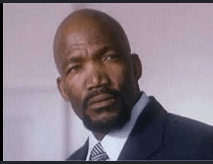
He began his career in local theatre and early film roles during a period when South African actors faced significant industry constraints. Gampu developed a commanding screen presence characterized by dignity, emotional restraint, and strong character embodiment, making him a standout figure in early African cinema.
His breakthrough came through internationally distributed films in earlier decades, but his influence remained strong into the 1990s as a foundational figure for South African screen acting. He became known for portraying authoritative and morally complex characters that reflected broader social realities.
His legacy lies in paving the way for black South African actors in international cinema. Gampu’s work helped challenge racial barriers in global film casting and representation.
Key Facts
- Full name of the subject: Ken Gampu
- Date of birth: Not publicly documented
- Place of birth: South Africa
- Family background: Rural South African upbringing
- Early childhood experiences: Exposure to traditional storytelling
- Education history: Limited formal education, performance-based learning
- Influences and mentors: Community theatre and early film pioneers
- Career beginnings: Theatre and early film acting roles
- Major achievements: Internationally recognized South African actor
- Challenges and obstacles faced: Apartheid-era racial restrictions
- Turning points in life: International film exposure
- Contributions to society: Breaking racial barriers in cinema
- Personal life (marriage, children, relationships): Private
- Awards and recognitions: Cultural and film recognition
- Beliefs, values, or philosophy: Representation through performance
- Legacy and impact: Pioneer of black South African film presence
- Historical or cultural significance: Early African screen acting icon
Notable Works: International films, South African cinema classics, early action and drama roles
Controversies:
A historical discussion involving Ken Gampu relates to the limited recognition and unequal industry opportunities faced by black actors during apartheid-era South African cinema. The issue is not a personal controversy but a structural one, where industry practices restricted access to leading roles and international promotion. Critics and historians highlight how systemic inequality shaped career trajectories of many actors of his generation, while film scholars emphasize Gampu’s resilience and breakthrough visibility despite these constraints. No personal misconduct allegations or institutional sanctions were associated with him. The matter is understood within the broader historical context of apartheid-era cultural exclusion.
6. Ian Roberts
Ian Roberts emerged as a versatile South African actor in the 1990s, known for his ability to move between comedy, drama, and socially reflective roles. His early life was influenced by bilingual cultural exposure in South Africa, which contributed to his adaptability and linguistic range as a performer.

He began his career in theatre and radio, where his vocal strength and narrative timing became defining characteristics. Roberts developed a reputation for intellectual humour combined with grounded emotional performance, allowing him to excel in both comedic and dramatic contexts.
His breakthrough came through film and television roles that showcased his range as a performer capable of handling complex and varied characters. He became a familiar presence in South African cinema, contributing significantly to both commercial and artistic productions.
His legacy lies in his versatility and longevity in South African entertainment. Roberts helped bridge the gap between theatre-trained performance and mainstream film acting during a period of industry expansion.
Key Facts
- Full name of the subject: Ian Roberts
- Date of birth: Not publicly documented
- Place of birth: South Africa
- Family background: Bilingual South African upbringing
- Early childhood experiences: Exposure to language and storytelling traditions
- Education history: Theatre and performance training
- Influences and mentors: Theatre directors and radio dramatists
- Career beginnings: Radio drama and theatre performances
- Major achievements: Established South African actor and writer
- Challenges and obstacles faced: Industry transition between theatre and film
- Turning points in life: Breakthrough television and film roles
- Contributions to society: Development of South African performance arts
- Personal life (marriage, children, relationships): Private
- Awards and recognitions: National arts recognition
- Beliefs, values, or philosophy: Storytelling as cultural identity
- Legacy and impact: Versatile contributor to South African cinema
- Historical or cultural significance: Key figure in 1990s film and television
Notable Works: South African films, television dramas, stage productions
Controversies:
A recurring professional discussion involving Ian Roberts centers on the challenges of transitioning between theatre, television, and film acting styles in South Africa’s evolving entertainment industry. The issue emerged as productions increasingly demanded more naturalistic screen performances compared to traditional stage techniques. Critics occasionally debated whether theatrical expressiveness could appear exaggerated on screen, while supporters emphasized Roberts’ adaptability and range across formats. Roberts consistently adjusted his performance style to suit different media contexts. No formal disputes or institutional actions were recorded. The matter remains part of broader discussions on performance evolution in South African acting.
7. Marius Weyers
Marius Weyers is regarded as one of South Africa’s most refined screen actors, whose career influence extended prominently into the 1990s through both local and international film work. His early life was shaped by exposure to theatre and formal acting training, which provided a disciplined foundation for his craft.
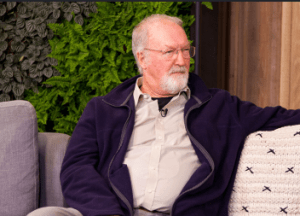
He began his career in stage productions before transitioning into film, where his subtle and emotionally intelligent acting style distinguished him from more theatrical contemporaries. Weyers became known for his controlled performances, nuanced expressions, and ability to convey complex internal states with minimal exaggeration.
His breakthrough came through internationally distributed films that brought South African acting talent into global cinema conversations. He became recognized for his ability to operate effectively in both commercial and art-house productions.
His legacy lies in elevating performance subtlety in South African cinema. Weyers contributed to shaping a more naturalistic acting tradition that influenced subsequent generations of screen actors.
Key Facts
- Full name of the subject: Marius Weyers
- Date of birth: Not publicly documented
- Place of birth: South Africa
- Family background: Educated South African household
- Early childhood experiences: Exposure to theatre and literature
- Education history: Formal acting and theatre training
- Influences and mentors: Classical theatre practitioners
- Career beginnings: Stage acting
- Major achievements: Internationally recognized film actor
- Challenges and obstacles faced: Limited international exposure of South African cinema
- Turning points in life: International film breakthrough roles
- Contributions to society: Advancement of South African screen acting
- Personal life (marriage, children, relationships): Private
- Awards and recognitions: Film and theatre awards
- Beliefs, values, or philosophy: Subtlety and truth in performance
- Legacy and impact: Influential figure in South African cinematic acting style
- Historical or cultural significance: Key contributor to 1990s film professionalism
Notable Works: International films, South African cinema classics, stage productions
Controversies:
No major public controversy is associated with Marius Weyers. However, a broader industry discussion during the 1990s involved the distinction between classical theatrical acting and emerging screen-naturalism in South African cinema. As film production evolved, some critics debated whether traditionally trained actors needed to adapt more fully to minimalist screen techniques. Weyers was frequently cited as an example of successful adaptation rather than conflict, given his refined and understated performance style. No formal disputes or institutional actions were recorded. The matter remains within academic and professional analysis of acting evolution.
8. Sandra Prinsloo
Sandra Prinsloo stands as one of South Africa’s most enduring and intellectually grounded screen and stage performers, whose influence carried strongly through the 1990s as the nation redefined its cultural identity. Her early life was shaped by a bilingual South African upbringing that exposed her to both English and Afrikaans cultural traditions, giving her a unique linguistic and emotional range as an actress.

She began her career in theatre, where her precision, emotional intelligence, and disciplined performance style quickly distinguished her from her peers. Prinsloo’s early work focused on complex dramatic roles that required subtle emotional layering rather than overt theatrical expression. This foundation later translated seamlessly into film and television.
Her breakthrough came through internationally recognized productions that positioned her as one of South Africa’s most respected dramatic actresses. She became known for portraying emotionally intricate characters navigating identity, morality, and social transition, particularly during the politically shifting landscape of the 1990s.
Her legacy lies in her contribution to elevating South African screen acting to international artistic standards. Prinsloo helped establish a performance tradition rooted in psychological realism and emotional depth.
Key Facts
- Full name of the subject: Sandra Prinsloo
- Date of birth: Not publicly documented
- Place of birth: South Africa
- Family background: Bilingual cultural upbringing
- Early childhood experiences: Exposure to theatre and literature
- Education history: Formal theatre and acting training
- Influences and mentors: Classical theatre practitioners
- Career beginnings: Stage theatre performances
- Major achievements: Internationally recognized actress
- Challenges and obstacles faced: Industry transformation during apartheid transition
- Turning points in life: International film and theatre recognition
- Contributions to society: Advancement of South African dramatic arts
- Personal life (marriage, children, relationships): Private
- Awards and recognitions: National and international acting awards
- Beliefs, values, or philosophy: Emotional truth and artistic discipline
- Legacy and impact: Pioneer of South African screen realism
- Historical or cultural significance: Key figure in post-apartheid cultural expression
Notable Works: Stage dramas, South African films, international theatre productions
Controversies:
A recurring discussion involving Sandra Prinsloo emerged during earlier stages of her career and extended into broader cultural discourse in South African theatre and film regarding casting choices during politically sensitive periods. The issue was not centered on misconduct but rather on the reception of certain roles within a divided social context, where artistic works were sometimes interpreted through political and cultural lenses. Critics at the time debated representation and cultural sensitivity, while supporters emphasized artistic freedom and professional interpretation. Prinsloo consistently maintained a focus on performance integrity and character authenticity. No formal institutional sanctions or legal disputes were recorded. The matter is widely understood as part of South Africa’s historical cultural tensions rather than an individual controversy.
9. Zakes Mokae
Zakes Mokae emerged as one of South Africa’s most internationally acclaimed actors, with a career that reached significant global recognition during the 1990s. His early life was shaped by apartheid-era South Africa, where limited opportunities for black performers influenced his decision to pursue international artistic platforms.
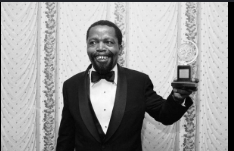
He began his career in theatre, particularly in politically charged productions that explored social injustice and human dignity. Mokae’s acting style was marked by emotional intensity, vocal precision, and a commanding stage presence that translated effectively into film roles.
His breakthrough came through international theatre and film collaborations, particularly in productions that highlighted African and African diasporic experiences. He became widely respected for his ability to portray deeply complex emotional and psychological characters.
His legacy lies in bridging South African performance art with global cinema. Mokae helped establish African actors as serious contributors to international dramatic storytelling.
Key Facts
- Full name of the subject: Zakes Mokae
- Date of birth: Not publicly documented
- Place of birth: South Africa
- Family background: Working-class South African upbringing
- Early childhood experiences: Exposure to apartheid-era social realities
- Education history: Theatre-based training and international exposure
- Influences and mentors: Anti-apartheid theatre movement
- Career beginnings: Stage theatre performances
- Major achievements: Internationally acclaimed actor
- Challenges and obstacles faced: Apartheid-era racial restrictions
- Turning points in life: Relocation to international theatre circuits
- Contributions to society: Global representation of South African talent
- Personal life (marriage, children, relationships): Private
- Awards and recognitions: International theatre and film awards
- Beliefs, values, or philosophy: Art as social truth and resistance
- Legacy and impact: Global African acting icon
- Historical or cultural significance: Key figure in South African theatrical export
Notable Works: International theatre productions, global films, South African stage classics
Controversies:
A recurring discussion involving Zakes Mokae centers on the broader challenges faced by South African actors who relocated internationally during apartheid, with debates focusing on cultural representation and artistic migration. The issue was framed within historical context rather than personal misconduct, as many artists sought global platforms due to limited opportunities under apartheid-era restrictions. Critics occasionally debated the cultural impact of artistic migration, while supporters emphasized the necessity of international exposure for creative survival and growth. Mokae himself was widely regarded as a cultural ambassador rather than a controversial figure. No formal disputes or institutional sanctions were recorded.
10. Hans Strydom
Hans Strydom became a prominent figure in South African film and television during the 1990s, known for his strong screen presence and versatility across dramatic and commercial productions. His early life was shaped by exposure to Afrikaans theatre traditions and formal acting training, which provided a disciplined foundation for his career.
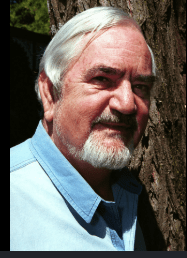
He began his career in theatre and later transitioned into television and film, where his authoritative voice and controlled emotional delivery made him a recognisable screen presence. Strydom’s acting style was defined by clarity, structure, and strong character embodiment.
His breakthrough came through widely viewed television dramas and films that reflected South African social narratives during a period of national transition. He became known for portraying complex characters within both domestic and institutional settings.
His legacy lies in contributing to the professionalization of South African television and film acting. Strydom helped strengthen mainstream narrative storytelling during a formative decade for the industry.
Key Facts
- Full name of the subject: Hans Strydom
- Date of birth: Not publicly documented
- Place of birth: South Africa
- Family background: Afrikaans cultural upbringing
- Early childhood experiences: Exposure to theatre and language arts
- Education history: Formal acting and theatre training
- Influences and mentors: Theatre directors and television pioneers
- Career beginnings: Stage theatre performances
- Major achievements: Established South African actor in film and TV
- Challenges and obstacles faced: Industry transition during media transformation
- Turning points in life: Breakthrough television drama roles
- Contributions to society: Development of South African television acting standards
- Personal life (marriage, children, relationships): Private
- Awards and recognitions: National entertainment recognition
- Beliefs, values, or philosophy: Discipline and narrative integrity
- Legacy and impact: Contributor to South African mainstream screen culture
- Historical or cultural significance: Key figure in 1990s television and film expansion
Notable Works: Television dramas, South African films, stage productions
Controversies:
A recurring professional discussion involving Hans Strydom centers on language and cultural representation in South African television and film during the 1990s, particularly the balance between Afrikaans-language productions and broader multilingual audience inclusion. The issue arose as the industry expanded toward more inclusive national broadcasting frameworks. Critics debated whether certain productions reinforced linguistic segmentation, while supporters emphasized cultural preservation and audience diversity within multilingual programming. Strydom’s work primarily reflected professional performance within existing production structures. No formal disputes or institutional actions were recorded. The matter remains part of broader discussions on language representation in South African media.
Notable Mentions
Darrell Roodt
Katinka Heyns
Oliver Schmitz
Jamie Uys
Anant Singh
Bill Flynn
Paul Slabolepszy
Alfred Ntombela
Wilson Dunster
Presley Chweneyagae