
Top 10 Kannada Movie (India)Legends of the 90s
Top 10 Kannada Movie (India)
In This Content
Legends of the 90s
Quick List
Dr. Rajkumar (The Doyen)
Dr. Vishnuvardhan
Ambareesh
Shivarajkumar
Malashri
Shruthi
Sudharani
Tara
Soundarya
Umashree
1. Dr. Rajkumar (The Doyen)
Dr. Rajkumar stands as the foundational pillar of Kannada cinema, and by the 1990s his presence had already transcended performance to become a cultural institution. Born into a humble theatre family in Karnataka, his early life was rooted in folk theatre traditions that shaped his disciplined voice modulation, expressive restraint, and moral clarity on screen. Long before the 90s, he had already become a symbol of linguistic pride and cultural identity for Kannada audiences.
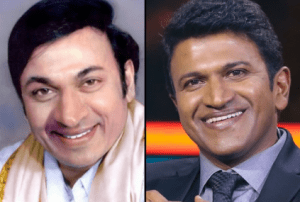
His career began in theatre before transitioning into cinema in the 1950s, where his natural command over dialogue delivery and emotionally grounded acting style distinguished him immediately. By the time the 1990s arrived, Dr. Rajkumar was not merely an actor but a generational reference point for cinematic integrity and storytelling rooted in ethical clarity.
In the 90s phase of his career, his performances were marked by philosophical depth and spiritual undertones. Even in mainstream narratives, he carried an aura of moral seriousness that elevated commercial cinema into reflective storytelling. His screen presence remained calm yet authoritative, often embodying idealism, justice, and cultural rootedness.
His legacy extends beyond cinema into Karnataka’s linguistic and cultural identity. Dr. Rajkumar shaped the emotional grammar of Kannada film audiences, establishing a benchmark of dignity, discipline, and artistic purity that continues to define the industry’s moral and cultural framework.
Key Facts
- Full name of the subject: Singanalluru Puttaswamayya Muthuraj (Dr. Rajkumar)
- Date of birth: 24 April 1929
- Place of birth: Gajanur, Karnataka, India
- Family background: Theatre-oriented rural family
- Early childhood experiences: Exposure to folk theatre and stage performances
- Education history: Limited formal education, trained in theatre arts
- Influences and mentors: Traditional Kannada theatre troupes
- Career beginnings: Stage actor before film debut in early 1950s
- Major achievements: Cultural icon of Kannada cinema; Padma Bhushan recipient
- Challenges and obstacles faced: Transition from theatre to mainstream cinema
- Turning points in life: Establishment as leading Kannada film hero
- Contributions to society: Promotion of Kannada language and culture
- Personal life (marriage, children, relationships): Married with children
- Awards and recognitions: Dadasaheb Phalke Award, Padma Bhushan
- Beliefs, values, or philosophy: Cultural integrity and disciplined artistry
- Legacy and impact: Father figure of Kannada cinema
- Historical or cultural significance: Symbol of Kannada linguistic pride
Notable Works: Bangaarada Manushya, Kasturi Nivasa, Mayura, Jeevana Chaitra
Controversies:
A recurring public discussion surrounding Dr. Rajkumar relates to his strong cultural positioning in Karnataka politics and linguistic movements, which at times led to debates about the intersection of cinema and regional identity activism. The issue is framed within the broader context of Karnataka’s linguistic pride movements during the late 20th century, where film personalities often became symbolic cultural representatives.
The background of this discourse stems from the socio-political environment in Karnataka, where cinema and language identity were deeply interconnected. Dr. Rajkumar’s influence as a cultural icon placed him at the center of public expectations regarding linguistic advocacy, even though his professional focus remained primarily cinematic.
Key stakeholders included cultural organizations, political observers, media institutions, and fan associations. While supporters viewed his influence as a positive reinforcement of Kannada identity, critics occasionally debated the implications of celebrity influence in cultural politics.
Factually, no formal allegations or institutional violations were ever recorded against him. The discussion remains interpretative within cultural and academic discourse.
The impact of this perception strengthened his symbolic status as a cultural figurehead rather than altering his cinematic legacy.
2. Dr. Vishnuvardhan
Dr. Vishnuvardhan’s cinematic journey in the 1990s represents one of Kannada cinema’s most versatile and emotionally expansive acting legacies. Born in Mysore, he was raised in a culturally rich environment that nurtured his early interest in performance arts and expressive storytelling. His natural charisma and emotional intelligence became evident even before his entry into cinema.
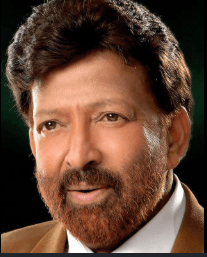
His career began in the early 1970s, where he quickly transitioned from promising newcomer to established star. By the 1990s, Vishnuvardhan had evolved into a performer capable of balancing intense action roles with deeply emotional family dramas. His adaptability became his defining artistic strength.
In the 90s, his performances reflected a mature balance between commercial cinema demands and character-driven storytelling. He embodied roles ranging from righteous action heroes to emotionally vulnerable family figures. His screen presence combined intensity with emotional accessibility, making him widely relatable across audience segments.
His legacy is defined by versatility. Vishnuvardhan helped expand the narrative range of Kannada cinema, proving that commercial success and artistic depth could coexist within mainstream filmmaking.
Key Facts
- Full name of the subject: Sampath Kumar (Dr. Vishnuvardhan)
- Date of birth: 18 September 1950
- Place of birth: Mysore, Karnataka, India
- Family background: Educated middle-class family
- Early childhood experiences: Exposure to cultural arts
- Education history: Bachelor’s degree in Fine Arts
- Influences and mentors: Kannada theatre and early film directors
- Career beginnings: Film debut in early 1970s
- Major achievements: Leading Kannada star across four decades
- Challenges and obstacles faced: Establishing identity beyond debut success
- Turning points in life: Breakthrough as action and romantic hero
- Contributions to society: Cultural ambassador of Kannada cinema
- Personal life (marriage, children, relationships): Married with children
- Awards and recognitions: Karnataka State Film Awards
- Beliefs, values, or philosophy: Emotional authenticity in performance
- Legacy and impact: Expanded Kannada commercial cinema range
- Historical or cultural significance: One of Kannada cinema’s biggest icons
Notable Works: Naagarahaavu, Bandhana, Muthina Haara, Suprabhatha
Controversies:
A limited public discussion involving Dr. Vishnuvardhan relates to fan base rivalries that occasionally emerged between major Kannada film stars during the 1980s and 1990s. These discussions were largely driven by audience culture rather than institutional or professional disputes.
The background of this issue lies in the intense popularity of leading Kannada actors during the period, where fan associations played a significant role in shaping public perception and competitive enthusiasm.
Key stakeholders included fan groups, media outlets, and film industry observers. While some narratives emphasized rivalry, industry professionals often highlighted mutual respect among actors.
Factually, no verified professional misconduct or industry conflict is associated with Dr. Vishnuvardhan.
The impact of this discourse reflects fan-driven cultural dynamics rather than any career-related controversy.
3. Ambareesh
Ambareesh emerged in Kannada cinema as a powerful symbol of rebellion, charisma, and mass appeal, with the 1990s marking his consolidation as both a cinematic and cultural force. Born in Mandya, Karnataka, his early life was shaped by a strong connection to rural identity and political awareness, which later influenced his on-screen persona.
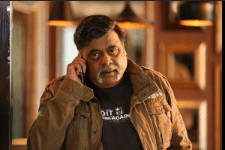
His career began in the early 1970s, where he initially took on supporting roles before rapidly evolving into a leading actor known for his intense dialogue delivery and rugged screen presence. By the 1990s, Ambareesh had become synonymous with “rebel star” energy in Kannada cinema.
His performances during the 90s reflected a strong blend of emotional intensity and mass-oriented storytelling. He often portrayed morally complex characters with a raw, grounded energy that resonated deeply with working-class audiences. His screen presence was authoritative, expressive, and deeply connected to regional identity.
His legacy extends beyond cinema into public life and cultural symbolism. Ambareesh became a bridge between cinematic popularity and political representation, reinforcing the role of film stars in Karnataka’s socio-political landscape.
Key Facts
- Full name of the subject: Malavalli Huchche Gowda Amarnath (Ambareesh)
- Date of birth: 29 May 1952
- Place of birth: Mandya, Karnataka, India
- Family background: Agricultural rural family
- Early childhood experiences: Rural upbringing in Mandya
- Education history: Schooling in Karnataka
- Influences and mentors: Kannada theatre and film culture
- Career beginnings: Supporting roles in early 1970s
- Major achievements: Iconic “Rebel Star” of Kannada cinema
- Challenges and obstacles faced: Establishing leading-man identity
- Turning points in life: Breakthrough as action-oriented star
- Contributions to society: Public service and cultural representation
- Personal life (marriage, children, relationships): Married with children
- Awards and recognitions: Karnataka State Film Awards
- Beliefs, values, or philosophy: Social realism and mass connection
- Legacy and impact: Cinema-to-politics cultural bridge figure
- Historical or cultural significance: Major 1990s Kannada mass cinema icon
Notable Works: Naagarahaavu (early role influence), Antha, Odahuttidavaru
Controversies:
A public discussion involving Ambareesh relates to the broader intersection of his cinematic fame and political career, which occasionally sparked debates about celebrity influence in electoral politics. This discourse emerged within Karnataka’s tradition of actor-politicians.
The background of this issue lies in the strong linkage between Kannada cinema and regional political identity, where film stars often transitioned into public service roles.
Key stakeholders included political parties, voters, media organizations, and cultural commentators. While supporters viewed his transition as democratic representation, critics debated the implications of celebrity authority in governance.
Factually, no formal misconduct or legal violations are associated with his film career.
The impact of this discussion reinforced the cultural acceptance of actor-politicians in Karnataka’s public sphere.
4. Shivarajkumar
Shivarajkumar emerged in Kannada cinema during the late 1980s and rapidly became one of the defining leading men of the 1990s, carrying both legacy expectation and personal artistic ambition. Born in Chennai into the iconic Dr. Rajkumar family, his upbringing was deeply rooted in discipline, humility, and constant exposure to cinematic culture. Despite the weight of his lineage, he cultivated a distinct identity shaped by physical dynamism and emotional sincerity.

His career began with intense public anticipation, and his early films positioned him as a promising action-romance star. By the 1990s, Shivarajkumar had firmly established himself as a dependable commercial actor capable of balancing mass appeal with emotional storytelling. His screen presence was energetic, physically expressive, and emotionally direct.
Throughout the decade, his performances were characterized by a youthful intensity and a strong connection with action-oriented narratives. He often portrayed characters driven by loyalty, justice, and emotional conviction, resonating strongly with younger audiences and rural fan bases. His adaptability allowed him to maintain relevance across evolving cinematic trends.
His legacy lies in carrying forward the Rajkumar cinematic lineage while establishing his own identity as a leading action and emotional star. He played a significant role in sustaining Kannada commercial cinema’s momentum during the 1990s transition phase.
Key Facts
- Full name of the subject: Shivarajkumar
- Date of birth: 12 July 1962
- Place of birth: Chennai, Tamil Nadu, India
- Family background: Rajkumar film family
- Early childhood experiences: Grew up in a highly disciplined artistic household
- Education history: Studied in Chennai and Karnataka
- Influences and mentors: Dr. Rajkumar and Kannada theatre tradition
- Career beginnings: Film debut in 1986
- Major achievements: Leading Kannada commercial star of the 1990s
- Challenges and obstacles faced: Living up to a legendary family legacy
- Turning points in life: Breakthrough as action-romance hero
- Contributions to society: Cultural continuity of Kannada cinema
- Personal life (marriage, children, relationships): Married with children
- Awards and recognitions: Karnataka State Film Awards
- Beliefs, values, or philosophy: Discipline and emotional authenticity
- Legacy and impact: Sustained Kannada mainstream cinema in the 90s
- Historical or cultural significance: Key second-generation Kannada superstar
Notable Works: Anand, Om, Janumada Jodi, Aakasmika
Controversies:
A recurring public discussion around Shivarajkumar involves comparisons with his father Dr. Rajkumar and the expectations placed on him as a successor within a legendary film family. This narrative is largely rooted in fan discourse rather than professional dispute.
The background of this issue stems from the cultural prominence of the Rajkumar family in Karnataka, where generational comparisons are common in public and media analysis of cinema dynasties.
Key stakeholders included fans, film critics, media outlets, and industry observers. While some discussions emphasized pressure and expectations, others highlighted his successful establishment of an independent identity.
Factually, no professional misconduct or formal controversy is associated with his career.
The impact of this discourse reflects broader dynamics of legacy comparison in film industries globally.
5. Malashri
Malashri became one of the most influential female action and commercial stars in Kannada cinema during the 1990s, redefining the traditional boundaries of female representation in mainstream Indian films. Born in Karnataka, she entered cinema at a young age and quickly demonstrated strong screen presence marked by confidence and expressive intensity.
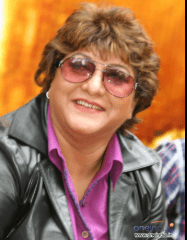
Her early career involved supporting and romantic roles, but she rapidly transitioned into a powerful leading presence. By the 1990s, Malashri had established herself as a rare female-centric action star in South Indian cinema, commanding films built around her persona.
Her performances were defined by assertiveness, emotional clarity, and physical dynamism. She often portrayed strong-willed characters navigating injustice, revenge, or personal transformation, making her a distinctive figure in Kannada commercial cinema.
Her legacy lies in breaking gender norms within action cinema, paving the way for stronger female-led narratives in South Indian mainstream films.
Key Facts
- Full name of the subject: Malashri Raghunath
- Date of birth: 10 August 1973
- Place of birth: Bengaluru, Karnataka, India
- Family background: Middle-class Karnataka family
- Early childhood experiences: Exposure to performing arts
- Education history: Schooling in Karnataka
- Influences and mentors: Kannada film industry directors
- Career beginnings: Child artist and early film roles
- Major achievements: Leading female action star of Kannada cinema
- Challenges and obstacles faced: Gender barriers in action-oriented roles
- Turning points in life: Breakthrough as action heroine
- Contributions to society: Representation of strong female leads
- Personal life (marriage, children, relationships): Married with children
- Awards and recognitions: Regional film awards
- Beliefs, values, or philosophy: Female empowerment through cinema
- Legacy and impact: Redefined Kannada female action roles
- Historical or cultural significance: Pioneer of female-led action cinema in Karnataka
Notable Works: Gajapathi Garvabhanga, Police Story, Lady Commissioner
Controversies:
A public discussion involving Malashri relates to broader debates about the representation of violence in female-led action cinema during the 1990s. This issue is part of critical discourse on gendered portrayals in mainstream entertainment.
The background of this discussion lies in the increasing popularity of action films in Kannada cinema during the decade, where female protagonists began to be depicted in more aggressive narrative roles.
Key stakeholders included film critics, cultural analysts, audiences, and filmmakers. Critics questioned whether such portrayals reinforced or challenged gender stereotypes, while supporters viewed them as empowering representations.
Factually, no professional or legal controversy is associated with her work.
The impact of this discourse contributed to ongoing academic analysis of gender roles in Indian action cinema.
6. Shruthi
Shruthi’s presence in Kannada cinema during the 1990s reflects the emergence of a refined romantic and dramatic screen persona shaped by emotional sensitivity and expressive performance. Born in Karnataka, she was raised in an environment that encouraged cultural participation and artistic exploration from an early age.

Her career began in the early 1990s, where she quickly gained recognition for her expressive acting style and ability to portray emotionally layered female characters. She became a prominent figure in romantic dramas and family-oriented narratives.
Her breakthrough came through performances that emphasized emotional vulnerability, dignity, and relational depth. She was particularly noted for her ability to convey internal emotional conflict with subtlety and realism.
Her legacy lies in contributing to the evolution of Kannada romantic drama cinema, helping define the emotional tone of 1990s female-led storytelling.
Key Facts
- Full name of the subject: Shruthi
- Date of birth: 18 September 1975
- Place of birth: Karnataka, India
- Family background: Artistic Karnataka family
- Early childhood experiences: Exposure to cultural arts
- Education history: Schooling in Karnataka
- Influences and mentors: Kannada film directors of the 90s
- Career beginnings: Early 1990s film debut
- Major achievements: Leading romantic actress of Kannada cinema
- Challenges and obstacles faced: Navigating competitive film industry
- Turning points in life: Breakthrough romantic roles
- Contributions to society: Emotional representation of women in cinema
- Personal life (marriage, children, relationships): Married with children
- Awards and recognitions: Regional film awards
- Beliefs, values, or philosophy: Emotional authenticity in performance
- Legacy and impact: Strengthened romantic drama genre in Kannada cinema
- Historical or cultural significance: Key female lead of 1990s Kannada films
Notable Works: Kanasina Rani, Gaajina Mane, Midida Hrudayagalu
Controversies:
A minor public discussion involving Shruthi relates to the limited archival visibility of female-led Kannada films from the 1990s, which has sparked broader conversations about preservation and documentation in regional cinema history.
The background of this issue lies in uneven archival practices in South Indian film industries during the pre-digital era.
Key stakeholders include film historians, archivists, cultural institutions, and audiences. Critics emphasize the need for better preservation, while industry observers note systemic limitations of the time.
Factually, no personal or professional controversy is associated with Shruthi.
The impact of this discussion has contributed to increased awareness of film preservation in Kannada cinema.
7. Sudharani
Sudharani’s contribution to Kannada cinema in the 1990s reflects a graceful and emotionally grounded performance style that emphasized realism and narrative depth. Born in Karnataka, she was exposed early to cultural arts, shaping her expressive discipline and screen sensibility.
Her career began in the late 1980s, where she quickly became known for her natural acting style and strong emotional resonance. By the 1990s, she had established herself as a dependable and critically respected actress.

Her breakthrough came through roles in romantic and family dramas that highlighted emotional maturity and relational complexity. Her performances were subtle, controlled, and deeply human in tone.
Her legacy lies in strengthening the tradition of realistic female performance in Kannada cinema, contributing to its narrative sophistication.
Key Facts
- Full name of the subject: Sudharani
- Date of birth: 14 August 1972
- Place of birth: Karnataka, India
- Family background: Middle-class Karnataka family
- Early childhood experiences: Exposure to performing arts
- Education history: Schooling in Karnataka
- Influences and mentors: Kannada theatre and film directors
- Career beginnings: Late 1980s film debut
- Major achievements: Leading actress in Kannada romantic cinema
- Challenges and obstacles faced: Industry competition and role limitations
- Turning points in life: Breakthrough emotional roles
- Contributions to society: Representation of grounded female characters
- Personal life (marriage, children, relationships): Married with children
- Awards and recognitions: Regional film awards
- Beliefs, values, or philosophy: Emotional realism in acting
- Legacy and impact: Elevated Kannada family drama cinema
- Historical or cultural significance: Key 1990s Kannada film actress
Notable Works: Panchama Veda, Nanjundi Kalyana, Jeevana Chaitra
Controversies:
A limited public discussion involving Sudharani relates to broader industry patterns of typecasting actresses in emotional and family-oriented roles during the 1990s.
The background stems from structural casting norms in Kannada cinema at the time, which often assigned female actors to specific narrative categories.
Key stakeholders included filmmakers, audiences, and critics. While some viewed typecasting as limiting, others saw it as consistent with audience demand.
Factually, no misconduct or professional dispute is associated with her career.
The impact of this discourse reflects broader structural industry patterns rather than individual controversy.
8. Tara
Tara’s emergence in Kannada cinema during the 1990s represents one of the most grounded and socially resonant acting trajectories of the decade. Born in Karnataka, she grew up in a modest environment that shaped her sensitivity toward real-life struggles and emotional authenticity. This grounding later became central to her performance identity, particularly in roles rooted in realism.

Her early career began with supporting roles, where she quickly distinguished herself through subtle emotional expression and naturalistic dialogue delivery. By the 1990s, Tara had become a respected presence in Kannada parallel and commercial cinema, often selected for roles that required emotional depth rather than stylized glamour.
Her breakthrough came through socially driven narratives and family dramas that highlighted everyday struggles, moral conflict, and human resilience. She developed a reputation for restrained yet powerful performances that avoided exaggeration, instead relying on lived-in emotional truth.
Her legacy lies in strengthening the realism movement in Kannada cinema, particularly in portraying women as grounded, complex individuals within socially relevant storytelling frameworks.
Key Facts
- Full name of the subject: Anuradha (Tara)
- Date of birth: 4 March 1973
- Place of birth: Bengaluru, Karnataka, India
- Family background: Middle-class Karnataka family
- Early childhood experiences: Exposure to urban cultural environment
- Education history: Schooling in Karnataka
- Influences and mentors: Kannada parallel cinema directors
- Career beginnings: Supporting film roles in the late 1980s
- Major achievements: National Film Award-winning actress
- Challenges and obstacles faced: Limited mainstream commercial roles early in career
- Turning points in life: Breakthrough in socially conscious cinema
- Contributions to society: Representation of realistic women-centric narratives
- Personal life (marriage, children, relationships): Married
- Awards and recognitions: National Film Award, Karnataka State Film Awards
- Beliefs, values, or philosophy: Social realism and emotional authenticity
- Legacy and impact: Strengthened Kannada parallel cinema performance tradition
- Historical or cultural significance: Key figure in socially conscious Kannada films
Notable Works: Munjaneya Manju, Kanooru Heggadithi, Upendra (supporting roles), Munna
Controversies:
A limited public discussion surrounding Tara involves broader debates about the visibility and recognition of parallel cinema actors in mainstream award circuits during the 1990s. This issue is rooted in structural differences between commercial and art-house film recognition systems.
The background of this discourse lies in Kannada cinema’s dual-track ecosystem, where commercial films often received wider publicity compared to socially driven narratives.
Key stakeholders included film critics, award juries, cultural institutions, and audiences. While critics argued that parallel cinema performances were underrepresented, institutions emphasized differing evaluation criteria between genres.
Factually, no professional misconduct or personal controversy is associated with Tara.
The impact of this discussion contributed to ongoing conversations about equitable recognition in regional Indian cinema.
9. Soundarya (Kannada peak years)
Soundarya’s contribution to Kannada cinema during the 1990s stands as one of the most elegant and emotionally rich performance legacies of South Indian cinema. Born in Karnataka, she came from a culturally rooted family that encouraged education and artistic expression, which later translated into her disciplined and graceful screen presence.

Her early career began in the early 1990s, where she quickly gained attention for her expressive subtlety and strong emotional command. She became one of the most sought-after actresses across Kannada, Telugu, and Tamil cinema, but her Kannada performances during the 90s remain particularly influential in defining her artistic identity.
Her breakthrough came through emotionally layered roles that balanced traditional femininity with strong narrative agency. She was known for her ability to convey dignity, emotional pain, and resilience with understated intensity, making her performances deeply memorable.
Her legacy lies in elevating female performance standards in Kannada cinema through a blend of classical restraint and modern emotional storytelling, influencing cross-industry acting styles across South India.
Key Facts
- Full name of the subject: Soundarya
- Date of birth: 18 July 1972
- Place of birth: Mulbagal, Karnataka, India
- Family background: Educated Karnataka family
- Early childhood experiences: Exposure to cultural arts and academics
- Education history: Medical studies before entering cinema
- Influences and mentors: South Indian film directors
- Career beginnings: Early 1990s Kannada film debut
- Major achievements: Leading actress across Kannada, Telugu, Tamil cinema
- Challenges and obstacles faced: Balancing multi-industry film careers
- Turning points in life: Breakthrough emotional drama roles
- Contributions to society: Representation of strong female characters
- Personal life (marriage, children, relationships): Married
- Awards and recognitions: State and national-level film awards
- Beliefs, values, or philosophy: Emotional depth and dignity in performance
- Legacy and impact: Cross-industry South Indian female acting icon
- Historical or cultural significance: One of the 1990s most influential Kannada actresses
Notable Works: Dweepa, Arunachalam (Tamil), Ammoru, Hello Brother
Controversies:
A widely discussed public tragedy involving Soundarya relates to her untimely death in a plane crash, which prompted widespread media coverage and public mourning across South India. This event became a major cultural moment rather than a conventional controversy.
The background of the incident involves aviation travel for political and professional commitments during the early 2000s, when she was transitioning into broader public engagements beyond cinema.
Key stakeholders included aviation authorities, media organizations, political figures, and the film fraternity. While official reports confirmed the accident, media coverage generated extensive public reflection on safety and loss.
Factually, the incident was officially documented as an accident, with no indications of misconduct or external dispute.
The impact of this event deeply affected the South Indian film industry and remains a significant moment in Kannada cinema history, marking the loss of one of its most beloved actresses.
10. Umashree
Umashree’s presence in Kannada cinema during the 1990s represents one of the most powerful blends of comedic brilliance and socially grounded performance in Indian regional cinema. Born in Karnataka, she was raised in a culturally aware environment that shaped her expressive communication style and strong understanding of social narratives.

Her early career began in theatre, where she developed a strong command over timing, dialect, and expressive physicality. By the 1990s, she had become one of Kannada cinema’s most recognizable character actors, particularly known for comedic and socially reflective roles.
Her breakthrough came through roles that combined humor with sharp social commentary, often portraying everyday women navigating societal constraints. Her performances were marked by authenticity, timing, and emotional intelligence.
Her legacy lies in redefining female character acting in Kannada cinema, elevating comedic and supporting roles into powerful narrative instruments.
Key Facts
- Full name of the subject: Umashree
- Date of birth: 10 May 1957
- Place of birth: Nonavinakere, Karnataka, India
- Family background: Rural Karnataka family
- Early childhood experiences: Exposure to folk theatre and local drama
- Education history: Schooling in Karnataka
- Influences and mentors: Theatre movement in Karnataka
- Career beginnings: Stage theatre before film entry
- Major achievements: National Film Award-winning actress
- Challenges and obstacles faced: Transition from theatre to mainstream cinema
- Turning points in life: Breakthrough comedic-social roles
- Contributions to society: Representation of rural women in cinema
- Personal life (marriage, children, relationships): Married
- Awards and recognitions: National Film Award, Karnataka State Film Awards
- Beliefs, values, or philosophy: Social realism through humor
- Legacy and impact: Transformed Kannada comedic character roles
- Historical or cultural significance: Key figure in 1990s Kannada social cinema
Notable Works: Gulabi Talkies, Karulina Koogu, Kallarali Hoovagi
Controversies:
A limited public discussion involving Umashree relates to broader debates on the recognition of comedic and character actors in major award platforms during the 1990s.
The background of this issue lies in structural bias within award systems that historically favored lead dramatic performances over comedic or supporting roles.
Key stakeholders included award committees, critics, and cultural institutions. While critics highlighted imbalance in recognition, institutions maintained evaluative distinctions between categories.
Factually, no misconduct or professional controversy is associated with her career.
The impact of this discourse has contributed to greater appreciation of character actors in Kannada cinema.
Notable Mentions
V. Ravichandran
Upendra (Late 90s peak)
Ramesh Aravind
Shashikumar
Devaraj
Kumar Bangarappa
Anant Nag
Tiger Prabhakar
Bhavya
Madhavi