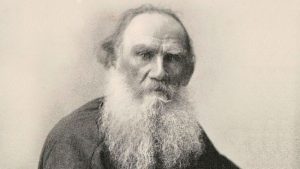
[People Profile] All We Know About Leo Tolstoy Biography, Career, Life, Family, Networth, Education
Leo Tolstoy Biography, Career, Life, Family, Networth, Education
In This Content
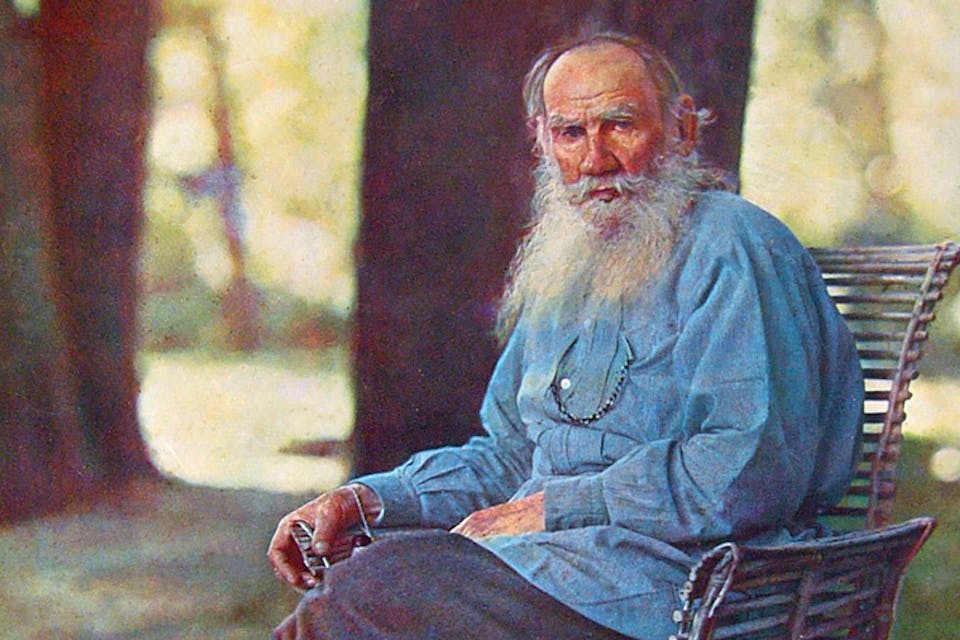
Leo Tolstoy (Lev Nikolayevich Tolstoy) was one of the greatest writers in world literature and a major moral thinker whose ideas influenced politics, religion, and philosophy far beyond Russia.
Early Life
- Born: September 9, 1828, in Yasnaya Polyana, Russia
- Tolstoy came from an aristocratic family but lost both parents at a young age.
- He studied at Kazan University but dropped out, struggling with discipline and direction.
Military Years & Early Writing
- Served in the Russian army during the Crimean War.
- His experiences in war shaped his early works and deepened his views on human suffering and violence.
- Early notable works include:
- Childhood (1852)
- Boyhood (1854)
- Sevastopol Sketches (1855)
Literary Masterpieces
Tolstoy is best known for his epic novels:
1. War and Peace (1869)
- A sweeping narrative about Russian society during the Napoleonic Wars.
- Blends history, philosophy, and fiction.
2. Anna Karenina (1877)
- A tragic story of love, betrayal, and societal pressure.
- Famous opening line: “All happy families are alike…”
Philosophical & Religious Transformation
Later in life, Tolstoy underwent a deep spiritual crisis:
- Rejected organized religion, especially the Russian Orthodox Church.
- Advocated for:
- Nonviolence
- Simplicity and poverty
- Christian anarchism
His writings influenced figures like Mahatma Gandhi and Martin Luther King Jr..
Major Controversies
1. Conflict with the Church
- Tolstoy openly criticized the Russian Orthodox Church’s wealth and authority.
- In 1901, he was excommunicated.
- He rejected core doctrines such as miracles and the divinity of Christ in a traditional sense.
2. Radical Social Views
- Opposed private property and state authority.
- Criticized government, capitalism, and war.
- His ideas were seen as dangerous and subversive in Tsarist Russia.
3. Personal Life Contradictions
- Despite preaching simplicity, he lived on a large estate and struggled to give up wealth.
- Had a turbulent marriage with his wife, Sophia Tolstaya:
- Frequent conflicts over finances and his radical beliefs
- Disputes about publishing rights and his will
4. Sexual & Moral Confessions
- In his diaries, Tolstoy admitted to:
- Gambling
- Womanizing
- Fathering a child with a serf
- These confessions shocked admirers who saw him as a moral teacher.
5. Abandonment of Family
- Near the end of his life, Tolstoy left his home secretly due to family tensions.
- He died shortly after in 1910 at a remote railway station.
Death
- Died: November 20, 1910, at Astapovo railway station (now Lev Tolstoy station).
- His death became an international news event.
Legacy
- Tolstoy remains one of the most influential authors ever.
- His works are central to world literature and philosophy.
- His ideas contributed to movements of nonviolent resistance and ethical reform.
Count Lev Nikolayevich Tolstoy—known to the world as Leo Tolstoy—was born into privilege, yet spent much of his life in quiet rebellion against it. He entered the world on September 9, 1828, at his family estate, Yasnaya Polyana, a serene expanse of land that would shape both his imagination and his conscience. Though he would one day become one of the greatest writers in history, his early years were marked by restlessness, loss, and a searching spirit that refused to be satisfied with convention.
Orphaned at a young age, Tolstoy grew up surrounded by relatives, tutors, and the lingering weight of aristocratic expectation. He attended university in Kazan, but found little purpose in formal education, abandoning his studies in favour of life’s more chaotic lessons. He gambled, drank, and drifted, all the while observing human nature with a keen and unforgiving eye. These early contradictions—privilege and guilt, indulgence and introspection—would later find their way into his writing.
His transformation began, in part, through war. Serving in the Russian army during the Crimean War, Tolstoy witnessed the brutality and absurdity of human conflict firsthand. The experience did not harden him—it unsettled him. From this turmoil emerged his first literary successes, including the semi-autobiographical works that would introduce his voice to the world.
But it was with War and Peace that Tolstoy achieved something extraordinary. The novel was not merely a story; it was a vast tapestry of Russian life, woven with philosophical reflection, historical inquiry, and deeply human characters. Set against the backdrop of the Napoleonic Wars, it explored the nature of power, fate, and the quiet dignity of ordinary existence. Readers did not simply read War and Peace—they inhabited it.
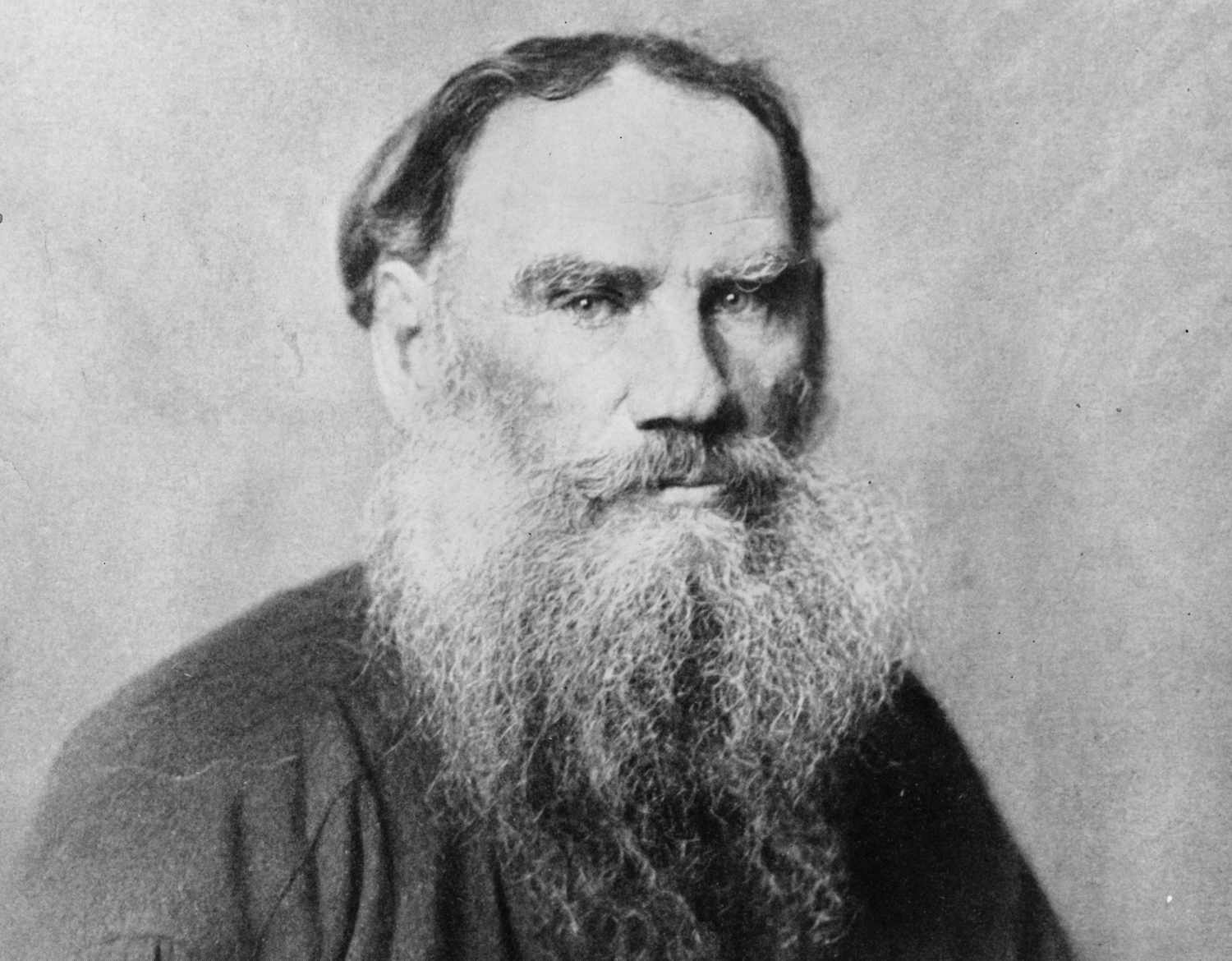
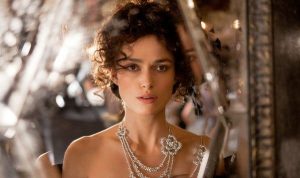
If that work revealed the breadth of his genius, then Anna Karenina revealed its depth. In the tragic figure of Anna, Tolstoy examined love, betrayal, and the suffocating constraints of society. The novel opened with one of the most famous lines in literature and unfolded into a meditation on happiness and despair, contrasting Anna’s doomed passion with the moral searching of characters who seemed to echo Tolstoy himself.
Yet even as his literary fame grew, Tolstoy’s inner life became increasingly turbulent. He experienced a profound spiritual crisis, questioning the value of wealth, art, and even his own success. He turned toward a radical form of Christianity—one that rejected the authority of the Russian Orthodox Church and emphasized simplicity, nonviolence, and moral purity. His beliefs were so unorthodox that he was eventually excommunicated.
In this later phase of his life, Tolstoy became not only a writer but a moral philosopher. He advocated for pacifism, influencing figures such as Mahatma Gandhi, who would later apply similar principles in the struggle for Indian independence. Tolstoy dressed simply, worked alongside peasants, and sought to live out the ideals he preached—though not without conflict within his own household, particularly with his wife, Sophia.
His final years were marked by a quiet desperation to escape the contradictions of his life. In 1910, at the age of 82, Tolstoy left his home in secret, seeking solitude and spiritual peace. His journey ended at a remote railway station, Astapovo, where he fell ill and died shortly thereafter. The scene was almost novelistic: the great writer, who had spent his life exploring the human condition, passing away not in grandeur, but in simplicity.
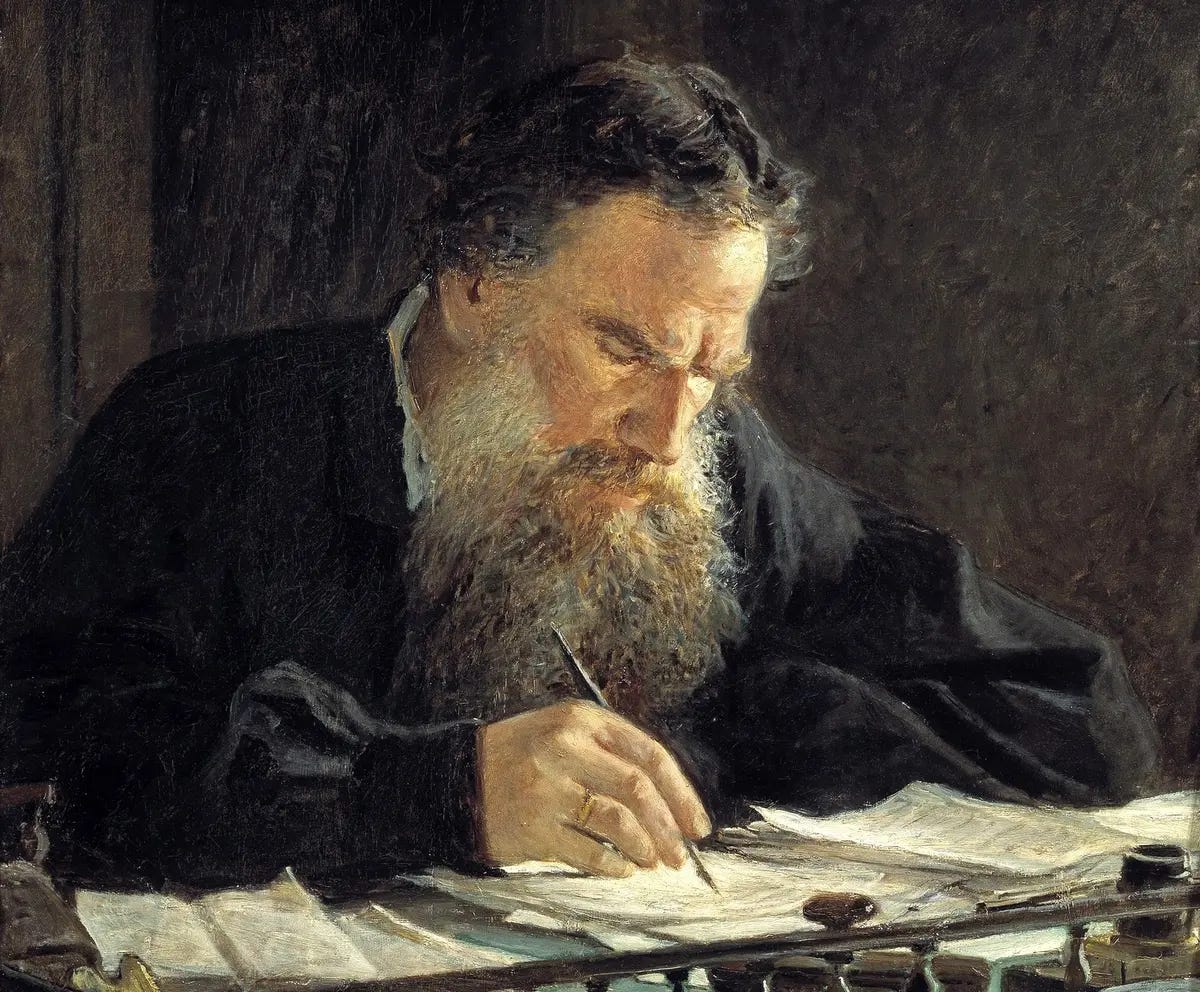
Today, Tolstoy’s legacy endures not only in his monumental novels but in the questions he asked—about how to live, how to love, and how to find meaning in a world filled with contradiction. His works continue to be read, studied, and revered, not because they offer easy answers, but because they confront life in all its complexity.
In the end, Leo Tolstoy did not merely write stories. He wrestled with existence itself—and in doing so, gave voice to the deepest struggles of the human soul.