
Top 10 African Actors Who Became Directors
Top 10 African Actors Who Became Directors
In This Content
Quick List:
1. Kunle Afolayan (Nigeria)
2. Ramsey Nouah (Nigeria)
3. Genevieve Nnaji (Nigeria)
4. Desmond Elliot (Nigeria)
5. Funke Akindele (Nigeria)
6. Kagiso Lediga (South Africa)
7. Akin Omotoso (South Africa/Nigeria)
8. Khalid Abdalla (Egypt)
9. Nini Wacera (Kenya)
10. Philip Karanja (Kenya)
1. Kunle Afolayan

Kunle Afolayan stands as one of the most influential figures in modern African cinema, embodying the rare dual identity of actor and visionary director. His early exposure to filmmaking through his father, a theatre pioneer, shaped his artistic discipline and deep appreciation for structured storytelling.
He began his career as an actor in Nollywood productions, where his calm but commanding screen presence quickly set him apart. However, his creative instincts extended beyond performance, pushing him toward directing and producing films that reflected deeper cultural narratives.
Afolayan’s transition into directing marked a turning point in Nigerian cinema, as he began creating visually rich, culturally grounded films that blended tradition with modern cinematic techniques. His works elevated Nollywood’s global reputation and introduced a more refined storytelling approach.
In recent years, he has continued to expand his creative footprint through high-budget productions and streaming collaborations, solidifying his role as a global ambassador of African storytelling.
Key Facts
- Full name of the subject: Kunle Afolayan
- Date of birth: September 30, 1974
- Place of birth: Lagos, Nigeria
- Family background: Born into a creative family; son of theatre legend Ade Love
- Early childhood experiences: Grew up around stage performances and filmmaking
- Education history: Studied banking and finance; trained in filmmaking abroad
- Influences and mentors: Ade Love, international filmmakers
- Career beginnings: Actor in Nollywood films
- Major achievements: Directed “The Figurine,” “October 1,” and “Citation”
- Challenges and obstacles faced: Funding limitations and industry skepticism
- Turning points in life: Success of “The Figurine”
- Contributions to society: Promotes African culture through cinema
- Personal life (marriage, children, relationships): Married with children
- Awards and recognitions: Multiple African film awards and international selections
- Beliefs, values, or philosophy: Strong advocate of cultural authenticity in storytelling
- Legacy and impact: Redefined modern Nollywood filmmaking standards
- Historical or cultural significance: Key figure in Nollywood’s global evolution
Notable Works: The Figurine, October 1, Citation, Swallow, Aníkúlápó
2. Ramsey Nouah
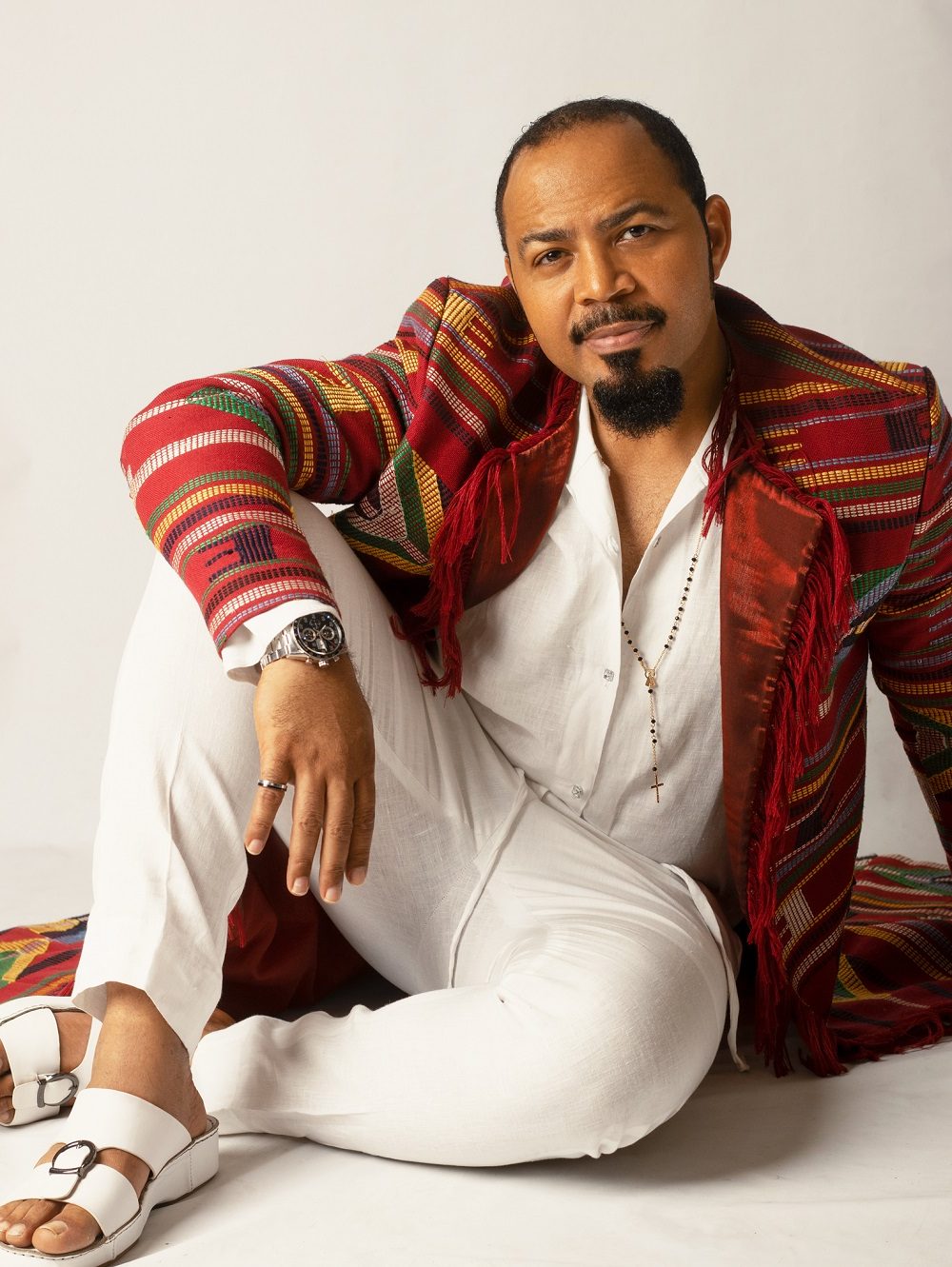
Ramsey Nouah is widely regarded as one of Nollywood’s most iconic actors, known for his charismatic screen presence and emotional versatility. His early career was defined by romantic lead roles that made him a household name across Africa.
Born and raised in Nigeria with Lebanese heritage, Nouah’s multicultural background contributed to his unique appeal and adaptability in diverse roles. He initially focused solely on acting, building a strong reputation through consistent performances in mainstream Nollywood films.
His transition into directing came later in his career, marking a bold reinvention of his artistic identity. His directorial debut demonstrated a matured cinematic vision, blending action, suspense, and psychological depth.
Today, Nouah is recognized not only as a veteran actor but also as a filmmaker who is reshaping how classic Nigerian stories are reimagined for modern audiences.
Key Facts
- Full name of the subject: Ramsey Tokunbo Nouah Jr.
- Date of birth: December 19, 1970
- Place of birth: Lagos, Nigeria
- Family background: Nigerian-Lebanese heritage
- Early childhood experiences: Grew up in Lagos with exposure to multicultural environments
- Education history: Studied mass communication
- Influences and mentors: Nollywood pioneers and international filmmakers
- Career beginnings: Romantic lead actor in Nollywood
- Major achievements: Directed “Living in Bondage: Breaking Free”
- Challenges and obstacles faced: Transitioning from acting to directing credibility
- Turning points in life: Directorial debut success
- Contributions to society: Modernized Nollywood thriller storytelling
- Personal life (marriage, children, relationships): Married with children
- Awards and recognitions: Multiple acting and directing awards
- Beliefs, values, or philosophy: Believes in reinvention and creative evolution
- Legacy and impact: One of Nollywood’s most influential actor-directors
- Historical or cultural significance: Bridge between old and new Nollywood
Notable Works: Living in Bondage: Breaking Free, Rattlesnake, Power of 1, The Guilty, The Light
3. Genevieve Nnaji

Genevieve Nnaji is one of Africa’s most celebrated actresses, whose transition into directing marked a historic milestone for Nigerian cinema. Known for her elegance and emotional depth, she became a defining face of Nollywood’s golden era.
She began acting at a young age, rising quickly through the ranks due to her natural screen presence and ability to portray emotionally complex characters. Her performances often reflected quiet strength and psychological nuance.
Her shift into directing was groundbreaking, as her debut film gained international recognition and positioned her as a leading creative force behind the camera. This move redefined expectations for female filmmakers in Africa.
Nnaji continues to influence African cinema through her selective but impactful creative contributions, maintaining a legacy rooted in excellence and artistic integrity.
Key Facts
- Full name of the subject: Genevieve Nnaji
- Date of birth: May 3, 1979
- Place of birth: Mbaise, Imo State, Nigeria
- Family background: Raised in a middle-class Nigerian family
- Early childhood experiences: Participated in school drama and TV auditions
- Education history: University of Lagos (creative exposure during studies)
- Influences and mentors: Nollywood pioneers and international cinema
- Career beginnings: Child actor in television soap operas
- Major achievements: Directed “Lionheart,” first Nigerian Netflix original film
- Challenges and obstacles faced: Industry gender bias and production limitations
- Turning points in life: International success of “Lionheart”
- Contributions to society: Elevated African women in filmmaking leadership
- Personal life (marriage, children, relationships): Private personal life
- Awards and recognitions: Cannes selection recognition and African awards
- Beliefs, values, or philosophy: Advocates excellence and artistic discipline
- Legacy and impact: Pioneered global recognition for Nigerian female directors
- Historical or cultural significance: First Nigerian Netflix original director
Notable Works: Lionheart, Half of a Yellow Sun, Sharon Stone, Tango With Me, Road to Yesterday
4. Desmond Elliot

Desmond Elliot represents one of Nollywood’s most visible transitions from leading man to influential director and filmmaker. Known for his strong screen presence and versatility in both romantic and dramatic roles, he became a household name during Nollywood’s rapid expansion in the early 2000s.
His early life was shaped by a strong academic foundation and a growing interest in storytelling, which later translated into a passion for film production. He entered Nollywood initially as an actor, quickly establishing himself through consistent performances in mainstream productions.
As his career progressed, Elliot expanded into directing, driven by a desire to shape narratives from behind the camera. His directorial works reflect a blend of commercial appeal and social commentary, often focusing on urban life and interpersonal relationships.
In recent years, he has continued to balance filmmaking with public service and mentorship, contributing to the development of Nigeria’s creative industry both on and off screen.
Key Facts
- Full name of the subject: Desmond Oluwashola Elliot
- Date of birth: February 4, 1974
- Place of birth: Lagos, Nigeria
- Family background: Nigerian father and Ghanaian mother
- Early childhood experiences: Raised in Lagos with strong academic discipline
- Education history: Studied Economics; trained in acting and filmmaking
- Influences and mentors: Nollywood pioneers and international directors
- Career beginnings: Actor in television series and Nollywood films
- Major achievements: Directed films and TV productions in Nollywood
- Challenges and obstacles faced: Balancing politics, acting, and directing
- Turning points in life: Transition into directing and public leadership roles
- Contributions to society: Youth empowerment and creative industry advocacy
- Personal life (marriage, children, relationships): Married with children
- Awards and recognitions: Nollywood acting and directing awards
- Beliefs, values, or philosophy: Believes in storytelling as a tool for social change
- Legacy and impact: Key figure in Nollywood’s actor-director evolution
- Historical or cultural significance: Part of Nollywood’s industry modernization
Notable Works: Ghetto Dreamz, Six Demons, The Dept, Men Who Stare, While You Slept
5. Funke Akindele

Funke Akindele is one of Nollywood’s most powerful creative forces, known for her commanding comedic timing and exceptional storytelling instincts. She first gained widespread recognition as an actress through television comedy, where her expressive performance style became instantly iconic.
Her early career was marked by breakthrough comedic roles that established her as a leading figure in Nigerian entertainment. Over time, she expanded her creative scope, moving into production and directing with a strong focus on relatable, socially grounded narratives.
Akindele’s transition into directing was driven by a desire to control narrative structure and elevate production quality in Nigerian television and film. Her projects often combine humor with deep social themes, making them both entertaining and reflective.
Today, she stands as one of Africa’s most commercially successful actor-directors, with a career that bridges television dominance and box office success.
Key Facts
- Full name of the subject: Olufunke Ayotunde Akindele
- Date of birth: August 24, 1977
- Place of birth: Ikorodu, Lagos State, Nigeria
- Family background: Middle-class Nigerian family
- Early childhood experiences: Participated in school drama and educational programs
- Education history: Studied Law and Theatre Arts
- Influences and mentors: Nigerian theatre and television pioneers
- Career beginnings: Breakthrough role in “I Need to Know”
- Major achievements: Created and directed “Jenifa” franchise
- Challenges and obstacles faced: Industry competition and production challenges
- Turning points in life: Success of “Jenifa’s Diary”
- Contributions to society: Promotes education and women empowerment through media
- Personal life (marriage, children, relationships): Mother, private personal relationships
- Awards and recognitions: Multiple Africa Magic and AMVCA awards
- Beliefs, values, or philosophy: Believes in storytelling for empowerment and education
- Legacy and impact: One of Africa’s most successful female actor-directors
- Historical or cultural significance: Redefined Nigerian comedy storytelling
Notable Works: Jenifa, Jenifa’s Diary, Omo Ghetto: The Saga, Your Excellency, Battle on Buka Street
6. Kagiso Lediga
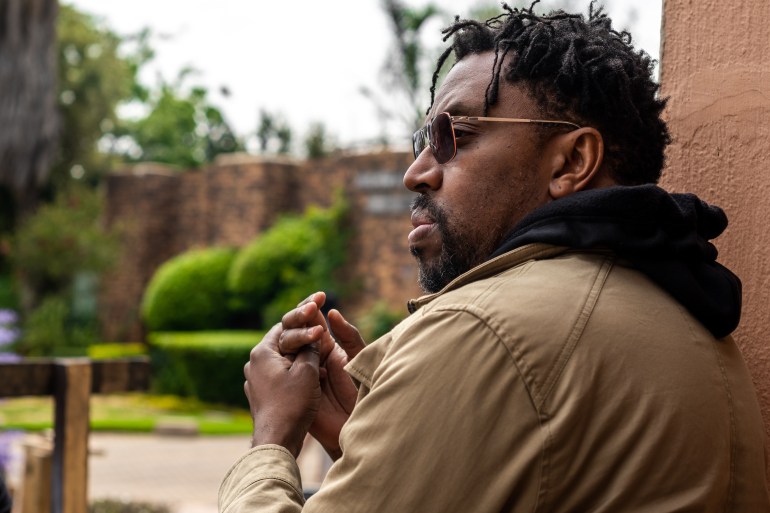
Kagiso Lediga is a South African creative powerhouse known for his intelligence-driven comedy and refined storytelling approach. As both an actor and director, he has played a key role in shaping contemporary South African television and film.
He began his career as a stand-up comedian, where his observational humor and sharp cultural commentary quickly gained attention. His transition into acting and directing was a natural extension of his storytelling abilities.
Lediga’s directorial work is distinguished by its subtle humor, cultural awareness, and strong narrative structure. He has contributed significantly to elevating South African content on global streaming platforms.
In recent years, he has expanded his influence internationally, working on projects that bring African storytelling to global audiences while maintaining strong cultural authenticity.
Key Facts
- Full name of the subject: Kagiso Lediga
- Date of birth: May 6, 1978
- Place of birth: Pretoria, South Africa
- Family background: South African family with strong educational values
- Early childhood experiences: Developed interest in comedy and storytelling early
- Education history: University education in South Africa
- Influences and mentors: Stand-up comedy pioneers and filmmakers
- Career beginnings: Stand-up comedy and television appearances
- Major achievements: Created and directed “Queen Sono”
- Challenges and obstacles faced: Transition from comedy to directing
- Turning points in life: Success of Netflix original productions
- Contributions to society: Promotes African storytelling globally
- Personal life (marriage, children, relationships): Private
- Awards and recognitions: South African film and comedy awards
- Beliefs, values, or philosophy: Values authenticity in African narratives
- Legacy and impact: Pioneer of African Netflix original storytelling
- Historical or cultural significance: Global visibility for South African content
Notable Works: Queen Sono, The Bantu Hour, Catching Feelings, Catching Feelings, Hotel Rwanda (appearance)
7. Akin Omotoso

Akin Omotoso is a critically acclaimed filmmaker whose work bridges Nigerian and South African cinema. Known for his thoughtful storytelling and strong directorial voice, he began his career as an actor before transitioning into directing.
His early exposure to literature and theatre shaped his artistic sensibilities, allowing him to develop a deep appreciation for layered narratives. He initially worked in acting roles across television and film, gradually moving toward writing and directing.
Omotoso’s directorial career is marked by socially conscious storytelling, often focusing on identity, migration, and cultural conflict. His work has received international recognition for its depth and cinematic quality.
Today, he is regarded as one of Africa’s most respected auteur filmmakers, contributing significantly to the continent’s global cinematic reputation.
Key Facts
- Full name of the subject: Akin Omotoso
- Date of birth: January 20, 1974
- Place of birth: Ibadan, Nigeria
- Family background: Son of writer Kole Omotoso
- Early childhood experiences: Grew up in an intellectual and literary household
- Education history: Studied acting and film abroad
- Influences and mentors: Theatre and literary traditions
- Career beginnings: Actor in South African television and film
- Major achievements: Directed “Vaya” and “Rise”
- Challenges and obstacles faced: Funding and cross-cultural production barriers
- Turning points in life: Transition into internationally recognized directing
- Contributions to society: Promotes African identity through film
- Personal life (marriage, children, relationships): Married with children
- Awards and recognitions: International film festival selections
- Beliefs, values, or philosophy: Believes in truth-driven storytelling
- Legacy and impact: Key figure in African independent cinema
- Historical or cultural significance: Strengthens Pan-African storytelling identity
Notable Works: Vaya, Rise, Man on Ground, Tell Me Sweet Something, The Ghost and the House of Truth
8. Khalid Abdalla
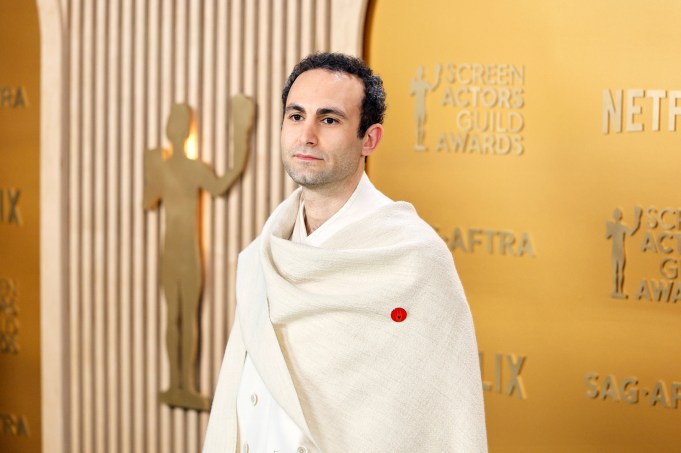
Khalid Abdalla is an Egyptian-British actor and filmmaker whose transition into directing reflects a deeply political and culturally reflective approach to storytelling. Known for his intense screen presence and intellectual depth, he has consistently chosen roles that engage with identity, history, and resistance.
He began his career primarily as an actor, gaining international recognition through powerful performances in politically charged and emotionally complex films. His early exposure to both Middle Eastern and Western cultures shaped his worldview and artistic direction.
As he expanded into filmmaking, Abdalla’s focus shifted toward documentary and socially conscious narratives. His directorial work often explores themes of revolution, freedom, and human rights, reflecting his commitment to meaningful cinema.
Today, he stands as a globally respected artist whose work bridges activism and storytelling, contributing to a more nuanced global understanding of African and Middle Eastern narratives.
Key Facts
- Full name of the subject: Khalid Abdalla
- Date of birth: October 26, 1980
- Place of birth: Glasgow, Scotland
- Family background: Egyptian heritage with strong cultural roots
- Early childhood experiences: Grew up between Egypt and the UK
- Education history: Studied at University of Cambridge
- Influences and mentors: Theatre practitioners and political filmmakers
- Career beginnings: Breakthrough film role in international cinema
- Major achievements: Starred in “The Kite Runner”
- Challenges and obstacles faced: Navigating identity across cultures
- Turning points in life: Roles in politically significant films
- Contributions to society: Advocates for human rights and freedom of expression
- Personal life (marriage, children, relationships): Private
- Awards and recognitions: International film festival recognition
- Beliefs, values, or philosophy: Strong belief in justice and storytelling as activism
- Legacy and impact: Voice for politically conscious cinema
- Historical or cultural significance: Represents diaspora African-Middle Eastern identity in film
Notable Works: The Kite Runner, The Square, United 93, The Day the Earth Stood Still, In the Last Days of the City
9. Nini Wacera
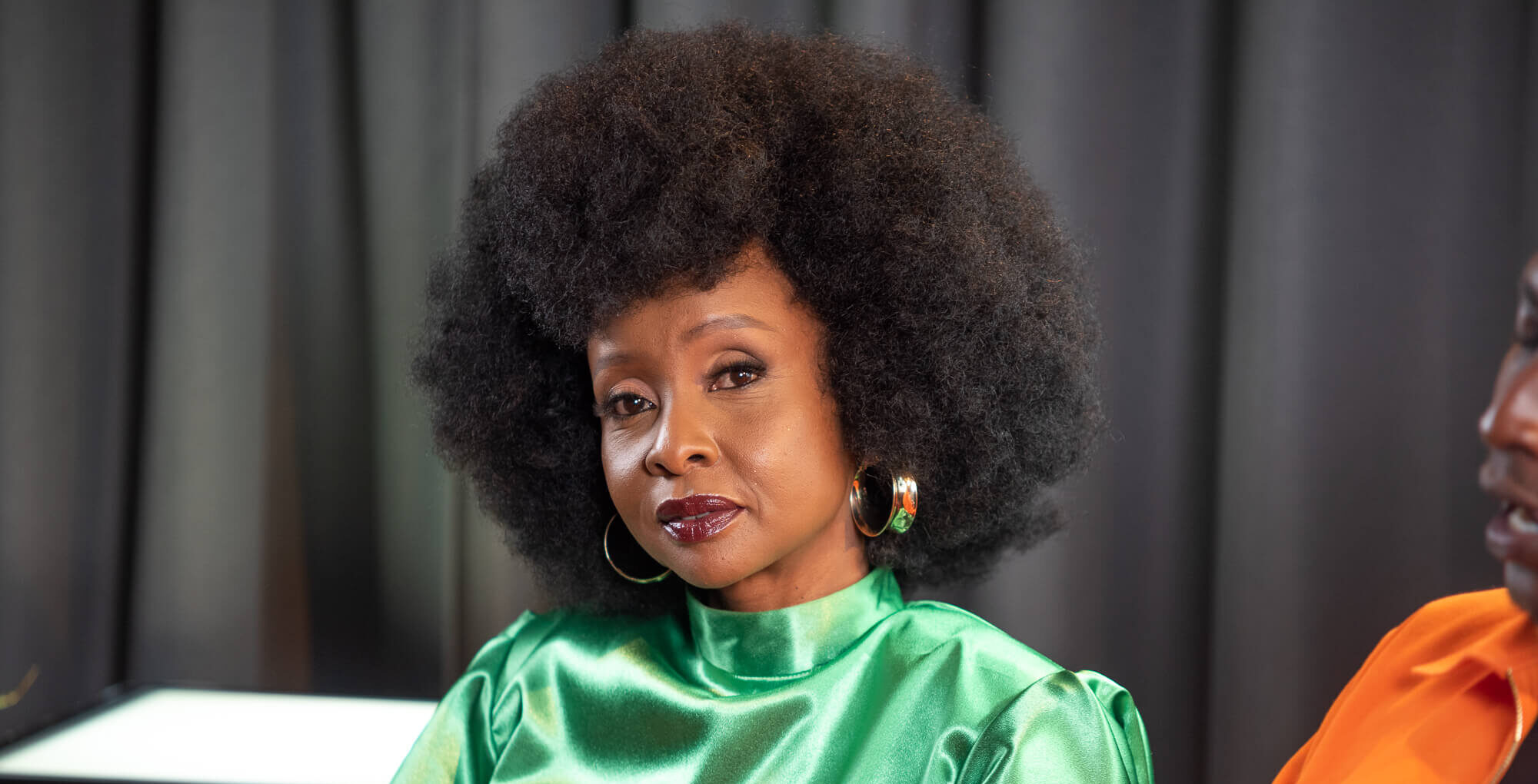
Nini Wacera is a respected Kenyan actress whose evolution into directing reflects her long-standing commitment to African storytelling. Known for her expressive emotional range, she has been a consistent presence in East African television and film for many years.
She began her career in theatre, where she developed strong foundational skills in character interpretation and live performance. This stage background significantly influenced her acting style, giving her performances a natural depth and emotional precision.
Her transition into directing came as a natural progression, allowing her to shape narratives from a creative leadership position. Her directorial work often focuses on social realities, family dynamics, and cultural identity within Kenyan society.
Wacera continues to contribute to the growth of East African cinema, supporting emerging talent while expanding her influence as both a performer and filmmaker.
Key Facts
- Full name of the subject: Nini Wacera
- Date of birth: Not publicly disclosed
- Place of birth: Kenya
- Family background: Kenyan family with strong cultural roots
- Early childhood experiences: Early involvement in school drama and theatre
- Education history: Theatre and performing arts training
- Influences and mentors: Kenyan theatre pioneers
- Career beginnings: Stage actress in theatre productions
- Major achievements: Roles in Kenyan television dramas and films
- Challenges and obstacles faced: Limited industry infrastructure in early career
- Turning points in life: Transition from theatre to screen acting and directing
- Contributions to society: Promotes Kenyan storytelling and theatre development
- Personal life (marriage, children, relationships): Private
- Awards and recognitions: East African acting awards and nominations
- Beliefs, values, or philosophy: Believes in storytelling as cultural preservation
- Legacy and impact: Influential figure in Kenyan screen and stage performance
- Historical or cultural significance: Contributor to modern East African cinema identity
Notable Works: Sue na Jonnie, Changing Times, The Black Wedding, Saint Nino, Makutano Junction
10. Philip Karanja

Philip Karanja is a Kenyan filmmaker and former actor whose journey into directing has positioned him as one of East Africa’s most recognizable creative voices. He is widely known for his strong narrative direction and ability to capture emotionally grounded Kenyan stories.
He began his career as an actor in popular Kenyan television productions, where his natural screen presence and emotional delivery quickly gained attention. His experience in front of the camera provided him with a strong foundation for understanding performance from a director’s perspective.
His transition into directing marked a significant turning point, as he began producing and directing films and television series that focused on contemporary Kenyan life, relationships, and societal challenges. His storytelling style is both relatable and socially reflective.
Today, Karanja continues to play a major role in shaping Kenyan television drama, mentoring new talent and contributing to the growth of East African screen production.
Key Facts
- Full name of the subject: Philip Karanja
- Date of birth: Not publicly disclosed
- Place of birth: Kenya
- Family background: Kenyan family background
- Early childhood experiences: Developed interest in storytelling and performance early
- Education history: Media and production training
- Influences and mentors: Kenyan film and theatre industry pioneers
- Career beginnings: Actor in Kenyan television dramas
- Major achievements: Directed and produced hit Kenyan TV series
- Challenges and obstacles faced: Industry funding and production limitations
- Turning points in life: Shift from acting to directing and producing
- Contributions to society: Mentorship of young Kenyan creatives
- Personal life (marriage, children, relationships): Private
- Awards and recognitions: Kenyan television and film awards
- Beliefs, values, or philosophy: Believes in authentic African storytelling
- Legacy and impact: Major contributor to modern Kenyan television drama
- Historical or cultural significance: Helped shape Kenya’s contemporary TV industry
Notable Works: Mother-in-Law, Sue na Jonnie, Selena, How to Find a Husband, New Beginnings
Notable Mentions:
Olu Jacobs
Richard Mofe-Damijo
John Kani
Lupita Nyong’o
Thapelo Mokoena