Top 10 MTV Superstars
Top 10 MTV Superstars
In This Content
1. Madonna

Born in Bay City, Michigan, Madonna Louise Ciccone emerged from a disciplined Catholic upbringing that emphasized both structure and rebellion. Her early years were marked by ambition shaped through classical dance training at the University of Michigan, where she studied under Christopher Flynn. The influence of New York’s underground arts scene in the late 1970s transformed her artistic outlook, pushing her toward a fusion of performance art, music, and fashion. When she relocated to New York City with limited financial resources, she immersed herself in dance companies and experimental music collectives, gradually crafting a persona that merged provocation with calculated professionalism.
Her career beginnings were rooted in the club culture of downtown Manhattan, where she experimented with synth-pop sounds. Early singles such as “Everybody” and “Burning Up” gained traction within dance clubs, but it was the visual medium that accelerated her ascent. MTV, launched in 1981, provided Madonna with an unprecedented platform. Her performances emphasized bold costuming, choreography, and storytelling, distinguishing her from contemporaries. She understood that visual branding could define musical success, and she deliberately cultivated a shifting image that kept audiences engaged.
The breakthrough arrived with the 1984 MTV Video Music Awards performance of “Like a Virgin.” Wearing a wedding dress and performing with theatrical suggestiveness, she ignited national debate and secured her status as a pop provocateur. Through the late 1980s and into the 1990s, Madonna dominated MTV rotation with videos such as “Material Girl,” “Like a Prayer,” and “Vogue.” Each video pushed artistic boundaries, incorporating cinematic narratives, social commentary, and innovative choreography. During the 1990s peak, her influence extended beyond music into fashion, gender discourse, and the commercialization of celebrity identity.
Madonna’s legacy lies in redefining the relationship between artist and visual media. She transformed MTV into a stage for cultural experimentation and established the blueprint for modern pop branding. Her impact spans generations, influencing performers’ control over image, sexuality, and artistic reinvention. The fusion of controversy, performance, and strategic marketing positioned her as one of MTV’s defining figures.
Key Facts
- Full name of the subject: Madonna Louise Ciccone
- Date of birth: August 16, 1958
- Place of birth: Bay City, Michigan, United States
- Family background: Raised in a Catholic Italian-American family with six siblings
- Early childhood experiences: Trained in ballet and developed early stage discipline
- Education history: University of Michigan (dance scholarship)
- Influences and mentors: Christopher Flynn; New York underground artists
- Career beginnings: Dance performer in New York clubs and bands
- Major achievements: Multiple MTV Video Music Awards; global pop icon status
- Challenges and obstacles faced: Early financial hardship; industry skepticism
- Turning points in life: 1984 MTV VMA “Like a Virgin” performance
- Contributions to society: Advocated LGBTQ+ rights and artistic freedom
- Personal life (marriage, children, relationships): Marriages to Sean Penn and Guy Ritchie; multiple children
- Awards and recognitions: Grammys, MTV Video Vanguard Award
- Beliefs, values, or philosophy: Reinvention and artistic autonomy
- Legacy and impact: Redefined visual pop culture
- Historical or cultural significance: Pioneer of music video storytelling
Notable Works: “Like a Prayer,” “Vogue,” “Material Girl,” MTV VMAs 1984 performance
Controversies:
The “Like a Prayer” video controversy emerged as a public debate surrounding religious symbolism. The video depicted Catholic imagery, interracial romance, and social justice themes, which prompted criticism from religious groups and led Pepsi to withdraw a sponsorship deal. Critics argued the imagery was sacrilegious, while Madonna framed it as artistic expression addressing racism. Verified facts confirm the commercial cancellation, while interpretations of intent remained debated. The incident ultimately heightened her visibility and reinforced her image as a boundary-pushing artist.
2. Michael Jackson
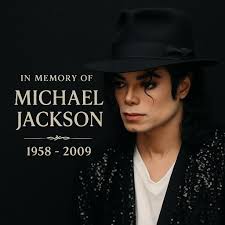
Michael Jackson’s early life in Gary, Indiana, revolved around intense musical training under his father’s guidance. As the lead vocalist of The Jackson 5, he demonstrated extraordinary vocal control and stage presence from childhood. The transition to solo artistry in the late 1970s allowed him to experiment with sound and visual storytelling. His meticulous attention to choreography, costuming, and narrative structure prepared him to exploit MTV’s visual-driven format.
Jackson’s career breakthrough on MTV came during a period when Black artists struggled for airtime. The release of “Billie Jean” in 1983 forced the network to expand its programming, as the video’s popularity demanded rotation. His performance style characterized by precision choreography, cinematic framing, and innovative dance redefined music video standards. The “Thriller” video elevated the format into short-film territory, blending horror cinema with pop performance.
During the 1990s, Jackson’s MTV dominance continued with videos such as “Black or White” and “Remember the Time.” His global appeal transcended language barriers, and his visual productions involved elaborate sets, cutting-edge special effects, and cultural symbolism. He became synonymous with the idea that music videos could function as cultural events rather than promotional tools.
Jackson’s legacy within MTV culture is unparalleled. He transformed the network’s programming direction, opened doors for diverse artists, and elevated production budgets across the industry. His emphasis on choreography and storytelling continues to influence music video production worldwide.
Key Facts
- Full name of the subject: Michael Joseph Jackson
- Date of birth: August 29, 1958
- Place of birth: Gary, Indiana, United States
- Family background: Member of the Jackson musical family
- Early childhood experiences: Performed with The Jackson 5
- Education history: Private tutoring during touring years
- Influences and mentors: James Brown, Diana Ross
- Career beginnings: Lead singer of The Jackson 5
- Major achievements: “Thriller” best-selling album; MTV dominance
- Challenges and obstacles faced: Childhood pressure and media scrutiny
- Turning points in life: Release of “Thriller” video
- Contributions to society: Philanthropy and humanitarian work
- Personal life (marriage, children, relationships): Marriage to Lisa Marie Presley; children
- Awards and recognitions: Multiple Grammys; MTV Video Vanguard Award
- Beliefs, values, or philosophy: Perfectionism and artistic innovation
- Legacy and impact: Revolutionized music video storytelling
- Historical or cultural significance: Broke racial barriers on MTV
Notable Works: “Thriller,” “Billie Jean,” “Black or White”
Controversies:
Allegations regarding personal conduct generated sustained public debate. Accusations surfaced in the 1990s and 2000s involving inappropriate relationships with minors, leading to investigations and a 2005 trial. Stakeholders included law enforcement, media outlets, and advocacy groups. Jackson denied wrongdoing, and he was acquitted in court. Verified facts confirm legal proceedings and acquittal, while public perception remained divided. The controversy affected his public image and influenced discussions about celebrity accountability.
3. Britney Spears

Britney Jean Spears grew up in Kentwood, Louisiana, where she participated in church choirs and talent shows. Her early exposure to performance came through television programs such as “The Mickey Mouse Club,” which refined her stage confidence. The late 1990s pop revival created an opportunity for a youthful performer who could combine dance with accessible pop melodies. Spears’ management carefully constructed an image blending innocence with emerging maturity.
Her breakthrough on MTV came with “…Baby One More Time.” The school-themed video, featuring choreographed dance and stylized visuals, became one of the most replayed videos on the network. Spears’ performance style emphasized synchronized choreography and youthful charisma. MTV became central to her branding, amplifying her visibility worldwide.
During the 1990s peak transitioning into early 2000s dominance, Spears delivered high-impact MTV moments, including the 2001 MTV VMAs performance with a live snake. Her videos such as “Oops!… I Did It Again” reinforced her status as a pop phenomenon. The visual consistency of her work made her one of the defining artists of MTV’s late-era popularity.
Spears’ legacy reflects the commercialization of teen pop and the role of MTV in shaping youth culture. Her influence extends to performance choreography, pop aesthetics, and discussions about media pressure on young celebrities. She remains a pivotal figure in MTV-era pop history.
Key Facts
- Full name of the subject: Britney Jean Spears
- Date of birth: December 2, 1981
- Place of birth: McComb, Mississippi, United States
- Family background: Raised in Louisiana with working-class roots
- Early childhood experiences: Talent competitions and church performances
- Education history: Professional Children’s School (New York)
- Influences and mentors: Madonna, Janet Jackson
- Career beginnings: The Mickey Mouse Club
- Major achievements: Multi-platinum albums; MTV dominance
- Challenges and obstacles faced: Media scrutiny and personal struggles
- Turning points in life: “…Baby One More Time” video release
- Contributions to society: Advocacy discussions around conservatorship rights
- Personal life (marriage, children, relationships): Marriage to Kevin Federline; children
- Awards and recognitions: MTV Video Music Awards
- Beliefs, values, or philosophy: Resilience amid fame
- Legacy and impact: Defined teen pop era on MTV
- Historical or cultural significance: Symbol of late-1990s pop explosion
Notable Works: “…Baby One More Time,” “Oops!… I Did It Again”
Controversies:
The conservatorship controversy centered on legal control over Spears’ personal and financial affairs. Established in 2008, the conservatorship granted authority to her father and legal representatives. Critics questioned its duration and scope, while supporters argued it provided stability. Spears later publicly opposed the arrangement, leading to court proceedings. Verified outcomes include termination of the conservatorship in 2021, though debates about its necessity persisted. The situation influenced public discourse on celebrity autonomy and legal guardianship.
4. Janet Jackson
Janet Damita Jo Jackson grew up in Gary, Indiana, within one of the most recognizable musical families in American entertainment. Unlike her brother’s early fame, her childhood involved balancing television acting roles with musical aspirations. Her early exposure to stage production, choreography, and studio recording cultivated a disciplined artistic identity. Determined to establish independence, she moved away from the family-managed structure and collaborated with producers Jimmy Jam and Terry Lewis, shaping a sound that fused R&B, pop, and socially conscious lyrics.
Her career beginnings reflected a gradual transformation from television actress to recording artist. Early albums achieved modest success, but her artistic breakthrough emerged with Control in 1986. The accompanying videos emphasized synchronized choreography, industrial aesthetics, and strong narrative framing perfectly suited for MTV’s visual-driven audience. Jackson’s performance style combined athletic precision with emotional storytelling, establishing her as one of the network’s most visually compelling artists.
By the 1990s, Jackson’s MTV presence intensified. Videos such as “Rhythm Nation” and “That’s the Way Love Goes” demonstrated a balance between social commentary and sensuality. Her choreography influenced a generation of performers, and her videos often carried thematic depth addressing race, identity, and empowerment. The high-production visuals, elaborate dance sequences, and cohesive album concepts positioned her among the defining figures of MTV’s golden era.
Jackson’s legacy lies in merging political awareness with pop performance. She expanded the scope of what MTV videos could communicate, combining entertainment with social messaging. Her influence remains visible in modern pop choreography and visual album storytelling.
Key Facts
- Full name of the subject: Janet Damita Jo Jackson
- Date of birth: May 16, 1966
- Place of birth: Gary, Indiana, United States
- Family background: Youngest member of the Jackson musical family
- Early childhood experiences: Television acting and touring exposure
- Education history: Formal schooling alongside acting career
- Influences and mentors: Jimmy Jam, Terry Lewis
- Career beginnings: Television acting and early albums
- Major achievements: “Rhythm Nation” era success
- Challenges and obstacles faced: Establishing identity beyond family fame
- Turning points in life: Release of Control album
- Contributions to society: Social justice themes in music
- Personal life (marriage, children, relationships): Multiple marriages; one child
- Awards and recognitions: MTV Video Music Awards, Grammys
- Beliefs, values, or philosophy: Empowerment and independence
- Legacy and impact: Influenced choreography in pop culture
- Historical or cultural significance: Integrated social themes into MTV videos
Notable Works: “Rhythm Nation,” “Control,” “That’s the Way Love Goes”
Controversies:
The 2004 Super Bowl halftime incident sparked debate over broadcast standards. During a performance with Justin Timberlake, a wardrobe malfunction exposed Jackson briefly on live television. Critics argued it violated decency standards, while Jackson described it as an accident. The Federal Communications Commission investigated, and networks implemented stricter broadcast delays. Verified facts confirm fines and regulatory responses, though debates about responsibility persisted. The incident affected her media exposure and altered industry broadcasting policies.
5. Prince
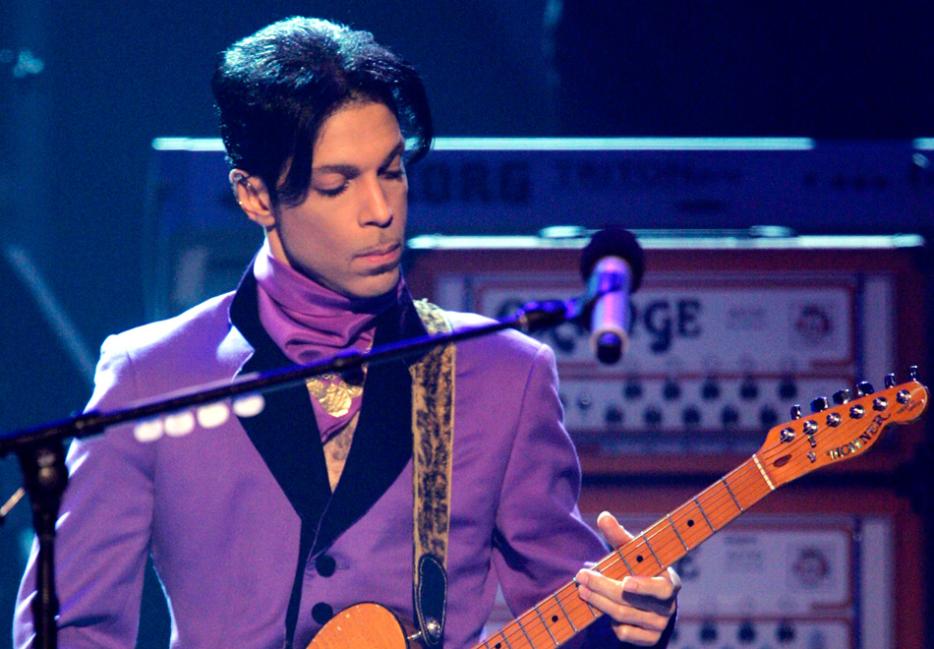
Prince Rogers Nelson grew up in Minneapolis, Minnesota, in a musically inclined household where his father was a jazz pianist. Early mastery of multiple instruments allowed him to craft a distinctive sonic identity. His childhood fascination with performance and experimentation led him to record demos independently, showcasing songwriting, instrumentation, and vocal versatility. His artistry developed outside traditional industry molds, emphasizing individuality and creative control.
Prince’s early career involved releasing albums that blended funk, rock, and pop. His breakthrough aligned with MTV’s expansion, particularly after the success of “1999.” The video’s futuristic aesthetic and dynamic stage presence captured attention. Prince’s performance style combining flamboyant fashion, virtuosic musicianship, and theatrical choreography distinguished him within MTV’s lineup.
During the 1990s, Prince’s MTV influence evolved alongside his artistic experimentation. Videos such as “Cream” and “Gett Off” demonstrated his willingness to challenge norms. He maintained visual innovation even as he engaged in public disputes with record labels. His emphasis on artistic ownership resonated within the broader music industry.
Prince’s legacy rests on creative autonomy. He demonstrated that MTV success could coexist with uncompromising artistry. His influence spans fashion, genre-blending music, and artist independence.
Key Facts
- Full name of the subject: Prince Rogers Nelson
- Date of birth: June 7, 1958
- Place of birth: Minneapolis, Minnesota, United States
- Family background: Musically inclined household
- Early childhood experiences: Self-taught multi-instrumentalist
- Education history: Central High School, Minneapolis
- Influences and mentors: James Brown, Sly Stone
- Career beginnings: Early studio recordings
- Major achievements: “Purple Rain” global success
- Challenges and obstacles faced: Label disputes
- Turning points in life: Release of “1999” video
- Contributions to society: Advocacy for artist rights
- Personal life (marriage, children, relationships): Multiple relationships; one child (deceased)
- Awards and recognitions: Grammys; MTV honors
- Beliefs, values, or philosophy: Artistic independence
- Legacy and impact: Champion of creative ownership
- Historical or cultural significance: Expanded genre fusion in MTV era
Notable Works: “Purple Rain,” “1999,” “When Doves Cry”
Controversies:
Prince’s dispute with Warner Bros. Records became a prominent industry debate. He protested contractual limitations by changing his name to an unpronounceable symbol. Critics viewed the move as confrontational, while Prince argued it highlighted artist exploitation. Verified facts confirm contract disagreements and eventual resolution. The conflict influenced discussions about artist rights and contract reform.
6. Eminem
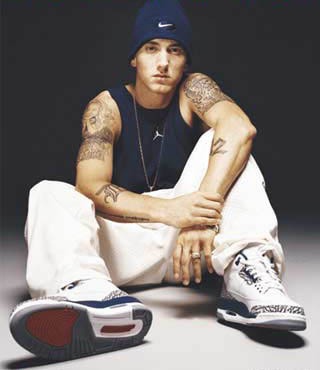
Marshall Bruce Mathers III grew up in Detroit, Michigan, facing economic hardship and frequent relocation. His early immersion in hip-hop culture shaped his lyrical identity. Participating in local rap battles refined his storytelling ability and controversial humor. His experiences informed a narrative-driven style that later translated effectively into visual storytelling.
Eminem’s MTV breakthrough came with “My Name Is,” whose satirical visuals and character-driven performance attracted heavy rotation. His videos blended humor, social commentary, and shock value. The distinct persona he presented aligned with MTV’s appetite for visually memorable artists.
During the late 1990s and early 2000s peak, Eminem dominated MTV programming with videos such as “The Real Slim Shady” and “Without Me.” His visual style relied on parody, costume changes, and rapid narrative pacing. The controversial content drew attention while reinforcing his rebellious artistic identity.
Eminem’s legacy within MTV culture includes redefining rap video storytelling. His influence extends to comedic narrative structures and bold thematic exploration.
Key Facts
- Full name of the subject: Marshall Bruce Mathers III
- Date of birth: October 17, 1972
- Place of birth: St. Joseph, Missouri, United States
- Family background: Raised by single mother
- Early childhood experiences: Poverty and relocations
- Education history: Dropped out of high school
- Influences and mentors: Dr. Dre
- Career beginnings: Detroit rap battles
- Major achievements: Multi-platinum albums
- Challenges and obstacles faced: Controversial lyrics
- Turning points in life: “My Name Is” video success
- Contributions to society: Opened mainstream space for rap narratives
- Personal life (marriage, children, relationships): Daughter Hailie; personal struggles
- Awards and recognitions: MTV Video Music Awards
- Beliefs, values, or philosophy: Artistic expression without restraint
- Legacy and impact: Influenced rap video humor
- Historical or cultural significance: Mainstreamed controversial rap visuals
Notable Works: “My Name Is,” “The Real Slim Shady,” “Without Me”
Controversies:
Eminem’s lyrical content sparked debates over offensive language. Critics argued certain lyrics promoted misogyny and homophobia, while supporters framed them as satire. Advocacy groups and media outlets debated artistic freedom. Eminem defended his work as character-driven storytelling. Verified facts confirm public protests but no formal sanctions. The controversy reinforced his rebellious image and increased visibility.
7. Beyoncé
Beyoncé Giselle Knowles grew up in Houston, Texas, where early vocal training and participation in talent competitions shaped her performance skills. Her family supported structured rehearsals, and her involvement with the group Destiny’s Child introduced her to professional touring. The discipline of group performance informed her stage presence and vocal precision.
Her MTV breakthrough came during the late 1990s with Destiny’s Child videos. Transitioning to solo career, Beyoncé refined a cinematic visual style. Her performance approach emphasized choreography, strong narrative concepts, and fashion-driven imagery.
During the 2000s peak influenced by 1990s MTV traditions, videos like “Crazy in Love” dominated airplay. She elevated production scale, integrating storytelling, dance, and cultural symbolism. Her visual consistency established her as a leading figure in MTV’s later era.
Beyoncé’s legacy lies in visual album storytelling and performance excellence. She extended MTV-era aesthetics into modern multimedia releases.
Key Facts
- Full name of the subject: Beyoncé Giselle Knowles
- Date of birth: September 4, 1981
- Place of birth: Houston, Texas, United States
- Family background: Supportive middle-class family
- Early childhood experiences: Talent competitions
- Education history: High School for the Performing and Visual Arts (Houston)
- Influences and mentors: Tina Knowles; Destiny’s Child producers
- Career beginnings: Destiny’s Child
- Major achievements: Solo superstardom
- Challenges and obstacles faced: Group lineup changes
- Turning points in life: “Crazy in Love” video
- Contributions to society: Cultural representation and philanthropy
- Personal life (marriage, children, relationships): Married to Jay-Z; three children
- Awards and recognitions: MTV VMAs; Grammys
- Beliefs, values, or philosophy: Empowerment and artistic excellence
- Legacy and impact: Modern visual storytelling pioneer
- Historical or cultural significance: Influenced global pop visuals
Notable Works: “Crazy in Love,” “Single Ladies,” “Halo”
Controversies:
Debate emerged regarding lip-sync allegations at a presidential inauguration. Critics questioned authenticity, while representatives confirmed use of pre-recorded track due to technical concerns. Stakeholders included media outlets and performance organizers. Beyoncé later performed live to address criticism. Verified facts confirm both performances. The incident briefly impacted public perception but did not affect career trajectory.
8. Nirvana
Emerging from Aberdeen, Washington, Nirvana developed within the Pacific Northwest’s underground grunge scene. The group, led by Kurt Cobain, combined punk rawness with melodic songwriting. Cobain’s early life marked by family instability and artistic introspection shaped the band’s emotionally charged sound. Their formative years involved small club performances, independent label releases, and a growing reputation within alternative rock circles.
The band’s MTV breakthrough came with the release of “Smells Like Teen Spirit” in 1991. The video’s chaotic high-school setting, rebellious energy, and anti-establishment tone resonated strongly with youth audiences. MTV’s heavy rotation transformed Nirvana from an underground act into a global phenomenon. Their performance style, unpolished, emotionally intense, and deliberately anti-commercial contrasted sharply with the polished pop videos dominating the network.
During the early 1990s peak, Nirvana’s influence extended beyond music into fashion and youth identity. Flannel shirts, distressed jeans, and anti-glamour aesthetics became cultural markers. MTV Unplugged in New York further demonstrated artistic depth, presenting acoustic reinterpretations that highlighted Cobain’s songwriting. The band’s visual presence emphasized authenticity over spectacle, redefining the tone of MTV programming.
Nirvana’s legacy lies in shifting MTV’s cultural direction. They helped usher in alternative rock dominance and challenged commercial norms. Their impact remains central to discussions about authenticity in popular music and the transformation of youth culture in the 1990s.
Key Facts
- Full name of the subject: Nirvana
- Date of birth: Formed in 1987
- Place of birth: Aberdeen, Washington, United States
- Family background: Members from working-class backgrounds
- Early childhood experiences: Exposure to punk and alternative rock scenes
- Education history: Informal artistic development
- Influences and mentors: Pixies, Black Sabbath
- Career beginnings: Independent label recordings
- Major achievements: “Nevermind” global success
- Challenges and obstacles faced: Sudden fame and pressure
- Turning points in life: “Smells Like Teen Spirit” video
- Contributions to society: Influenced youth culture authenticity
- Personal life (marriage, children, relationships): Cobain married to Courtney Love; one child
- Awards and recognitions: MTV Video Music Awards
- Beliefs, values, or philosophy: Anti-commercial authenticity
- Legacy and impact: Defined grunge movement
- Historical or cultural significance: Shifted MTV toward alternative rock
Notable Works: “Smells Like Teen Spirit,” “Come As You Are,” MTV Unplugged in New York
Controversies:
Debate surrounded the commercialization of the grunge movement following Nirvana’s rapid rise. Critics argued that mainstream exposure diluted the underground ethos, while fans defended the band’s authenticity. Industry stakeholders, including record labels and MTV programmers, emphasized market demand. Cobain publicly expressed discomfort with fame, reinforcing perceptions of artistic conflict. Verified facts confirm Cobain’s interviews expressing unease, while interpretations varied. The controversy highlighted tensions between artistic integrity and mainstream success.
9. Jennifer Lopez

Jennifer Lynn Lopez grew up in the Bronx, New York, within a Puerto Rican family that valued discipline and cultural pride. Her early involvement in dance classes and stage performances shaped her artistic foundation. Lopez’s initial career trajectory focused on dance, including appearances as a Fly Girl on television. Her determination to transition into acting and music demonstrated versatility uncommon among emerging performers.
Her MTV breakthrough occurred with “If You Had My Love” in 1999. The video’s futuristic narrative and polished choreography aligned with MTV’s evolving visual style. Lopez’s performance presence emphasized glamour, dance precision, and cinematic storytelling. Her dual identity as actress and musician enhanced her cross-platform appeal.
During the late 1990s and early 2000s peak, Lopez delivered visually striking videos such as “Waiting for Tonight” and “Love Don’t Cost a Thing.” Her fashion choices, dance-driven visuals, and narrative concepts made her a staple of MTV programming. She contributed to the era’s emphasis on high-production pop videos.
Lopez’s legacy within MTV culture includes blending Latin influences with mainstream pop. Her success expanded representation and demonstrated the viability of multi-hyphenate entertainers. She remains a defining figure in the evolution of pop visual storytelling.
Key Facts
- Full name of the subject: Jennifer Lynn Lopez
- Date of birth: July 24, 1969
- Place of birth: Bronx, New York, United States
- Family background: Puerto Rican heritage
- Early childhood experiences: Dance training
- Education history: Preston High School
- Influences and mentors: Latin music and dance traditions
- Career beginnings: Professional dancer
- Major achievements: Successful music and film careers
- Challenges and obstacles faced: Industry typecasting
- Turning points in life: “If You Had My Love” video
- Contributions to society: Cultural representation
- Personal life (marriage, children, relationships): Multiple marriages; two children
- Awards and recognitions: MTV VMAs; music awards
- Beliefs, values, or philosophy: Hard work and versatility
- Legacy and impact: Popularized Latin pop visuals
- Historical or cultural significance: Cross-cultural representation in MTV era
Notable Works: “If You Had My Love,” “Waiting for Tonight,” “Jenny from the Block”
Controversies:
Public debate emerged regarding Lopez’s fashion choices at high-profile events, particularly the green Versace dress worn at the 2000 Grammys. Critics argued it prioritized spectacle over artistry, while supporters viewed it as a cultural fashion milestone. Media outlets amplified discussion, and fashion institutions later credited it with influencing online search trends. Verified facts confirm the dress’s cultural impact. The controversy underscored the intersection of fashion and celebrity branding.
10. Lady Gaga

Stefani Joanne Angelina Germanotta grew up in New York City, attending Catholic school and developing an early interest in piano and performance. Her formative years involved studying music and performing in downtown clubs. Gaga’s early career included songwriting for established artists, which refined her understanding of pop composition and industry dynamics.
Her MTV breakthrough arrived with “Just Dance” and “Poker Face,” but it was the visually ambitious “Bad Romance” video that cemented her dominance. Gaga’s performance style combined theatrical fashion, avant-garde concepts, and choreographed precision. Her videos often functioned as short films, emphasizing symbolism and narrative complexity.
During the late 2000s peak influenced by MTV’s legacy traditions, Gaga dominated award shows and video premieres. Her VMA performances became cultural talking points, reinforcing the idea that MTV remained a platform for visual innovation. Her artistic identity emphasized reinvention, spectacle, and commentary on fame.
Lady Gaga’s legacy lies in revitalizing the theatricality associated with MTV superstars. She merged performance art with mainstream pop, influencing modern visual storytelling and fashion experimentation. Her work continues to shape contemporary music video aesthetics.
Key Facts
- Full name of the subject: Stefani Joanne Angelina Germanotta
- Date of birth: March 28, 1986
- Place of birth: New York City, United States
- Family background: Italian-American family
- Early childhood experiences: Piano training
- Education history: Tisch School of the Arts (NYU, partial)
- Influences and mentors: David Bowie; Madonna
- Career beginnings: Songwriter and club performer
- Major achievements: Global pop superstardom
- Challenges and obstacles faced: Early label setbacks
- Turning points in life: “Bad Romance” video
- Contributions to society: Advocacy for equality and mental health
- Personal life (marriage, children, relationships): Public relationships; no children
- Awards and recognitions: MTV Video Music Awards; Grammys
- Beliefs, values, or philosophy: Artistic individuality
- Legacy and impact: Revived theatrical pop visuals
- Historical or cultural significance: Modern MTV-era performance innovator
Notable Works: “Bad Romance,” “Poker Face,” “Telephone”
Controversies:
Debate emerged over Gaga’s use of provocative fashion, including the meat dress worn at the 2010 MTV Video Music Awards. Critics described it as sensationalist, while Gaga explained it as a statement on personal freedom. Media, advocacy groups, and fashion commentators contributed perspectives. Verified facts confirm the outfit and her explanation. The incident reinforced her reputation for performance-based symbolism and intensified public interest.
Notable Mentions:
Rihanna
Justin Timberlake
Christina Aguilera
Usher
Missy Elliott