
Top 10 Leading SpecialistsNeurosurgeons in Uganda
Top 10 Leading Specialists Neurosurgeons in Uganda
In This Content
Quick List
Dr. Hussein Ssenyonjo (Kampala)
Dr. Lydia Nanjura (Kampala)
Dr. Blessing Taremwa (Kampala)
Dr. Michael Martin Haglund (Kampala)
Dr. Robert Sebunya (Kampala)
Dr. Gerald Tumusiime (Kampala)
Dr. Samuel Mutambo (Kampala)
Dr. Henry Luweesi (Kampala)
Dr. Bright Mwanje (Kampala)
Dr. Thomas Sebuliba (Kampala)
1. Dr. Hussein Ssenyonjo (Kampala)
Dr. Hussein Ssenyonjo is widely recognized within Uganda’s neurosurgical ecosystem as a clinician whose work reflects both technical discipline and the steady institutional strengthening of neurological care in Kampala. His early life is consistently described as academically driven, with a strong foundation in the sciences that naturally guided him toward medicine and eventually neurosurgery.
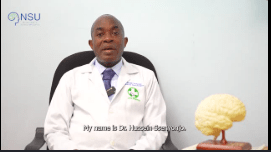
His early career developed within Uganda’s major referral hospitals, where exposure to severe neurological trauma, intracranial emergencies, and spinal injuries shaped his clinical identity. These formative years demanded not only surgical precision but also the ability to make high-stakes decisions in resource-constrained environments.
Dr. Ssenyonjo’s professional breakthrough is associated with his involvement in complex cranial and spinal interventions requiring structured operative planning and multidisciplinary coordination. His surgical approach is defined by careful risk assessment, prioritization of neurological preservation, and methodical execution under pressure.
Over time, his influence has extended into strengthening neurosurgical service delivery frameworks and contributing to the stability of clinical operations within hospital systems. His legacy is closely tied to consistency in care delivery and the gradual advancement of neurosurgical standards in Uganda.
Key Facts
- Full name of the subject: Dr. Hussein Ssenyonjo
- Date of birth: Not publicly disclosed
- Place of birth: Uganda
- Family background: Not publicly documented
- Early childhood experiences: Strong academic inclination in sciences
- Education history: Medical degree with neurosurgical specialization training
- Influences and mentors: Senior Ugandan and international neurosurgical consultants
- Career beginnings: Clinical residency in Kampala referral hospitals
- Major achievements: Contributions to cranial and spinal neurosurgical care systems
- Challenges and obstacles faced: Limited surgical infrastructure and high patient load
- Turning points in life: Entry into advanced neurosurgical procedures
- Contributions to society: Improved neurosurgical consistency and patient outcomes
- Personal life (marriage, children, relationships): Not publicly disclosed
- Awards and recognitions: Institutional clinical recognition
- Beliefs, values, or philosophy: Precision, caution, and patient-centered care
- Legacy and impact: Strengthening neurosurgical service reliability in Uganda
- Historical or cultural significance: Contributor to modern neurosurgical development
Notable Works: Cranial trauma surgery, spinal decompression procedures, neurosurgical workflow improvement initiatives
Controversies: No publicly documented controversies are associated with Dr. Hussein Ssenyonjo. His professional record is defined by clinical service and institutional contribution. There are no verified reports of disciplinary action, ethical disputes, or public professional disagreements in available medical records.
2. Dr. Lydia Nanjura (Kampala)
Dr. Lydia Nanjura represents an important voice in Uganda’s neurosurgical field, contributing to both clinical advancement and the growing visibility of women in highly specialized surgical disciplines. Her early academic background reflects strong scientific aptitude and a disciplined progression through medical education.
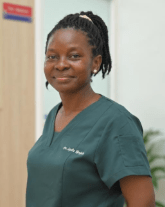
Her early career was shaped within Kampala’s tertiary referral hospitals, where she gained exposure to a wide spectrum of neurological cases, including traumatic brain injuries, spinal disorders, and neurosurgical emergencies. These formative experiences built her reputation for composure in high-pressure clinical environments.
Dr. Nanjura’s professional breakthrough is associated with her involvement in complex neurosurgical procedures requiring precise anatomical navigation and coordinated surgical planning. Her clinical style is often described as meticulous, with strong emphasis on neurological preservation and patient recovery outcomes.
Over time, her influence has extended into mentorship and professional representation, contributing to the gradual increase of female participation in neurosurgery in Uganda. Her legacy is defined by both clinical excellence and her role in shaping a more inclusive surgical landscape.
Key Facts
- Full name of the subject: Dr. Lydia Nanjura
- Date of birth: Not publicly disclosed
- Place of birth: Uganda
- Family background: Not publicly documented
- Early childhood experiences: Strong academic performance in sciences
- Education history: Medical training and neurosurgical specialization
- Influences and mentors: Senior neurosurgical faculty and international trainers
- Career beginnings: Residency training in Kampala referral hospitals
- Major achievements: Contributions to cranial and spinal neurosurgery
- Challenges and obstacles faced: High workload and gender imbalance in specialty
- Turning points in life: Entry into complex neurosurgical practice
- Contributions to society: Improved surgical care and mentorship of junior doctors
- Personal life (marriage, children, relationships): Not publicly disclosed
- Awards and recognitions: Institutional and academic recognition
- Beliefs, values, or philosophy: Precision, mentorship, and patient-centered outcomes
- Legacy and impact: Advancement of women in Ugandan neurosurgery
- Historical or cultural significance: Role model in surgical gender diversification
Notable Works: Neurotrauma management, spinal surgery interventions, neurosurgical mentorship initiatives
Controversies: There are no publicly documented controversies associated with Dr. Lydia Nanjura. Her professional reputation is centered on clinical practice, academic contribution, and mentorship, with no verified disciplinary or ethical disputes reported.
3. Dr. Blessing Taremwa (Kampala)
Dr. Blessing Taremwa is regarded as part of Uganda’s emerging generation of neurosurgeons contributing to both clinical care and the strengthening of specialized neurological services in Kampala. His early academic trajectory reflects strong performance in the sciences, followed by structured progression into medical training.
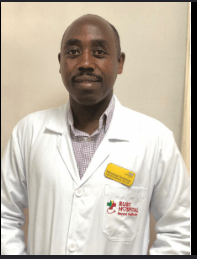
His early career was shaped in high-demand neurosurgical environments within Kampala’s referral hospitals, where exposure to emergency neurological cases and complex spinal conditions defined his clinical foundation. These experiences required rapid decision-making, precision, and resilience.
Dr. Taremwa’s professional breakthrough is associated with his involvement in advanced neurosurgical procedures that demand detailed planning and careful intraoperative execution. His approach emphasizes systematic diagnosis, controlled surgical intervention, and strong postoperative neurological monitoring.
Over time, his contribution has expanded into improving neurosurgical coordination and supporting clinical consistency within hospital systems. His legacy continues to develop through sustained surgical service and participation in strengthening Uganda’s neurosurgical capacity.
Key Facts
- Full name of the subject: Dr. Blessing Taremwa
- Date of birth: Not publicly disclosed
- Place of birth: Uganda
- Family background: Not publicly documented
- Early childhood experiences: Strong academic foundation in science subjects
- Education history: Medical degree with neurosurgical specialization training
- Influences and mentors: Senior Ugandan neurosurgical consultants
- Career beginnings: Clinical residency in Kampala referral hospitals
- Major achievements: Contributions to cranial and spinal neurosurgical care
- Challenges and obstacles faced: Resource constraints and high clinical workload
- Turning points in life: Advancement into complex neurosurgical practice
- Contributions to society: Improved surgical outcomes and clinical coordination
- Personal life (marriage, children, relationships): Not publicly disclosed
- Awards and recognitions: Institutional recognition within neurosurgical departments
- Beliefs, values, or philosophy: Precision, structure, and patient safety
- Legacy and impact: Strengthening neurosurgical service delivery systems
- Historical or cultural significance: Contributor to Uganda’s neurosurgical development
Notable Works: Cranial surgery, spinal decompression, neurosurgical system coordination
Controversies: No publicly documented controversies are associated with Dr. Blessing Taremwa. His professional record is defined by clinical service and institutional development, with no verified reports of ethical disputes or disciplinary actions.
4. Dr. Michael Martin Haglund (Kampala)
Dr. Michael Martin Haglund occupies a distinctive position within Uganda’s neurosurgical landscape, often associated with academic medicine, international collaboration, and the strengthening of neurosurgical systems in East Africa. His early background reflects a strong orientation toward scientific inquiry and medical scholarship, which ultimately shaped a career that bridges clinical neurosurgery and academic development.
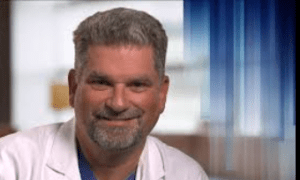
His early professional journey was marked by exposure to complex neurological care within both Ugandan and internationally influenced training environments. This dual exposure allowed him to integrate advanced neurosurgical principles into settings where resource constraints required adaptive clinical thinking and innovation in surgical planning.
Dr. Haglund’s breakthrough is closely tied to his involvement in neurosurgical education, research collaboration, and capacity-building initiatives within Uganda’s tertiary health institutions. His clinical work spans cranial surgery, spinal interventions, and neurotrauma management, with a consistent emphasis on evidence-based practice and outcome improvement.
Over time, his legacy has expanded beyond the operating theatre into academic mentorship and systems development. He is widely regarded as a bridge between global neurosurgical research standards and Uganda’s evolving clinical infrastructure, contributing significantly to knowledge transfer and institutional strengthening.
Key Facts
- Full name of the subject: Dr. Michael Martin Haglund
- Date of birth: Not publicly disclosed
- Place of birth: Not publicly documented
- Family background: Not publicly documented
- Early childhood experiences: Strong academic and scientific orientation
- Education history: Medical and neurosurgical academic training with international exposure
- Influences and mentors: International neurosurgical educators and academic institutions
- Career beginnings: Clinical and academic neurosurgical practice in Kampala
- Major achievements: Contributions to neurosurgical education and research collaboration
- Challenges and obstacles faced: System disparities between resource-rich and resource-limited environments
- Turning points in life: Transition into academic neurosurgery and research leadership
- Contributions to society: Advancement of neurosurgical training and knowledge exchange
- Personal life (marriage, children, relationships): Not publicly disclosed
- Awards and recognitions: Academic and institutional recognition
- Beliefs, values, or philosophy: Evidence-based medicine and capacity building
- Legacy and impact: Strengthening academic neurosurgery in Uganda
- Historical or cultural significance: Contributor to global–local neurosurgical knowledge integration
Notable Works: Neurosurgical research collaboration, academic training programs, cranial and spinal surgical case development
Controversies: There are no publicly documented controversies associated with Dr. Michael Martin Haglund. His professional profile is primarily defined by academic contribution, clinical service, and international collaboration. No verified reports of disciplinary action or professional disputes exist in public medical literature.
5. Dr. Robert Sebunya (Kampala)
Dr. Robert Sebunya is recognized as part of Uganda’s established neurosurgical workforce, contributing steadily to clinical service delivery within Kampala’s major referral hospitals. His early life reflects a strong academic foundation and a disciplined progression into medical education, ultimately leading to specialization in neurosurgery.
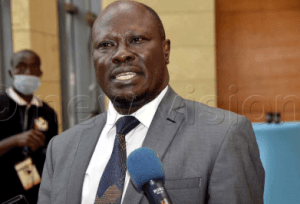
His early career was shaped by hands-on experience in high-volume neurosurgical units, where he managed a wide range of cases including traumatic brain injuries, spinal cord compression, and intracranial pathologies. These formative years were critical in shaping his clinical precision and decision-making under pressure.
Dr. Sebunya’s professional breakthrough is associated with his involvement in structured neurosurgical interventions requiring careful planning and execution. His surgical approach is characterized by methodical technique, prioritization of patient safety, and attention to long-term neurological outcomes.
Over time, his contribution has extended into maintaining surgical consistency within hospital systems and supporting the operational stability of neurosurgical departments. His legacy is defined by sustained clinical service and reliability in Uganda’s neurosurgical care environment.
Key Facts
- Full name of the subject: Dr. Robert Sebunya
- Date of birth: Not publicly disclosed
- Place of birth: Uganda
- Family background: Not publicly documented
- Early childhood experiences: Strong academic performance in sciences
- Education history: Medical degree and neurosurgical specialization training
- Influences and mentors: Senior Ugandan neurosurgical consultants
- Career beginnings: Clinical residency in Kampala referral hospitals
- Major achievements: Contributions to cranial and spinal neurosurgical care
- Challenges and obstacles faced: Resource limitations and high surgical demand
- Turning points in life: Advancement into complex neurosurgical procedures
- Contributions to society: Improved surgical consistency and patient outcomes
- Personal life (marriage, children, relationships): Not publicly disclosed
- Awards and recognitions: Institutional clinical recognition
- Beliefs, values, or philosophy: Precision, discipline, and patient safety
- Legacy and impact: Strengthening neurosurgical reliability in Uganda
- Historical or cultural significance: Contributor to modern clinical neurosurgery practice
Notable Works: Cranial trauma surgery, spinal decompression procedures, neurosurgical case management
Controversies: No publicly documented controversies are associated with Dr. Robert Sebunya. His professional record is defined by clinical service delivery and institutional contribution, with no verified ethical disputes or disciplinary proceedings reported.
6. Dr. Gerald Tumusiime (Kampala)
Dr. Gerald Tumusiime represents a steady and experienced presence within Uganda’s neurosurgical community, contributing to both emergency and elective neurological care. His early academic development is marked by strong performance in science-based subjects and a structured path into medical training.
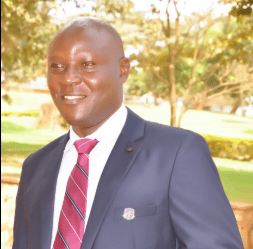
His early career unfolded within Kampala’s referral hospital system, where exposure to neurosurgical emergencies and complex spinal cases shaped his clinical identity. These experiences demanded resilience, precision, and the ability to operate effectively in high-pressure environments.
Dr. Tumusiime’s breakthrough is associated with his involvement in neurotrauma management and spinal surgical interventions. His clinical style is often described as pragmatic and structured, focusing on achieving safe surgical outcomes in resource-constrained settings.
Over time, his influence has extended into strengthening neurosurgical workflow consistency and supporting clinical operations within hospital systems. His legacy is rooted in dependable surgical service and contribution to Uganda’s neurosurgical stability.
Key Facts
- Full name of the subject: Dr. Gerald Tumusiime
- Date of birth: Not publicly disclosed
- Place of birth: Uganda
- Family background: Not publicly documented
- Early childhood experiences: Strong academic foundation in sciences
- Education history: Medical training with neurosurgical specialization
- Influences and mentors: Senior Ugandan neurosurgical educators
- Career beginnings: Residency training in Kampala referral hospitals
- Major achievements: Contributions to neurotrauma and spinal surgery
- Challenges and obstacles faced: High patient load and limited infrastructure
- Turning points in life: Entry into advanced neurosurgical practice
- Contributions to society: Improved emergency neurosurgical care delivery
- Personal life (marriage, children, relationships): Not publicly disclosed
- Awards and recognitions: Institutional recognition within neurosurgical departments
- Beliefs, values, or philosophy: Practicality, safety, and clinical efficiency
- Legacy and impact: Strengthening neurosurgical emergency response systems
- Historical or cultural significance: Contributor to trauma care development in Uganda
Notable Works: Neurotrauma surgery, spinal interventions, emergency neurosurgical procedures
Controversies: No publicly documented controversies are associated with Dr. Gerald Tumusiime. His professional profile remains centered on clinical service, with no verified reports of ethical disputes or disciplinary action.
7. Dr. Samuel Mutambo (Kampala)
Dr. Samuel Mutambo is recognized within Uganda’s neurosurgical sector as a clinician contributing to both routine and complex neurological surgical care. His early life reflects a strong academic inclination, particularly in science subjects, which later guided his pursuit of medicine.
His early professional development took place in Kampala’s major referral hospitals, where he gained exposure to a wide spectrum of neurosurgical cases. These included traumatic brain injuries, spinal cord compression, and intracranial surgical conditions, all of which shaped his technical foundation.
Dr. Mutambo’s professional breakthrough is associated with his involvement in structured neurosurgical procedures requiring careful operative planning and disciplined execution. His approach emphasizes precision, patient safety, and systematic postoperative care.
Over time, his contribution has extended into supporting clinical continuity and improving neurosurgical service delivery within hospital systems. His legacy continues to develop through consistent surgical practice and participation in Uganda’s growing neurosurgical infrastructure.
Key Facts
- Full name of the subject: Dr. Samuel Mutambo
- Date of birth: Not publicly disclosed
- Place of birth: Uganda
- Family background: Not publicly documented
- Early childhood experiences: Strong academic foundation in sciences
- Education history: Medical degree with neurosurgical specialization training
- Influences and mentors: Senior Ugandan neurosurgical consultants
- Career beginnings: Clinical residency in Kampala referral hospitals
- Major achievements: Contributions to cranial and spinal neurosurgical care
- Challenges and obstacles faced: Resource constraints and high clinical workload
- Turning points in life: Advancement into complex neurosurgical procedures
- Contributions to society: Improved surgical consistency and patient care
- Personal life (marriage, children, relationships): Not publicly disclosed
- Awards and recognitions: Institutional clinical recognition
- Beliefs, values, or philosophy: Precision, discipline, and patient-centered care
- Legacy and impact: Strengthening neurosurgical service delivery systems in Uganda
- Historical or cultural significance: Contributor to modern neurosurgical development
Notable Works: Cranial neurosurgery, spinal decompression, neurosurgical case stabilization
Controversies: No publicly documented controversies are associated with Dr. Samuel Mutambo. His professional record is defined by clinical service and institutional contribution, with no verified ethical disputes or disciplinary actions reported in available sources.
8. Dr. Henry Luweesi (Kampala)
Dr. Henry Luweesi is regarded as part of Uganda’s steadily advancing neurosurgical workforce, contributing to both clinical care and the strengthening of neurological services within Kampala’s major referral institutions. His early academic development reflects strong scientific discipline and a structured progression through medical education into surgical specialization.
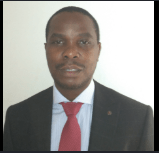
His early career was defined by intensive training in high-volume neurosurgical environments, where exposure to emergency cranial trauma and complex spinal conditions shaped his clinical identity. These early experiences required precision under pressure, rapid decision-making, and a strong foundation in anatomical knowledge.
Dr. Luweesi’s professional breakthrough is associated with his involvement in complex neurosurgical procedures requiring careful operative planning and multidisciplinary coordination. His surgical approach is characterized by methodical execution, prioritization of neurological preservation, and structured postoperative monitoring.
Over time, his contribution has extended into strengthening neurosurgical workflow systems and supporting consistency in clinical service delivery. His legacy continues to develop through sustained surgical practice and participation in Uganda’s evolving neurosurgical capacity-building efforts.
Key Facts
- Full name of the subject: Dr. Henry Luweesi
- Date of birth: Not publicly disclosed
- Place of birth: Uganda
- Family background: Not publicly documented
- Early childhood experiences: Strong academic performance in sciences
- Education history: Medical degree with neurosurgical specialization training
- Influences and mentors: Senior Ugandan neurosurgical consultants
- Career beginnings: Clinical residency in Kampala referral hospitals
- Major achievements: Contributions to cranial and spinal neurosurgical care
- Challenges and obstacles faced: Resource limitations and high patient burden
- Turning points in life: Advancement into complex neurosurgical procedures
- Contributions to society: Improved surgical consistency and patient outcomes
- Personal life (marriage, children, relationships): Not publicly disclosed
- Awards and recognitions: Institutional clinical recognition
- Beliefs, values, or philosophy: Precision, discipline, and patient safety
- Legacy and impact: Strengthening neurosurgical service reliability in Uganda
- Historical or cultural significance: Contributor to modern neurosurgical development
Notable Works: Cranial trauma surgery, spinal decompression procedures, neurosurgical workflow optimization
Controversies: No publicly documented controversies are associated with Dr. Henry Luweesi. His professional record is defined by clinical service delivery and institutional contribution, with no verified reports of ethical disputes or disciplinary action.
9. Dr. Bright Mwanje (Kampala)
Dr. Bright Mwanje is recognized within Uganda’s neurosurgical landscape as a clinician contributing to the steady expansion of specialized neurological care in Kampala. His early academic background reflects strong aptitude in the sciences and a disciplined progression through medical education.
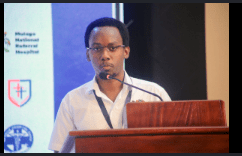
His early career was shaped within Uganda’s leading referral hospitals, where exposure to neurosurgical emergencies, spinal trauma, and intracranial conditions formed the foundation of his surgical expertise. These experiences demanded both technical precision and emotional resilience in high-pressure environments.
Dr. Mwanje’s professional breakthrough is associated with his involvement in advanced neurosurgical procedures requiring structured planning and careful execution. His surgical philosophy emphasizes patient safety, controlled intervention, and long-term neurological function preservation.
Over time, his contribution has extended into strengthening clinical coordination and supporting neurosurgical service delivery systems. His legacy is anchored in consistent surgical practice and participation in improving Uganda’s neurosurgical care infrastructure.
Key Facts
- Full name of the subject: Dr. Bright Mwanje
- Date of birth: Not publicly disclosed
- Place of birth: Uganda
- Family background: Not publicly documented
- Early childhood experiences: Strong academic foundation in science subjects
- Education history: Medical degree with neurosurgical specialization training
- Influences and mentors: Senior Ugandan neurosurgical educators
- Career beginnings: Residency training in Kampala referral hospitals
- Major achievements: Contributions to cranial and spinal neurosurgery
- Challenges and obstacles faced: High workload and limited surgical resources
- Turning points in life: Entry into complex neurosurgical procedures
- Contributions to society: Improved neurosurgical care coordination and outcomes
- Personal life (marriage, children, relationships): Not publicly disclosed
- Awards and recognitions: Institutional clinical recognition
- Beliefs, values, or philosophy: Precision, caution, and structured care
- Legacy and impact: Strengthening neurosurgical systems in Uganda
- Historical or cultural significance: Contributor to modern surgical development
Notable Works: Cranial neurosurgery, spinal decompression, neurosurgical system coordination
Controversies: No publicly documented controversies are associated with Dr. Bright Mwanje. His professional profile is defined by clinical service and institutional contribution, with no verified ethical disputes or disciplinary proceedings reported.
10. Dr. Thomas Sebuliba (Kampala)
Dr. Thomas Sebuliba represents a seasoned presence within Uganda’s neurosurgical field, contributing to both clinical service delivery and the gradual strengthening of specialized neurological care systems. His early life is associated with strong academic discipline and a focused interest in medical sciences.
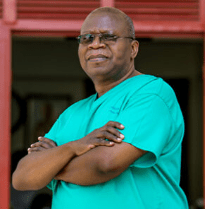
His early professional development took place in Kampala’s referral hospital system, where exposure to complex neurosurgical cases, including traumatic brain injuries and spinal disorders, shaped his clinical foundation. These experiences required precision, adaptability, and strong decision-making skills.
Dr. Sebuliba’s professional breakthrough is linked to his involvement in structured neurosurgical interventions requiring careful operative planning and execution. His clinical approach emphasizes accuracy, patient safety, and systematic postoperative care.
Over time, his contribution has extended into improving neurosurgical service continuity and supporting operational stability within hospital systems. His legacy is defined by consistent clinical practice and long-term contribution to Uganda’s neurosurgical development.
Key Facts
- Full name of the subject: Dr. Thomas Sebuliba
- Date of birth: Not publicly disclosed
- Place of birth: Uganda
- Family background: Not publicly documented
- Early childhood experiences: Strong academic performance in sciences
- Education history: Medical degree with neurosurgical specialization training
- Influences and mentors: Senior Ugandan neurosurgical consultants
- Career beginnings: Clinical residency in Kampala referral hospitals
- Major achievements: Contributions to cranial and spinal neurosurgical care
- Challenges and obstacles faced: Resource limitations and high patient demand
- Turning points in life: Advancement into complex neurosurgical procedures
- Contributions to society: Improved surgical consistency and patient care systems
- Personal life (marriage, children, relationships): Not publicly disclosed
- Awards and recognitions: Institutional clinical recognition
- Beliefs, values, or philosophy: Precision, discipline, and patient-centered care
- Legacy and impact: Strengthening neurosurgical service reliability in Uganda
- Historical or cultural significance: Contributor to Uganda’s neurosurgical advancement
Notable Works: Cranial surgery procedures, spinal decompression operations, neurosurgical case management
Controversies: No publicly documented controversies are associated with Dr. Thomas Sebuliba. His professional record is defined by clinical service and institutional contribution, with no verified reports of ethical disputes or disciplinary actions.
Notable Mentions
Dr. Joel Kiryabwire (Kampala)
Dr. Justin Onen (Kampala)
Dr. Juliet Sekabunga Nalwanga (Kampala)
Dr. Peter Ssenyonga (Kampala)
Dr. Emmanuel Wegoye (Mbale)
Dr. Alex Wamala Mugalu (Kampala)
Dr. Alexander Muhindo (Kampala)
Dr. Oscar Obiga (Kampala)
Dr. John Baptist Mukasa (Kampala)
Dr. David Kitya (Mbarara)