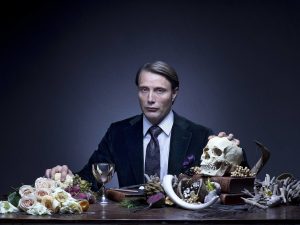
Top 10 Global Actors Who Became Directors
Top 10 Global Actors Who Became Directors
In This Content
Quick List:
1. Clint Eastwood (USA)
2. Greta Gerwig (USA)
3. Bradley Cooper (USA)
4. Mel Gibson (Australia/USA)
5. Ben Affleck (USA)
6. Kenneth Branagh (UK)
7. Regina King (USA)
8. Jordan Peele (USA)
9. Angelina Jolie (USA)
10. Ron Howard (USA)
1. Clint Eastwood
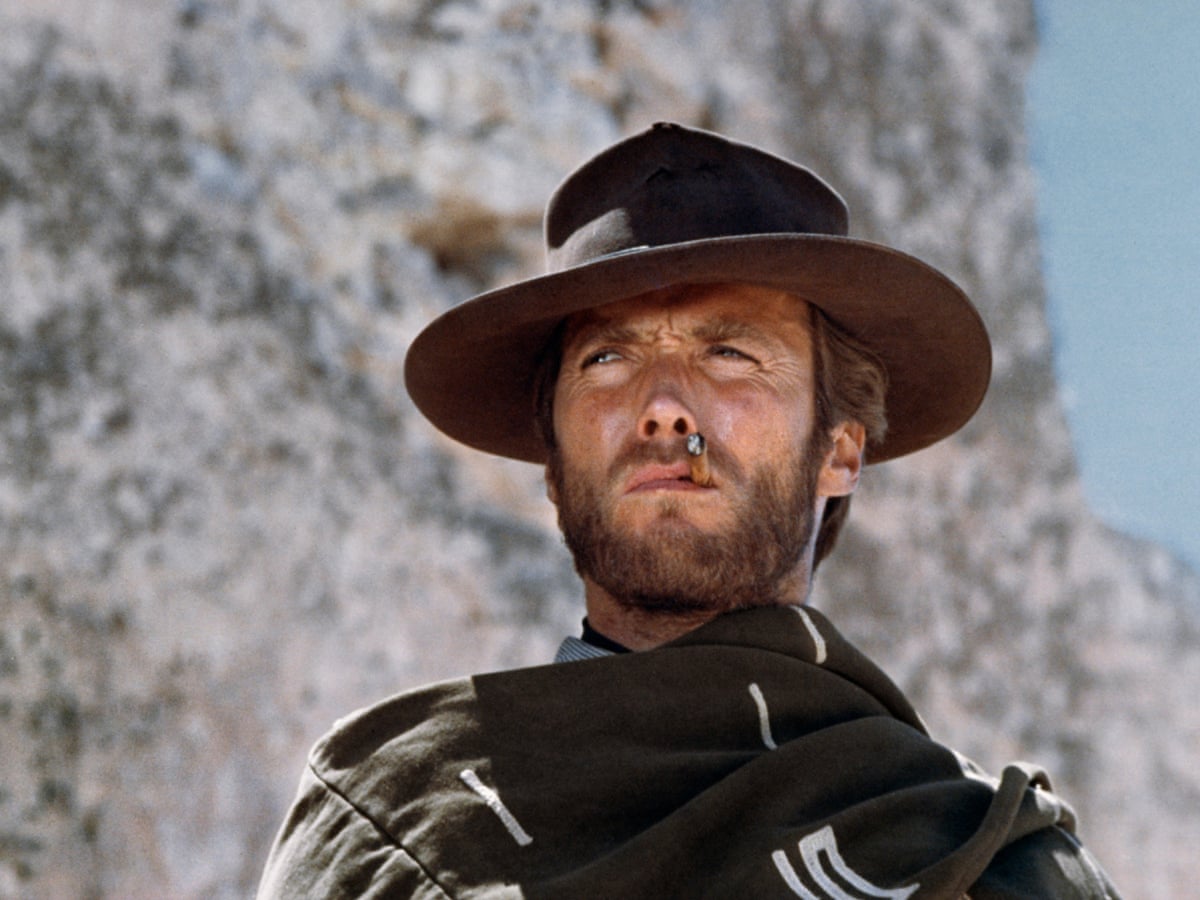
Clint Eastwood stands as one of the most enduring figures in global cinema, whose evolution from actor to director reshaped modern filmmaking. His early screen presence was defined by stoic intensity, minimal dialogue, and a commanding physical stillness that became iconic in Western cinema.
He began his career in television and low-budget films before achieving international fame through Western roles that emphasized rugged individualism. This early success established him as a cultural symbol of masculinity and resilience in American cinema.
His transition into directing marked a defining shift in his artistic journey, as he moved toward more introspective and morally complex storytelling. His directorial style is characterized by restraint, emotional subtlety, and a focus on human vulnerability beneath external toughness.
Over decades, Eastwood has directed critically acclaimed films that explore justice, redemption, and human conflict, cementing his legacy as both a cinematic icon and a master storyteller.
Key Facts
- Full name of the subject: Clinton Eastwood Jr.
- Date of birth: May 31, 1930
- Place of birth: San Francisco, California, USA
- Family background: Working-class American family
- Early childhood experiences: Grew up during the Great Depression
- Education history: Oakland Technical High School
- Influences and mentors: Sergio Leone, Don Siegel
- Career beginnings: Small television roles and Western films
- Major achievements: Directed and starred in “Unforgiven” and “Million Dollar Baby”
- Challenges and obstacles faced: Early typecasting in Western roles
- Turning points in life: Success of “Dirty Harry” and transition into directing
- Contributions to society: Influenced modern American filmmaking style
- Personal life (marriage, children, relationships): Father of multiple children, private personal life
- Awards and recognitions: Academy Awards, Golden Globes, AFI honors
- Beliefs, values, or philosophy: Values simplicity, discipline, and moral ambiguity in storytelling
- Legacy and impact: One of the most influential actor-directors in film history
- Historical or cultural significance: Redefined the American Western and modern drama
Notable Works: Unforgiven, Million Dollar Baby, Gran Torino, Mystic River, Letters from Iwo Jima
2. Greta Gerwig

Greta Gerwig represents a modern cinematic voice whose transition from actor to director has redefined contemporary storytelling, particularly in the portrayal of women and identity. Her early screen presence was marked by naturalistic performances rooted in realism and emotional subtlety.
She began her career in independent films, where her acting style reflected authenticity and conversational realism. These early experiences positioned her within the American indie film movement, where character-driven storytelling was prioritized over spectacle.
Her shift into directing marked a transformative moment in her career, as she began crafting films that blended emotional intelligence with sharp social observation. Her directorial voice is both intimate and expansive, often focusing on personal growth, femininity, and cultural expectation.
Her global success has positioned her as one of the most influential contemporary filmmakers, reshaping mainstream cinema through deeply personal yet universally resonant narratives.
Key Facts
- Full name of the subject: Greta Celeste Gerwig
- Date of birth: August 4, 1983
- Place of birth: Sacramento, California, USA
- Family background: Educated middle-class American family
- Early childhood experiences: Interest in writing, theatre, and literature
- Education history: Barnard College, Columbia University
- Influences and mentors: Noah Baumbach, French New Wave cinema
- Career beginnings: Independent film acting and screenwriting
- Major achievements: Directed “Lady Bird” and “Barbie”
- Challenges and obstacles faced: Breaking into mainstream directing as a woman
- Turning points in life: Critical success of “Lady Bird”
- Contributions to society: Expanded representation of women in modern cinema
- Personal life (marriage, children, relationships): Partnered with filmmaker Noah Baumbach
- Awards and recognitions: Academy Award nominations
- Beliefs, values, or philosophy: Advocates emotional honesty and female-centered storytelling
- Legacy and impact: Redefined modern coming-of-age cinema
- Historical or cultural significance: Major voice in 21st-century feminist filmmaking
Notable Works: Lady Bird, Barbie, Little Women, Frances Ha, Mistress America
3. Bradley Cooper
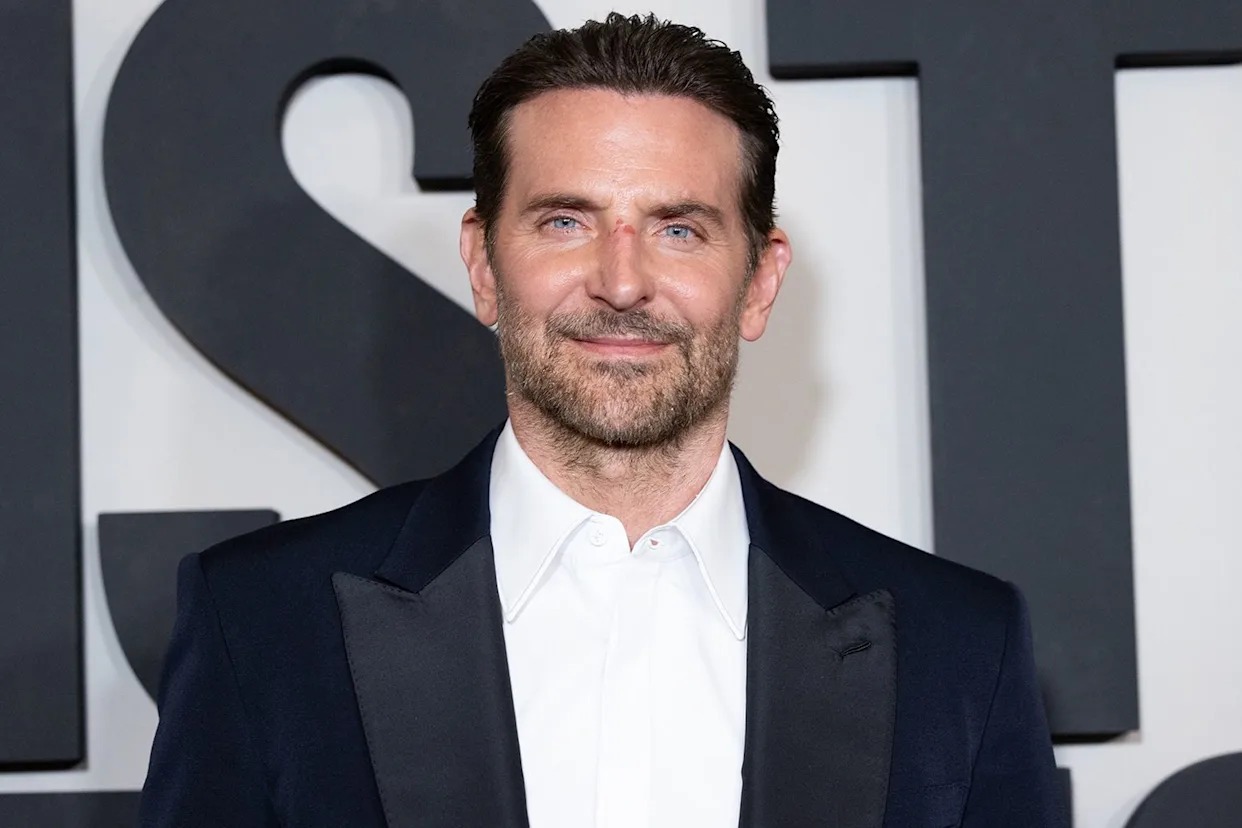
Bradley Cooper’s evolution from actor to director reflects a deep artistic transformation rooted in emotional intensity and musical sensitivity. His early screen presence was defined by charisma, charm, and strong dramatic range across both comedy and serious roles.
He began his career with supporting television roles before rising to global fame through film performances that showcased his versatility. His ability to shift between lighthearted characters and deeply emotional roles established him as a leading Hollywood actor.
His directorial debut marked a significant creative turning point, where he explored themes of fame, addiction, and artistic vulnerability. His approach to directing is highly performance-driven, often focusing on emotional authenticity and musical storytelling.
Cooper continues to expand his directorial presence, earning recognition for his ability to merge mainstream appeal with deeply personal narratives.
Key Facts
- Full name of the subject: Bradley Charles Cooper
- Date of birth: January 5, 1975
- Place of birth: Philadelphia, Pennsylvania, USA
- Family background: Irish-Italian American family
- Early childhood experiences: Interest in acting and storytelling from a young age
- Education history: Georgetown University; Actors Studio Drama School
- Influences and mentors: Robert De Niro, Martin Scorsese
- Career beginnings: Television roles and supporting film appearances
- Major achievements: Directed “A Star Is Born”
- Challenges and obstacles faced: Transitioning from actor to respected director
- Turning points in life: Critical success of “A Star Is Born”
- Contributions to society: Raised awareness of addiction and mental health through film
- Personal life (marriage, children, relationships): Father, private relationships
- Awards and recognitions: Academy Award nominations and BAFTA recognition
- Beliefs, values, or philosophy: Believes in emotional truth in performance
- Legacy and impact: Established as a major actor-director in modern Hollywood
- Historical or cultural significance: Revitalized musical drama genre
Notable Works: A Star Is Born, Maestro, Silver Linings Playbook, American Sniper, The Hangover
4. Mel Gibson
Mel Gibson’s transition from actor to director marked one of the most dramatic and controversial evolutions in global cinema. As an actor, he became known for his intense physical presence and emotionally charged performances, particularly in action and historical roles that showcased raw charisma and psychological depth.
He began his career in Australian cinema before gaining international fame through high-energy action franchises that positioned him as a global star. His early acting style combined physical intensity with emotional volatility, making him a compelling on-screen presence.
His move into directing revealed a different artistic dimension one focused on historical epics, moral conflict, and spiritual struggle. His films often explore human suffering, faith, and endurance, presented through visually ambitious storytelling.
Despite controversies surrounding his personal life, Gibson’s directorial achievements have had a lasting impact on cinematic storytelling, particularly in the historical drama and action genres.
Key Facts
- Full name of the subject: Mel Colmcille Gerard Gibson
- Date of birth: January 3, 1956
- Place of birth: Peekskill, New York, USA
- Family background: Irish Catholic heritage
- Early childhood experiences: Raised in Australia after family relocation
- Education history: National Institute of Dramatic Art, Sydney
- Influences and mentors: Australian theatre tradition, classic filmmakers
- Career beginnings: Breakthrough in “Mad Max” series
- Major achievements: Directed “Braveheart” and “Hacksaw Ridge”
- Challenges and obstacles faced: Public controversies and industry setbacks
- Turning points in life: Academy Award success for “Braveheart”
- Contributions to society: Revived epic historical filmmaking
- Personal life (marriage, children, relationships): Father of multiple children
- Awards and recognitions: Academy Awards, Golden Globes
- Beliefs, values, or philosophy: Strong focus on faith and perseverance themes
- Legacy and impact: Influential but polarizing actor-director figure
- Historical or cultural significance: Reinvented modern historical epics
Notable Works: Braveheart, Hacksaw Ridge, Apocalypto, The Passion of the Christ, Braveheart (acting/directing legacy)
5. Ben Affleck
Ben Affleck’s journey from actor to acclaimed director represents one of Hollywood’s most respected creative reinventions. His early career was defined by youthful charisma and breakthrough roles in ensemble dramas that showcased his emotional accessibility.
He rose to prominence in the 1990s and early 2000s, balancing commercial success with critical recognition. His acting style is grounded in realism, often portraying conflicted characters navigating moral and emotional complexity.
Affleck’s transition into directing marked a significant turning point, as he established himself as a filmmaker with a strong grasp of narrative tension and urban realism. His films often explore crime, identity, and institutional corruption.
Over time, he has become recognized not only as a leading actor but also as an Academy Award-winning director with a strong influence on modern American thriller cinema.
Key Facts
- Full name of the subject: Benjamin Géza Affleck-Boldt
- Date of birth: August 15, 1972
- Place of birth: Berkeley, California, USA
- Family background: Irish and American heritage
- Early childhood experiences: Raised in Massachusetts with artistic exposure
- Education history: University of Vermont (brief attendance)
- Influences and mentors: Kevin Smith, Robert Redford
- Career beginnings: Early TV roles and indie films
- Major achievements: Directed “Argo”
- Challenges and obstacles faced: Public scrutiny and career fluctuations
- Turning points in life: Oscar win for “Argo”
- Contributions to society: Supports humanitarian and global awareness causes
- Personal life (marriage, children, relationships): Father, high-profile relationships
- Awards and recognitions: Academy Awards, BAFTA Awards
- Beliefs, values, or philosophy: Believes in disciplined storytelling and realism
- Legacy and impact: Respected actor-director in Hollywood thriller genre
- Historical or cultural significance: Strengthened political thriller filmmaking
Notable Works: Argo, The Town, Gone Baby Gone, Good Will Hunting, Air
6. Kenneth Branagh
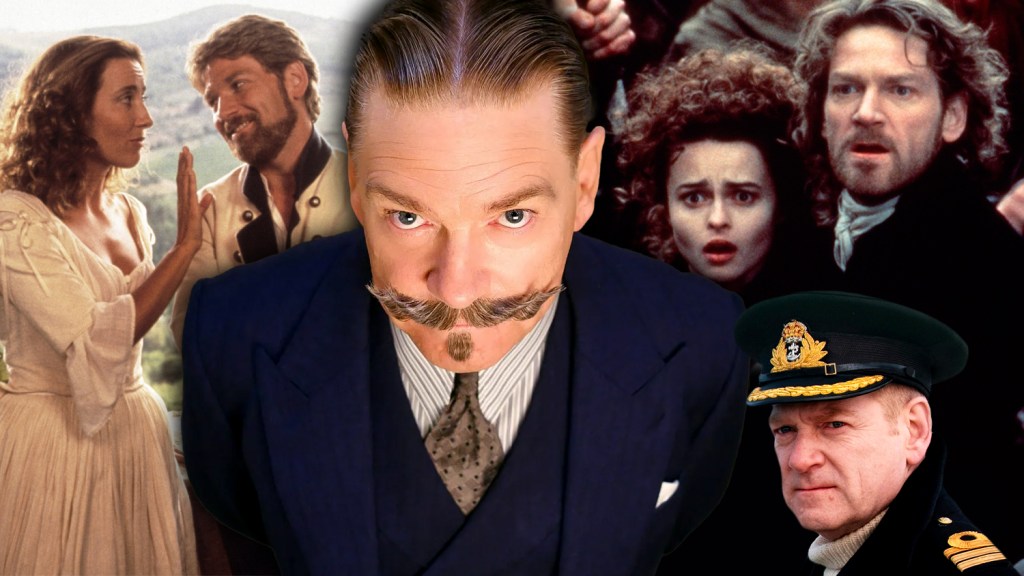
Kenneth Branagh is a master of classical performance and cinematic adaptation, known for his seamless transition from Shakespearean actor to globally respected director. His early stage presence was defined by theatrical intensity and linguistic precision.
He began his career in British theatre, where his performances in Shakespearean plays established him as a leading dramatic actor. His acting style is rooted in classical training, emphasizing vocal control and emotional clarity.
Branagh’s shift into directing allowed him to bring Shakespeare and classical literature to modern audiences through film. His work is distinguished by stylistic elegance, narrative fidelity, and emotional grandeur.
He continues to be a major figure in both theatre and film, bridging the gap between classical performance and modern cinematic storytelling.
Key Facts
- Full name of the subject: Sir Kenneth Charles Branagh
- Date of birth: December 10, 1960
- Place of birth: Belfast, Northern Ireland
- Family background: Working-class Irish family
- Early childhood experiences: Grew up during Northern Ireland conflict
- Education history: Royal Academy of Dramatic Art (RADA)
- Influences and mentors: Laurence Olivier, Shakespearean theatre tradition
- Career beginnings: Stage actor in Royal Shakespeare Company
- Major achievements: Directed “Henry V” and multiple Shakespeare adaptations
- Challenges and obstacles faced: Transition from theatre to film directing
- Turning points in life: Critical success of “Henry V”
- Contributions to society: Popularized Shakespeare in modern cinema
- Personal life (marriage, children, relationships): Married multiple times, private family life
- Awards and recognitions: Academy Award, BAFTA Awards
- Beliefs, values, or philosophy: Advocates classical storytelling in modern film
- Legacy and impact: Leading interpreter of Shakespeare on screen
- Historical or cultural significance: Bridged theatre tradition and Hollywood cinema
Notable Works: Henry V, Hamlet, Murder on the Orient Express, Belfast, Thor
7. Regina King

Regina King is a powerful force in modern cinema, known for her transition from acclaimed actress to award-winning director. Her screen presence has always been defined by emotional depth, intensity, and commanding authenticity.
She began her career as a child actress, quickly gaining recognition in television before expanding into film roles that showcased her range and versatility. Her performances often carry emotional intelligence and quiet strength.
Her move into directing marked a historic shift, as she became one of the most influential Black female directors in Hollywood. Her directorial style focuses on human emotion, identity, and social complexity.
King continues to shape the industry through powerful storytelling that reflects cultural truth and emotional realism, earning global recognition for her directorial vision.
Key Facts
- Full name of the subject: Regina Rene King
- Date of birth: January 15, 1971
- Place of birth: Los Angeles, California, USA
- Family background: African-American family
- Early childhood experiences: Began acting in television commercials
- Education history: Westchester High School
- Influences and mentors: John Singleton, Hollywood directors
- Career beginnings: TV sitcom “227”
- Major achievements: Directed “One Night in Miami”
- Challenges and obstacles faced: Industry barriers for Black female directors
- Turning points in life: Academy Award-winning recognition for acting and directing
- Contributions to society: Promotes representation and inclusion in film
- Personal life (marriage, children, relationships): Mother, private personal life
- Awards and recognitions: Academy Award, Emmy Awards
- Beliefs, values, or philosophy: Advocates truth-driven and inclusive storytelling
- Legacy and impact: Pioneer for Black women in directing
- Historical or cultural significance: Redefined representation in Hollywood direction
Notable Works: One Night in Miami, If Beale Street Could Talk, Watchmen, Ray, Jerry Maguire
8. Jordan Peele

Jordan Peele represents one of the most transformative shifts in modern cinema, evolving from comedic actor to one of the most influential directors in contemporary film history. His early screen presence was rooted in sketch comedy, where his timing, expressive control, and cultural satire set him apart.
He began his career in comedy television, gaining widespread recognition for his work in sketch-based programming that highlighted both humor and social commentary. His acting style was characterized by sharp wit and an ability to switch seamlessly between absurdity and realism.
His transition into directing redefined his entire career trajectory, as he pioneered a new wave of socially conscious horror films. His directorial voice is marked by psychological tension, symbolism, and deep cultural critique, particularly around race and identity.
Today, Peele is regarded as a visionary filmmaker whose work has reshaped the horror genre and expanded the boundaries of mainstream storytelling.
Key Facts
- Full name of the subject: Jordan Haworth Peele
- Date of birth: February 21, 1979
- Place of birth: New York City, New York, USA
- Family background: Biracial American upbringing
- Early childhood experiences: Developed interest in comedy and performance
- Education history: Sarah Lawrence College
- Influences and mentors: George Romero, Alfred Hitchcock, sketch comedy traditions
- Career beginnings: Comedy series “Key & Peele”
- Major achievements: Directed “Get Out,” “Us,” and “Nope”
- Challenges and obstacles faced: Transition from comedy to serious filmmaking
- Turning points in life: Success of “Get Out”
- Contributions to society: Redefined racial storytelling in horror cinema
- Personal life (marriage, children, relationships): Married with children
- Awards and recognitions: Academy Award for Best Original Screenplay
- Beliefs, values, or philosophy: Uses film as a tool for social reflection
- Legacy and impact: Revolutionized modern horror storytelling
- Historical or cultural significance: Pioneered socially conscious horror genre
Notable Works: Get Out, Us, Nope, Key & Peele, Wendell & Wild
9. Angelina Jolie

Angelina Jolie’s evolution from global film star to acclaimed director reflects a career deeply rooted in emotional intensity, humanitarian awareness, and artistic ambition. Her early screen presence was defined by bold, expressive performances that combined vulnerability with striking charisma.
She began her acting career at a young age, quickly gaining recognition for roles that highlighted emotional complexity and psychological depth. Her performance style is often immersive, characterized by strong physical presence and emotional authenticity.
Her transition into directing marked a shift toward socially engaged storytelling, particularly focusing on war, displacement, and human rights. Her directorial work reflects a commitment to amplifying global humanitarian issues through cinema.
Today, Jolie is recognized not only as a Hollywood icon but also as a filmmaker and humanitarian whose work bridges entertainment and global advocacy.
Key Facts
- Full name of the subject: Angelina Jolie Voight
- Date of birth: June 4, 1975
- Place of birth: Los Angeles, California, USA
- Family background: Daughter of actors Jon Voight and Marcheline Bertrand
- Early childhood experiences: Exposure to film industry from childhood
- Education history: Lee Strasberg Theatre Institute
- Influences and mentors: Family legacy and international filmmakers
- Career beginnings: Early film roles in the 1990s
- Major achievements: Directed “Unbroken” and “First They Killed My Father”
- Challenges and obstacles faced: Media scrutiny and personal struggles
- Turning points in life: Academy Award-winning performance in “Girl, Interrupted”
- Contributions to society: Humanitarian work with UNHCR
- Personal life (marriage, children, relationships): Mother of multiple children
- Awards and recognitions: Academy Award, Golden Globe Awards
- Beliefs, values, or philosophy: Strong advocacy for human rights and global justice
- Legacy and impact: Global cultural icon and humanitarian filmmaker
- Historical or cultural significance: Bridged Hollywood fame with global activism
Notable Works: Girl, Interrupted, Maleficent, Unbroken, First They Killed My Father, Changeling
10. Ron Howard
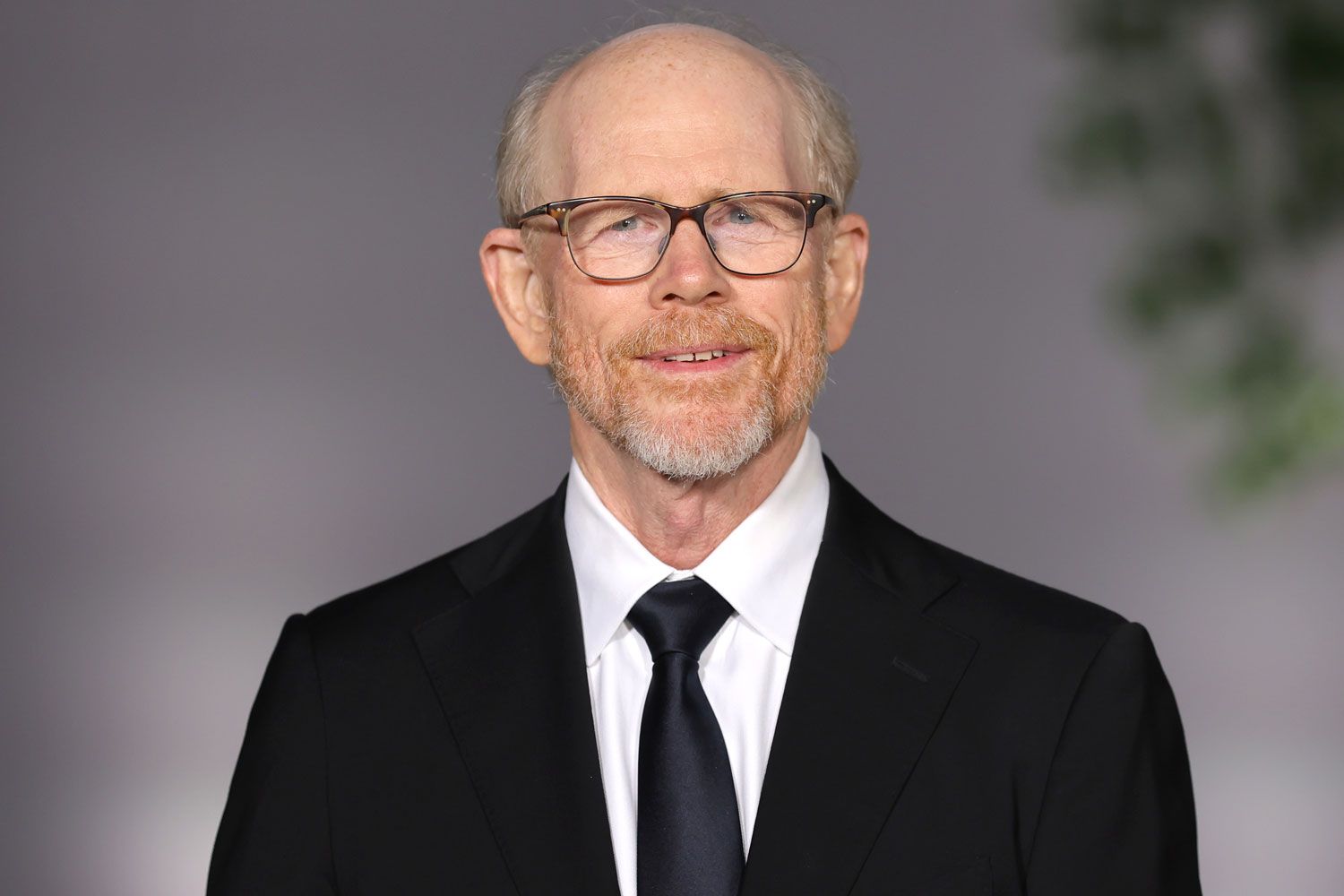
Ron Howard’s career represents one of the most seamless transitions from child actor to one of Hollywood’s most respected directors. His early screen presence was defined by innocence, relatability, and natural charm, making him a standout child performer in American television.
He began acting at a very young age, becoming widely recognized through television sitcoms that showcased his wholesome and approachable personality. His early exposure to the entertainment industry provided him with a deep understanding of storytelling from both sides of the camera.
His shift into directing marked a major turning point, as he quickly developed a reputation for crafting emotionally engaging, character-driven narratives. His directorial style is known for clarity, structure, and strong emotional pacing.
Over decades, Howard has built a legacy as a filmmaker capable of handling both intimate dramas and large-scale cinematic productions with equal mastery.
Key Facts
- Full name of the subject: Ronald William Howard
- Date of birth: March 1, 1954
- Place of birth: Duncan, Oklahoma, USA
- Family background: Son of actors Rance Howard and Jean Speegle Howard
- Early childhood experiences: Grew up on film and television sets
- Education history: University of Southern California School of Cinematic Arts
- Influences and mentors: George Lucas, American television pioneers
- Career beginnings: Child actor in “The Andy Griffith Show”
- Major achievements: Directed “Apollo 13,” “A Beautiful Mind,” “Rush”
- Challenges and obstacles faced: Transition from child star to serious filmmaker
- Turning points in life: Success of “Night Shift” and early directing work
- Contributions to society: Advanced character-driven mainstream cinema
- Personal life (marriage, children, relationships): Married with children
- Awards and recognitions: Academy Awards, Golden Globes
- Beliefs, values, or philosophy: Values storytelling clarity and emotional truth
- Legacy and impact: One of Hollywood’s most consistent director-producers
- Historical or cultural significance: Defined modern Hollywood narrative filmmaking
Notable Works: Apollo 13, A Beautiful Mind, Rush, Frost/Nixon, Cinderella Man
Notable Mentions:
Steven Spielberg
Robert Redford
Ben Stiller
Clint Eastwood (as dual mention legacy influence figure)
Peter Jackson