
Top 10 Global Movie Villains of All Time
Top 10 Global Movie Villains of All Time
In This Content
Quick List:
Hannibal Lecter (UK/USA)
Darth Vader (USA/UK)
The Joker (Australia/USA)
Nurse Ratched (USA)
Hans Landa (Austria)
Norman Bates (USA)
Anton Chigurh (Spain)
Lord Voldemort (UK)
Agent Smith (Australia/UK)
The Wicked Witch of the West (USA)
1. Hannibal Lecter
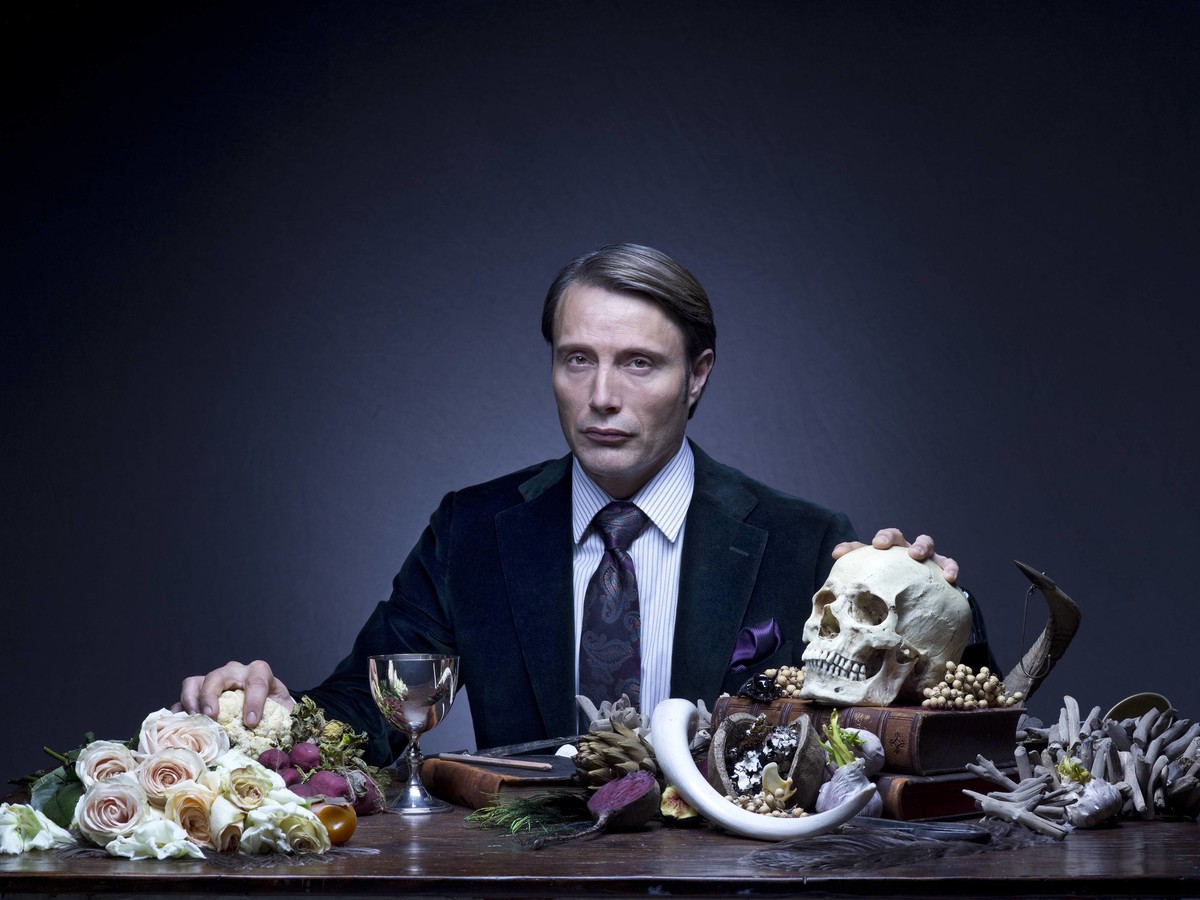
From his earliest cinematic appearance, Hannibal Lecter emerged as one of the most intellectually terrifying villains in film history. Unlike traditional antagonists who rely on brute force, Lecter’s menace lies in his calm demeanor, refined manners, and chilling psychological manipulation. His stage presence is understated yet commanding, allowing silence and subtle expressions to create tension. This sophisticated portrayal transformed the perception of villainy, emphasizing psychological terror over physical aggression.
The character’s cinematic journey began with early literary roots before gaining global recognition through film adaptations. His performance style marked by measured speech, piercing eye contact, and cultured sophistication established him as a villain who operates on intellect rather than chaos. This calculated restraint elevated the role and influenced how filmmakers craft psychologically complex antagonists.
As the character evolved across multiple films, Hannibal Lecter became synonymous with refined horror. His interactions with protagonists showcased an unsettling duality: he could appear helpful and polite while simultaneously embodying danger. These contrasts strengthened his cultural resonance and positioned him as a benchmark for nuanced villain performances.
Over time, Lecter’s global impact expanded beyond cinema into pop culture, inspiring countless portrayals of intelligent antagonists. His legacy lies in redefining cinematic evil as something elegant, articulate, and deeply unsettling. The character remains one of the most analyzed villains in film history, representing the power of performance-driven antagonism.
Key Facts
- Full name of the subject: Hannibal Lecter
- Date of birth: Fictional character (mid-20th century in canon)
- Place of birth: Lithuania (fictional backstory)
- Family background: Aristocratic European family affected by wartime tragedy
- Early childhood experiences: Trauma during World War II influenced psychological development
- Education history: Medical training in psychiatry
- Influences and mentors: Academic psychiatric circles
- Career beginnings: Practicing psychiatrist before criminal activities
- Major achievements: Iconic villain in multiple award-winning films
- Challenges and obstacles faced: Capture and imprisonment
- Turning points in life: Wartime trauma and cannibalistic acts
- Contributions to society: Assisted investigations despite criminal status
- Personal life (marriage, children, relationships): Complex interpersonal relationships
- Awards and recognitions: Associated films received Academy Awards
- Beliefs, values, or philosophy: Intellectual superiority and aesthetic morality
- Legacy and impact: Redefined psychological thriller villains
- Historical or cultural significance: One of cinema’s most iconic antagonists
Notable Works: The Silence of the Lambs, Hannibal, Red Dragon, Hannibal Rising, Manhunter
2. Darth Vader
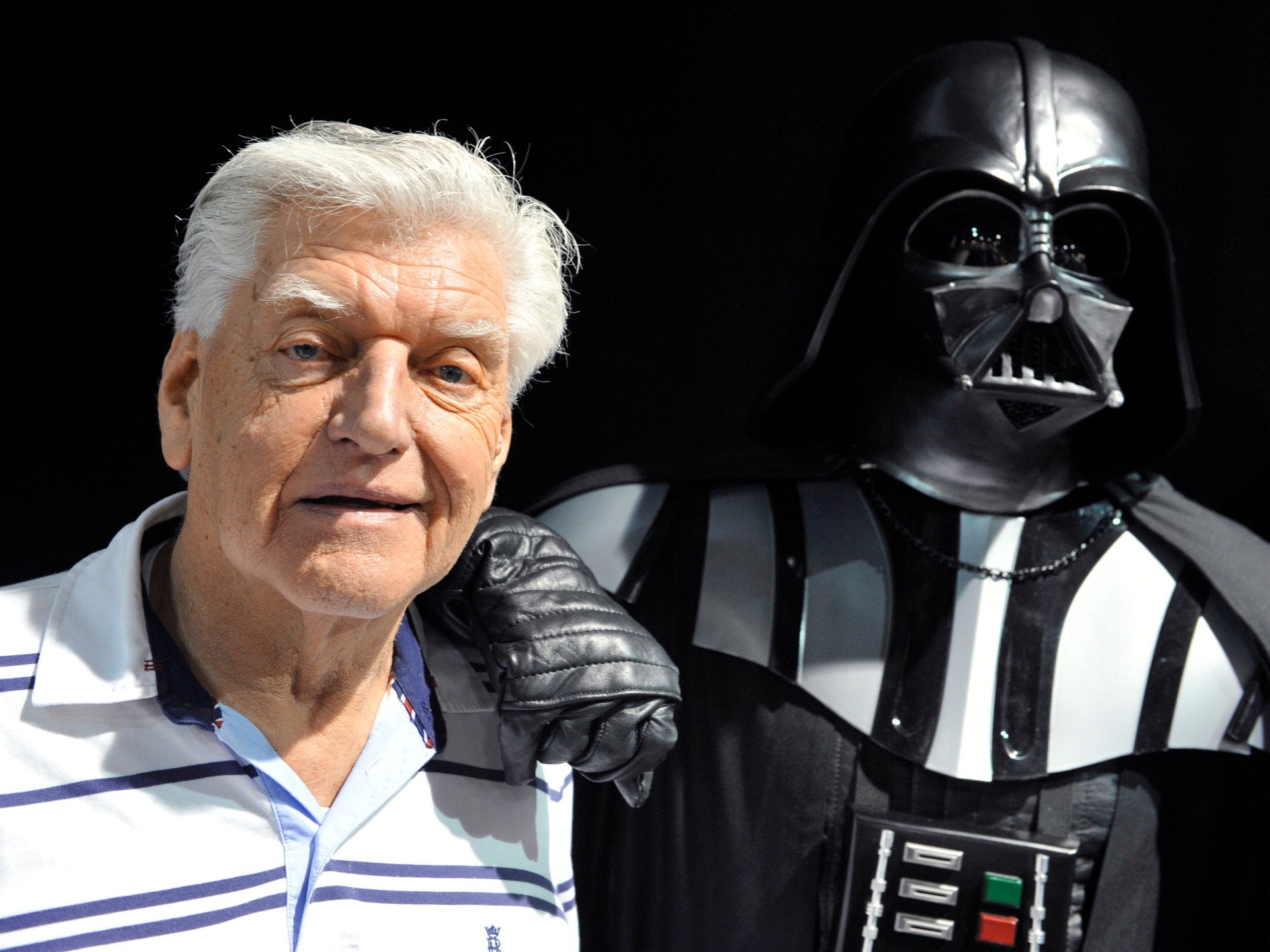
Darth Vader’s introduction marked one of the most visually and emotionally powerful villain debuts in cinematic history. His imposing black armor, mechanical breathing, and commanding voice created an unforgettable stage presence. Unlike purely malicious villains, Vader’s complexity stemmed from a tragic origin, blending fear with emotional depth. This duality allowed audiences to view him as both tyrant and fallen hero.
The character’s performance style emphasized physicality and symbolism. His slow movements, minimal dialogue, and iconic silhouette conveyed authority without excess. As the narrative unfolded, Vader’s backstory added layers of tragedy, transforming him into a character defined by loss, manipulation, and internal conflict. This nuanced portrayal elevated him beyond traditional antagonists.
Throughout the franchise, Vader’s career trajectory shifted from ruthless enforcer to redeemed figure. His role in shaping the galactic narrative gave him cultural significance that extended across generations. The reveal of his identity became one of cinema’s most famous twists, further cementing his place in film history.
In recent decades, Darth Vader’s global impact has remained immense. He symbolizes redemption, power, and the consequences of moral compromise. From merchandise to academic analysis, his legacy continues to influence storytelling, making him one of the most enduring villains ever created.
Key Facts
- Full name of the subject: Anakin Skywalker / Darth Vader
- Date of birth: Fictional timeline (Star Wars universe)
- Place of birth: Tatooine
- Family background: Raised by a single mother
- Early childhood experiences: Enslavement and separation from mother
- Education history: Jedi Order training
- Influences and mentors: Obi-Wan Kenobi, Emperor Palpatine
- Career beginnings: Jedi Knight
- Major achievements: Enforcer of the Galactic Empire
- Challenges and obstacles faced: Internal conflict and physical injuries
- Turning points in life: Fall to the dark side
- Contributions to society: Redemption and defeat of Emperor
- Personal life (marriage, children, relationships): Married Padmé Amidala, father of Luke and Leia
- Awards and recognitions: Iconic cinematic villain status
- Beliefs, values, or philosophy: Order through power
- Legacy and impact: Symbol of tragic villainy and redemption
- Historical or cultural significance: One of cinema’s most recognizable figures
Notable Works: Star Wars: A New Hope, The Empire Strikes Back, Return of the Jedi, Revenge of the Sith, Rogue One
3. The Joker
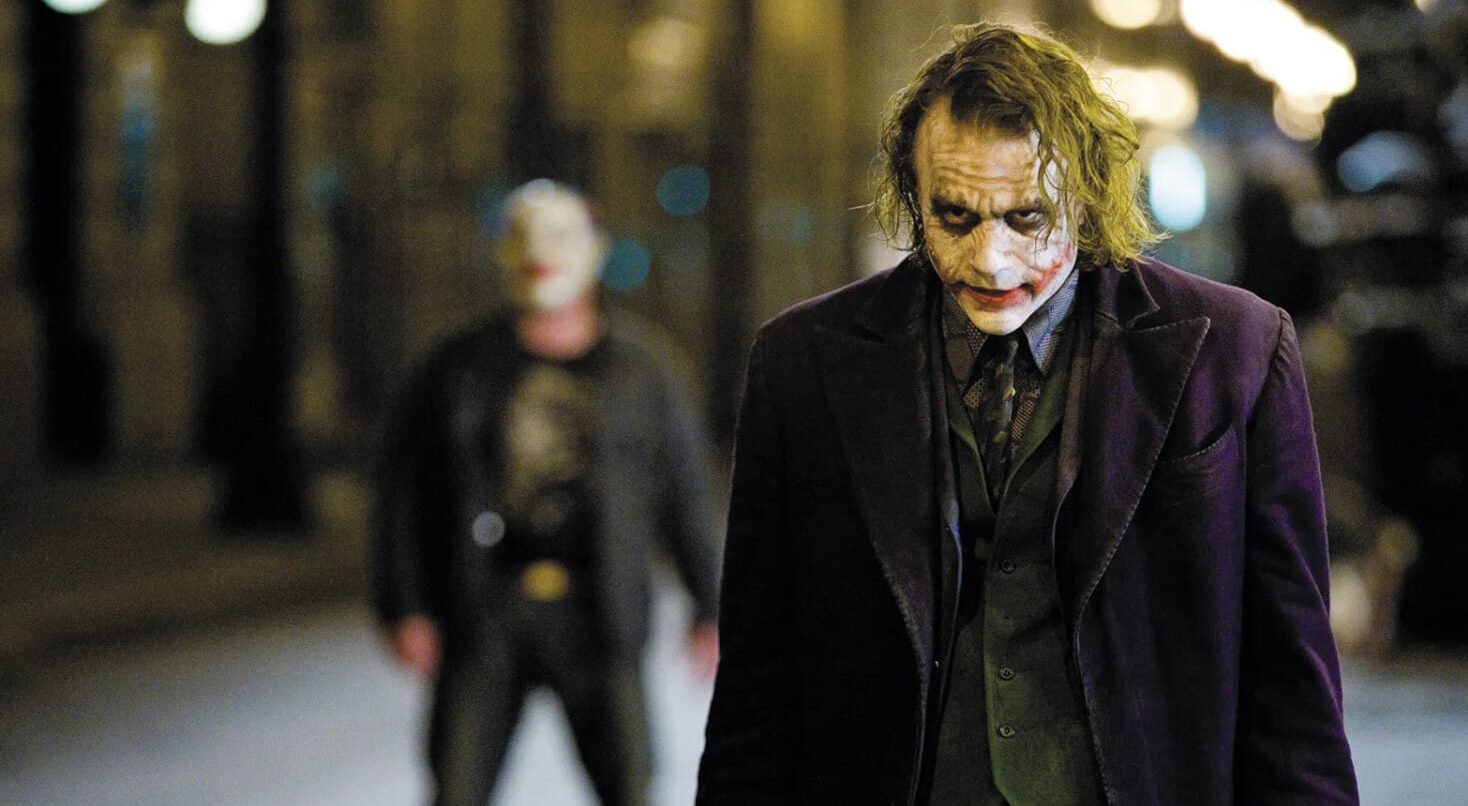
The Joker stands as one of the most unpredictable and philosophically complex villains in film history. His stage presence thrives on chaos, unpredictability, and theatricality. Unlike structured antagonists, the Joker represents anarchy, challenging societal norms and moral boundaries. His performances across various films have highlighted different interpretations, each adding depth to his enduring legacy.
The character’s performance style varies from comedic menace to psychological instability. His unpredictable behavior, eccentric appearance, and provocative dialogue create tension rooted in uncertainty. This dynamic portrayal allows the Joker to evolve with each cinematic adaptation, making him one of the most versatile villains ever depicted.
Throughout his cinematic journey, the Joker has become a symbol of societal breakdown and philosophical rebellion. His confrontations with heroes often explore themes of morality, identity, and chaos. These intellectual dimensions have elevated the character beyond simple villainy into cultural commentary.
In recent years, the Joker’s global impact has intensified, influencing fashion, performance art, and storytelling. His legacy lies in embodying chaos as both destructive and thought-provoking. As a cinematic villain, he continues to redefine unpredictability and psychological depth.
Key Facts
- Full name of the subject: The Joker (various identities)
- Date of birth: Fictional
- Place of birth: Gotham City (varies by adaptation)
- Family background: Unknown
- Early childhood experiences: Often portrayed as traumatic or mysterious
- Education history: Unspecified
- Influences and mentors: None; self-defined
- Career beginnings: Criminal mastermind
- Major achievements: Iconic nemesis of Batman
- Challenges and obstacles faced: Constant conflict with law enforcement
- Turning points in life: Transformation into Joker persona
- Contributions to society: Cultural symbol of chaos
- Personal life (marriage, children, relationships): Complex and inconsistent portrayals
- Awards and recognitions: Associated performances won major awards
- Beliefs, values, or philosophy: Chaos over order
- Legacy and impact: Redefined anarchic villain archetype
- Historical or cultural significance: One of cinema’s most interpreted villains
Notable Works: The Dark Knight, Joker, Batman (1989), Suicide Squad, The Batman (influence)
4. Nurse Ratched

Nurse Ratched’s villainy is rooted in quiet authority and institutional control rather than overt violence. Her stage presence is defined by calm composure, rigid posture, and measured speech, which creates an unsettling atmosphere. Instead of dramatic outbursts, she maintains emotional restraint, using psychological pressure to dominate those around her. This subtlety makes her one of the most disturbing antagonists in cinematic history.
Her performance style revolves around manipulation disguised as professionalism. Through passive-aggressive communication and unwavering enforcement of rules, she exerts control over vulnerable individuals. The character’s power lies in her ability to maintain order while suppressing individuality, making her villainy both believable and chilling.
As the narrative unfolds, Nurse Ratched’s role becomes symbolic of oppressive authority. Her conflicts with rebellious characters highlight themes of conformity versus freedom. This dynamic elevated her beyond a simple antagonist, positioning her as a representation of systemic oppression within institutions.
Over time, Nurse Ratched’s cultural influence has grown significantly. She became the blueprint for cold, bureaucratic villains who wield power through systems rather than weapons. Her legacy remains a powerful commentary on authority and psychological control in storytelling.
Key Facts
- Full name of the subject: Mildred Ratched
- Date of birth: Fictional
- Place of birth: United States (fictional)
- Family background: Limited canonical details
- Early childhood experiences: Not extensively documented
- Education history: Nursing training
- Influences and mentors: Institutional hierarchy
- Career beginnings: Psychiatric ward nurse
- Major achievements: Iconic authoritarian antagonist
- Challenges and obstacles faced: Resistance from patients
- Turning points in life: Conflict with rebellious patients
- Contributions to society: Symbolic critique of institutional power
- Personal life (marriage, children, relationships): Not explored
- Awards and recognitions: Associated film won multiple Academy Awards
- Beliefs, values, or philosophy: Order through strict control
- Legacy and impact: Archetype for bureaucratic villains
- Historical or cultural significance: Symbol of oppressive authority
Notable Works: One Flew Over the Cuckoo’s Nest, Ratched (influence), Cultural references, Film adaptations, Television adaptations
5. Hans Landa
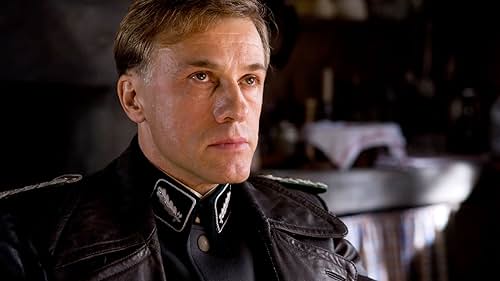
Hans Landa’s introduction established him as a charismatic yet terrifying villain. His stage presence combines politeness with underlying menace, allowing tension to build gradually. Unlike loud antagonists, Landa uses conversation as his primary weapon, turning dialogue into psychological warfare. This approach creates suspense through intellect and manipulation.
His performance style is multilingual, composed, and methodical. He often appears friendly and courteous, yet his ability to shift tone instantly makes him unpredictable. This contrast enhances his intimidation factor and demonstrates how intelligence can be used as a tool of control.
As the narrative progresses, Hans Landa emerges as a calculating opportunist. His motivations are driven by self-interest rather than ideology, adding complexity to his characterization. This pragmatic villainy distinguishes him from traditional antagonists motivated purely by hatred or power.
Hans Landa’s global impact lies in redefining conversational menace. His character influenced portrayals of villains who rely on charm and intelligence. He remains one of the most memorable antagonists of modern cinema.
Key Facts
- Full name of the subject: Colonel Hans Landa
- Date of birth: Fictional (World War II era)
- Place of birth: Austria (fictional background)
- Family background: Not extensively detailed
- Early childhood experiences: Unknown
- Education history: Military and intelligence training
- Influences and mentors: Nazi command structure
- Career beginnings: SS officer
- Major achievements: Notorious antagonist in wartime narrative
- Challenges and obstacles faced: Navigating shifting allegiances
- Turning points in life: Opportunistic decisions during war
- Contributions to society: Cultural commentary on opportunism
- Personal life (marriage, children, relationships): Not explored
- Awards and recognitions: Associated performance received major awards
- Beliefs, values, or philosophy: Self-preservation and opportunism
- Legacy and impact: Model for charismatic villains
- Historical or cultural significance: Representation of calculated menace
Notable Works: Inglourious Basterds, Cultural references, Film analyses, Historical fiction adaptations, Cinematic studies
6. Norman Bates
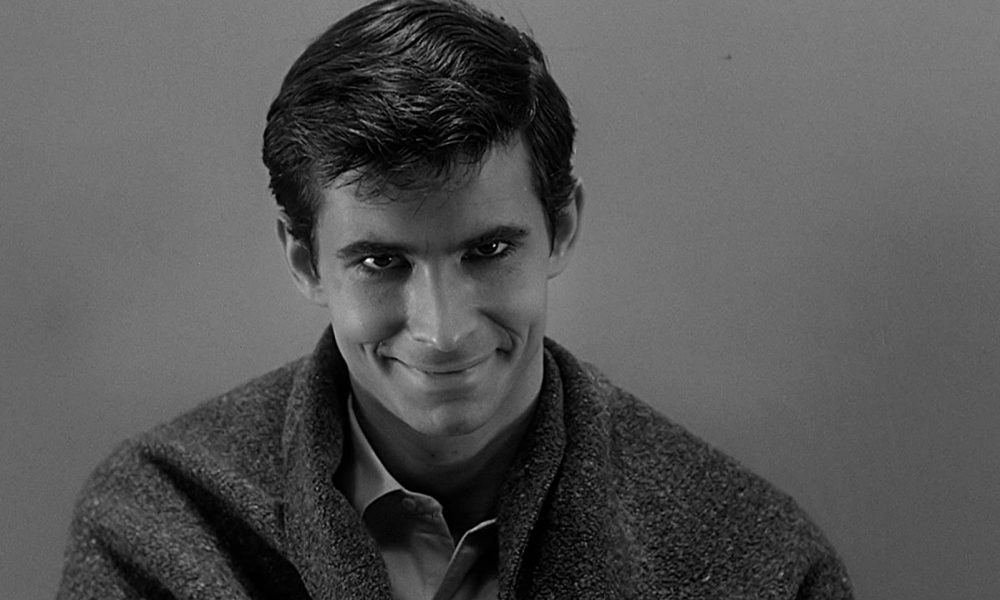
Norman Bates introduced audiences to a new form of psychological horror. His stage presence is intentionally unassuming, presenting him as shy and awkward. This contrast between appearance and actions creates deep suspense. The subtlety of his demeanor made his transformation into a villain more shocking and impactful.
His performance style blends vulnerability with menace. Norman’s nervous speech and polite behavior mask a fractured psyche. This layered portrayal helped redefine horror villains as psychologically complex individuals rather than purely monstrous figures.
Throughout the narrative, Norman Bates’ character evolves through revelations about identity and trauma. His story emphasizes themes of isolation, repression, and mental instability. These elements contributed to the film’s groundbreaking approach to suspense and character-driven horror.
Norman Bates’ influence continues to shape psychological thrillers. His legacy lies in demonstrating how ordinary individuals can become terrifying antagonists. This realism solidified his place among cinema’s most enduring villains.
Key Facts
- Full name of the subject: Norman Bates
- Date of birth: Fictional
- Place of birth: United States
- Family background: Raised by domineering mother
- Early childhood experiences: Isolation and psychological trauma
- Education history: Limited formal education
- Influences and mentors: Mother figure
- Career beginnings: Motel manager
- Major achievements: Iconic psychological horror antagonist
- Challenges and obstacles faced: Internal psychological conflict
- Turning points in life: Identity split
- Contributions to society: Cultural impact on horror genre
- Personal life (marriage, children, relationships): Complex maternal bond
- Awards and recognitions: Associated film widely acclaimed
- Beliefs, values, or philosophy: Distorted identity perception
- Legacy and impact: Redefined psychological horror villains
- Historical or cultural significance: Influential character in suspense cinema
Notable Works: Psycho, Psycho II, Psycho III, Psycho IV, Bates Motel
7. Anton Chigurh

Anton Chigurh stands out for his cold, emotionless approach to violence. His stage presence is minimalist, with calm expressions and deliberate movements. This lack of emotional display intensifies his unpredictability. He embodies inevitability, creating fear through quiet determination.
His performance style is philosophical and detached. Chigurh’s use of coin tosses to decide fate introduces themes of randomness and destiny. This symbolic behavior elevates him beyond a typical antagonist, positioning him as a force of nature rather than a conventional villain.
As the narrative unfolds, Anton Chigurh’s relentless pursuit highlights his unwavering principles. He operates according to his own moral code, which remains consistent regardless of consequences. This discipline adds depth to his characterization.
Anton Chigurh’s global impact lies in redefining minimalistic villainy. His quiet menace influenced modern thrillers and demonstrated the power of restraint. His legacy remains tied to philosophical interpretations of fate and morality.
Key Facts
- Full name of the subject: Anton Chigurh
- Date of birth: Fictional
- Place of birth: Unspecified (often associated with Spanish background)
- Family background: Unknown
- Early childhood experiences: Not detailed
- Education history: Not specified
- Influences and mentors: Self-defined philosophy
- Career beginnings: Contract killer
- Major achievements: Iconic modern thriller antagonist
- Challenges and obstacles faced: Constant pursuit and violence
- Turning points in life: Adoption of philosophical code
- Contributions to society: Cultural exploration of fate and morality
- Personal life (marriage, children, relationships): Not explored
- Awards and recognitions: Associated performance received major awards
- Beliefs, values, or philosophy: Deterministic worldview
- Legacy and impact: Minimalist villain archetype
- Historical or cultural significance: Influential modern antagonist
Notable Works: No Country for Old Men, Cultural references, Film studies, Thriller analyses, Character retrospectives
8. Lord Voldemort
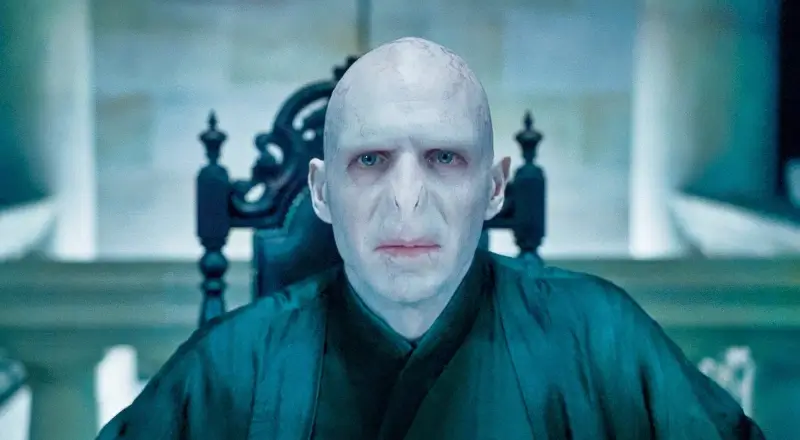
Lord Voldemort’s presence in cinema is defined by fear, mystique, and overwhelming power. From his earliest appearance, the character embodied pure ambition and obsession with immortality. His stage presence relies on cold detachment, controlled speech, and an aura of authority that dominates every scene. This calculated menace made him one of the most recognizable villains in modern fantasy cinema.
His performance style blends theatrical intensity with emotional restraint. Voldemort’s minimal expressions and deliberate movements reinforce his inhuman persona. Unlike impulsive antagonists, he operates strategically, manipulating followers and orchestrating events from behind the scenes. This intellectual approach elevated his characterization beyond traditional fantasy villains.
As the narrative unfolds, Voldemort’s career trajectory reflects a gradual rise to power. His transformation from a gifted student into a feared dark wizard adds psychological depth. Each milestone forming alliances, regaining physical form, and waging war strengthens his cultural relevance and dramatic impact.
In recent years, Lord Voldemort’s global influence has expanded across generations. His character represents themes of fear, prejudice, and the corrupting nature of power. His legacy continues to shape modern fantasy antagonists, solidifying his place among cinema’s most iconic villains.
Key Facts
- Full name of the subject: Tom Marvolo Riddle / Lord Voldemort
- Date of birth: Fictional (1926 in canon)
- Place of birth: London, England
- Family background: Mixed magical and non-magical heritage
- Early childhood experiences: Raised in orphanage
- Education history: Hogwarts School of Witchcraft and Wizardry
- Influences and mentors: Dark magic practitioners
- Career beginnings: Talented student fascinated by immortality
- Major achievements: Leader of dark wizard movement
- Challenges and obstacles faced: Defeat and loss of physical form
- Turning points in life: Creation of Horcruxes
- Contributions to society: Cultural symbol of ultimate evil
- Personal life (marriage, children, relationships): Limited emotional connections
- Awards and recognitions: Associated franchise global success
- Beliefs, values, or philosophy: Supremacy and immortality
- Legacy and impact: Influential fantasy villain archetype
- Historical or cultural significance: One of the most famous modern antagonists
Notable Works: Harry Potter and the Sorcerer’s Stone, Goblet of Fire, Order of the Phoenix, Half-Blood Prince, Deathly Hallows Parts 1 & 2
9. Agent Smith
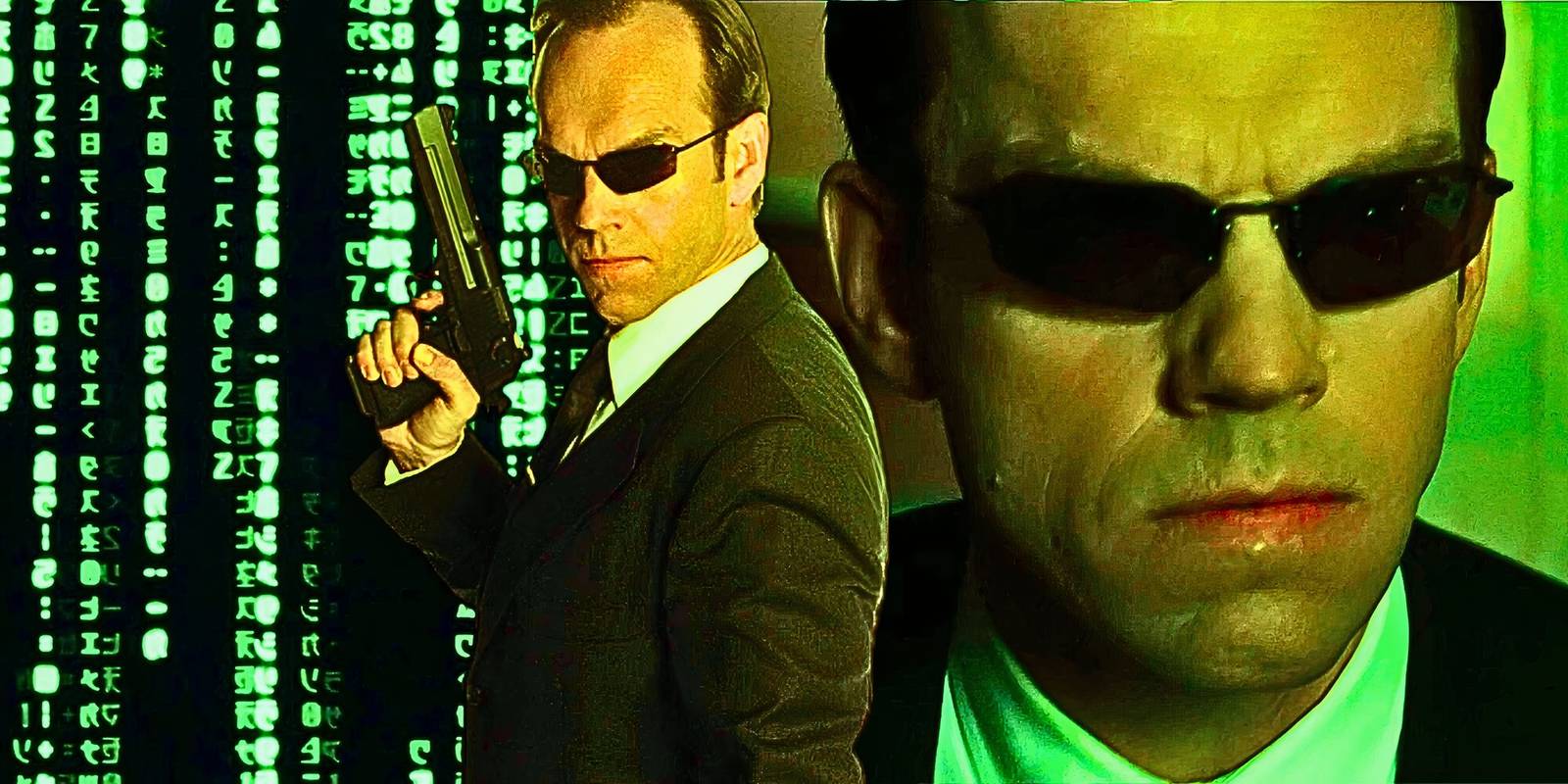
Agent Smith introduced a new type of villain grounded in philosophical and technological themes. His stage presence is rigid and composed, reflecting his role as an artificial intelligence enforcer. His calm demeanor and controlled speech create a chilling contrast with his violent actions. This restrained authority made him a standout antagonist in science fiction cinema.
His performance style emphasizes repetition and monotony, reinforcing his mechanical nature. Smith’s calculated movements and emotionless tone highlight his identity as a system-driven entity. However, as the narrative progresses, his growing independence introduces unpredictability and complexity.
Agent Smith’s trajectory evolves from loyal program to self-aware antagonist. His rebellion against both humans and machines adds layers to his characterization. This transformation elevated him from a standard villain to a philosophical embodiment of control and chaos.
In terms of global impact, Agent Smith influenced portrayals of AI villains. His character explores themes of identity, freedom, and systemic control. His legacy remains central to discussions of technology and humanity in cinema.
Key Facts
- Full name of the subject: Agent Smith
- Date of birth: Fictional program
- Place of birth: The Matrix (virtual environment)
- Family background: Artificial intelligence construct
- Early childhood experiences: Programmed existence
- Education history: System-based learning
- Influences and mentors: Machine intelligence
- Career beginnings: Enforcer within the Matrix
- Major achievements: Self-aware antagonist
- Challenges and obstacles faced: Conflict with humans and machines
- Turning points in life: Gaining independence from system
- Contributions to society: Cultural exploration of AI themes
- Personal life (marriage, children, relationships): Not applicable
- Awards and recognitions: Associated franchise critical acclaim
- Beliefs, values, or philosophy: Order, later chaos and domination
- Legacy and impact: Influential AI villain archetype
- Historical or cultural significance: Symbol of technological fear
Notable Works: The Matrix, The Matrix Reloaded, The Matrix Revolutions, The Matrix Resurrections (influence), Franchise spin-offs
10. The Wicked Witch of the West
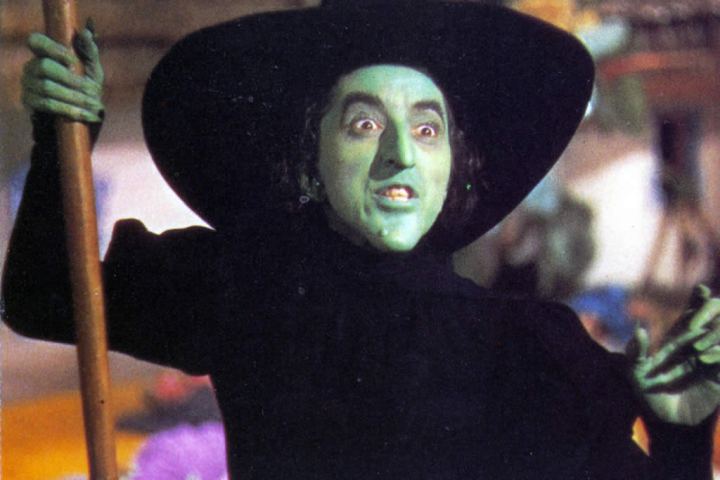
The Wicked Witch of the West remains one of cinema’s earliest and most enduring villains. Her stage presence is theatrical, dramatic, and visually striking. From her distinctive costume to her commanding voice, she created an unforgettable impression that shaped early villain portrayals. Her exaggerated gestures and expressive performance added intensity to fantasy storytelling.
Her performance style relies on theatrical villainy, blending menace with dramatic flair. Unlike subtle antagonists, she embraces spectacle, using laughter, spells, and dramatic entrances. This heightened approach reflected the cinematic style of her era and helped define classic fantasy antagonists.
Throughout her narrative arc, the Wicked Witch’s motivations center on revenge and control. Her pursuit of power and conflict with the protagonists established a clear moral contrast. This simplicity allowed her to become a timeless representation of evil in children’s and family cinema.
Her global impact is immense, influencing decades of fantasy villains. The Wicked Witch became a cultural icon, referenced in literature, theater, and film. Her legacy lies in establishing visual and thematic standards for classic antagonists.
Key Facts
- Full name of the subject: The Wicked Witch of the West
- Date of birth: Fictional
- Place of birth: Land of Oz
- Family background: Sister to the Wicked Witch of the East (varies by adaptation)
- Early childhood experiences: Not extensively detailed
- Education history: Magical training (fictional)
- Influences and mentors: Magical traditions
- Career beginnings: Powerful sorceress
- Major achievements: Iconic early cinematic villain
- Challenges and obstacles faced: Defeat by protagonists
- Turning points in life: Death of sister leading to revenge
- Contributions to society: Cultural symbol of classic villainy
- Personal life (marriage, children, relationships): Not explored
- Awards and recognitions: Associated film historic success
- Beliefs, values, or philosophy: Power and revenge
- Legacy and impact: Blueprint for fantasy villains
- Historical or cultural significance: One of cinema’s earliest iconic antagonists
Notable Works: The Wizard of Oz, Oz the Great and Powerful (influence), Wicked (adaptations), Stage adaptations, Cultural references
Notable Mentions:
Michael Myers
Freddy Krueger
Scar
Thanos
Bane