
Top 10 Actors With Most Emotional Breakdown Scenes Ever Acted in Cinema History
Top 10 Actors With Most Emotional Breakdown Scenes Ever Acted in Cinema History
In This Content
Quick List
Viola Davis
Meryl Streep
Daniel Day-Lewis
Ellen Burstyn
Tom Hanks
Toni Collette
Leonardo DiCaprio
Cate Blanchett
Joaquin Phoenix
Emma Thompson
1. Viola Davis
Viola Davis is widely regarded as one of the most emotionally powerful performers in contemporary cinema, known for breakdown scenes that feel less performed and more lived through in real time. Born in South Carolina and raised in Rhode Island, Davis grew up in poverty, an experience that deeply shaped her emotional authenticity and understanding of human vulnerability. These early life struggles became the emotional foundation of her acting approach.

She trained at Juilliard, where she developed a disciplined technique grounded in emotional truth and controlled intensity. Early in her career, Davis worked extensively in theatre and supporting film roles, building a reputation for delivering brief but unforgettable emotional moments. Her acting style is marked by a controlled buildup that often erupts into raw, unfiltered emotional release.
Her breakthrough came in Doubt (2008), where a single scene opposite Meryl Streep delivered one of the most powerful emotional breakdowns in modern cinema. However, it was Fences (2016) that fully cemented her legacy, particularly in her portrayal of Rose Maxson, where suppressed emotional pain erupts into devastating confrontation. The breakdown scenes feel structurally unavoidable, as if years of emotional restraint collapse in real time.
Davis’s legacy lies in redefining emotional breakdowns as structural inevitability rather than dramatic spectacle, influencing modern acting toward deeper emotional realism.
Key Facts
- Full name of the subject: Viola Davis
- Date of birth: August 11, 1965
- Place of birth: St. Matthews, South Carolina, United States
- Family background: Working-class family with financial hardship
- Early childhood experiences: Grew up in poverty and unstable housing conditions
- Education history: Juilliard School
- Influences and mentors: Theatre educators and classical stage tradition
- Career beginnings: Theatre and small television roles
- Major achievements: Academy Award, Emmy, Tony Award winner
- Challenges and obstacles faced: Poverty and lack of early industry access
- Turning points in life: Breakthrough in Doubt
- Contributions to society: Advocacy for equality in arts representation
- Personal life (marriage, children, relationships): Married to Julius Tennon, one adopted daughter
- Awards and recognitions: Academy Award, Emmy Awards, Tony Awards
- Beliefs, values, or philosophy: Emotional truth through lived experience
- Legacy and impact: Redefined modern emotional performance intensity
- Historical or cultural significance: First African-American to achieve EGOT-level recognition
Notable Works: Fences, Doubt, The Help, How to Get Away with Murder, Widows
Controversies:
Viola Davis has occasionally been part of public discourse regarding representation and pay equity in Hollywood. These discussions are not allegations of misconduct but reflect broader structural debates within the film and television industry.
The context arises from her public statements addressing wage disparities and limited opportunities for women of color in leading roles. Industry stakeholders, including studios, advocacy groups, and critics, have engaged in ongoing debate about equity in casting and compensation.
There are no legal disputes or institutional findings against Davis. The matter remains a systemic industry issue rather than a personal controversy, with her commentary contributing to broader reform conversations.
2. Meryl Streep
Meryl Streep’s emotional breakdown scenes are defined by technical precision fused with overwhelming emotional authenticity, creating performances that feel both controlled and devastatingly human. Raised in New Jersey in an academically driven household, she developed an early appreciation for language, emotional nuance, and structured expression. This intellectual foundation informs her highly disciplined acting style.

Trained at Yale School of Drama, Streep built her career on versatility, mastering accents, emotional transitions, and psychological complexity. Her breakdown scenes are rarely explosive in a traditional sense; instead, they unfold through layered emotional shifts that gradually expose internal collapse.
Her breakthrough emotional performance in Sophie’s Choice (1982) remains one of cinema’s most devastating portrayals of psychological trauma, where suppressed grief manifests in controlled but unbearable emotional rupture. The breakdown is not theatrical it is contained devastation, making it even more powerful.
Streep’s legacy lies in redefining emotional breakdown as quiet psychological erosion rather than overt collapse, influencing generations of dramatic performance.
Key Facts
- Full name of the subject: Mary Louise Streep
- Date of birth: June 22, 1949
- Place of birth: Summit, New Jersey, United States
- Family background: Educated middle-class family
- Early childhood experiences: Strong academic and artistic upbringing
- Education history: Yale School of Drama
- Influences and mentors: Classical theatre tradition
- Career beginnings: Stage theatre and early film roles
- Major achievements: Multiple Academy Awards
- Challenges and obstacles faced: Pressure of early critical acclaim
- Turning points in life: Breakthrough in Kramer vs. Kramer
- Contributions to society: Advocacy for women in film
- Personal life (marriage, children, relationships): Married to Don Gummer, children
- Awards and recognitions: Academy Awards, Golden Globes
- Beliefs, values, or philosophy: Emotional truth through discipline
- Legacy and impact: Elevated emotional realism in acting
- Historical or cultural significance: Redefined dramatic female performance standards
Notable Works: Sophie’s Choice, Kramer vs. Kramer, The Devil Wears Prada, The Iron Lady, Doubt
Controversies:
Meryl Streep has been involved in public discourse surrounding political expression by artists, particularly regarding speeches and public commentary at award ceremonies. These discussions are not allegations but cultural debates about the role of actors in political dialogue.
The context stems from her acceptance speeches and public advocacy on social issues, which have occasionally drawn polarized reactions. Critics argue about separation of art and politics, while supporters defend her right to expression.
There are no legal or professional controversies involving Streep. The issue remains within cultural interpretation of celebrity influence.
3. Daniel Day-Lewis
Daniel Day-Lewis is synonymous with immersive emotional breakdown performances, often achieving levels of psychological depth that blur the line between actor and character. Born in London into an intellectually and artistically rich family, he was exposed early to literature and performance arts, shaping his intensely method-driven approach.
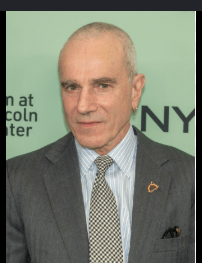
He trained at Bristol Old Vic Theatre School and began his career in theatre, where he developed an uncompromising dedication to character embodiment. Day-Lewis is known for prolonged immersion in roles, often remaining in character off-camera to maintain psychological continuity.
His breakthrough emotional breakdown performance in My Left Foot (1989) established his reputation for physical and emotional transformation. However, it was There Will Be Blood (2007) that defined his ability to portray psychological collapse on a monumental scale. His portrayal of Daniel Plainview features escalating emotional deterioration, culminating in a breakdown driven by isolation, greed, and internal moral decay.
Day-Lewis’s legacy is defined by total immersion acting, where emotional breakdown becomes an existential transformation rather than a scene.
Key Facts
- Full name of the subject: Sir Daniel Michael Blake Day-Lewis
- Date of birth: April 29, 1957
- Place of birth: London, England
- Family background: Artistic and literary family
- Early childhood experiences: Exposure to film and literature
- Education history: Bristol Old Vic Theatre School
- Influences and mentors: Method acting tradition
- Career beginnings: British theatre and early film roles
- Major achievements: Three Academy Awards
- Challenges and obstacles faced: Intense emotional immersion demands
- Turning points in life: Breakthrough in My Left Foot
- Contributions to society: Support for arts education
- Personal life (marriage, children, relationships): Married to Rebecca Miller, children
- Awards and recognitions: Academy Awards, BAFTA Awards
- Beliefs, values, or philosophy: Total character immersion
- Legacy and impact: Defined modern method acting extremes
- Historical or cultural significance: Set global benchmark for immersive performance
Notable Works: There Will Be Blood, My Left Foot, Lincoln, Gangs of New York, Phantom Thread
Controversies:
Daniel Day-Lewis has faced occasional debate regarding the intensity of his method acting practices and their implications for film production environments. These discussions are interpretive rather than accusatory.
The context arises from reports of his prolonged character immersion during filming, which some industry professionals view as creatively exceptional while others consider logistically challenging.
There are no legal disputes or formal controversies involving Day-Lewis. The discourse remains within artistic methodology debates rather than personal or professional misconduct.
4. Ellen Burstyn
Ellen Burstyn’s emotional breakdown scenes are regarded as some of the most harrowing in cinematic history, defined by unflinching realism, psychological honesty, and a willingness to expose human vulnerability without restraint. Born in Detroit, Michigan, she grew up in a working-class household that instilled resilience and emotional awareness. Her early life experiences shaped her understanding of struggle, which later became central to her acting identity.
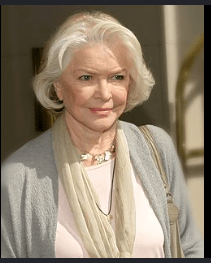
She began her career in theatre and television under the stage name Ellen McRae before transitioning into film during the New Hollywood era. Burstyn’s acting style is deeply rooted in psychological realism, where emotional breakdowns are not performed but gradually revealed through escalating internal pressure.
Her breakthrough performance in The Exorcist (1973) remains one of the most intense emotional breakdown sequences ever filmed. The possession storyline allows her to portray a mother’s descent into helpless terror, culminating in a visceral physical and emotional collapse that feels disturbingly authentic. In Requiem for a Dream (2000), she delivered another defining breakdown as Sara Goldfarb, where addiction and delusion fracture her sense of reality in devastating slow motion.
Burstyn’s legacy lies in redefining emotional breakdowns as sustained psychological disintegration rather than isolated dramatic moments, influencing generations of actors in realism-based performance.
Key Facts
- Full name of the subject: Ellen Burstyn
- Date of birth: December 7, 1932
- Place of birth: Detroit, Michigan, United States
- Family background: Working-class American family
- Early childhood experiences: Financial hardship and emotional resilience
- Education history: Studied acting in Dallas and New York
- Influences and mentors: Method acting pioneers and theatre tradition
- Career beginnings: Stage theatre and early television roles
- Major achievements: Academy Award winner
- Challenges and obstacles faced: Late recognition in film industry
- Turning points in life: Breakthrough in The Exorcist
- Contributions to society: Advocacy for women and mental health awareness
- Personal life (marriage, children, relationships): Multiple marriages
- Awards and recognitions: Academy Award, Emmy Awards, Tony Award
- Beliefs, values, or philosophy: Emotional truth through lived experience
- Legacy and impact: Defined psychological realism in breakdown acting
- Historical or cultural significance: Influenced modern portrayals of trauma in cinema
Notable Works: The Exorcist, Requiem for a Dream, Alice Doesn’t Live Here Anymore, Resurrection, Pieces of a Woman
Controversies:
Ellen Burstyn has been part of occasional cultural discussions regarding the intensity of The Exorcist and its impact on audiences during its release. These discussions are interpretive rather than accusatory.
The context stems from reports of audience reactions to the film’s extreme psychological horror elements, which led to debates about the emotional impact of cinematic realism. Critics and scholars analyzed whether such portrayals should include stronger content warnings.
There are no legal disputes or professional controversies involving Burstyn. The discourse remains within historical and cultural analysis of film reception.
5. Tom Hanks
Tom Hanks is known for emotionally grounded breakdown scenes that rely on restrained vulnerability, gradual emotional erosion, and deeply humanistic storytelling. Born in Concord, California, he experienced a childhood marked by family instability following his parents’ divorce, shaping his emotional sensitivity and observational depth.

He began his acting career in television sitcoms before transitioning into film, where his natural relatability quickly distinguished him from more theatrical performers. Hanks’s emotional breakdowns are characterized by subtle progression rather than explosive outbursts, making them feel universally relatable.
His breakthrough emotional performance in Philadelphia (1993) included one of cinema’s most restrained yet powerful emotional collapses, where internalized suffering surfaces through controlled vulnerability. In Cast Away (2000), his breakdown scenes reflect psychological isolation, grief, and existential despair, particularly in moments of solitude and loss.
Hanks’s legacy lies in redefining emotional breakdowns as quiet human fragility, making vulnerability accessible and profoundly relatable to global audiences.
Key Facts
- Full name of the subject: Thomas Jeffrey Hanks
- Date of birth: July 9, 1956
- Place of birth: Concord, California, United States
- Family background: Divorced working-class family
- Early childhood experiences: Frequent relocation and emotional adjustment
- Education history: California State University, Sacramento (attended)
- Influences and mentors: American theatre and comedy tradition
- Career beginnings: Television sitcoms and supporting film roles
- Major achievements: Two Academy Awards
- Challenges and obstacles faced: Early career instability
- Turning points in life: Breakthrough in Big
- Contributions to society: Veterans and humanitarian advocacy
- Personal life (marriage, children, relationships): Married to Rita Wilson, children
- Awards and recognitions: Academy Awards, Golden Globes
- Beliefs, values, or philosophy: Humanistic storytelling and emotional authenticity
- Legacy and impact: Defined modern empathetic acting style
- Historical or cultural significance: One of cinema’s most universally beloved actors
Notable Works: Forrest Gump, Philadelphia, Cast Away, Saving Private Ryan, Big
Controversies:
Tom Hanks has been part of occasional public discourse regarding the emotional realism of his roles and the impact of historically based films on public memory. These discussions are interpretive rather than accusatory.
The context arises from his involvement in films depicting real historical events, where critics sometimes examine the balance between dramatization and historical accuracy. Scholars and media analysts have debated audience perception of fictionalized history.
There are no legal or professional controversies involving Hanks. The discussions remain within cultural and academic analysis of historical storytelling in cinema.
6. Toni Collette
Toni Collette is widely recognized for emotionally explosive breakdown performances that combine psychological realism with unpredictable intensity. Born in Sydney, Australia, she grew up in a modest household where emotional expression and creativity were encouraged. Her early exposure to theatre shaped her instinctive and deeply expressive acting style.

She began her career in Australian theatre and film before gaining international recognition for her ability to portray emotionally complex characters. Collette’s breakdown scenes are marked by rapid emotional transitions, where grief, anger, and fear coexist within tightly controlled performances.
Her breakthrough emotional performance in Hereditary (2018) is considered one of the most intense psychological breakdown portrayals in modern horror cinema. The infamous dining table and confrontation sequences showcase escalating emotional collapse that feels both theatrical and disturbingly real. Her performance blurs the boundary between horror genre acting and psychological tragedy.
Collette’s legacy lies in redefining emotional breakdowns within genre cinema, elevating horror performances to high dramatic realism.
Key Facts
- Full name of the subject: Toni Collette
- Date of birth: November 1, 1972
- Place of birth: Sydney, Australia
- Family background: Working-class Australian family
- Early childhood experiences: Early interest in performance and storytelling
- Education history: National Institute of Dramatic Art (NIDA)
- Influences and mentors: Australian theatre tradition
- Career beginnings: Australian television and film
- Major achievements: Academy Award nomination
- Challenges and obstacles faced: International recognition transition
- Turning points in life: Breakthrough in The Sixth Sense
- Contributions to society: Mental health awareness advocacy
- Personal life (marriage, children, relationships): Married, children
- Awards and recognitions: Emmy Awards, Golden Globe
- Beliefs, values, or philosophy: Emotional honesty in performance
- Legacy and impact: Redefined emotional intensity in genre films
- Historical or cultural significance: Elevated horror acting to dramatic prestige
Notable Works: Hereditary, The Sixth Sense, Little Miss Sunshine, United States of Tara, Muriel’s Wedding
Controversies:
Toni Collette has been involved in limited public discussion regarding genre classification of horror performances in award recognition contexts. These discussions are not allegations but reflect broader industry debates.
The context arises from recurring conversations about whether horror performances receive equal recognition in major award categories. Critics and industry professionals have debated genre bias in award systems.
There are no legal disputes or professional controversies involving Collette. The discourse remains within industry analysis of genre recognition standards.
7. Leonardo DiCaprio
Leonardo DiCaprio’s emotional breakdown scenes are defined by escalating psychological pressure, intense physical performance, and controlled emotional implosion. Born in Los Angeles, he grew up in a creative environment near Hollywood, which exposed him early to the entertainment industry and shaped his competitive artistic drive.

He began acting as a child in television commercials and sitcoms before transitioning into film roles that showcased emotional depth beyond his years. DiCaprio’s breakdown performances are often built on progressive emotional deterioration, where ambition, guilt, and trauma intersect.
His breakthrough emotional performance in The Revenant (2015) includes multiple physical and psychological breakdown sequences driven by survival trauma and isolation. In The Wolf of Wall Street (2013), his emotional collapse is expressed through manic excess, addiction, and psychological unraveling within capitalist obsession.
DiCaprio’s legacy lies in combining physical endurance with emotional collapse, redefining modern cinematic breakdowns as both psychological and environmental survival struggles.
Key Facts
- Full name of the subject: Leonardo Wilhelm DiCaprio
- Date of birth: November 11, 1974
- Place of birth: Los Angeles, California, United States
- Family background: Artistically inclined single-parent household
- Early childhood experiences: Exposure to Hollywood industry environment
- Education history: John Marshall High School
- Influences and mentors: Martin Scorsese and independent cinema tradition
- Career beginnings: Television commercials and sitcom roles
- Major achievements: Academy Award winner
- Challenges and obstacles faced: Transition from teen fame to adult roles
- Turning points in life: Breakthrough in Titanic
- Contributions to society: Environmental activism and climate advocacy
- Personal life (marriage, children, relationships): Private personal relationships
- Awards and recognitions: Academy Award, Golden Globes
- Beliefs, values, or philosophy: Emotional realism and environmental responsibility
- Legacy and impact: Defined modern blockbuster emotional intensity
- Historical or cultural significance: One of the most influential global film stars
Notable Works: Titanic, The Revenant, The Wolf of Wall Street, Inception, Shutter Island
Controversies:
Leonardo DiCaprio has been part of public discourse regarding environmental activism and the environmental impact of private travel. These discussions are not allegations but debates about consistency in public advocacy.
The context arises from his high-profile climate advocacy work alongside media reports analyzing celebrity carbon footprints. Critics have questioned alignment between advocacy messaging and personal lifestyle, while supporters emphasize broader contributions to environmental funding and awareness.
There are no legal findings or institutional actions against DiCaprio. The discourse remains within public accountability discussions regarding celebrity activism.
8. Cate Blanchett
Cate Blanchett’s emotional breakdown scenes are defined by intellectual precision, psychological layering, and a rare ability to shift from composure to collapse without losing emotional credibility. Born in Melbourne, Australia, she grew up in a culturally rich household that balanced discipline with artistic curiosity. This environment shaped her analytical approach to character development and emotional structure.

She trained at the National Institute of Dramatic Art (NIDA), where she developed a foundation in classical performance and theatrical discipline. Blanchett’s early career in Australian theatre established her reputation for emotional control, where subtle shifts in tone and expression carried significant psychological weight.
Her breakthrough emotional breakdown performance in Blue Jasmine (2013) remains one of the most meticulously constructed portrayals of psychological collapse in modern cinema. The character’s unraveling is gradual, shaped by denial, trauma, and emotional disintegration that surfaces in fragmented bursts. Blanchett’s performance is notable for its balance between elegance and instability, making the breakdown feel both tragic and inevitable.
Her legacy lies in redefining emotional breakdown as controlled psychological erosion, influencing modern dramatic performance with intellectual depth and emotional precision.
Key Facts
- Full name of the subject: Catherine Elise Blanchett
- Date of birth: May 14, 1969
- Place of birth: Melbourne, Victoria, Australia
- Family background: Educated middle-class family
- Early childhood experiences: Exposure to arts and cultural education
- Education history: National Institute of Dramatic Art (NIDA)
- Influences and mentors: Theatre tradition and classical literature
- Career beginnings: Australian theatre and television
- Major achievements: Academy Award winner
- Challenges and obstacles faced: Transition from theatre to international cinema
- Turning points in life: Breakthrough in Elizabeth
- Contributions to society: Arts advocacy and refugee support work
- Personal life (marriage, children, relationships): Married to Andrew Upton, children
- Awards and recognitions: Academy Awards, BAFTAs, Golden Globes
- Beliefs, values, or philosophy: Emotional intelligence through performance discipline
- Legacy and impact: Redefined psychological sophistication in acting
- Historical or cultural significance: Elevated Australian actors in global cinema
Notable Works: Blue Jasmine, Elizabeth, Carol, TÁR, The Aviator
Controversies:
Cate Blanchett has occasionally been involved in public discussions regarding representation and casting decisions in international film productions. These discussions are not allegations but cultural debates about authenticity and diversity in casting practices.
The context arises from her participation in roles involving historical and cultural figures, where critics and scholars sometimes analyze casting choices through the lens of representation ethics. Supporters emphasize artistic interpretation, while critics raise questions about authenticity in character portrayal.
There are no legal disputes or institutional findings involving Blanchett. The matter remains within cultural and academic discourse surrounding casting practices in global cinema.
9. Joaquin Phoenix
Joaquin Phoenix is known for emotionally destabilizing breakdown performances that blur the boundary between character psychology and lived emotional experience. Born in Puerto Rico into a nomadic, performance-oriented family, he experienced a highly unconventional childhood shaped by travel, artistic exploration, and early exposure to entertainment work.

He began acting in childhood television roles before transitioning into film, where his emotionally intense approach quickly distinguished him. Phoenix’s breakdown performances are characterized by emotional volatility, psychological fragmentation, and a sense of internal collapse that unfolds organically on screen.
His breakthrough emotional breakdown role in Joker (2019) is one of the most widely discussed modern cinematic portrayals of psychological deterioration. The character Arthur Fleck’s descent into identity fragmentation and social alienation is portrayed with escalating emotional breakdowns that feel both intimate and socially reflective. Phoenix’s physical transformation and psychological immersion create a deeply unsettling realism.
His legacy lies in redefining emotional breakdown as a societal and psychological intersection, where personal collapse reflects broader systemic pressures.
Key Facts
- Full name of the subject: Joaquin Rafael Phoenix
- Date of birth: October 28, 1974
- Place of birth: San Juan, Puerto Rico
- Family background: Artistic and performance-based family
- Early childhood experiences: Nomadic upbringing with early exposure to performance
- Education history: Informal education through acting career
- Influences and mentors: River Phoenix and independent cinema tradition
- Career beginnings: Child television and film roles
- Major achievements: Academy Award winner
- Challenges and obstacles faced: Emotional intensity of immersive acting
- Turning points in life: Breakthrough in Gladiator and Joker
- Contributions to society: Animal rights and environmental advocacy
- Personal life (marriage, children, relationships): Partnered with Rooney Mara, children
- Awards and recognitions: Academy Award, Golden Globes
- Beliefs, values, or philosophy: Emotional truth through psychological immersion
- Legacy and impact: Redefined modern psychological breakdown acting
- Historical or cultural significance: Influenced global discussions on mental health in film
Notable Works: Joker, The Master, Walk the Line, Her, Gladiator
Controversies:
Joaquin Phoenix has been involved in public debate regarding his highly immersive acting style and unconventional promotional behavior during certain film campaigns. These discussions are not allegations of misconduct but interpretive analyses of performance art boundaries.
The context includes his involvement in I’m Still Here (2010), where his public persona was deliberately altered as part of a performance experiment. This led to widespread media speculation about authenticity versus character immersion.
Key stakeholders included filmmakers, media outlets, audiences, and entertainment critics. While some questioned the authenticity of his behavior, later clarification established the conceptual nature of the project.
There are no legal findings or professional sanctions associated with these events. The impact remains within cultural discussions on experimental performance art.
10. Emma Thompson
Emma Thompson’s emotional breakdown scenes are defined by intellectual depth, emotional honesty, and a grounded realism that transforms vulnerability into narrative power. Born in London into an artistic family, she was raised in an environment rich in literature, theatre, and intellectual discussion. This upbringing shaped her precise and emotionally articulate performance style.
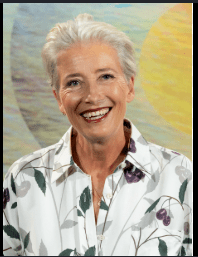
She studied English literature at Cambridge University, where she also developed her performance skills through theatre groups. Thompson’s early career combined comedy and drama, allowing her to develop a wide emotional range that later became central to her breakdown performances.
Her breakthrough emotional breakdown performance in Howards End (1992) showcases subtle psychological collapse expressed through restrained emotional transitions. In Sense and Sensibility (1995), which she also wrote, her understanding of emotional restraint and loss translates into deeply human breakdown moments grounded in social constraint and internalized grief.
Thompson’s legacy lies in redefining emotional breakdown as intelligent emotional articulation, where vulnerability is shaped by intellect rather than pure emotional release.
Key Facts
- Full name of the subject: Emma Thompson
- Date of birth: April 15, 1959
- Place of birth: London, England
- Family background: Artistic and literary family
- Early childhood experiences: Exposure to literature and performance arts
- Education history: University of Cambridge
- Influences and mentors: British theatre tradition and literary authors
- Career beginnings: Stage theatre and British television
- Major achievements: Academy Award winner
- Challenges and obstacles faced: Balancing writing and acting careers
- Turning points in life: Breakthrough in Howards End
- Contributions to society: Human rights and refugee advocacy
- Personal life (marriage, children, relationships): Married to Greg Wise, children
- Awards and recognitions: Academy Awards, BAFTAs, Golden Globes
- Beliefs, values, or philosophy: Emotional intelligence through narrative structure
- Legacy and impact: Defined literary emotional realism in film
- Historical or cultural significance: Bridged screenwriting and acting excellence
Notable Works: Howards End, Sense and Sensibility, Love Actually, The Remains of the Day, Saving Mr. Banks
Controversies:
Emma Thompson has occasionally been involved in public discussions regarding political expression by artists and advocacy for human rights issues. These discussions are not allegations but cultural debates about the role of actors in public discourse.
The context arises from her participation in humanitarian advocacy campaigns and public statements on social and political matters. Reactions have varied depending on audience perspective and political interpretation.
There are no legal disputes or institutional controversies involving Thompson. The matter remains within cultural discourse regarding celebrity advocacy and public expression.
Notable Mentions
Casey Affleck
Gena Rowlands
Chiwetel Ejiofor
Julianne Moore
Dustin Hoffman
Vivien Leigh
Naomi Watts
Marlon Brando
Anthony Hopkins
Anne Hathaway