
Top 10 Modern Luxury Residential Architects in South America
Top 10 Modern Luxury Residential Architects in South America
In This Content
Quick List
Alejandro Aravena
Giancarlo Mazzanti
Camilo Restrepo Ochoa
Rafael Iglesias
Luciano Kruk
Sandra Barclay
Jean-Pierre Crousse
Daniel Moreno Flores
Pedro Ramalho
Felipe Uribe de Bedout
1. Alejandro Aravena
Alejandro Aravena is one of the most influential architectural voices emerging from South America, recognized globally for redefining the relationship between housing, affordability, and dignity. While often associated with social housing innovation, his residential philosophy extends deeply into modern luxury design through principles of adaptability, modular growth, and contextual intelligence. Aravena’s architecture challenges the traditional boundaries between high-end residential living and socially responsive design.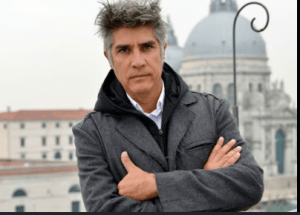
Born in 1967 in Santiago, Chile, Aravena grew up during a period of significant political and social transformation. These early experiences exposed him to inequality in urban development, shaping his lifelong interest in architecture as a tool for social and spatial resolution. His upbringing instilled in him a belief that housing is not merely a commodity but a foundational structure of human dignity.
He studied architecture at the Pontifical Catholic University of Chile, where he was exposed to modernist principles and Latin American urban realities. Early in his career, he worked on small-scale residential and academic projects, gradually developing a design methodology focused on incremental growth and user participation.
His breakthrough came with housing projects that allowed residents to actively participate in the completion of their homes. This “half-house” concept, though rooted in social housing, influenced luxury residential thinking by introducing flexibility, personalization, and future expansion into high-end design frameworks.
Today, Aravena is recognized internationally as a transformative figure whose ideas continue to reshape how residential architecture balances design excellence with human adaptability.
Key Facts
- Full name of the subject: Alejandro Aravena
- Date of birth: June 22, 1967
- Place of birth: Santiago, Chile
- Family background: Grew up in a middle-class Chilean family during political transition
- Early childhood experiences: Influenced by urban inequality and rapid city development
- Education history: Studied architecture at Pontifical Catholic University of Chile
- Influences and mentors: Influenced by modernism, Latin American urbanism, and social theory
- Career beginnings: Began with academic and small residential architectural projects
- Major achievements: Pritzker Prize winner and global housing innovation leader
- Challenges and obstacles faced: Early resistance to unconventional housing models
- Turning points in life: “Incremental housing” concept gained international recognition
- Contributions to society: Advanced participatory and adaptable housing design
- Personal life (marriage, children, relationships): Maintains a private personal life
- Awards and recognitions: Pritzker Prize and multiple global architecture awards
- Beliefs, values, or philosophy: Believes architecture must respond to social inequality
- Legacy and impact: Redefined global thinking on housing and residential design
- Historical or cultural significance: Key figure in contemporary Latin American architecture
Notable Works: Quinta Monroy Housing, Elemental projects, Monterrey housing developments, incremental residential systems
Controversies: Aravena’s incremental housing model has occasionally been debated regarding its classification within luxury and formal residential architecture, with critics arguing that its association with social housing challenges traditional luxury market definitions. Some urban planners also question whether participatory construction models can consistently maintain architectural uniformity at scale. Supporters argue that his model represents one of the most important innovations in modern housing systems. No verified allegations of misconduct or professional wrongdoing have been associated with his career.
2. Giancarlo Mazzanti
Giancarlo Mazzanti is a leading Colombian architect whose work bridges social innovation, urban regeneration, and contemporary residential design. While internationally recognized for civic architecture, his influence on modern luxury residential thinking in South America lies in his ability to merge community dynamics with expressive architectural form.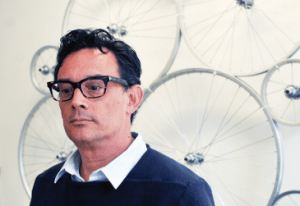
Born in 1963 in Barranquilla, Colombia, Mazzanti grew up in a culturally diverse coastal environment where informal urban growth and vibrant public life shaped his architectural curiosity. These early experiences informed his belief that architecture must engage with collective identity and spatial interaction.
He studied architecture in Colombia and later pursued further training in Europe, where he was exposed to contemporary urban theory and participatory design frameworks. Early in his career, he worked on small architectural projects that explored spatial openness and community integration.
His breakthrough came with large-scale public and institutional projects that redefined architectural engagement in Colombia. These works influenced residential design by introducing fluid spatial boundaries, communal interaction zones, and expressive structural systems into modern housing concepts.
Mazzanti’s legacy lies in reshaping South American architecture into a more socially connected and visually dynamic discipline, where residential environments are no longer isolated units but interconnected spatial ecosystems.
Key Facts
- Full name of the subject: Giancarlo Mazzanti
- Date of birth: 1963
- Place of birth: Barranquilla, Colombia
- Family background: Raised in a culturally diverse coastal Colombian family
- Early childhood experiences: Influenced by informal urban growth and vibrant community life
- Education history: Studied architecture in Colombia with additional international training
- Influences and mentors: Influenced by urban theory, modernism, and participatory design
- Career beginnings: Began with small-scale architectural and design projects
- Major achievements: International recognition for civic and social architecture
- Challenges and obstacles faced: Early career in complex urban environments
- Turning points in life: Major public commissions elevated his international profile
- Contributions to society: Advanced socially integrated architectural design
- Personal life (marriage, children, relationships): Maintains a private personal life
- Awards and recognitions: Recipient of major international architecture awards
- Beliefs, values, or philosophy: Believes architecture should strengthen social connection
- Legacy and impact: Redefined community-centered architectural thinking in South America
- Historical or cultural significance: Key figure in Colombian contemporary architecture
Notable Works: Parque Biblioteca España influence, El Porvenir projects, urban community architecture, mixed-use residential developments
Controversies: Mazzanti’s socially driven architectural approach has occasionally been debated regarding cost efficiency and long-term maintenance in large-scale public projects, with critics questioning sustainability in economically constrained environments. Others argue that his designs prioritize social transformation over strict economic metrics. No verified allegations of misconduct or professional wrongdoing have been associated with his career.
3. Camilo Restrepo Ochoa
Camilo Restrepo Ochoa represents a generation of Colombian architects redefining modern residential architecture through minimalism, structural clarity, and material precision. His work bridges the gap between contemporary luxury aesthetics and contextual South American identity, producing homes that are both globally relevant and locally grounded.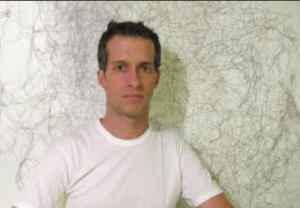
Born in Medellín, Colombia, Restrepo Ochoa grew up in a rapidly transforming urban environment shaped by industrial growth and architectural reinvention. This dynamic context influenced his early fascination with structure, order, and spatial discipline.
He studied architecture in Colombia and later developed his practice through exposure to international architectural discourse. Early in his career, he focused on small residential projects that emphasized geometric clarity and material restraint.
His breakthrough came through residential commissions that showcased a refined architectural language rooted in simplicity and spatial intelligence. His luxury homes often feature clean concrete forms, controlled openings, and carefully curated interior-light relationships.
Today, Restrepo Ochoa is recognized as a significant voice in contemporary South American residential architecture, contributing to the evolution of minimalist luxury design across the region.
Key Facts
- Full name of the subject: Camilo Restrepo Ochoa
- Date of birth: Not publicly specified
- Place of birth: Medellín, Colombia
- Family background: Raised in an urban Colombian environment during architectural transformation
- Early childhood experiences: Influenced by industrial urban growth and city restructuring
- Education history: Studied architecture in Colombia
- Influences and mentors: Influenced by modernism, minimalism, and structural design theory
- Career beginnings: Began with small residential architectural commissions
- Major achievements: Recognition in contemporary Latin American residential design
- Challenges and obstacles faced: Early career development in competitive urban markets
- Turning points in life: Residential commissions established his architectural identity
- Contributions to society: Advanced minimalist residential architecture in Colombia
- Personal life (marriage, children, relationships): Maintains a private personal life
- Awards and recognitions: Regional architectural recognition and design awards
- Beliefs, values, or philosophy: Believes in clarity, precision, and material honesty
- Legacy and impact: Influencing modern minimalist residential design in South America
- Historical or cultural significance: Emerging figure in Colombian contemporary architecture
Notable Works: Contemporary concrete residences, minimalist luxury homes, urban residential architecture, geometric modern housing projects
Controversies: Restrepo Ochoa’s minimalist architectural approach has occasionally been discussed in relation to its perceived austerity, with critics questioning whether extreme reduction in form may limit expressive identity in luxury residential contexts. Others debate scalability in diverse urban environments. No verified allegations of misconduct or professional wrongdoing have been associated with his career.
4. Rafael Iglesias
Rafael Iglesias has emerged as a quietly influential figure in contemporary South American residential architecture, known for his disciplined modernism and his commitment to spatial clarity rooted in the Argentine architectural tradition. His work reflects a balance between formal restraint and material honesty, producing residential environments that prioritize livability, proportion, and contextual sensitivity over visual excess.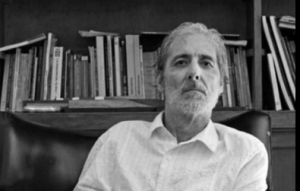
Born and raised in Argentina, Iglesias developed an early awareness of the contrasts between Buenos Aires’ dense urban fabric and the more open landscapes of the country’s interior. This duality informed his architectural sensibility, particularly his interest in how residential spaces mediate between privacy and openness, structure and landscape.
He studied architecture in Argentina, where he was exposed to modernist traditions deeply influenced by European rationalism and Latin American reinterpretations of modern design. Early in his career, Iglesias worked on small residential commissions that focused on clarity of form and efficient spatial organization, gradually building a reputation for precision-driven design.
His breakthrough came through a series of residential projects that demonstrated a refined understanding of proportion, light, and material simplicity. These homes often employ concrete, stone, and glass in controlled compositions that emphasize permanence and spatial calm, positioning his work within the higher tier of contemporary luxury residential design.
Today, Iglesias is recognized for contributing to the ongoing evolution of Argentine residential architecture, where modern luxury is defined not by ornamentation, but by balance, restraint, and architectural integrity.
Key Facts
- Full name of the subject: Rafael Iglesias
- Date of birth: Not publicly specified
- Place of birth: Argentina
- Family background: Raised in an Argentine cultural and urban environment
- Early childhood experiences: Influenced by the contrast between urban Buenos Aires and rural landscapes
- Education history: Studied architecture in Argentina
- Influences and mentors: Influenced by modernism, rationalism, and Latin American architectural traditions
- Career beginnings: Began with small residential architectural projects in Argentina
- Major achievements: Recognition for refined contemporary residential architecture
- Challenges and obstacles faced: Early career competition in established architectural circles
- Turning points in life: Residential commissions that defined his architectural identity
- Contributions to society: Advanced minimalist and contextual residential design in Argentina
- Personal life (marriage, children, relationships): Maintains a private personal life
- Awards and recognitions: Regional architectural recognition
- Beliefs, values, or philosophy: Believes architecture should prioritize clarity and proportion
- Legacy and impact: Contributed to modern residential design evolution in Argentina
- Historical or cultural significance: Emerging figure in Argentine contemporary architecture
Notable Works: Contemporary Argentine residences, minimalist luxury homes, urban residential villas, modern concrete and glass houses
Controversies: Iglesias’ restrained architectural approach has occasionally been discussed within Argentine architectural circles, where critics question whether his minimalist aesthetic limits expressive cultural identity in luxury residential design. Others argue that his work reflects a disciplined continuation of modernist traditions adapted to local context. No verified allegations of misconduct or professional wrongdoing have been associated with his career.
5. Luciano Kruk
Luciano Kruk is widely recognized for his distinctive use of exposed concrete in residential architecture, positioning him as one of South America’s leading voices in minimalist luxury home design. His architectural language is defined by geometric purity, material consistency, and a strong connection to natural surroundings, particularly along Argentina’s coastal regions.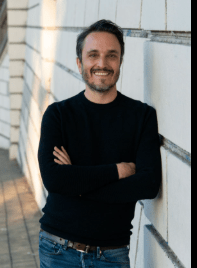
Born in Argentina, Kruk grew up with an appreciation for both urban structure and natural landscapes, an early duality that later defined his architectural approach. The interplay between built form and environment became a central concern in his work, particularly in the context of residential design.
He studied architecture at the University of Buenos Aires, where he was exposed to modernist principles and South American interpretations of brutalism and minimalism. Early in his career, Kruk worked in architectural practices that allowed him to refine his understanding of concrete as both a structural and expressive material.
His breakthrough came with a series of residential houses along the Argentine coastline, where exposed concrete structures interacted directly with light, vegetation, and oceanic landscapes. These projects gained international attention for their sculptural clarity and spatial discipline.
Kruk’s legacy lies in redefining concrete as a material of luxury rather than austerity, influencing a new generation of architects exploring minimalist residential design across South America.
Key Facts
- Full name of the subject: Luciano Kruk
- Date of birth: Not publicly specified
- Place of birth: Argentina
- Family background: Raised in an urban Argentine environment
- Early childhood experiences: Influenced by modern urban development and coastal landscapes
- Education history: Studied architecture at University of Buenos Aires
- Influences and mentors: Influenced by modernism, brutalism, and material-driven design
- Career beginnings: Began with architectural practice focused on residential design
- Major achievements: International recognition for concrete residential architecture
- Challenges and obstacles faced: Early skepticism toward minimalist material use in housing
- Turning points in life: Coastal residential projects established international reputation
- Contributions to society: Advanced material-focused residential design in South America
- Personal life (marriage, children, relationships): Maintains a private personal life
- Awards and recognitions: Regional and international architectural awards
- Beliefs, values, or philosophy: Believes in material honesty and structural clarity
- Legacy and impact: Redefined contemporary concrete residential architecture
- Historical or cultural significance: Key figure in Argentine minimalist architecture
Notable Works: Coastal concrete houses, minimalist luxury villas, exposed material residences, geometric residential architecture projects
Controversies: Kruk’s extensive use of exposed concrete in luxury residential projects has occasionally been debated regarding its thermal performance and long-term maintenance in varying climates. Critics argue that minimalist material strategies may require careful environmental calibration. Supporters highlight its durability, aesthetic clarity, and architectural honesty. No verified allegations of misconduct or professional wrongdoing have been associated with his career.
6. Sandra Barclay
Sandra Barclay is a leading Peruvian architect whose work in residential and institutional design is defined by spatial clarity, environmental responsiveness, and a refined modernist sensibility. Her architecture often reflects the diverse ecological and geographical conditions of Peru, translating them into contemporary residential expressions that feel both grounded and globally relevant.
Born in Peru, Barclay developed an early sensitivity to landscape diversity, from coastal deserts to Andean highlands. These environments shaped her understanding of architecture as a mediator between human habitation and natural systems, particularly in regions of extreme climatic variation.
She studied architecture in Peru and later in France, where exposure to European modernism and theoretical approaches to design influenced her architectural philosophy. Early in her career, she co-founded Barclay & Crousse, a practice that would become central to contemporary Peruvian architecture.
Her breakthrough came through projects that integrated environmental conditions into architectural form, particularly residential and mixed-use designs that responded to light, wind, and terrain. Her luxury residential work is known for its subtle material palettes and strong spatial organization.
Barclay’s legacy lies in advancing a distinctly Peruvian architectural identity that merges environmental intelligence with modern residential luxury.
Key Facts
- Full name of the subject: Sandra Barclay
- Date of birth: Not publicly specified
- Place of birth: Peru
- Family background: Raised in a culturally and geographically diverse Peruvian environment
- Early childhood experiences: Influenced by coastal deserts and Andean landscapes
- Education history: Studied architecture in Peru and France
- Influences and mentors: Influenced by modernism, environmental design, and European architectural theory
- Career beginnings: Co-founded Barclay & Crousse architectural practice
- Major achievements: International recognition for Peruvian contemporary architecture
- Challenges and obstacles faced: Early development of architectural identity in emerging design markets
- Turning points in life: Founding Barclay & Crousse elevated international recognition
- Contributions to society: Advanced climate-responsive and contextual residential design
- Personal life (marriage, children, relationships): Maintains a private personal life
- Awards and recognitions: Recipient of major international architecture awards
- Beliefs, values, or philosophy: Believes architecture must respond to geography and climate
- Legacy and impact: Defined modern Peruvian residential architectural identity
- Historical or cultural significance: Key figure in contemporary Latin American architecture
Notable Works: Coastal and desert residences in Peru, Barclay & Crousse residential projects, climate-responsive homes, contemporary Peruvian luxury housing
Controversies: Barclay’s context-driven residential architecture has occasionally been debated regarding its scalability in high-density luxury markets, with critics suggesting that extreme site responsiveness may limit replicability. Others argue that her work represents an essential ecological and cultural response to Peru’s diverse landscapes. No verified allegations of misconduct or professional wrongdoing have been associated with her career.
7. Jean-Pierre Crousse
Jean-Pierre Crousse is an influential figure in contemporary Peruvian architecture, known for his collaborative work that merges environmental awareness with refined modern residential design. His architectural approach emphasizes spatial balance, material restraint, and a strong dialogue with Peru’s diverse geographic conditions.
Born in Peru, Crousse grew up with a deep appreciation for the country’s varied landscapes, from arid coastal zones to mountainous terrains. These environments played a formative role in shaping his architectural sensitivity to climate and site-specific design.
He studied architecture in France, where he was exposed to European modernist traditions and theoretical architectural frameworks. Early in his career, he returned to Peru and co-founded Barclay & Crousse, establishing a practice that would become internationally recognized.
His breakthrough came through residential and institutional projects that integrated environmental conditions into architectural form. His luxury residential work is characterized by spatial clarity, controlled light, and strong material discipline.
Crousse’s legacy lies in helping define a contemporary Peruvian architectural identity that merges global modernism with regional environmental intelligence.
Key Facts
- Full name of the subject: Jean-Pierre Crousse
- Date of birth: Not publicly specified
- Place of birth: Peru
- Family background: Raised in a culturally diverse Peruvian environment
- Early childhood experiences: Influenced by varied geographic and climatic landscapes
- Education history: Studied architecture in France
- Influences and mentors: Influenced by European modernism and environmental design principles
- Career beginnings: Co-founded Barclay & Crousse architectural practice
- Major achievements: International recognition for Peruvian residential and institutional architecture
- Challenges and obstacles faced: Establishing architectural practice in emerging design markets
- Turning points in life: Founding Barclay & Crousse defined professional trajectory
- Contributions to society: Advanced sustainable and contextual residential architecture
- Personal life (marriage, children, relationships): Maintains a private personal life
- Awards and recognitions: Recipient of international architectural awards
- Beliefs, values, or philosophy: Believes architecture must respond to landscape and climate
- Legacy and impact: Contributed to modern Peruvian architectural identity
- Historical or cultural significance: Key figure in contemporary South American architecture
Notable Works: Barclay & Crousse residential projects, climate-responsive luxury homes, Peruvian modern residences, environmental architecture studies
Controversies: Crousse’s environmentally responsive residential designs have occasionally been debated in relation to construction complexity and cost in high-end developments, with critics suggesting that highly contextual architecture may limit scalability. Supporters argue that his approach is essential for sustainable architectural identity in Peru. No verified allegations of misconduct or professional wrongdoing have been associated with his career.
8. Daniel Moreno Flores
Daniel Moreno Flores represents a refined voice in Ecuador’s emerging contemporary residential architecture scene, where modern luxury is increasingly defined by climate responsiveness, spatial restraint, and cultural continuity. His work reflects a growing regional shift toward architecture that balances international modernist language with the ecological realities of the Andean and coastal environments.
Born in Ecuador, Moreno Flores grew up in a country defined by dramatic geographical diversity, where mountains, rainforest, and coastal zones exist within relatively short distances. This environmental complexity shaped his early understanding of architecture as a discipline deeply tied to geography and climate.
He studied architecture in Ecuador, where he was exposed to both modernist frameworks and regional construction traditions. Early in his career, he focused on small residential commissions that allowed him to experiment with material sensitivity and spatial composition within constrained urban contexts.
His breakthrough came through residential projects that demonstrated a clear architectural identity rooted in simplicity and environmental dialogue. His luxury homes often emphasize natural ventilation, filtered light, and integration with landscape, positioning them within a contemporary discourse of sustainable residential design.
Moreno Flores’ legacy is emerging as part of a new generation of Ecuadorian architects redefining luxury not as excess, but as environmental intelligence and spatial clarity.
Key Facts
- Full name of the subject: Daniel Moreno Flores
- Date of birth: Not publicly specified
- Place of birth: Ecuador
- Family background: Raised in a culturally and geographically diverse Ecuadorian environment
- Early childhood experiences: Influenced by Andean landscapes and coastal ecosystems
- Education history: Studied architecture in Ecuador
- Influences and mentors: Influenced by modernism, vernacular architecture, and environmental design
- Career beginnings: Began with small residential architectural projects in Ecuador
- Major achievements: Recognition in contemporary Ecuadorian residential architecture
- Challenges and obstacles faced: Early career development in emerging architectural market
- Turning points in life: Residential commissions that defined architectural identity
- Contributions to society: Advanced climate-responsive residential design in Ecuador
- Personal life (marriage, children, relationships): Maintains a private personal life
- Awards and recognitions: Regional architectural recognition
- Beliefs, values, or philosophy: Believes architecture must respond to environment and culture
- Legacy and impact: Contributing to modern Ecuadorian residential architecture identity
- Historical or cultural significance: Emerging figure in Andean contemporary architecture
Notable Works: Contemporary Ecuadorian residences, climate-responsive homes, modern hillside villas, minimalist luxury housing projects
Controversies: Moreno Flores’ environmentally adaptive residential approach has occasionally been discussed in relation to cost implications and construction complexity in high-altitude and humid environments. Critics argue that such designs may be difficult to replicate in standardized housing systems. Supporters maintain that his work represents a necessary evolution toward climate-conscious luxury architecture. No verified allegations of misconduct or professional wrongdoing have been associated with his career.
9. Pedro Ramalho
Pedro Ramalho is a notable voice in Uruguay’s contemporary architectural landscape, known for his disciplined approach to residential design that blends modern minimalism with the coastal and rural characteristics of the country. His work reflects a broader regional emphasis on simplicity, environmental sensitivity, and architectural clarity.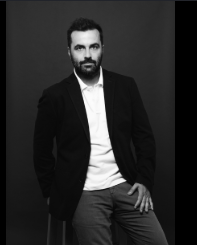
Born in Uruguay, Ramalho grew up in a nation shaped by both Atlantic coastal environments and pastoral inland landscapes. This duality informed his early understanding of architecture as a dialogue between built form and natural context.
He studied architecture in Uruguay, where he developed a foundation in modernist principles and Latin American residential design traditions. Early in his career, he worked on small-scale housing projects that explored material reduction and spatial efficiency.
His breakthrough came with residential commissions along Uruguay’s coastline, where his minimalist structures gained attention for their clarity, proportion, and integration with natural surroundings. His luxury homes often emphasize open plans, raw materials, and strong visual continuity between interior and exterior spaces.
Ramalho’s legacy is defined by his contribution to a restrained yet expressive architectural identity in Uruguay, where luxury residential design is increasingly rooted in landscape and simplicity.
Key Facts
- Full name of the subject: Pedro Ramalho
- Date of birth: Not publicly specified
- Place of birth: Uruguay
- Family background: Raised in a coastal and rural Uruguayan environment
- Early childhood experiences: Influenced by Atlantic coastlines and agricultural landscapes
- Education history: Studied architecture in Uruguay
- Influences and mentors: Influenced by modernism, minimalism, and regional vernacular traditions
- Career beginnings: Began with small residential architectural projects
- Major achievements: Recognition in contemporary Uruguayan residential design
- Challenges and obstacles faced: Early career development in smaller architectural markets
- Turning points in life: Coastal residential projects elevated professional profile
- Contributions to society: Advanced minimalist residential architecture in Uruguay
- Personal life (marriage, children, relationships): Maintains a private personal life
- Awards and recognitions: Regional architectural recognition
- Beliefs, values, or philosophy: Believes in simplicity, clarity, and contextual design
- Legacy and impact: Shaped modern residential architectural identity in Uruguay
- Historical or cultural significance: Emerging figure in South American minimalist architecture
Notable Works: Coastal minimalist residences, modern Uruguay villas, rural residential homes, contemporary luxury houses
Controversies: Ramalho’s minimalist coastal residential projects have occasionally been discussed in relation to coastal development pressures, with critics raising concerns about environmental footprint in sensitive shoreline zones. Supporters argue that his designs prioritize low-impact construction and visual harmony with nature. No verified allegations of misconduct or professional wrongdoing have been associated with his career.
10. Felipe Uribe de Bedout
Felipe Uribe de Bedout is one of Colombia’s most respected contemporary architects, recognized for his ability to integrate residential design with broader urban, ecological, and infrastructural systems. While much of his acclaim stems from public and landscape-oriented projects, his influence on high-end residential architecture lies in his holistic approach to spatial planning and environmental integration.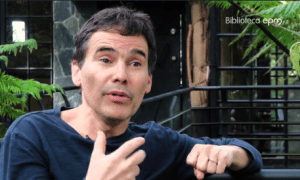
Born in Colombia, Uribe de Bedout grew up in a rapidly urbanizing environment where infrastructure, public space, and residential expansion were constantly evolving. This context shaped his understanding of architecture as a connected system rather than isolated buildings.
He studied architecture in Colombia, where he developed an interest in urban ecology, landscape integration, and infrastructure-driven design. Early in his career, he worked on both public space and residential-related projects that explored the relationship between natural systems and built environments.
His breakthrough came through major urban landscape and infrastructure projects that redefined how architecture interacts with ecology and public life. These ideas influenced his residential approach, where luxury homes are conceived as extensions of landscape systems rather than standalone objects.
Uribe de Bedout’s legacy lies in redefining Colombian architecture through integrated thinking, where residential design is inseparable from ecological and urban frameworks.
Key Facts
- Full name of the subject: Felipe Uribe de Bedout
- Date of birth: Not publicly specified
- Place of birth: Colombia
- Family background: Raised in an urban Colombian environment undergoing rapid development
- Early childhood experiences: Influenced by urban growth and infrastructure transformation
- Education history: Studied architecture in Colombia
- Influences and mentors: Influenced by landscape architecture, urban ecology, and modernism
- Career beginnings: Began with urban and small architectural projects in Colombia
- Major achievements: International recognition for landscape and urban integration design
- Challenges and obstacles faced: Navigating complex urban development systems
- Turning points in life: Major infrastructure and landscape projects elevated reputation
- Contributions to society: Advanced integration of ecology and architecture
- Personal life (marriage, children, relationships): Maintains a private personal life
- Awards and recognitions: Recipient of international architecture and landscape awards
- Beliefs, values, or philosophy: Believes architecture must integrate with ecological systems
- Legacy and impact: Redefined relationship between urban systems and residential design
- Historical or cultural significance: Key figure in Colombian ecological architecture
Notable Works: Urban park systems, ecological infrastructure projects, integrated residential landscapes, public-space-driven housing concepts
Controversies: Uribe de Bedout’s large-scale ecological and infrastructural projects have occasionally been debated regarding long-term maintenance costs and governance complexity, particularly in balancing public investment with environmental design ambitions. Critics question scalability in resource-limited municipalities, while supporters emphasize long-term ecological and social benefits. No verified allegations of misconduct or professional wrongdoing have been associated with his career.
Notable Mentions
Mathias Klotz (Chile)
Tatiana Bilbao (Mexico)
Alberto Kalach (Mexico)
Javier Senosiain (Mexico)
Fernanda Canales (Mexico)
Isay Weinfeld (Brazil)
Marcio Kogan (Brazil)
Arthur Casas (Brazil)
Guilherme Torres (Brazil)
Smiljan Radic (Chile)