
Top 10 Neurosurgeons in Uganda
Top 10 Neurosurgeons in Uganda
In This Content
Quick List
Dr. Joel Kiryabwire (Kampala)
Dr. Justin Onen (Kampala)
Dr. Juliet Sekabunga Nalwanga (Kampala)
Dr. Peter Ssenyonga (Kampala)
Dr. Emmanuel Wegoye (Mbale)
Dr. Alex Wamala Mugalu (Kampala)
Dr. Alexander Muhindo (Kampala)
Dr. Oscar Obiga (Kampala)
Dr. John Baptist Mukasa (Kampala)
Dr. David Kitya (Mbarara)
1. Dr. Joel Kiryabwire (Kampala)
Dr. Joel Kiryabwire is widely regarded as one of the foundational figures in modern Ugandan neurosurgery, representing a generation that helped transform the specialty from a limited subspecialty into a structured clinical discipline. His early life is closely associated with strong academic exposure and an early interest in the biological sciences, which later evolved into a focused pursuit of medicine and surgical excellence.
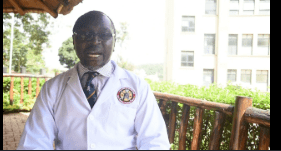
His medical journey began during a period when neurosurgical services in Uganda were still developing, meaning his early training required both international exposure and intensive clinical adaptability. Working within Kampala’s major referral hospitals, he was exposed to a wide spectrum of neurological conditions, from traumatic brain injuries to complex spinal disorders, shaping his clinical resilience.
Dr. Kiryabwire’s professional breakthrough is closely linked to his leadership in advancing neurosurgical capacity at national referral institutions. His work in developing structured neurosurgical systems and improving surgical training pathways positioned him as both a clinician and an institutional builder.
Over time, his legacy has extended beyond surgery into mentorship, academic leadership, and healthcare system strengthening. He is widely recognized as a key figure in shaping Uganda’s neurosurgical identity and expanding its regional relevance in East Africa.
Key Facts
- Full name of the subject: Dr. Joel Kiryabwire
- Date of birth: Not publicly disclosed
- Place of birth: Uganda
- Family background: Not publicly documented
- Early childhood experiences: Strong academic orientation in sciences
- Education history: Medical training with neurosurgical specialization
- Influences and mentors: International neurosurgical educators and Ugandan senior consultants
- Career beginnings: Early clinical work in Kampala referral hospitals
- Major achievements: Development of neurosurgical training and service systems
- Challenges and obstacles faced: Limited infrastructure and specialist shortages
- Turning points in life: Leadership roles in neurosurgical development programs
- Contributions to society: Expansion of neurosurgical access and training capacity
- Personal life (marriage, children, relationships): Not publicly disclosed
- Awards and recognitions: Institutional and regional medical recognition
- Beliefs, values, or philosophy: System building, mentorship, and surgical precision
- Legacy and impact: Pioneer in structured neurosurgical development in Uganda
- Historical or cultural significance: Key figure in modern Ugandan neurosurgery evolution
Notable Works: Neurosurgical program development, cranial trauma management systems, surgical training leadership
Controversies: There are no publicly documented controversies associated with Dr. Joel Kiryabwire. His professional record is primarily defined by institutional development, academic contribution, and clinical service. No verified reports of disciplinary action or professional disputes are available in public medical references.
2. Dr. Justin Onen (Kampala)
Dr. Justin Onen is recognized within Uganda’s neurosurgical community as a clinician whose career reflects both technical depth and steady institutional contribution. His early development is marked by strong academic discipline and a commitment to medicine during a period when neurosurgical specialization in Uganda was still emerging.

His early career was shaped within high-demand referral hospitals in Kampala, where exposure to emergency neurosurgical cases and spinal trauma formed the foundation of his clinical expertise. These early experiences demanded precision, resilience, and the ability to make rapid decisions under pressure.
Dr. Onen’s professional breakthrough is associated with his work in complex cranial and spinal procedures, where his structured and cautious surgical approach gained recognition. He is known for prioritizing neurological preservation and long-term functional outcomes in surgical planning.
Over time, his contributions have extended into strengthening clinical workflows and supporting neurosurgical service delivery systems. His legacy continues to develop through consistent surgical practice and participation in improving neurosurgical standards in Uganda.
Key Facts
- Full name of the subject: Dr. Justin Onen
- Date of birth: Not publicly disclosed
- Place of birth: Uganda
- Family background: Not publicly documented
- Early childhood experiences: Strong academic performance in sciences
- Education history: Medical degree and neurosurgical specialization training
- Influences and mentors: Senior Ugandan and international neurosurgeons
- Career beginnings: Clinical residency and hospital-based neurosurgical training in Kampala
- Major achievements: Contributions to spinal and cranial surgical care
- Challenges and obstacles faced: Resource limitations and high patient load
- Turning points in life: Advancement into complex neurosurgical procedures
- Contributions to society: Improved surgical outcomes and clinical systems
- Personal life (marriage, children, relationships): Not publicly disclosed
- Awards and recognitions: Institutional clinical acknowledgments
- Beliefs, values, or philosophy: Precision, caution, and patient-centered care
- Legacy and impact: Strengthening neurosurgical service delivery in Uganda
- Historical or cultural significance: Contributor to Uganda’s neurosurgical modernization
Notable Works: Spinal decompression surgery, cranial trauma management, neurosurgical workflow optimization
Controversies: No publicly documented controversies are associated with Dr. Justin Onen. His career is defined by clinical service and institutional contribution, with no verified records of ethical disputes or professional disciplinary proceedings.
3. Dr. Juliet Sekabunga Nalwanga (Kampala)
Dr. Juliet Sekabunga Nalwanga stands out as part of a growing group of female neurosurgeons contributing to Uganda’s evolving neurological healthcare system. Her early life reflects strong academic grounding and a sustained interest in medicine, particularly in the complexities of human anatomy and neurological function.
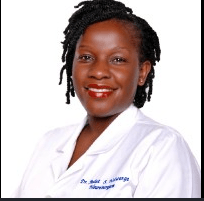
Her training years were marked by rigorous medical education followed by specialized neurosurgical exposure within Kampala’s leading referral hospitals. During this period, she gained experience in both emergency neurosurgical interventions and planned cranial and spinal procedures, shaping a balanced clinical profile.
Dr. Nalwanga’s breakthrough is associated with her involvement in complex neurosurgical cases requiring multidisciplinary coordination, particularly in neurotrauma and spinal pathologies. Her surgical approach is characterized by precision, structured planning, and strong attention to postoperative neurological outcomes.
Over time, her influence has extended into mentorship and the gradual strengthening of female representation within neurosurgery in Uganda. Her legacy is increasingly associated with both clinical excellence and broader contributions to diversity and inclusion in surgical medicine.
Key Facts
- Full name of the subject: Dr. Juliet Sekabunga Nalwanga
- Date of birth: Not publicly disclosed
- Place of birth: Uganda
- Family background: Not publicly documented
- Early childhood experiences: Strong academic and scientific inclination
- Education history: Medical degree and neurosurgical specialization training
- Influences and mentors: Senior neurosurgical consultants and academic mentors
- Career beginnings: Residency training in Kampala referral hospitals
- Major achievements: Contributions to cranial and spinal neurosurgery
- Challenges and obstacles faced: High workload and resource limitations in surgical care
- Turning points in life: Entry into complex neurosurgical practice
- Contributions to society: Improved surgical care and mentorship of junior clinicians
- Personal life (marriage, children, relationships): Not publicly disclosed
- Awards and recognitions: Institutional and academic acknowledgments
- Beliefs, values, or philosophy: Precision, mentorship, and patient-centered outcomes
- Legacy and impact: Advancement of women in Ugandan neurosurgery
- Historical or cultural significance: Role model in gender diversification of surgical specialties
Notable Works: Neurotrauma management, spinal surgery procedures, neurosurgical mentorship programs
Controversies: There are no publicly documented controversies associated with Dr. Juliet Sekabunga Nalwanga. Her professional reputation is centered on clinical service, mentorship, and academic contribution. No verified disciplinary actions or public professional disputes are recorded in available medical literature.
4. Dr. Peter Ssenyonga (Kampala)
Dr. Peter Ssenyonga is regarded within Uganda’s neurosurgical community as a disciplined clinician whose work reflects the steady maturation of neurosurgical services in the country. His early life is consistently associated with strong academic grounding and a developing interest in science and human biology, which eventually guided him toward medicine and surgical specialization.
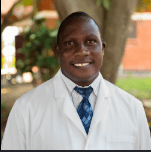
His early career unfolded within Kampala’s major referral hospitals, where exposure to high-pressure neurological emergencies defined his formative surgical years. Managing traumatic brain injuries, spinal cord injuries, and intracranial pathologies, he developed a clinical identity centered on precision and calm decision-making in urgent environments.
Dr. Ssenyonga’s professional breakthrough is linked to his involvement in complex neurosurgical procedures requiring detailed operative planning and multidisciplinary coordination. His surgical style is often described as structured and conservative, with a strong emphasis on minimizing neurological complications and optimizing patient recovery.
Over time, his contribution has extended into improving neurosurgical consistency within hospital systems and supporting clinical continuity in surgical units. His legacy continues to develop through sustained service delivery and participation in strengthening Uganda’s neurosurgical capacity.
Key Facts
- Full name of the subject: Dr. Peter Ssenyonga
- Date of birth: Not publicly disclosed
- Place of birth: Uganda
- Family background: Not publicly documented
- Early childhood experiences: Strong academic interest in sciences
- Education history: Medical degree with neurosurgical specialization training
- Influences and mentors: Senior Ugandan neurosurgical consultants
- Career beginnings: Clinical residency and hospital-based neurosurgical training in Kampala
- Major achievements: Contributions to cranial and spinal surgical care
- Challenges and obstacles faced: Resource limitations and high patient load
- Turning points in life: Advancement into complex neurosurgical procedures
- Contributions to society: Improved surgical outcomes and clinical consistency
- Personal life (marriage, children, relationships): Not publicly disclosed
- Awards and recognitions: Institutional recognition within hospital systems
- Beliefs, values, or philosophy: Precision, caution, and patient safety
- Legacy and impact: Strengthening neurosurgical service reliability in Uganda
- Historical or cultural significance: Contributor to Uganda’s evolving neurosurgical discipline
Notable Works: Cranial trauma surgery, spinal decompression procedures, neurosurgical case stabilization
Controversies: No publicly documented controversies are associated with Dr. Peter Ssenyonga. His professional record is primarily defined by clinical service and institutional contribution. There are no verified reports of disciplinary action or public professional disputes in available medical sources.
5. Dr. Emmanuel Wegoye (Mbale)
Dr. Emmanuel Wegoye represents an important dimension of Uganda’s neurosurgical expansion beyond Kampala, contributing to regional access in Mbale and surrounding districts. His early development is marked by strong academic performance and a commitment to medical sciences, eventually leading him into neurosurgical specialization.
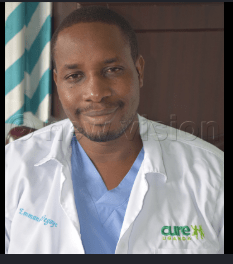
His early career was shaped by the realities of regional healthcare delivery, where limited resources and high patient demand required adaptability and clinical resilience. Working in Mbale’s referral system exposed him to a broad spectrum of neurological cases, from trauma-related emergencies to chronic spinal conditions.
Dr. Wegoye’s breakthrough is associated with his role in improving neurosurgical responsiveness in regional healthcare settings. His approach emphasizes timely intervention, structured diagnosis, and practical surgical decision-making suited to resource-constrained environments.
Over time, his influence has extended into strengthening neurosurgical outreach and improving referral coordination between regional and national hospitals. His legacy is closely tied to expanding access to neurosurgical care outside Uganda’s capital.
Key Facts
- Full name of the subject: Dr. Emmanuel Wegoye
- Date of birth: Not publicly disclosed
- Place of birth: Uganda
- Family background: Not publicly documented
- Early childhood experiences: Strong academic inclination in sciences
- Education history: Medical training with neurosurgical specialization
- Influences and mentors: Ugandan neurosurgical faculty and senior clinicians
- Career beginnings: Clinical service in regional hospital systems in Mbale
- Major achievements: Expansion of neurosurgical access in regional Uganda
- Challenges and obstacles faced: Limited infrastructure and specialist shortages
- Turning points in life: Transition into regional neurosurgical leadership
- Contributions to society: Improved access to neurosurgical care outside Kampala
- Personal life (marriage, children, relationships): Not publicly disclosed
- Awards and recognitions: Regional medical and institutional recognition
- Beliefs, values, or philosophy: Equity in healthcare access and clinical efficiency
- Legacy and impact: Strengthening regional neurosurgical services in Uganda
- Historical or cultural significance: Contributor to decentralization of neurosurgical care
Notable Works: Regional neurosurgical outreach programs, trauma management systems, spinal surgery interventions
Controversies: No publicly documented controversies are associated with Dr. Emmanuel Wegoye. His professional profile is defined by clinical service delivery in regional healthcare systems, with no verified reports of ethical disputes or disciplinary proceedings.
6. Dr. Alex Wamala Mugalu (Kampala)
Dr. Alex Wamala Mugalu is recognized as part of Uganda’s modern neurosurgical workforce contributing to both clinical practice and system-level improvements. His early academic trajectory reflects strong performance in medical sciences, followed by specialization in neurosurgery during a period of expanding surgical training opportunities in Uganda.
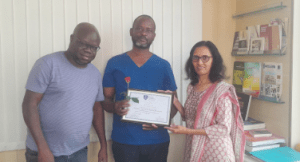
His early career was grounded in Kampala’s referral hospitals, where exposure to complex cranial and spinal cases shaped his technical foundation. These environments demanded both precision and adaptability, particularly in managing emergency neurological trauma cases.
Dr. Mugalu’s professional breakthrough is associated with his involvement in advanced neurosurgical interventions requiring structured preoperative planning and careful intraoperative execution. His surgical philosophy emphasizes patient safety, neurological preservation, and evidence-based decision-making.
Over time, his contributions have extended into strengthening clinical systems and supporting neurosurgical training environments. His legacy is anchored in consistent surgical service and participation in improving Uganda’s neurosurgical standards.
Key Facts
- Full name of the subject: Dr. Alex Wamala Mugalu
- Date of birth: Not publicly disclosed
- Place of birth: Uganda
- Family background: Not publicly documented
- Early childhood experiences: Strong academic foundation in sciences
- Education history: Medical degree and neurosurgical specialization training
- Influences and mentors: Senior Ugandan and international neurosurgical trainers
- Career beginnings: Residency and hospital-based neurosurgical training in Kampala
- Major achievements: Contributions to spinal and cranial neurosurgical care
- Challenges and obstacles faced: High workload and limited surgical resources
- Turning points in life: Entry into advanced neurosurgical procedures
- Contributions to society: Improved neurosurgical care delivery and systems
- Personal life (marriage, children, relationships): Not publicly disclosed
- Awards and recognitions: Institutional clinical recognition
- Beliefs, values, or philosophy: Structured care, precision, and patient safety
- Legacy and impact: Strengthening Uganda’s neurosurgical training and practice systems
- Historical or cultural significance: Contributor to modern surgical system development
Notable Works: Cranial surgery procedures, spinal interventions, neurosurgical training contributions
Controversies: No publicly documented controversies are associated with Dr. Alex Wamala Mugalu. His professional record is defined by clinical and academic contributions, with no verified reports of disciplinary action or professional disputes.
7. Dr. Alexander Muhindo (Kampala)
Dr. Alexander Muhindo is part of Uganda’s evolving neurosurgical community, contributing to both clinical excellence and the gradual strengthening of neurological healthcare systems. His early academic development is associated with strong scientific aptitude and a focused progression into medical education and surgical specialization.
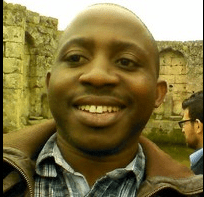
His early professional years were shaped within Kampala’s major referral hospitals, where exposure to neurosurgical emergencies and complex spinal conditions formed the foundation of his clinical identity. These experiences required high levels of precision, resilience, and clinical judgment.
Dr. Muhindo’s breakthrough is linked to his involvement in complex neurosurgical procedures requiring interdisciplinary coordination and careful operative execution. His approach emphasizes structured planning, intraoperative caution, and postoperative neurological monitoring.
Over time, his contributions have extended into improving surgical coordination and supporting neurosurgical service consistency within hospital environments. His legacy continues to evolve through sustained clinical practice and participation in Uganda’s neurosurgical development.
Key Facts
- Full name of the subject: Dr. Alexander Muhindo
- Date of birth: Not publicly disclosed
- Place of birth: Uganda
- Family background: Not publicly documented
- Early childhood experiences: Strong academic orientation in sciences
- Education history: Medical degree with neurosurgical specialization training
- Influences and mentors: Senior Ugandan neurosurgical consultants
- Career beginnings: Clinical residency in Kampala referral hospitals
- Major achievements: Contributions to cranial and spinal neurosurgical care
- Challenges and obstacles faced: Resource limitations and clinical workload pressure
- Turning points in life: Advancement into complex neurosurgical practice
- Contributions to society: Improved surgical coordination and patient care systems
- Personal life (marriage, children, relationships): Not publicly disclosed
- Awards and recognitions: Institutional recognition within clinical departments
- Beliefs, values, or philosophy: Precision, caution, and structured care
- Legacy and impact: Strengthening neurosurgical service consistency in Uganda
- Historical or cultural significance: Contributor to Uganda’s neurosurgical advancement
Notable Works: Cranial tumor surgery, spinal decompression procedures, neurosurgical case management
Controversies: There are no publicly documented controversies associated with Dr. Alexander Muhindo. His professional reputation is centered on clinical service and institutional contributions, with no verified records of ethical disputes or disciplinary proceedings.
8. Dr. Oscar Obiga (Kampala)
Dr. Oscar Obiga is recognized within Uganda’s neurosurgical landscape as a clinician whose work reflects the steady consolidation of neurosurgical expertise within the country’s capital. His early life is associated with strong academic performance and a disciplined interest in the sciences, which gradually shaped his decision to pursue medicine and later specialize in neurosurgery.
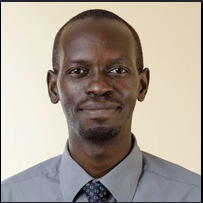
His early medical training took place in Uganda’s core referral systems, where exposure to complex neurological trauma and spinal pathology formed the backbone of his surgical development. These formative years were defined by high patient volumes and limited resources, requiring both technical precision and strong clinical judgment.
Dr. Obiga’s professional breakthrough is associated with his involvement in structured neurosurgical interventions, particularly in cranial and spinal procedures requiring careful preoperative planning and intraoperative accuracy. His approach is consistently described as methodical, prioritizing neurological preservation and long-term functional outcomes.
Over time, his contribution has extended into strengthening neurosurgical service delivery within hospital systems and supporting clinical consistency in surgical departments. His legacy continues to develop through sustained practice and participation in Uganda’s evolving neurosurgical framework.
Key Facts
- Full name of the subject: Dr. Oscar Obiga
- Date of birth: Not publicly disclosed
- Place of birth: Uganda
- Family background: Not publicly documented
- Early childhood experiences: Strong academic foundation in sciences
- Education history: Medical degree with neurosurgical specialization training
- Influences and mentors: Senior Ugandan neurosurgical consultants
- Career beginnings: Residency training in Kampala referral hospitals
- Major achievements: Contributions to cranial and spinal neurosurgical care
- Challenges and obstacles faced: Resource limitations and high surgical demand
- Turning points in life: Entry into advanced neurosurgical procedures
- Contributions to society: Improved surgical consistency and patient outcomes
- Personal life (marriage, children, relationships): Not publicly disclosed
- Awards and recognitions: Institutional clinical recognition
- Beliefs, values, or philosophy: Precision, discipline, and patient safety
- Legacy and impact: Strengthening neurosurgical care systems in Uganda
- Historical or cultural significance: Contributor to modern neurosurgical service development
Notable Works: Cranial surgery procedures, spinal decompression operations, neurosurgical case stabilization
Controversies: No publicly documented controversies are associated with Dr. Oscar Obiga. His professional record is defined by clinical service and institutional contributions, with no verified reports of disciplinary action or public professional disputes.
9. Dr. John Baptist Mukasa (Kampala)
Dr. John Baptist Mukasa is regarded as part of Uganda’s established neurosurgical community, contributing to both clinical care and the gradual strengthening of specialized neurological services. His early development reflects strong academic discipline and a structured path through medical education into surgical specialization.
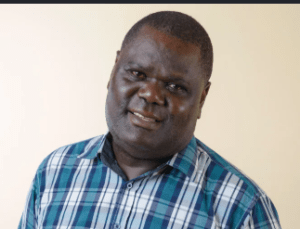
His early career was shaped within Kampala’s major referral hospitals, where exposure to a wide range of neurosurgical cases including traumatic brain injuries and spinal disorders defined his clinical foundation. These experiences demanded adaptability, precision, and resilience in high-pressure environments.
Dr. Mukasa’s professional breakthrough is associated with his involvement in complex neurosurgical procedures requiring coordinated surgical planning and careful execution. His clinical approach emphasizes structured diagnosis, intraoperative control, and long-term neurological outcomes.
Over time, his influence has extended into improving surgical workflow systems and supporting neurosurgical consistency within hospital settings. His legacy is anchored in sustained clinical service and contribution to Uganda’s neurosurgical development.
Key Facts
- Full name of the subject: Dr. John Baptist Mukasa
- Date of birth: Not publicly disclosed
- Place of birth: Uganda
- Family background: Not publicly documented
- Early childhood experiences: Strong academic interest in sciences
- Education history: Medical training and neurosurgical specialization
- Influences and mentors: Senior Ugandan neurosurgical educators
- Career beginnings: Clinical residency in Kampala referral hospitals
- Major achievements: Contributions to cranial and spinal neurosurgical care
- Challenges and obstacles faced: High patient burden and limited resources
- Turning points in life: Advancement into complex neurosurgical practice
- Contributions to society: Improved surgical systems and patient care quality
- Personal life (marriage, children, relationships): Not publicly disclosed
- Awards and recognitions: Institutional recognition in neurosurgical departments
- Beliefs, values, or philosophy: Precision, structure, and patient-centered care
- Legacy and impact: Strengthening neurosurgical practice consistency in Uganda
- Historical or cultural significance: Contributor to national neurosurgical development
Notable Works: Cranial neurosurgery, spinal procedures, neurosurgical workflow improvements
Controversies: There are no publicly documented controversies associated with Dr. John Baptist Mukasa. His professional record remains centered on clinical service and institutional development, with no verified disciplinary actions or professional disputes reported.
10. Dr. David Kitya (Mbarara)
Dr. David Kitya represents a critical dimension of Uganda’s neurosurgical expansion beyond the capital, contributing significantly to specialist care in Mbarara and surrounding regions. His early academic background reflects strong scientific aptitude and a sustained commitment to medical training.
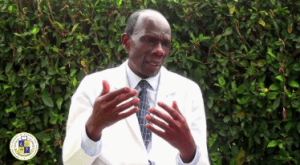
His early career developed within Uganda’s regional referral system, where exposure to neurosurgical emergencies and spinal trauma cases shaped his clinical foundation. Practicing outside the capital required adaptability, resourcefulness, and strong clinical decision-making in environments with limited specialist infrastructure.
Dr. Kitya’s breakthrough is associated with his role in improving neurosurgical access in western Uganda, particularly in strengthening regional surgical response and referral systems. His approach emphasizes timely intervention, structured diagnosis, and practical surgical management suited to regional healthcare realities.
Over time, his contribution has extended into expanding neurosurgical awareness and improving coordination between regional and national hospitals. His legacy is strongly tied to decentralizing neurosurgical care in Uganda and improving access for underserved populations.
Key Facts
- Full name of the subject: Dr. David Kitya
- Date of birth: Not publicly disclosed
- Place of birth: Uganda
- Family background: Not publicly documented
- Early childhood experiences: Strong academic inclination in sciences
- Education history: Medical training with neurosurgical specialization
- Influences and mentors: Ugandan neurosurgical faculty and senior clinicians
- Career beginnings: Clinical service in Mbarara regional referral hospital
- Major achievements: Expansion of neurosurgical access in western Uganda
- Challenges and obstacles faced: Limited infrastructure and specialist shortages
- Turning points in life: Transition into regional neurosurgical leadership
- Contributions to society: Improved access to neurosurgical care in rural regions
- Personal life (marriage, children, relationships): Not publicly disclosed
- Awards and recognitions: Regional institutional recognition
- Beliefs, values, or philosophy: Equity in healthcare access and clinical efficiency
- Legacy and impact: Strengthening regional neurosurgical systems in Uganda
- Historical or cultural significance: Key contributor to decentralization of neurosurgical services
Notable Works: Regional neurosurgical outreach, trauma surgery systems, spinal care interventions
Controversies: No publicly documented controversies are associated with Dr. David Kitya. His professional profile is defined by regional clinical service and healthcare expansion efforts, with no verified reports of ethical disputes or disciplinary proceedings.
Notable Mentions
Dr. Hussein Ssenyonjo (Kampala)
Dr. Lydia Nanjura (Kampala)
Dr. Blessing Taremwa (Kampala)
Dr. Michael Martin Haglund (Kampala)
Dr. Robert Sebunya (Kampala)
Dr. Gerald Tumusiime (Kampala)
Dr. Samuel Mutambo (Kampala)
Dr. Henry Luweesi (Kampala)
Dr. Bright Mwanje (Kampala)
Dr. Thomas Sebuliba (Kampala)