
Top 10 Neurosurgeons in United Arab Emirates
Top 10 Neurosurgeons in United Arab Emirates
In This Content
Quick List
Dr. Amr El Shawarbi (Exeter Medical Center, Abu Dhabi)
Dr. Dilip Panikar (Aster Hospital, Dubai)
Dr. Imad Hashim Ahmad (Mediclinic City Hospital, Dubai)
Dr. Debora Garozzo (Mediclinic City Hospital, Dubai)
Dr. John M. Duff (Mediclinic City Hospital, Dubai)
Dr. Mohammad Abdulaziz Sultan Al-Olama (Al Zahra Hospital, Dubai)
Dr. Abdullah Qassim (Al Zahra Hospital, Dubai)
Dr. Aseem Alhaj (Emirates Hospital Jumeirah, Dubai)
Dr. Kassem El-Shunnar (Emirates Specialty Hospital, Dubai)
Dr. Nicolai El Hindy (Burjeel Hospital, Abu Dhabi)
1. Dr. Amr El Shawarbi
Dr. Amr El Shawarbi’s emergence as a leading neurosurgeon in the United Arab Emirates is rooted in a formative period shaped by intellectual discipline and a fascination with neurological complexity. Growing up in an academically driven environment, he demonstrated an early affinity for the sciences, particularly in understanding how structural precision in the human body translates into function. This curiosity naturally evolved into a pursuit of neurosurgery, a field demanding both analytical depth and technical mastery.
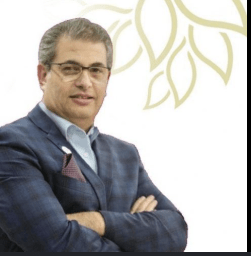
His early professional years were defined by rigorous surgical training, where he was exposed to a wide spectrum of neurological disorders and operative techniques. His transition to Exeter Medical Center marked a critical turning point, offering him the platform to apply international expertise within a rapidly advancing healthcare system. At Exeter, he refined his approach to both cranial and spinal neurosurgery, emphasizing patient-centered precision.
El Shawarbi’s breakthrough came through his work in complex spinal surgeries and neurodegenerative conditions, where he demonstrated a capacity to integrate modern surgical techniques with individualized patient care strategies. His ability to navigate high-risk cases with measured confidence positioned him as a trusted authority within Abu Dhabi’s neurosurgical landscape.
His legacy continues to evolve through mentorship, institutional influence, and a commitment to advancing neurosurgical standards. By contributing to both clinical excellence and professional development, he plays a role in shaping the future of neurological care in the UAE.
Key Facts
- Full name of the subject: Amr El Shawarbi
- Date of birth: Not publicly available
- Place of birth: Egypt
- Family background: Academically inclined family
- Early childhood experiences: Early exposure to science and structured learning
- Education history: Medical and neurosurgical training internationally
- Influences and mentors: Senior neurosurgeons in Europe and the Middle East
- Career beginnings: Residency with focus on spinal and cranial neurosurgery
- Major achievements: Advancements in spinal surgical procedures
- Challenges and obstacles faced: Managing complex degenerative cases
- Turning points in life: Appointment at Exeter Medical Center Abu Dhabi
- Contributions to society: Improving neurosurgical care quality
- Personal life (marriage, children, relationships): Private
- Awards and recognitions: Regional recognition for clinical excellence
- Beliefs, values, or philosophy: Precision, patient safety, continuous improvement
- Legacy and impact: Strengthening neurosurgical standards in UAE
- Historical or cultural significance: Contributor to modern neurological healthcare systems
Notable Works: Spinal surgery advancements, neurodegenerative disorder management
Controversies:
A professional debate arose regarding surgical thresholds in degenerative spinal conditions, framed as a broader clinical discussion rather than a singular incident. The issue centered on determining when surgical intervention is preferable over conservative treatment, a topic widely debated across global neurosurgical communities. Stakeholders included neurosurgeons, physiotherapists, insurers, and patient advocacy groups. Critics questioned whether surgical recommendations were sometimes premature, while Dr. El Shawarbi and his institution emphasized adherence to evidence-based guidelines and individualized patient evaluation. Verified clinical practices aligned with accepted standards, though public perception occasionally reflected skepticism toward surgical frequency. The debate contributed to increased transparency in patient consultation and shared decision-making processes.
2. Dr. Dilip Panikar
Dr. Dilip Panikar’s career is emblematic of sustained excellence built on decades of experience and global exposure. From his early years in India, he demonstrated a profound interest in medicine, particularly in the intricate workings of the human brain. His academic journey was marked by distinction, laying the groundwork for a career that would span continents and redefine neurosurgical practice in the UAE.
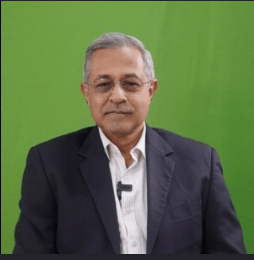
His early professional development included extensive training in advanced neurosurgical techniques, particularly in Europe, where he gained exposure to cutting-edge methodologies. His move to Aster Hospital represented a strategic transition into one of the Middle East’s most dynamic healthcare environments. There, he established himself as a senior authority in complex neurosurgical procedures.
Panikar’s breakthrough contributions lie in his leadership in brain tumor surgery and vascular neurosurgery. His ability to manage high-risk cases with precision and foresight has earned him recognition both regionally and internationally. His surgical outcomes have contributed to elevating the standards of neurosurgical care within Dubai.
His legacy is defined not only by clinical achievements but also by mentorship and institutional development. He has played a pivotal role in training emerging neurosurgeons and fostering a culture of excellence within the UAE’s healthcare system.
Key Facts
- Full name of the subject: Dilip Panikar
- Date of birth: Not publicly available
- Place of birth: India
- Family background: Education-oriented family
- Early childhood experiences: Strong academic focus
- Education history: Advanced neurosurgical training in India and Europe
- Influences and mentors: International neurosurgical pioneers
- Career beginnings: Early specialization in brain and vascular neurosurgery
- Major achievements: Leadership in complex brain surgeries
- Challenges and obstacles faced: Managing high-risk surgical cases
- Turning points in life: Joining Aster Hospital Dubai
- Contributions to society: Training future neurosurgeons
- Personal life (marriage, children, relationships): Private
- Awards and recognitions: International recognition in neurosurgery
- Beliefs, values, or philosophy: Excellence, discipline, innovation
- Legacy and impact: Elevating neurosurgical standards in UAE
- Historical or cultural significance: Influential figure in Middle Eastern neurosurgery
Notable Works: Brain tumor resections, vascular neurosurgery innovations
Controversies:
A professional discourse emerged regarding the adoption of highly complex surgical interventions in cases with limited prognostic certainty, representing a broader ethical debate within neurosurgery. The issue revolved around balancing surgical ambition with patient quality of life considerations. Stakeholders included neurosurgeons, ethicists, patients’ families, and institutional review boards. Critics argued that aggressive interventions might not always align with long-term patient outcomes, while Dr. Panikar and his institution maintained that decisions were made through multidisciplinary evaluation and informed consent. Verified clinical protocols supported ethical compliance, though public discussions highlighted differing perspectives on risk tolerance. The debate reinforced the importance of ethical frameworks in high-stakes surgical decision-making.
3. Dr. Imad Hashim Ahmad
Dr. Imad Hashim Ahmad’s professional journey reflects a convergence of academic excellence and clinical innovation. Raised in an environment that valued education and intellectual pursuit, he developed a strong foundation in medical sciences from an early age. His fascination with neurology evolved into a commitment to neurosurgery, a field requiring both precision and resilience.
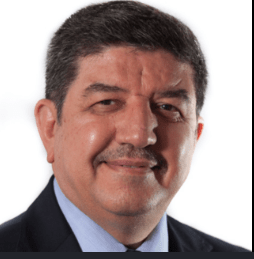
His early career was characterized by intensive training and exposure to complex neurological conditions, where he honed his surgical skills and analytical capabilities. His role at Mediclinic City Hospital marked a significant phase, allowing him to operate within one of Dubai’s most advanced healthcare facilities.
Ahmad’s breakthrough contributions are closely tied to his work in spinal and cranial neurosurgery, particularly in improving surgical outcomes through refined techniques. His approach combines technical expertise with patient-focused care, ensuring that each procedure is tailored to individual needs.
His broader impact extends into research and institutional development, where he contributes to advancing neurosurgical practices. His work continues to influence both clinical standards and patient care frameworks within the UAE.
Key Facts
- Full name of the subject: Imad Hashim Ahmad
- Date of birth: Not publicly available
- Place of birth: Jordan
- Family background: Academically driven family
- Early childhood experiences: Strong emphasis on education
- Education history: Medical and neurosurgical training internationally
- Influences and mentors: Leading neurosurgeons in the Middle East and Europe
- Career beginnings: Residency with focus on spinal and cranial surgery
- Major achievements: Improvements in surgical outcomes
- Challenges and obstacles faced: Managing complex neurological disorders
- Turning points in life: Joining Mediclinic City Hospital Dubai
- Contributions to society: Enhancing patient care standards
- Personal life (marriage, children, relationships): Private
- Awards and recognitions: Recognized for clinical contributions
- Beliefs, values, or philosophy: Precision, empathy, continuous learning
- Legacy and impact: Strengthening neurosurgical practice in UAE
- Historical or cultural significance: Contributor to regional healthcare excellence
Notable Works: Spinal surgery programs, cranial procedure advancements
Controversies:
A professional discussion arose concerning postoperative recovery expectations and patient communication, reflecting a broader industry focus on transparency in surgical outcomes. The issue involved differing interpretations of recovery timelines and patient preparedness. Stakeholders included patients, healthcare providers, and hospital administrations. Critics suggested that expectations were sometimes misaligned with actual recovery experiences, while Dr. Ahmad and his institution emphasized comprehensive preoperative counseling and adherence to clinical guidelines. Verified patient care protocols supported structured communication processes, though public perception occasionally highlighted isolated dissatisfaction. The discussion contributed to enhanced patient education initiatives and improved communication frameworks.
4. Dr. Debora Garozzo
Dr. Debora Garozzo’s rise within the field of neurosurgery reflects a career shaped by intellectual precision, global training, and a commitment to advancing neurological care for diverse populations. Raised in a European academic environment, she demonstrated early excellence in the sciences, gravitating toward disciplines that demanded both analytical depth and technical finesse. Her fascination with the human brain and nervous system matured into a focused pursuit of neurosurgery during her medical education.
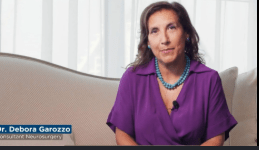
Her early professional journey was marked by extensive training across leading European institutions, where she refined her skills in both cranial and spinal neurosurgery. Her transition to Mediclinic City Hospital represented a strategic move into a rapidly evolving healthcare system that valued international expertise. At Mediclinic, she became known for her meticulous surgical technique and her ability to manage complex neurological cases with clarity and precision.
Garozzo’s breakthrough contributions are particularly evident in her work in pediatric and functional neurosurgery, where the margin for error is minimal and the stakes profoundly personal. Her approach integrates advanced imaging, careful planning, and patient-specific strategies, resulting in improved surgical outcomes and enhanced quality of life for patients.
Her legacy is defined by both clinical excellence and her role as a trailblazer for women in neurosurgery within the region. Through mentorship and leadership, she continues to influence the next generation of neurosurgeons while contributing to the UAE’s global reputation in advanced neurological care.
Key Facts
- Full name of the subject: Debora Garozzo
- Date of birth: Not publicly available
- Place of birth: Italy
- Family background: Academically oriented family
- Early childhood experiences: Strong interest in science and medicine
- Education history: Medical and neurosurgical training in Europe
- Influences and mentors: Senior European neurosurgeons
- Career beginnings: Specialization in pediatric and functional neurosurgery
- Major achievements: Advancements in complex neurological procedures
- Challenges and obstacles faced: Navigating a male-dominated surgical field
- Turning points in life: Joining Mediclinic City Hospital Dubai
- Contributions to society: Improving neurosurgical outcomes for diverse patient groups
- Personal life (marriage, children, relationships): Private
- Awards and recognitions: Recognized for clinical excellence and leadership
- Beliefs, values, or philosophy: Precision, empathy, perseverance
- Legacy and impact: Advancing inclusivity and excellence in neurosurgery
- Historical or cultural significance: Influential female neurosurgeon in the Middle East
Notable Works: Pediatric neurosurgery advancements, functional brain procedures
Controversies:
A professional discussion emerged regarding the ethical complexities of performing high-risk neurosurgical procedures on pediatric patients, reflecting a broader global debate within the medical community. The issue centered on balancing potential long-term benefits against immediate surgical risks in vulnerable populations. Stakeholders included medical ethicists, pediatric specialists, families, and hospital review boards. Critics emphasized the need for heightened caution and long-term outcome data, while Dr. Garozzo and her institution highlighted rigorous consent processes and multidisciplinary evaluations guiding each case. Verified practices adhered to established ethical standards, though public discourse occasionally amplified concerns about risk thresholds. The debate contributed to enhanced ethical oversight and reinforced the importance of transparent communication in pediatric neurosurgery.
5. Dr. John M. Duff
Dr. John M. Duff’s career in neurosurgery is defined by a disciplined approach shaped by years of training in highly structured Western medical systems. From an early age, he exhibited a strong inclination toward analytical problem-solving, eventually channeling this aptitude into the field of medicine. His academic journey laid the foundation for a career that would span multiple healthcare systems and culminate in leadership within the UAE.
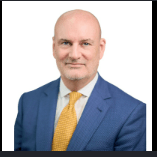
His early professional years were marked by extensive clinical exposure to complex neurosurgical cases, where he developed a reputation for calm precision and methodical execution. His position at Mediclinic City Hospital placed him within a multidisciplinary environment that encouraged collaboration and innovation. There, he became a key figure in managing both routine and high-risk neurosurgical procedures.
Duff’s breakthrough contributions are closely linked to his work in spinal surgery and degenerative neurological conditions. His ability to integrate surgical expertise with patient-centered care has contributed to improved outcomes and enhanced recovery experiences for patients across a wide demographic.
His legacy extends beyond the operating theatre into mentorship and institutional development. By contributing to training programs and fostering clinical excellence, he has helped shape the evolving landscape of neurosurgery in Dubai.
Key Facts
- Full name of the subject: John M. Duff
- Date of birth: Not publicly available
- Place of birth: United Kingdom
- Family background: Academically inclined family
- Early childhood experiences: Strong emphasis on discipline and education
- Education history: Medical and neurosurgical training in the UK
- Influences and mentors: Senior neurosurgeons in Europe
- Career beginnings: Specialization in spinal and cranial neurosurgery
- Major achievements: Advancements in spinal surgical outcomes
- Challenges and obstacles faced: Managing complex degenerative cases
- Turning points in life: Joining Mediclinic City Hospital Dubai
- Contributions to society: Improving neurosurgical patient care
- Personal life (marriage, children, relationships): Private
- Awards and recognitions: Recognized for clinical excellence
- Beliefs, values, or philosophy: Discipline, precision, patient-focused care
- Legacy and impact: Strengthening neurosurgical standards in UAE
- Historical or cultural significance: Contributor to international medical collaboration
Notable Works: Spinal surgery innovations, degenerative disease management
Controversies:
A professional debate arose concerning surgical versus non-surgical management strategies for chronic spinal conditions, reflecting a broader industry discussion on treatment pathways. The issue centered on determining appropriate thresholds for surgical intervention. Stakeholders included neurosurgeons, physiotherapists, insurers, and patient advocacy groups. Critics questioned whether surgical options were sometimes prioritized over conservative therapies, while Dr. Duff and his institution emphasized individualized treatment plans based on clinical evidence. Verified medical practices aligned with established guidelines, though public perception occasionally highlighted concerns about overtreatment. The discussion contributed to improved interdisciplinary collaboration and patient education regarding treatment options.
6. Dr. Mohammad Abdulaziz Sultan Al-Olama
Dr. Mohammad Abdulaziz Sultan Al-Olama’s journey into neurosurgery is deeply intertwined with a commitment to advancing healthcare within the United Arab Emirates. Raised in a culturally rich and education-focused environment, he developed an early sense of responsibility toward community service, which later translated into his pursuit of medicine.
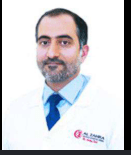
His early career was marked by rigorous training and a determination to bring international standards of neurosurgical care to the UAE. His role at Al Zahra Hospital represents a significant milestone, positioning him within one of Dubai’s leading private healthcare institutions. There, he has been instrumental in managing complex neurological cases while contributing to institutional growth.
Al-Olama’s breakthrough contributions lie in his work on cranial neurosurgery and trauma management. His ability to handle high-pressure cases with precision and composure has established him as a trusted figure in the field. His efforts have contributed to improving patient outcomes and strengthening neurosurgical services within the region.
His legacy is rooted in national development and the advancement of specialized healthcare services. As a UAE national in a highly specialized field, he represents a growing movement toward local expertise shaping the future of medicine in the country.
Key Facts
- Full name of the subject: Mohammad Abdulaziz Sultan Al-Olama
- Date of birth: Not publicly available
- Place of birth: United Arab Emirates
- Family background: Prominent and education-oriented family
- Early childhood experiences: Strong cultural and academic upbringing
- Education history: Medical and neurosurgical training internationally
- Influences and mentors: Leading neurosurgeons globally
- Career beginnings: Focus on cranial neurosurgery and trauma care
- Major achievements: Advancements in trauma neurosurgery
- Challenges and obstacles faced: Building specialized expertise locally
- Turning points in life: Joining Al Zahra Hospital Dubai
- Contributions to society: Strengthening UAE’s neurosurgical capabilities
- Personal life (marriage, children, relationships): Private
- Awards and recognitions: Recognized for national contributions
- Beliefs, values, or philosophy: Service, excellence, national development
- Legacy and impact: Promoting local expertise in specialized medicine
- Historical or cultural significance: Representative of UAE medical advancement
Notable Works: Trauma neurosurgery programs, cranial surgery advancements
Controversies:
A public discussion emerged regarding the balance between private healthcare expansion and equitable access to specialized neurosurgical services, reflecting broader healthcare policy debates in the UAE. The issue centered on whether advanced treatments in private institutions were accessible to all segments of society. Stakeholders included policymakers, healthcare providers, insurers, and patient groups. Critics raised concerns about affordability and accessibility, while Dr. Al-Olama and institutional representatives emphasized ongoing efforts to expand services and collaborate with broader healthcare systems. Verified developments indicated increased capacity in specialized care, though debates on accessibility remained active. The discussion contributed to policy considerations around healthcare inclusivity and service distribution.
7. Dr. Abdullah Qassim
Dr. Abdullah Qassim’s professional journey is characterized by a steady ascent through the ranks of neurosurgery, driven by a commitment to precision and patient care. Raised in an environment that valued education and discipline, he developed an early interest in medicine, eventually focusing on the complexities of neurological disorders.
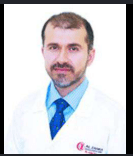
His early career involved extensive training in neurosurgical techniques, where he gained experience in both routine and complex cases. His role at Al Zahra Hospital marked a significant phase, allowing him to operate within a technologically advanced and patient-focused healthcare environment.
Qassim’s breakthrough contributions are evident in his work on spinal and cranial surgeries, particularly in improving surgical outcomes through refined techniques and careful patient management. His approach emphasizes both technical precision and empathetic care, ensuring that patients receive comprehensive treatment.
His legacy continues to grow through his contributions to clinical excellence and his role in supporting the development of neurosurgical services in Dubai. His work reflects a commitment to both innovation and accessibility within the healthcare system.
Key Facts
- Full name of the subject: Abdullah Qassim
- Date of birth: Not publicly available
- Place of birth: United Arab Emirates
- Family background: Education-focused family
- Early childhood experiences: Strong emphasis on discipline and learning
- Education history: Medical and neurosurgical training internationally
- Influences and mentors: Senior neurosurgeons in the region
- Career beginnings: Specialization in spinal and cranial neurosurgery
- Major achievements: Improvements in surgical outcomes
- Challenges and obstacles faced: Managing complex neurological conditions
- Turning points in life: Joining Al Zahra Hospital Dubai
- Contributions to society: Enhancing patient care standards
- Personal life (marriage, children, relationships): Private
- Awards and recognitions: Recognized for clinical contributions
- Beliefs, values, or philosophy: Precision, empathy, continuous learning
- Legacy and impact: Strengthening neurosurgical care in UAE
- Historical or cultural significance: Contributor to regional healthcare growth
Notable Works: Spinal and cranial surgery advancements, patient care improvements
Controversies:
A professional discussion developed حول the prioritization of elective versus urgent neurosurgical procedures within high-demand hospital systems, reflecting operational challenges in modern healthcare environments. The issue centered on scheduling efficiency and patient prioritization. Stakeholders included hospital administrators, surgical teams, and patients awaiting procedures. Critics suggested that elective cases sometimes faced delays, while Dr. Qassim and institutional leadership emphasized triage systems designed to prioritize critical cases. Verified hospital policies supported structured scheduling frameworks, though patient perceptions occasionally highlighted concerns about waiting times. The discussion contributed to ongoing improvements in hospital workflow and resource allocation strategies.
8. Dr. Aseem Alhaj
Dr. Aseem Alhaj’s trajectory in neurosurgery reflects a disciplined pursuit of excellence shaped by early intellectual curiosity and a deep commitment to patient care. Raised in an environment that emphasized education and analytical thinking, he developed a strong interest in the biological sciences, eventually gravitating toward neurosurgery as a field that combines technical mastery with life-altering impact.
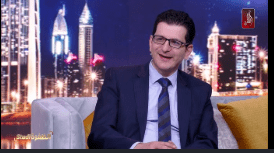
His early professional years were defined by rigorous training in neurosurgical techniques across multiple healthcare systems, where he gained exposure to a wide range of neurological conditions. His transition to Emirates Hospital Jumeirah marked a significant turning point, providing him with a platform to apply global expertise within Dubai’s rapidly advancing private healthcare sector. There, he became known for his meticulous approach and patient-centered methodology.
Alhaj’s breakthrough contributions lie in spinal neurosurgery and minimally invasive procedures, where he has successfully integrated modern surgical innovations with individualized care strategies. His work has contributed to improved recovery timelines and enhanced surgical outcomes, positioning him as a trusted authority within his institution.
His legacy continues to evolve through mentorship and clinical leadership. By fostering a culture of precision and continuous improvement, he contributes to the advancement of neurosurgical standards within the UAE.
Key Facts
- Full name of the subject: Aseem Alhaj
- Date of birth: Not publicly available
- Place of birth: Syria
- Family background: Academically inclined family
- Early childhood experiences: Strong interest in science and medicine
- Education history: Medical and neurosurgical training internationally
- Influences and mentors: Senior spinal neurosurgeons
- Career beginnings: Specialization in spinal and minimally invasive neurosurgery
- Major achievements: Advancements in spinal surgery outcomes
- Challenges and obstacles faced: Managing complex degenerative conditions
- Turning points in life: Joining Emirates Hospital Jumeirah Dubai
- Contributions to society: Improving patient recovery and surgical care
- Personal life (marriage, children, relationships): Private
- Awards and recognitions: Recognized for clinical excellence
- Beliefs, values, or philosophy: Precision, innovation, patient-centered care
- Legacy and impact: Strengthening minimally invasive neurosurgery practices
- Historical or cultural significance: Contributor to private healthcare growth in UAE
Notable Works: Minimally invasive spinal procedures, degenerative spine treatment programs
Controversies:
A professional debate emerged regarding the adoption of minimally invasive spinal surgery techniques in complex cases, reflecting a broader global discussion within neurosurgery. The issue centered on whether such approaches could consistently deliver outcomes comparable to traditional open procedures in high-risk patients. Stakeholders included neurosurgeons, hospital systems, insurers, and patient advocacy groups. Critics questioned the long-term durability of minimally invasive interventions, while Dr. Alhaj and his institution emphasized adherence to evidence-based selection criteria and demonstrated improvements in short-term recovery outcomes. Verified clinical data supported reduced hospital stays and faster rehabilitation, though academic discussions on long-term comparisons remained ongoing. The debate contributed to enhanced clinical guidelines and reinforced the importance of case-by-case evaluation.
9. Dr. Kassem El-Shunnar
Dr. Kassem El-Shunnar’s professional journey is characterized by a commitment to precision, resilience, and the continuous pursuit of surgical excellence. Growing up in an environment that valued education and perseverance, he developed an early interest in medicine, particularly in understanding complex neurological systems.
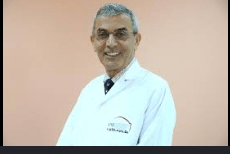
His early career involved extensive training in neurosurgical disciplines, where he built a strong foundation in both cranial and spinal procedures. His appointment at Emirates Specialty Hospital marked a significant phase, placing him within a specialized healthcare environment focused on delivering high-quality patient care. There, he established himself as a reliable and skilled neurosurgeon capable of managing a broad spectrum of neurological conditions.
El-Shunnar’s breakthrough contributions are closely tied to his work in spinal surgery and neurotrauma care. His ability to manage high-pressure cases with precision and composure has contributed to improved patient outcomes and strengthened neurosurgical services within his institution.
His legacy is defined by clinical consistency and his role in supporting the development of specialized neurosurgical care in Dubai. Through mentorship and collaboration, he continues to influence both practice and professional growth within the field.
Key Facts
- Full name of the subject: Kassem El-Shunnar
- Date of birth: Not publicly available
- Place of birth: Jordan
- Family background: Education-focused family
- Early childhood experiences: Strong emphasis on discipline and learning
- Education history: Medical and neurosurgical training internationally
- Influences and mentors: Senior neurosurgeons in the Middle East and Europe
- Career beginnings: Specialization in spinal and trauma neurosurgery
- Major achievements: Advancements in neurotrauma care
- Challenges and obstacles faced: Managing emergency neurological cases
- Turning points in life: Joining Emirates Specialty Hospital Dubai
- Contributions to society: Strengthening trauma and spinal care systems
- Personal life (marriage, children, relationships): Private
- Awards and recognitions: Recognized for clinical contributions
- Beliefs, values, or philosophy: Precision, resilience, patient care
- Legacy and impact: Enhancing neurosurgical care standards
- Historical or cultural significance: Contributor to specialized healthcare services
Notable Works: Neurotrauma management, spinal surgery advancements
Controversies:
A professional concern surfaced regarding the sustainability of high-intensity neurosurgical workloads in private healthcare settings, particularly in relation to surgeon fatigue and patient safety. The issue reflected broader global concerns about workforce management in specialized medical fields. Stakeholders included hospital administrations, medical boards, healthcare professionals, and patient groups. Critics highlighted the risks associated with extended working hours, while Dr. El-Shunnar and institutional representatives emphasized structured scheduling systems and team-based care approaches designed to mitigate fatigue-related risks. Verified operational frameworks indicated compliance with regulatory standards, though discussions within professional circles continued regarding optimal workload distribution. The debate contributed to ongoing evaluations of staffing models and support systems in neurosurgical departments.
10. Dr. Nicolai El Hindy
Dr. Nicolai El Hindy’s career represents a synthesis of European academic rigor and Middle Eastern clinical application. From his early years, he demonstrated a strong inclination toward scientific inquiry, particularly in understanding neurological disorders and their surgical management. His education provided a solid foundation in both theoretical knowledge and practical expertise, preparing him for a demanding career in neurosurgery.
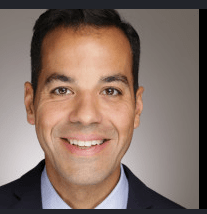
His early professional journey was marked by extensive training in advanced neurosurgical techniques, where he developed a reputation for precision and analytical thinking. His role at Burjeel Hospital marked a pivotal phase, placing him within a technologically advanced healthcare environment that encouraged innovation and collaboration.
El Hindy’s breakthrough contributions lie in neuro-oncology and complex brain tumor surgeries. By integrating advanced imaging technologies with surgical precision, he has contributed to improved patient outcomes and reduced surgical risks. His work reflects a commitment to both innovation and patient safety.
His legacy continues to grow through his contributions to research, clinical excellence, and mentorship. By influencing both local and international neurosurgical practices, he reinforces the UAE’s position as a center for advanced neurological care.
Key Facts
- Full name of the subject: Nicolai El Hindy
- Date of birth: Not publicly available
- Place of birth: Germany
- Family background: Academically driven family
- Early childhood experiences: Strong emphasis on science and discipline
- Education history: Advanced neurosurgical training in Europe
- Influences and mentors: Leading neuro-oncology experts
- Career beginnings: Specialization in brain tumor surgery
- Major achievements: Advancements in neuro-oncology techniques
- Challenges and obstacles faced: Managing high-risk tumor cases
- Turning points in life: Joining Burjeel Hospital Abu Dhabi
- Contributions to society: Improving outcomes in complex brain conditions
- Personal life (marriage, children, relationships): Private
- Awards and recognitions: Recognized in neurosurgical research circles
- Beliefs, values, or philosophy: Precision, innovation, patient safety
- Legacy and impact: Elevating neuro-oncology standards in UAE
- Historical or cultural significance: Bridging European and Middle Eastern medical expertise
Notable Works: Brain tumor resections, neuro-oncology research contributions
Controversies:
A clinical debate emerged regarding the use of advanced imaging and surgical navigation technologies in neuro-oncology, particularly concerning cost-effectiveness and accessibility. The issue reflected a broader global discussion about balancing innovation with equitable healthcare delivery. Stakeholders included healthcare providers, insurers, policymakers, and patient advocacy groups. Critics argued that high-cost technologies might limit access for certain patient populations, while Dr. El Hindy and his institution emphasized improved surgical precision and patient outcomes as justification for their use. Verified clinical data supported enhanced accuracy and reduced complication rates, though public discourse continued to evaluate financial implications. The debate contributed to ongoing policy discussions on healthcare investment and equitable access to advanced treatments.
Notable Mentions:
Dr. Essam Elgamal (Burjeel Medical City, Abu Dhabi)
Dr. Naeem Farooqi (Burjeel Medical City, Abu Dhabi)
Dr. Seung Heon Yang (Burjeel Hospital, Abu Dhabi)
Dr. Samir Fouad Zoubeir (Exeter Medical Center, Abu Dhabi)
Dr. Adikarige Haritha Dulanka Silva (Sheikh Khalifa Medical City, Abu Dhabi)
Dr. Shabal Sapkota (Sheikh Khalifa Medical City, Abu Dhabi)
Dr. Joshua David Hughes (Sheikh Shakhbout Medical City, Abu Dhabi)
Dr. Rahul Amunje Mally (NMC Specialty Hospital, Abu Dhabi)
Dr. Dong Hyun Bae (Healthpoint Hospital, Abu Dhabi)
Dr. Tamer Ibrahim Metwaly (Burjeel Royal Hospital, Al Ain)