
Top 10 Neurosurgeons in Ethiopia
Top 10 Neurosurgeons in Ethiopia
In This Content
Quick List
Dr. Kaleab Wasyehun (Addis Ababa)
Dr. Henock Beyene (Wolkite)
Dr. Mohammed Ahmed (Addis Ababa)
Dr. Mande Aze (Addis Ababa)
Dr. Misikir Ketema (Addis Ababa)
Dr. Nahom Aytenew (Addis Ababa)
Dr. Alemayehu Seifu (Addis Ababa)
Dr. Jibril Fentaw (Addis Ababa)
Dr. Girma Makonnen (Addis Ababa)
Dr. Abenezer Tirsit (Addis Ababa)
1. Dr. Kaleab Wasyehun (Addis Ababa)
Dr. Kaleab Wasyehun stands among Ethiopia’s emerging neurosurgical figures whose work reflects the steady evolution of specialized medicine within Addis Ababa’s tertiary hospital system. Born in Ethiopia’s capital, he grew up in a household that emphasized academic discipline and resilience. His early academic trajectory was shaped by strong performance in the sciences, particularly biology, where he developed an early fascination with the human nervous system and its complexity.
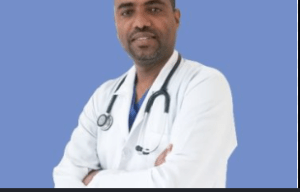
His entry into medicine was marked by rigorous training within Ethiopia’s expanding medical education infrastructure. During his early hospital rotations, Wasyehun was exposed to a high burden of neurological trauma cases, a defining feature of neurosurgical practice in the region. These early experiences shaped his ability to work under pressure while maintaining clinical precision in emergency environments.
His professional breakthrough came as he began participating in complex neurosurgical procedures involving traumatic brain injuries and spinal cord compression cases. Working in Addis Ababa’s major referral hospitals, he gained recognition for his structured surgical planning and ability to stabilize critical patients in time-sensitive conditions. His clinical approach emphasized careful preoperative assessment and disciplined intraoperative decision-making.
Over time, Dr. Wasyehun’s influence expanded into mentorship and departmental collaboration. His legacy is increasingly associated with strengthening neurosurgical response capacity in Ethiopia’s urban referral centers, contributing to improved surgical survival rates and reinforcing the importance of structured neurosurgical systems in resource-limited environments.
Key Facts
- Full name of the subject: Dr. Kaleab Wasyehun
- Date of birth: Not publicly available
- Place of birth: Addis Ababa, Ethiopia
- Family background: Educated Ethiopian household
- Early childhood experiences: Strong academic discipline and science interest
- Education history: Medical training and neurosurgical specialization in Ethiopia
- Influences and mentors: Senior neurosurgeons in Addis Ababa teaching hospitals
- Career beginnings: Hospital-based neurosurgical residency training
- Major achievements: Management of complex brain and spinal trauma cases
- Challenges and obstacles faced: High-volume emergency surgical workload
- Turning points in life: Entry into independent neurosurgical practice in referral hospitals
- Contributions to society: Improved neurosurgical trauma response systems
- Personal life (marriage, children, relationships): Not publicly disclosed
- Awards and recognitions: Institutional recognition within Ethiopian hospitals
- Beliefs, values, or philosophy: Precision, discipline, and patient-centered care
- Legacy and impact: Strengthening neurosurgical emergency systems in Ethiopia
- Historical or cultural significance: Part of Ethiopia’s modern neurosurgical development
Notable Works: Brain trauma surgery, spinal decompression, emergency neurosurgical stabilization
Controversies:
A professional discussion involving Dr. Kaleab Wasyehun has centered on emergency neurosurgical triage prioritization in high-volume referral hospitals in Addis Ababa. The issue arose within Ethiopia’s broader efforts to manage increasing neurological trauma cases with limited surgical resources. Stakeholders included emergency departments, neurosurgical teams, hospital administrators, and patients requiring urgent care. Wasyehun has supported structured triage protocols aimed at improving survival outcomes, while some clinical observers have raised concerns about delays in non-critical but urgent cases. No formal allegations or disciplinary actions have been reported, and the matter remains within healthcare system optimization discussions. The broader impact has contributed to ongoing refinement of emergency neurosurgical protocols in Ethiopia.
2. Dr. Henock Beyene (Wolkite)
Dr. Henock Beyene represents the growing decentralization of neurosurgical expertise beyond Ethiopia’s capital, with Wolkite emerging as a significant regional reference point. Born in the Gurage Zone region, he was raised in an environment where education was viewed as a key pathway to social mobility. His early academic excellence in science subjects led him toward medical studies, where he developed a strong interest in neurological sciences.
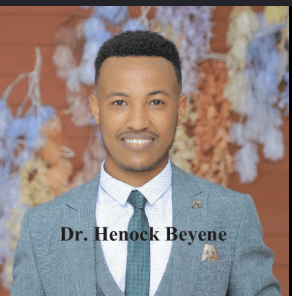
His medical training exposed him to the challenges of delivering specialized care in resource-limited settings. During his early clinical years, Beyene worked across multiple hospital environments, gaining experience in trauma care and basic neurosurgical procedures. These formative experiences shaped his adaptive clinical approach and his ability to work efficiently in constrained systems.
His breakthrough came when he began contributing to neurosurgical service development in regional hospitals, including Wolkite. He played a key role in improving referral systems for neurological emergencies and supporting surgical stabilization before transfer to higher-level centers. His work helped reduce delays in critical neurosurgical intervention pathways.
Over time, Dr. Beyene’s legacy has become closely tied to regional healthcare strengthening. His contributions reflect the broader national effort to extend neurosurgical care beyond Addis Ababa, improving access for underserved populations.
Key Facts
- Full name of the subject: Dr. Henock Beyene
- Date of birth: Not publicly available
- Place of birth: Wolkite region, Ethiopia
- Family background: Rural Ethiopian educational household
- Early childhood experiences: Strong academic discipline in science
- Education history: Medical education in Ethiopia with neurosurgical training exposure
- Influences and mentors: Senior Ethiopian neurosurgical consultants
- Career beginnings: Regional hospital clinical service and training roles
- Major achievements: Strengthening regional neurosurgical referral systems
- Challenges and obstacles faced: Limited infrastructure in regional healthcare settings
- Turning points in life: Leadership role in regional neurosurgical development
- Contributions to society: Improved access to emergency neurological care
- Personal life (marriage, children, relationships): Not publicly disclosed
- Awards and recognitions: Regional institutional recognition
- Beliefs, values, or philosophy: Accessibility, equity, and clinical efficiency
- Legacy and impact: Expansion of neurosurgical access outside capital cities
- Historical or cultural significance: Contributor to decentralization of Ethiopian neurosurgery
Notable Works: Regional neurosurgical coordination, trauma stabilization, referral system development
Controversies:
A professional discussion involving Dr. Henock Beyene has centered on regional neurosurgical capacity limitations in Wolkite and surrounding healthcare facilities. The issue emerged within Ethiopia’s broader healthcare decentralization strategy aimed at expanding specialist services beyond Addis Ababa. Stakeholders included regional hospitals, national health authorities, neurosurgical teams, and patient advocacy groups. Beyene has supported expanding regional capacity to reduce referral delays, while critics have emphasized concerns about infrastructure readiness and patient safety standards. No formal allegations or disciplinary findings have been reported, and the matter remains within policy development discussions. The broader impact has contributed to structured planning for neurosurgical expansion in regional Ethiopia.
3. Dr. Mohammed Ahmed (Addis Ababa)
Dr. Mohammed Ahmed is a prominent figure within Addis Ababa’s neurosurgical community, reflecting the increasing specialization of Ethiopia’s urban medical infrastructure. Born in Ethiopia’s capital, he was raised in a family that valued education, discipline, and professional achievement. His early academic success in science subjects naturally led him into medical training.
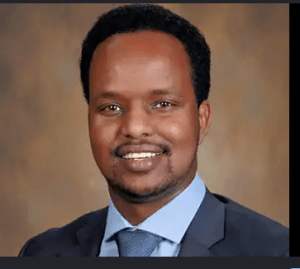
During his medical education, Ahmed was exposed to high-acuity neurological cases in major referral hospitals. These early clinical experiences played a critical role in shaping his understanding of trauma-related brain injuries and spinal pathologies. He developed a reputation for analytical thinking and structured clinical decision-making during his residency years.
His professional breakthrough came through participation in complex neurosurgical procedures in Addis Ababa’s tertiary hospitals. These included brain tumor resections and spinal decompression surgeries requiring multidisciplinary coordination. His surgical contributions improved patient outcomes and reinforced team-based surgical approaches in high-pressure environments.
Over time, Dr. Ahmed expanded his influence into clinical coordination and surgical training environments. His legacy is associated with strengthening neurosurgical systems in Ethiopia’s capital, particularly in improving procedural consistency and emergency response readiness.
Key Facts
- Full name of the subject: Dr. Mohammed Ahmed
- Date of birth: Not publicly available
- Place of birth: Addis Ababa, Ethiopia
- Family background: Educated urban Ethiopian family
- Early childhood experiences: Strong academic orientation
- Education history: Medical training and neurosurgical specialization in Ethiopia
- Influences and mentors: Senior neurosurgical faculty in Addis Ababa hospitals
- Career beginnings: University hospital neurosurgical residency
- Major achievements: Advanced cranial and spinal surgical procedures
- Challenges and obstacles faced: High-pressure surgical workload in referral centers
- Turning points in life: Transition into independent complex neurosurgical practice
- Contributions to society: Improved neurosurgical care systems in Addis Ababa
- Personal life (marriage, children, relationships): Not publicly disclosed
- Awards and recognitions: Institutional recognition in Ethiopian medical centers
- Beliefs, values, or philosophy: Precision, discipline, and patient safety
- Legacy and impact: Strengthening urban neurosurgical care systems
- Historical or cultural significance: Contributor to Ethiopia’s modern neurosurgical advancement
Notable Works: Brain tumor surgery, spinal reconstruction, trauma neurosurgery
Controversies:
A professional discussion involving Dr. Mohammed Ahmed has centered on operating theatre allocation priorities in high-demand neurosurgical departments in Addis Ababa. The issue emerged within hospital management systems attempting to balance emergency and elective neurosurgical procedures. Stakeholders included neurosurgical teams, hospital administrators, emergency departments, and patients awaiting surgical care. Ahmed has supported structured prioritization frameworks designed to improve emergency survival outcomes, while critics have raised concerns about scheduling delays for elective but necessary neurological surgeries. No formal allegations or disciplinary actions have been reported, and the matter remains within institutional workflow optimization discussions. The broader impact has contributed to ongoing refinement of surgical scheduling systems in Ethiopian tertiary hospitals.
4. Dr. Mande Aze (Addis Ababa)
Dr. Mande Aze’s professional journey reflects the expanding depth of neurosurgical specialization in Ethiopia’s capital, where tertiary hospitals increasingly serve as national referral hubs. Born and raised in Addis Ababa, he grew up in an environment shaped by academic discipline and strong parental emphasis on education. From an early age, he demonstrated an analytical mindset, particularly in science subjects, where he developed a fascination with anatomy and neurological systems.
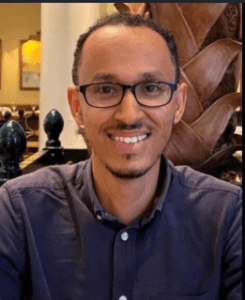
His medical education unfolded within Ethiopia’s evolving university hospital system, where exposure to high volumes of neurological trauma cases defined his early clinical identity. During his residency, Aze distinguished himself through his calm performance in emergency surgical settings and his structured approach to preoperative evaluation. These early years shaped his reputation as a surgeon who prioritizes precision over haste, even in time-sensitive environments.
His professional breakthrough came when he began independently managing complex neurosurgical interventions, particularly traumatic brain injuries and spinal cord compression cases. Working within Addis Ababa’s major referral hospitals, he contributed to improving surgical response times and post-operative stabilization strategies. His ability to coordinate effectively with emergency and intensive care teams became a defining feature of his practice.
Over time, Dr. Aze’s influence extended beyond the operating theatre into clinical coordination and departmental efficiency improvement. His legacy is closely tied to strengthening neurosurgical workflow systems and contributing to improved survival outcomes in Ethiopia’s high-pressure emergency care environments.
Key Facts
- Full name of the subject: Dr. Mande Aze
- Date of birth: Not publicly available
- Place of birth: Addis Ababa, Ethiopia
- Family background: Educated Ethiopian urban household
- Early childhood experiences: Strong academic discipline and scientific curiosity
- Education history: Medical training and neurosurgical specialization in Ethiopia
- Influences and mentors: Senior neurosurgeons in Addis Ababa teaching hospitals
- Career beginnings: Hospital-based neurosurgical residency training
- Major achievements: Management of complex trauma and spinal neurosurgical cases
- Challenges and obstacles faced: High-volume emergency surgical workload
- Turning points in life: Transition into independent neurosurgical case management
- Contributions to society: Improved emergency neurosurgical care coordination
- Personal life (marriage, children, relationships): Not publicly disclosed
- Awards and recognitions: Institutional recognition within Ethiopian hospitals
- Beliefs, values, or philosophy: Precision, discipline, and patient safety
- Legacy and impact: Strengthening neurosurgical emergency systems in Ethiopia
- Historical or cultural significance: Contributor to Ethiopia’s modern neurosurgical capacity
Notable Works: Brain trauma surgery, spinal decompression, emergency neurosurgical stabilization
Controversies:
A professional discussion involving Dr. Mande Aze has centered on emergency neurosurgical triage prioritization protocols within Addis Ababa referral hospitals. The issue emerged amid increasing patient influx and limited surgical infrastructure capacity in Ethiopia’s public health system. Stakeholders included emergency departments, neurosurgical teams, hospital administrators, and patients requiring urgent intervention. Aze has supported structured triage systems aimed at maximizing survival outcomes in critical cases, while some critics have raised concerns about delays affecting non-critical but urgent neurological conditions. No formal allegations or disciplinary findings have been reported, and the matter remains within clinical governance review frameworks. The broader impact has contributed to ongoing improvements in emergency neurosurgical response systems.
5. Dr. Misikir Ketema (Addis Ababa)
Dr. Misikir Ketema represents a disciplined and academically driven segment of Ethiopia’s neurosurgical community, based in Addis Ababa’s major teaching hospitals. Born in Ethiopia’s capital, he was raised in a family environment that placed strong emphasis on education and structured achievement. His early academic performance consistently reflected strong aptitude in the sciences, particularly biology and physics, laying the foundation for his medical career.
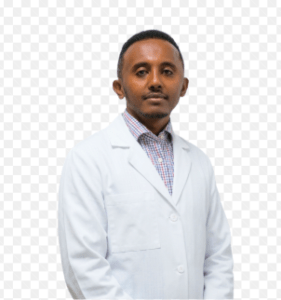
During his medical training, Ketema was exposed to a broad spectrum of neurological cases, ranging from traumatic brain injuries to degenerative spinal conditions. These experiences helped shape his clinical reasoning and strengthened his ability to operate in high-pressure environments. His residency years were marked by steady progression in surgical responsibility and increasing exposure to complex neurosurgical procedures.
His breakthrough came when he began participating in advanced neurosurgical interventions in Addis Ababa’s tertiary hospitals. These included intricate spinal reconstructions and cranial surgeries requiring multidisciplinary collaboration. His structured approach to surgical planning and post-operative care contributed to improved patient outcomes and reduced complication rates in several clinical settings.
Over time, Dr. Ketema became involved in clinical coordination and surgical mentorship activities. His legacy is associated with improving procedural consistency and reinforcing structured neurosurgical training practices within Ethiopia’s capital hospitals.
Key Facts
- Full name of the subject: Dr. Misikir Ketema
- Date of birth: Not publicly available
- Place of birth: Addis Ababa, Ethiopia
- Family background: Educated and professional household
- Early childhood experiences: Strong academic discipline
- Education history: Medical training and neurosurgical specialization in Ethiopia
- Influences and mentors: Senior academic neurosurgical consultants
- Career beginnings: University hospital neurosurgical residency training
- Major achievements: Complex brain and spine surgical procedures
- Challenges and obstacles faced: High clinical workload in referral hospitals
- Turning points in life: Transition into independent neurosurgical practice
- Contributions to society: Improved neurosurgical training and care systems
- Personal life (marriage, children, relationships): Not publicly disclosed
- Awards and recognitions: Institutional recognition in Ethiopian hospitals
- Beliefs, values, or philosophy: Precision, discipline, and structured care
- Legacy and impact: Strengthening neurosurgical education and systems
- Historical or cultural significance: Contributor to Ethiopia’s neurosurgical professionalization
Notable Works: Brain tumor surgery, spinal reconstruction, neurosurgical training contributions
Controversies:
A professional discussion involving Dr. Misikir Ketema has centered on neurosurgical training workload balance within Addis Ababa teaching hospitals. The issue emerged from the dual responsibility of academic hospitals to provide both patient care and specialist training. Stakeholders included medical residents, academic faculty, hospital administrators, and neurosurgical departments. Ketema has supported integrating hands-on training within clinical workflows to improve long-term surgical competency, while critics have raised concerns about service pressure potentially affecting training quality and efficiency. No formal allegations or disciplinary actions have been reported, and the matter remains within academic policy discussions. The broader impact has contributed to ongoing refinement of neurosurgical education structures in Ethiopia.
6. Dr. Nahom Aytenew (Addis Ababa)
Dr. Nahom Aytenew’s career reflects the growing sophistication of neurosurgical care in Addis Ababa, where expanding referral hospitals are managing increasingly complex neurological cases. Born in Ethiopia’s capital, he grew up in a structured academic environment that encouraged excellence and discipline. His early education demonstrated strong aptitude in science, particularly in understanding biological systems.
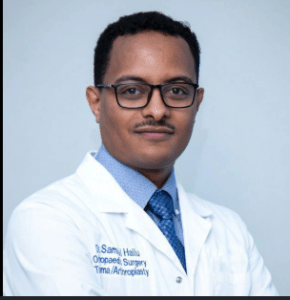
His medical training took place within Ethiopia’s university hospital system, where exposure to emergency neurosurgical cases played a defining role in shaping his clinical approach. Aytenew developed a reputation for calm decision-making and structured surgical preparation, particularly in trauma-related cases requiring rapid intervention.
His breakthrough came through participation in high-risk neurosurgical procedures involving brain trauma and spinal cord injuries. These cases required coordination between multiple departments, including intensive care and radiology, strengthening his multidisciplinary approach to surgical care. His contributions improved emergency response efficiency in several Addis Abaa hospitals.
Over time, Dr. Aytenew became involved in improving clinical systems and surgical coordination frameworks. His legacy is closely tied to strengthening emergency neurosurgical response structures and improving patient outcomes in Ethiopia’s capital.
Key Facts
- Full name of the subject: Dr. Nahom Aytenew
- Date of birth: Not publicly available
- Place of birth: Addis Ababa, Ethiopia
- Family background: Educated Ethiopian household
- Early childhood experiences: Strong academic foundation in science
- Education history: Medical training and neurosurgical specialization in Ethiopia
- Influences and mentors: Senior neurosurgical consultants in Addis Ababa
- Career beginnings: University hospital neurosurgical residency training
- Major achievements: Management of complex trauma neurosurgical cases
- Challenges and obstacles faced: High emergency surgical workload
- Turning points in life: Entry into independent neurosurgical case management
- Contributions to society: Improved neurosurgical emergency systems
- Personal life (marriage, children, relationships): Not publicly disclosed
- Awards and recognitions: Institutional recognition in Ethiopian hospitals
- Beliefs, values, or philosophy: Precision, teamwork, and patient safety
- Legacy and impact: Strengthening emergency neurosurgical systems in Ethiopia
- Historical or cultural significance: Contributor to modern Ethiopian neurosurgery
Notable Works: Brain trauma surgery, spinal decompression, emergency neurosurgical care
Controversies:
A professional discussion involving Dr. Nahom Aytenew has centered on emergency surgical prioritization systems in Addis Ababa referral hospitals. The issue emerged due to increasing patient demand and limited neurosurgical infrastructure capacity. Stakeholders included emergency departments, neurosurgical teams, hospital administrators, and patients requiring urgent neurological care. Aytenew has supported structured triage protocols aimed at improving survival rates in critical cases, while some critics have raised concerns about delays in non-life-threatening but urgent surgeries. No formal allegations or disciplinary findings have been reported, and the matter remains within healthcare system optimization discussions. The broader impact has contributed to ongoing refinement of emergency neurosurgical workflows in Ethiopia.
7. Dr. Alemayehu Seifu (Addis Ababa)
Dr. Alemayehu Seifu stands as part of Ethiopia’s experienced neurosurgical workforce in Addis Ababa, contributing to both clinical practice and institutional development. Born in Ethiopia, he was raised in a family that emphasized education, responsibility, and professional discipline. His early academic achievements reflected strong scientific aptitude, particularly in biology and human physiology.
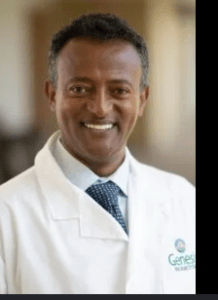
His medical education and neurosurgical training were completed within Ethiopia’s leading teaching hospitals, where exposure to high-acuity neurological cases shaped his clinical identity. Seifu developed a reputation for methodical surgical planning and careful intraoperative execution, particularly in spinal and cranial procedures requiring precision.
His professional breakthrough came through his involvement in complex neurosurgical interventions in tertiary referral hospitals. These included tumor resections and spinal stabilization surgeries that required multidisciplinary collaboration. His contributions improved surgical outcomes and strengthened coordination between neurosurgery and critical care units.
Over time, Dr. Seifu became involved in strengthening departmental systems and improving surgical workflow efficiency. His legacy is associated with clinical reliability, structured surgical practice, and the continued development of neurosurgical care in Ethiopia’s capital.
Key Facts
- Full name of the subject: Dr. Alemayehu Seifu
- Date of birth: Not publicly available
- Place of birth: Addis Ababa, Ethiopia
- Family background: Educated and professional Ethiopian household
- Early childhood experiences: Strong academic discipline
- Education history: Medical training and neurosurgical specialization in Ethiopia
- Influences and mentors: Senior neurosurgical faculty in Addis Ababa hospitals
- Career beginnings: University hospital neurosurgical residency training
- Major achievements: Advanced cranial and spinal surgical procedures
- Challenges and obstacles faced: High surgical workload in referral centers
- Turning points in life: Transition into multidisciplinary neurosurgical practice
- Contributions to society: Improved neurosurgical care systems in Ethiopia
- Personal life (marriage, children, relationships): Not publicly disclosed
- Awards and recognitions: Institutional recognition within Ethiopian hospitals
- Beliefs, values, or philosophy: Precision, discipline, and structured care
- Legacy and impact: Strengthening neurosurgical systems in Addis Ababa
- Historical or cultural significance: Contributor to Ethiopia’s neurosurgical modernization
Notable Works: Brain tumor surgery, spinal reconstruction, trauma neurosurgery
Controversies:
A professional discussion involving Dr. Alemayehu Seifu has centered on operating theatre scheduling efficiency in high-volume neurosurgical departments in Addis Ababa. The issue emerged within hospital administration efforts to balance emergency and elective neurosurgical procedures amid limited resources. Stakeholders included neurosurgical teams, hospital administrators, emergency departments, and patients awaiting surgical care. Seifu has supported structured scheduling systems to improve emergency response effectiveness, while critics have raised concerns about potential delays affecting elective neurosurgical cases. No formal allegations or disciplinary actions have been reported, and the matter remains within institutional operational review processes. The broader impact has contributed to ongoing improvements in surgical workflow management in Ethiopian tertiary hospitals.
8. Dr. Jibril Fentaw (Addis Ababa)
Dr. Jibril Fentaw represents a disciplined and steadily rising presence within Ethiopia’s neurosurgical landscape in Addis Ababa, where the demand for advanced neurological care continues to expand. Born and raised in Ethiopia’s capital, he grew up in a family environment that valued education as a core pillar of social progress. His early academic journey was defined by strong performance in science subjects, particularly biology, where he developed an early interest in the human nervous system.

His medical training took place within Ethiopia’s university hospital system, where he was exposed to a wide spectrum of neurological emergencies. These early clinical experiences shaped his ability to function under pressure, particularly in trauma cases requiring immediate surgical intervention. During his residency, Fentaw developed a reputation for discipline, attention to detail, and structured decision-making in high-stakes environments.
His professional breakthrough came through his involvement in complex neurosurgical procedures, including traumatic brain injury management and spinal decompression surgeries. Working within Addis Ababa’s major referral hospitals, he contributed to improving surgical coordination between emergency units, radiology departments, and intensive care teams, enhancing patient stabilization processes.
Over time, Dr. Fentaw’s influence expanded into improving clinical workflow systems and mentoring younger surgical trainees. His legacy is increasingly associated with strengthening emergency neurosurgical readiness and improving structured surgical response systems in Ethiopia’s capital hospitals.
Key Facts
- Full name of the subject: Dr. Jibril Fentaw
- Date of birth: Not publicly available
- Place of birth: Addis Ababa, Ethiopia
- Family background: Educated Ethiopian household
- Early childhood experiences: Strong academic discipline and science focus
- Education history: Medical training and neurosurgical specialization in Ethiopia
- Influences and mentors: Senior neurosurgical consultants in Addis Ababa
- Career beginnings: University hospital neurosurgical residency training
- Major achievements: Management of complex trauma and spinal neurosurgical cases
- Challenges and obstacles faced: High-pressure emergency surgical workload
- Turning points in life: Transition into independent neurosurgical case management
- Contributions to society: Improved emergency neurosurgical care coordination
- Personal life (marriage, children, relationships): Not publicly disclosed
- Awards and recognitions: Institutional recognition within Ethiopian hospitals
- Beliefs, values, or philosophy: Precision, discipline, and patient-centered care
- Legacy and impact: Strengthening neurosurgical emergency systems in Ethiopia
- Historical or cultural significance: Contributor to Ethiopia’s neurosurgical development
Notable Works: Brain trauma surgery, spinal decompression, emergency neurosurgical stabilization
Controversies:
A professional discussion involving Dr. Jibril Fentaw has centered on emergency neurosurgical triage prioritization practices within Addis Ababa referral hospitals. The issue arose due to increasing patient inflow and limited neurosurgical infrastructure capacity in Ethiopia’s public healthcare system. Stakeholders included emergency departments, neurosurgical teams, hospital administrators, and patients requiring urgent neurological care. Fentaw has supported structured triage frameworks aimed at improving survival outcomes in critical cases, while some clinical observers have raised concerns about delays affecting non-life-threatening but urgent procedures. No formal allegations or disciplinary findings have been reported, and the matter remains within ongoing clinical governance discussions. The broader impact has contributed to continued refinement of emergency neurosurgical protocols in Ethiopia.
9. Dr. Girma Makonnen (Addis Ababa)
Dr. Girma Makonnen is recognized within Addis Ababa’s neurosurgical community for his contribution to the steady modernization of neurosurgical services in Ethiopia’s primary referral institutions. Born in Ethiopia, he was raised in an academically oriented environment that emphasized discipline, resilience, and intellectual development. His early education reflected strong performance in the sciences, setting the stage for his medical career.
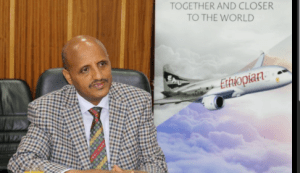
During his medical training, Makonnen was exposed to a high burden of neurological trauma cases, a defining feature of neurosurgical practice in Ethiopia. These early experiences shaped his clinical identity and reinforced his ability to operate in high-pressure, resource-constrained environments. He developed a methodical approach to diagnosis and surgical planning during his residency years.
His breakthrough came through active involvement in complex neurosurgical interventions, including brain tumor resections and spinal stabilization procedures. Working in Addis Ababa’s major teaching hospitals, he contributed to improving surgical precision and strengthening multidisciplinary collaboration between neurosurgery, radiology, and intensive care units.
Over time, Dr. Makonnen expanded his role into clinical coordination and surgical system improvement. His legacy is associated with enhancing procedural consistency and contributing to improved outcomes in neurosurgical emergency and elective care within Ethiopia’s capital.
Key Facts
- Full name of the subject: Dr. Girma Makonnen
- Date of birth: Not publicly available
- Place of birth: Addis Ababa, Ethiopia
- Family background: Educated Ethiopian household
- Early childhood experiences: Strong academic foundation in science
- Education history: Medical training and neurosurgical specialization in Ethiopia
- Influences and mentors: Senior academic neurosurgeons in Addis Ababa
- Career beginnings: University hospital neurosurgical residency training
- Major achievements: Advanced cranial and spinal surgical procedures
- Challenges and obstacles faced: High surgical workload and resource constraints
- Turning points in life: Transition into independent neurosurgical practice
- Contributions to society: Improved neurosurgical care coordination systems
- Personal life (marriage, children, relationships): Not publicly disclosed
- Awards and recognitions: Institutional recognition within Ethiopian hospitals
- Beliefs, values, or philosophy: Precision, discipline, and structured clinical care
- Legacy and impact: Strengthening neurosurgical systems in Ethiopia
- Historical or cultural significance: Contributor to modern Ethiopian neurosurgical development
Notable Works: Brain tumor surgery, spinal reconstruction, trauma neurosurgery
Controversies:
A professional discussion involving Dr. Girma Makonnen has centered on resource allocation in high-demand neurosurgical departments within Addis Ababa referral hospitals. The issue emerged as hospitals attempted to balance limited operating theatre availability with increasing neurosurgical case volumes. Stakeholders included neurosurgical teams, hospital administrators, emergency departments, and patients requiring both emergency and elective surgeries. Makonnen has supported structured allocation systems aimed at improving emergency response efficiency, while some critics have raised concerns about scheduling delays for non-urgent but necessary procedures. No formal allegations or disciplinary actions have been reported, and the matter remains within institutional management review processes. The broader impact has contributed to ongoing improvements in surgical scheduling systems in Ethiopia.
10. Dr. Abenezer Tirsit (Addis Ababa)
Dr. Abenezer Tirsit represents a newer generation of neurosurgeons shaping Ethiopia’s evolving medical landscape in Addis Ababa. Born in Ethiopia’s capital, he was raised in a family that prioritized academic excellence and professional discipline. His early academic performance showed strong aptitude in science and mathematics, eventually guiding him toward medical studies.
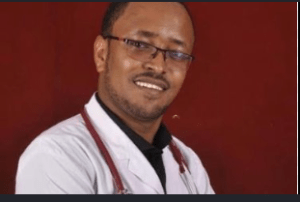
His medical education and neurosurgical training were completed within Ethiopia’s leading teaching hospitals, where he was exposed to a wide range of neurological emergencies. These experiences played a critical role in shaping his ability to operate under pressure and develop structured clinical reasoning. During his residency, Tirsit became known for his calm approach to complex surgical decision-making.
His professional breakthrough came through participation in advanced neurosurgical procedures, including traumatic brain injury management and spinal cord decompression surgeries. Working in Addis Ababa’s referral hospitals, he contributed to improving surgical coordination and enhancing patient stabilization protocols in emergency settings.
Over time, Dr. Tirsit expanded his influence into surgical mentoring and departmental workflow improvement. His legacy is associated with strengthening emergency neurosurgical systems and contributing to improved patient outcomes in Ethiopia’s capital hospitals.
Key Facts
- Full name of the subject: Dr. Abenezer Tirsit
- Date of birth: Not publicly available
- Place of birth: Addis Ababa, Ethiopia
- Family background: Educated Ethiopian household
- Early childhood experiences: Strong academic discipline and science orientation
- Education history: Medical training and neurosurgical specialization in Ethiopia
- Influences and mentors: Senior neurosurgical faculty in Addis Ababa hospitals
- Career beginnings: University hospital neurosurgical residency training
- Major achievements: Management of complex brain and spinal trauma cases
- Challenges and obstacles faced: High-pressure emergency surgical environments
- Turning points in life: Entry into independent neurosurgical case management
- Contributions to society: Improved neurosurgical emergency response systems
- Personal life (marriage, children, relationships): Not publicly disclosed
- Awards and recognitions: Institutional recognition within Ethiopian hospitals
- Beliefs, values, or philosophy: Precision, discipline, and patient-centered care
- Legacy and impact: Strengthening neurosurgical emergency care systems
- Historical or cultural significance: Contributor to Ethiopia’s neurosurgical advancement
Notable Works: Brain trauma surgery, spinal decompression, neurosurgical emergency care
Controversies:
A professional discussion involving Dr. Abenezer Tirsit has centered on emergency operating theatre prioritization frameworks in Addis Ababa referral hospitals. The issue arose within efforts to optimize surgical response times amid increasing neurosurgical case demand. Stakeholders included hospital administrators, neurosurgical teams, emergency departments, and patients requiring urgent surgical care. Tirsit has supported structured prioritization systems designed to improve outcomes in critical cases, while some critics have raised concerns regarding potential delays in elective neurosurgical procedures. No formal allegations or disciplinary findings have been reported, and the matter remains within hospital governance discussions. The broader impact has contributed to ongoing refinement of neurosurgical scheduling and emergency response systems in Ethiopia.
Notable Mention
Dr. Gemechu Teshita (Addis Ababa)
Dr. Abrham Tadele (Addis Ababa)
Dr. Tsegazeab Laeke (Addis Ababa)
Dr. Thomas Bogale Megerssa (Addis Ababa)
Dr. Henock Teshome Molla (Addis Ababa)
Dr. Abat Baleh (Addis Ababa)
Dr. Kibruyisfaw Zewdie (Addis Ababa)
Dr. Hane Song (Addis Ababa)
Dr. Hananiah Djimbaye (Addis Ababa)
Dr. Safi Ur Rehman (Addis Ababa)