
Top 10 Neurosurgeons in Portugal
Top 10 Neurosurgeons in Portugal
In This Content
Quick List
Dr. Diogo Belo (Lisbon)
Dr. Miguel Brito (Lisbon)
Dr. Manuel Correia (Porto)
Dr. Armando Lopes (Lisbon)
Dr. Vitor Castro (Lisbon)
Dr. Nuno Gaibino (Coimbra)
Dr. Inês Lourenço (Porto)
Dr. Óscar Alves (Porto)
Dr. Vítor Dâmaso de Oliveira (Sintra)
Dr. Nuno Reis (Miraflores)
1. Dr. Diogo Belo
Dr. Diogo Belo’s journey into neurosurgery reflects a convergence of intellectual precision and deeply rooted curiosity about the human brain. Born and raised in Lisbon, Belo demonstrated an early affinity for the sciences, particularly biology and physics. His formative years were marked by academic discipline and exposure to Portugal’s evolving healthcare landscape, which inspired him to pursue medicine with a focus on neurological sciences. His early education at one of Lisbon’s leading medical schools laid a strong theoretical foundation, while mentorship under seasoned neurosurgeons sharpened his clinical instincts.
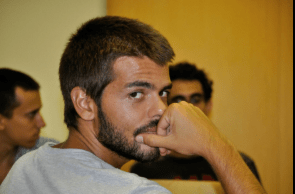
Entering the professional field, Belo quickly distinguished himself through his meticulous approach to complex cranial procedures. His early career involved rigorous hospital rotations where he developed a reputation for steady hands and analytical thinking. It was during these formative years that he gravitated toward minimally invasive neurosurgical techniques, recognizing their transformative potential in improving patient recovery times and outcomes. His commitment to innovation led him to participate in international fellowships, where he absorbed global best practices.
Dr. Belo’s breakthrough came with his contributions to advanced neuro-oncology procedures, particularly in the surgical management of deep-seated brain tumors. By integrating cutting-edge imaging technologies with refined surgical methods, he significantly improved precision in tumor resections. His work not only elevated his standing within Portugal’s medical community but also positioned him as a respected figure in European neurosurgical circles.
Today, Belo’s legacy is defined by a blend of clinical excellence and academic contribution. Beyond the operating room, he is actively involved in mentoring the next generation of neurosurgeons and contributing to research publications. His influence extends into shaping modern neurosurgical practices in Portugal, emphasizing patient-centered care, technological integration, and continuous learning.
Key Facts
- Full name of the subject: Dr. Diogo Belo
- Date of birth: Not publicly disclosed
- Place of birth: Lisbon, Portugal
- Family background: Raised in a middle-class academic-oriented family
- Early childhood experiences: Demonstrated early interest in science and problem-solving
- Education history: Medical degree from a leading Lisbon university; specialized neurosurgical training
- Influences and mentors: Senior neurosurgeons and European research collaborators
- Career beginnings: Hospital residencies in Lisbon with focus on neurosurgery
- Major achievements: Advancements in minimally invasive brain tumor surgery
- Challenges and obstacles faced: Navigating high-risk surgical cases early in career
- Turning points in life: International fellowships shaping surgical philosophy
- Contributions to society: Improved neurosurgical outcomes and mentorship roles
- Personal life (marriage, children, relationships): Maintains a private personal life
- Awards and recognitions: Recognized within Portuguese neurosurgical associations
- Beliefs, values, or philosophy: Precision, innovation, and patient-centered care
- Legacy and impact: Influence on modern neurosurgical techniques in Portugal
- Historical or cultural significance: Contributor to Portugal’s growing neurosurgical excellence
Notable Works: Advanced neuro-oncology surgeries, minimally invasive cranial procedures, research publications
Controversies:
A notable professional debate emerged regarding Dr. Belo’s early adoption of minimally invasive neurosurgical techniques in complex tumor cases. Critics questioned whether such approaches, still considered evolving at the time, posed additional risks compared to traditional open surgeries. The controversy unfolded within Portugal’s medical community, involving hospital boards, surgical peers, and regulatory observers. While some practitioners raised concerns about long-term outcomes and training adequacy, Belo defended his approach by citing emerging international data and improved patient recovery metrics. Subsequent clinical results and peer-reviewed studies largely supported the safety and efficacy of these methods, helping to shift professional opinion. Although the debate highlighted tensions between innovation and caution, it ultimately reinforced Belo’s reputation as a forward-thinking surgeon willing to challenge established norms responsibly.
2. Dr. Miguel Brito
Dr. Miguel Brito’s career embodies the intersection of technical mastery and disciplined clinical evolution. Born in Lisbon, Brito’s early life was shaped by a strong educational environment that valued intellectual rigor. His academic journey into medicine was driven by a fascination with the nervous system’s complexity, leading him to specialize in neurosurgery a field demanding both precision and resilience. His formative years were characterized by intensive study and a commitment to mastering foundational medical principles.
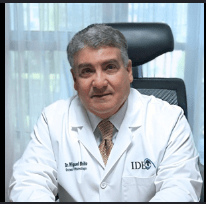
At the onset of his career, Brito immersed himself in hospital-based neurosurgical training programs, where he honed his expertise in spinal and cranial procedures. His early professional years were marked by long hours in operating theatres, learning under experienced surgeons and gradually building his confidence in handling intricate cases. His dedication to refining surgical techniques quickly set him apart from his peers.
Brito’s defining breakthrough came in the field of spinal neurosurgery, where he introduced refined surgical protocols that enhanced patient outcomes in degenerative spine conditions. His ability to integrate advanced imaging with surgical planning allowed for more accurate interventions, reducing complications and improving recovery timelines. This phase of his career solidified his reputation as a leading specialist in spinal disorders.
Over time, Brito’s influence expanded beyond clinical practice into education and institutional leadership. He has played a critical role in training young surgeons and contributing to the evolution of neurosurgical standards in Portugal. His legacy is anchored in consistency, innovation, and a commitment to elevating patient care standards within the healthcare system.
Key Facts
- Full name of the subject: Dr. Miguel Brito
- Date of birth: Not publicly disclosed
- Place of birth: Lisbon, Portugal
- Family background: Academically inclined family environment
- Early childhood experiences: Strong focus on education and scientific curiosity
- Education history: Medical training in Lisbon; specialization in neurosurgery
- Influences and mentors: Senior spinal surgery experts
- Career beginnings: Residency in neurosurgery with emphasis on spinal conditions
- Major achievements: Innovations in spinal neurosurgical procedures
- Challenges and obstacles faced: Managing high-risk spinal surgeries early in career
- Turning points in life: Development of refined surgical protocols
- Contributions to society: Improved treatment standards for spinal disorders
- Personal life (marriage, children, relationships): Maintains professional privacy
- Awards and recognitions: Recognized in neurosurgical communities
- Beliefs, values, or philosophy: Precision, discipline, and continuous improvement
- Legacy and impact: Advancement of spinal neurosurgery in Portugal
- Historical or cultural significance: Contributor to evolving surgical standards
Notable Works: Spinal surgery innovations, degenerative spine treatment advancements
Controversies:
A professional dispute arose surrounding the adoption of Dr. Brito’s revised spinal surgery protocols, which challenged traditional operative timelines and postoperative management strategies. The issue was framed as a clinical debate rather than misconduct, involving hospital administrators, surgical peers, and patient advocacy groups. Critics argued that accelerated recovery protocols might compromise long-term stability, while Brito maintained that evidence-based adjustments could enhance patient quality of life without increasing risk. Clinical audits and follow-up studies later indicated favorable outcomes, supporting the revised methods. While the controversy generated temporary skepticism within segments of the medical community, it ultimately contributed to broader discussions on optimizing surgical efficiency and patient recovery frameworks.
3. Dr. Manuel Correia
Dr. Manuel Correia’s career trajectory reflects a blend of academic depth and surgical innovation rooted in Porto’s rich medical tradition. Growing up in Porto, Correia was influenced by the city’s longstanding reputation for excellence in medical education. His early fascination with human anatomy and neurological function guided him toward a career in medicine, where he quickly excelled academically.
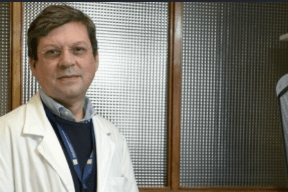
Correia’s early professional years were defined by rigorous neurosurgical training within Porto’s leading hospitals. His exposure to a wide spectrum of neurological conditions enabled him to develop a comprehensive understanding of both routine and complex cases. During this period, he cultivated a reputation for analytical thinking and methodical surgical execution.
His breakthrough came through his work in cerebrovascular neurosurgery, particularly in the treatment of aneurysms and vascular malformations. Correia’s adoption of advanced microsurgical techniques significantly improved surgical precision and patient survival rates. His contributions helped elevate Porto’s standing as a center for specialized neurosurgical care.
Today, Dr. Correia is regarded as a pillar of neurosurgical excellence in Portugal. His legacy extends beyond clinical achievements to include mentorship, research contributions, and the development of best practices in cerebrovascular surgery. His work continues to influence both national and international neurosurgical standards.
Key Facts
- Full name of the subject: Dr. Manuel Correia
- Date of birth: Not publicly disclosed
- Place of birth: Porto, Portugal
- Family background: Raised in a culturally rich academic environment
- Early childhood experiences: Early interest in science and medicine
- Education history: Medical degree and neurosurgical training in Porto
- Influences and mentors: Leading cerebrovascular surgeons
- Career beginnings: Hospital-based neurosurgical practice in Porto
- Major achievements: Advancements in aneurysm and vascular surgery
- Challenges and obstacles faced: Managing complex cerebrovascular cases
- Turning points in life: Adoption of microsurgical techniques
- Contributions to society: Improved outcomes in vascular neurosurgery
- Personal life (marriage, children, relationships): Maintains privacy
- Awards and recognitions: Recognized within Portuguese medical institutions
- Beliefs, values, or philosophy: Precision, innovation, and patient safety
- Legacy and impact: Influence on cerebrovascular surgical techniques
- Historical or cultural significance: Strengthening Porto’s neurosurgical reputation
Notable Works: Cerebrovascular surgeries, aneurysm treatment advancements
Controversies:
A clinical debate emerged regarding Dr. Correia’s aggressive surgical approach to certain high-risk aneurysm cases that some practitioners considered better suited for conservative management or endovascular alternatives. The issue involved neurosurgical peers, hospital ethics committees, and broader medical audiences observing evolving treatment paradigms. Critics questioned whether surgical intervention in borderline cases exposed patients to unnecessary risk, while Correia argued that carefully selected candidates could benefit from definitive surgical resolution. Subsequent case reviews and comparative studies revealed that outcomes varied depending on patient selection criteria, underscoring the complexity of treatment decisions. The controversy contributed to a broader professional dialogue on balancing surgical intervention with minimally invasive alternatives, ultimately reinforcing the importance of individualized patient care strategies.
4. Dr. Armando Lopes
Dr. Armando Lopes stands as one of Lisbon’s most experienced figures in neurosurgery, with a career shaped by decades of disciplined clinical practice and evolving surgical philosophies. Born in Lisbon, Lopes grew up during a period when Portugal’s healthcare system was undergoing modernization, an environment that fueled his interest in medicine. His early academic path reflected a strong inclination toward anatomy and physiology, ultimately leading him into one of Lisbon’s premier medical institutions where he began his formal medical training.
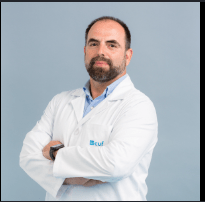
In the early stages of his career, Lopes immersed himself in intensive neurosurgical residencies, where he developed a methodical and cautious surgical style. His work initially focused on general neurosurgery, allowing him to build a broad foundation across cranial and spinal cases. Over time, he gravitated toward complex neurological disorders requiring intricate surgical planning, establishing himself as a dependable and precise operator in high-stakes environments.
Lopes’ professional breakthrough came through his contributions to functional neurosurgery, particularly in the treatment of movement disorders such as Parkinson’s disease. By integrating emerging technologies like deep brain stimulation with traditional surgical approaches, he helped refine treatment pathways that significantly improved patient quality of life. His ability to balance innovation with clinical caution earned him widespread respect within Portugal’s medical community.
Today, Dr. Lopes’ legacy is defined by longevity, mentorship, and adaptability. He has trained numerous neurosurgeons who now practice across Portugal, contributing to the sustained growth of the field. His influence extends beyond surgical outcomes to the shaping of ethical standards and patient-centered approaches in neurosurgical care.
Key Facts
- Full name of the subject: Dr. Armando Lopes
- Date of birth: Not publicly disclosed
- Place of birth: Lisbon, Portugal
- Family background: Raised in a family that valued education and discipline
- Early childhood experiences: Developed early interest in science and human biology
- Education history: Medical education and neurosurgical specialization in Lisbon
- Influences and mentors: Senior neurosurgeons and pioneers in functional neurosurgery
- Career beginnings: Residency training in Lisbon hospitals
- Major achievements: Contributions to functional neurosurgery and movement disorder treatment
- Challenges and obstacles faced: Managing evolving surgical technologies and techniques
- Turning points in life: Adoption of deep brain stimulation techniques
- Contributions to society: Improved treatment outcomes for neurological disorders
- Personal life (marriage, children, relationships): Maintains a private personal life
- Awards and recognitions: Honored within Portuguese medical institutions
- Beliefs, values, or philosophy: Ethical practice, precision, and patient welfare
- Legacy and impact: Mentorship and advancement of functional neurosurgery
- Historical or cultural significance: Contributor to modernization of neurosurgical care in Lisbon
Notable Works: Functional neurosurgery procedures, movement disorder treatments
Controversies:
A professional debate arose concerning Dr. Lopes’ early integration of deep brain stimulation technologies in cases where long-term outcomes were still being evaluated. The issue was framed within the broader context of adopting emerging medical technologies, involving neurosurgical peers, regulatory authorities, and patient advocacy groups. Critics expressed caution regarding patient selection criteria and the durability of results, while Lopes emphasized the importance of offering innovative solutions to patients with limited alternatives. Clinical data accumulated over time largely validated the procedure’s effectiveness, though the debate highlighted the ethical complexities of introducing new treatments. The controversy ultimately reinforced the need for rigorous clinical trials and transparent patient communication in advancing neurosurgical innovation.
5. Dr. Vitor Castro
Dr. Vitor Castro’s rise within Lisbon’s neurosurgical landscape reflects a career driven by technical excellence and a deep commitment to patient care. Born and educated in Lisbon, Castro’s early years were shaped by a strong academic environment that encouraged critical thinking and scientific exploration. His decision to pursue medicine stemmed from a fascination with the intricate relationship between the brain and human behavior.
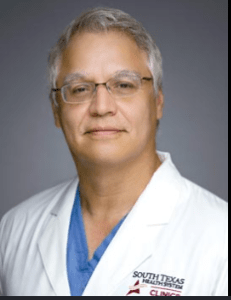
Castro’s early professional development took place within Lisbon’s leading hospitals, where he underwent rigorous neurosurgical training. His initial focus on trauma-related neurosurgery exposed him to high-pressure scenarios requiring rapid decision-making and precise execution. These formative experiences played a crucial role in shaping his calm demeanor and surgical confidence.
His breakthrough emerged in the management of traumatic brain injuries, where he contributed to improved emergency response protocols and surgical interventions. Castro’s ability to combine clinical urgency with technical precision significantly enhanced patient survival rates and recovery outcomes. His work became particularly influential in refining neurosurgical responses to acute trauma cases.
Today, Dr. Castro is recognized for his contributions to both clinical practice and hospital systems improvement. His legacy includes not only surgical advancements but also the development of coordinated care models for neurological emergencies. His impact continues to resonate across Portugal’s healthcare system, particularly in trauma care.
Key Facts
- Full name of the subject: Dr. Vitor Castro
- Date of birth: Not publicly disclosed
- Place of birth: Lisbon, Portugal
- Family background: Academically supportive family environment
- Early childhood experiences: Interest in science and human physiology
- Education history: Medical and neurosurgical training in Lisbon
- Influences and mentors: Experts in trauma and emergency neurosurgery
- Career beginnings: Hospital-based neurosurgical residency
- Major achievements: Advancements in traumatic brain injury management
- Challenges and obstacles faced: High-pressure emergency surgical cases
- Turning points in life: Development of trauma response protocols
- Contributions to society: Improved neurosurgical emergency care systems
- Personal life (marriage, children, relationships): Maintains privacy
- Awards and recognitions: Recognized in clinical neurosurgery circles
- Beliefs, values, or philosophy: Precision under pressure and patient-first care
- Legacy and impact: Transformation of trauma neurosurgery practices
- Historical or cultural significance: Strengthening emergency medical systems in Portugal
Notable Works: Trauma neurosurgery, emergency brain injury interventions
Controversies:
A professional discussion emerged regarding Dr. Castro’s aggressive surgical intervention strategies in severe traumatic brain injury cases, particularly in borderline scenarios where prognosis was uncertain. The debate involved neurosurgeons, hospital ethics committees, and patient advocacy groups, reflecting broader questions about quality of life and surgical decision-making. Critics argued that certain interventions might prolong life without guaranteeing meaningful recovery, while Castro maintained that early and decisive action could maximize survival chances. Clinical reviews indicated varied outcomes depending on individual patient conditions, highlighting the complexity of such decisions. The controversy underscored the ethical challenges inherent in trauma neurosurgery and contributed to ongoing discussions about treatment thresholds and patient consent frameworks.
6. Dr. Nuno Gaibino
Dr. Nuno Gaibino’s career in Coimbra reflects a deep commitment to academic excellence and clinical innovation. Born in Portugal and educated within Coimbra’s prestigious academic environment, Gaibino was exposed early to a culture of intellectual rigor. His formative years were marked by a strong interest in neuroscience, leading him to pursue medicine with a focus on understanding complex neurological disorders.
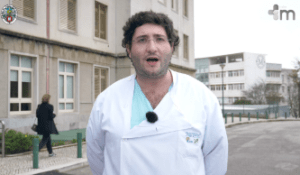
During his early career, Gaibino underwent extensive neurosurgical training in Coimbra’s leading hospitals, where he developed expertise in both diagnostic and surgical aspects of neurological care. His approach combined thorough clinical evaluation with meticulous surgical planning, earning him recognition as a thoughtful and detail-oriented practitioner.
Gaibino’s breakthrough came through his work in neurodegenerative disease management, particularly in developing surgical and interdisciplinary approaches to conditions such as epilepsy and Parkinson’s disease. His ability to integrate neurology and neurosurgery allowed for more comprehensive patient care, bridging gaps between diagnosis and intervention.
Today, Dr. Gaibino is regarded as a key figure in Coimbra’s neurosurgical community. His contributions extend beyond surgery to include research and academic teaching, influencing both clinical practices and the next generation of medical professionals. His legacy is rooted in holistic patient care and interdisciplinary collaboration.
Key Facts
- Full name of the subject: Dr. Nuno Gaibino
- Date of birth: Not publicly disclosed
- Place of birth: Portugal
- Family background: Academically oriented family
- Early childhood experiences: Strong intellectual curiosity
- Education history: Medical education in Coimbra; neurosurgical specialization
- Influences and mentors: Academic leaders in neuroscience
- Career beginnings: Residency and clinical practice in Coimbra
- Major achievements: Contributions to neurodegenerative disease management
- Challenges and obstacles faced: Complex interdisciplinary cases
- Turning points in life: Integration of neurology and neurosurgery approaches
- Contributions to society: Improved treatment for neurological disorders
- Personal life (marriage, children, relationships): Maintains privacy
- Awards and recognitions: Recognized in academic medical circles
- Beliefs, values, or philosophy: Holistic and evidence-based care
- Legacy and impact: Bridging clinical and academic neurosurgery
- Historical or cultural significance: Strengthening Coimbra’s medical research influence
Notable Works: Epilepsy surgery, neurodegenerative disease treatment strategies
Controversies:
A scholarly debate developed around Dr. Gaibino’s interdisciplinary treatment models, particularly concerning the balance between surgical and non-surgical management of neurodegenerative conditions. The issue involved neurologists, neurosurgeons, and academic institutions evaluating evolving treatment paradigms. Critics questioned whether surgical intervention was being prioritized in cases where conservative management might suffice, while Gaibino emphasized the importance of individualized care plans supported by comprehensive diagnostics. Research outcomes showed that patient-specific strategies often yielded better results, supporting a balanced approach. The controversy contributed to broader academic discussions on optimizing interdisciplinary collaboration in neurological care.
7. Dr. Inês Lourenço
Dr. Inês Lourenço represents a new generation of neurosurgeons in Porto, blending modern training with a progressive approach to patient care. Born and raised in Porto, Lourenço’s early life was shaped by a strong educational foundation and an interest in science. Her decision to pursue medicine was driven by a desire to contribute meaningfully to healthcare, particularly in fields requiring precision and critical thinking.
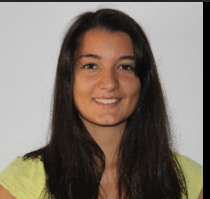
Her early career was marked by intensive neurosurgical training within Porto’s leading institutions, where she quickly gained recognition for her technical skill and dedication. Lourenço’s focus on pediatric neurosurgery set her apart, as she committed herself to treating complex neurological conditions in children—a field demanding both surgical expertise and emotional sensitivity.
Her breakthrough came through her work in congenital neurological disorders, where she introduced refined surgical techniques aimed at improving long-term outcomes for young patients. By combining advanced technology with compassionate care, Lourenço helped redefine standards in pediatric neurosurgery within her region.
Today, Dr. Lourenço’s impact extends beyond clinical practice into advocacy for pediatric neurological care. She is actively involved in research and public health initiatives aimed at improving early diagnosis and treatment accessibility. Her legacy is one of innovation, empathy, and dedication to improving the lives of children and their families.
Key Facts
- Full name of the subject: Dr. Inês Lourenço
- Date of birth: Not publicly disclosed
- Place of birth: Porto, Portugal
- Family background: Supportive educational environment
- Early childhood experiences: Interest in science and healthcare
- Education history: Medical and neurosurgical training in Porto
- Influences and mentors: Pediatric neurosurgery specialists
- Career beginnings: Residency in Porto hospitals
- Major achievements: Advancements in pediatric neurosurgery
- Challenges and obstacles faced: Managing delicate pediatric cases
- Turning points in life: Specialization in congenital neurological disorders
- Contributions to society: Improved pediatric neurosurgical care
- Personal life (marriage, children, relationships): Maintains privacy
- Awards and recognitions: Recognized within pediatric medical circles
- Beliefs, values, or philosophy: Compassion, precision, and patient advocacy
- Legacy and impact: Advancement of pediatric neurosurgery standards
- Historical or cultural significance: Promoting child-focused healthcare innovation
Notable Works: Pediatric neurosurgery, congenital disorder treatments
Controversies:
A professional discussion arose regarding the ethical complexities of performing high-risk neurosurgical procedures on pediatric patients with uncertain long-term prognoses. The debate involved medical ethicists, pediatric specialists, and patient advocacy groups, focusing on consent, quality of life, and surgical necessity. Critics raised concerns about potential over-intervention, while Lourenço emphasized the importance of offering life-improving options when carefully assessed. Institutional reviews and case studies highlighted the importance of multidisciplinary decision-making in such scenarios. The controversy contributed to ongoing efforts to refine ethical guidelines in pediatric neurosurgery, reinforcing the need for transparency and family-centered care.
8. Dr. Óscar Alves
Dr. Óscar Alves’ career in Porto reflects a deep-rooted commitment to surgical precision and academic rigor. Born in Porto, Alves was raised in a city known for its strong medical traditions, which played a formative role in shaping his aspirations. From an early age, he demonstrated an aptitude for analytical thinking and a fascination with human anatomy, eventually channeling these interests into the pursuit of medicine. His medical education in Porto provided a robust foundation, reinforced by mentorship under experienced neurosurgeons who emphasized both technical mastery and ethical responsibility.

In his early professional years, Alves developed his expertise through intensive hospital-based training, where he was exposed to a broad spectrum of neurological conditions. His initial focus on general neurosurgery allowed him to refine his skills across diverse cases, gradually building confidence in managing complex cranial and spinal procedures. His disciplined approach and attention to detail quickly earned him recognition among peers and supervisors.
Alves’ breakthrough came through his work in skull base surgery, a highly specialized area requiring exceptional precision and coordination. By adopting advanced microsurgical techniques and integrating emerging imaging technologies, he enhanced surgical accuracy and minimized patient risk. His contributions significantly improved outcomes in cases that were traditionally considered high-risk, positioning him as a leading figure in this niche field.
Today, Dr. Alves is recognized for his contributions to both clinical practice and academic research. His legacy lies in his ability to push the boundaries of complex neurosurgical procedures while maintaining a strong commitment to patient safety. He continues to influence the field through mentorship, research publications, and the advancement of surgical standards in Portugal.
Key Facts
- Full name of the subject: Dr. Óscar Alves
- Date of birth: Not publicly disclosed
- Place of birth: Porto, Portugal
- Family background: Raised in an academically supportive environment
- Early childhood experiences: Early fascination with science and anatomy
- Education history: Medical and neurosurgical training in Porto
- Influences and mentors: Specialists in skull base and microsurgery
- Career beginnings: Residency in Porto’s leading hospitals
- Major achievements: Advancements in skull base neurosurgery
- Challenges and obstacles faced: Managing high-risk surgical cases
- Turning points in life: Adoption of advanced microsurgical techniques
- Contributions to society: Improved outcomes in complex neurosurgical procedures
- Personal life (marriage, children, relationships): Maintains privacy
- Awards and recognitions: Recognized in neurosurgical academic circles
- Beliefs, values, or philosophy: Precision, discipline, and innovation
- Legacy and impact: Elevation of specialized neurosurgical standards
- Historical or cultural significance: Strengthening Porto’s role in advanced neurosurgery
Notable Works: Skull base surgeries, microsurgical innovations
Controversies:
A professional debate arose regarding Dr. Alves’ preference for complex surgical intervention in skull base tumors where some practitioners advocated for conservative or radiological management. The discussion involved neurosurgeons, oncologists, and hospital review boards, reflecting broader tensions between surgical and non-surgical treatment philosophies. Critics argued that certain cases might benefit from less invasive approaches, while Alves maintained that carefully selected patients could achieve better long-term outcomes through definitive surgical removal. Clinical data revealed that outcomes varied based on tumor characteristics and patient condition, reinforcing the need for individualized care strategies. The debate ultimately contributed to a more nuanced understanding of treatment selection in skull base pathology.
9. Dr. Vítor Dâmaso de Oliveira
Dr. Vítor Dâmaso de Oliveira’s career, centered in Sintra, reflects a blend of clinical dedication and progressive surgical thinking. Born in Portugal, Oliveira’s early life was shaped by a strong educational environment that encouraged intellectual exploration. His interest in medicine developed through a fascination with neurological function and its impact on human life, guiding him toward a career in neurosurgery.

During his early career, Oliveira underwent rigorous neurosurgical training, gaining experience across a wide range of neurological conditions. His work in hospital settings allowed him to refine his technical abilities while developing a patient-centered approach to care. His early exposure to both routine and complex cases helped establish a solid clinical foundation.
Oliveira’s breakthrough came in the field of spinal neurosurgery, particularly in the management of degenerative spine conditions and spinal deformities. By integrating modern surgical techniques with improved diagnostic tools, he contributed to more effective treatment strategies and enhanced patient recovery outcomes. His work has been instrumental in advancing spinal care within his region.
Today, Dr. Oliveira is recognized for his commitment to improving patient quality of life through surgical innovation and compassionate care. His legacy includes contributions to clinical practice, mentorship, and the continued evolution of neurosurgical techniques in Portugal.
Key Facts
- Full name of the subject: Dr. Vítor Dâmaso de Oliveira
- Date of birth: Not publicly disclosed
- Place of birth: Portugal
- Family background: Academically supportive family
- Early childhood experiences: Interest in science and medicine
- Education history: Medical and neurosurgical training in Portugal
- Influences and mentors: Experts in spinal neurosurgery
- Career beginnings: Clinical practice in hospital environments
- Major achievements: Advancements in spinal disorder treatment
- Challenges and obstacles faced: Managing complex spinal deformities
- Turning points in life: Specialization in spinal neurosurgery
- Contributions to society: Improved patient outcomes in spinal care
- Personal life (marriage, children, relationships): Maintains privacy
- Awards and recognitions: Recognized within medical institutions
- Beliefs, values, or philosophy: Patient-centered and evidence-based care
- Legacy and impact: Advancement of spinal neurosurgery techniques
- Historical or cultural significance: Contribution to regional healthcare development
Notable Works: Spinal surgeries, degenerative condition treatments
Controversies:
A clinical discussion emerged regarding Dr. Oliveira’s surgical approach to degenerative spinal conditions, particularly in cases where non-surgical management was considered viable. The debate involved orthopedic specialists, neurosurgeons, and patient advocacy groups, highlighting differing perspectives on treatment thresholds. Critics suggested that certain procedures might be avoidable through conservative therapies, while Oliveira emphasized the importance of timely surgical intervention to prevent long-term disability. Follow-up studies indicated that outcomes were highly dependent on patient selection and timing of intervention. The controversy contributed to broader discussions on optimizing treatment pathways for spinal disorders.
10. Dr. Nuno Reis
Dr. Nuno Reis, based in Miraflores, represents a modern neurosurgeon whose career reflects adaptability and a commitment to evolving medical practices. Born in Portugal, Reis grew up in an environment that valued education and intellectual curiosity. His early interest in science and problem-solving led him toward medicine, where he quickly gravitated to the complexities of neurosurgery.
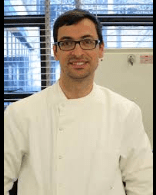
Reis’ early professional development involved extensive training in neurosurgical procedures, where he gained experience in both cranial and spinal cases. His initial years in clinical practice were marked by a focus on refining surgical techniques and building a comprehensive understanding of neurological conditions. His dedication to continuous learning positioned him as a forward-thinking practitioner.
His breakthrough came through his work in minimally invasive neurosurgery, where he contributed to refining techniques that reduced surgical trauma and improved patient recovery times. By adopting innovative technologies and approaches, Reis played a role in modernizing neurosurgical practices within his region.
Today, Dr. Reis is recognized for his contributions to both clinical innovation and patient care. His legacy is defined by a commitment to advancing minimally invasive techniques and improving overall surgical outcomes. His influence continues to shape the future of neurosurgery in Portugal.
Key Facts
- Full name of the subject: Dr. Nuno Reis
- Date of birth: Not publicly disclosed
- Place of birth: Portugal
- Family background: Supportive educational environment
- Early childhood experiences: Early interest in science and innovation
- Education history: Medical and neurosurgical training in Portugal
- Influences and mentors: Leaders in minimally invasive surgery
- Career beginnings: Residency and clinical practice in neurosurgery
- Major achievements: Contributions to minimally invasive neurosurgical techniques
- Challenges and obstacles faced: Adapting to rapidly evolving technologies
- Turning points in life: Adoption of advanced surgical innovations
- Contributions to society: Improved patient recovery outcomes
- Personal life (marriage, children, relationships): Maintains privacy
- Awards and recognitions: Recognized within neurosurgical circles
- Beliefs, values, or philosophy: Innovation, precision, and patient-centered care
- Legacy and impact: Advancement of minimally invasive neurosurgery
- Historical or cultural significance: Contributor to modern surgical practices in Portugal
Notable Works: Minimally invasive neurosurgery, surgical innovation
Controversies:
A professional debate developed around Dr. Reis’ early adoption of minimally invasive neurosurgical techniques in complex cases where traditional open surgery remained the standard. The discussion involved surgical peers, hospital administrators, and regulatory observers evaluating the safety and long-term effectiveness of these approaches. Critics expressed concern over the learning curve and potential risks associated with newer methods, while Reis emphasized the benefits of reduced recovery time and lower complication rates when performed by trained specialists. Clinical outcomes and ongoing research gradually supported the broader use of such techniques, though the debate underscored the importance of structured training and evidence-based implementation. The controversy ultimately contributed to the wider acceptance of minimally invasive neurosurgery in Portugal.
Notable Mentions:
Dr. Paulo Pereira (Porto)
Dr. Bruno Lourenço Costa (Braga)
Dr. Carla Reizinho (Lisbon)
Dr. Jorge Alves (Lisbon)
Dr. Luís Teixeira (Porto)
Dr. Manuel Cunha e Sá (Lisbon)
Dr. Rui Vaz (Porto)
Dr. Marcos Barbosa (Coimbra)
Dr. Tiago Neto (Lisbon)
Dr. José Migueis (Coimbra)