
Top 10 Female Sports Television Presenters in Africa
Top 10 Female Sports Television Presenters in Africa
In This Content
Quick List
Carol Tshabalala
Janine Anthony
Thato Moeng
Victoria Rubadiri
Tega Onojaife
Celestine Karoney
Ashley Nakazwe
Motshidisi Mohono
Naomi Schiff
Amanda Dlamini
1. Carol Tshabalala
Carol Tshabalala’s career stands as a defining blueprint for excellence in African sports broadcasting. Born and raised in South Africa, she grew up in a culturally rich environment where football and national sporting pride were deeply embedded in everyday life. Her early exposure to sports commentary through radio and television shaped her ambition to enter a field that, at the time, offered limited visibility for women, especially at the continental level.

Her career began in radio broadcasting, where she developed a disciplined voice control, timing, and narrative structure that would later become hallmarks of her television presence. Transitioning into television with SuperSport marked a pivotal shift, as she moved from behind-the-scenes commentary to becoming one of the continent’s most recognizable on-screen sports personalities. Her breakthrough came through her consistent role as a lead presenter for major football tournaments, including Premier League Productions, where her authority and composure elevated her international profile.
Tshabalala’s screen presence is defined by precision, elegance, and editorial control. She does not merely present sports; she frames them within broader narratives of performance, national identity, and global competition. Her ability to maintain composure during high-pressure live broadcasts has positioned her as a trusted figure across African and international sports media platforms.
Her legacy is firmly rooted in breaking structural barriers within sports broadcasting. As one of the first African women to regularly anchor major European football coverage, she has become a symbol of continental excellence and global credibility. Her influence extends beyond presentation, shaping mentorship pathways for young African broadcasters entering the industry.
Key Facts
- Full name of the subject: Carol Tshabalala
- Date of birth: 11 August 1979
- Place of birth: South Africa
- Family background: Supportive South African household with strong cultural values
- Early childhood experiences: Early exposure to football culture and radio storytelling
- Education history: Media and communications training in South Africa
- Influences and mentors: Senior South African radio broadcasters and SuperSport producers
- Career beginnings: Radio sports broadcasting in South Africa
- Major achievements: Lead presenter for SuperSport and Premier League Productions
- Challenges and obstacles faced: Gender barriers in early African sports broadcasting industry
- Turning points in life: Transition from radio to international television coverage
- Contributions to society: Empowerment of women in African sports media
- Personal life (marriage, children, relationships): Private family life
- Awards and recognitions: Multiple African sports broadcasting excellence awards
- Beliefs, values, or philosophy: Discipline, preparation, and excellence in storytelling
- Legacy and impact: Pioneer for African women in global sports broadcasting
- Historical or cultural significance: First Lady of African sports television presentation
Notable Works: Premier League Productions coverage, SuperSport football broadcasts, FIFA World Cup studio presenting
Controversies: Carol Tshabalala’s professional journey has not been associated with any major verified controversies or disciplinary disputes. However, her prominence in both African and international sports broadcasting has occasionally sparked broader public debate regarding representation and visibility of African presenters in global football media. These discussions involved international broadcasters, African sports networks, and audience commentary on diversity in sports presentation. Critics in some instances questioned whether African presenters were sufficiently integrated into global football coverage structures, while supporters highlighted Tshabalala’s consistent presence as evidence of progress. Verified professional records show no formal complaints or institutional sanctions, and her career remains widely regarded as stable and highly respected within the global sports broadcasting ecosystem.
2. Janine Anthony
Janine Anthony has built a distinguished reputation as one of Nigeria’s most accomplished sports broadcasters, particularly known for her pioneering role in African football commentary. Born in Nigeria, she grew up in an environment where football was both a cultural passion and a national unifier, shaping her early interest in sports communication. Her academic foundation in journalism and media studies provided the technical grounding necessary for her eventual rise in international broadcasting.
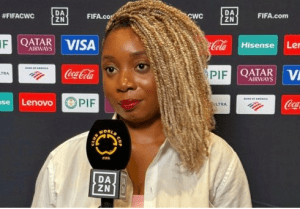
Anthony began her career in Nigerian media, working across radio and television sports desks where she developed a strong analytical voice and an ability to interpret football beyond surface-level reporting. Her early assignments included domestic league coverage and sports news anchoring, where she gradually established herself as a credible and authoritative voice in Nigerian sports journalism.
Her breakthrough came when she became the first African female commentator featured in AFCON coverage for the BBC, a milestone that significantly expanded her international visibility. Her on-air style is defined by clarity, tactical understanding, and the ability to translate complex football dynamics into accessible commentary for global audiences. This balance between technical depth and audience engagement has positioned her as a respected figure in sports broadcasting.
Anthony’s legacy is closely tied to the evolution of female representation in African football commentary. Her career has helped redefine expectations for women in live match analysis, particularly in high-stakes continental tournaments where commentary roles have traditionally been male-dominated.
Key Facts
- Full name of the subject: Janine Anthony
- Date of birth: 1980 (approx.)
- Place of birth: Nigeria
- Family background: Nigerian middle-class family with strong educational values
- Early childhood experiences: Exposure to football culture and local sports commentary
- Education history: Journalism and media communications studies
- Influences and mentors: Nigerian broadcasters and BBC sports editors
- Career beginnings: Nigerian radio and television sports reporting
- Major achievements: First African female AFCON commentator for BBC
- Challenges and obstacles faced: Gender bias in African sports commentary roles
- Turning points in life: Entry into BBC international sports broadcasting
- Contributions to society: Advancement of women in African football commentary
- Personal life (marriage, children, relationships): Private personal life
- Awards and recognitions: Nigerian sports journalism excellence awards
- Beliefs, values, or philosophy: Accuracy, fairness, and analytical storytelling
- Legacy and impact: Trailblazer for African female football commentators
- Historical or cultural significance: Pioneer in continental sports commentary inclusion
Notable Works: BBC AFCON coverage, Nigerian Premier League reporting, international football analysis segments
Controversies: Janine Anthony’s career has not been associated with any major verified controversies or professional misconduct cases. However, her appointment as a lead female commentator in AFCON-related coverage generated discussion within parts of the football audience regarding traditional norms in live match commentary. These debates involved broadcasters, football fans, and sports media analysts examining gender inclusion in commentary roles. Some critics initially questioned audience reception dynamics, while BBC editorial teams maintained that her selection was based on professional competence and performance evaluations. Verified reports indicate no disciplinary actions or institutional disputes. The broader impact of these discussions contributed to increasing acceptance of female commentators in elite African football broadcasting environments.
3. Thato Moeng
Thato Moeng has emerged as one of South Africa’s most dynamic sports presenters, recognized for her versatility across football, athletics, and international sporting events. Born and raised in South Africa, she developed an early interest in performance and communication, influenced by the country’s rich sporting culture and media landscape. Her academic background in media and broadcasting provided the foundation for her structured and engaging presentation style.

Moeng began her career in sports media through entry-level presenting roles and studio production work, where she developed a strong understanding of live broadcast operations. Her early work with SuperSport exposed her to high-level football programming, gradually building her credibility as a studio host and pitch-side reporter.
Her breakthrough came through her involvement in major football tournaments and SuperSport’s flagship programs, including high-profile live analysis shows. Her screen presence is characterized by energy, clarity, and the ability to guide conversations between analysts and audiences with ease. This adaptability has made her a trusted figure in live sports environments.
Moeng’s legacy is rooted in her contribution to modern African sports presentation, particularly in elevating studio-based football analysis formats. She represents a new generation of South African broadcasters who blend journalistic discipline with audience-centered presentation styles.
Key Facts
- Full name of the subject: Thato Moeng
- Date of birth: 1989 (approx.)
- Place of birth: South Africa
- Family background: Supportive South African family
- Early childhood experiences: Exposure to sports culture and media storytelling
- Education history: Media and broadcasting studies
- Influences and mentors: SuperSport senior producers and South African broadcasters
- Career beginnings: Entry-level sports presenting and studio production
- Major achievements: SuperSport lead host for major football programming
- Challenges and obstacles faced: Competitive South African broadcasting industry
- Turning points in life: Promotion to major SuperSport studio presenter roles
- Contributions to society: Representation of young African women in sports media
- Personal life (marriage, children, relationships): Private personal life
- Awards and recognitions: South African broadcasting recognition awards
- Beliefs, values, or philosophy: Preparation, confidence, and audience engagement
- Legacy and impact: Rising influence in African sports broadcasting presentation
- Historical or cultural significance: Part of new generation of African sports media hosts
Notable Works: SuperSport Thursday Night Live, FIFA World Cup studio coverage, Premier League analysis programming
Controversies: Thato Moeng’s professional career has not been associated with any major verified controversies or disciplinary incidents. However, like many emerging sports presenters in competitive broadcasting environments, her rapid rise within SuperSport has occasionally generated informal industry discussion regarding selection pathways and talent visibility in South African sports media. These discussions involved media commentators and broadcasting analysts assessing talent development systems within sports networks. Supporters attribute her progression to performance merit and adaptability in live broadcasting environments, while no formal complaints or institutional disputes have been recorded. Verified career records indicate consistent professional engagement and positive audience reception, with no documented regulatory or ethical concerns.
4. Victoria Rubadiri
Victoria Rubadiri represents one of the most refined transitions from mainstream news anchoring into global sports storytelling in African media. Born in Kenya into a culturally diverse household, she was raised with a strong emphasis on education, communication, and global awareness. This early environment shaped her ability to interpret sports not just as competition, but as a reflection of society, identity, and international relations.
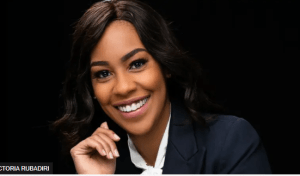
Rubadiri began her career in Kenyan broadcast journalism, initially focusing on news and current affairs before expanding into lifestyle and sports-related storytelling. Her early professional years were marked by disciplined newsroom reporting, where she developed a calm, authoritative delivery style that later became central to her on-screen identity. This grounding in hard journalism gave her sports coverage a distinctive analytical depth.
Her breakthrough into global recognition came through her work with CNN International, where she contributed to sports-adjacent features and human-interest stories connected to major global sporting events. Rather than traditional commentary, Rubadiri’s approach focuses on narrative framing, exploring athletes’ journeys, cultural context, and the broader significance of sporting moments.
Her legacy lies in redefining how African journalists are integrated into global sports storytelling. She has helped elevate the perception of African broadcast talent in international media spaces, particularly within networks that demand both journalistic precision and narrative sophistication.
Key Facts
- Full name of the subject: Victoria Rubadiri
- Date of birth: 28 July 1987
- Place of birth: Kenya
- Family background: Multicultural Kenyan family with strong academic influence
- Early childhood experiences: Exposure to diverse cultural and media environments
- Education history: Journalism and communication studies
- Influences and mentors: Kenyan senior broadcasters and CNN editorial mentors
- Career beginnings: Kenyan television news anchoring
- Major achievements: CNN International sports and feature reporting recognition
- Challenges and obstacles faced: Transitioning from news journalism into sports storytelling
- Turning points in life: International expansion through CNN assignments
- Contributions to society: Elevation of African storytelling in global sports media
- Personal life (marriage, children, relationships): Private personal life
- Awards and recognitions: East African journalism excellence awards
- Beliefs, values, or philosophy: Storytelling as cultural connection
- Legacy and impact: Expanded African presence in global sports journalism
- Historical or cultural significance: Bridge between African journalism and global sports media
Notable Works: CNN International feature reporting, African sports cultural documentaries, global sporting event coverage segments
Controversies: Victoria Rubadiri’s career has remained free from major verified controversies or professional misconduct allegations. However, her visibility within international journalism has occasionally sparked broader discussions about representation of African journalists in global media networks. These discussions involved media analysts, industry commentators, and audiences evaluating diversity in international broadcasting. Some critiques focused on structural underrepresentation rather than her individual performance, while CNN’s editorial teams consistently emphasized merit-based selection processes. Verified records show no disciplinary actions or institutional disputes associated with her work. The broader significance of this discourse reflects ongoing global conversations about inclusivity in sports and feature journalism.
5. Tega Onojaife
Tega Onojaife is a leading figure in African sports advocacy and broadcasting, known for combining media production with active institutional development of women in sports. Born in Nigeria, she grew up in an environment where sports participation and media awareness were gradually expanding, particularly for women. Her academic background in communications and media production provided the foundation for her dual role as both presenter and sports development advocate.
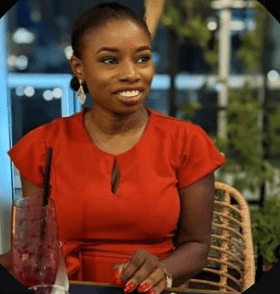
Onojaife began her career in sports media production, working behind the scenes on sports programming before transitioning into on-screen presentation. This production background gave her a technical understanding of broadcast structure, narrative pacing, and event coordination, which later enhanced her effectiveness as a presenter. Her early work focused on Nigerian sports coverage and event production.
Her breakthrough came through the establishment of Ladies in Sports International, an organization dedicated to increasing female participation and visibility in sports across Africa. Through this platform, she has combined media presence with institutional leadership, advocating for gender inclusion in sports administration, commentary, and broadcasting.
Her legacy is defined not only by her on-screen contributions but also by her structural impact on African sports ecosystems. She represents a hybrid model of broadcaster and sports development leader, influencing both media narratives and institutional frameworks for women in sports.
Key Facts
- Full name of the subject: Tega Onojaife
- Date of birth: 1980 (approx.)
- Place of birth: Nigeria
- Family background: Nigerian middle-class background with strong educational values
- Early childhood experiences: Exposure to sports and media culture
- Education history: Communications and media production studies
- Influences and mentors: Nigerian broadcasters and sports development leaders
- Career beginnings: Sports production and behind-the-scenes broadcasting roles
- Major achievements: Founder of Ladies in Sports International
- Challenges and obstacles faced: Gender inequality in African sports media and administration
- Turning points in life: Transition from production to sports advocacy leadership
- Contributions to society: Advancement of women’s participation in African sports
- Personal life (marriage, children, relationships): Private personal life
- Awards and recognitions: African sports development and leadership awards
- Beliefs, values, or philosophy: Inclusion, empowerment, and structural change in sports
- Legacy and impact: Institutional leader in African women’s sports development
- Historical or cultural significance: Key figure in gender transformation in African sports media
Notable Works: Ladies in Sports International initiatives, Nigerian sports event production, African women-in-sports advocacy programs
Controversies: Tega Onojaife’s career has not been associated with major verified controversies or professional disputes. However, her advocacy for gender reform in African sports has occasionally generated debate within traditional sports institutions regarding pace and scope of structural change. These discussions involved sports federations, media stakeholders, and gender advocacy groups evaluating policy shifts in sports administration. Critics in some cases questioned implementation strategies, while supporters highlighted measurable improvements in women’s participation and visibility. No formal disciplinary actions or institutional sanctions have been recorded. The broader outcome of these discussions reflects ongoing structural transformation in African sports governance and media representation.
6. Celestine Karoney
Celestine Karoney has built a reputation as one of East Africa’s most respected sports journalists, particularly through her work with BBC Sports Africa. Born in Kenya, she developed an early interest in storytelling and current affairs, influenced by the dynamic intersection of politics, culture, and sport in East African society. Her academic training in journalism provided the foundation for her investigative and feature-driven reporting style.

Karoney began her career in Kenyan media, where she worked across newsrooms and sports desks, gradually developing a strong specialization in football and athletics coverage. Her early reporting focused on domestic sports leagues and athlete development stories, where she distinguished herself through depth of research and clarity of analysis.
Her breakthrough came with her role at BBC Sports Africa, where she became part of a growing network of African journalists covering global sporting events, including the Olympics and FIFA World Cup. Her reporting style is characterized by precision, contextual depth, and a focus on athlete narratives within broader social frameworks.
Karoney’s legacy lies in her contribution to elevating African sports journalism on the global stage. She represents a new generation of African reporters who combine investigative journalism standards with international sports storytelling expectations.
Key Facts
- Full name of the subject: Celestine Karoney
- Date of birth: 1985 (approx.)
- Place of birth: Kenya
- Family background: Kenyan middle-class family
- Early childhood experiences: Exposure to sports and journalism culture
- Education history: Journalism and mass communication studies
- Influences and mentors: BBC editors and Kenyan senior journalists
- Career beginnings: Kenyan sports and news reporting
- Major achievements: BBC Sports Africa senior reporting assignments
- Challenges and obstacles faced: Competitive entry into international journalism platforms
- Turning points in life: Joining BBC Sports Africa team
- Contributions to society: Amplification of African sports stories globally
- Personal life (marriage, children, relationships): Private personal life
- Awards and recognitions: East African journalism excellence recognition
- Beliefs, values, or philosophy: Accuracy, depth, and integrity in reporting
- Legacy and impact: Elevated African presence in global sports journalism
- Historical or cultural significance: Key voice in African international sports reporting
Notable Works: BBC Sports Africa coverage, Olympic feature reporting, FIFA World Cup journalistic features
Controversies: Celestine Karoney’s career has not been associated with any major verified controversies or professional misconduct cases. However, as with many international correspondents covering African sports narratives, discussions have occasionally emerged regarding framing of African sporting issues in global media contexts. These debates involved media analysts, journalism scholars, and audiences assessing representation in international reporting. Some critiques focused on structural editorial framing rather than individual reporting accuracy, while BBC editorial leadership consistently maintained strict journalistic standards. Verified records show no disciplinary actions or institutional disputes. The broader impact reflects ongoing discourse about African narrative ownership in global sports journalism.
7. Ashley Nakazwe
Ashley Nakazwe has established herself as one of Zambia’s most recognizable sports presenters, particularly through her work on SuperSport’s football programming. Born in Zambia, she grew up in a sports-engaged environment where football played a central role in community identity. Her early exposure to local sports culture inspired her interest in communication and live presentation.
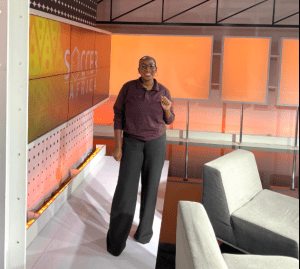
Nakazwe began her career in Zambian media, initially working in broadcasting and sports reporting before joining larger regional platforms. Her early assignments included pitch-side reporting and football analysis segments, where she developed confidence in live sports environments. Her ability to adapt quickly to high-pressure broadcast settings set her apart early in her career.
Her breakthrough came with her role as a presenter on SuperSport’s “The Soccer Africa,” where she gained continental visibility. Her screen presence is defined by warmth, clarity, and strong engagement with both studio analysts and live audiences. She has become a familiar face in African football broadcasting, particularly within Southern African football coverage.
Nakazwe’s legacy lies in her contribution to increasing visibility for Zambian sports journalists within continental media platforms. She represents a growing wave of Southern African broadcasters shaping modern football storytelling across the continent.
Key Facts
- Full name of the subject: Ashley Nakazwe
- Date of birth: 1990 (approx.)
- Place of birth: Zambia
- Family background: Zambian middle-class family
- Early childhood experiences: Exposure to local football culture
- Education history: Media and communication studies
- Influences and mentors: SuperSport producers and Zambian broadcasters
- Career beginnings: Zambian sports reporting and broadcast presenting
- Major achievements: SuperSport presenter on The Soccer Africa
- Challenges and obstacles faced: Limited international exposure from smaller media markets
- Turning points in life: Joining SuperSport continental programming
- Contributions to society: Representation of Zambian women in sports media
- Personal life (marriage, children, relationships): Private personal life
- Awards and recognitions: Regional broadcasting recognition awards
- Beliefs, values, or philosophy: Consistency, clarity, and audience engagement
- Legacy and impact: Rising influence in African football broadcasting
- Historical or cultural significance: Part of Zambia’s growing media representation in sports
Notable Works: The Soccer Africa, SuperSport football analysis segments, continental football coverage
Controversies: Ashley Nakazwe’s professional career has not been linked to any major verified controversies or disciplinary issues. However, like many broadcasters from emerging media markets, discussions have occasionally arisen regarding representation and visibility of Zambian talent within larger African sports networks. These conversations involved media analysts and industry observers assessing talent distribution across regional broadcasting hubs. Critics have noted structural disparities in exposure opportunities, while SuperSport programming decisions are generally based on regional audience engagement metrics. No formal complaints or disciplinary actions have been recorded. The broader implication highlights ongoing conversations about equitable representation within African sports broadcasting ecosystems.
8. Motshidisi Mohono
Motshidisi Mohono has established herself as one of South Africa’s most authoritative voices in sports broadcasting, particularly in rugby and cricket coverage on SuperSport. Born in South Africa, she grew up in a media-conscious environment where sports, especially rugby, played a central cultural role. Her early exposure to storytelling and public communication shaped her interest in broadcast journalism from a young age.
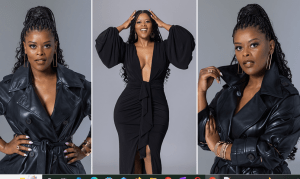
Mohono began her career in radio broadcasting, where she developed a strong command of voice modulation, live analysis, and structured storytelling. This foundation in radio journalism became instrumental in shaping her transition to television, where clarity and composure under live conditions are critical. Her early assignments included sports news reporting and studio hosting for local sporting events.
Her breakthrough came through SuperSport, where she became a prominent presenter covering major rugby and cricket tournaments, including international tours and championship fixtures. Her screen presence is defined by authority, precision, and a calm command of high-intensity sporting environments. She is particularly respected for her ability to translate complex tactical moments into accessible analysis for diverse audiences.
Mohono’s legacy lies in her contribution to elevating women’s visibility in traditionally male-dominated sports such as rugby. She has become a symbol of professionalism in African sports broadcasting, demonstrating that technical sports analysis is not defined by gender but by expertise and preparation.
Key Facts
- Full name of the subject: Motshidisi Mohono
- Date of birth: 12 October 1983
- Place of birth: South Africa
- Family background: South African family with strong educational values
- Early childhood experiences: Exposure to rugby and cricket culture
- Education history: Media and journalism studies
- Influences and mentors: South African radio broadcasters and SuperSport producers
- Career beginnings: Radio sports journalism in South Africa
- Major achievements: Lead SuperSport presenter for rugby and cricket coverage
- Challenges and obstacles faced: Gender bias in rugby broadcasting environments
- Turning points in life: Transition from radio to television sports presenting
- Contributions to society: Representation of women in rugby and cricket broadcasting
- Personal life (marriage, children, relationships): Private personal life
- Awards and recognitions: South African sports media excellence awards
- Beliefs, values, or philosophy: Discipline, preparation, and analytical clarity
- Legacy and impact: Elevated female presence in rugby sports broadcasting
- Historical or cultural significance: Key figure in modern South African sports media evolution
Notable Works: SuperSport rugby coverage, international cricket broadcasts, major tournament studio presenting
Controversies: Motshidisi Mohono’s career has not been associated with any major verified controversies or disciplinary actions. However, her visibility in rugby broadcasting has occasionally contributed to broader industry discussions about gender inclusion in traditionally male-dominated sports coverage. These discussions involved media analysts, rugby audiences, and broadcasting institutions evaluating diversity in commentary and presentation roles. Some critics initially questioned audience readiness for female rugby presenters, while SuperSport’s editorial leadership maintained that selection is based on professional competence and broadcast performance. Verified records indicate no formal disputes or sanctions. The broader outcome reflects increasing normalization of women in elite rugby broadcasting environments in South Africa.
9. Naomi Schiff
Naomi Schiff has become one of the most prominent female voices in global motorsport broadcasting, bringing a rare combination of competitive racing experience and media analysis to Formula 1 coverage. Born in Belgium and raised across multiple countries including Rwanda and South Africa, she developed a multicultural identity that shaped her global perspective on sport and competition.

Schiff’s early career began in motorsport itself, where she competed in junior racing categories, gaining firsthand experience in karting and formula racing disciplines. Although her driving career did not progress into Formula 1, it provided her with deep technical knowledge of racing dynamics, strategy, and driver psychology. This foundation became essential in her transition into broadcasting.
Her breakthrough came when she joined Sky Sports F1 as a presenter and analyst, where her insights into race performance and technical strategy quickly distinguished her from traditional media commentators. On screen, she combines technical precision with accessible explanation, making complex motorsport concepts understandable to mainstream audiences.
Schiff’s legacy lies in redefining how former athletes transition into sports broadcasting, particularly in elite motorsport coverage. She has become a visible advocate for diversity in Formula 1 media representation and continues to influence how technical expertise is integrated into modern sports broadcasting.
Key Facts
- Full name of the subject: Naomi Schiff
- Date of birth: 18 May 1994
- Place of birth: Belgium
- Family background: Multicultural Rwandan-Belgian family
- Early childhood experiences: Exposure to international motorsport environments
- Education history: Motorsport training and international schooling
- Influences and mentors: Professional racing drivers and motorsport engineers
- Career beginnings: Junior motorsport racing (karting and formula series)
- Major achievements: Sky Sports F1 presenter and motorsport analyst
- Challenges and obstacles faced: Limited advancement opportunities in competitive racing
- Turning points in life: Transition from racing driver to Formula 1 broadcaster
- Contributions to society: Representation of women in motorsport journalism
- Personal life (marriage, children, relationships): Married
- Awards and recognitions: Motorsport diversity and media recognition awards
- Beliefs, values, or philosophy: Technical accuracy and inclusive storytelling
- Legacy and impact: Expanded female presence in Formula 1 broadcasting
- Historical or cultural significance: Bridge between professional racing and global sports media
Notable Works: Sky Sports F1 coverage, Formula 1 race analysis segments, motorsport documentary features
Controversies: Naomi Schiff’s professional career has not been associated with any major verified controversies or disciplinary actions. However, her appointment as a Formula 1 analyst generated industry discussion regarding the pathway from lower-tier racing to elite-level motorsport commentary. These debates involved Sky Sports F1, motorsport commentators, and fan communities assessing qualification standards for technical analysis roles. Critics questioned the depth of elite racing experience required for Formula 1 commentary, while supporters emphasized her practical racing background and communication skills. Sky Sports editorial teams maintained confidence in her analytical abilities based on performance evaluations. Verified records show no formal disputes or institutional sanctions. The broader impact reflects ongoing evolution in motorsport broadcasting diversity and expertise inclusion.
10. Amanda Dlamin
Amanda Dlamini represents one of the most powerful transitions from elite athlete to respected sports broadcaster in African football. Born in South Africa, she rose through the ranks of women’s football to become captain of Banyana Banyana, South Africa’s national women’s team. Her early life was shaped by determination, discipline, and a deep passion for football in a sporting culture where women’s participation was still developing.
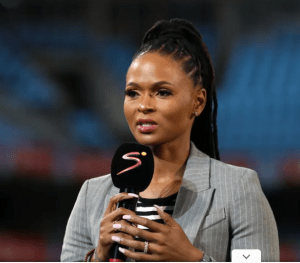
Dlamini’s playing career established her as one of South Africa’s most influential female footballers, known for leadership, tactical awareness, and midfield control. After retiring from professional football, she transitioned into sports broadcasting with SuperSport, where she brought firsthand competitive experience into her analytical work.
Her breakthrough in media came through her role as a football analyst and presenter, where she provides tactical breakdowns, match analysis, and commentary on both women’s and men’s football. Her screen presence is defined by credibility, calm authority, and deep tactical understanding derived from her playing career.
Dlamini’s legacy lies in bridging the gap between professional sport and sports media in Africa. She has become a leading example of how former athletes can successfully transition into broadcasting roles, enriching sports media with authentic competitive insight.
Key Facts
- Full name of the subject: Amanda Dlamini
- Date of birth: 22 January 1988
- Place of birth: South Africa
- Family background: South African family supportive of sports participation
- Early childhood experiences: Early involvement in football development programs
- Education history: Sports science and media-related studies
- Influences and mentors: South African football coaches and national team staff
- Career beginnings: Professional football career with Banyana Banyana
- Major achievements: Former captain of South Africa women’s national football team
- Challenges and obstacles faced: Gender inequality in football development structures
- Turning points in life: Retirement from professional football and transition into broadcasting
- Contributions to society: Advocacy for women’s football development in Africa
- Personal life (marriage, children, relationships): Private personal life
- Awards and recognitions: South African sports leadership and excellence awards
- Beliefs, values, or philosophy: Discipline, empowerment, and sports development
- Legacy and impact: Key figure in athlete-to-broadcaster transition in Africa
- Historical or cultural significance: Pioneer in African women’s football media representation
Notable Works: SuperSport football analysis, FIFA tournament coverage, women’s football advocacy programming
Controversies: Amanda Dlamini’s career has not been associated with any major verified controversies or disciplinary actions. However, her transition from player to broadcaster has occasionally contributed to broader discussions about athlete representation in sports media and the balance between professional journalism training and experiential analysis. These discussions involved sports media analysts, football institutions, and audiences evaluating credibility pathways for former athletes. Critics in some instances questioned formal broadcasting training requirements, while SuperSport has consistently supported athlete integration into analysis roles based on expertise. No formal disputes or sanctions have been recorded. The broader outcome reflects growing acceptance of former athletes as authoritative voices in African sports broadcasting.
Notable Mentions
Mimi Fawaz
Idah Peterside
Ebuka Obi-Uchendu
Ayishatu Zakaria Ali
Debbielyn Jackson
Julia Stuart
Sana Hamouche
Chisom Mbonu-Ezeoke
Elma Smit
Lebo Motsoeli